Windthrow — History & Analysis
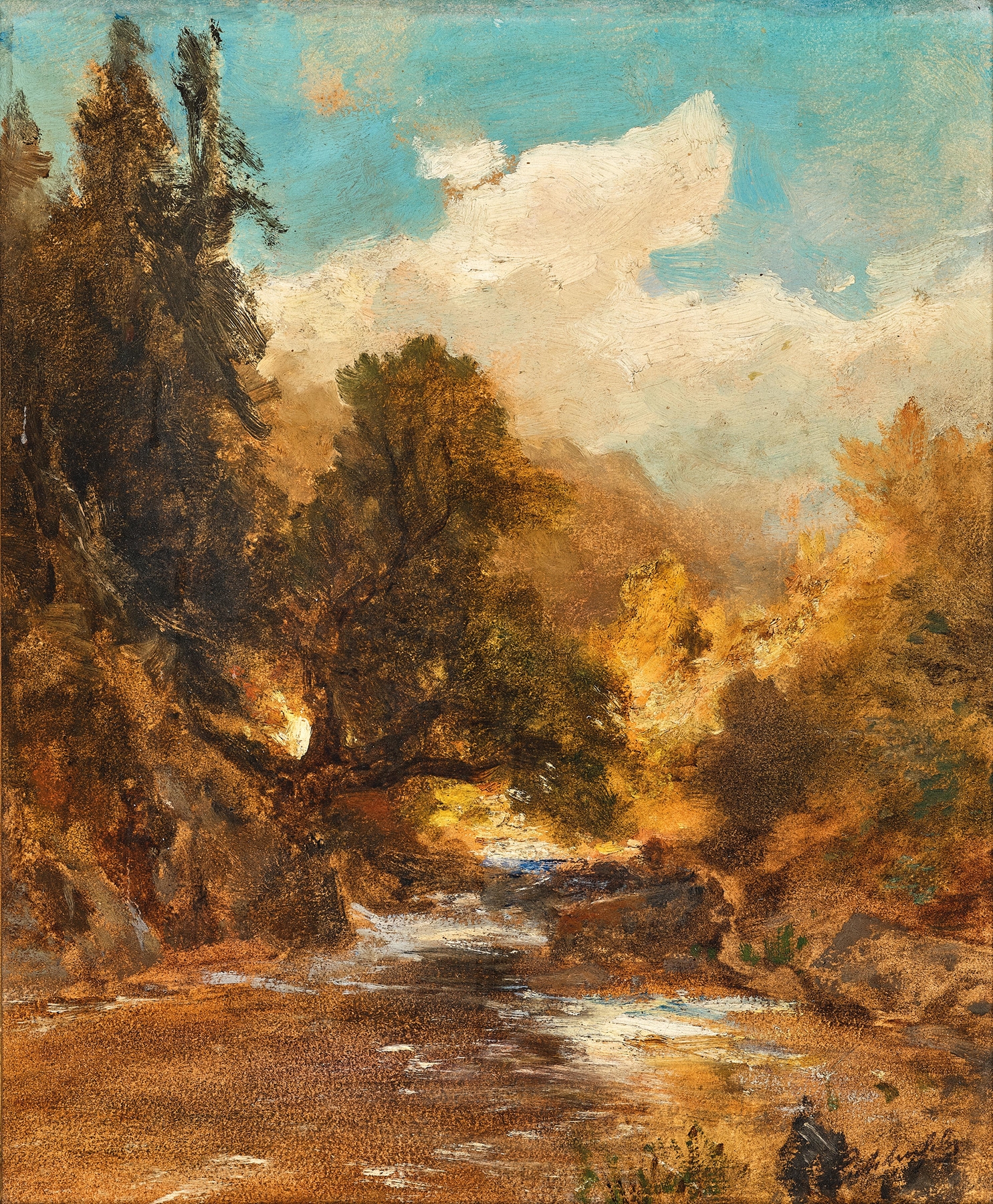
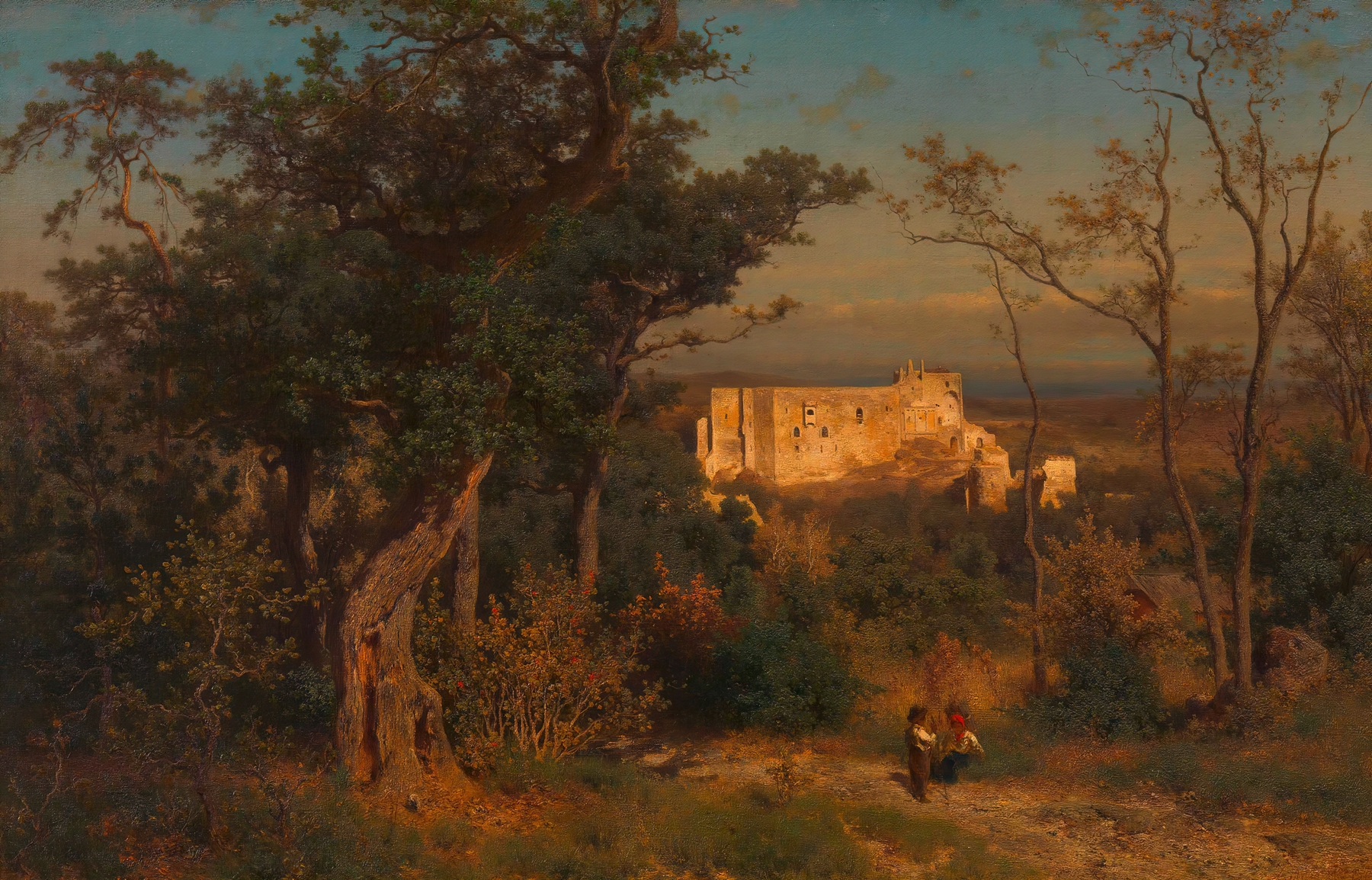
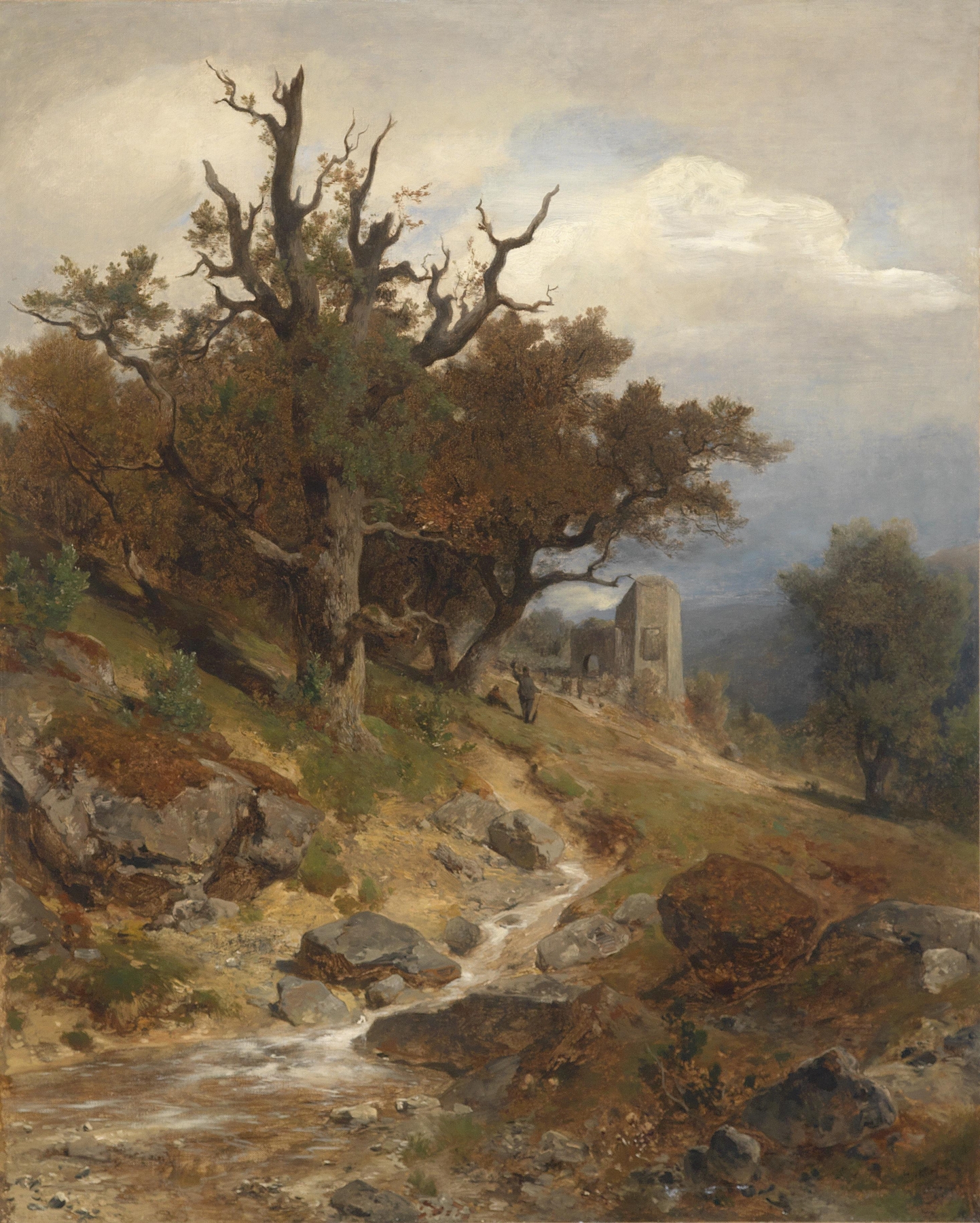
“The canvas doesn’t lie — it simply waits.” In the quiet stillness of creation, the brush strokes of a master reveal a legacy intertwined with nature’s resilience. Look to the center of the composition, where a gnarled tree trunk lies sprawled, its roots exposed to the elements. Notice how the artist employs a muted palette of earthy browns and greens, enhancing the atmosphere of decay but also of profound beauty. The texture of the bark contrasts with the delicate foliage, while a soft light filters through the surrounding trees, casting elongated shadows that dance across the forest floor.
The careful rendering draws your eye, inviting contemplation on the passage of time. Delve deeper into the tangled roots, where life persists against the odds. Each knot and crevice speaks to endurance, suggesting that even in devastation, vitality persists. The contrasts between life and death, fragility and strength, create an emotional tension that resonates with the viewer—an invitation to reflect on personal legacies and the cycles of nature.
This interplay evokes a sense of melancholy, yet also hints at renewal and hope, suggesting that every ending harbors the seeds of a new beginning. During the time this work was created, Eduard Peithner von Lichtenfels was immersed in the natural landscapes of 19th-century Germany, a period rich with the Romantic exploration of nature. His focus on the intricacies of the forest reflects a growing movement towards realism in art, where artists sought to capture the subtleties of the natural world. In this context, Windthrow stands as a poignant testament to the artist’s commitment to documenting the beauty and complexity of life itself.