Winter Landscape — History & Analysis
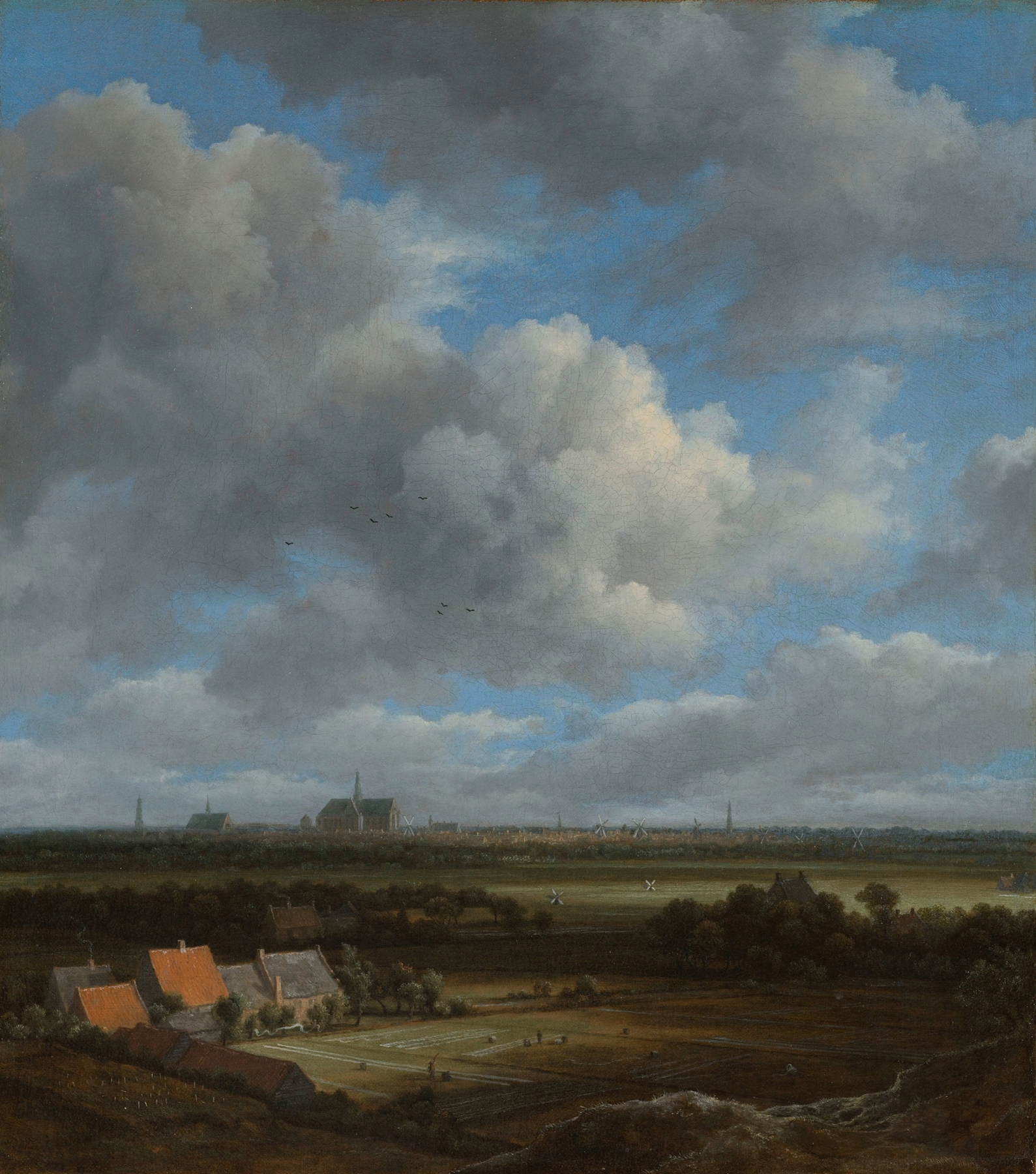
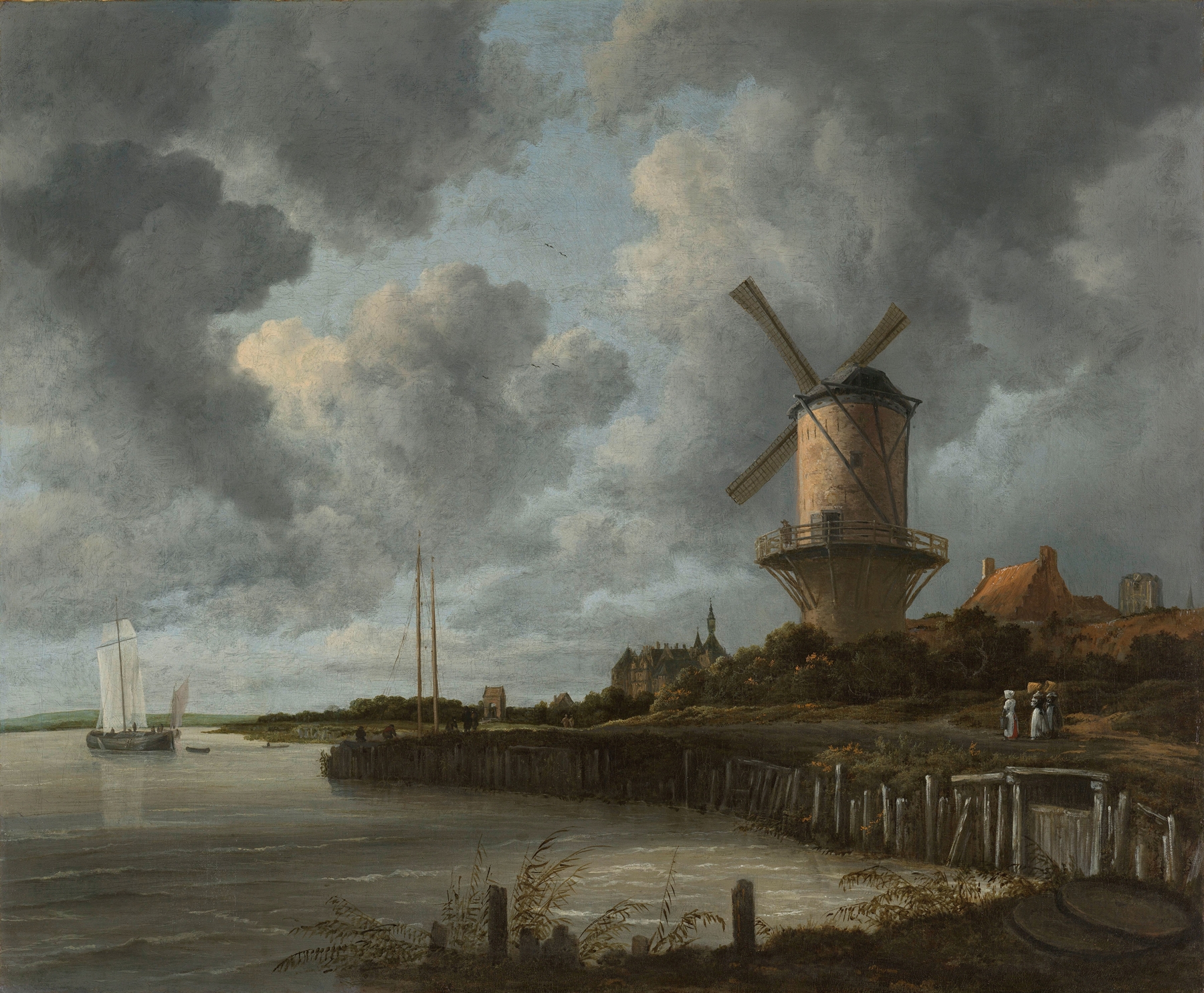
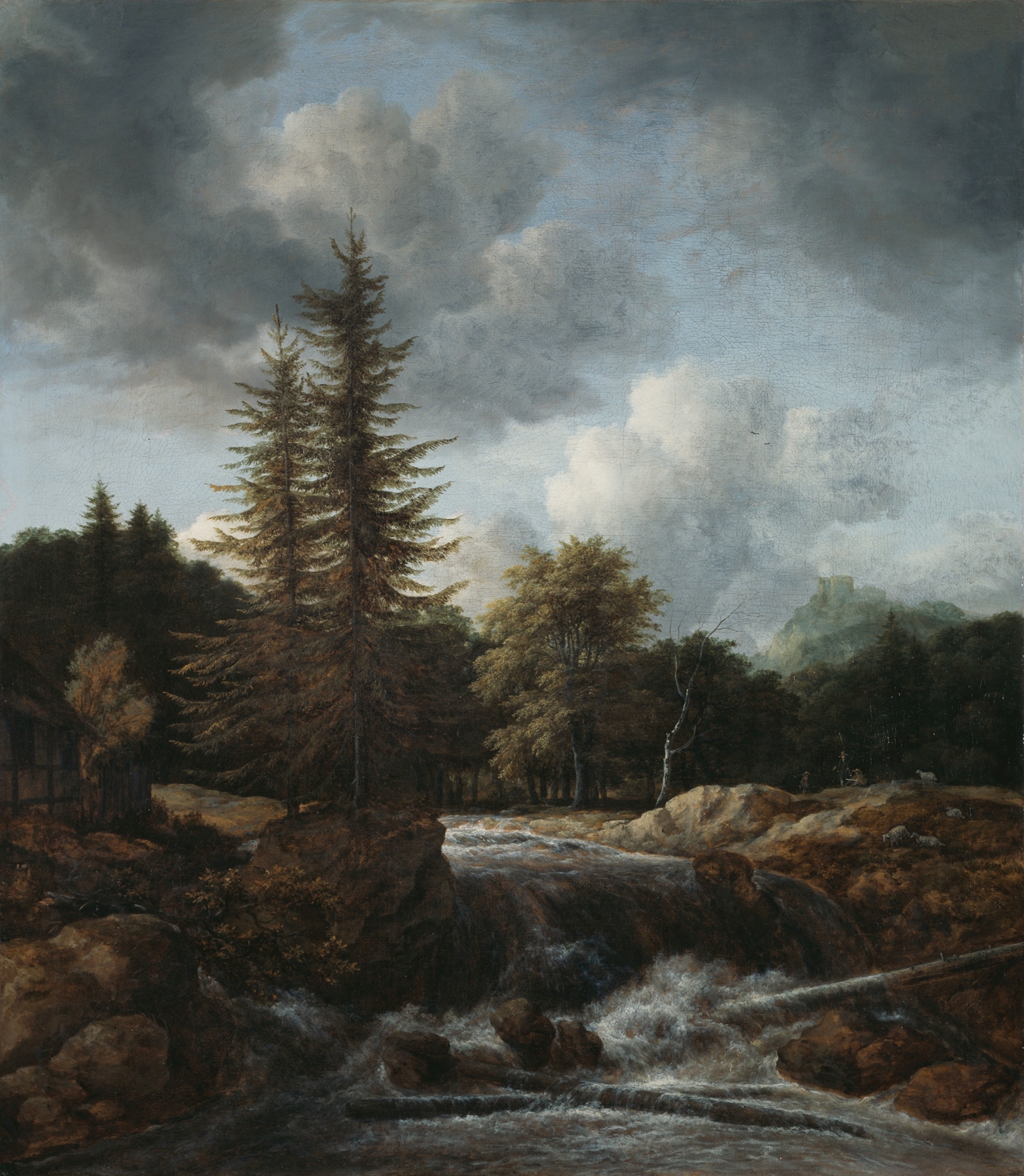
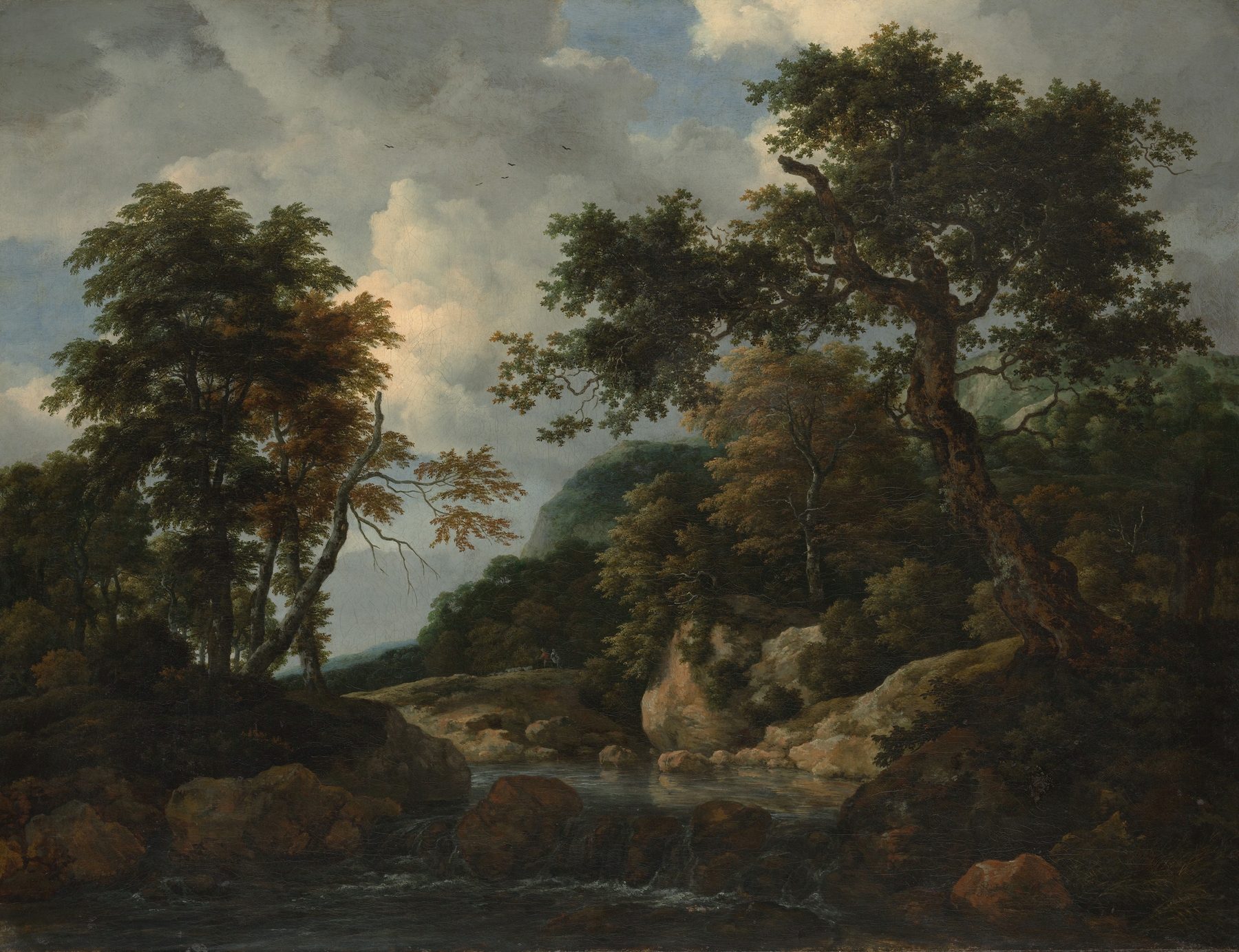
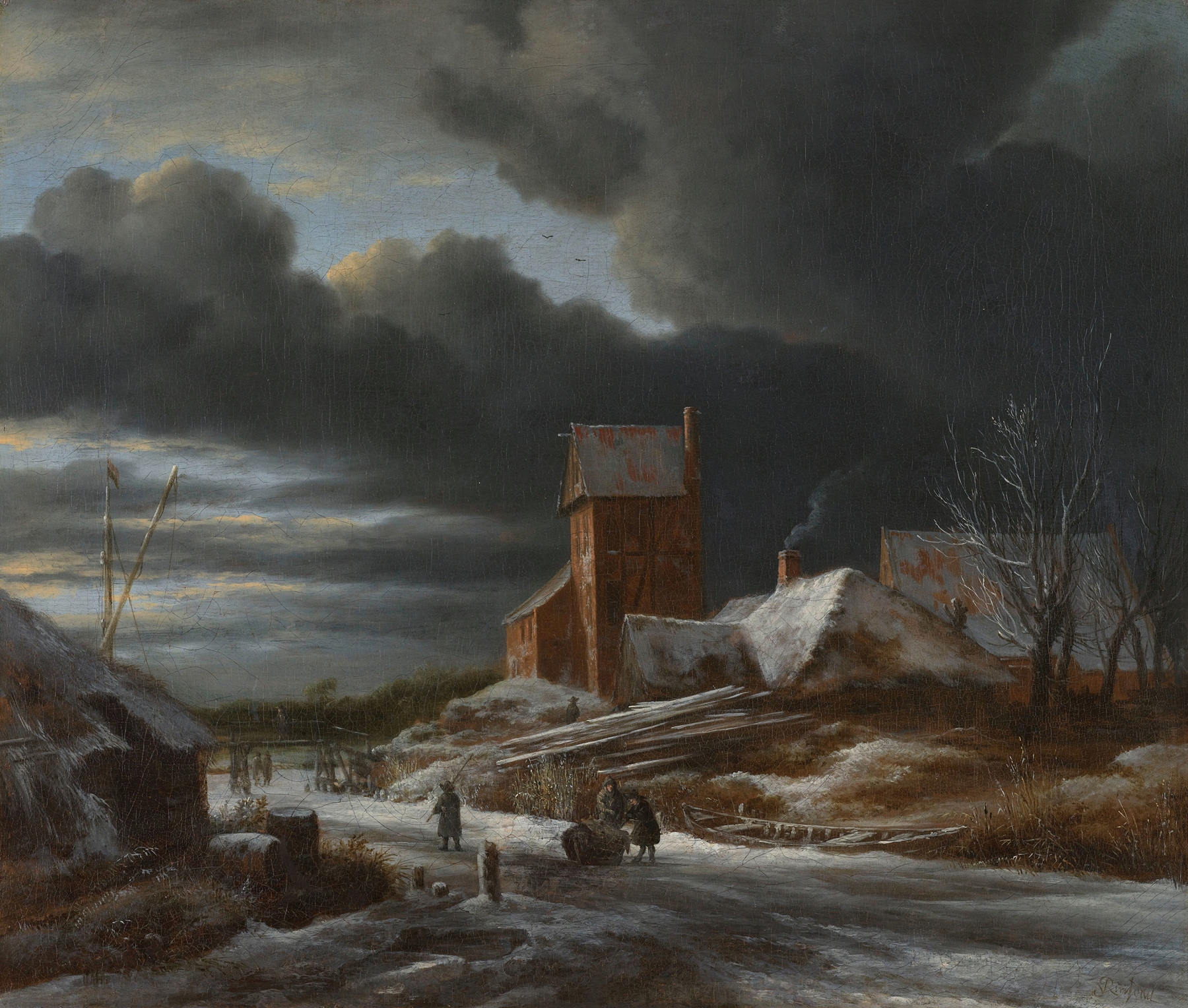
“Sometimes beauty is just pain, disguised in gold.” Within the serene expanse of a wintry landscape lies a profound truth, one that speaks of rebirth amid the lingering cold. Look to the lower left, where the frost-laden trees stand like silent sentinels, their bare branches trembling under a soft blanket of snow. The horizon stretches wide, painted in muted tones of gray and white, while a gentle light breaks through the clouds, casting an ethereal glow across the scene. Notice how the artist’s brush captures the delicate interplay between the cool shadows and the warm light, suggesting a promise of spring hidden beneath the icy surface.
One can’t help but sense a tension between desolation and hope here. The starkness of winter reflects a certain melancholy, yet the glimmers of light evoke the anticipation of renewal. The frozen river, winding through the composition, symbolizes life’s constant flow despite the harshness of the season, inviting the viewer to ponder the cycles of existence.
Each detail, from the distant hills to the shimmering sky, weaves a narrative of resilience and beauty, hinting at the rebirth that inevitably follows even the coldest of winters. In the mid-1660s, Jacob van Ruisdael created Winter Landscape while residing in the Netherlands, a time marked by profound artistic exploration and the rise of Dutch landscape painting. His works during this period reflect the interplay of nature and mood, capturing the essence of the changing seasons against the backdrop of a society engaged in commerce and creativity.