Winter Landscape — History & Analysis
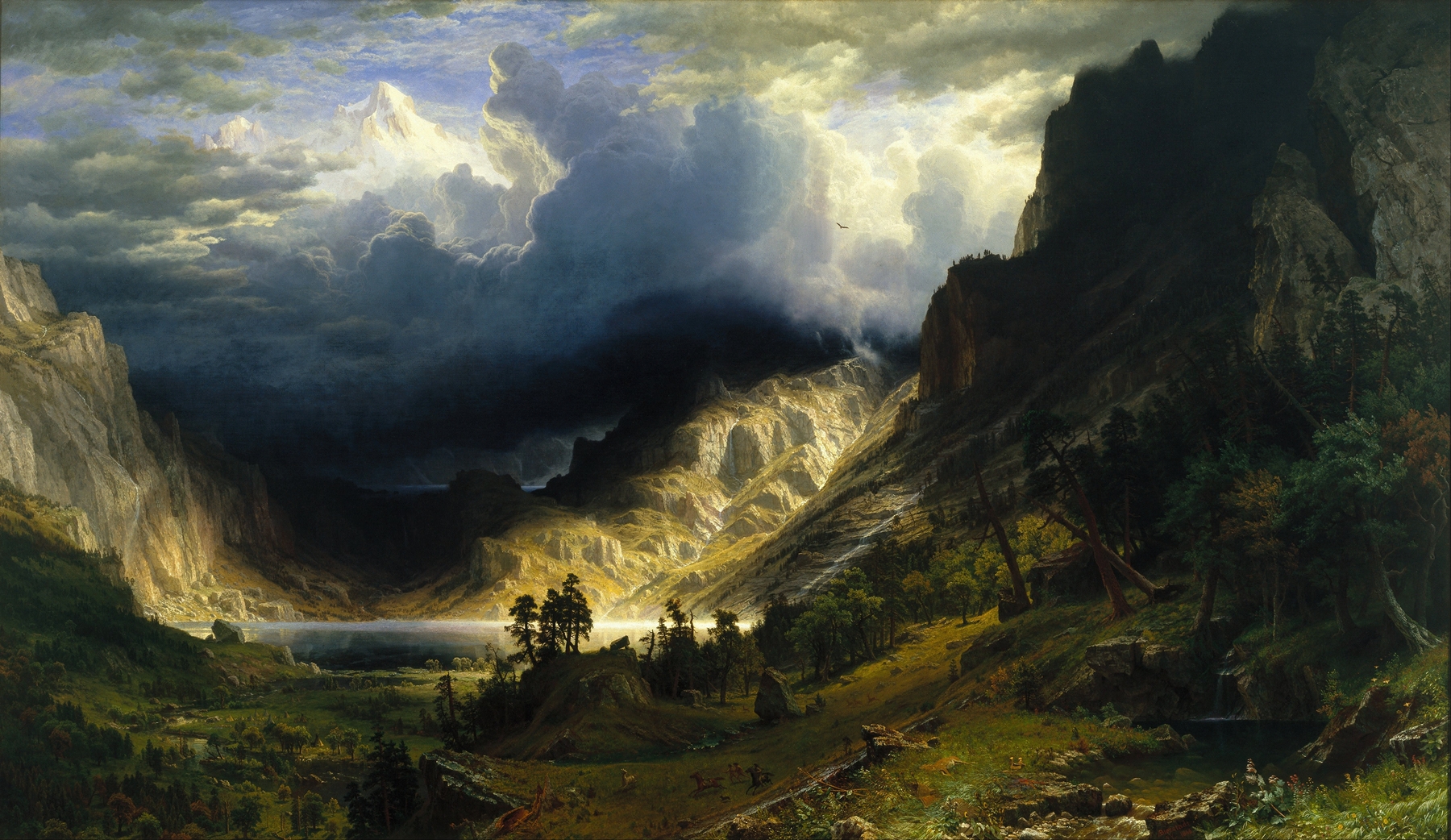
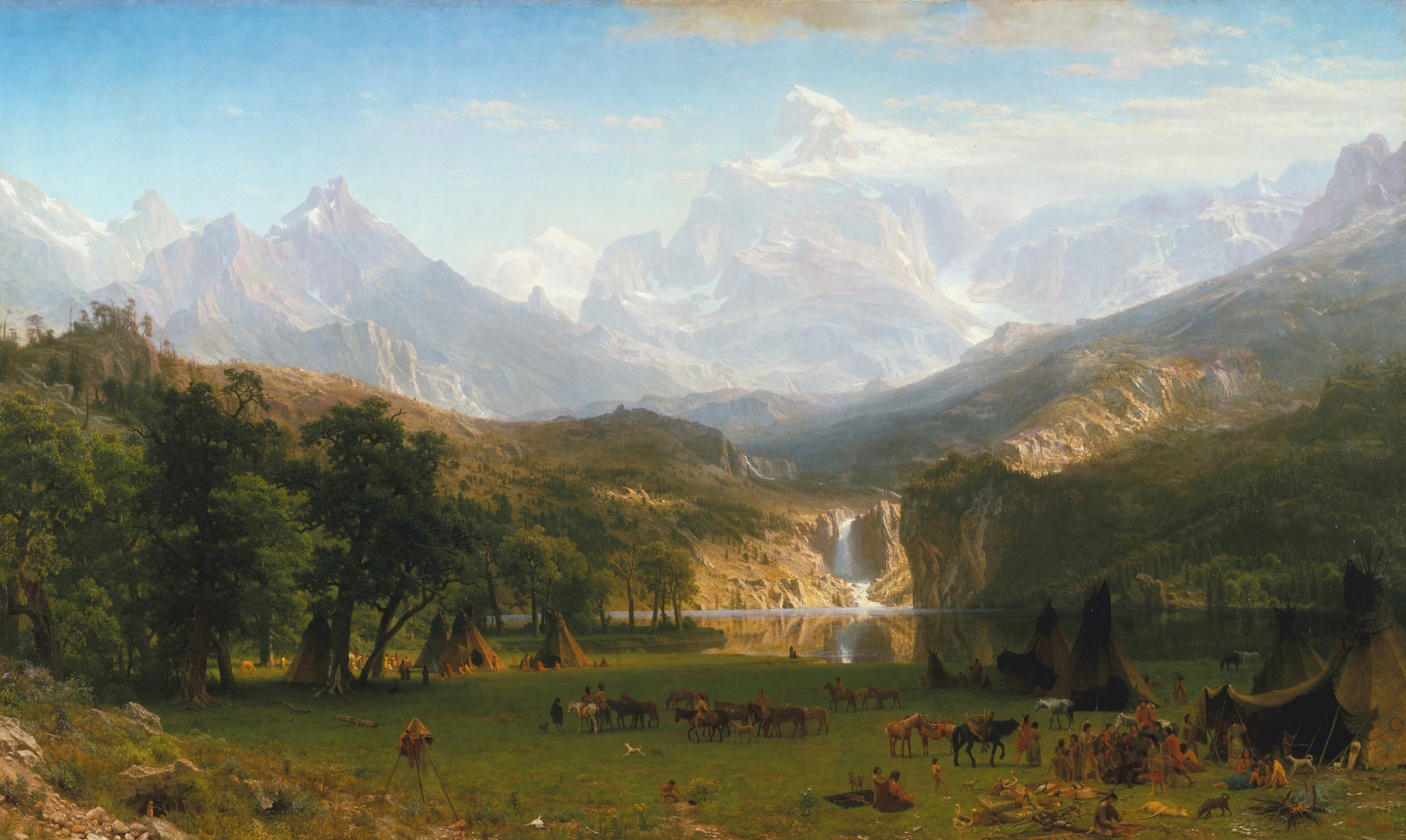
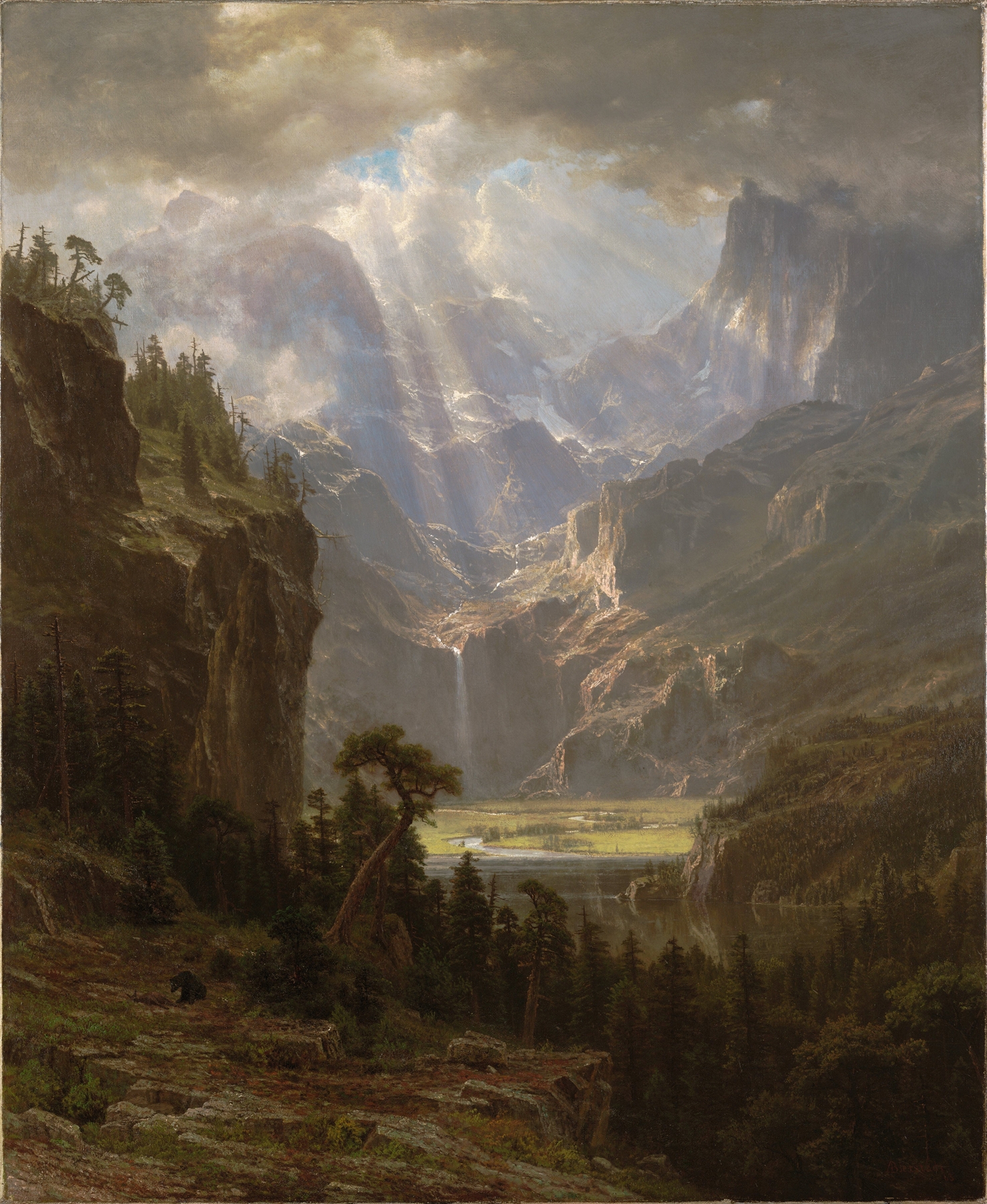
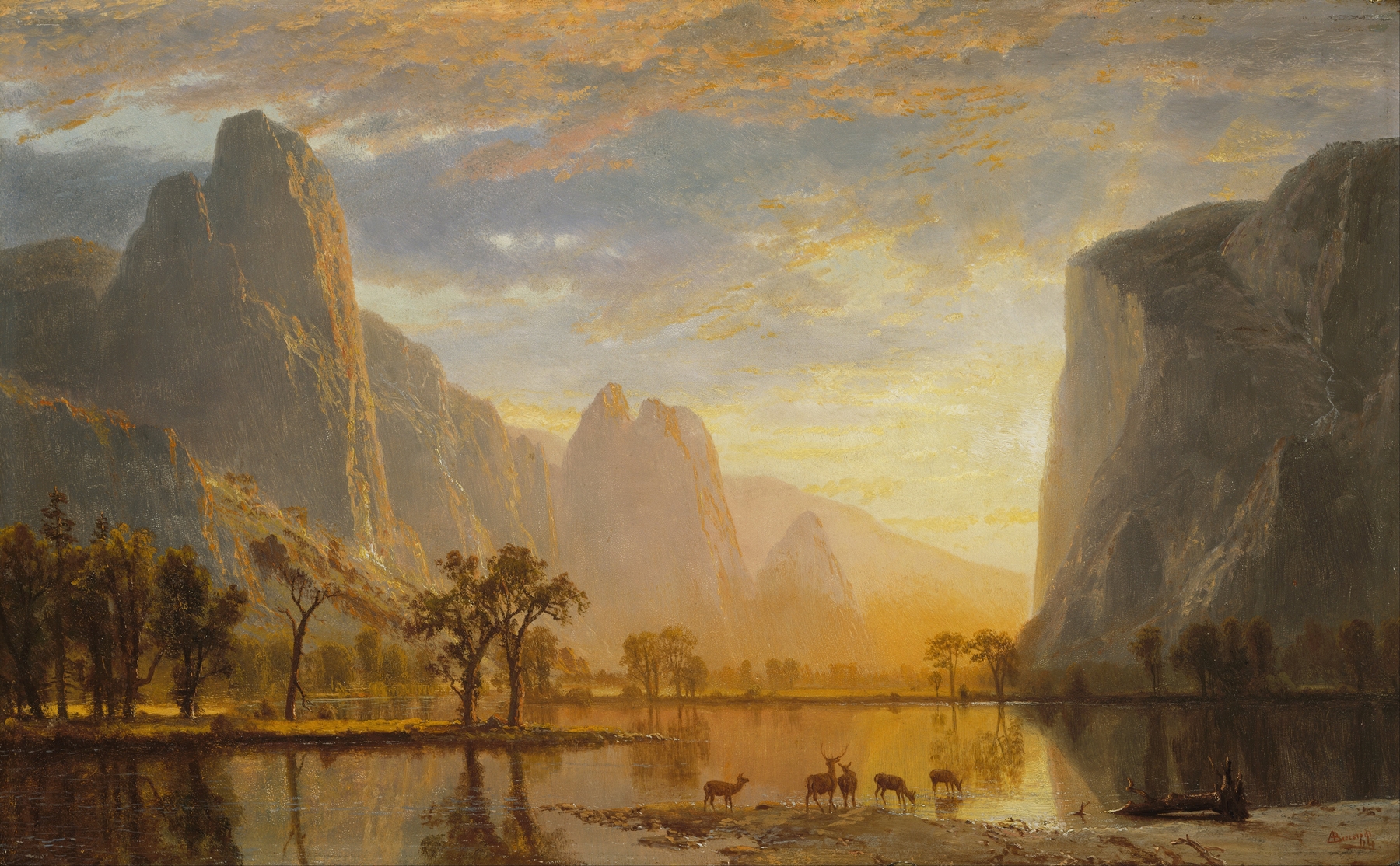
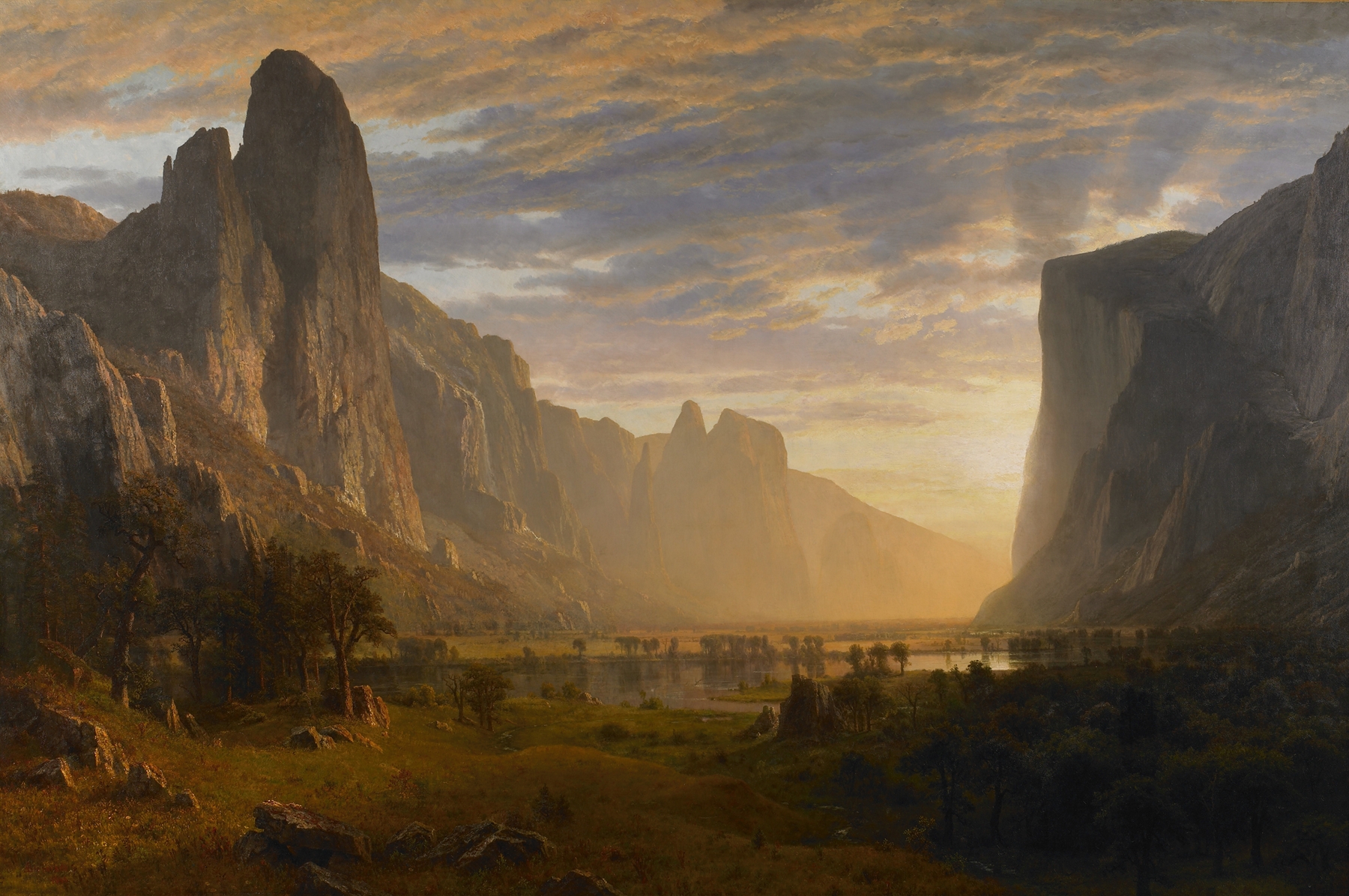
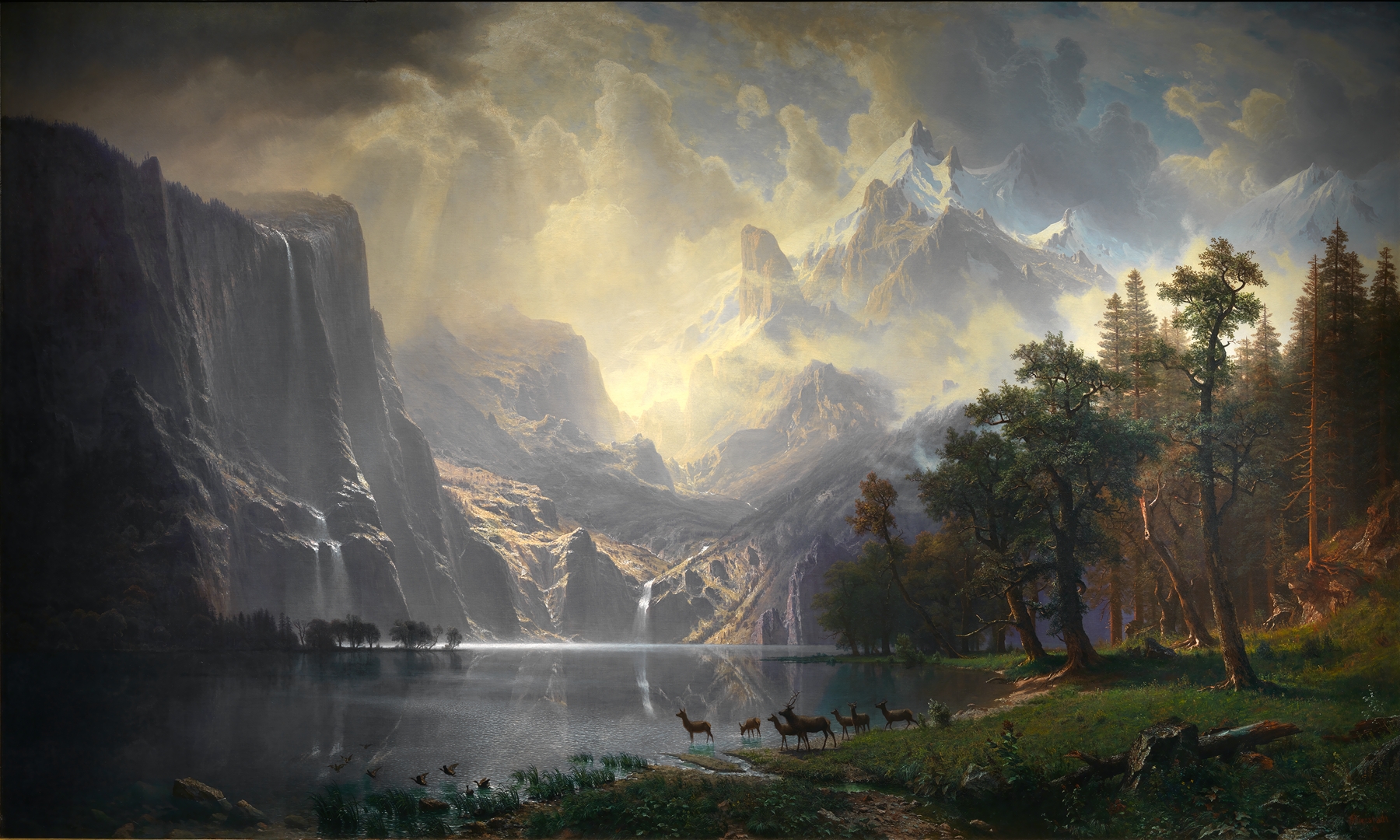
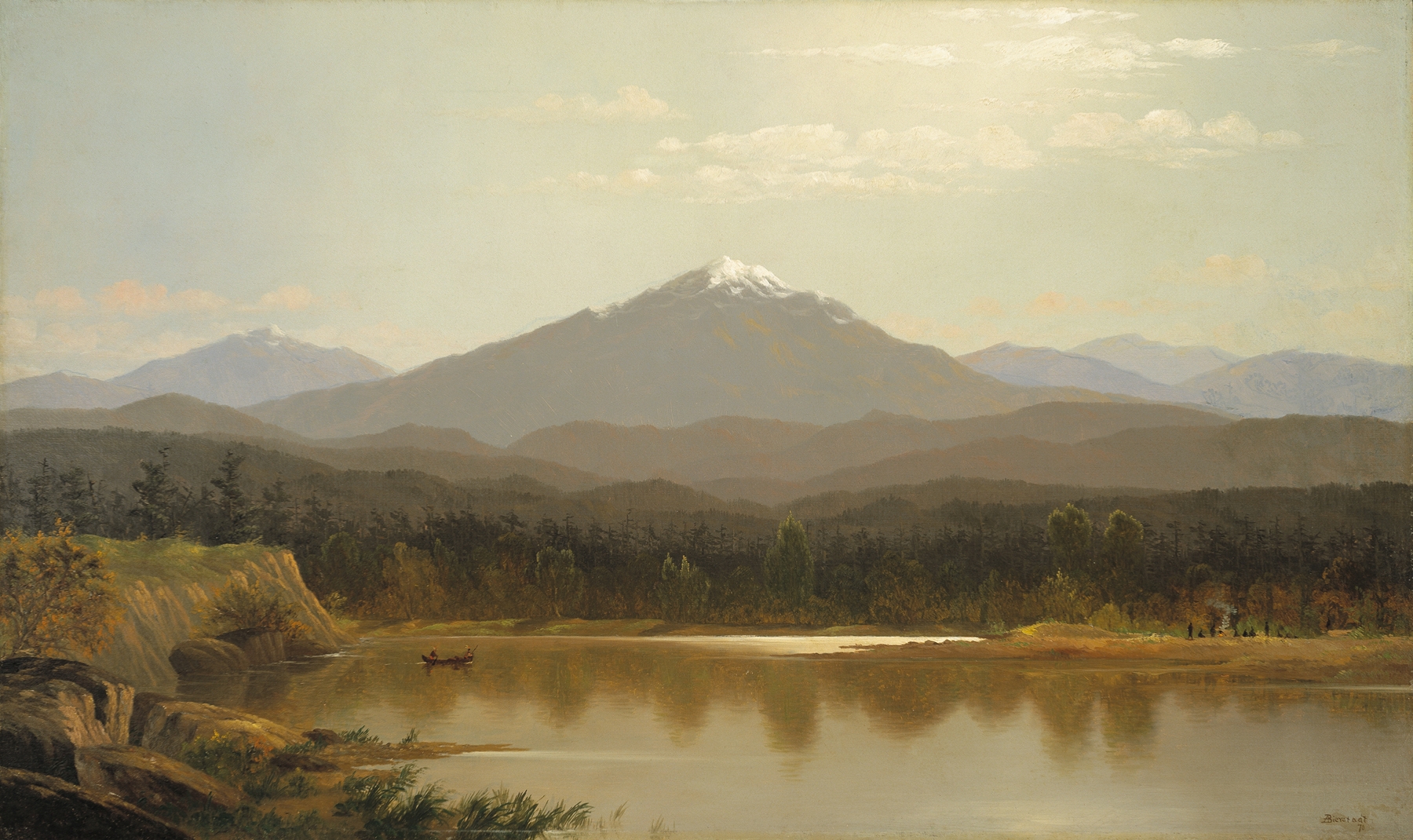
Could a single brushstroke hold eternity? In the vast expanse of winter landscapes, there lies a haunting emptiness that beckons contemplation and reflection. Look to the center, where the snow-capped peaks rise majestically against a muted sky, their icy grandeur reflecting a world untouched. The palette is dominated by soft whites and grays, intertwined with muted blues that evoke the chill of the season. Notice how the sweeping brushstrokes create a sense of movement in the clouds, suggesting a deep, almost melancholic calm.
The horizon stretches infinitely, inviting the viewer to explore the delicate balance between solitude and serenity. Here, the vastness speaks of isolation, yet the quiet beauty has its own kind of warmth. The distant mountains loom like silent guardians, embodying the tension between nature's grandeur and humanity's insignificance. This stillness encourages introspection, as if the landscape knows the weight of loneliness.
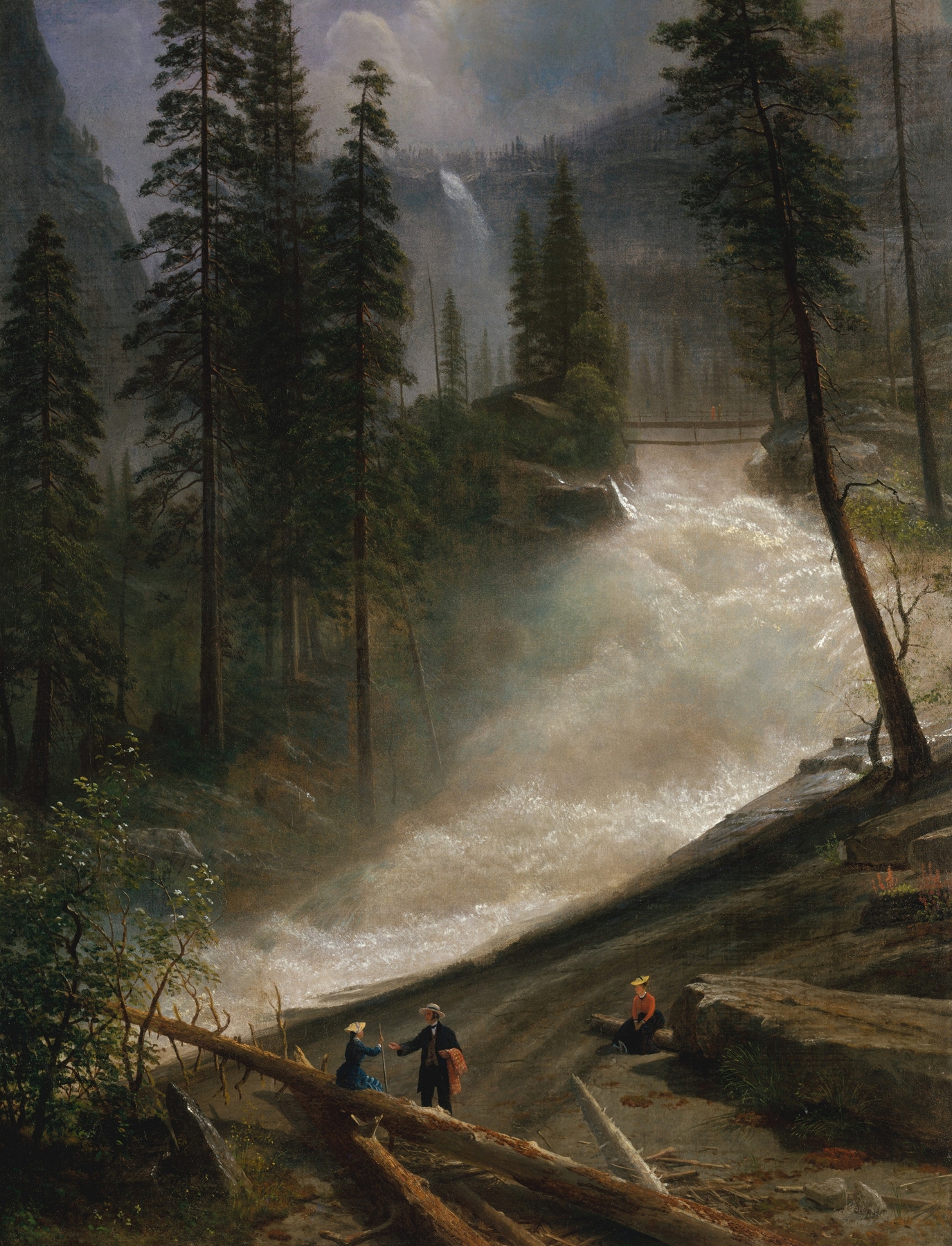
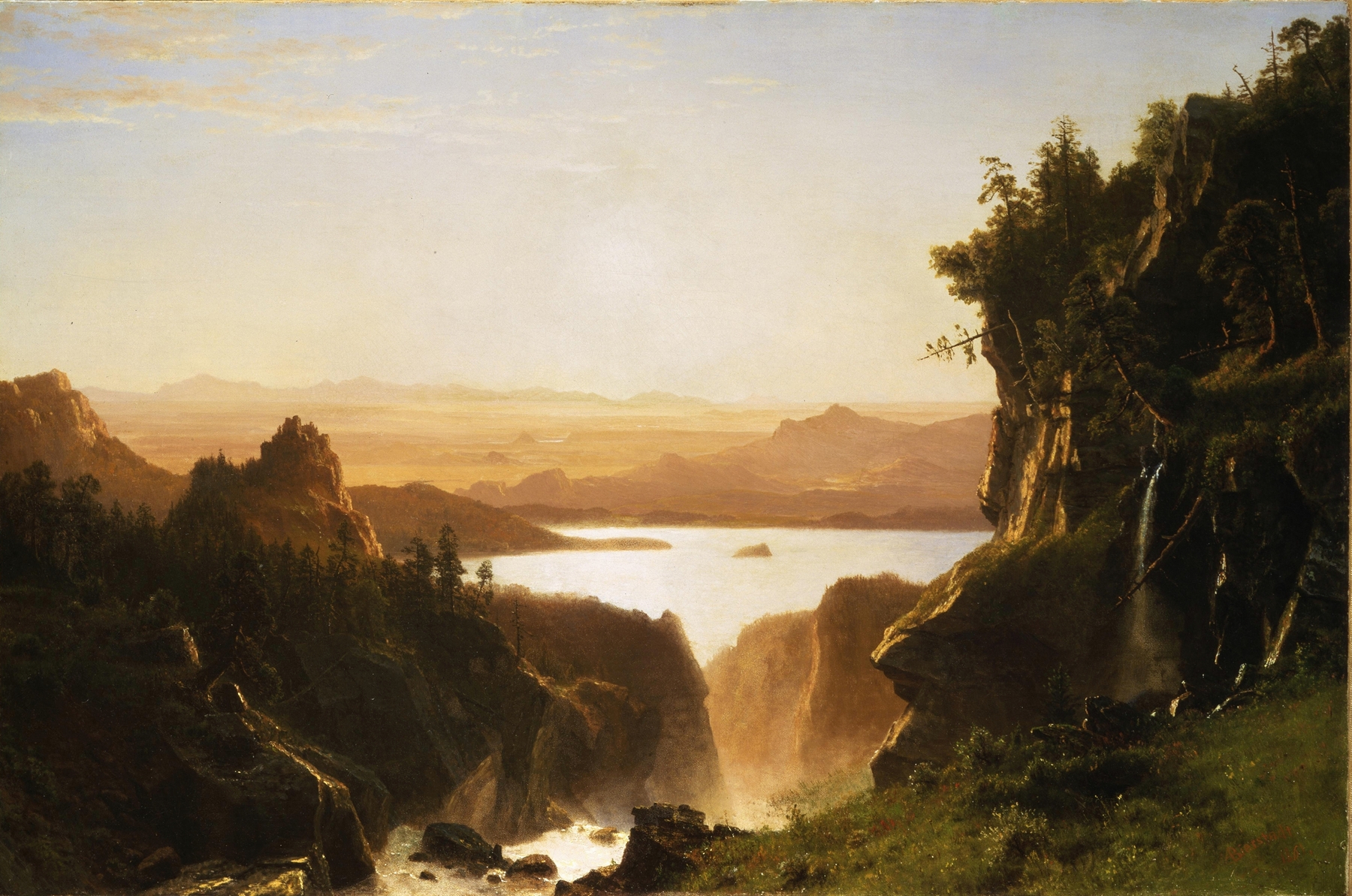
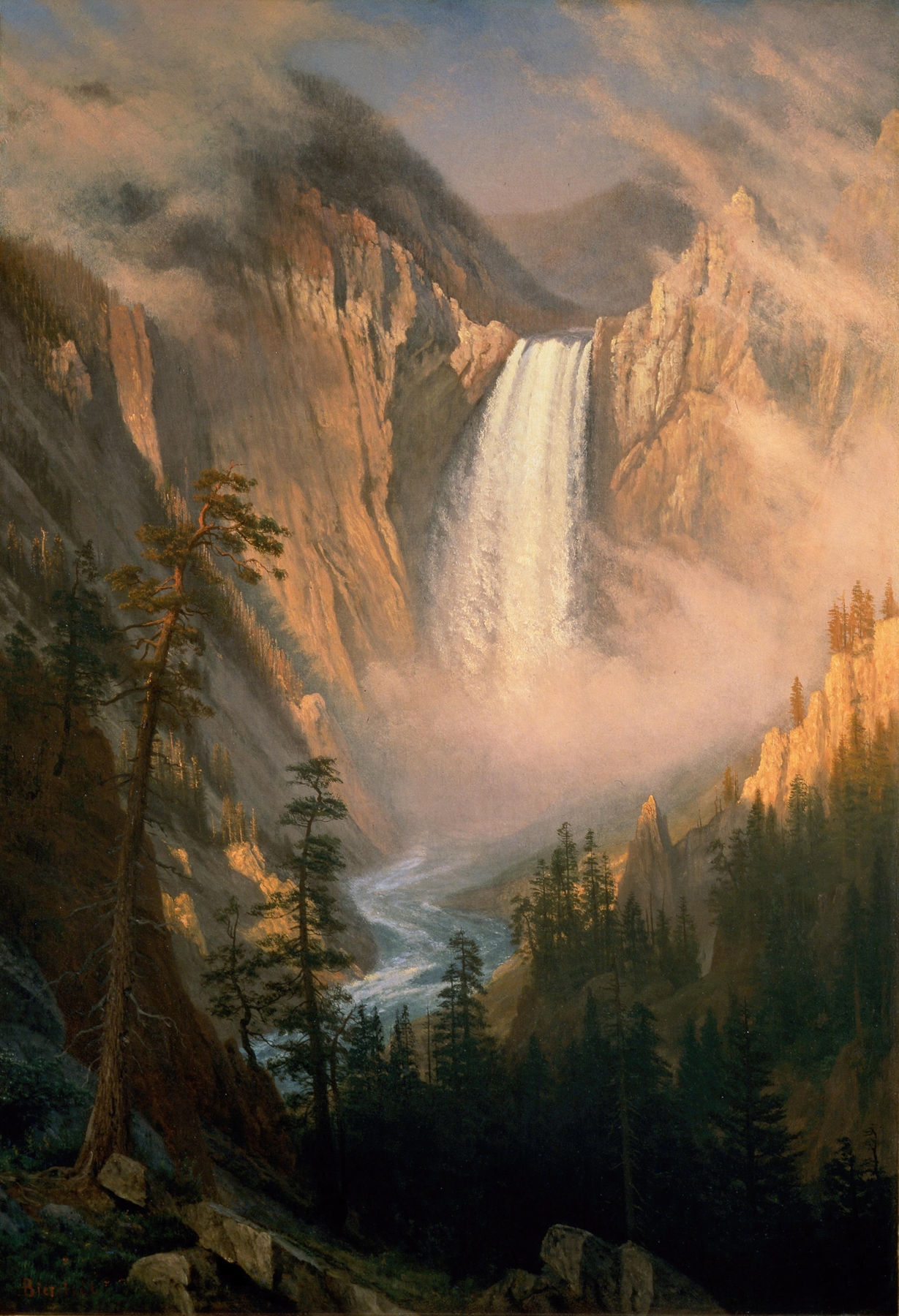
The rhythmic patterns of the snowdrifts contrast with the smoothness of the sky, perhaps reflecting the inner turmoil that often accompanies stillness. Created during an era when the American landscape was becoming a subject of fascination, this work emerged from Bierstadt's exploratory journeys through the West in the mid-19th century. It encapsulates the spirit of Romanticism, a period defined by an appreciation for the sublime beauty and raw power of nature. As Bierstadt painted this piece, he was navigating the shifting currents of art, where natural landscapes began to serve as a canvas for deeper emotional truths.