Winterlandschap — History & Analysis
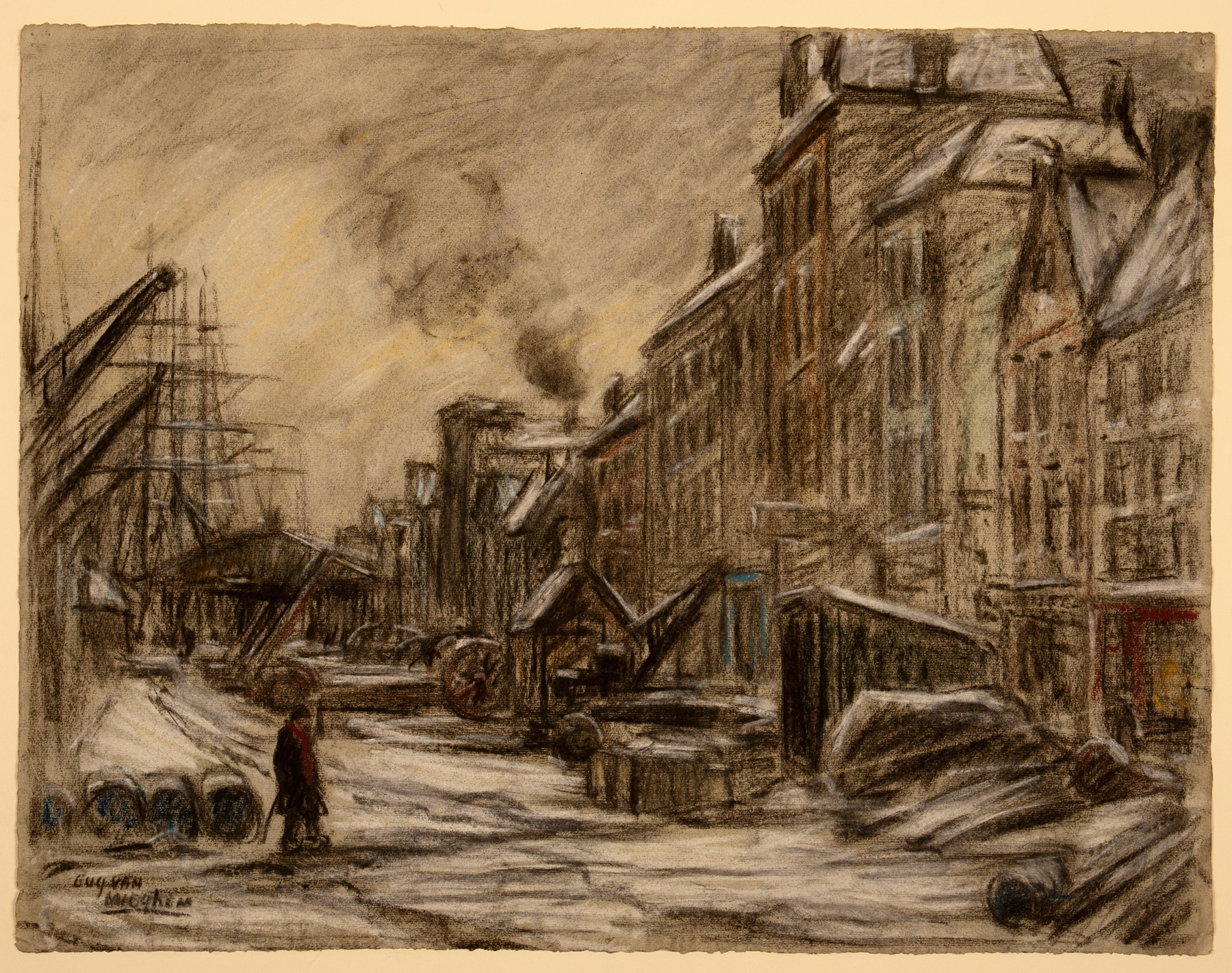
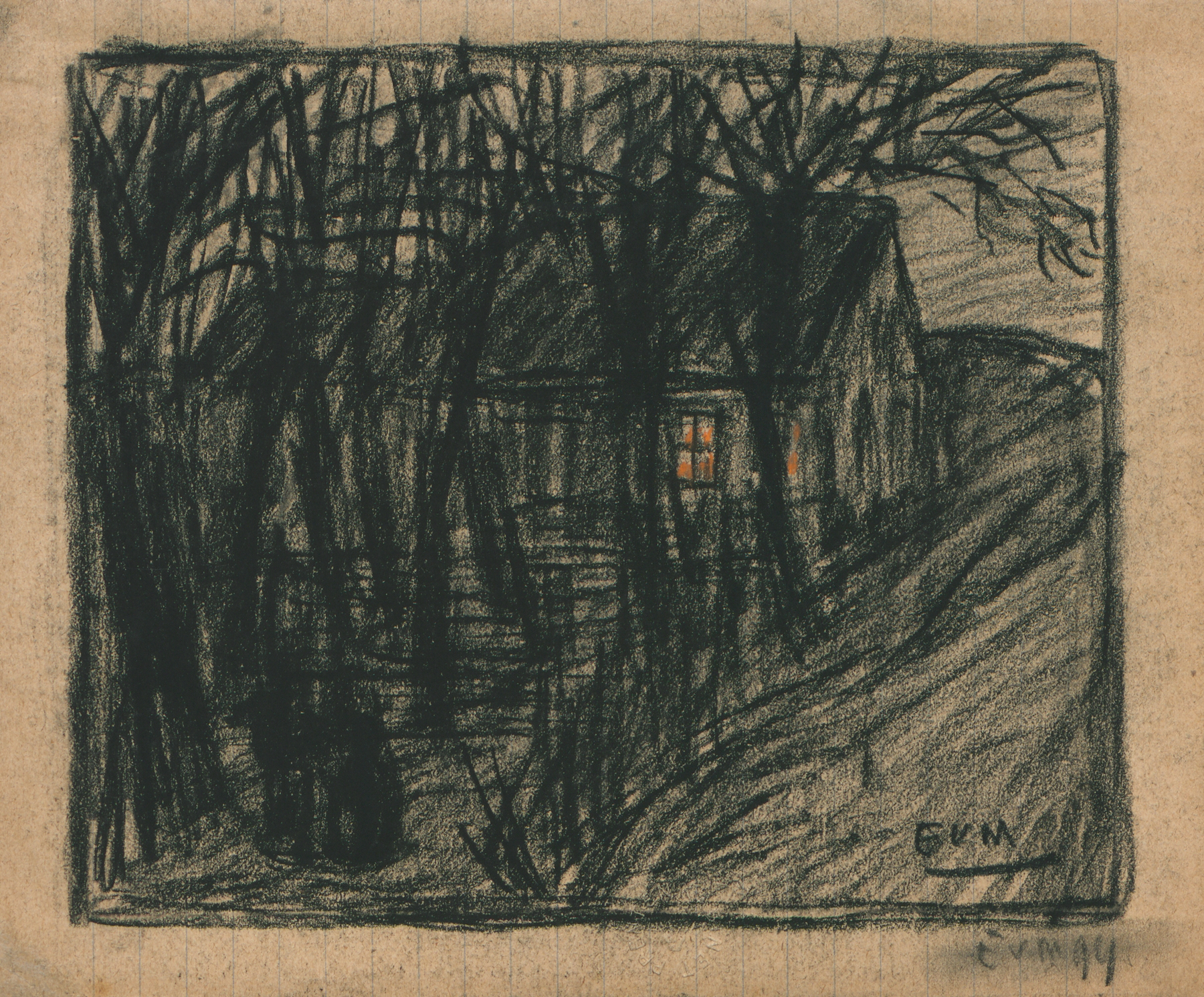
When did color learn to lie? In a world where every hue can evoke a feeling, this landscape challenges the very essence of perception and emotion, revealing the paradox of beauty. Look to the foreground, where a soft blanket of snow covers the ground, glistening under muted daylight. The icy blues and whites blend seamlessly, yet hints of muted warmth peek through, suggesting life beneath the frost. The tall, bare trees stand sentinel-like, their dark trunks stark against the ethereal whiteness, creating a striking contrast that draws the viewer deeper into the scene.
Notice how the brushstrokes vary between the delicate snowflakes and the rough bark, a testament to the artist’s skill in capturing both texture and atmosphere. As your gaze travels to the horizon, a sense of isolation emerges. The muted colors convey a melancholy mood, contrasting with the vibrant ecstasy that winter can evoke. Shadows elongate in the pale light, hinting at fleeting warmth while the surrounding landscape appears almost desolate, inviting contemplation of solitude and introspection.
The play of light and shadow serves as a reminder that beauty often holds deeper truths, lurking just below the surface. At the time of creating this artwork, Van Mieghem was immersed in the exploration of everyday life, capturing scenes that resonated with the common man. Working in Belgium during a period of artistic transition, he was influenced by the emotional weight of his surroundings, striving to reflect both the joy and sorrow of existence. His paintings often depicted the unnoticed moments of life, positioning him as a significant figure in the early 20th-century art movement.