Wooded Landscape — History & Analysis
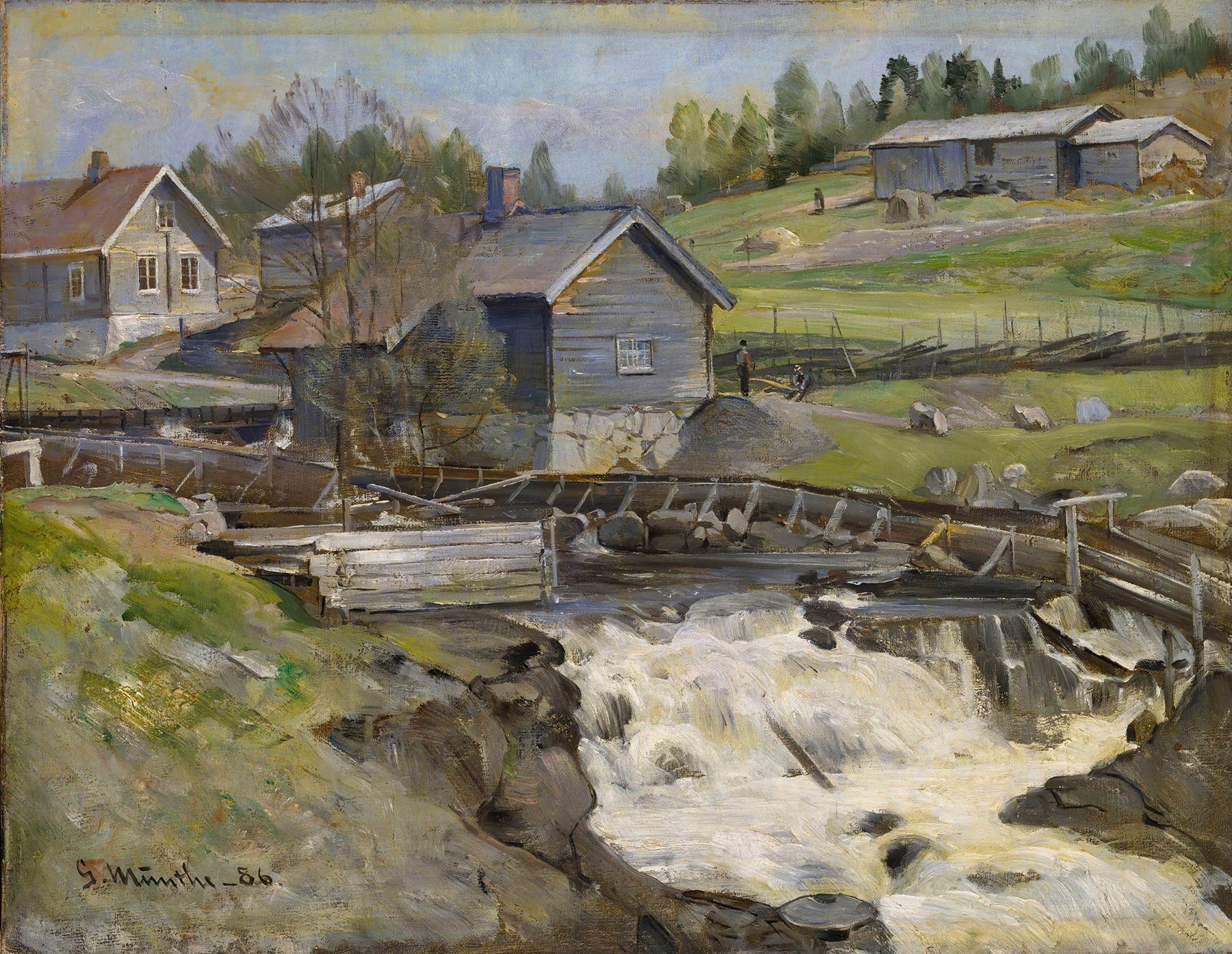
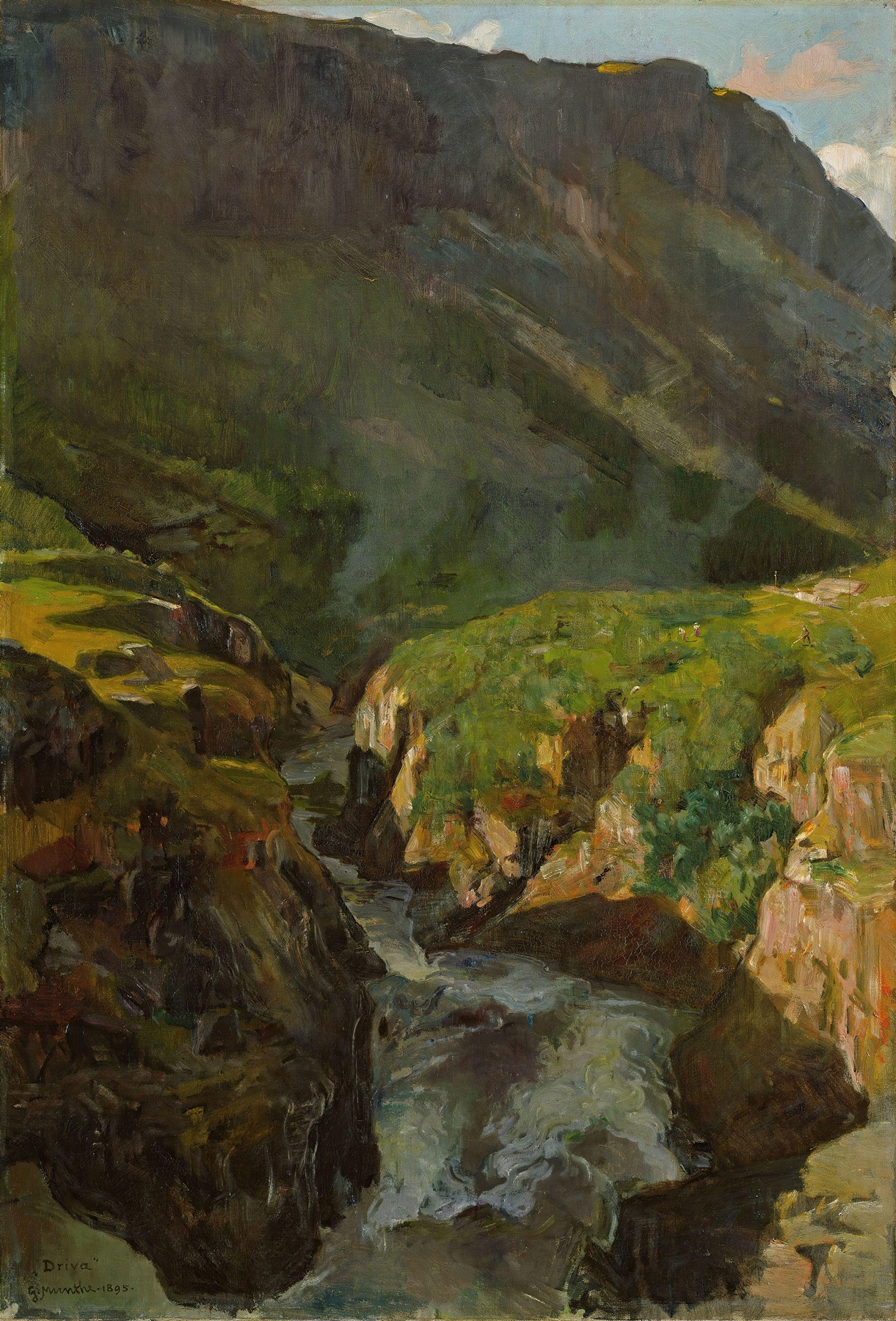
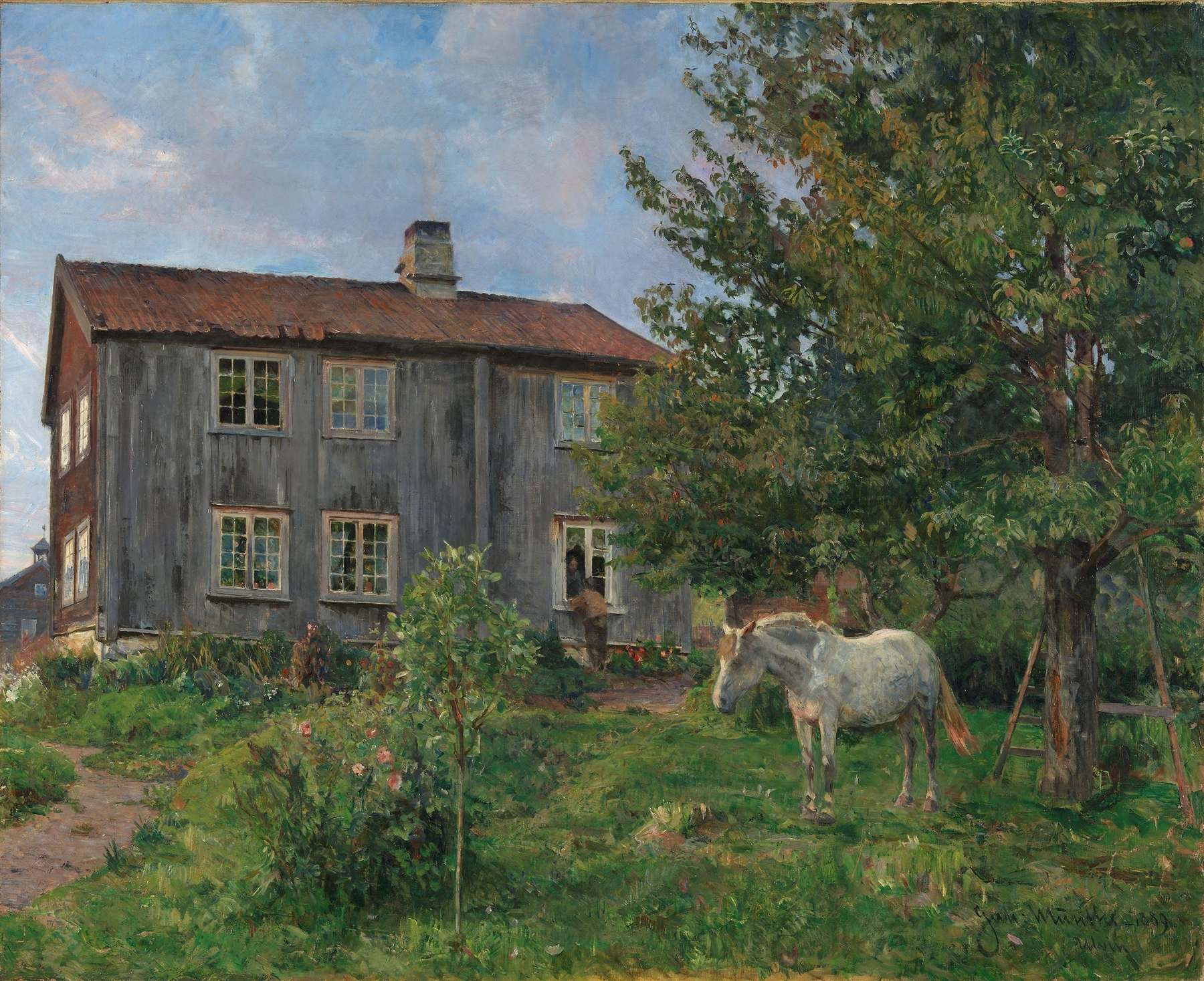
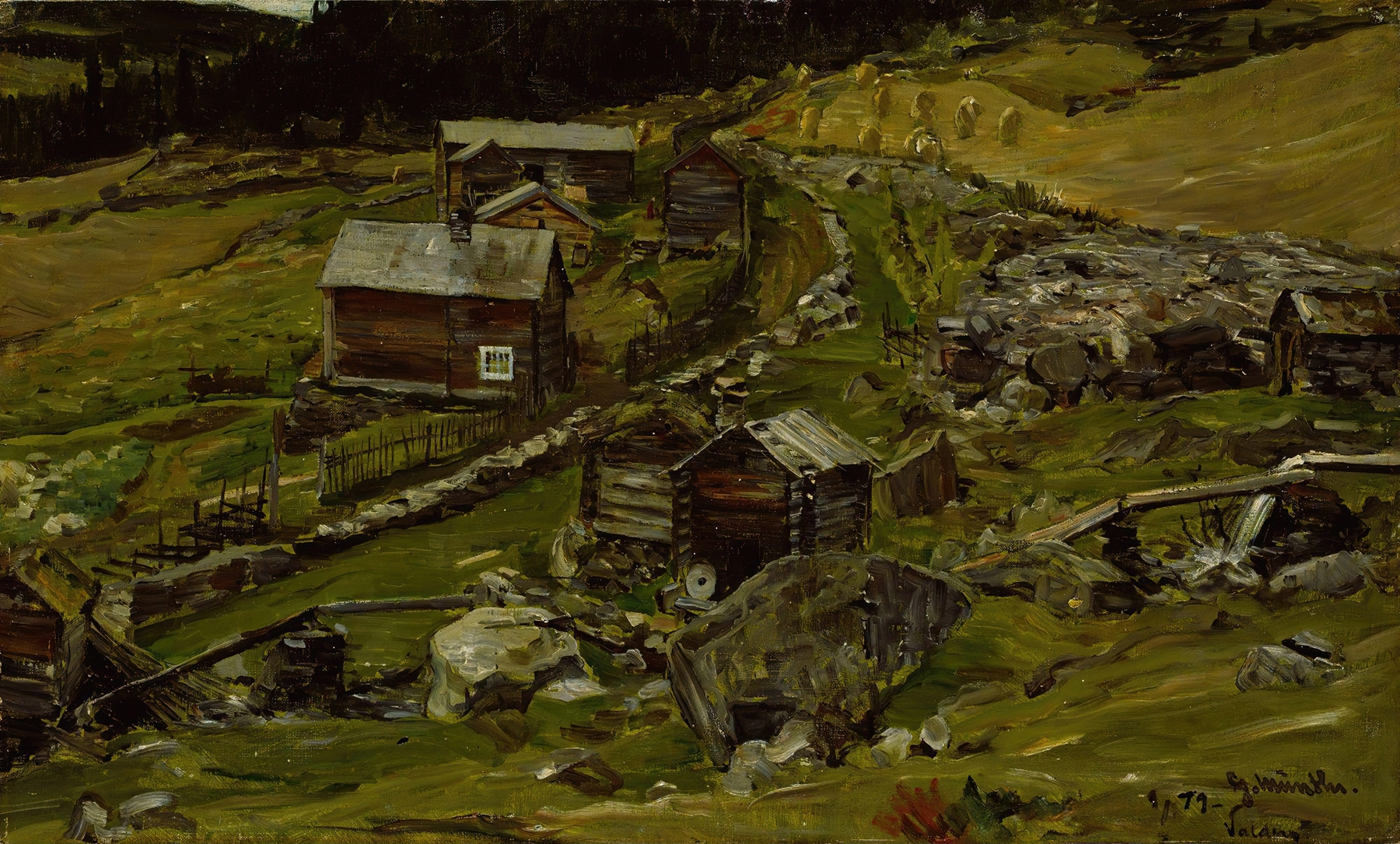
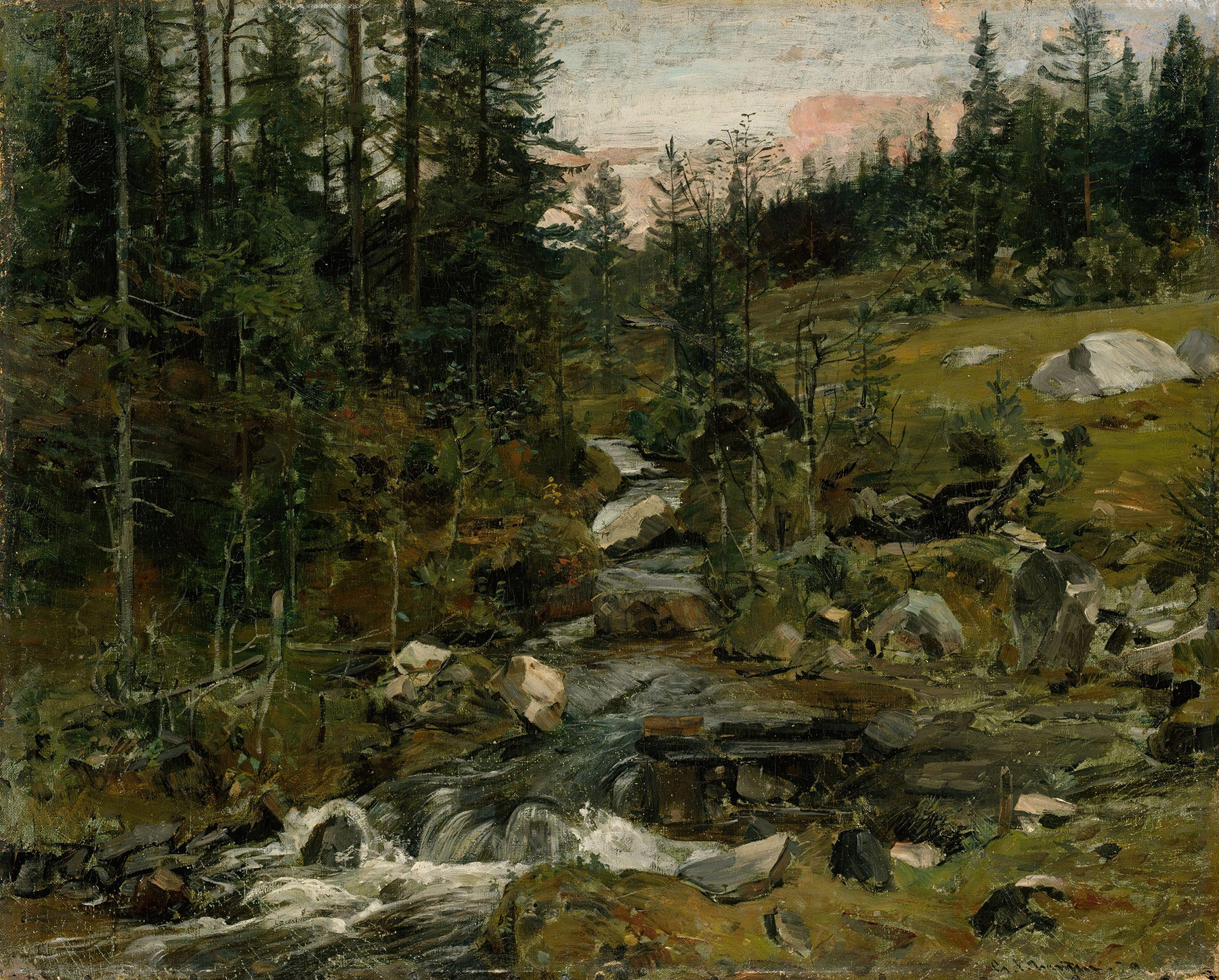
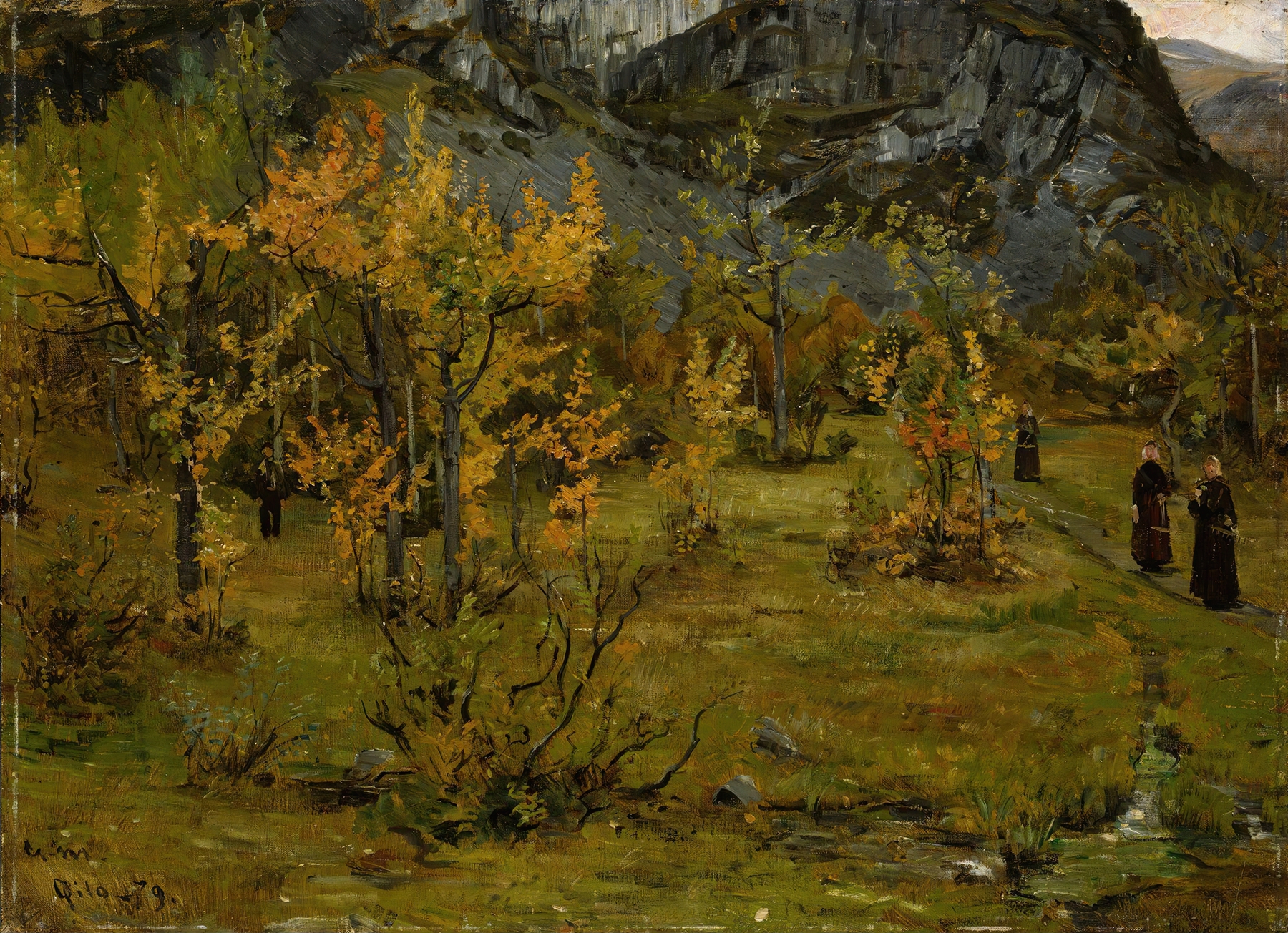
“To paint is to remember what time wants us to forget.” In a world where fleeting moments slip through our fingers, art becomes a vessel for eternal creation. Focus on the rich hues of green that envelop the canvas, drawing your gaze to the sweeping treetops that dance gently in the wind. Notice how Munthe employs delicate brushstrokes, each one layered to create a textural depth that invites you to lose yourself in the tranquil beauty of the landscape. The interplay of light and shadow reveals the intricacies of nature, with soft sunlight filtering through the foliage, illuminating patches of the forest floor that seem to beckon with a sense of serenity.
Hidden within this idyllic scene lies a tension between nature's wildness and the human desire to tame it. The untouched beauty of the woodland speaks to a longing for escape, a reminder of the untouched corners of our world. Each detail, from the gnarled roots peeking out from the earth to the distant mountains, whispers stories of resilience, creation, and the enduring spirit of the natural world. The calmness invites contemplation, yet beneath it, there’s an undercurrent of nostalgia — a yearning for connection with something greater and more primal.
In 1891, Gerhard Munthe painted this work amidst a burgeoning fascination with nature in the art world, influenced by the Symbolist movement. Living in Norway, he was deeply engaged with exploring the themes of folklore and the sublime qualities of landscapes. As artists began to shift away from traditional realism, Munthe's exploration of fantasy and emotion in nature reflected a broader cultural search for meaning, crafting a moment in art history that continues to resonate today.