Wooded Landscape with Merrymakers in a Cart — History & Analysis
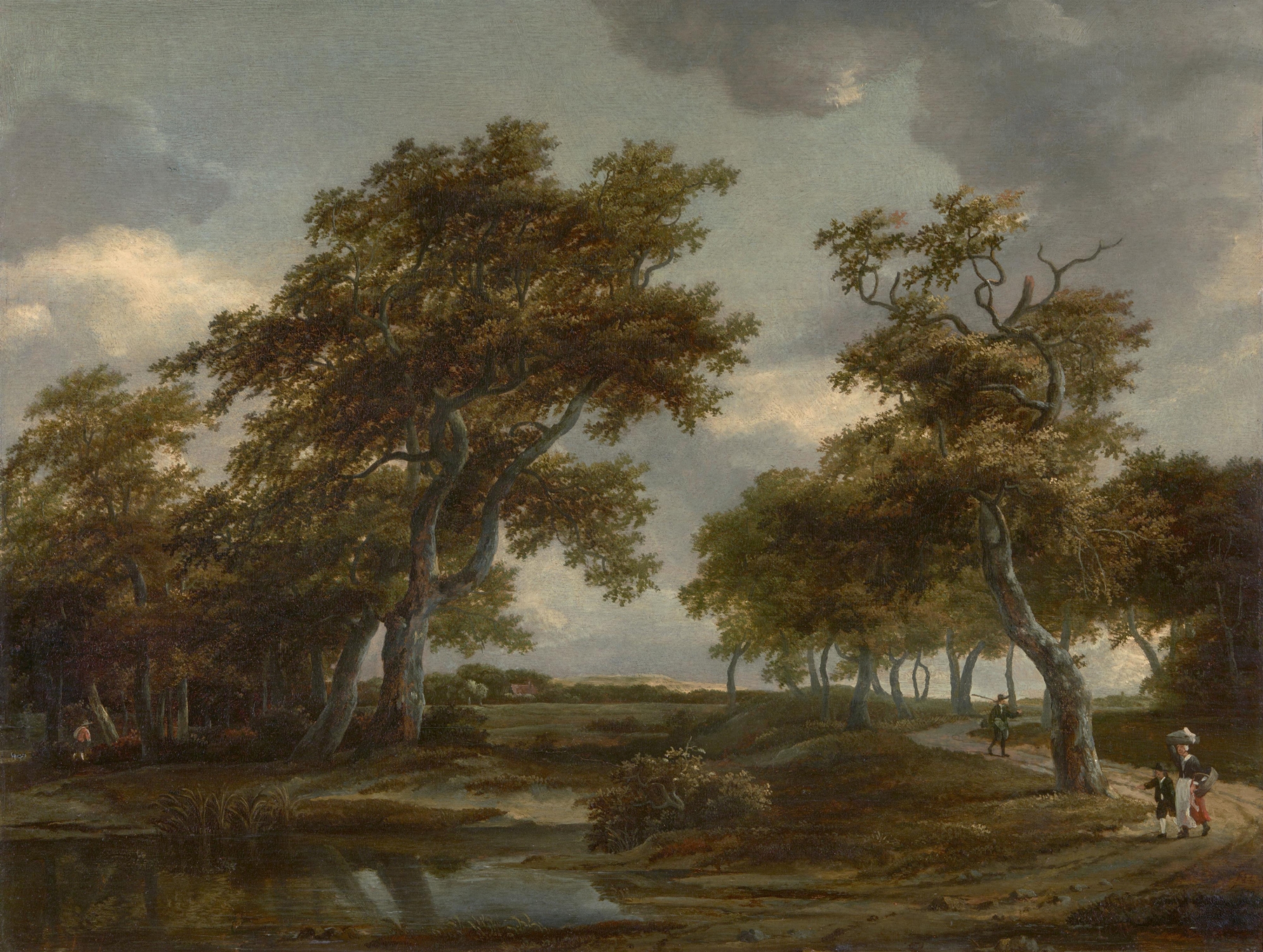
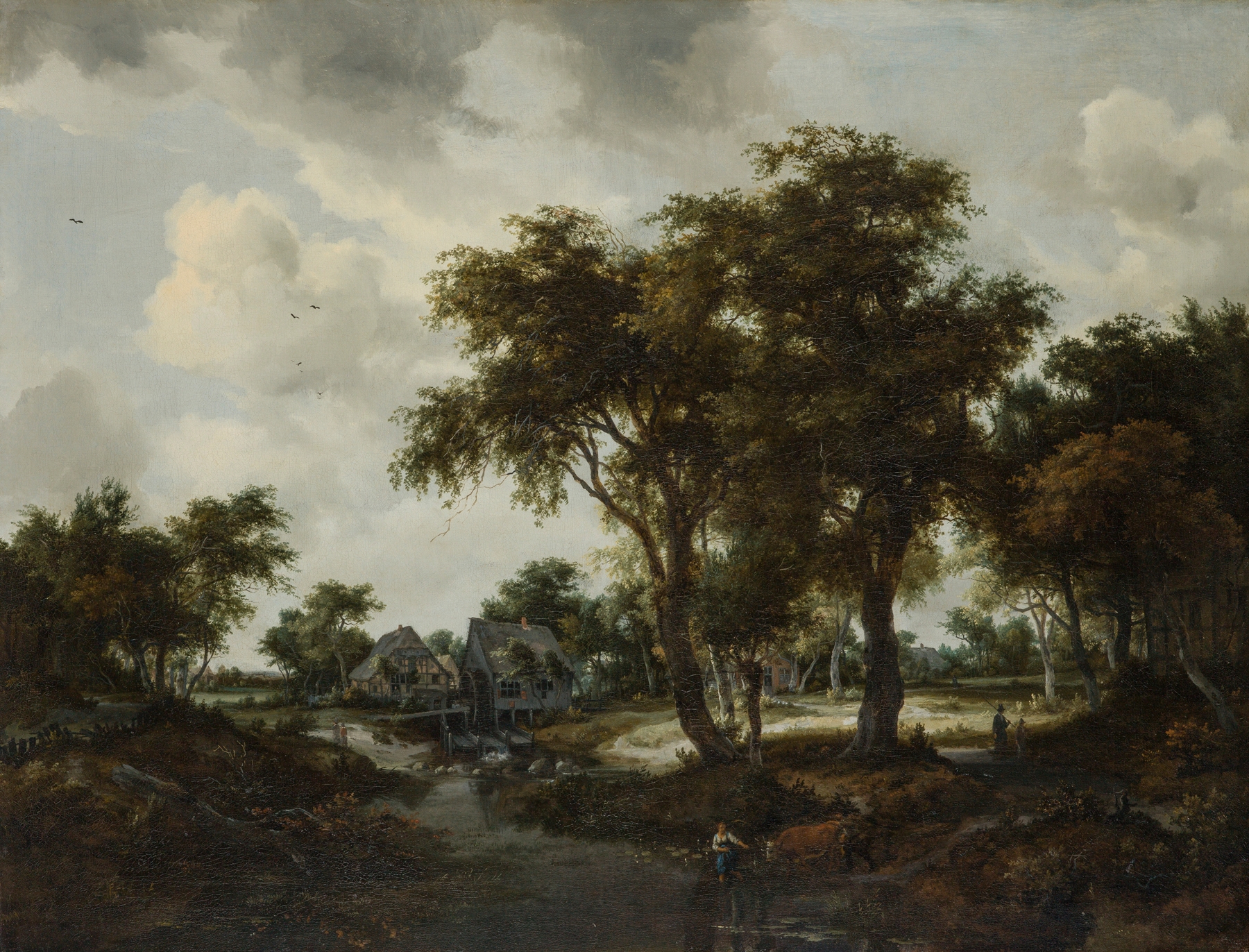
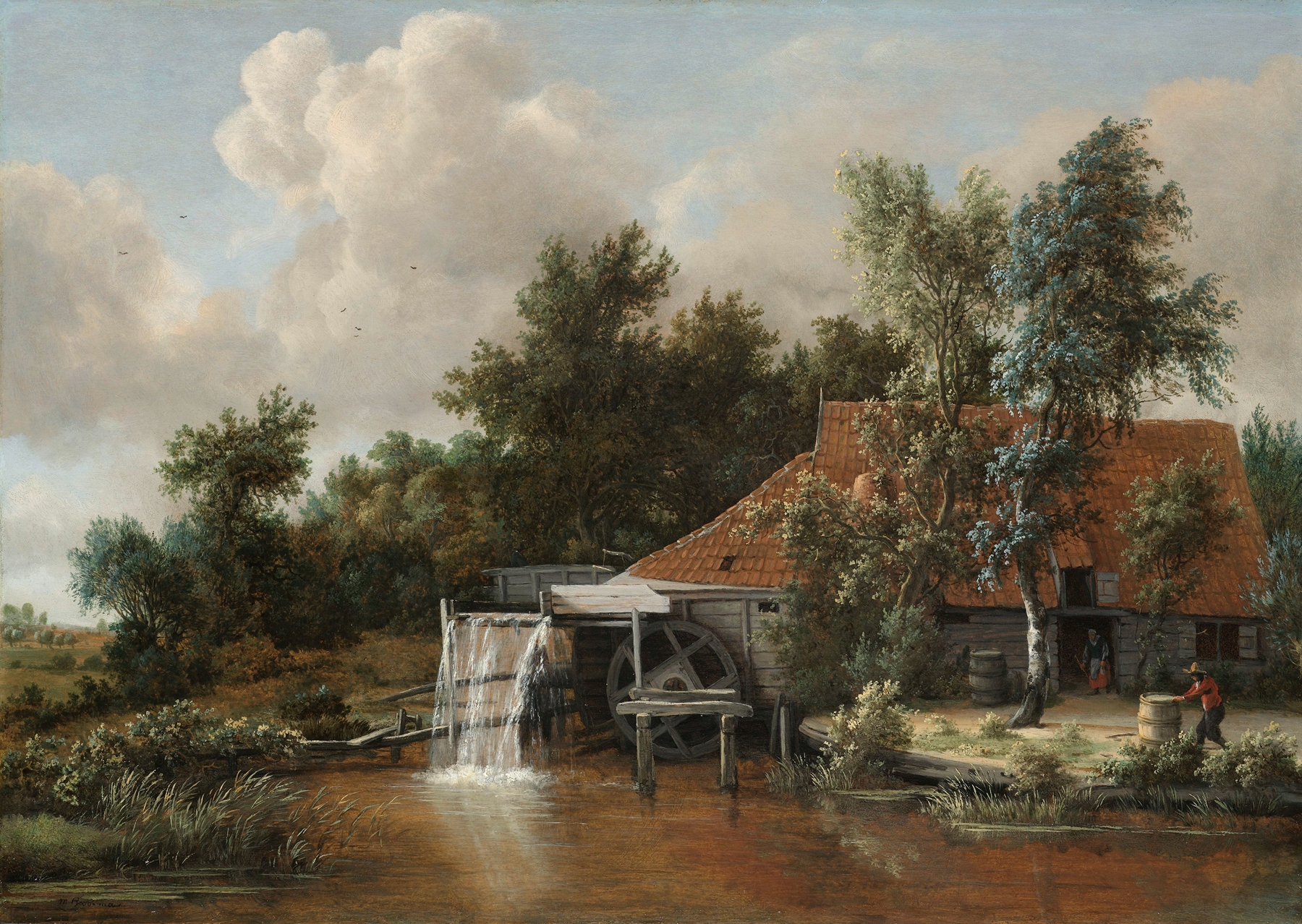
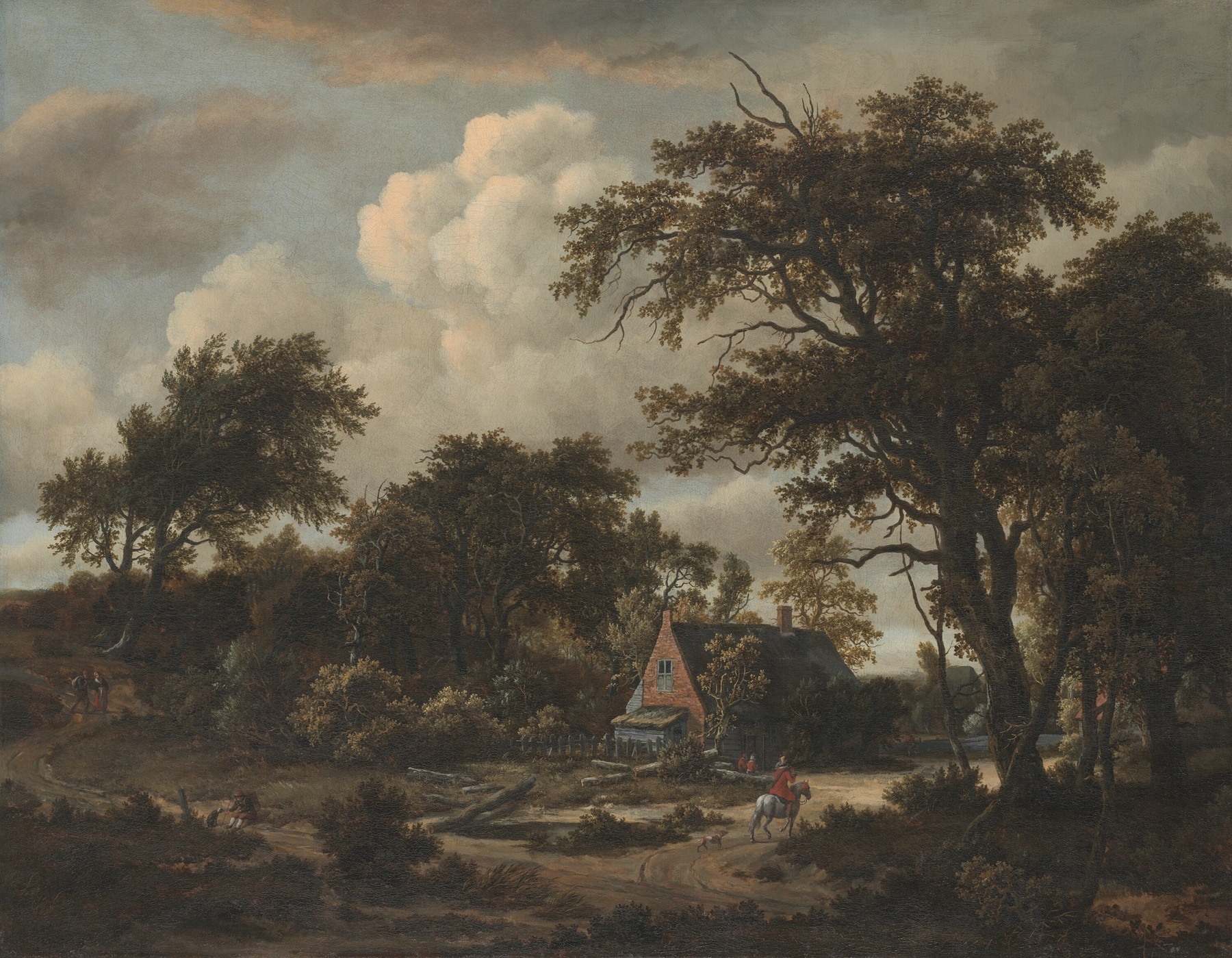
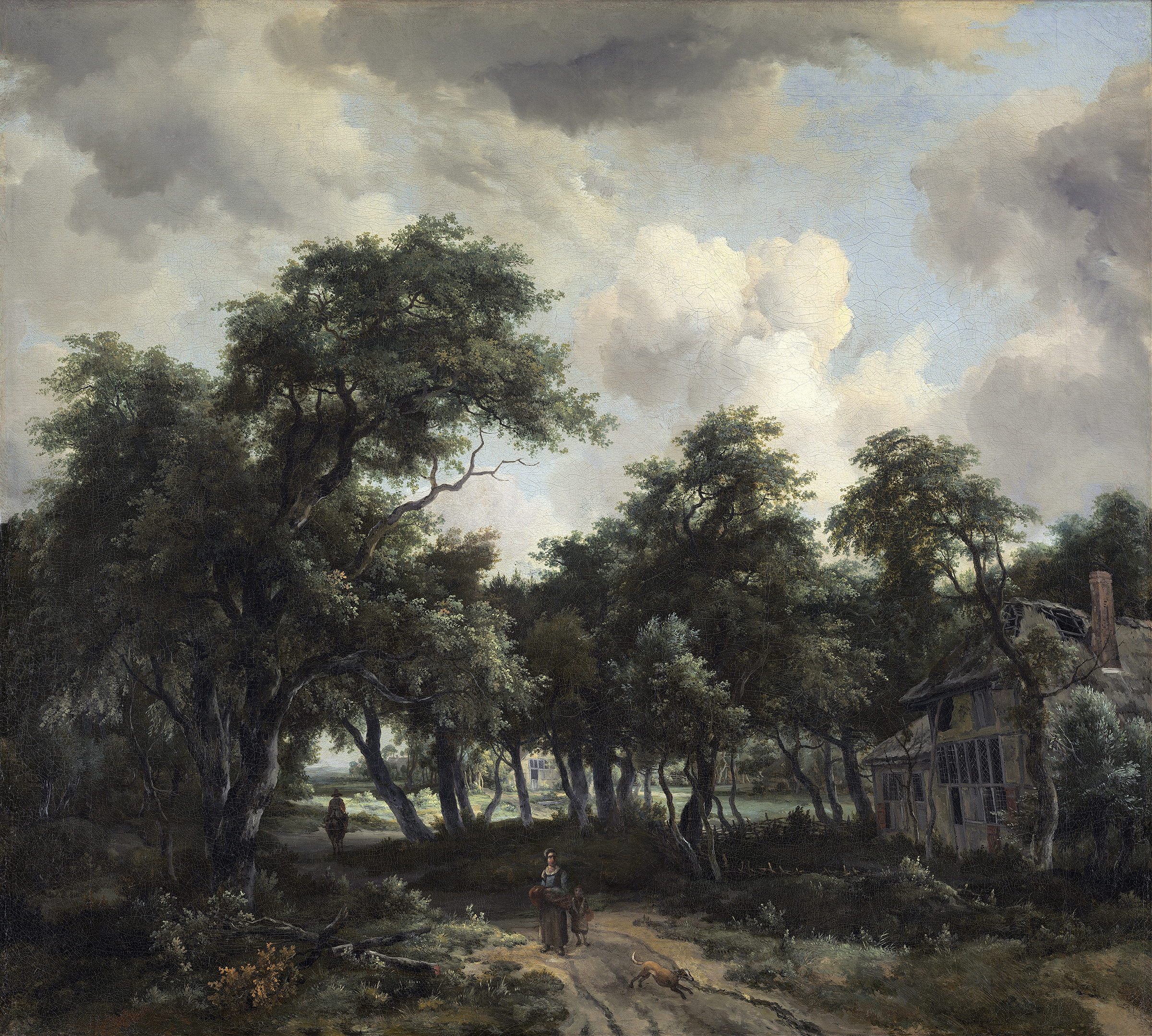
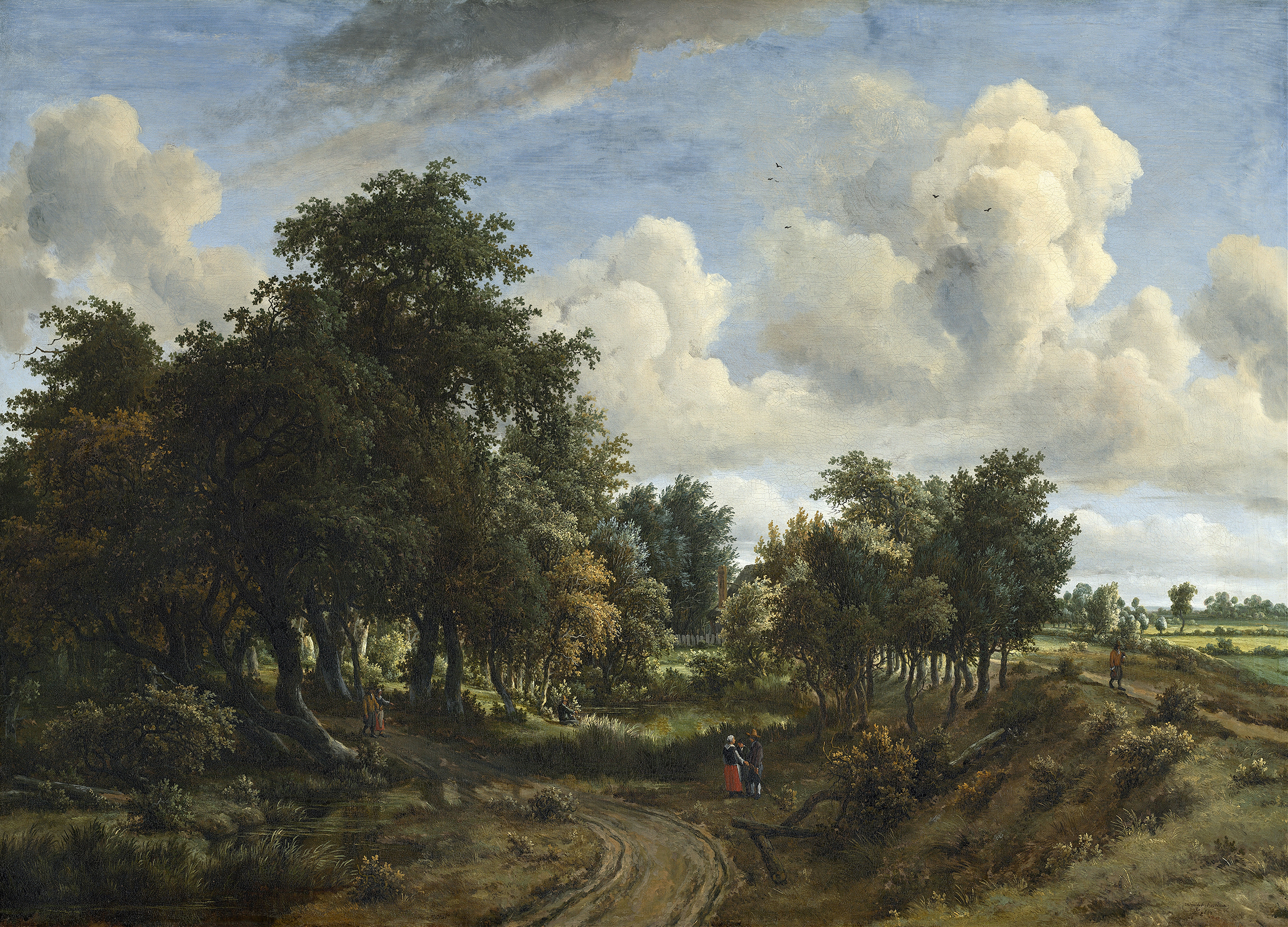
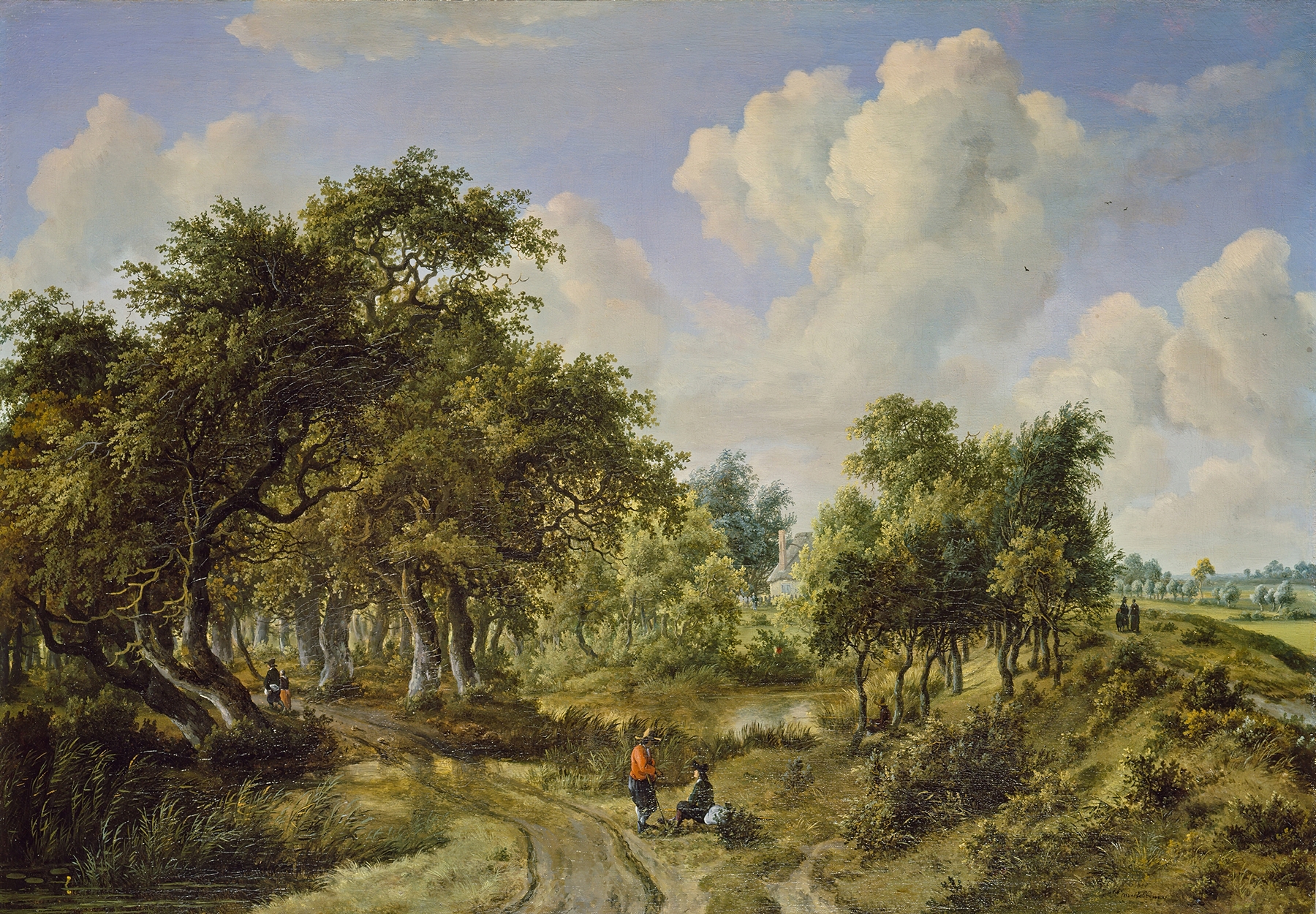
Where does light end, and longing begin? In the interplay of awareness and absence, Wooded Landscape with Merrymakers in a Cart encapsulates a moment of transcendence beneath a vast, inviting sky. Look to the left at the soft, dappled light filtering through the trees, illuminating the merrymakers as they revel in their cart. The verdant greens and earthy browns of the landscape draw you in, creating a sense of harmony and tranquility. Notice how the figures, though small against the towering trees, are imbued with a sense of joy and vitality.
The composition leads your eye naturally toward the horizon, where the distant fields beckon, suggesting the promise of adventure just beyond the frame. The joyful scene contrasts sharply with the serene stillness of nature surrounding it. The cart, a symbol of freedom and movement, is anchored in a lush landscape that speaks to the beauty of the world. There is an emotional tension between the exuberance of the merrymakers and the timeless, unwavering presence of the trees, hinting at the fleeting nature of joy in the face of nature’s enduring calm.
The interplay of light and shadow throughout invites a deeper contemplation of existence and the bittersweet nature of human experience. In the mid-1660s, Hobbema painted this piece in the Netherlands, during a time of great prosperity and artistic flourishing known as the Dutch Golden Age. He was influenced by the natural landscapes around him and sought to capture their essence with meticulous detail and vibrant color. This work reflects not only the beauty of the countryside but also the era's appreciation for leisure and the simple joys of life.