Woolwich Warren — History & Analysis
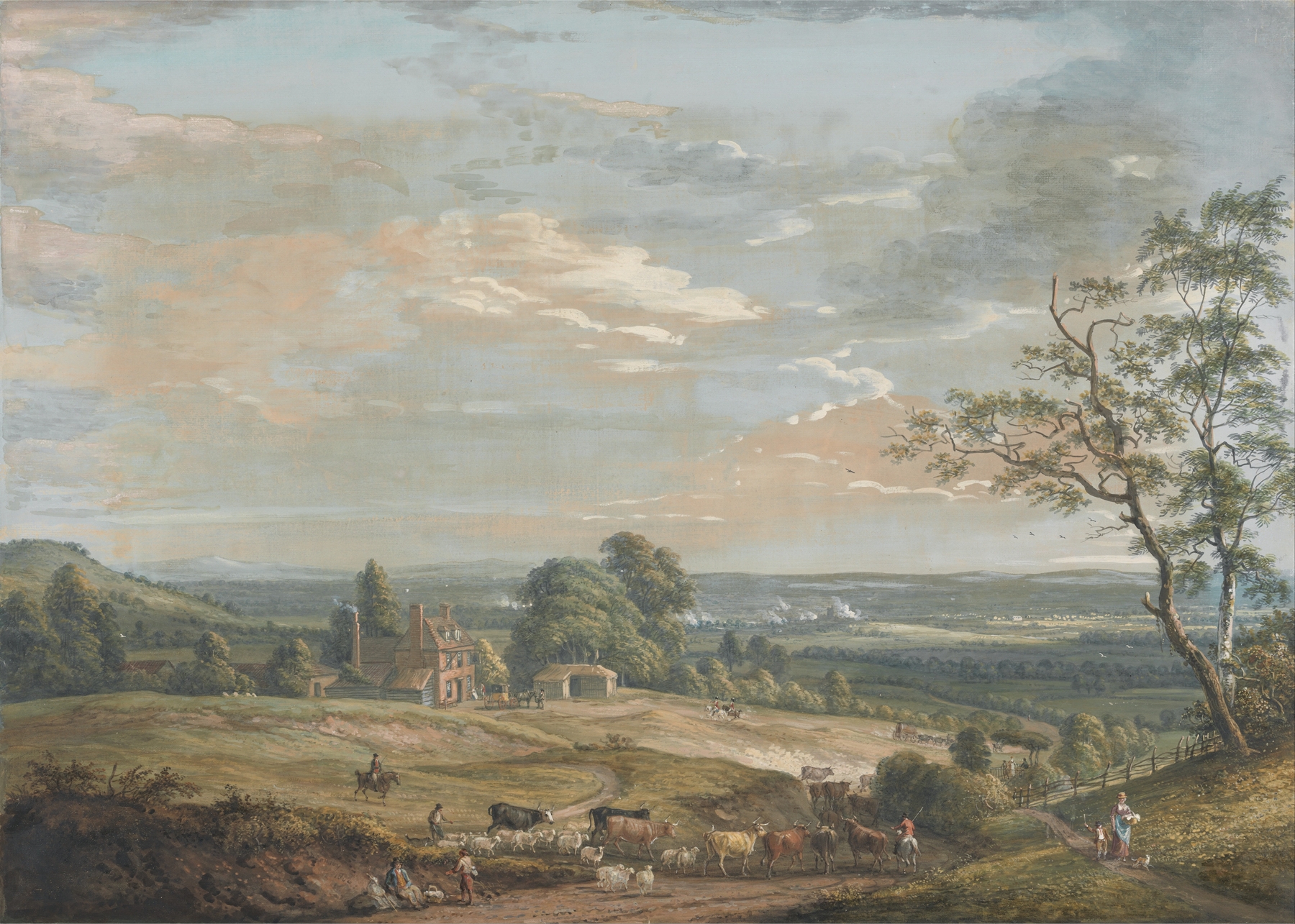
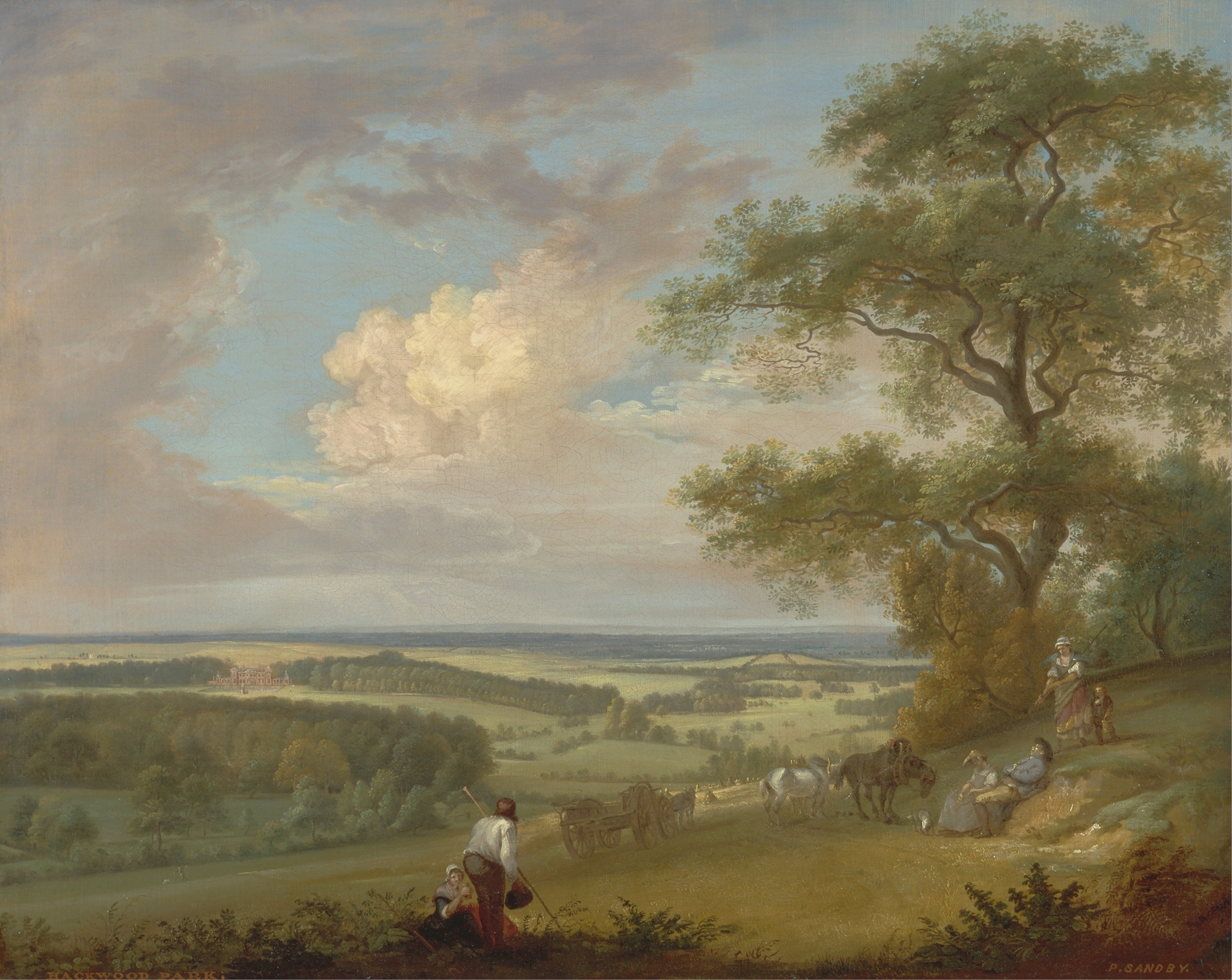
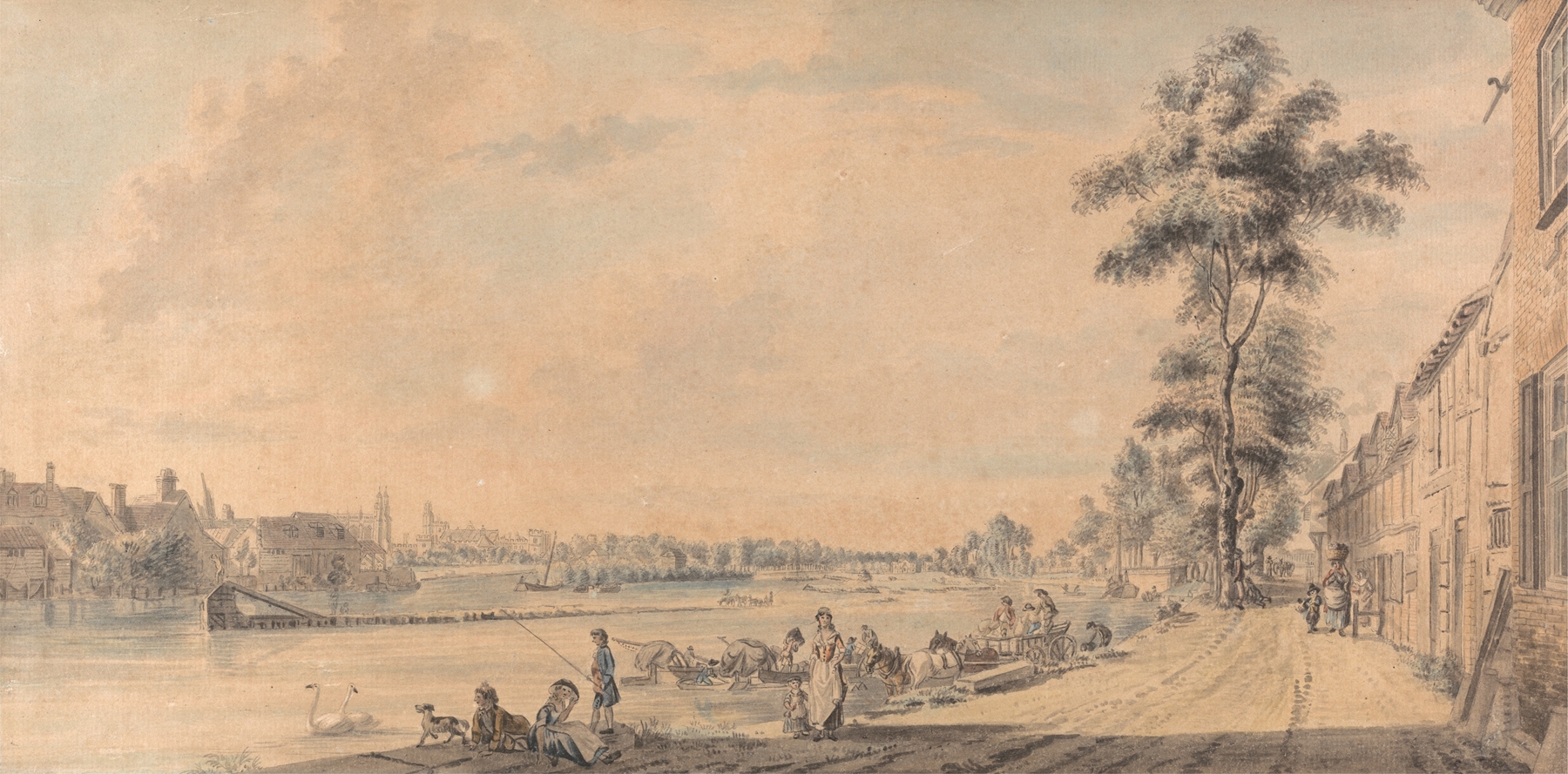
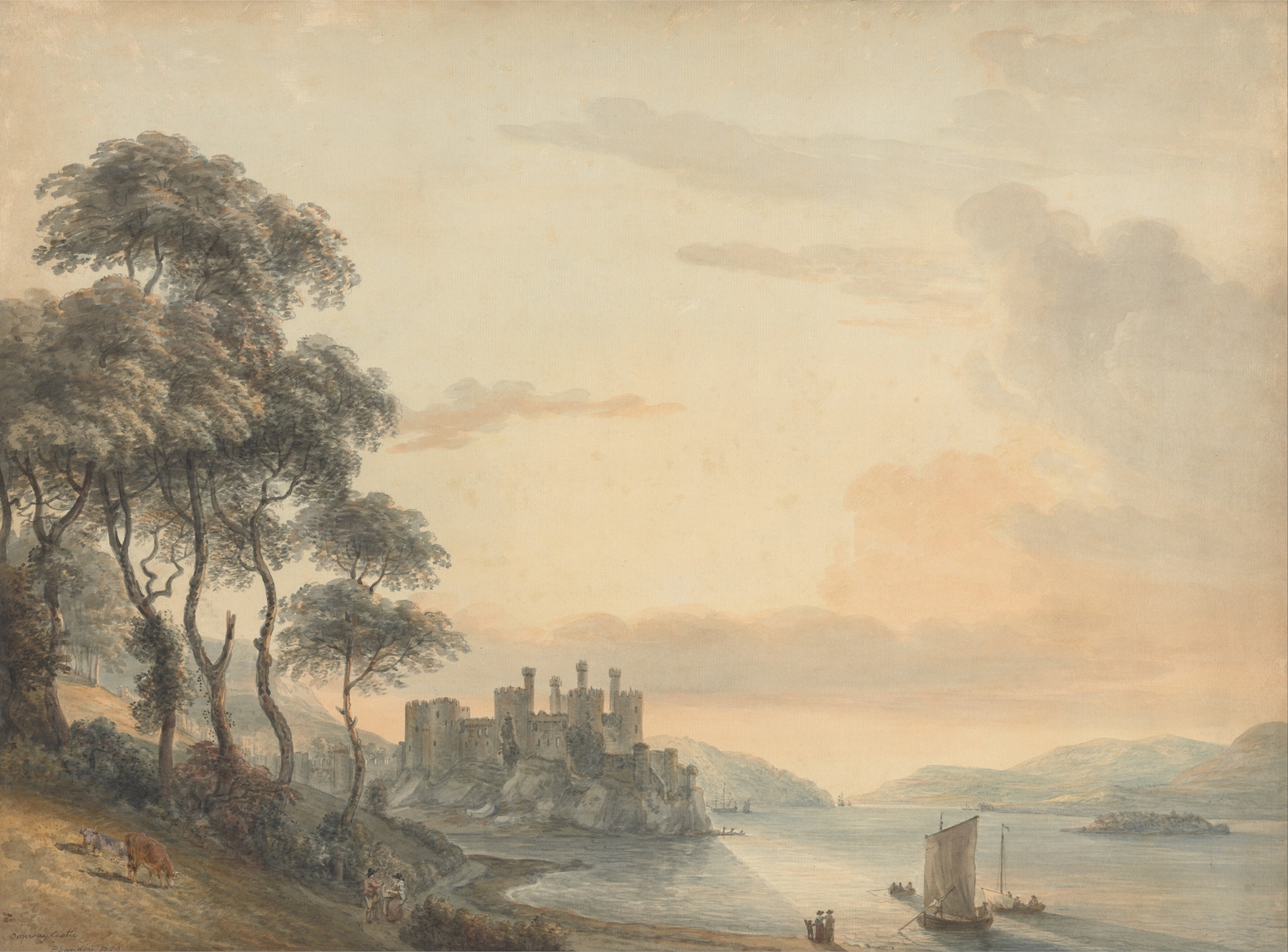
“Every silence here is a confession.” In a landscape where echoes of history linger, the weight of loss reverberates through the tranquil vistas painted by the artist. The stillness embodies stories untold, inviting viewers to confront the absence that permeates the scene. Look to the foreground where delicate greens meld seamlessly into muted earth tones, hinting at the richness of the land while emphasizing the emptiness it harbors. Notice how the soft, diffused light spills over the rolling hills, casting shadows that stretch like fading memories.
The gentle brushwork creates a soothing rhythm, yet there’s an underlying tension in the way the horizon line meets the sky, suggesting an impending change, a reminder of what once was. Hidden within this landscape are symbols of remembrance—the bare trees stand as sentinels, stripped of their leaves, a sign of lives lost and the passage of time. The expanse of the open sky carries a duality; it’s both liberating and haunting, evoking a sense of yearning for the past. The subtle contrasts between the lush greenery and the stark branches serve to amplify the emotional weight of absence, revealing how beauty can often be tinged with sorrow.
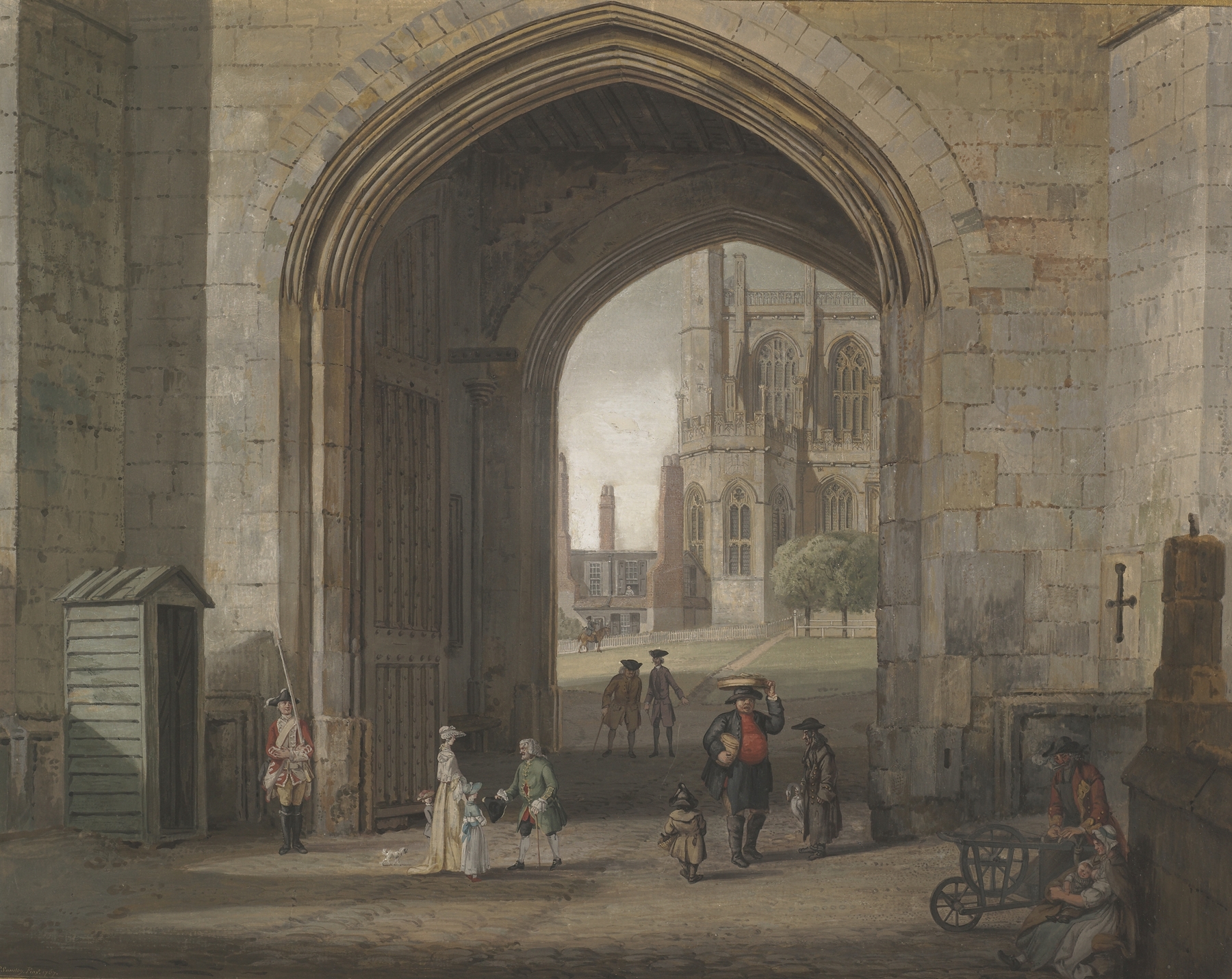
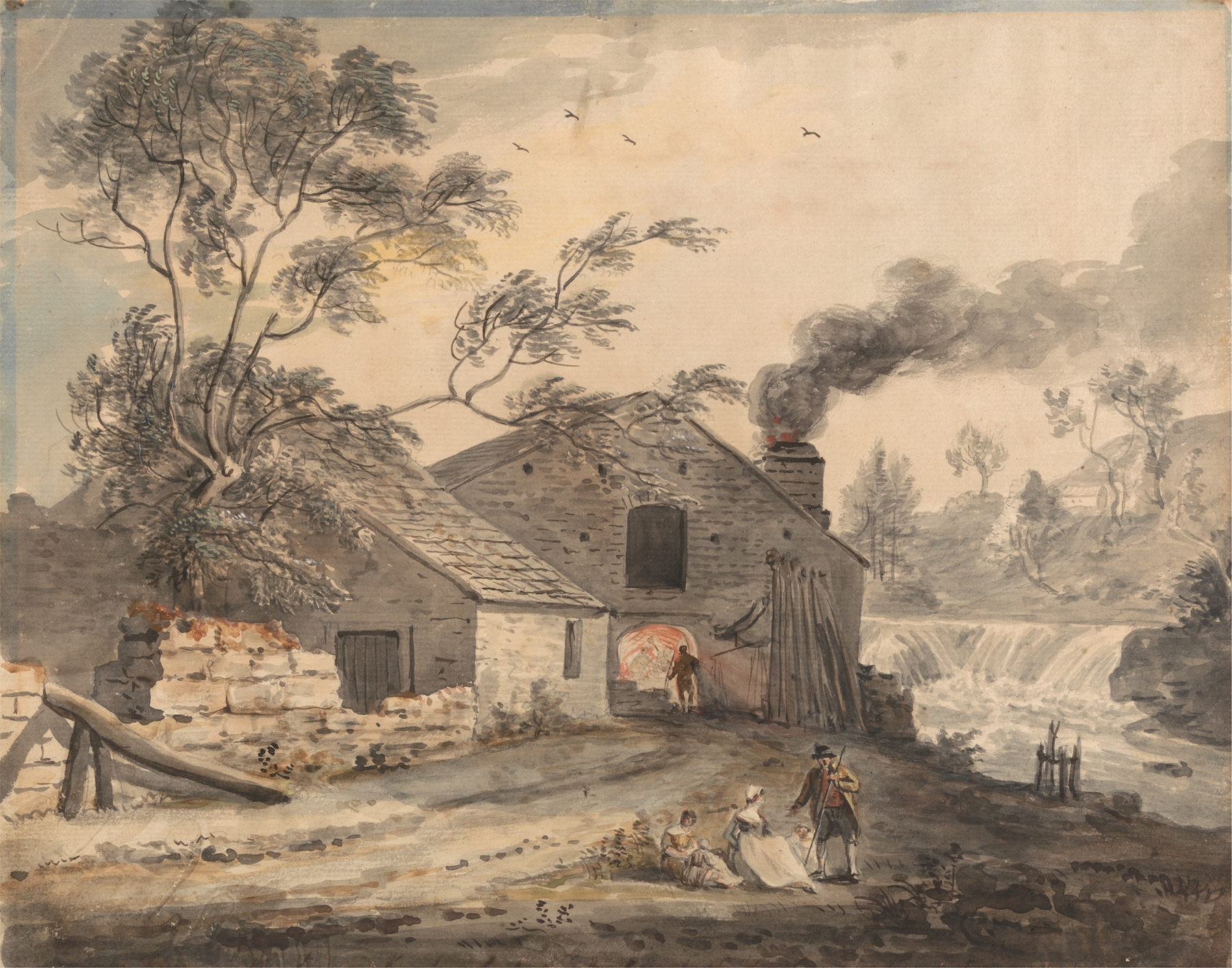
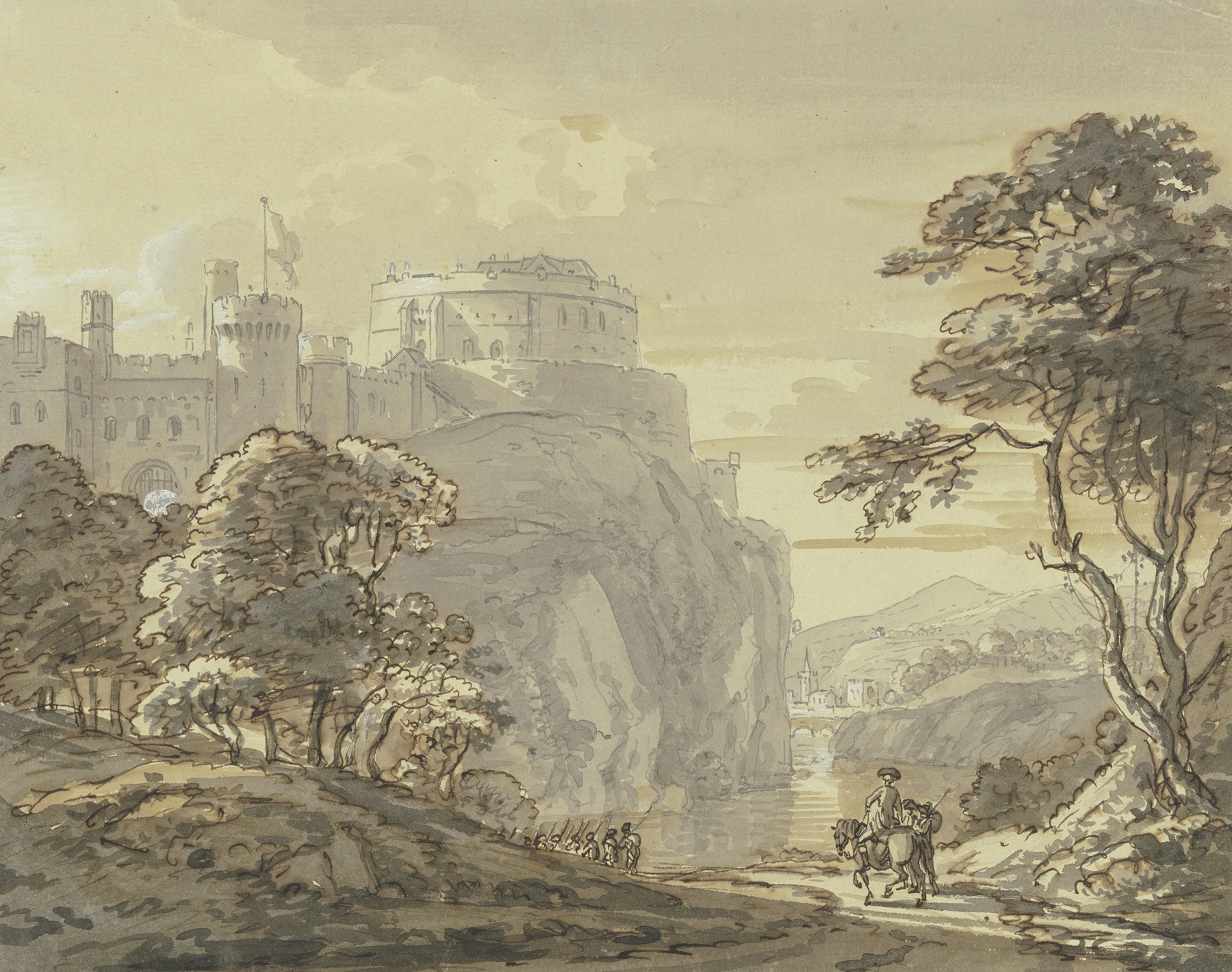
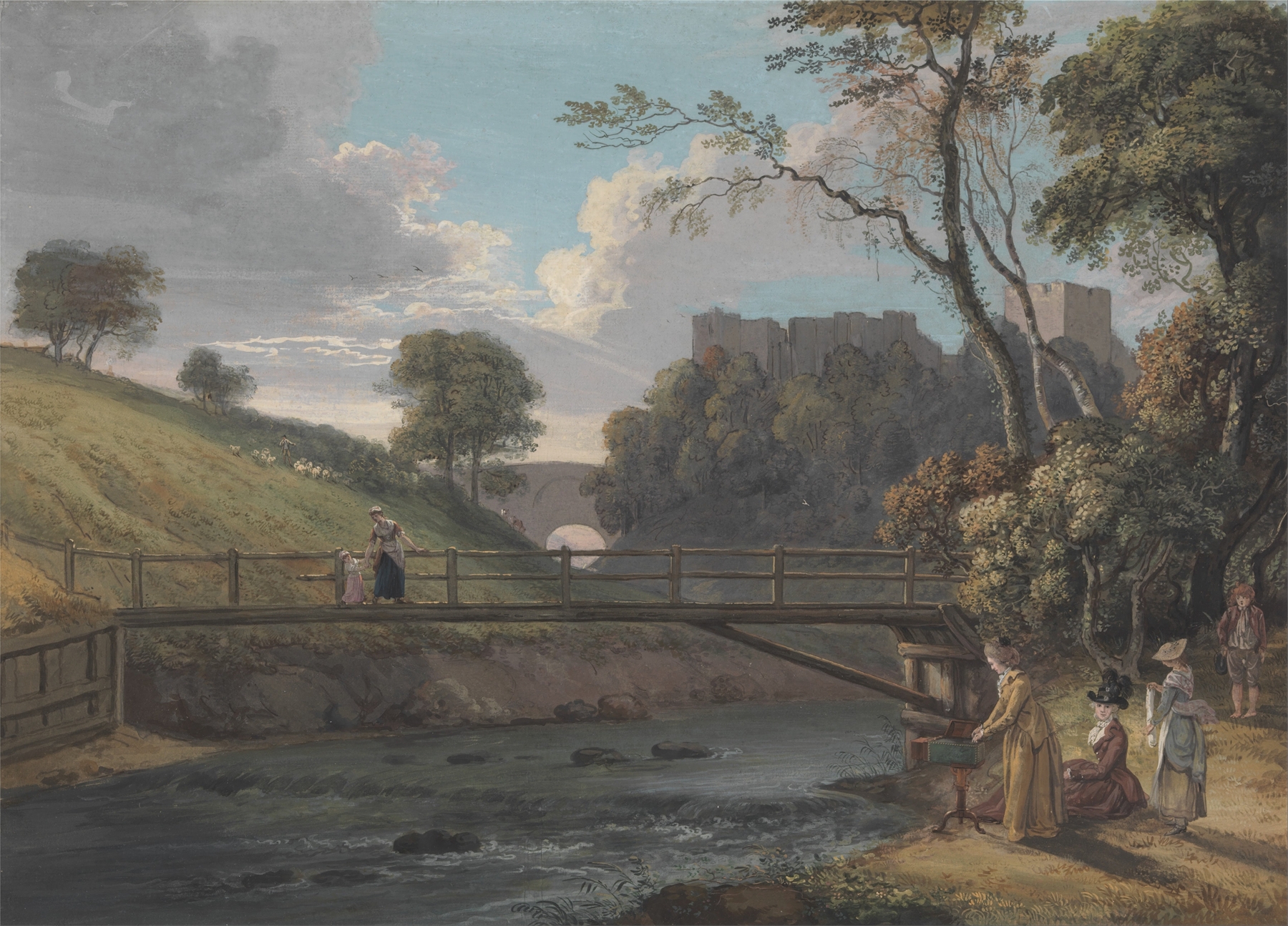
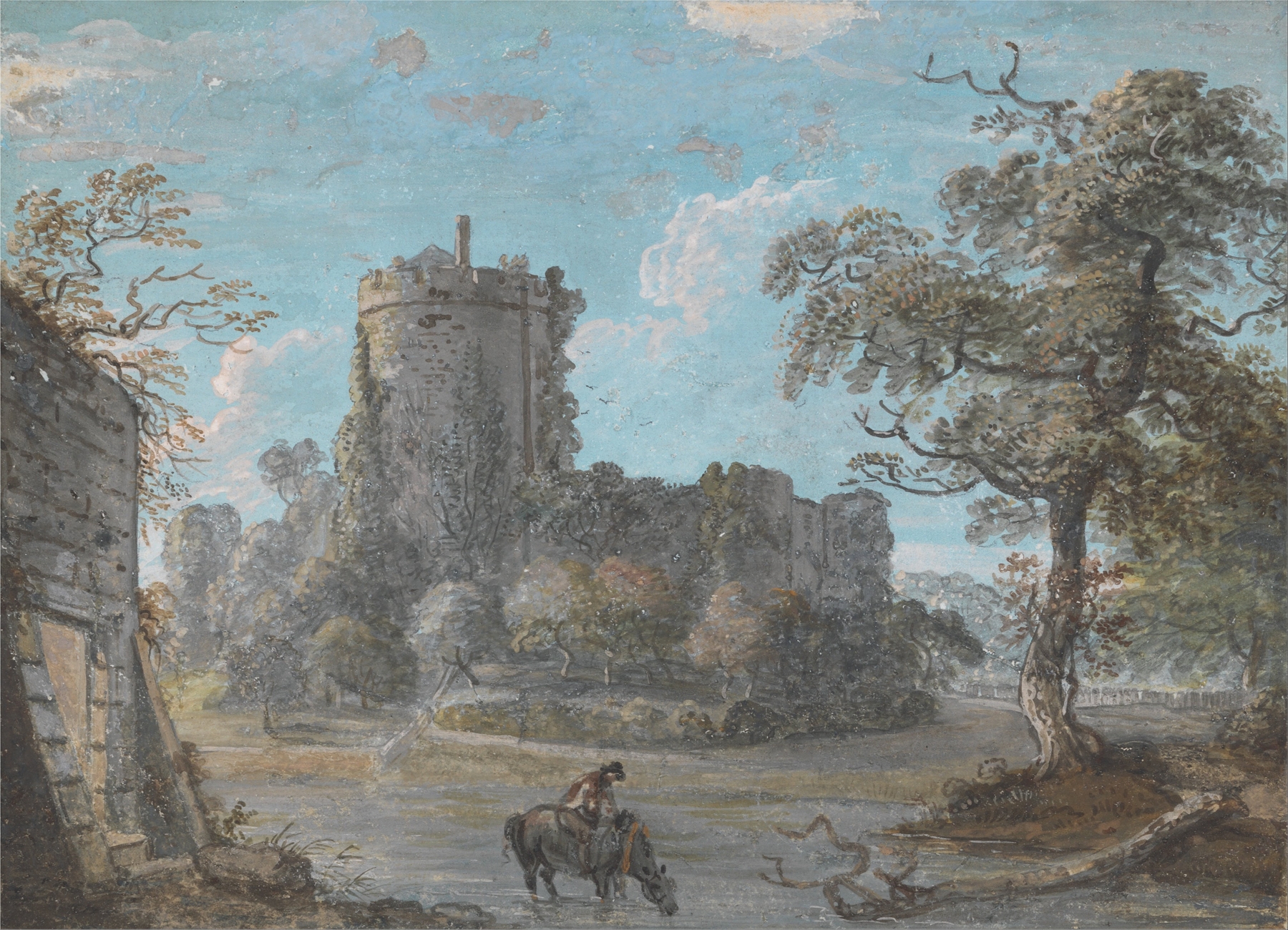
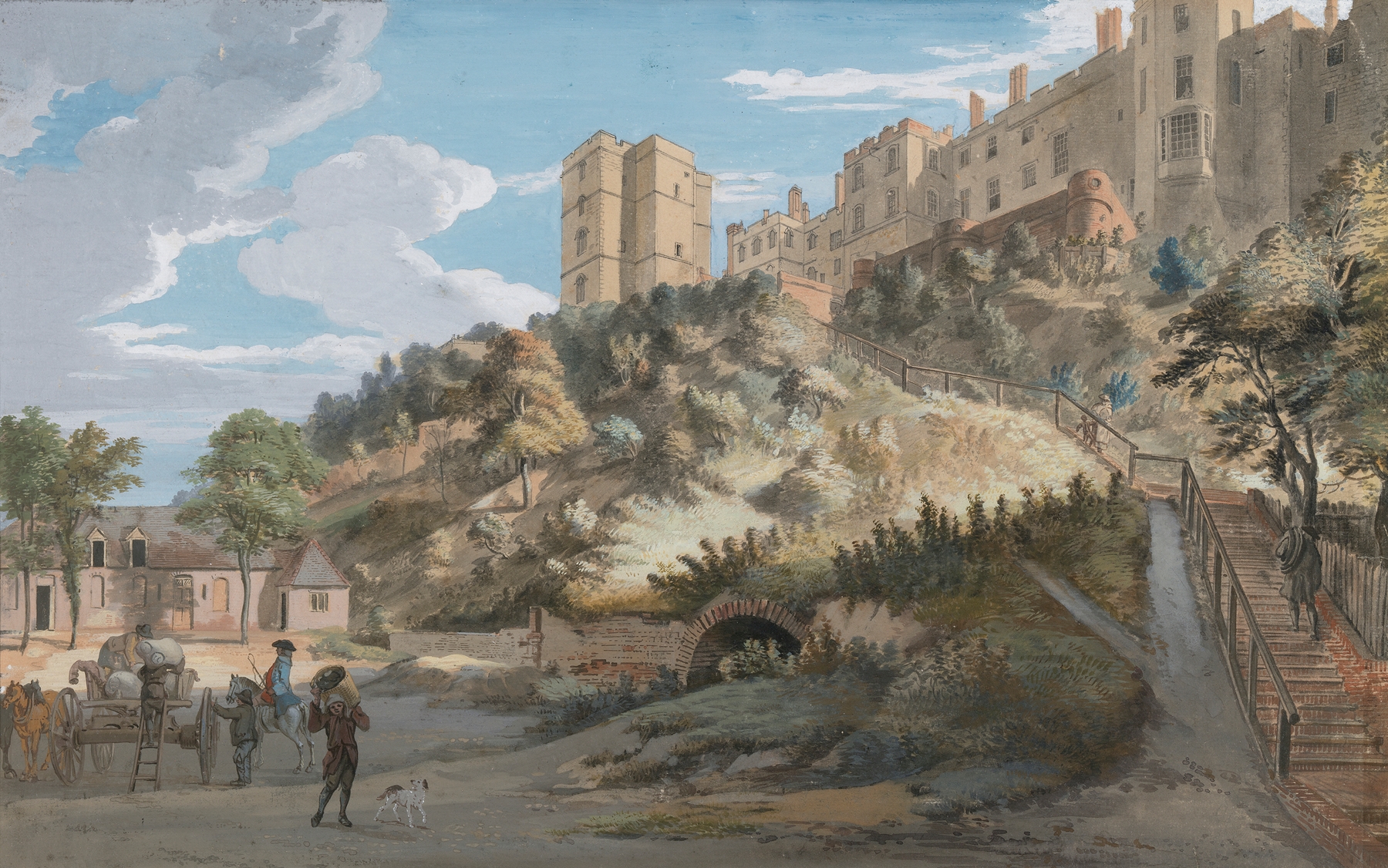
Paul Sandby created this piece during a period marked by change and innovation in British art, likely in the late 18th century. As a prominent figure in the development of watercolor landscapes, Sandby’s work coincided with a growing appreciation for capturing the natural world. At that time, the country was experiencing significant shifts due to industrialization, yet the artist devoted himself to immortalizing the serene beauty of landscapes, often reflecting on themes of loss and nostalgia in the midst of such transformation.