XIII. Schönbrunn (Garten) — History & Analysis
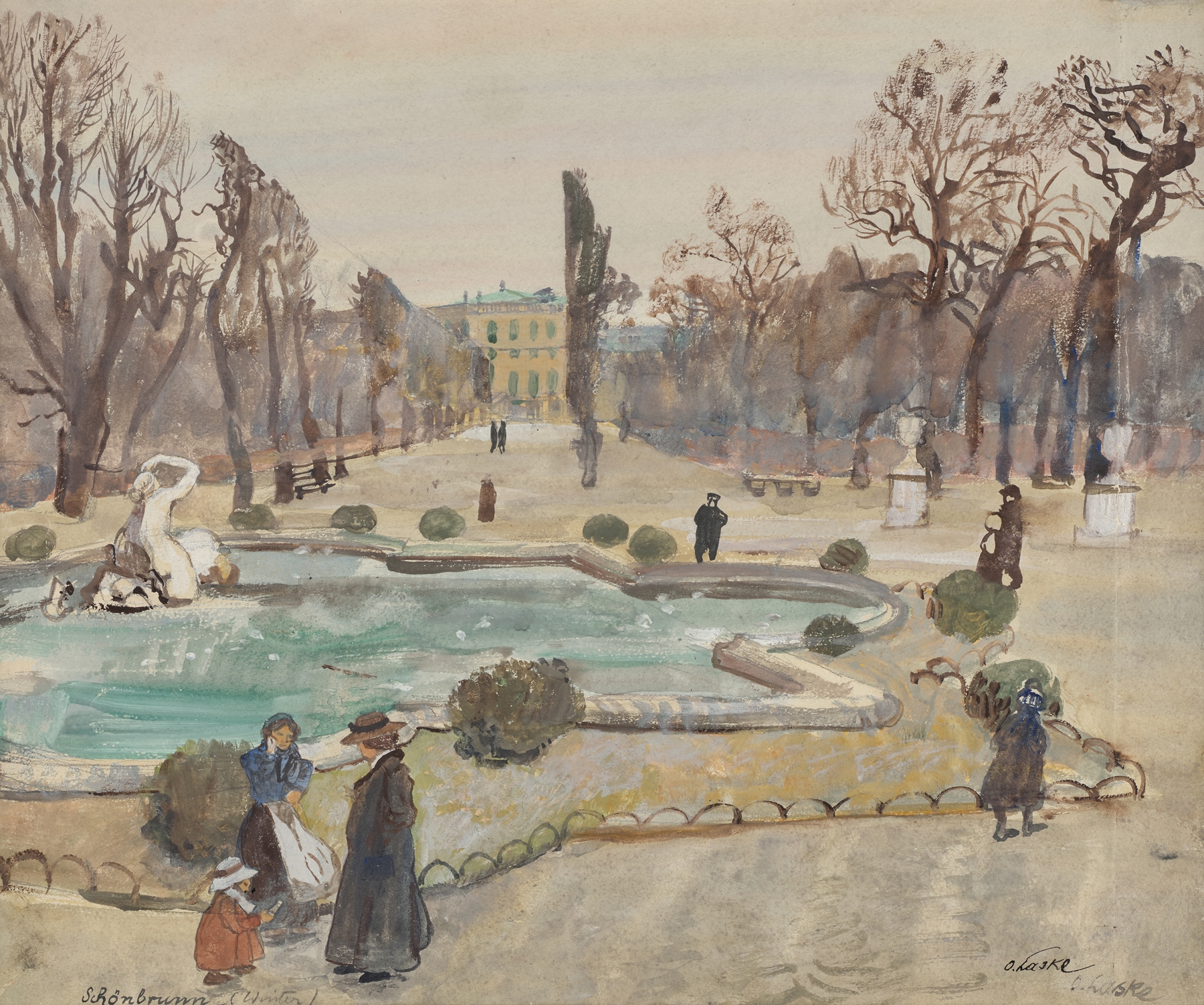
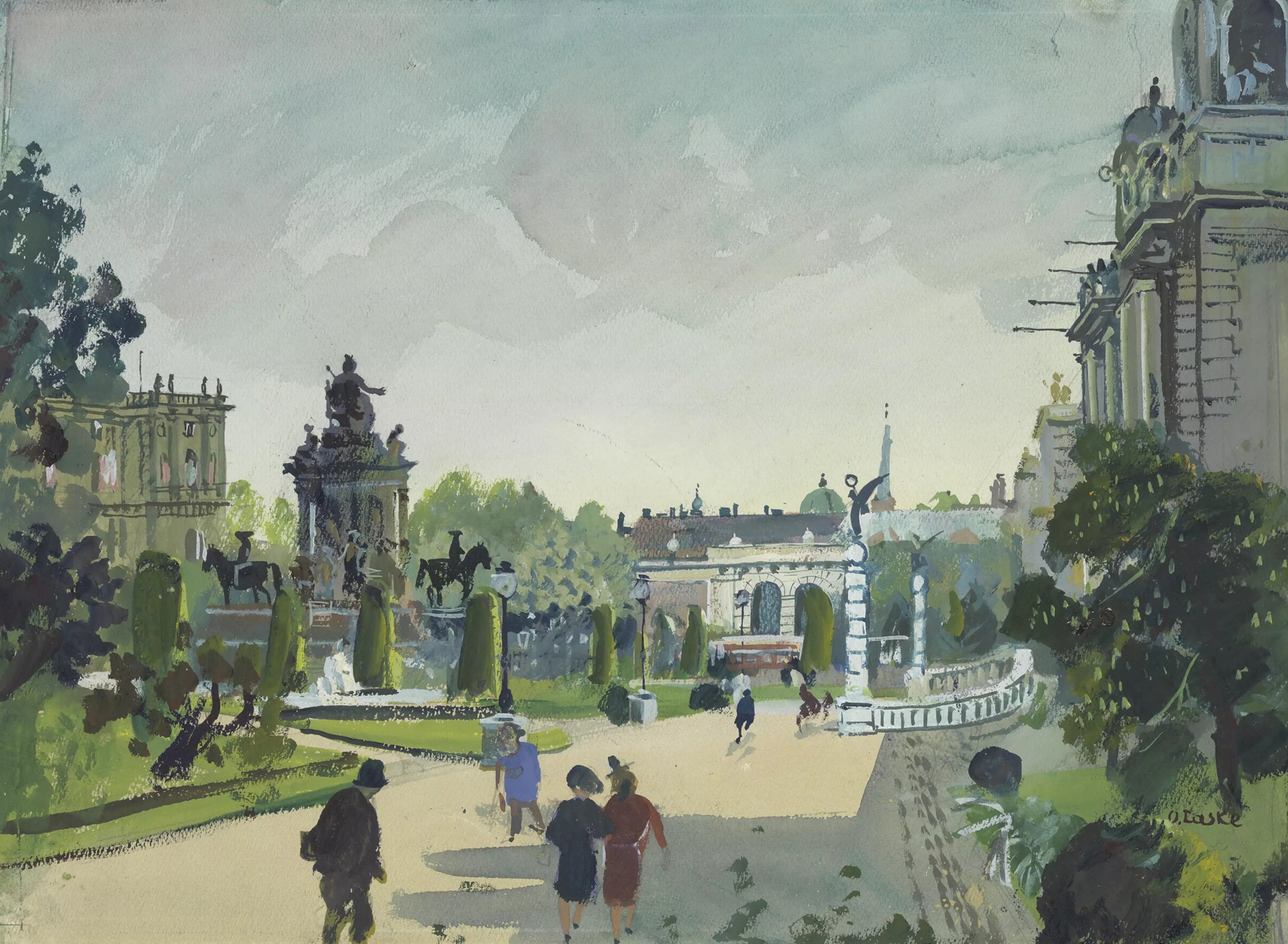
“Under the brush, chaos becomes grace.” What is truth but an arrangement of fragments, a dance waiting to be choreographed? Look to the vibrant greens swirling like a gentle breeze through the garden. The layered strokes create a sense of depth, inviting the eye to wander through the intricacies of this lush scene. Focus on the vivid bursts of color that punctuate the canvas: the deep emeralds contrasting against the soft pastels of blossoms. Each brushstroke feels deliberate yet spontaneous, suggesting the artist’s intimate connection to the serene landscape of Schönbrunn.
In this work, there lies a tension between the wildness of nature and the order of the manicured garden. Notice the interplay of light and shadow that casts over the paths, creating a rhythm that echoes the heartbeat of the earth. Hidden within the tapestry of color, one can find a reflection of post-war hope—a yearning for renewal amid chaos. The harmony of the composition speaks to resilience; each petal and leaf, though individually distinct, contributes to a greater truth.
Laske created this piece in 1946, a time when Europe was emerging from the shadows of World War II. Living in Vienna, he was surrounded by a city striving to rebuild its identity. This period in art was marked by a search for meaning and beauty in the aftermath of devastation. The gardens of Schönbrunn, a symbol of both history and hope, provided the artist with a sanctuary, inspiring him to explore the delicate balance between destruction and rebirth through his brush.