Yosemite — History & Analysis
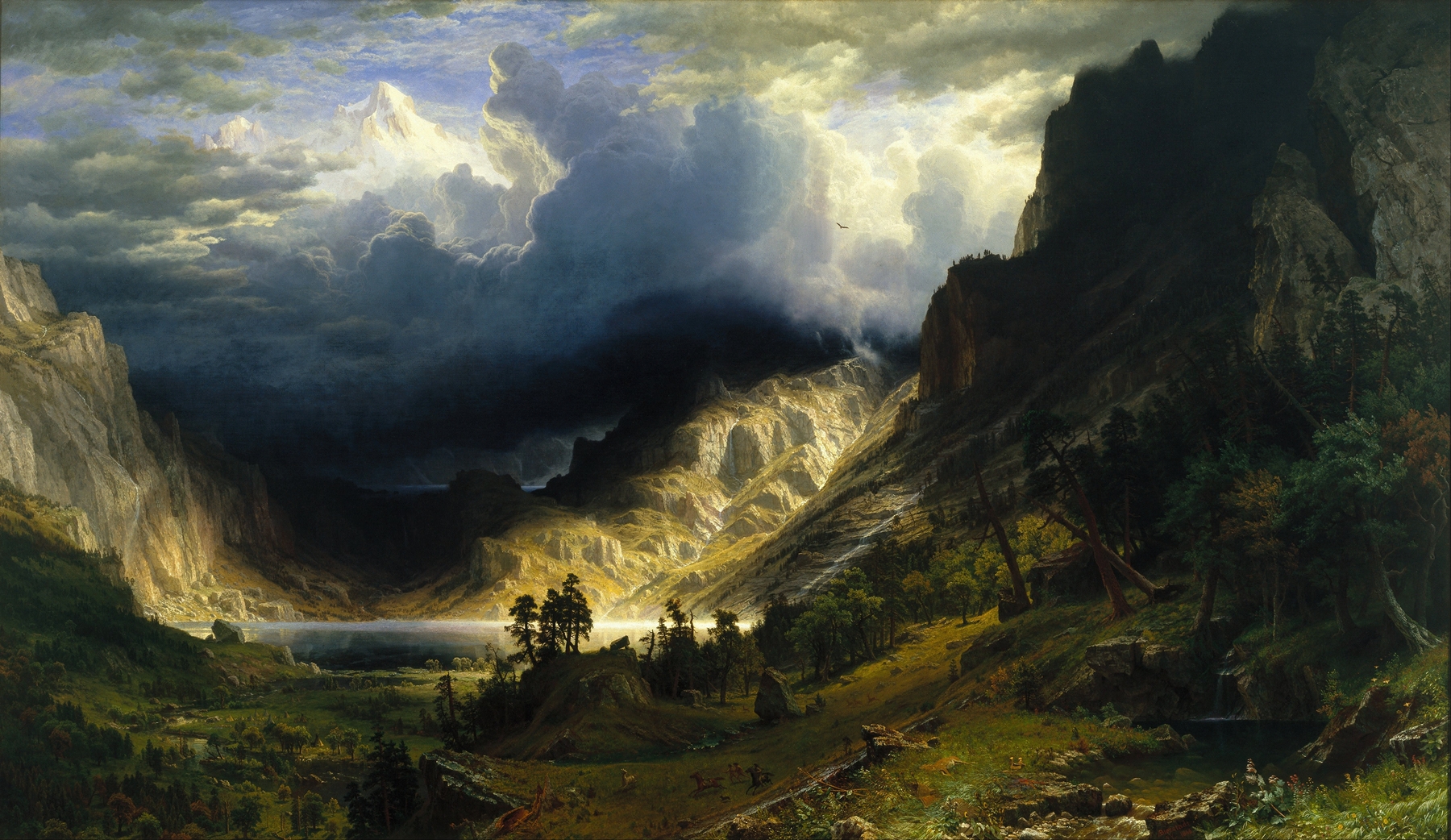
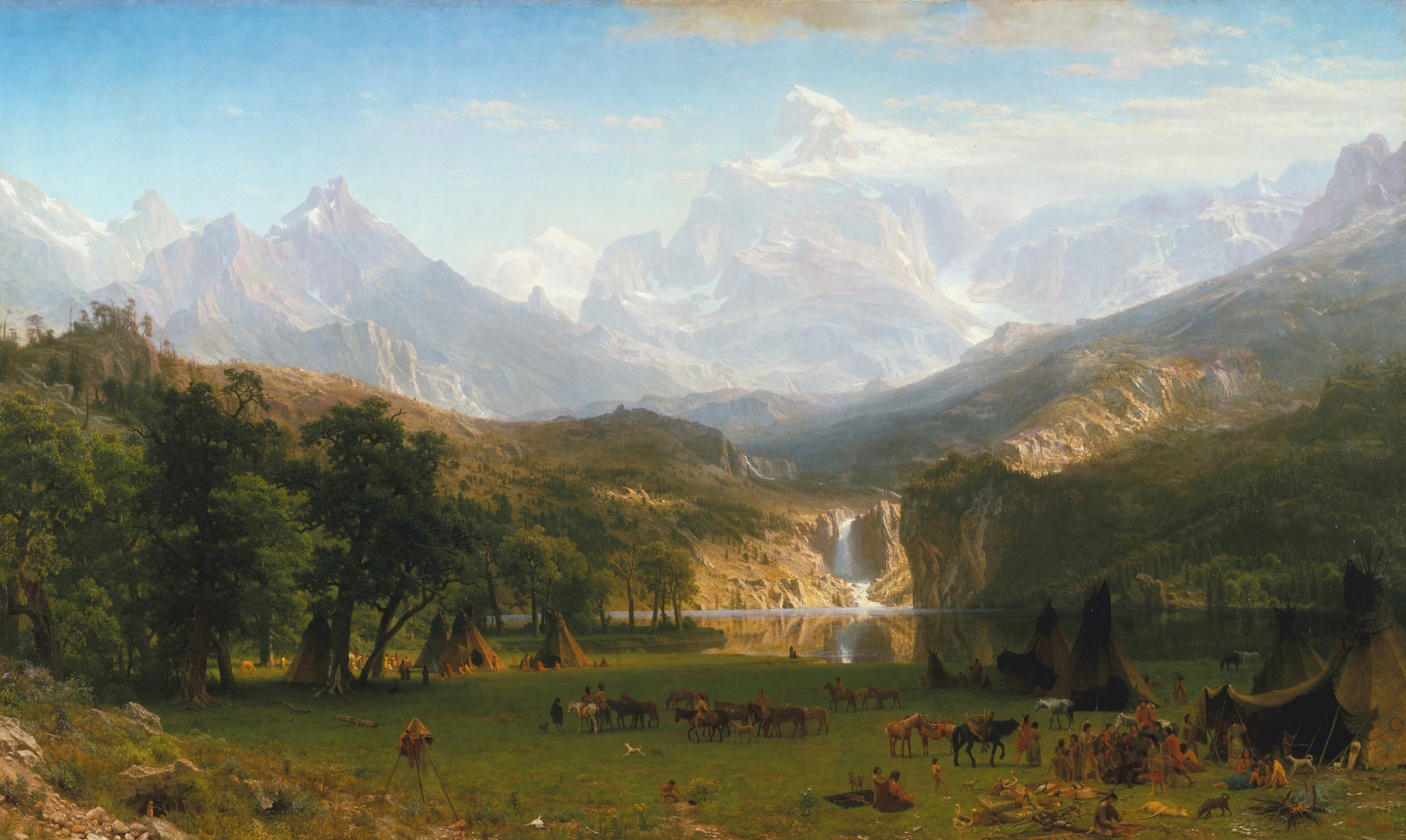
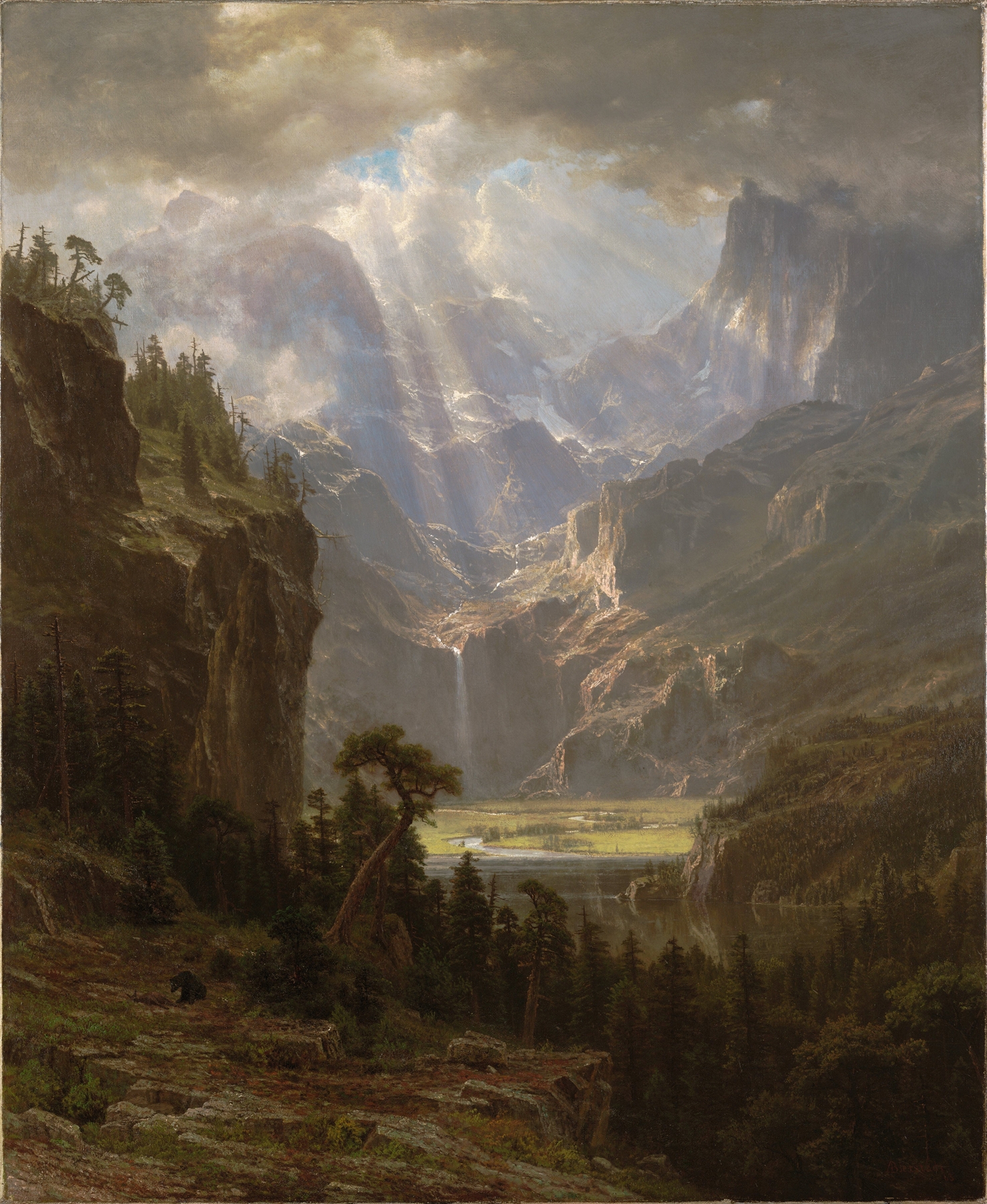
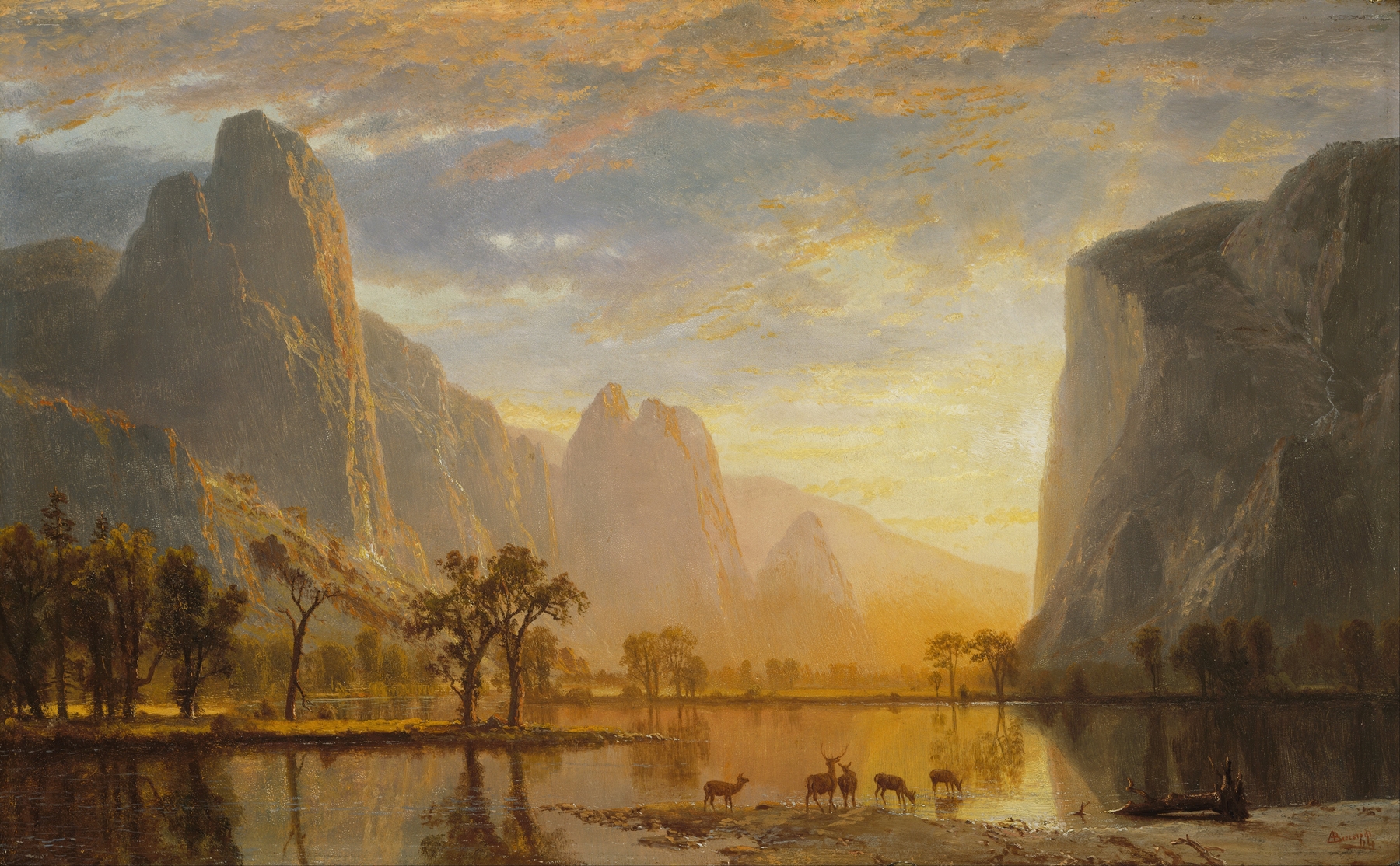
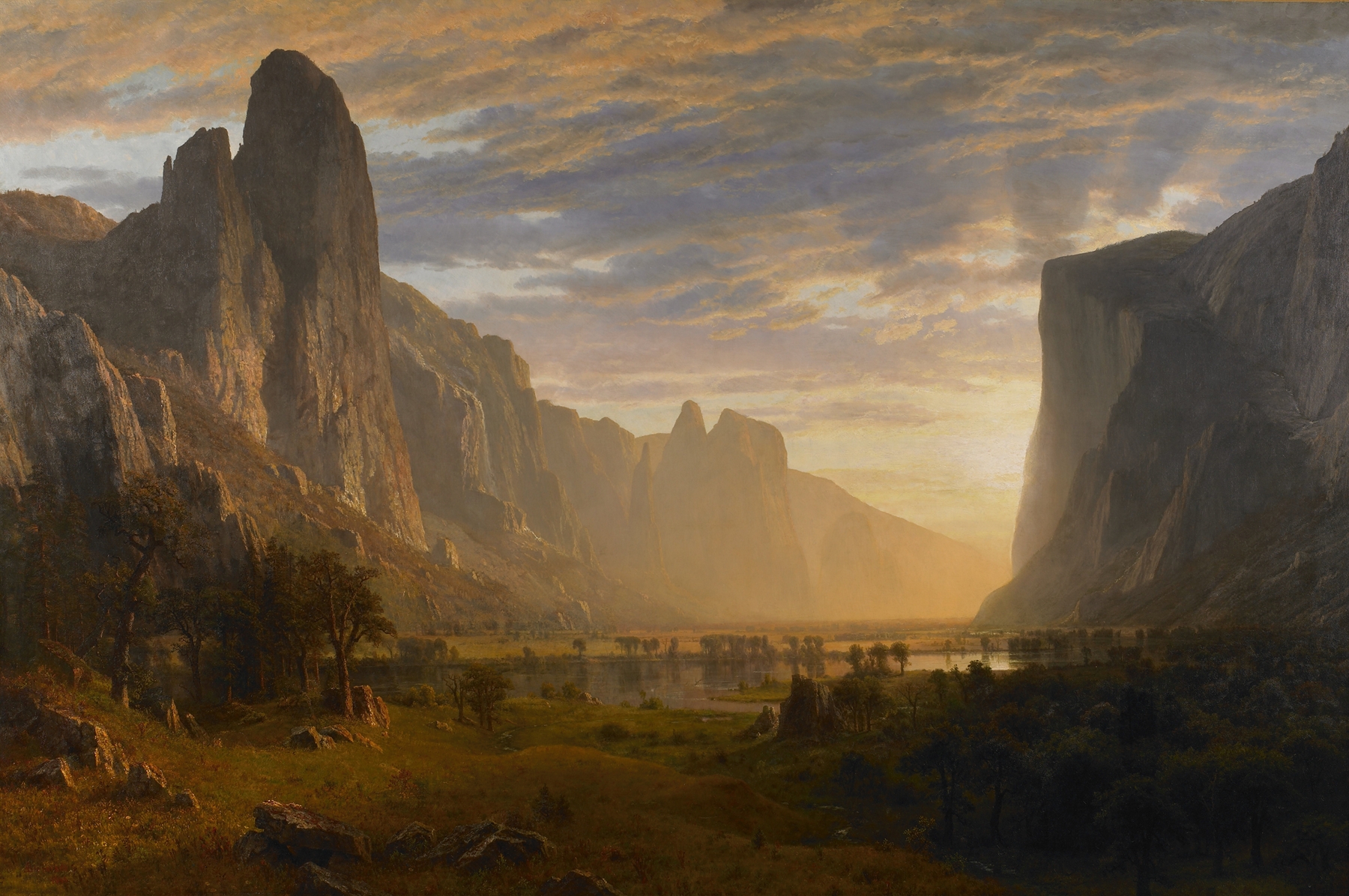
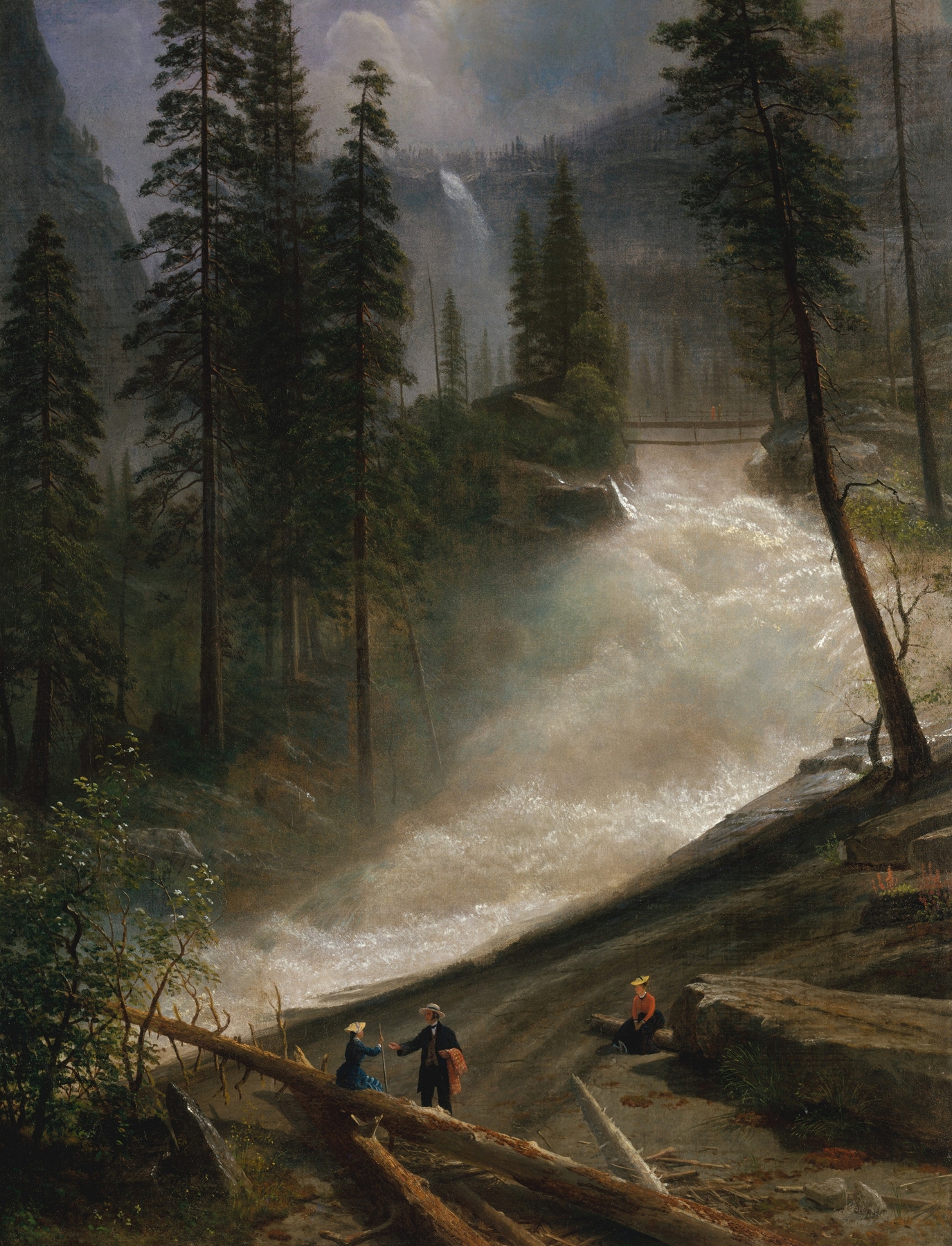
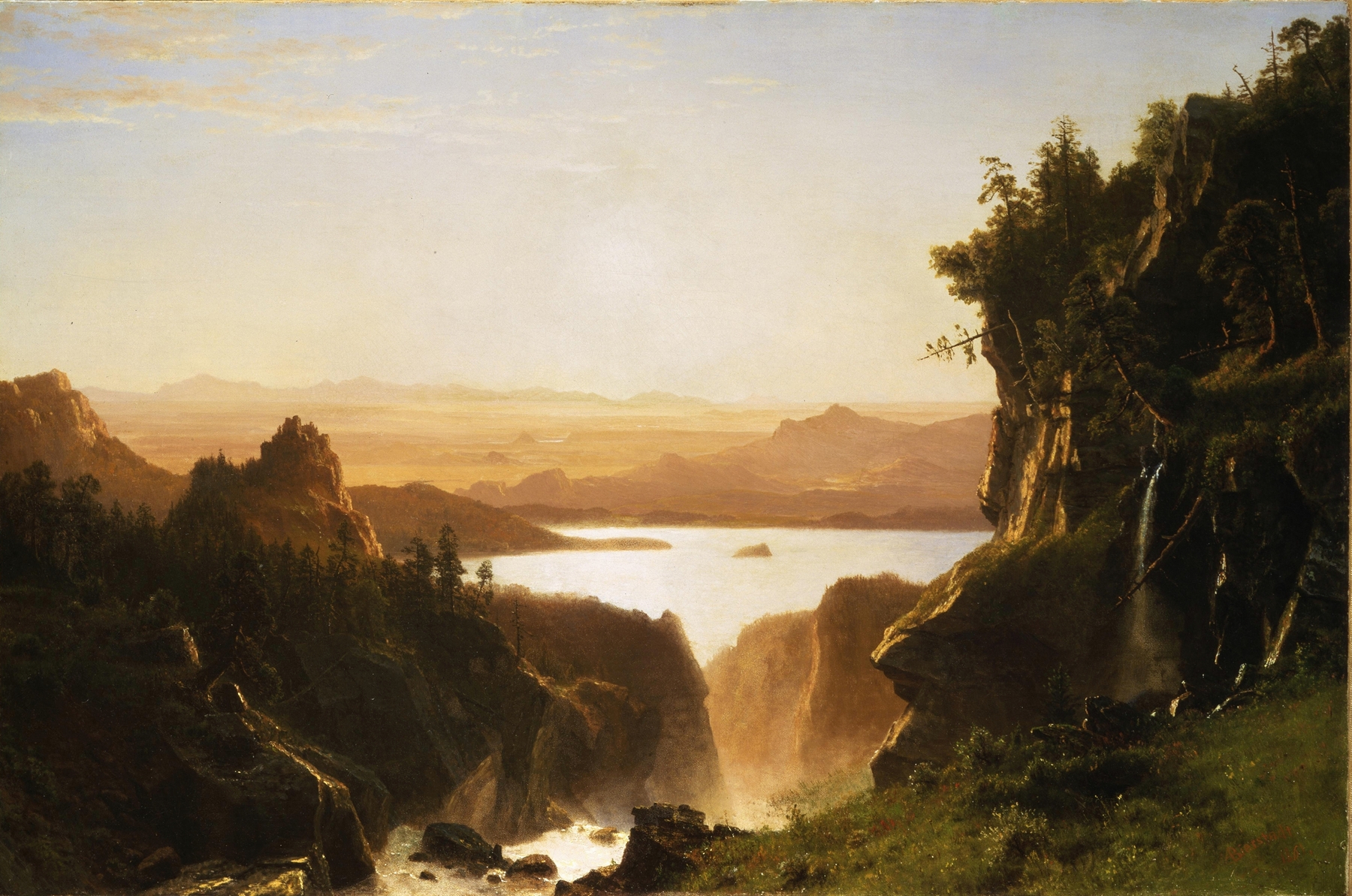
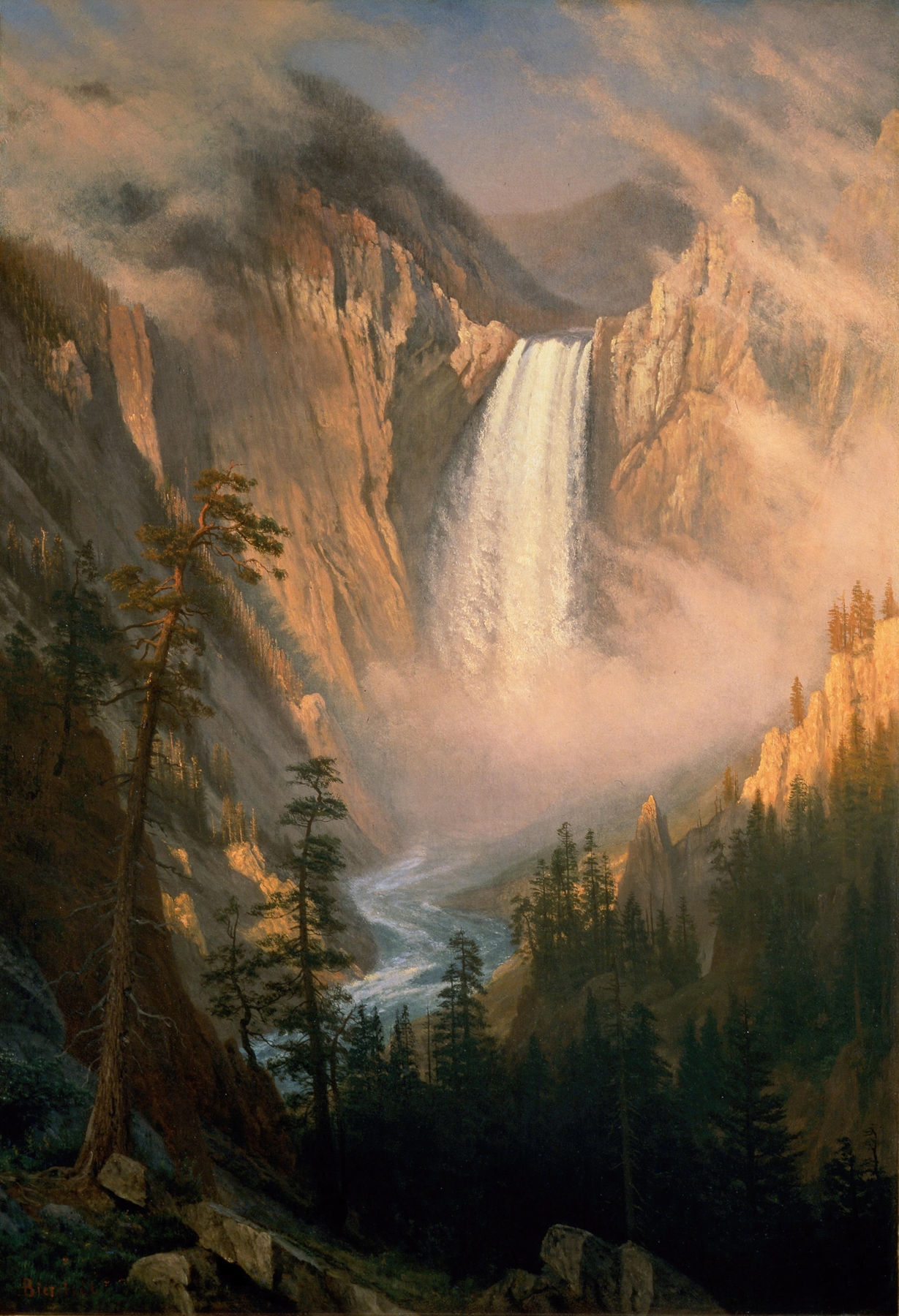
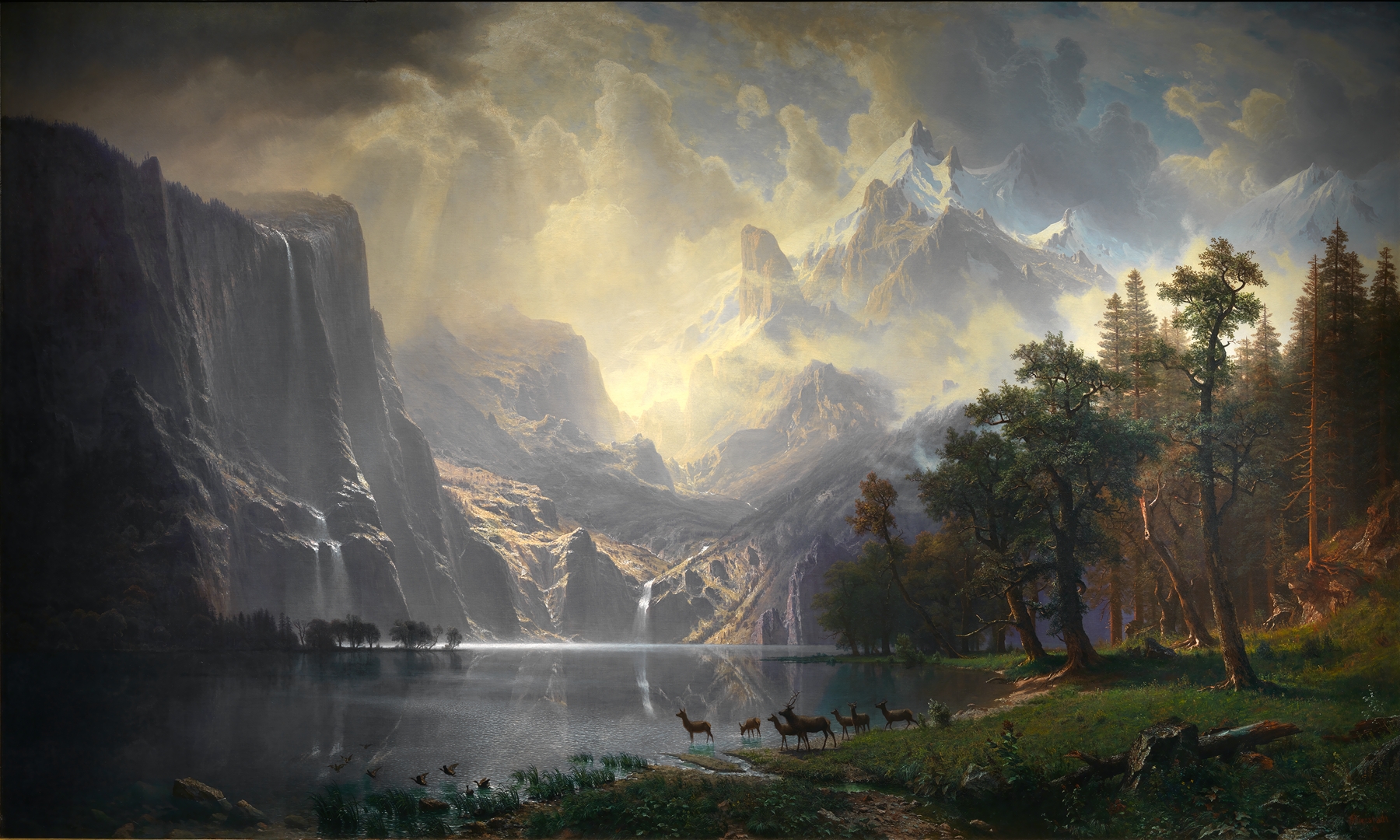
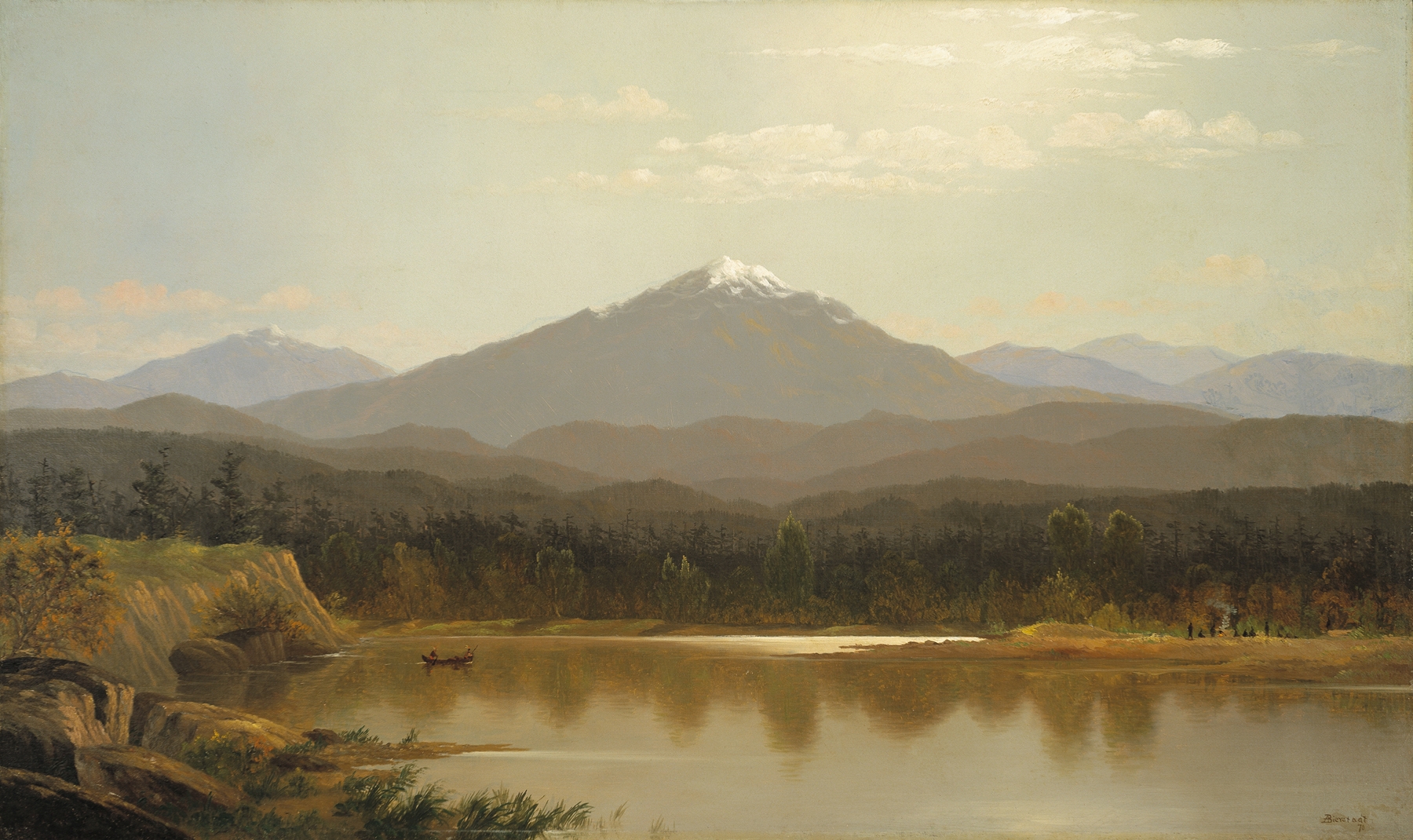
“Under the brush, chaos becomes grace.” In a world marked by transient beauty, how do we capture the essence of permanence amid the impermanence of existence? Look to the sweeping expanse of rugged mountains, where Bierstadt’s delicate brush strokes manifest an awe-inspiring grandeur. The interplay of light and shadow reveals the intricate details of the terrain, drawing the eye to the luminous peaks that tower with majestic authority. Notice how the cool blues and warm ochres create a harmonious balance, evoking both the serenity and the drama inherent in nature.
The sky above, painted in soft pastels, beckons the viewer to consider both the vastness of the scene and their place within it. At the heart of this work lies a poignant contrast between the eternal landscape and the fleeting nature of human life. The craggy cliffs symbolize resilience, yet there is an underlying reminder of mortality in their formidable presence. The tranquil water reflects the sky, mirroring an ephemeral moment that invites contemplation of life’s fragility, urging us to reflect on what endures when we are gone.
This duality imparts a profound emotional weight, urging the observer to appreciate both the beauty before them and the inevitability of change. In 1868, Bierstadt painted this work during a period of burgeoning interest in the American West, capturing the untamed spirit of the landscape. As part of the Hudson River School, he sought to elevate American scenery to the same status as European art. Emphasizing the sublime beauty of nature, Bierstadt's painting emerged against a backdrop of national expansion and exploration, as the nation grappled with its identity in a rapidly changing world.