Ypres Remember — History & Analysis
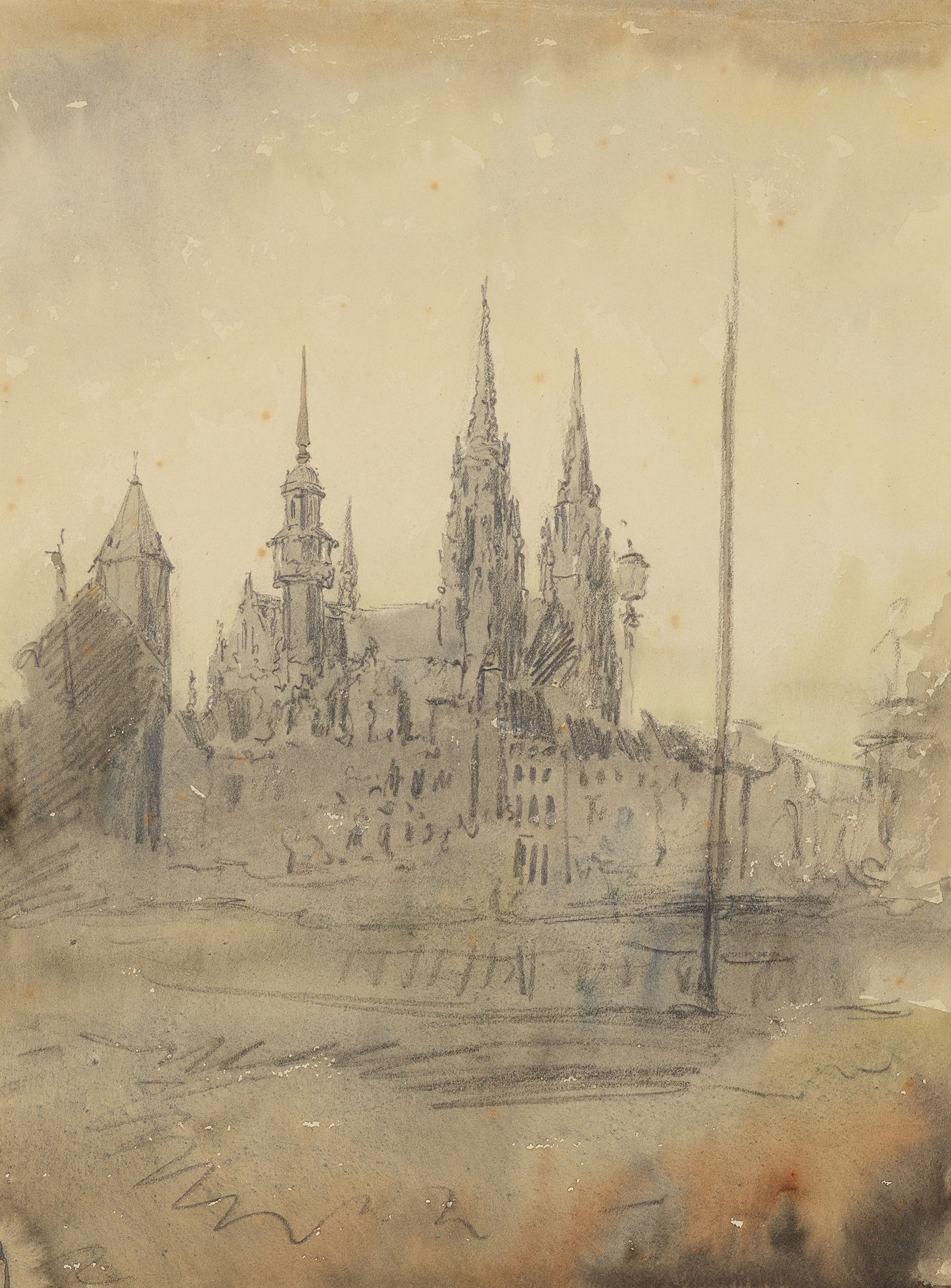
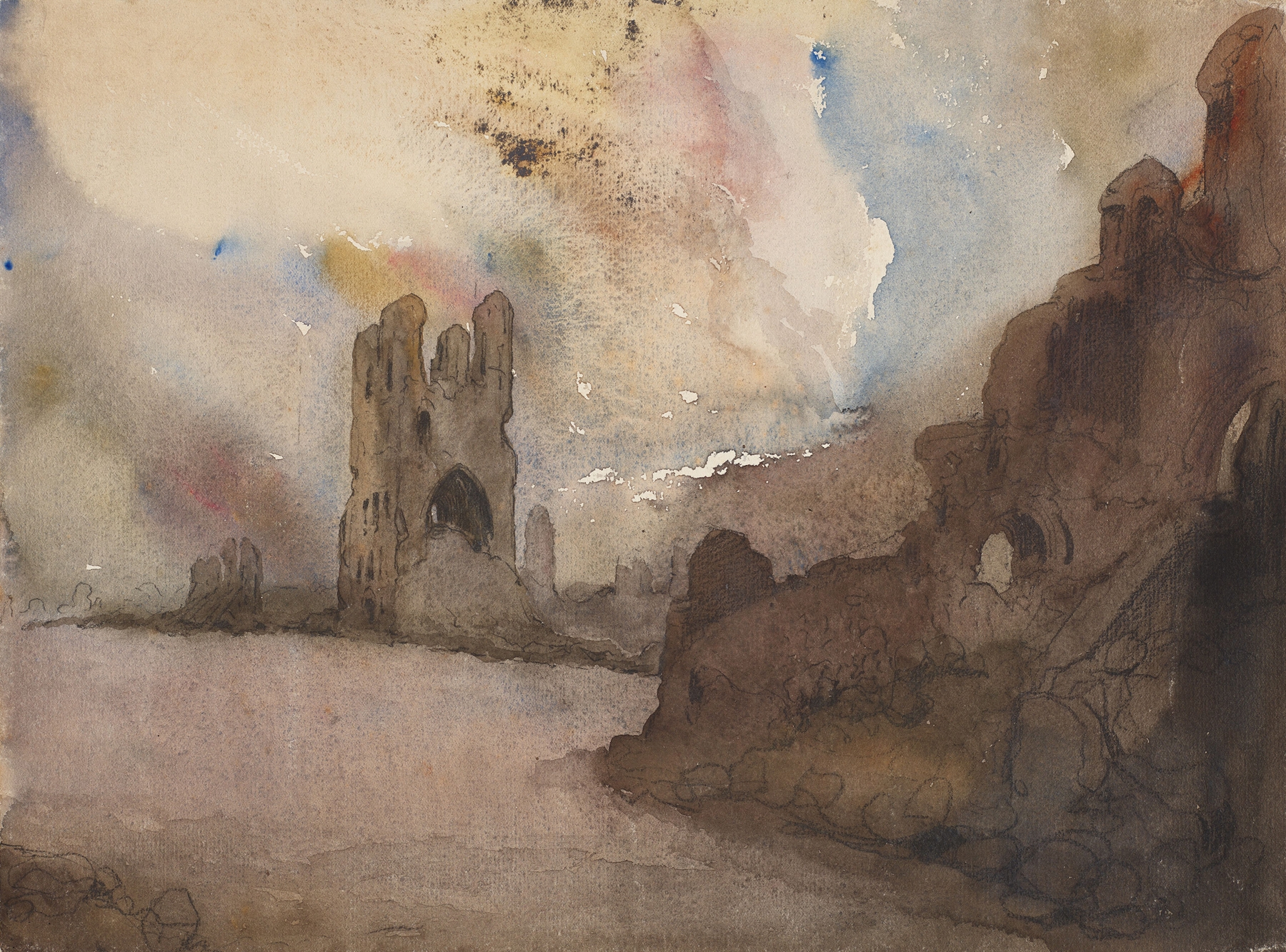
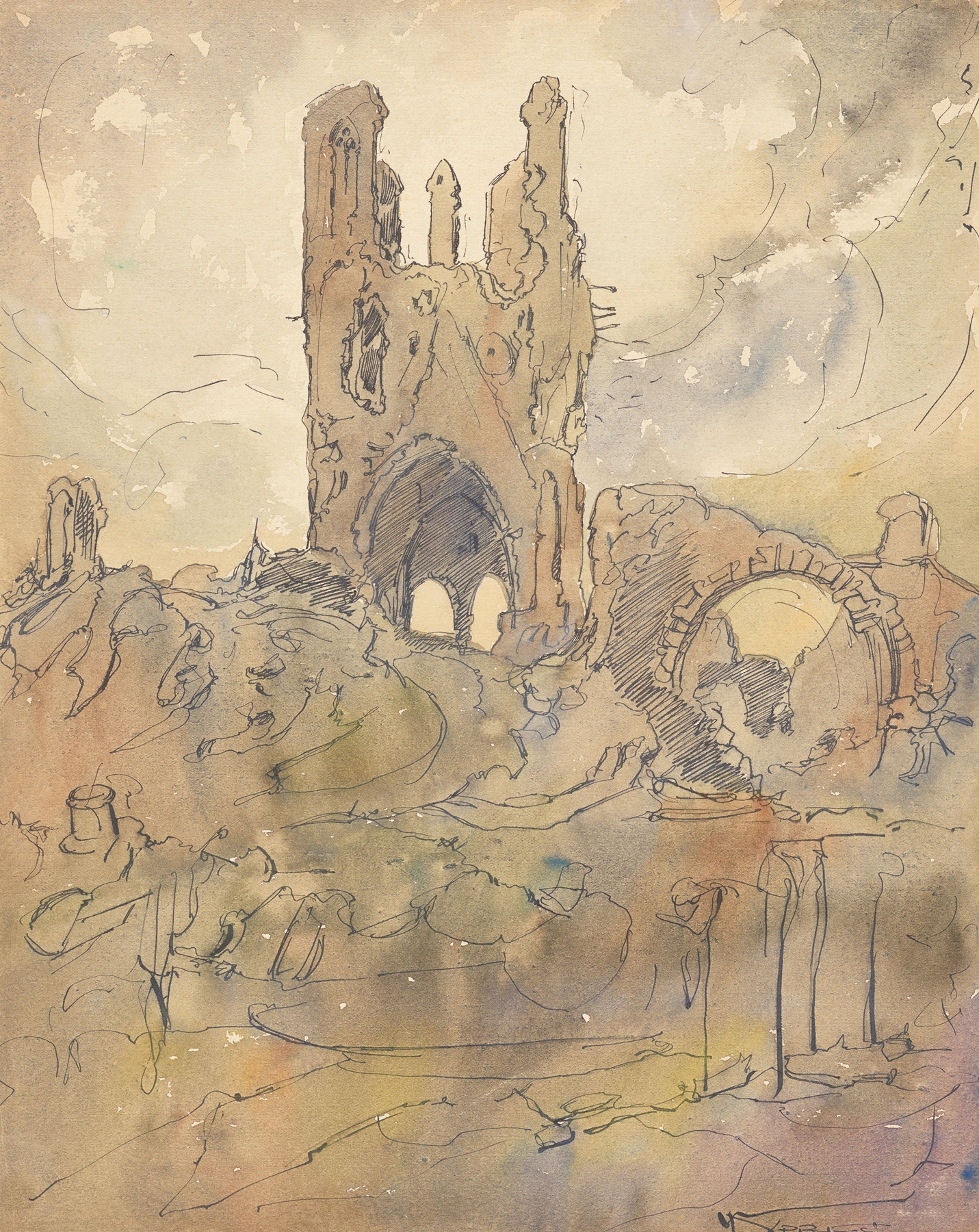
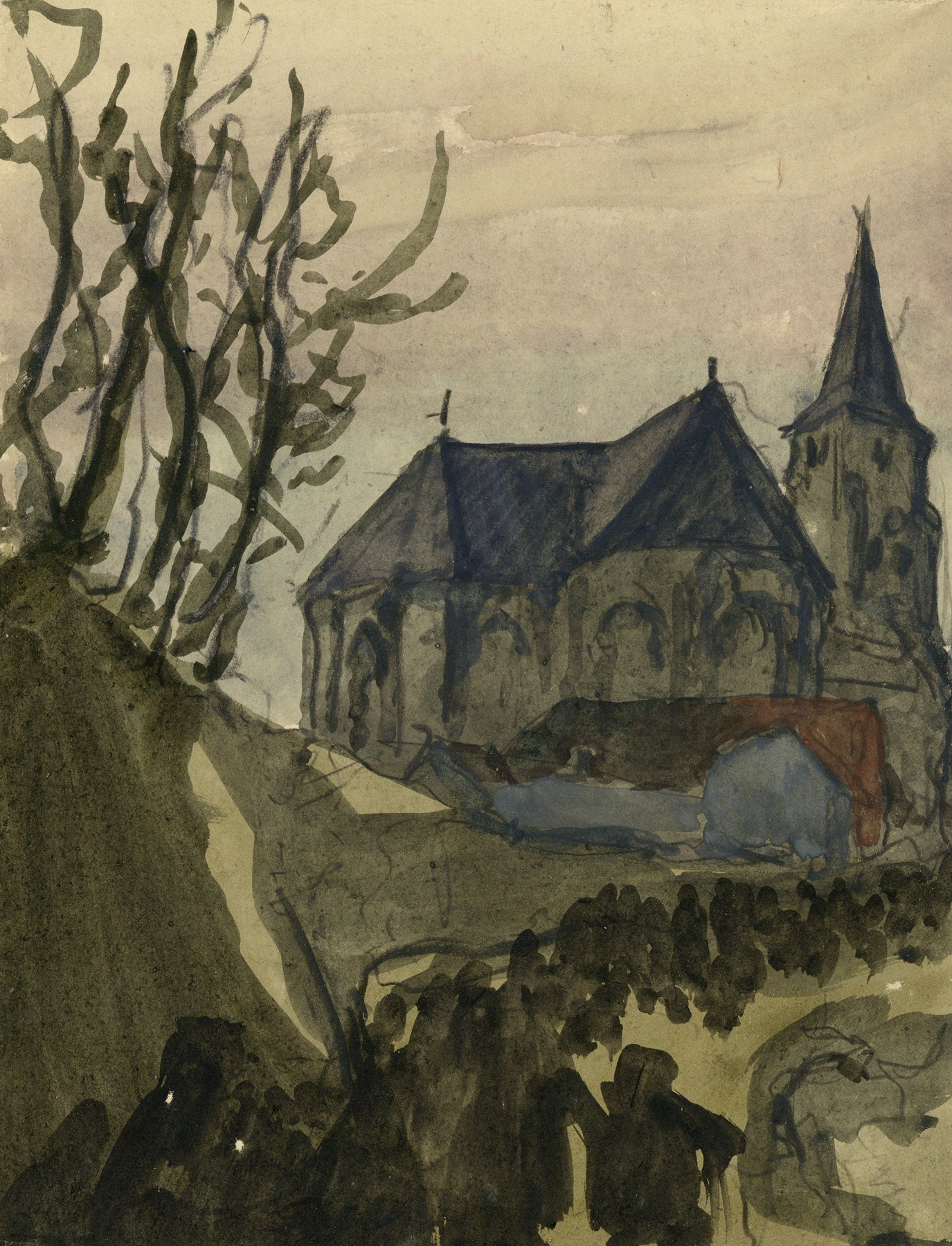
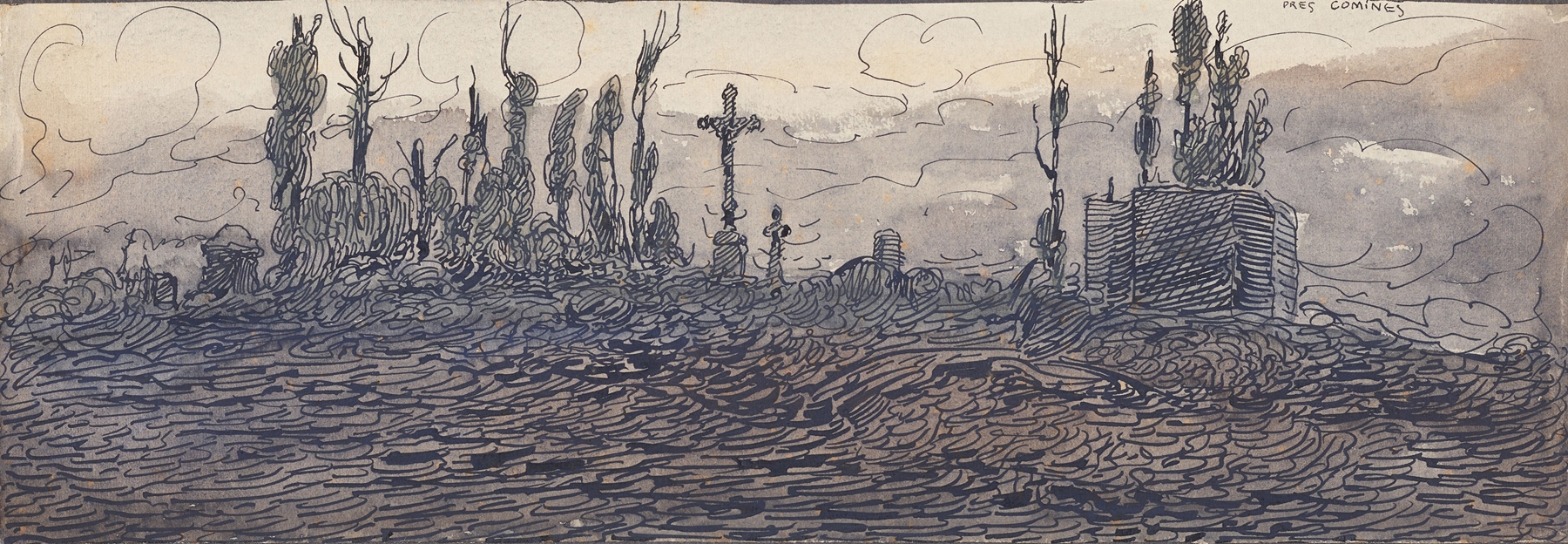
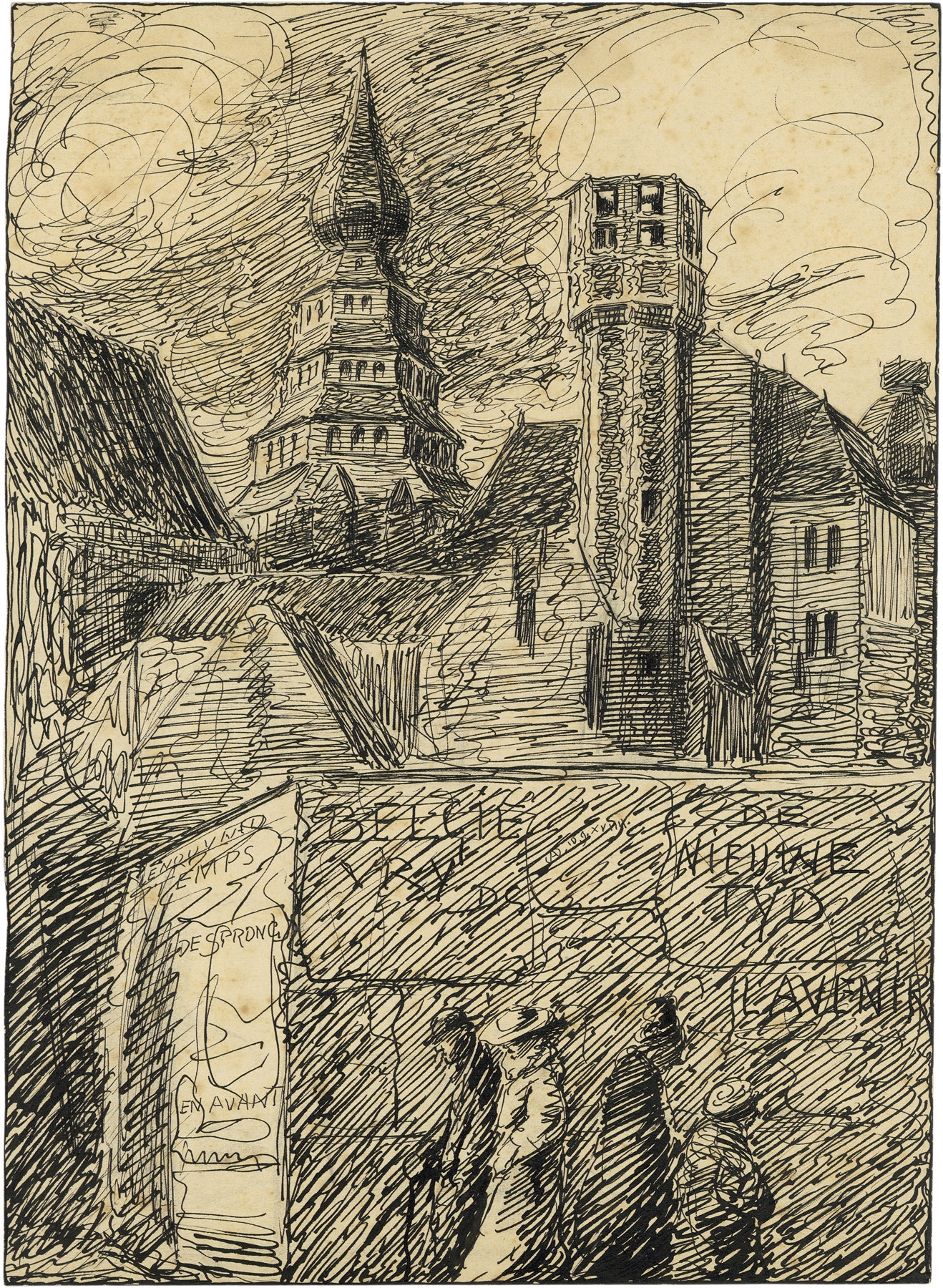
“Sometimes beauty is just pain, disguised in gold.” The haunting juxtaposition of glory and sorrow lingers in the air, inviting contemplation on the deeper truths hidden beneath the surface. Look closely at the interplay of light and shadow, where the golden hues shimmer against the somber tones. The composition draws the eye toward the center, where a delicate balance of form and texture speaks to the fragile nature of memory. Notice how the artist uses a muted palette to contrast with the radiant glimmers, suggesting both celebration and mourning intertwined.
The emotional tension lies within the details—a subtle crack in the surface might symbolize the scars left by war, while the graceful lines evoke a sense of reverence. This duality reveals the complexities of remembrance, where the act of honoring the past is laced with an acknowledgment of suffering. Each stroke tells a story, transforming grief into a visual elegy, provoking reflection on the cost of peace.
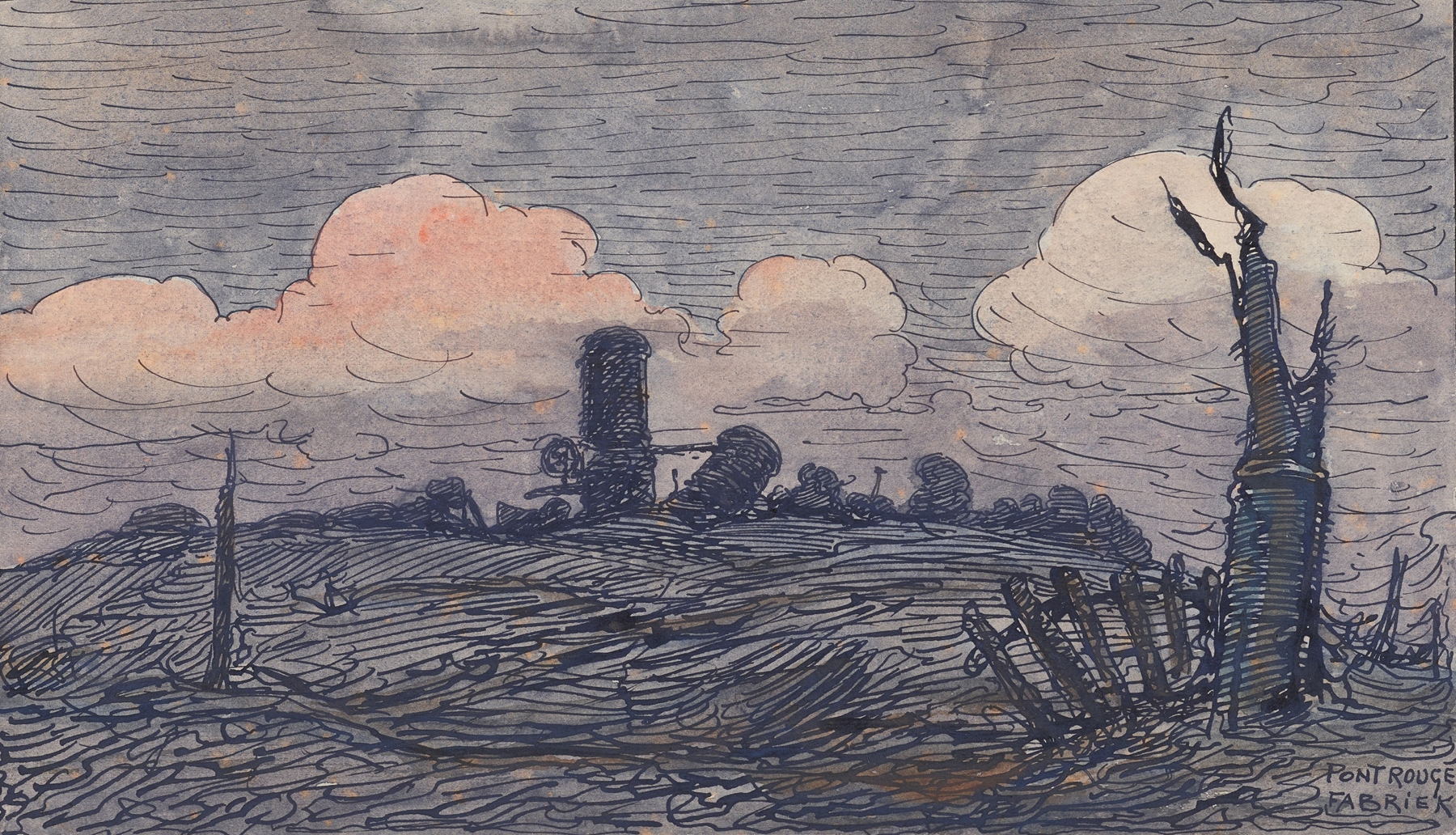
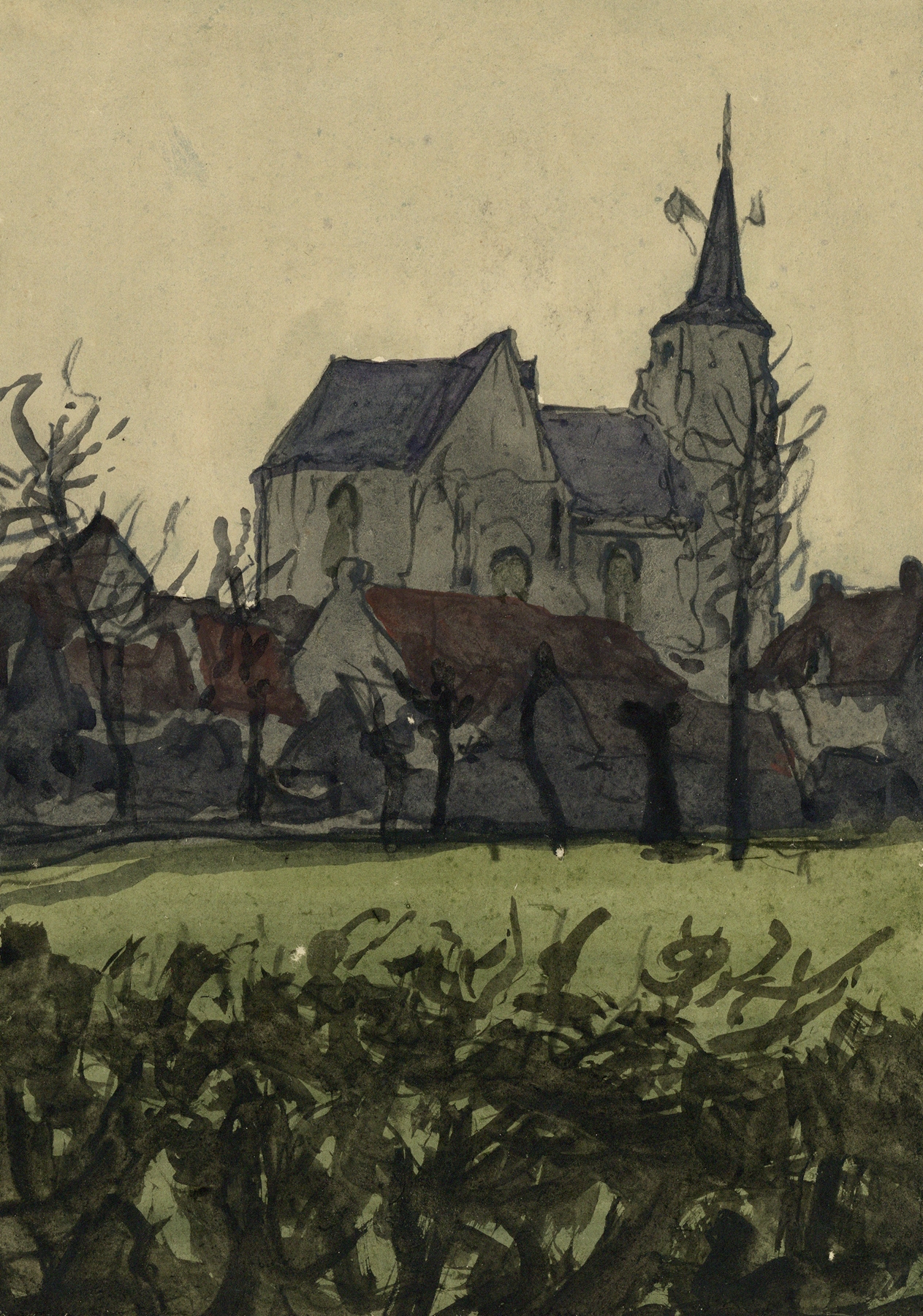
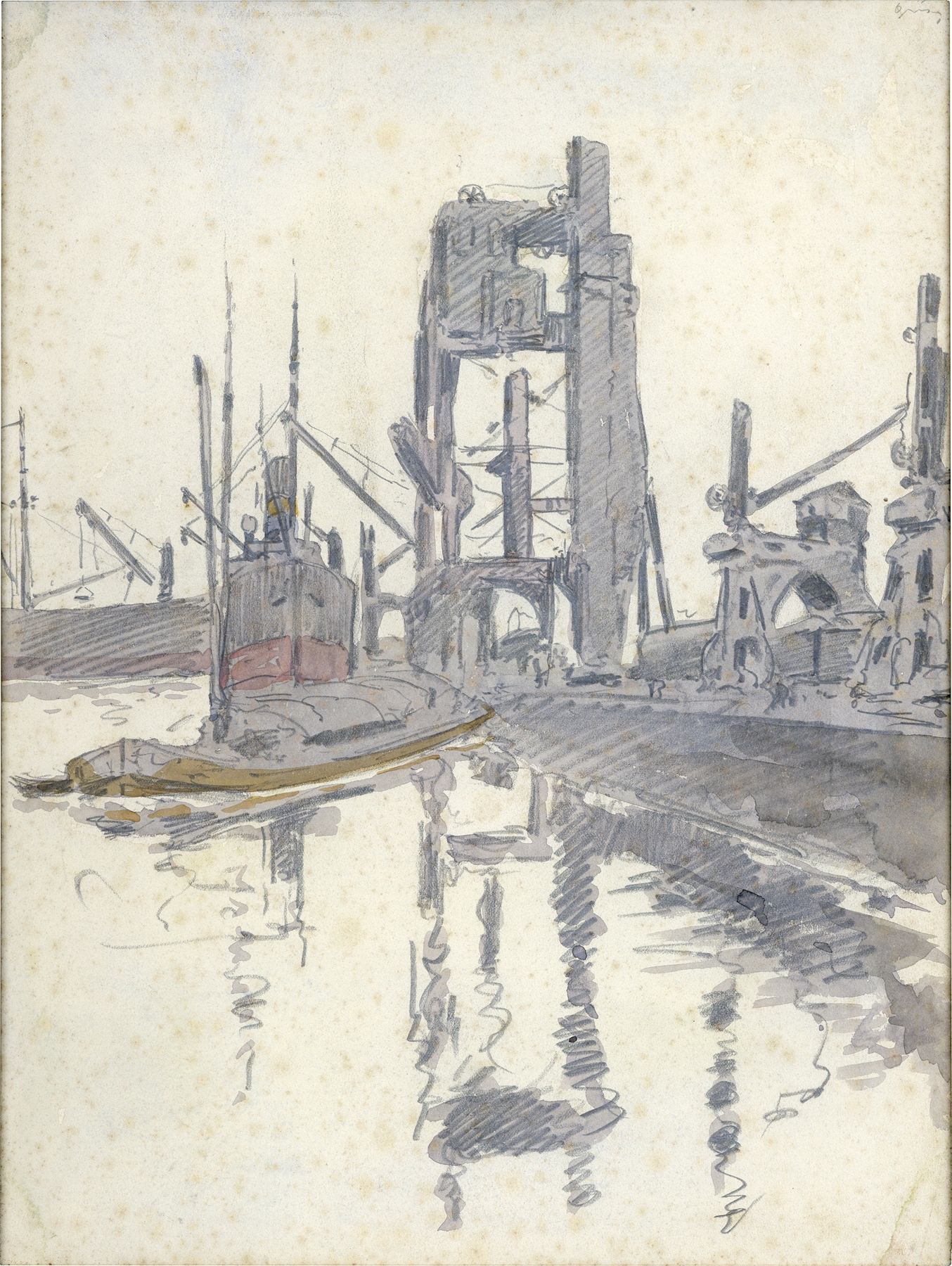
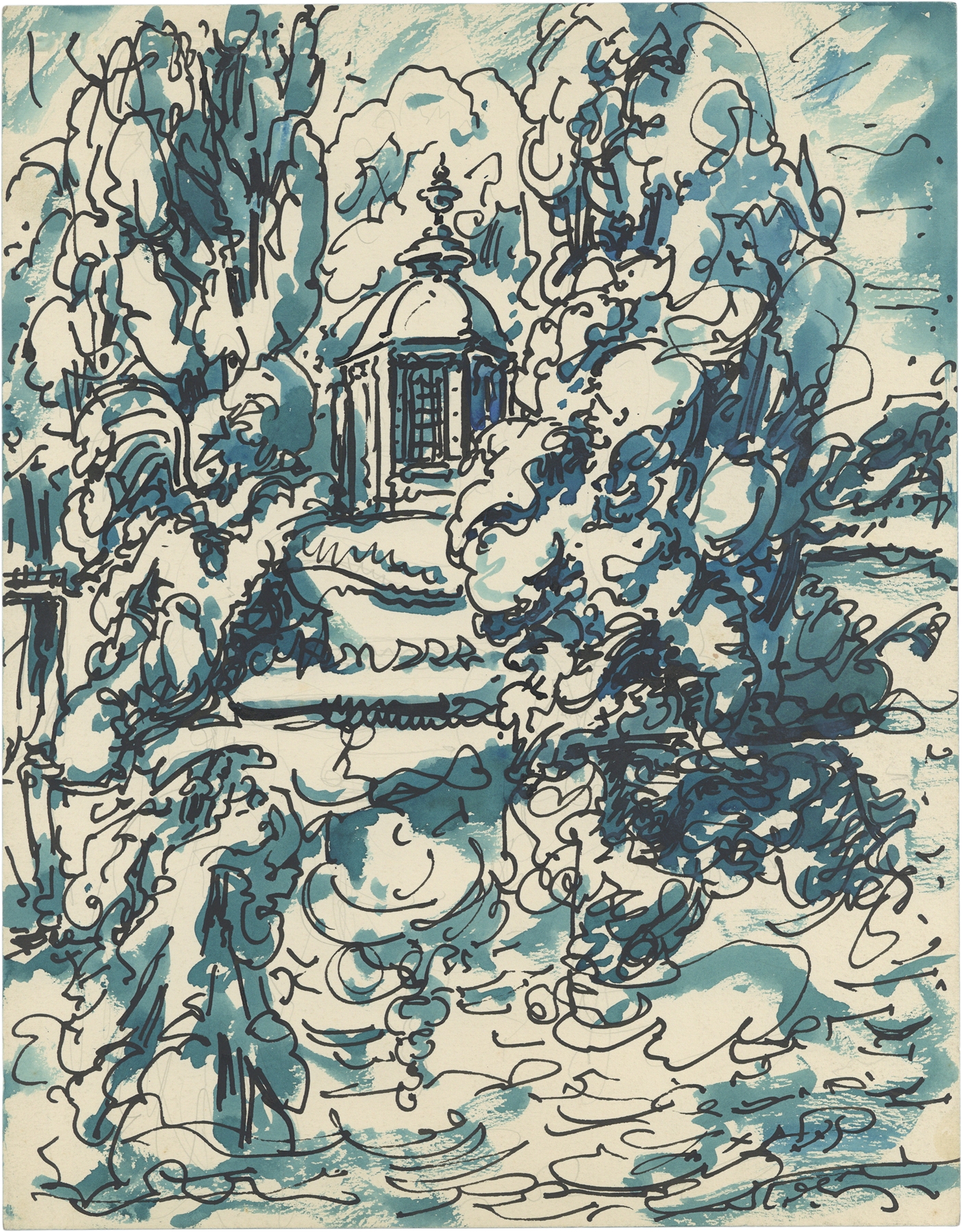
In the aftermath of World War I, Alfred Ost created this poignant work in 1919, at a time when Europe was grappling with the scars of conflict and loss. Working in Belgium, he sought to encapsulate the collective memory of Ypres, a city forever altered by the war. Ost’s art emerges from a period marked by a desire to reconcile beauty and tragedy, as the world began to heal from its wounds, yet remained forever changed.