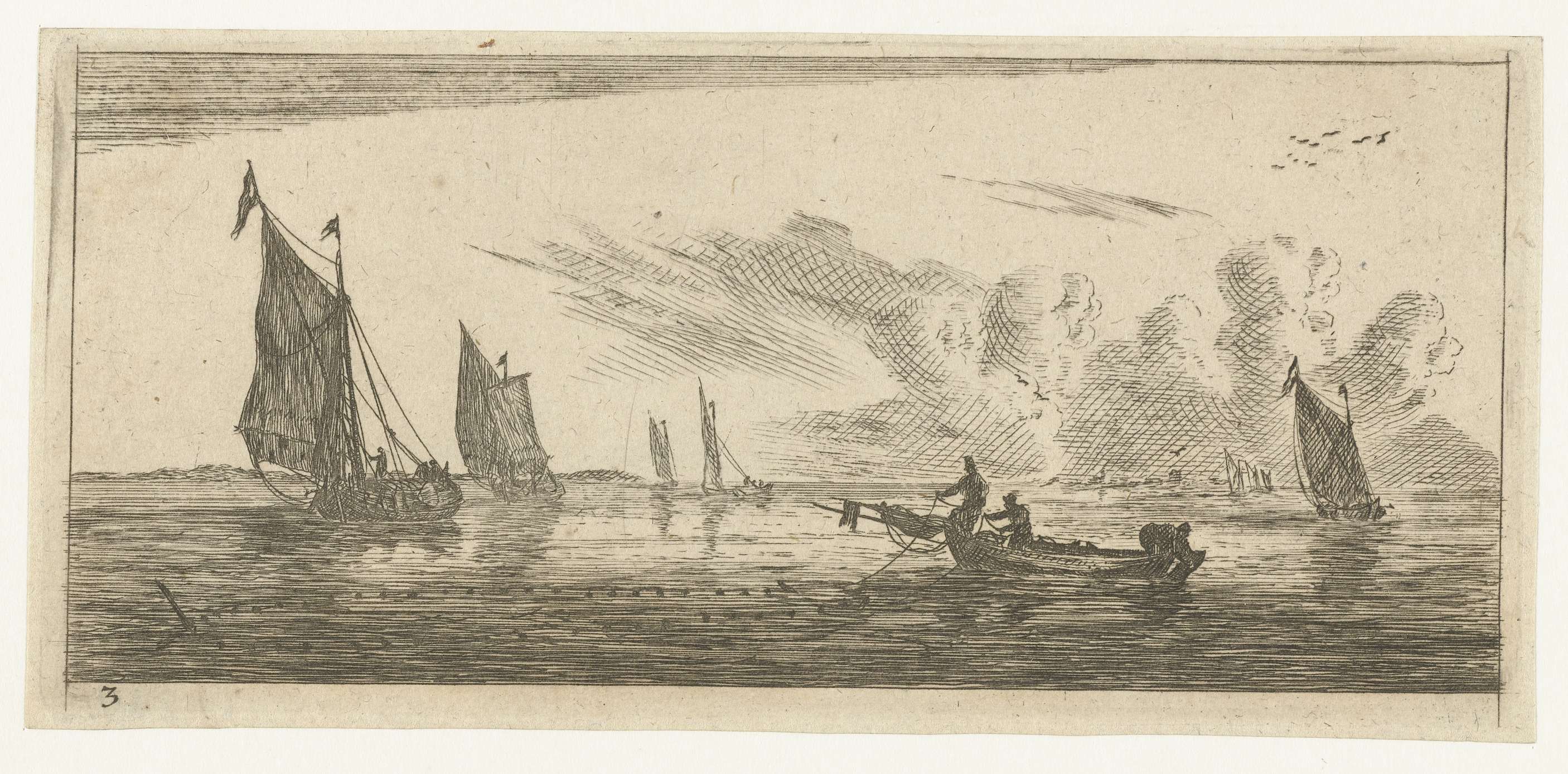
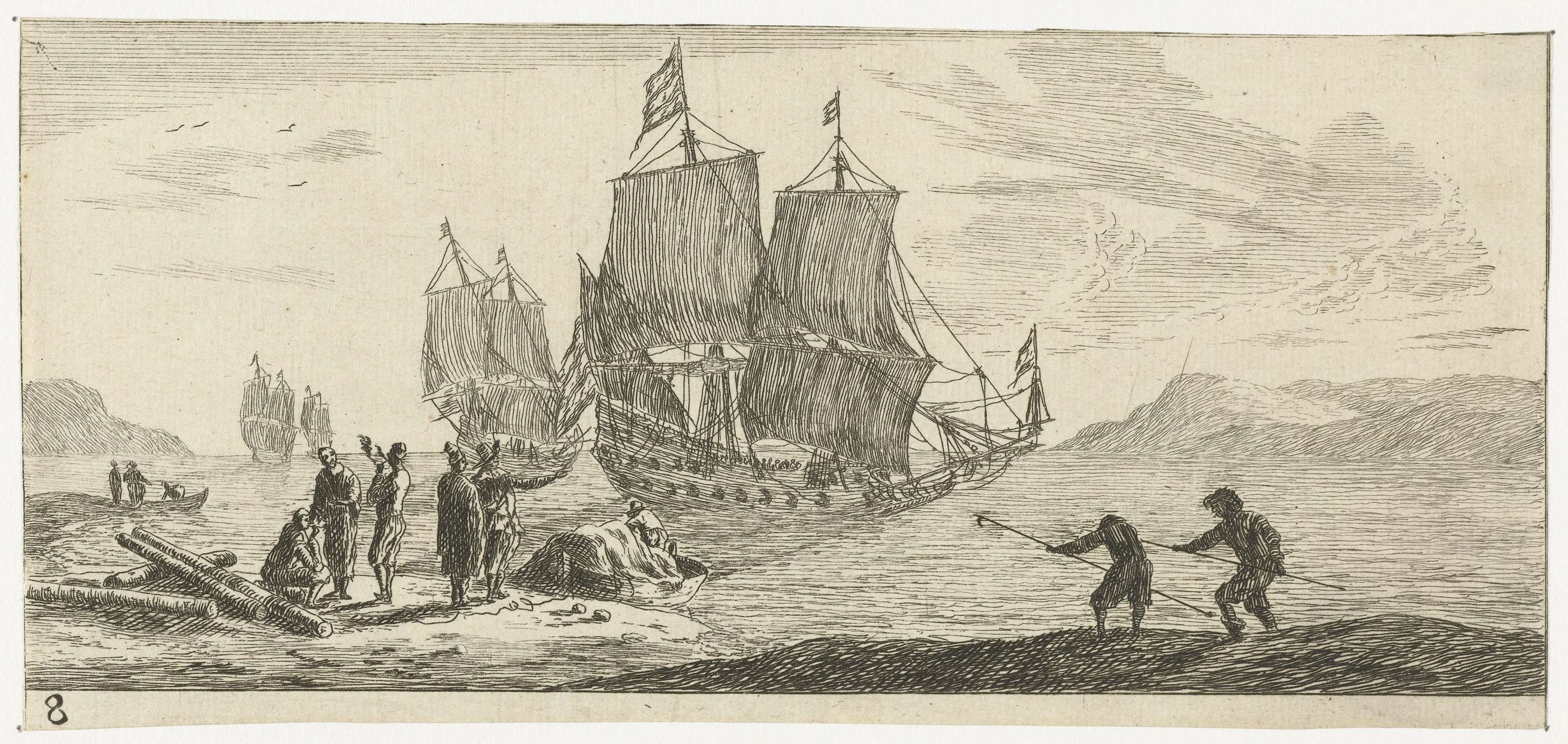
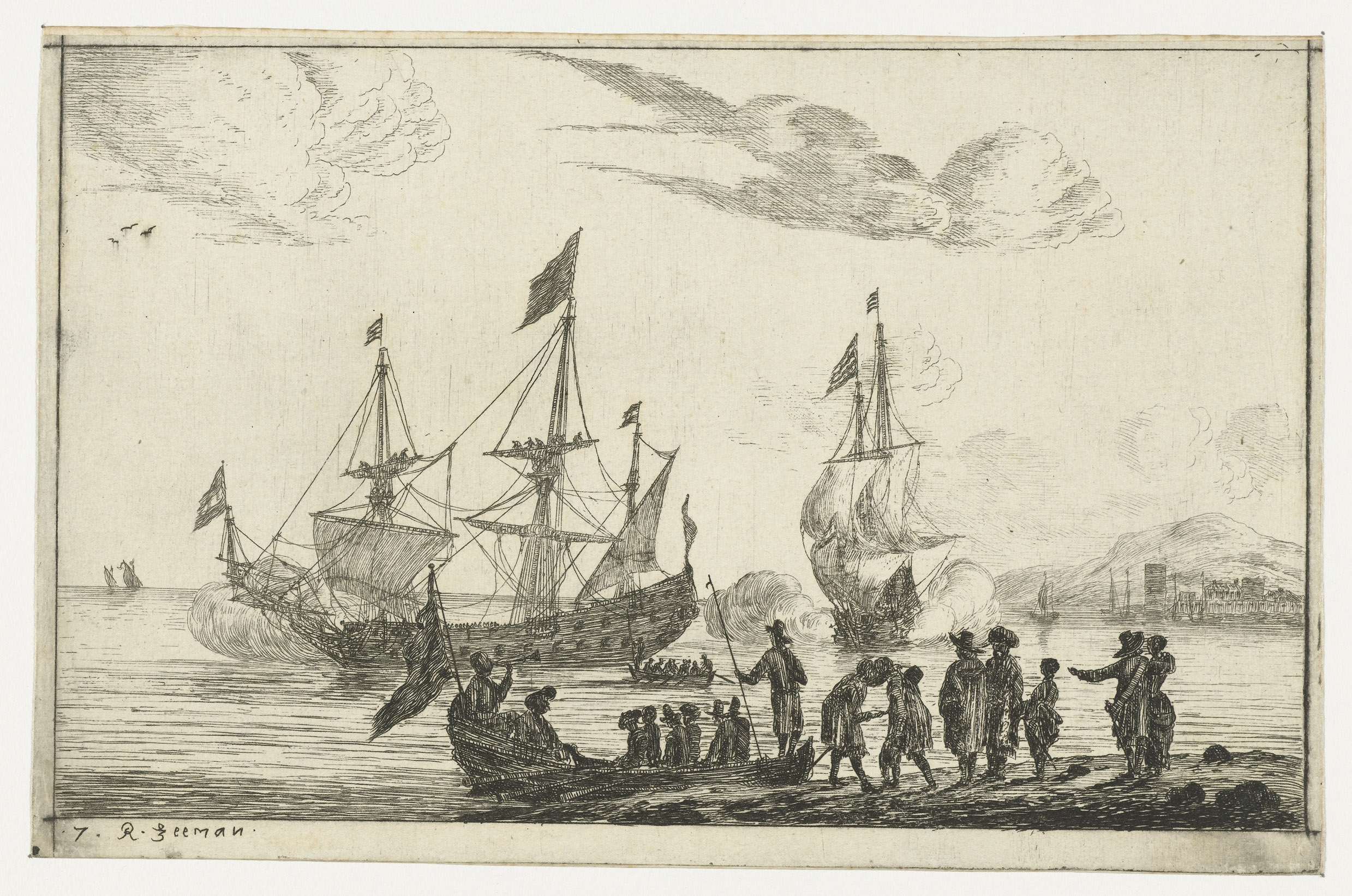
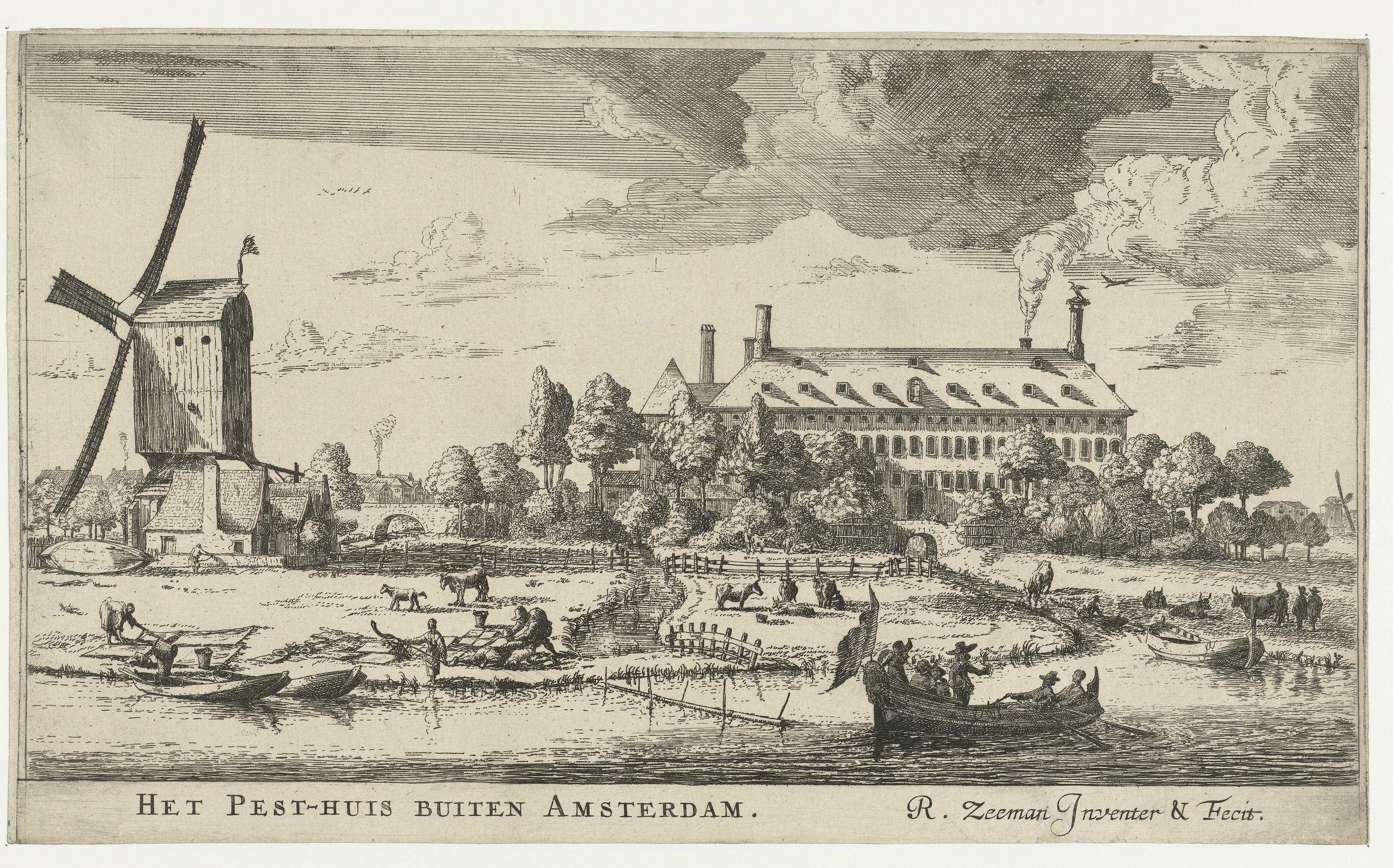
Zeehaven met twee grote zeilschepen — History & Analysis
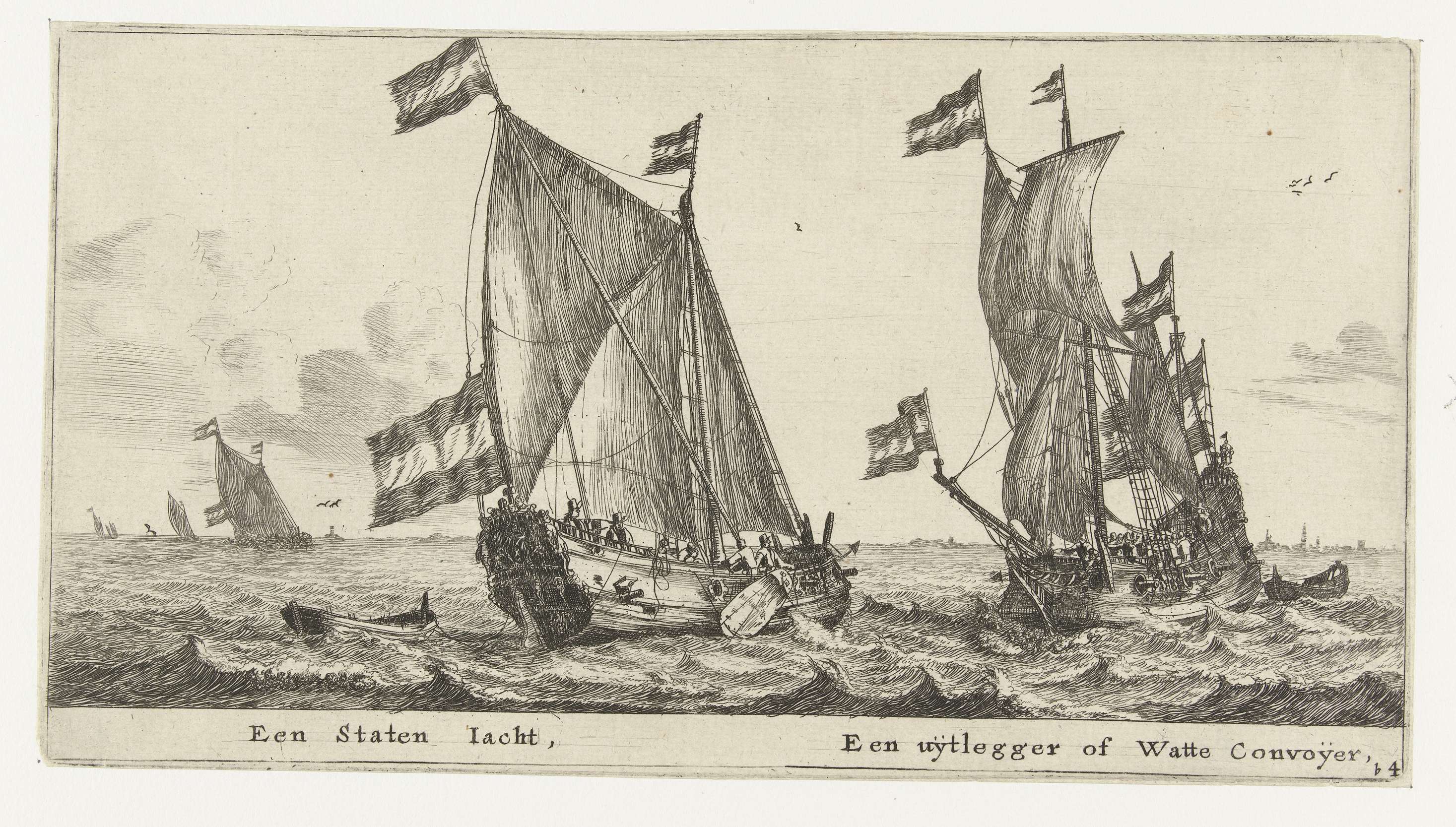
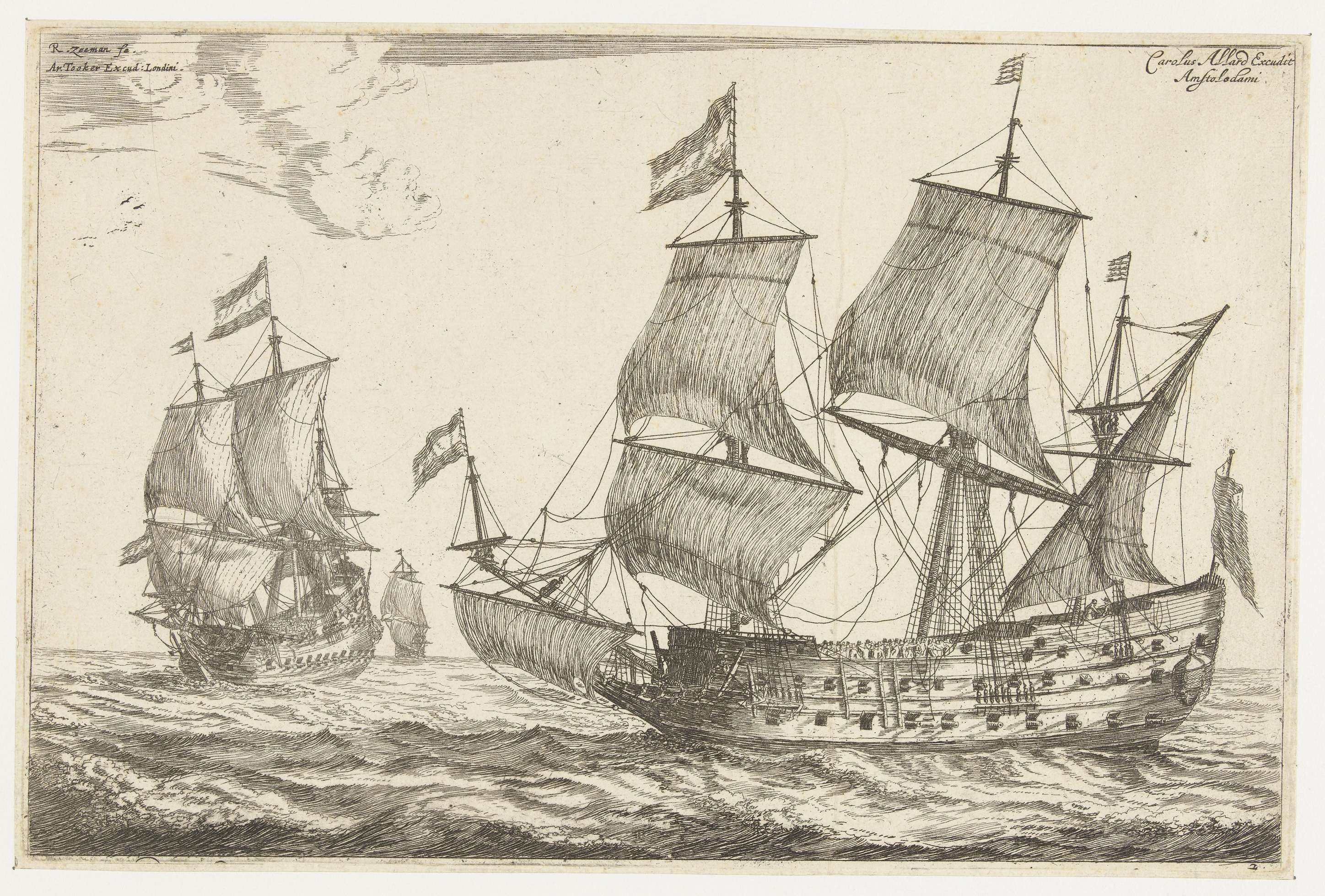
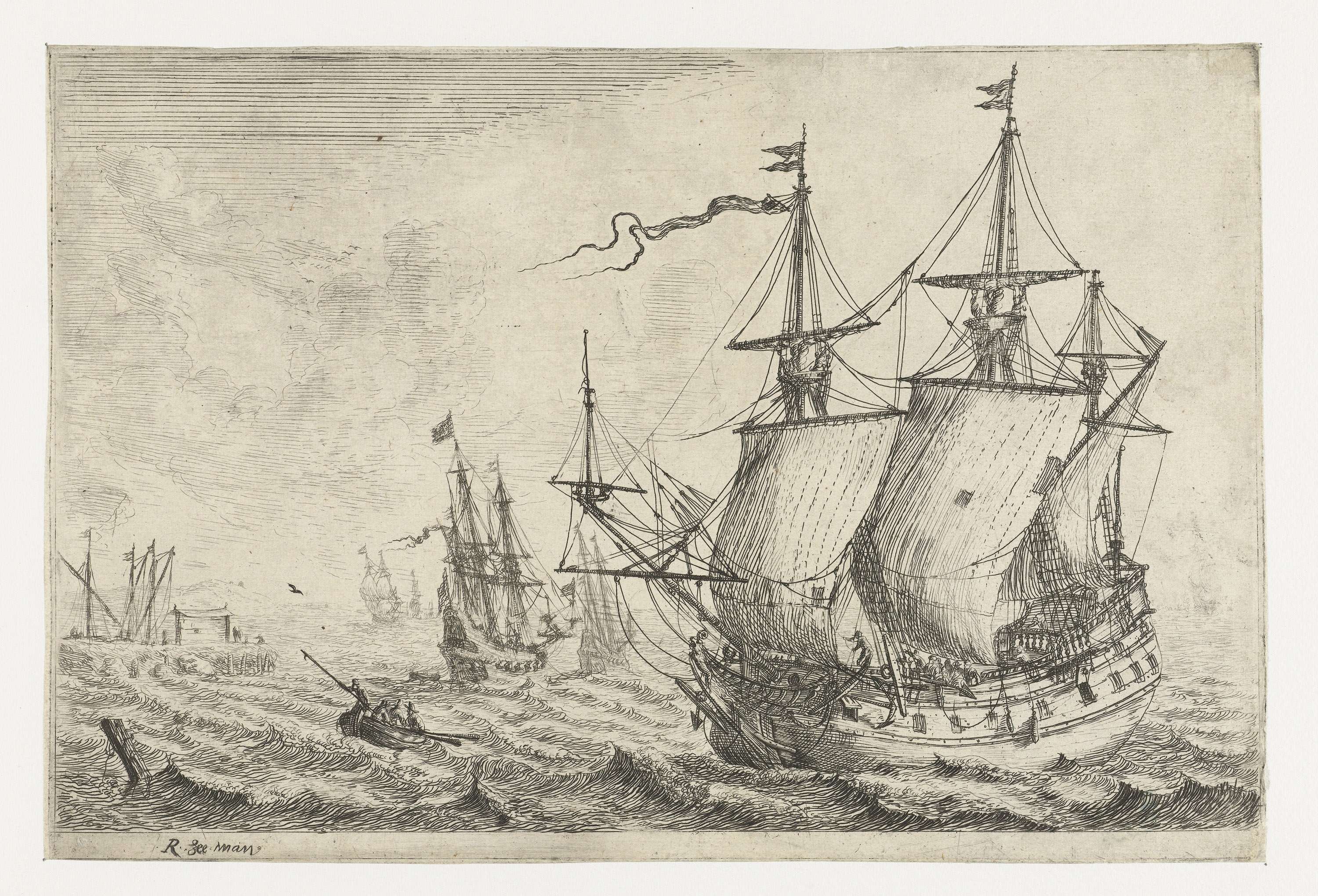
When did color learn to lie? In the intricate dance of light and shadow, one can find truths that linger between the strokes, whispering secrets of the horizon. Look closely at the brilliant blues and greens in the harbor scene, where the two majestic sailing ships stand poised against the rippling water. Notice how the sails catch the sunlight, their crisp whites contrasting sharply with the warm hues of the shore, beckoning you deeper into this maritime world.
The careful arrangement of masts and hulls creates a rhythmic balance, leading your eye across the canvas, while the gentle wave patterns invite an exploration of the water's texture, alive with movement. Beneath this surface beauty lies a tension between the ships and the landscape, a dialogue of human endeavor against nature's vastness. The ships, symbols of commerce and exploration, represent humanity's reach for the unknown, yet their presence is dwarfed by the expansive sky above. This contrast echoes the duality of aspiration and humility, inviting reflections on our quest for transcendence amid the relentless forces of nature.
Reinier Nooms painted this work during a time of flourishing maritime trade in the Netherlands, between 1651 and 1652. The Golden Age of Dutch painting was marked by an increasing interest in seascapes, as artists sought to capture the dynamic relationship between humans and the sea. Nooms, known for his attention to detail and atmospheric effects, was immersed in a world where the burgeoning naval power of his country was creating new horizons not just for trade, but for artistic expression as well.