Zeelieden op een kade — History & Analysis
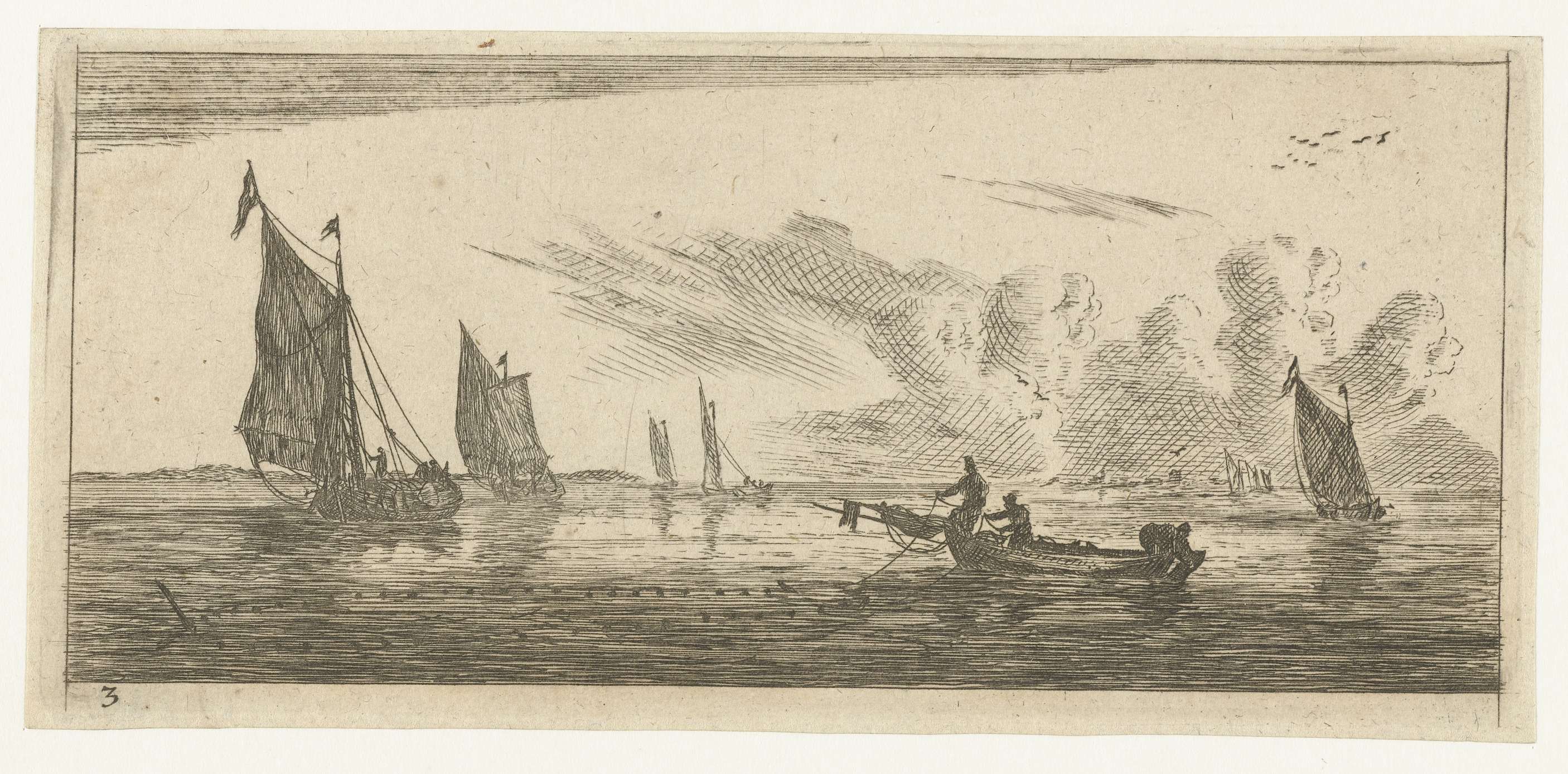
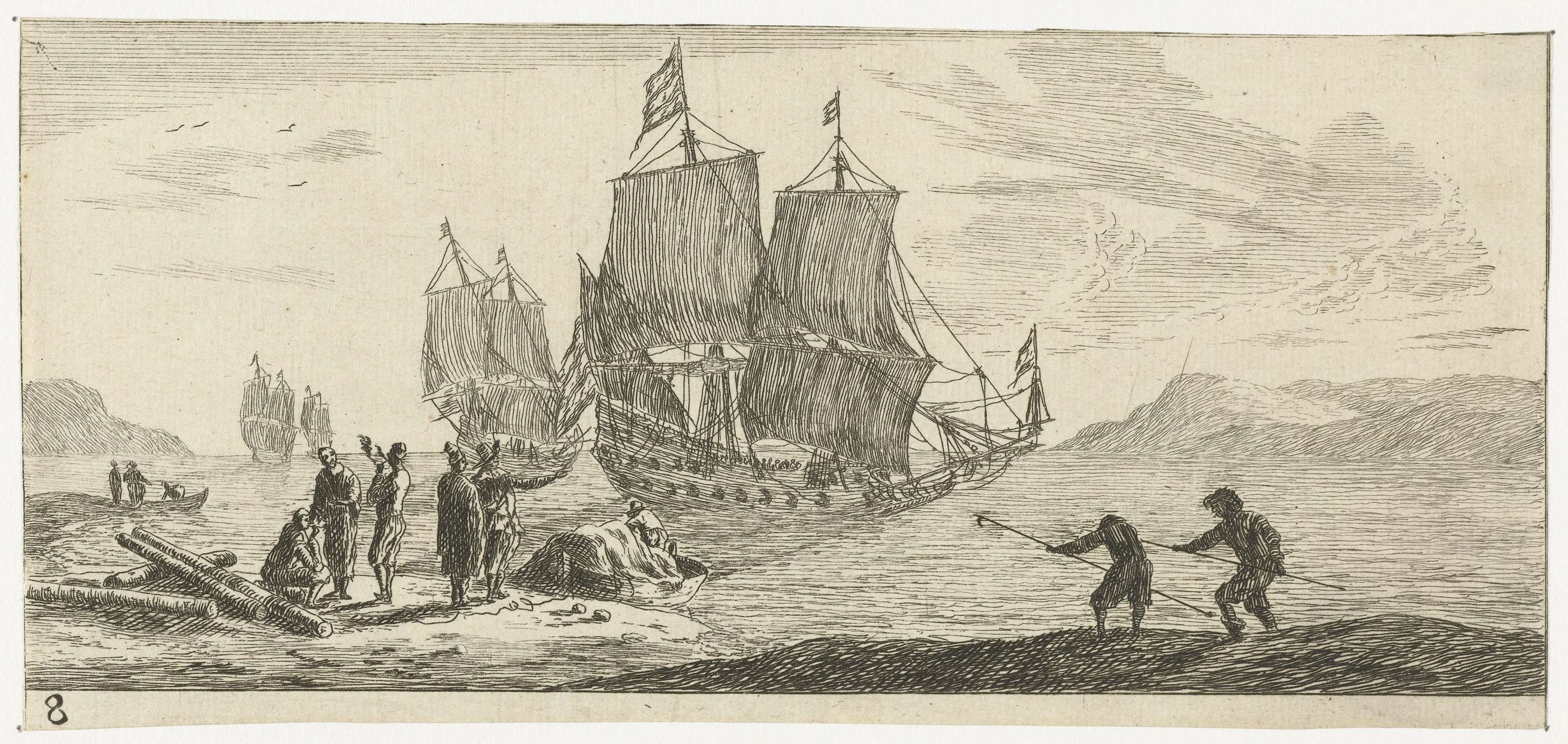
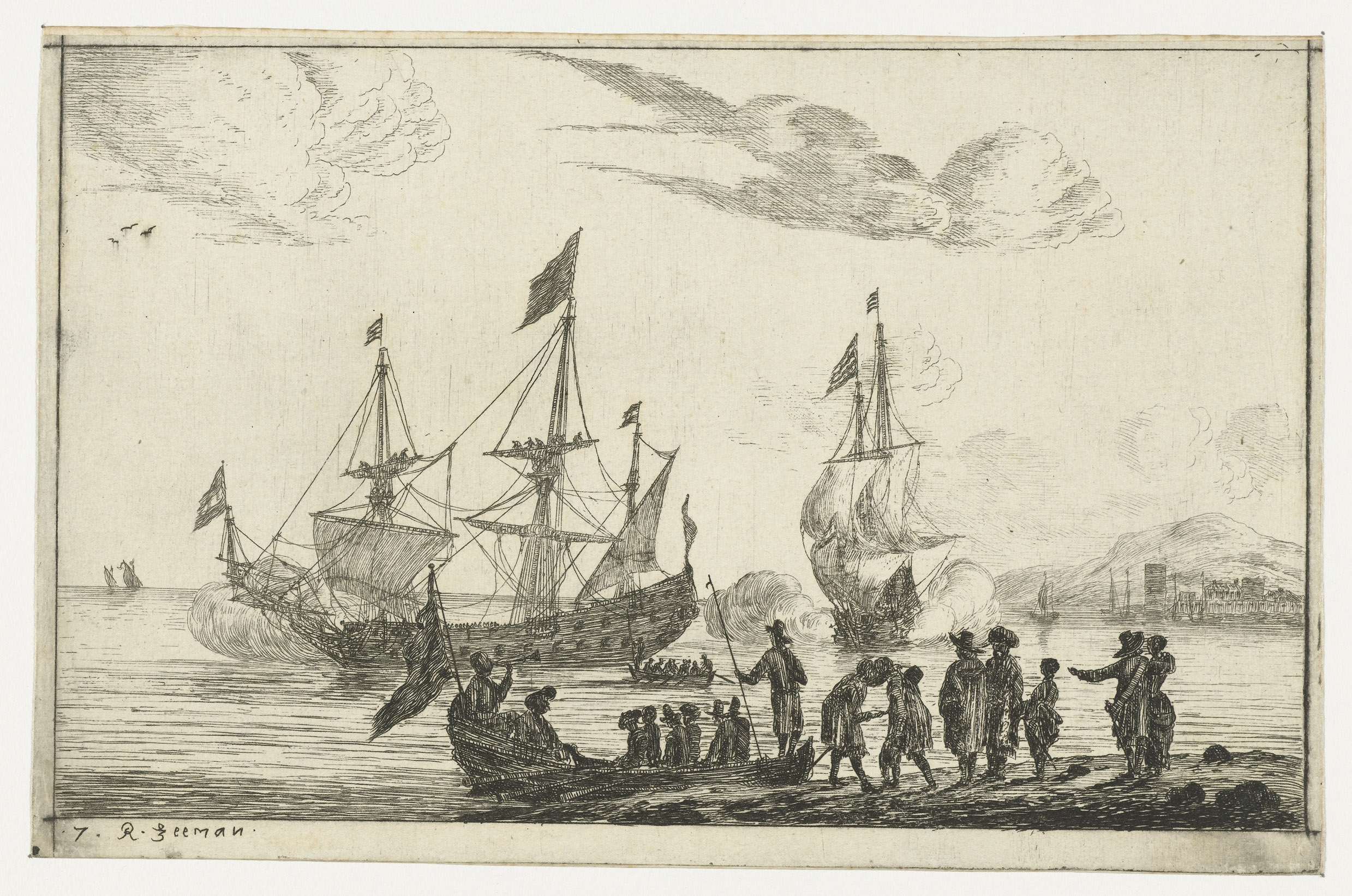
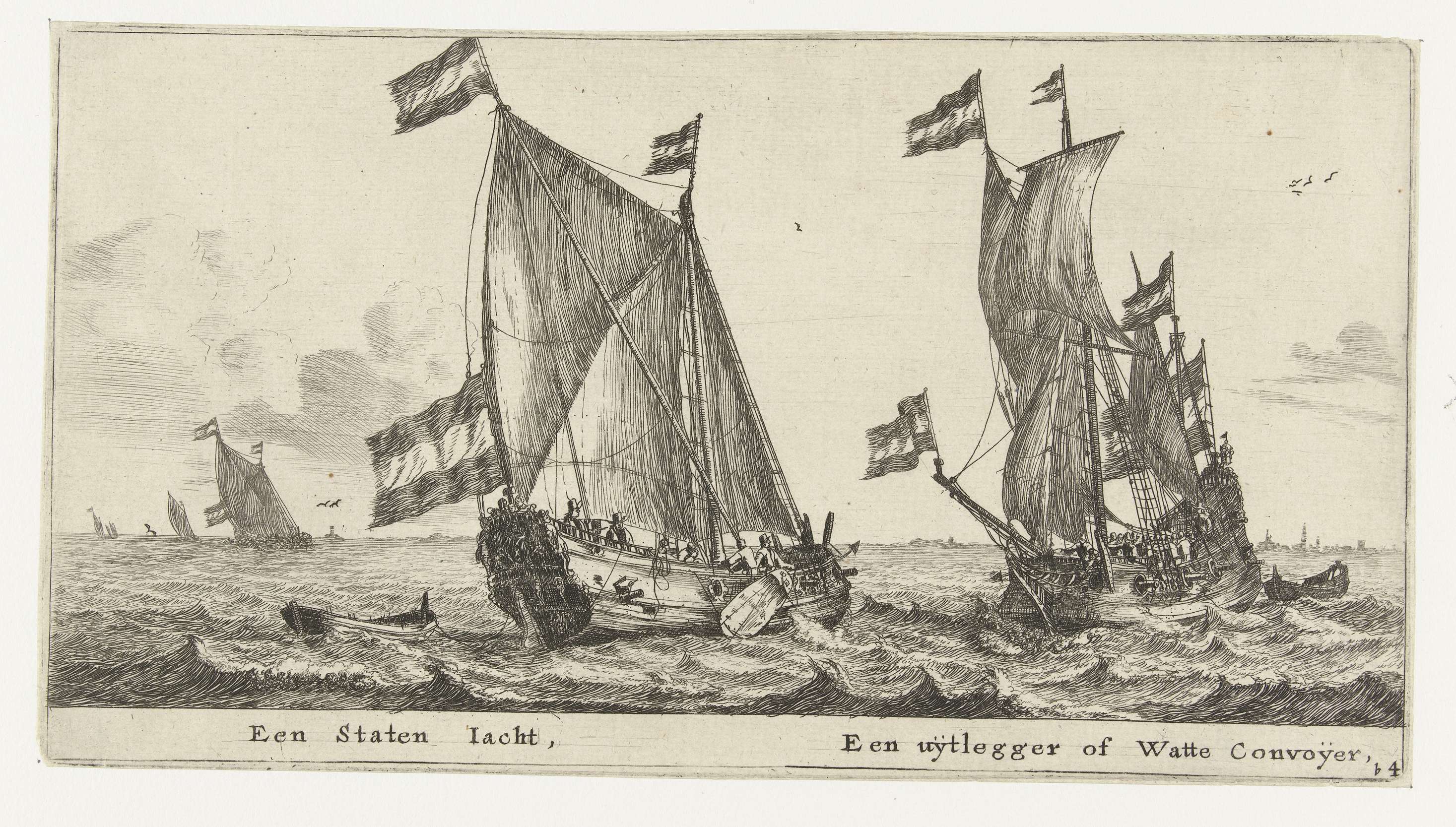
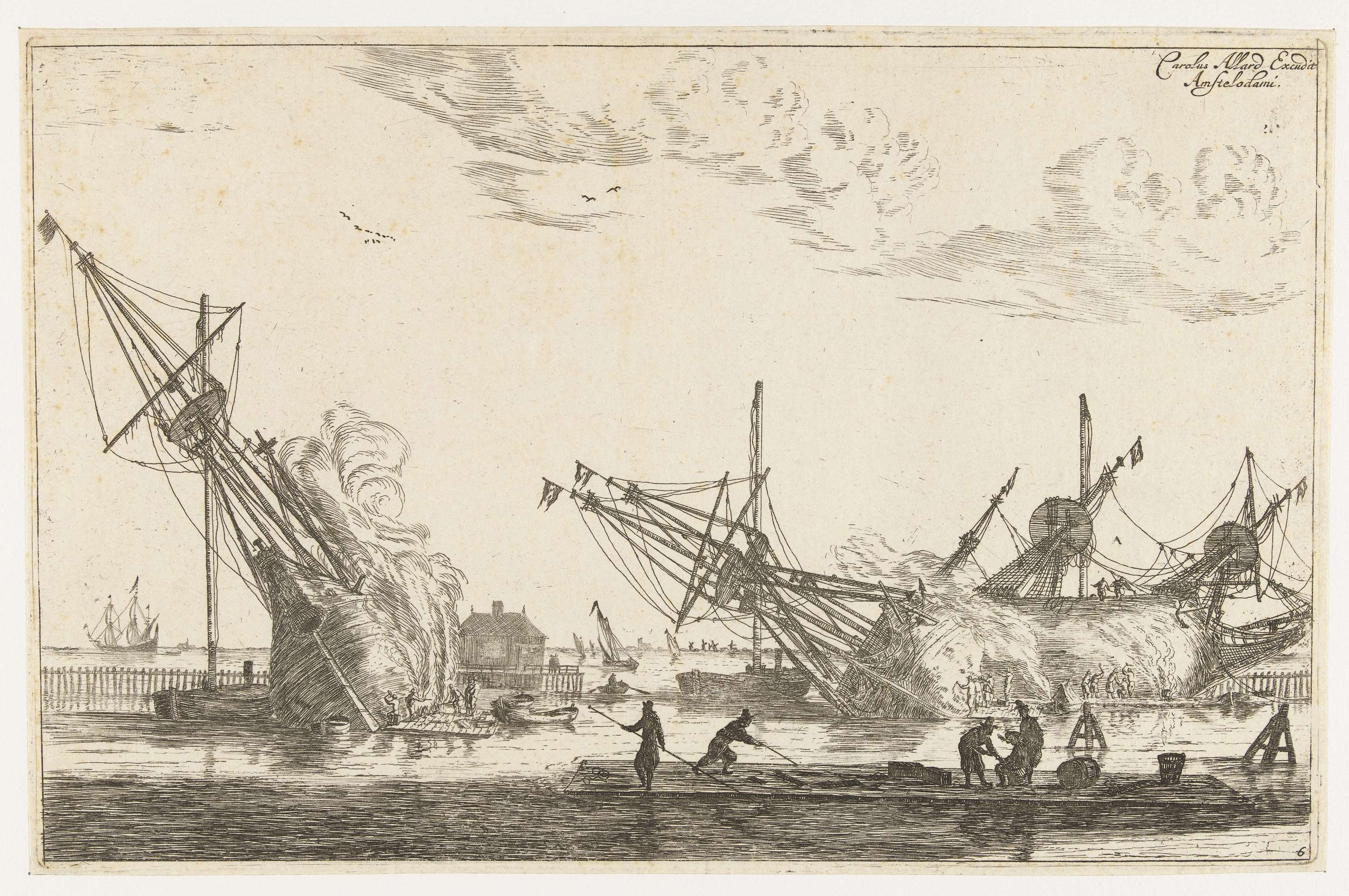
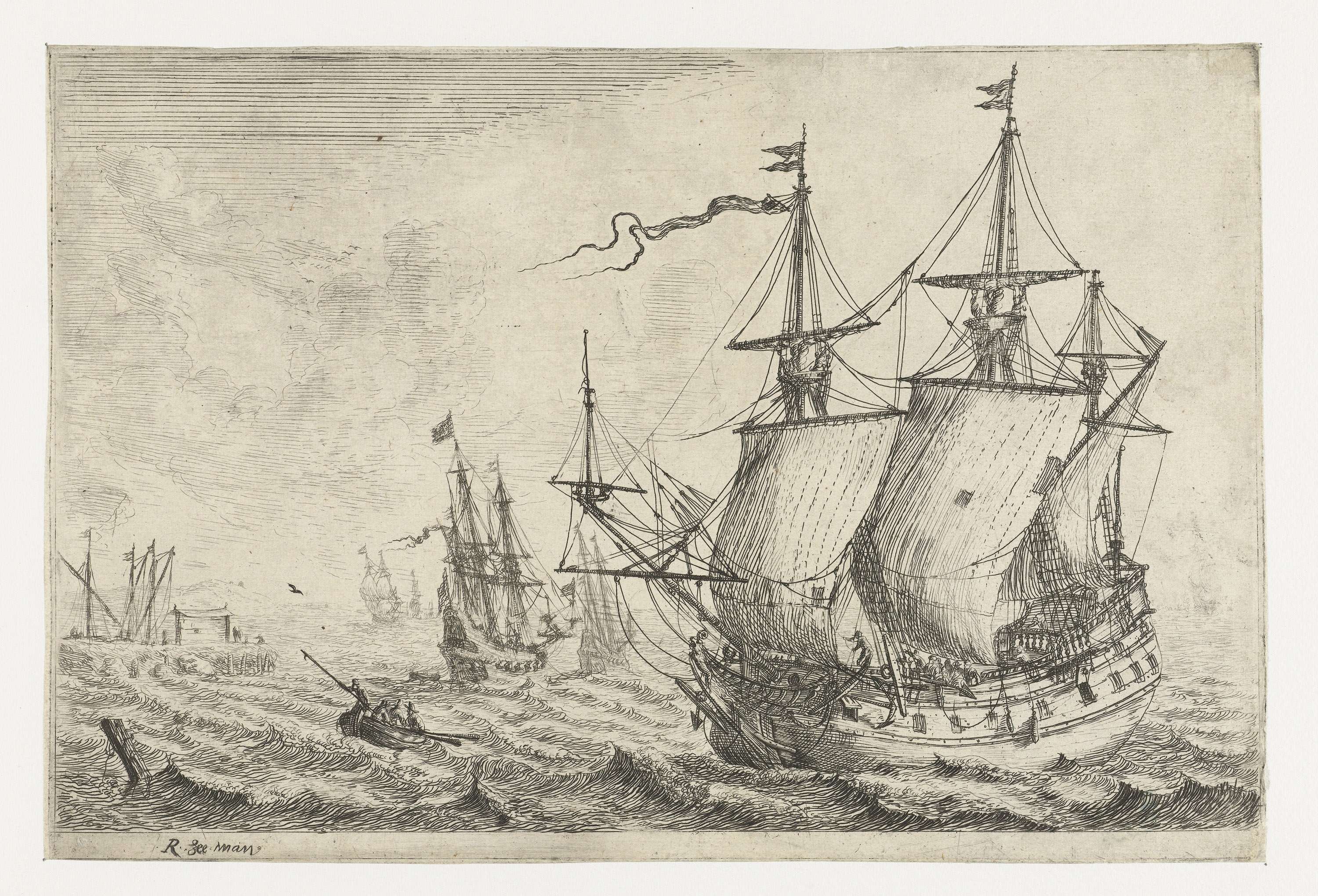
“Every brushstroke is a heartbeat remembered.” In Zeelieden op een kade, the canvas breathes with the essence of maritime life, capturing a moment that whispers of nostalgia and reflection. Look to the center of the composition where sailors, clad in weathered garb, gather around a bustling quayside. Their faces, rendered with meticulous detail, reveal a tapestry of emotions ranging from camaraderie to weariness. Notice how the light dances across the rippling water, casting silvery reflections that mirror the sailors’ hopes and dreams.
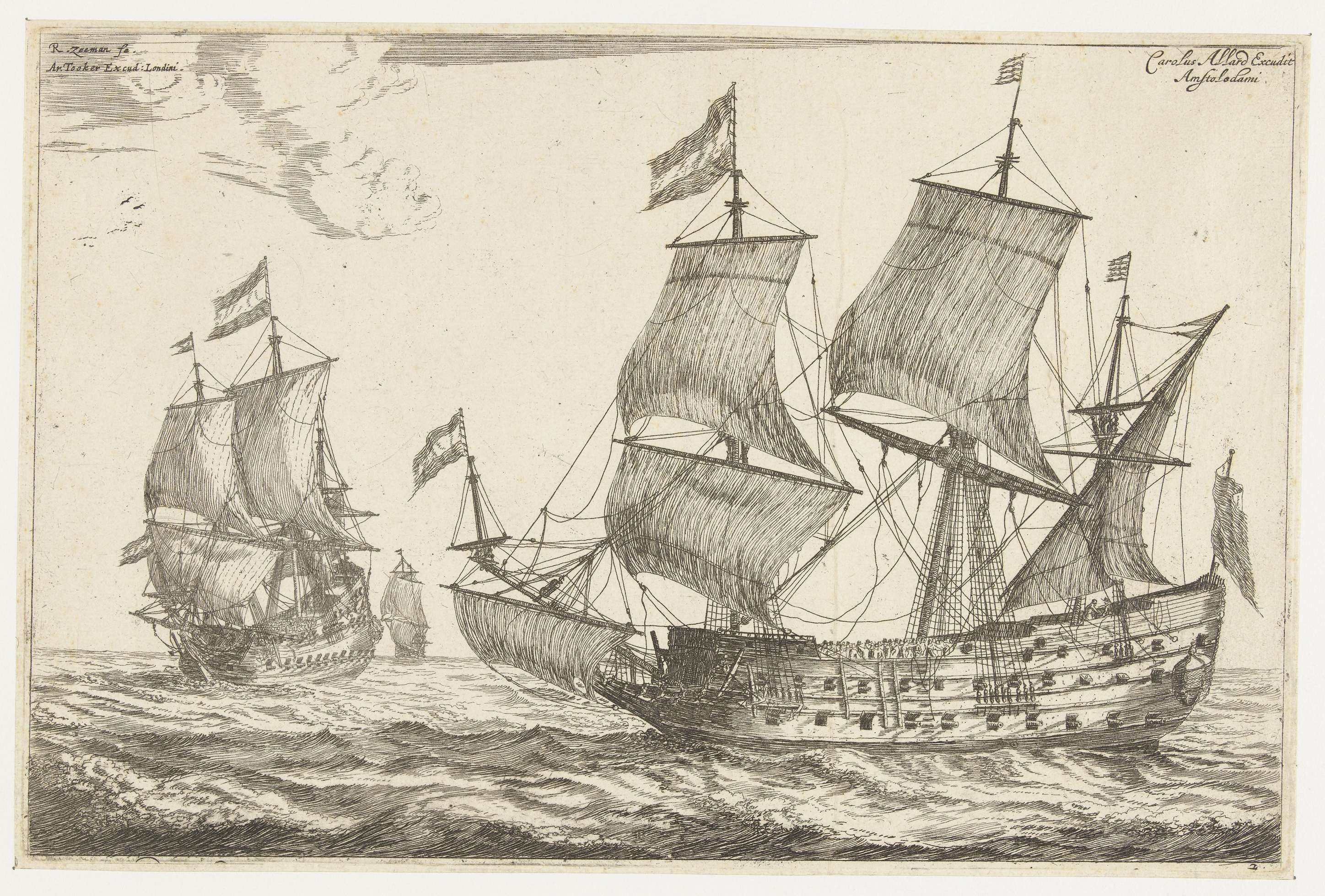
The palette is rich with earthy tones, punctuated by the shimmering blues of the sea, inviting the viewer to immerse themselves in this lively yet contemplative scene. As you delve deeper into the painting, consider the quiet contrast between the dynamic movement of the sailors and the stillness of the harbor. The juxtaposition of their animated gestures against the calm water hints at the transience of life at sea, a reminder of both adventure and peril. Intriguingly, the silhouettes of distant ships painted against the horizon echo the themes of journey and uncertainty, while the details of the dock, with its weathered textures, speak to the passage of time and labor.
In the late 17th century, when this work was created, Reinier Nooms found himself in the throes of the Dutch Golden Age, a period marked by flourishing maritime trade and exploration. Living in Amsterdam, he drew inspiration from the bustling ports that surrounded him, capturing the essence of maritime life during a time of economic prosperity and cultural growth. His work resonates with the spirit of an era when the sea was both a friend and a formidable force, shaping the destinies of many.