Zeeslag met een zinkend schip — History & Analysis
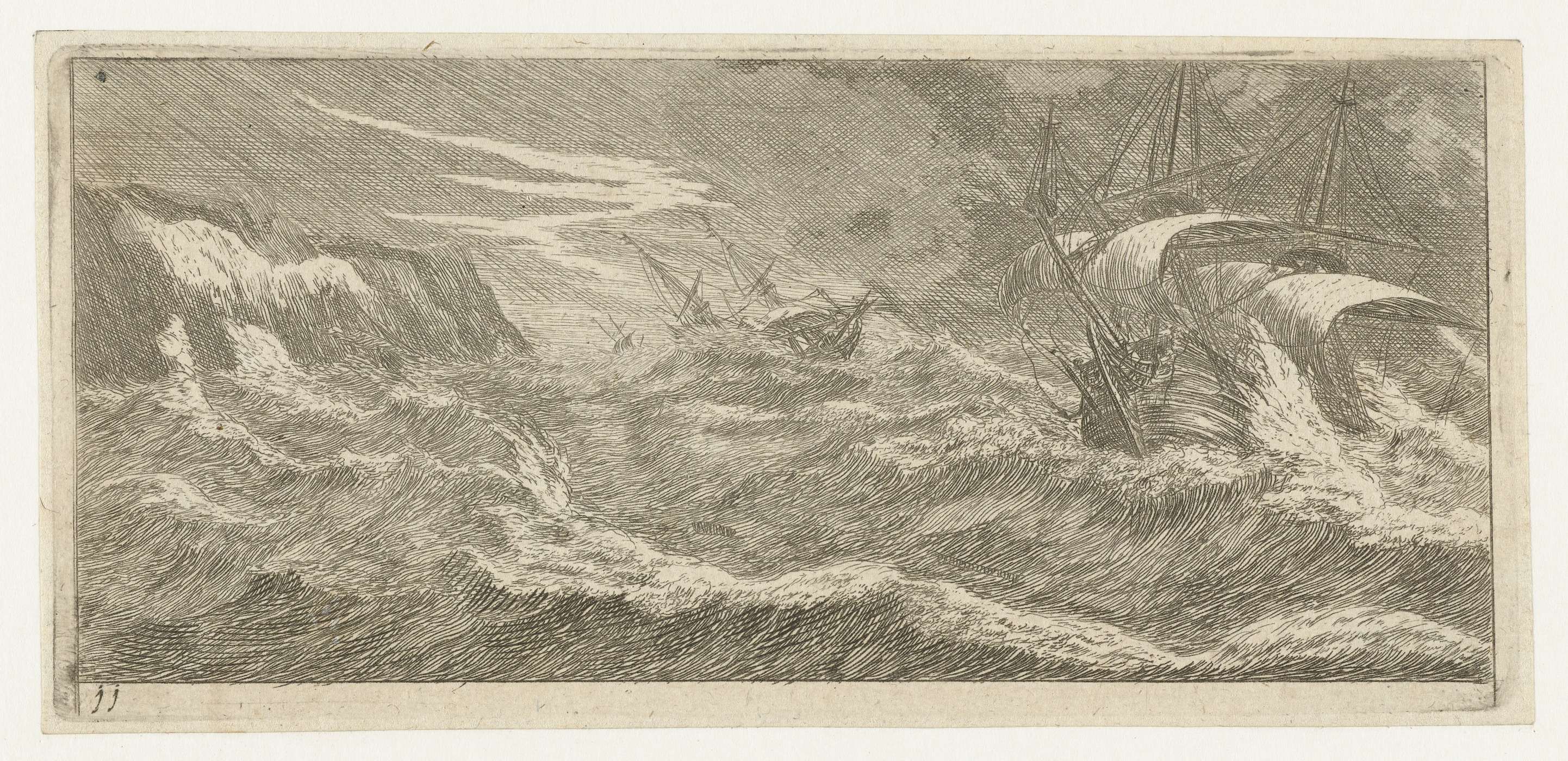
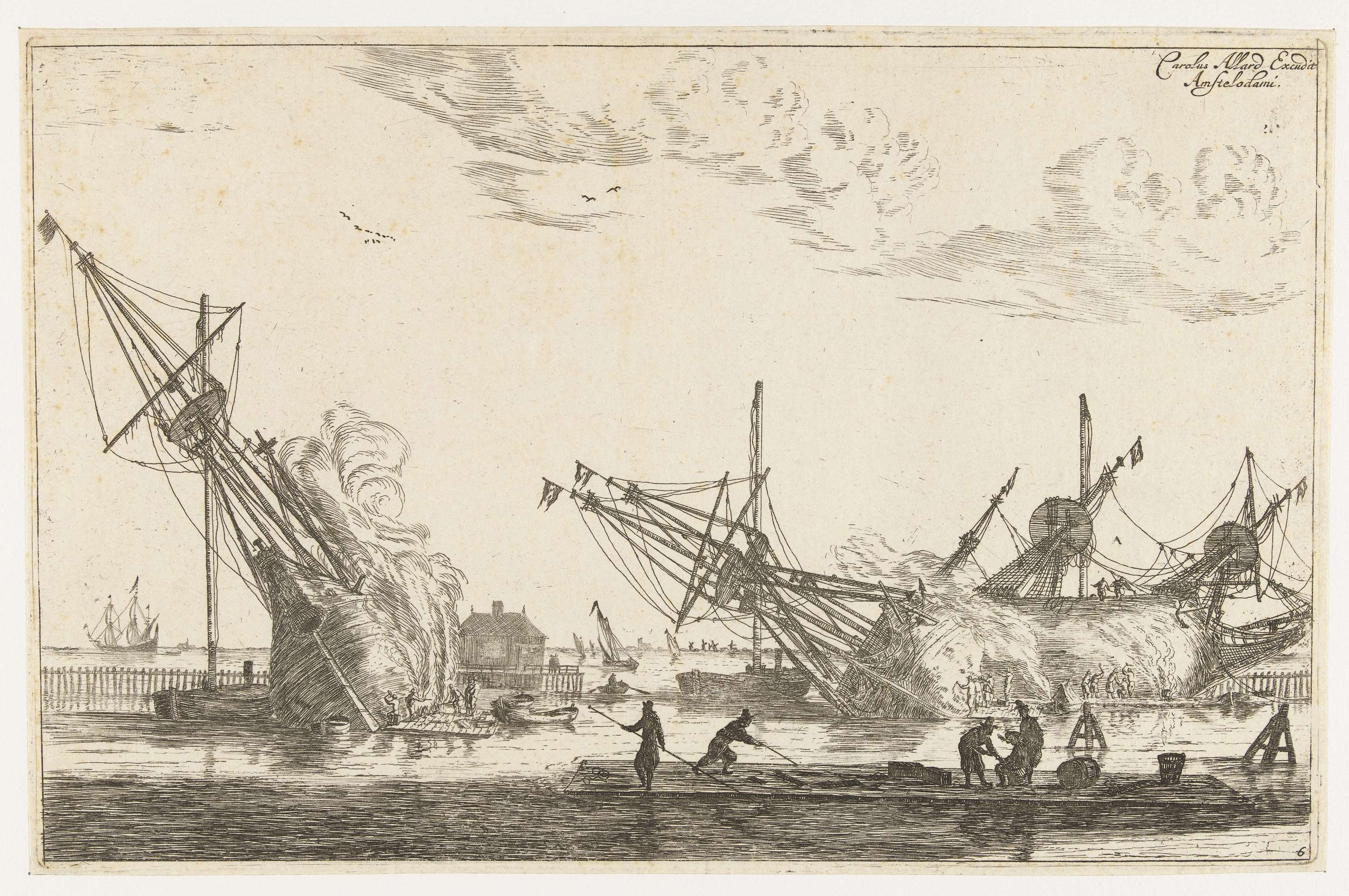
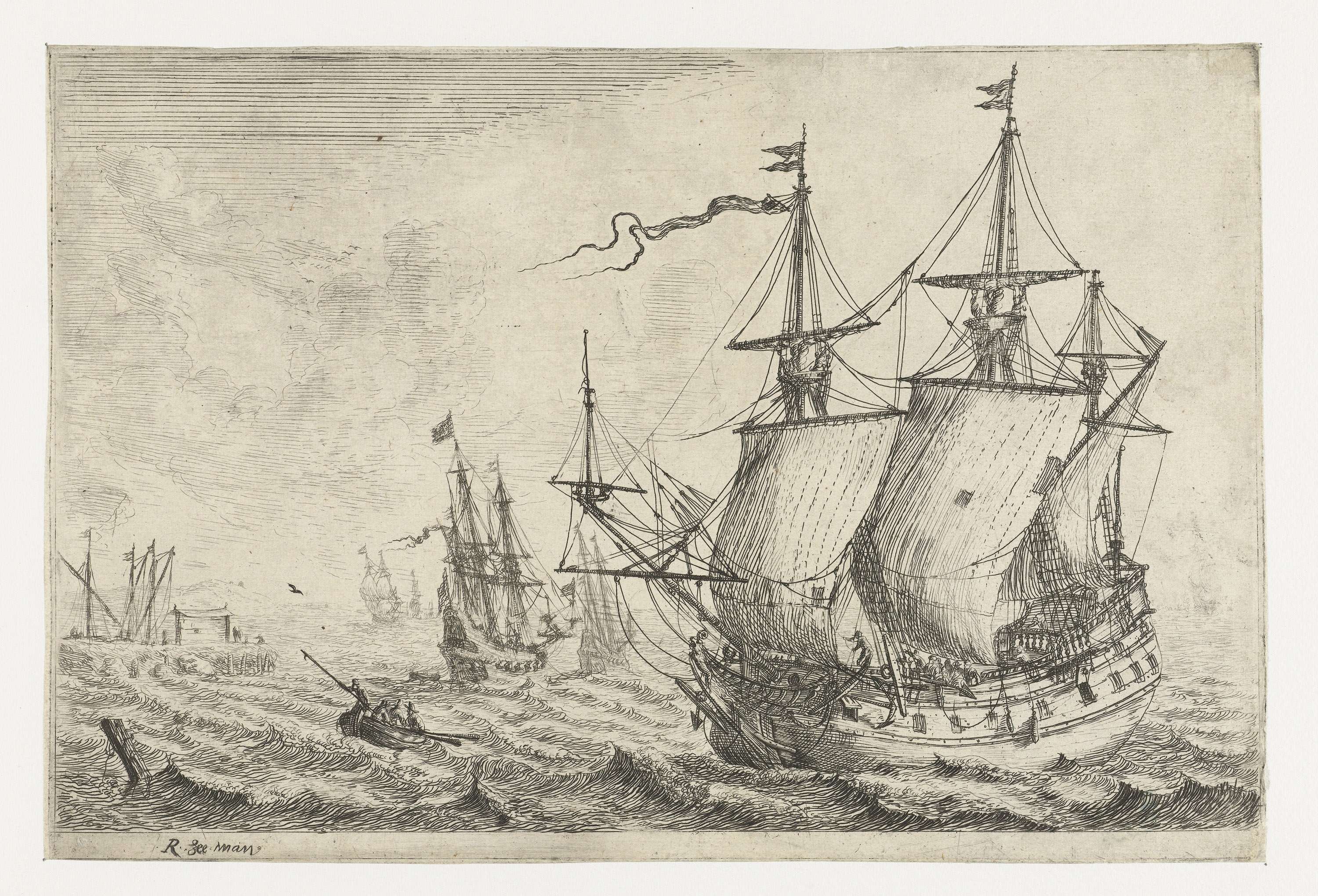
When did color learn to lie? In the vibrant chaos of Zeeslag met een zinkend schip, hues dance and blend, weaving a tale of awe and despair. Look to the center where a ship, engulfed in turmoil, struggles against an encroaching wave. The vivid blues clash against the fiery reds of the sky, creating a dramatic backdrop that heightens the tension.
Notice how the swirling clouds and turbulent sea converge, framing the desperate scene. The brushstrokes are vigorous, imbuing the water with a pulsating life that almost seems to roar, while the careful detailing on the distressed ship reveals the artist’s meticulous observation of the nautical world. Beneath the surface chaos lies a poignant narrative of human vulnerability against nature’s might. The sinking vessel symbolizes the fragility of mankind, while the tumultuous waves reflect the tumult of the times, the ever-looming threat of war and disaster.
The contrasting colors, rich and saturated, evoke a sense of urgency — an impending tragedy where hope and despair collide in the hearts of onlookers. Reinier Nooms painted this piece in the mid-17th century, a time when maritime conflicts were shaping the power dynamics of Europe. Living in the Netherlands, where the sea was both a livelihood and a source of peril, Nooms captured a moment that resonated with the contemporary audience’s fears and aspirations. Amidst a flourishing art scene focused on realism and dramatic narratives, his works displayed an unparalleled engagement with the maritime landscape, reflecting both beauty and the specter of destruction.