Découvrir des informations sur cette œuvre
The Three Graces — Histoire et analyse
The painting The Three Graces was created by Peter Paul Rubens around 1630–1635. It shows three nude female figures standing in a circle, holding each other. These figures come from classical mythology and represent the Graces, associated with beauty, love, and fertility.
They are placed in a natural setting with trees and a fountain. The figures are notable for their full, realistic bodies, which are typical of Rubens’ style. The skin is painted with warm tones and careful use of light, creating a sense of texture and movement. The composition is dynamic, with the three women forming a circular structure.
On the left side, there is a small Cupid, and above them a garland is held by figures. Historically, this work belongs to Rubens’ later period, when he was already an established artist and had more freedom in his subjects. Unlike many of his official commissions, this painting was likely made for personal use. It reflects the strong influence of classical art that Rubens studied during his time in Italy, especially in the depiction of the human body and mythological themes.
Plus d'œuvres de Peter Paul Rubens
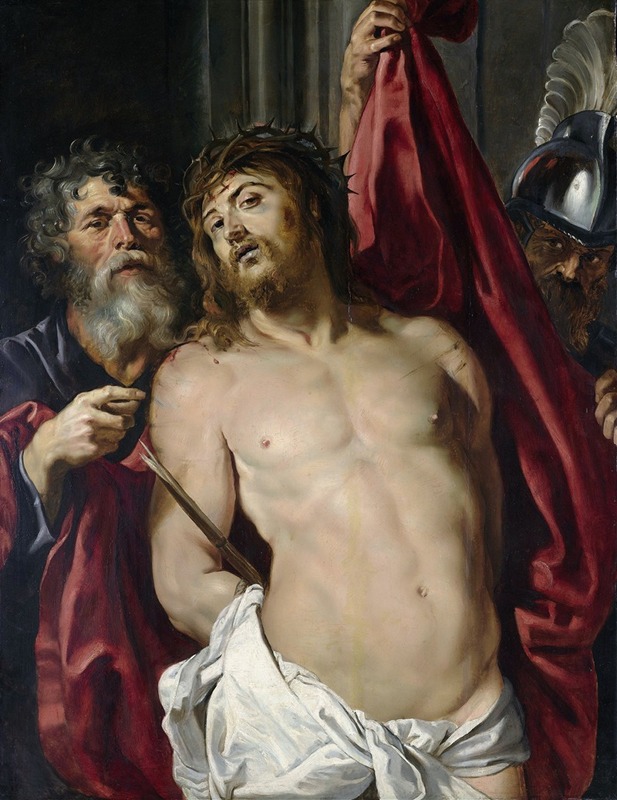
Ecce homo
Peter Paul Rubens
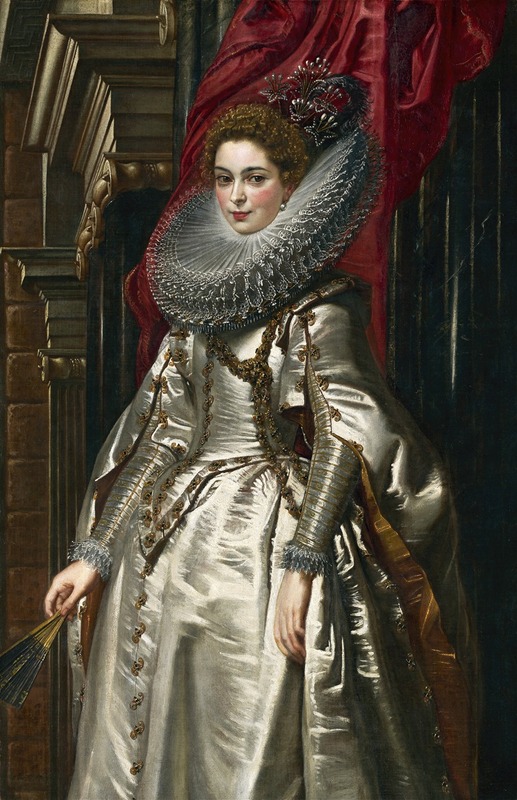
Marchesa Brigida Spinola Doria
Peter Paul Rubens
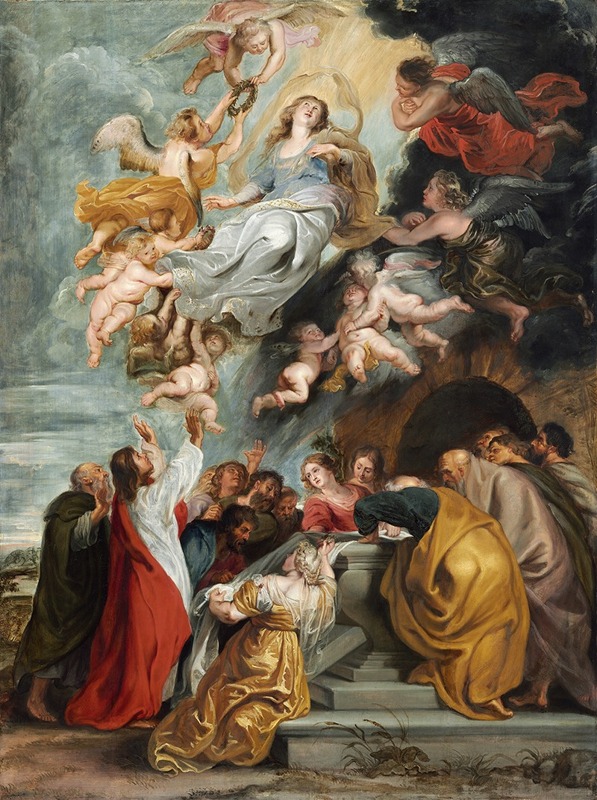
The Assumption of the Virgin
Peter Paul Rubens

Saint Teresa of Ávila Interceding for Souls in Purgatory
Peter Paul Rubens
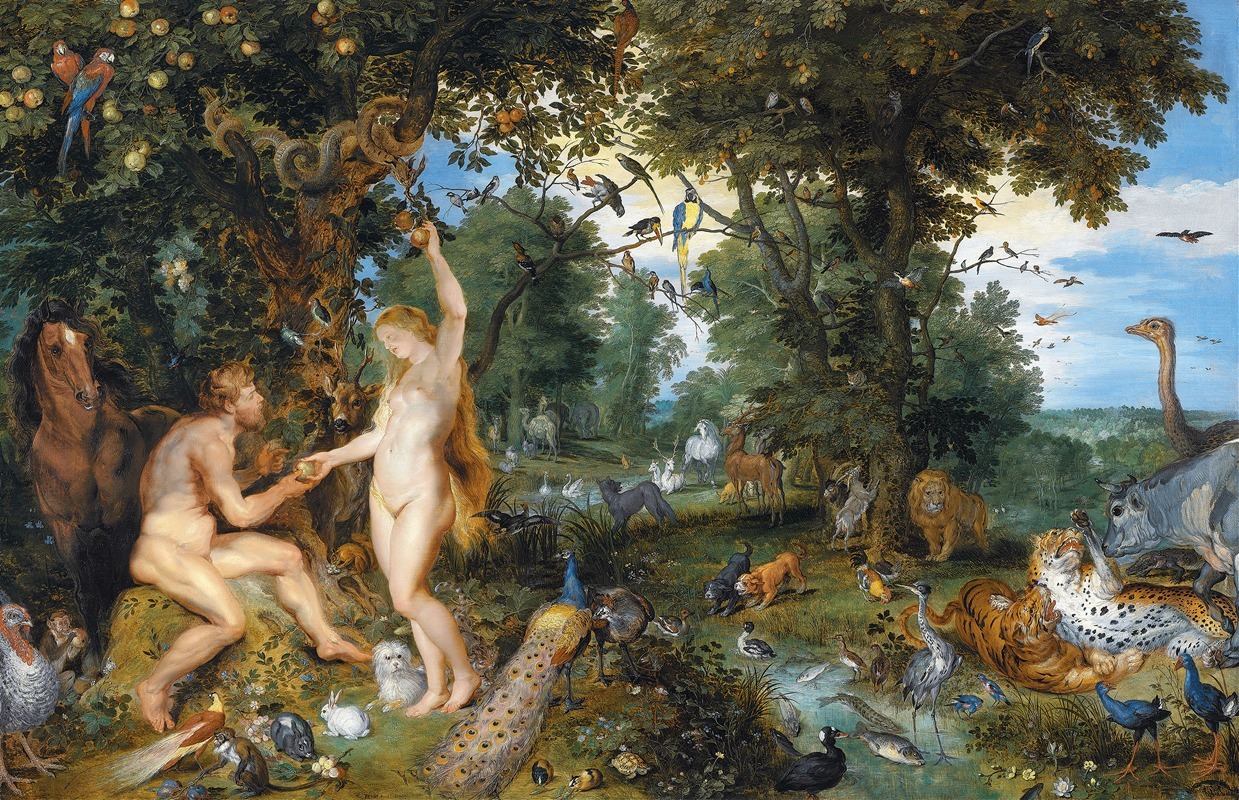
The Garden of Eden with the Fall of Man
Peter Paul Rubens
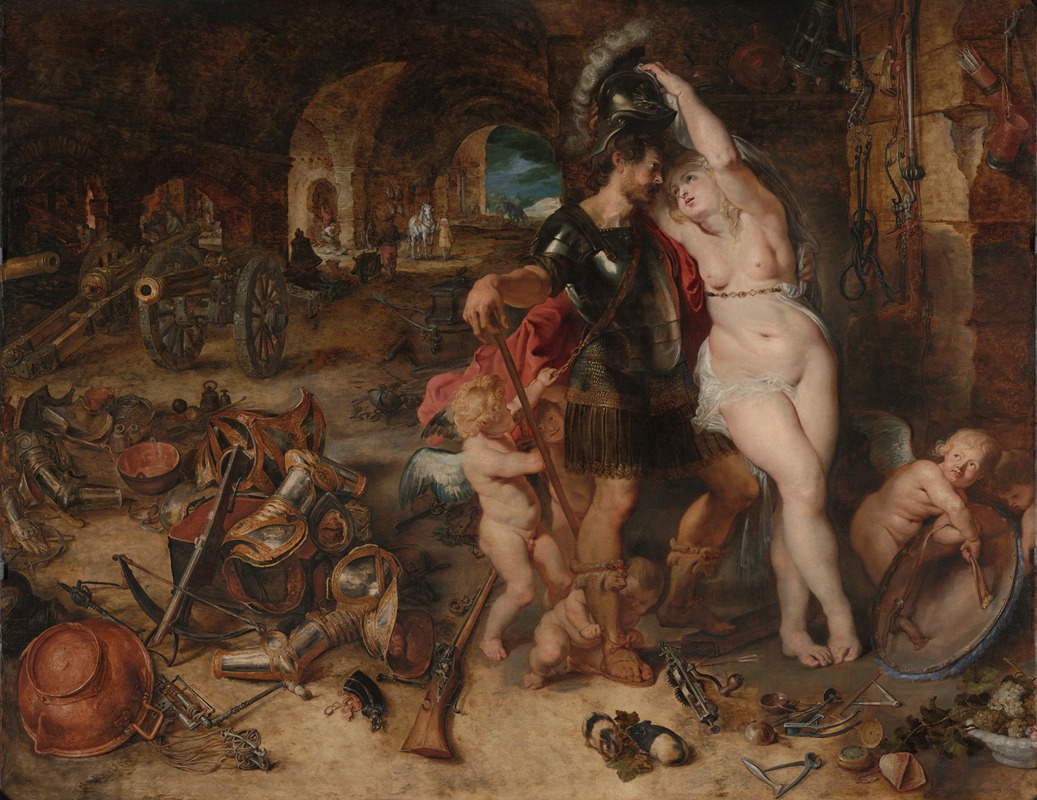
The Return From War,Mars Disarmed By Venus
Peter Paul Rubens
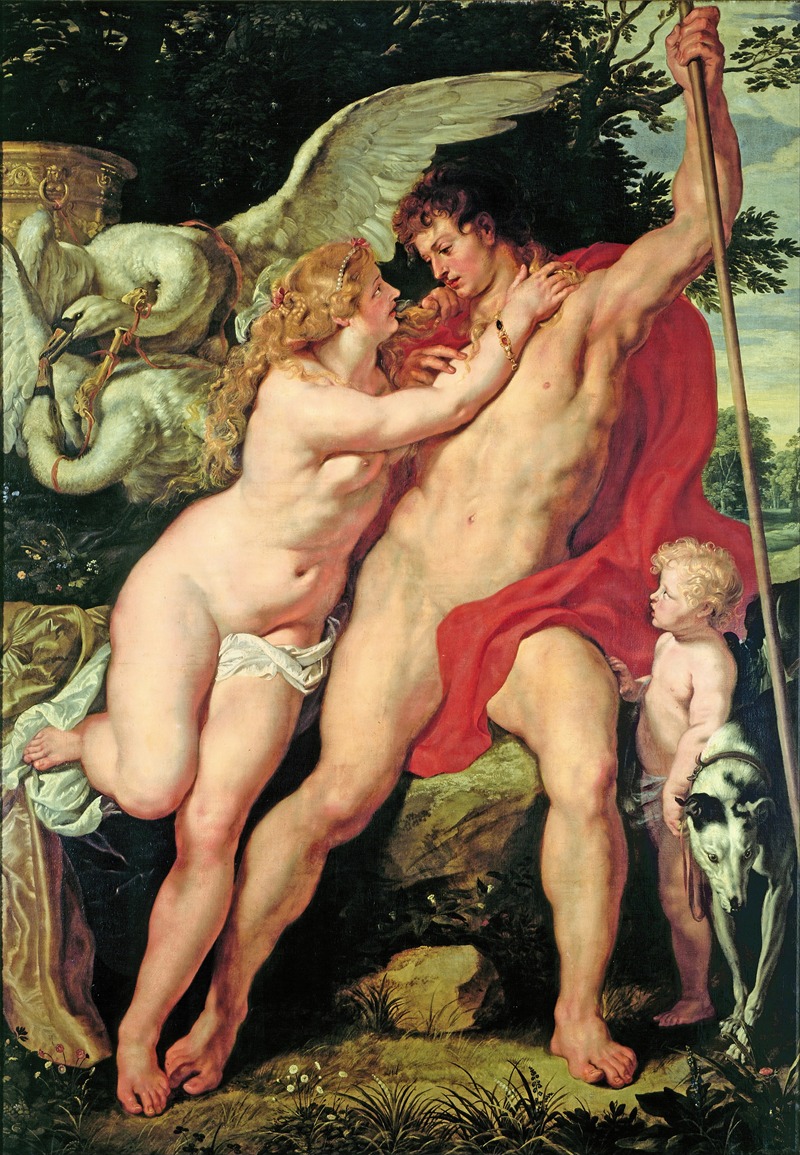
Venus and Adonis
Peter Paul Rubens
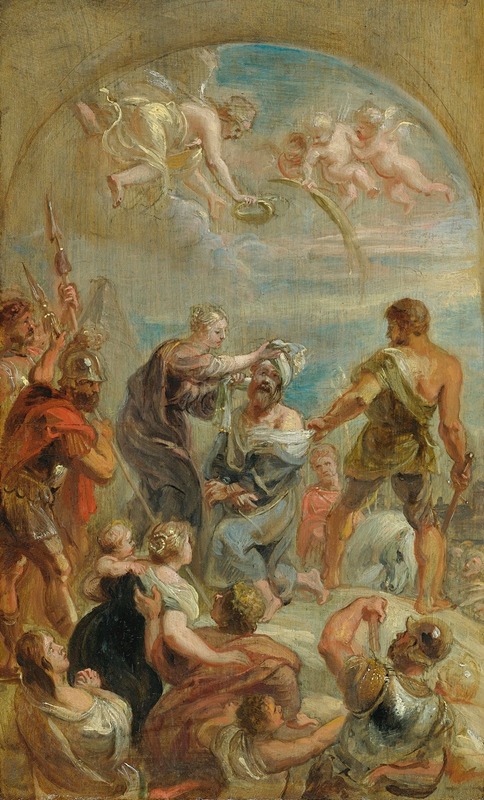
The Martyrdom Of Saint Paul
Peter Paul Rubens
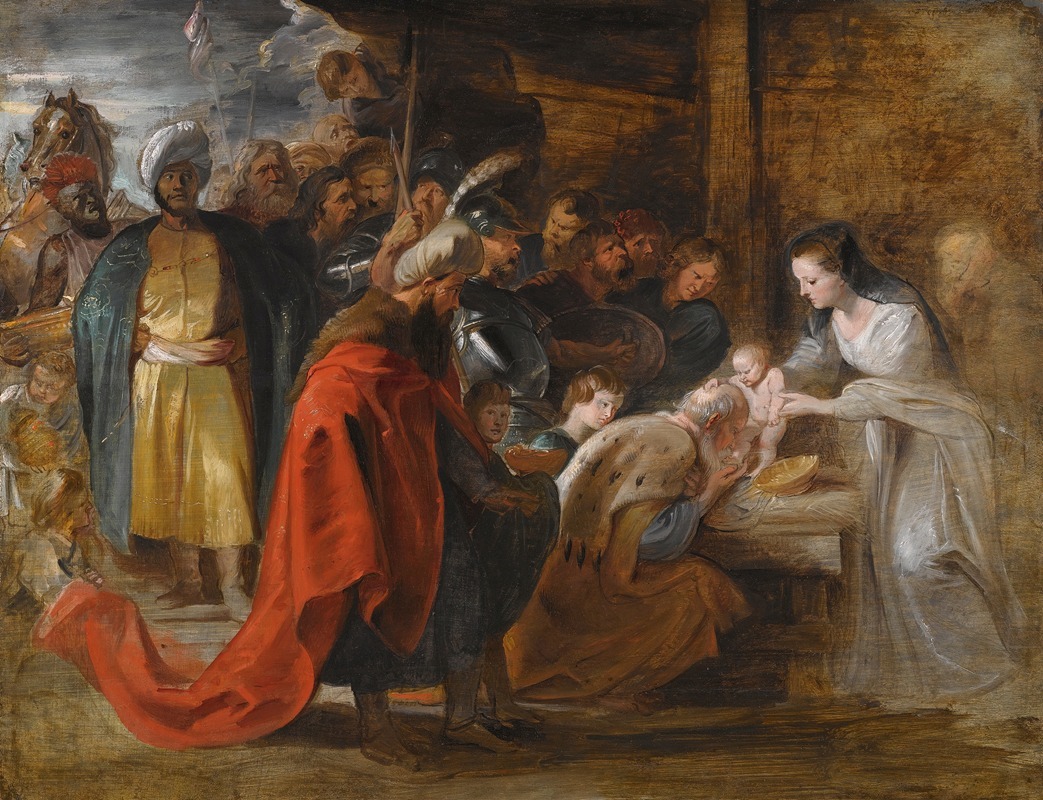
The Adoration Of The Magi
Peter Paul Rubens
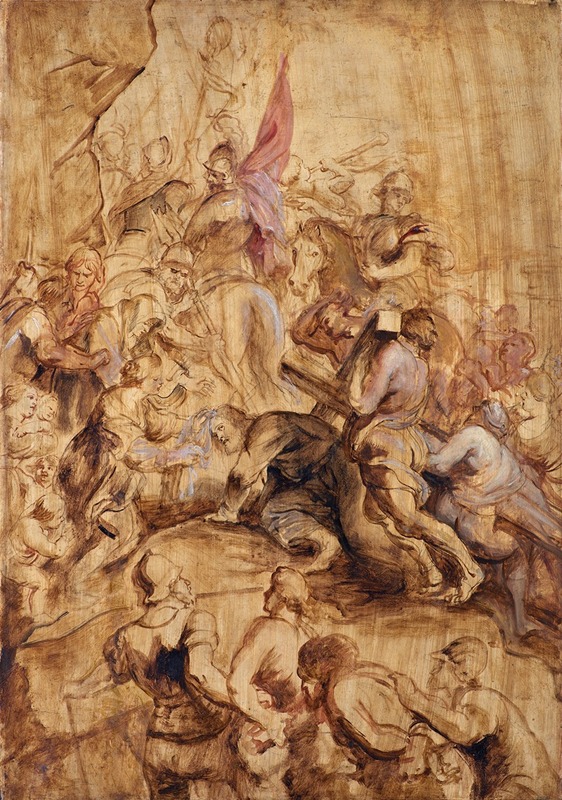
The Ascent to Calvary. The Bearing of the Cross
Peter Paul Rubens