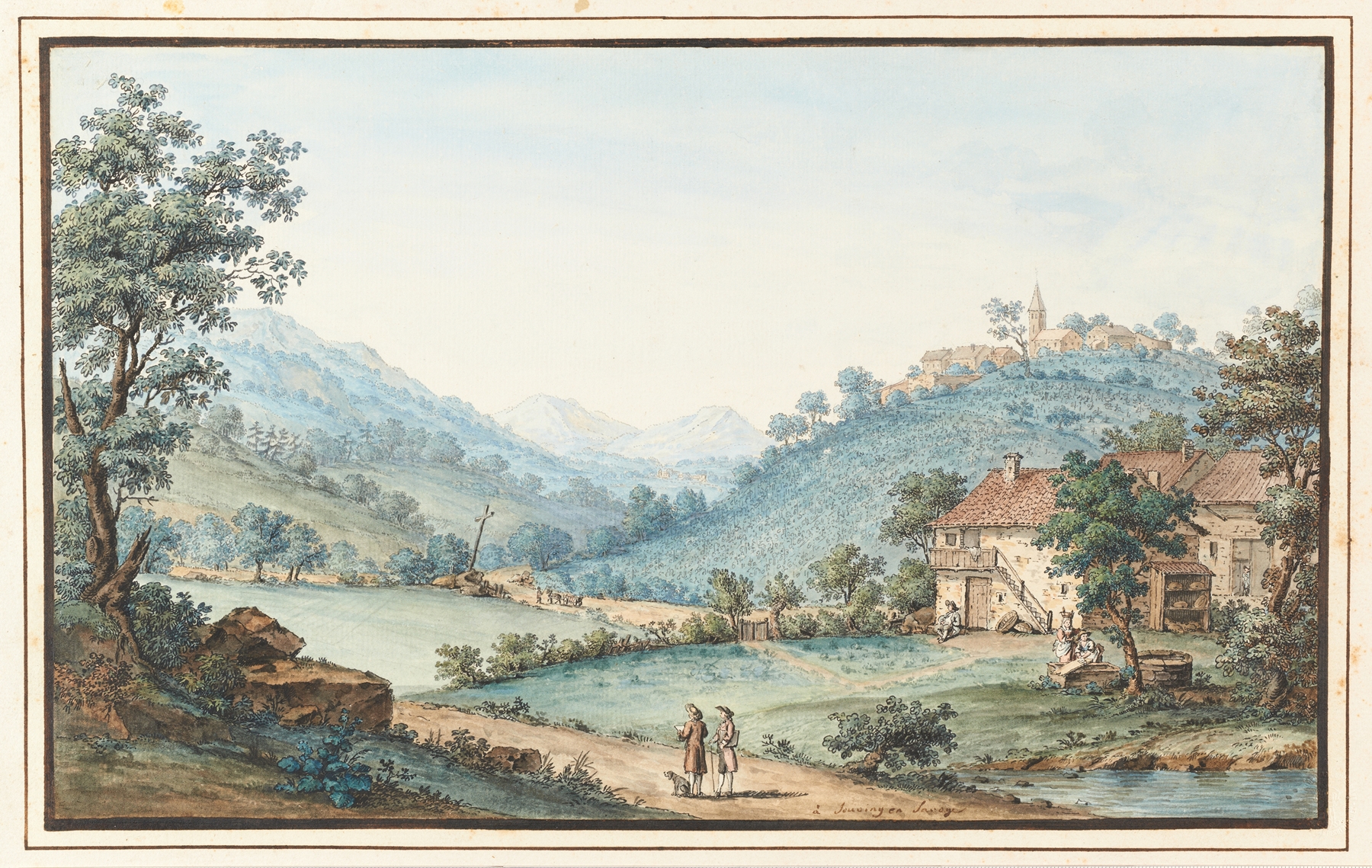
à Jouviny en Savoie — History & Analysis
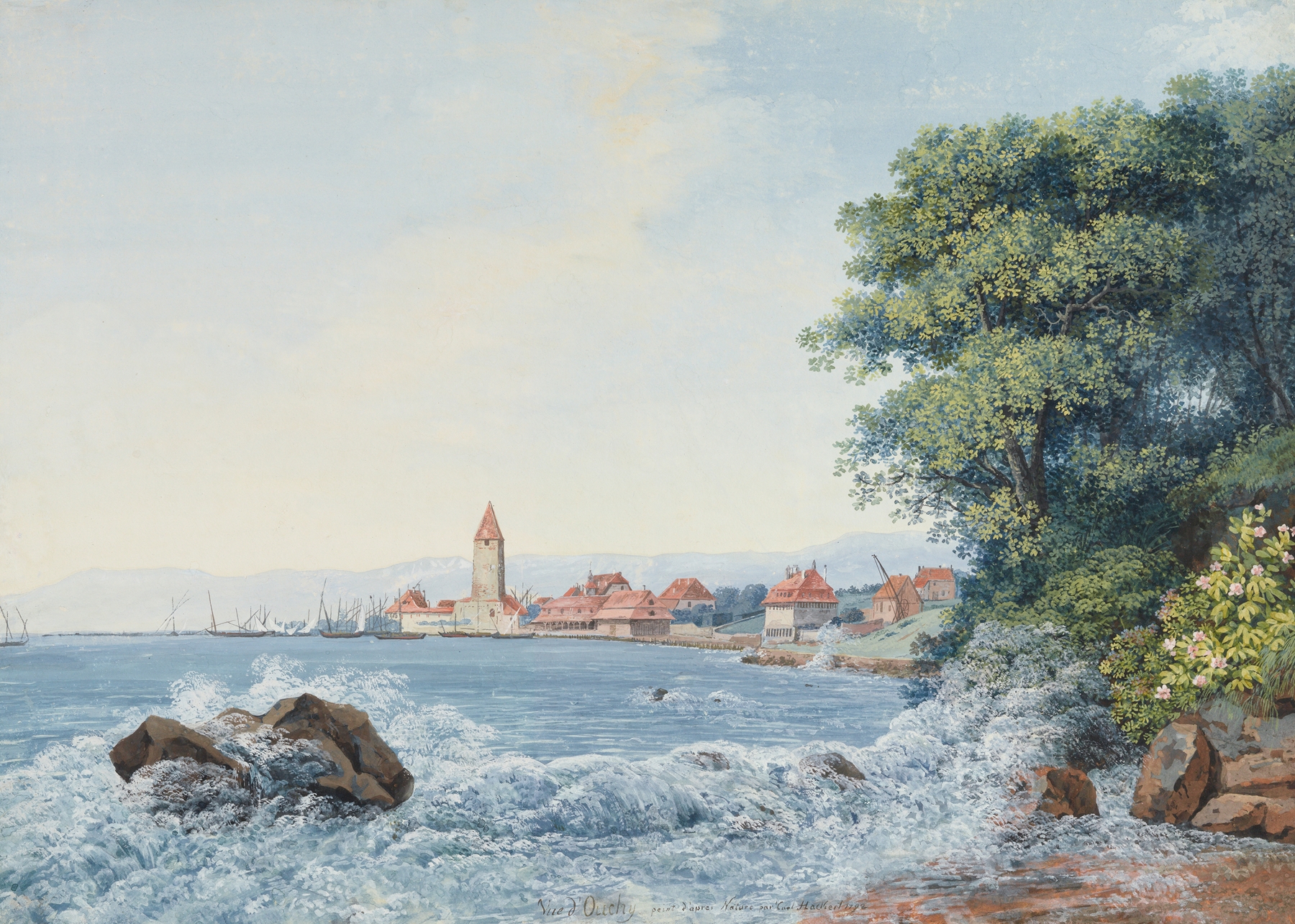
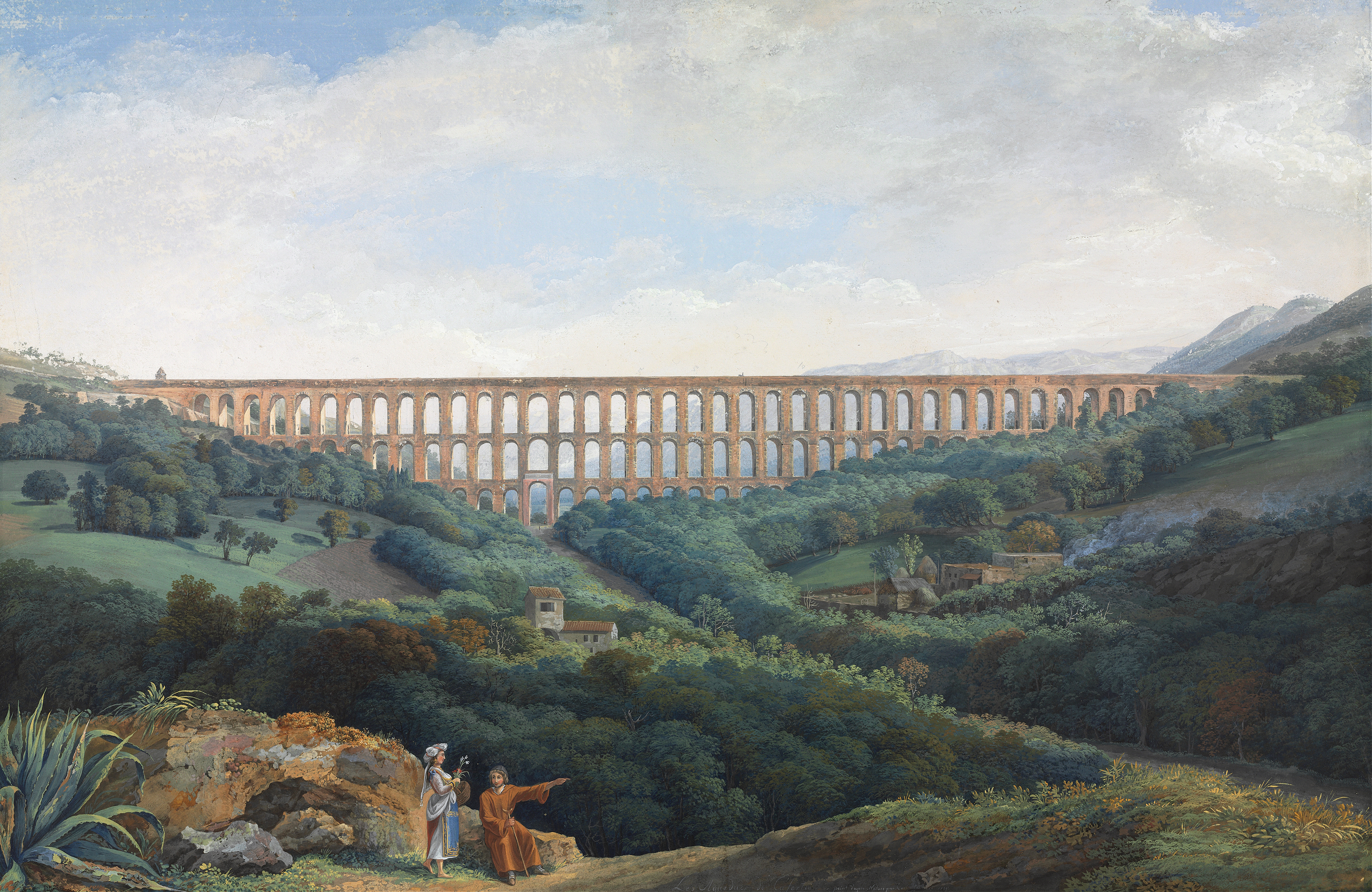
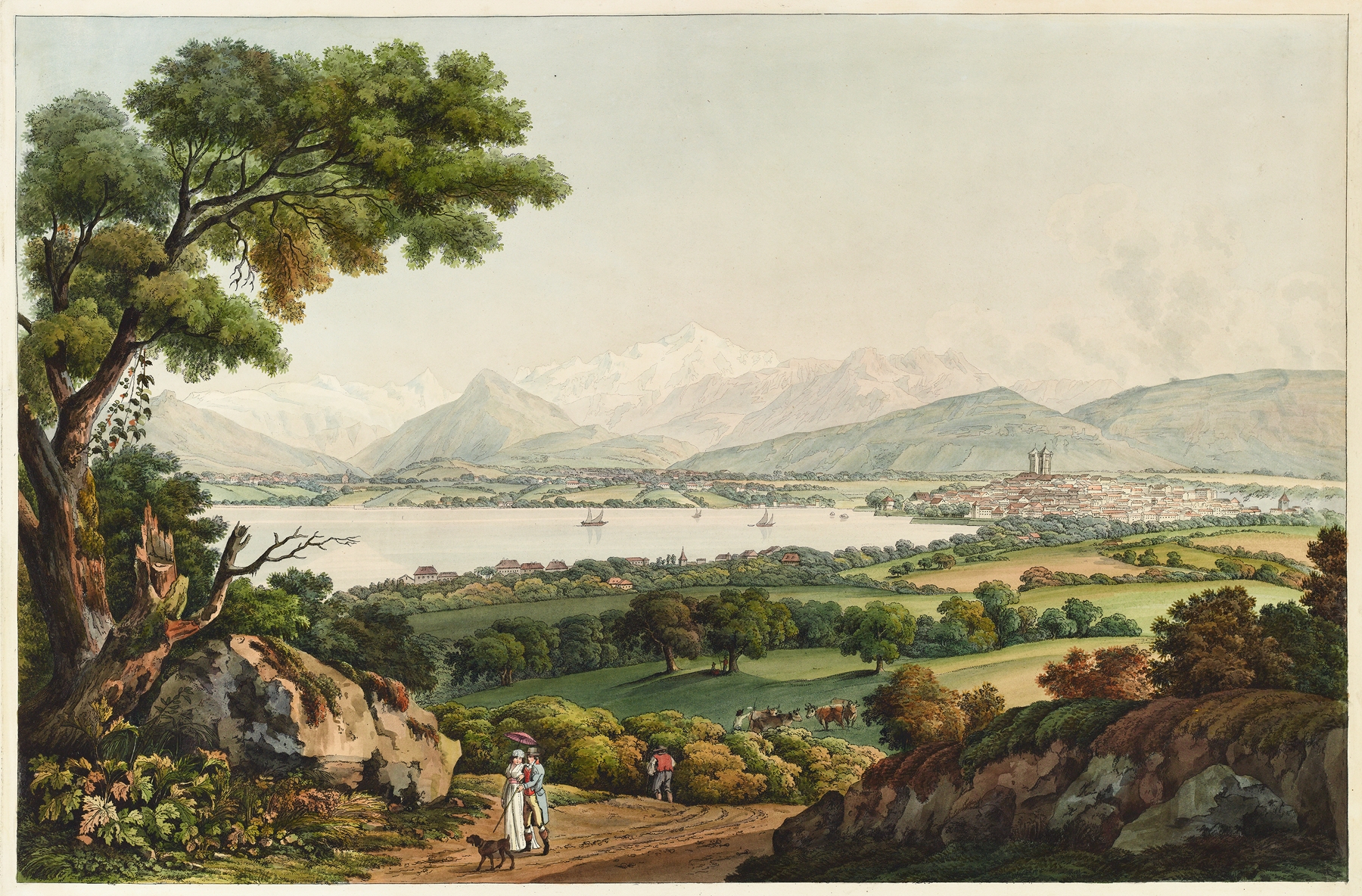
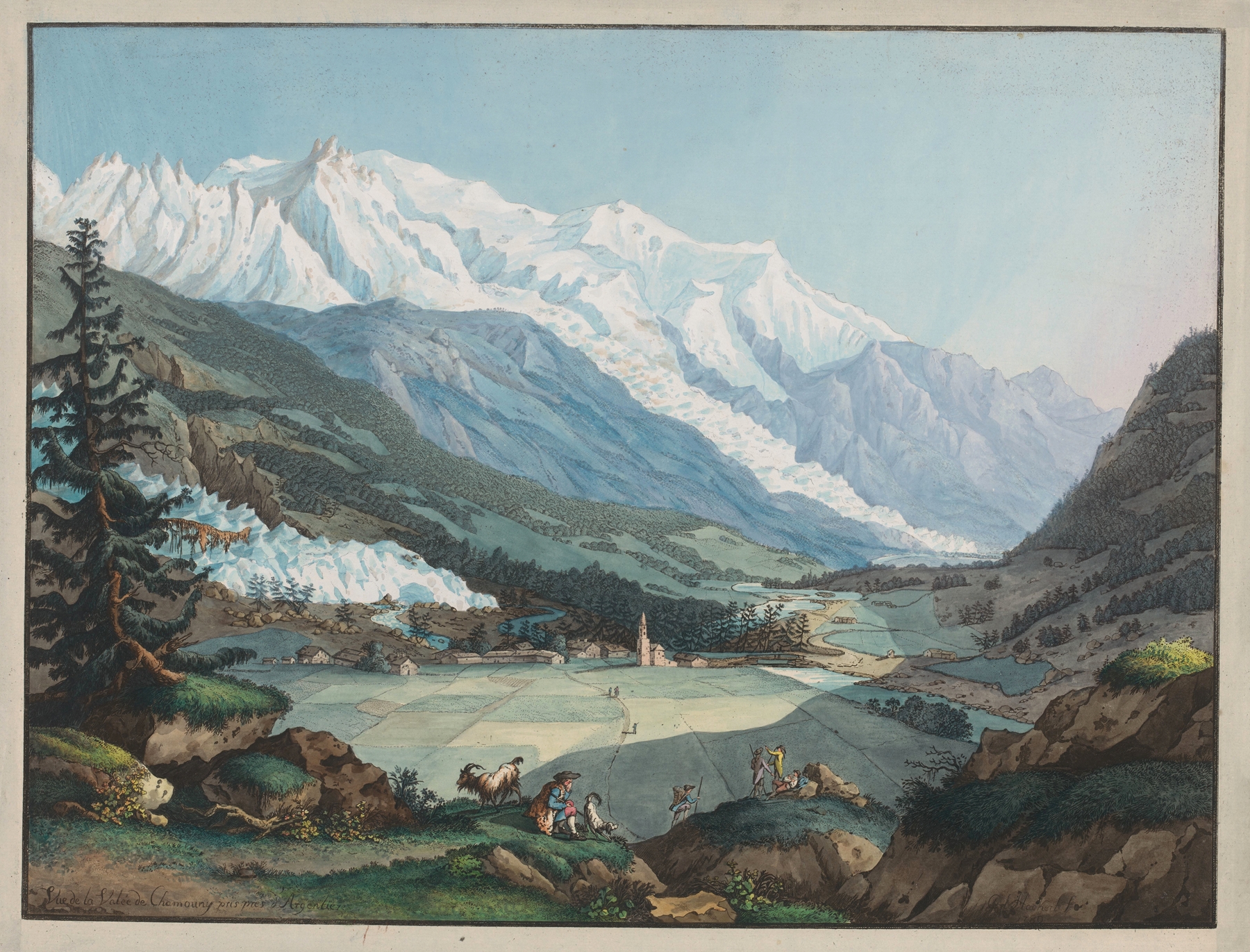
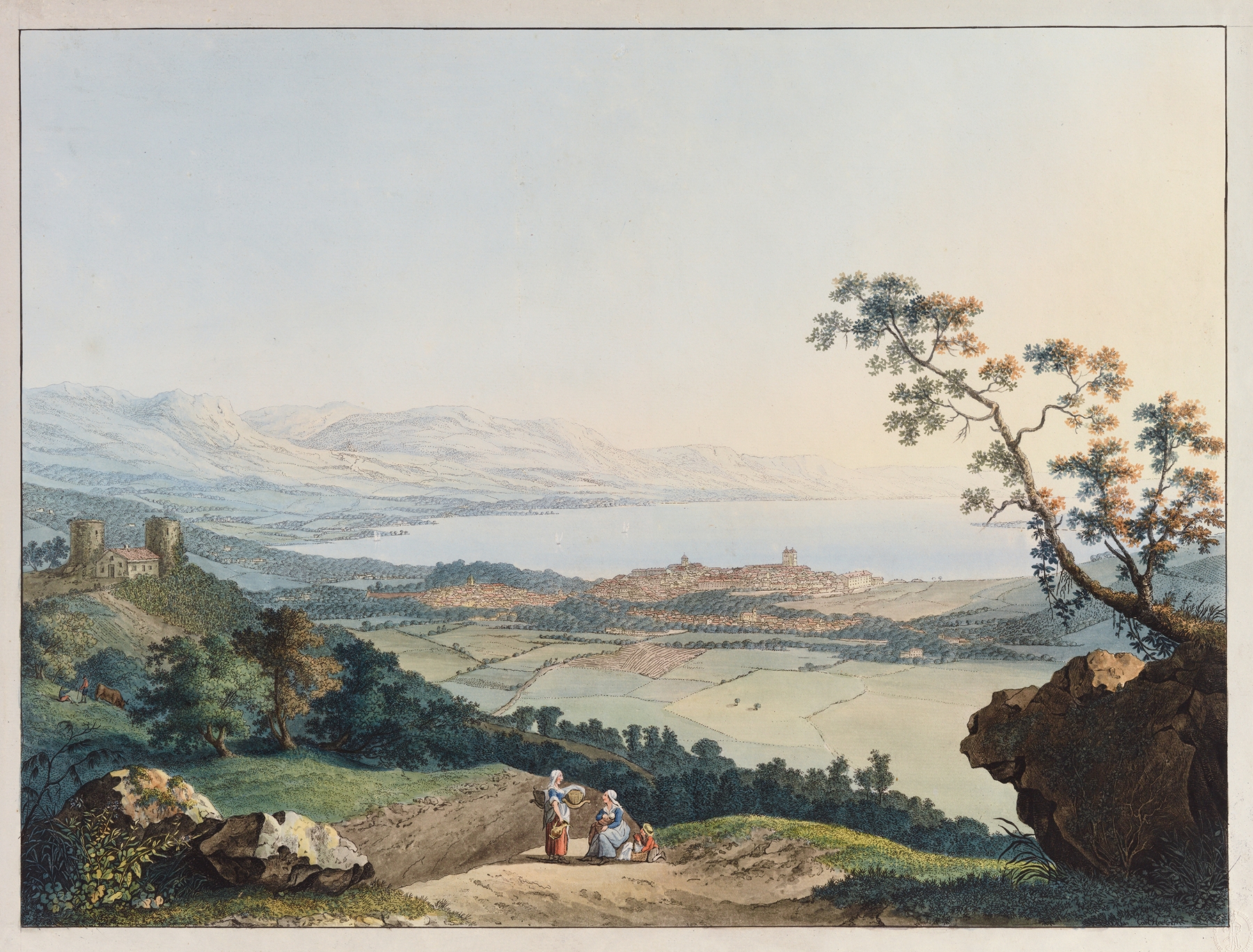
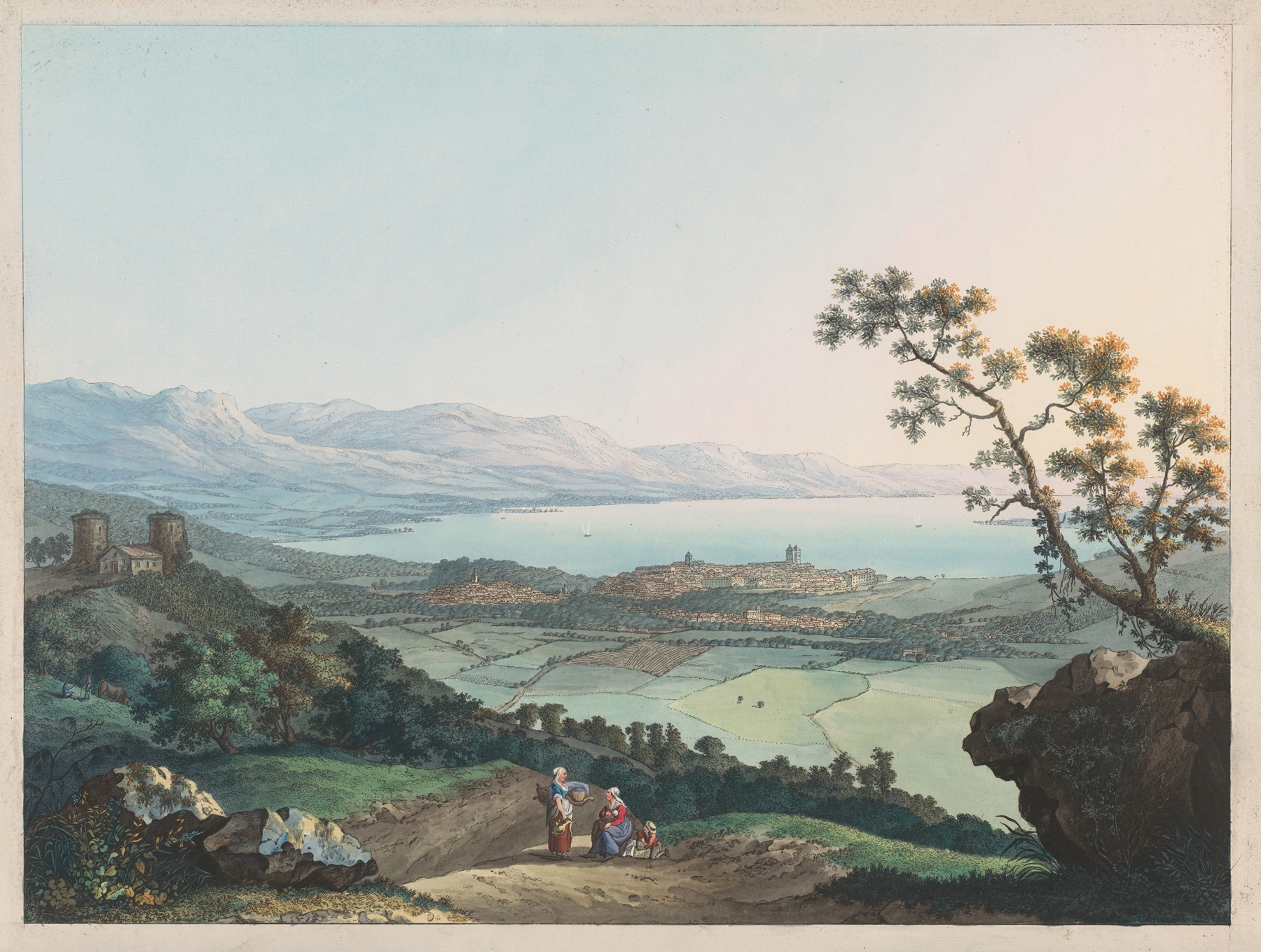
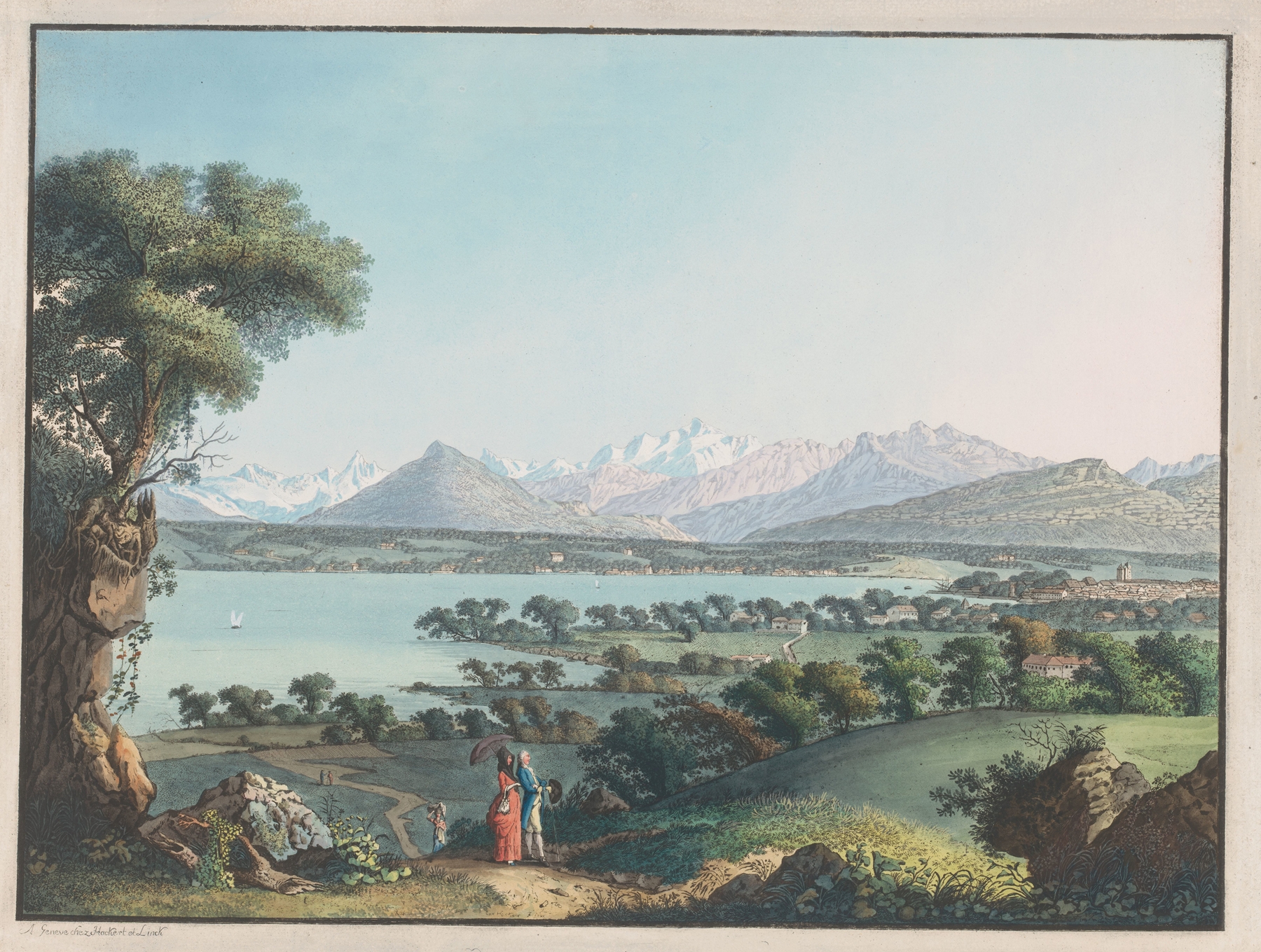
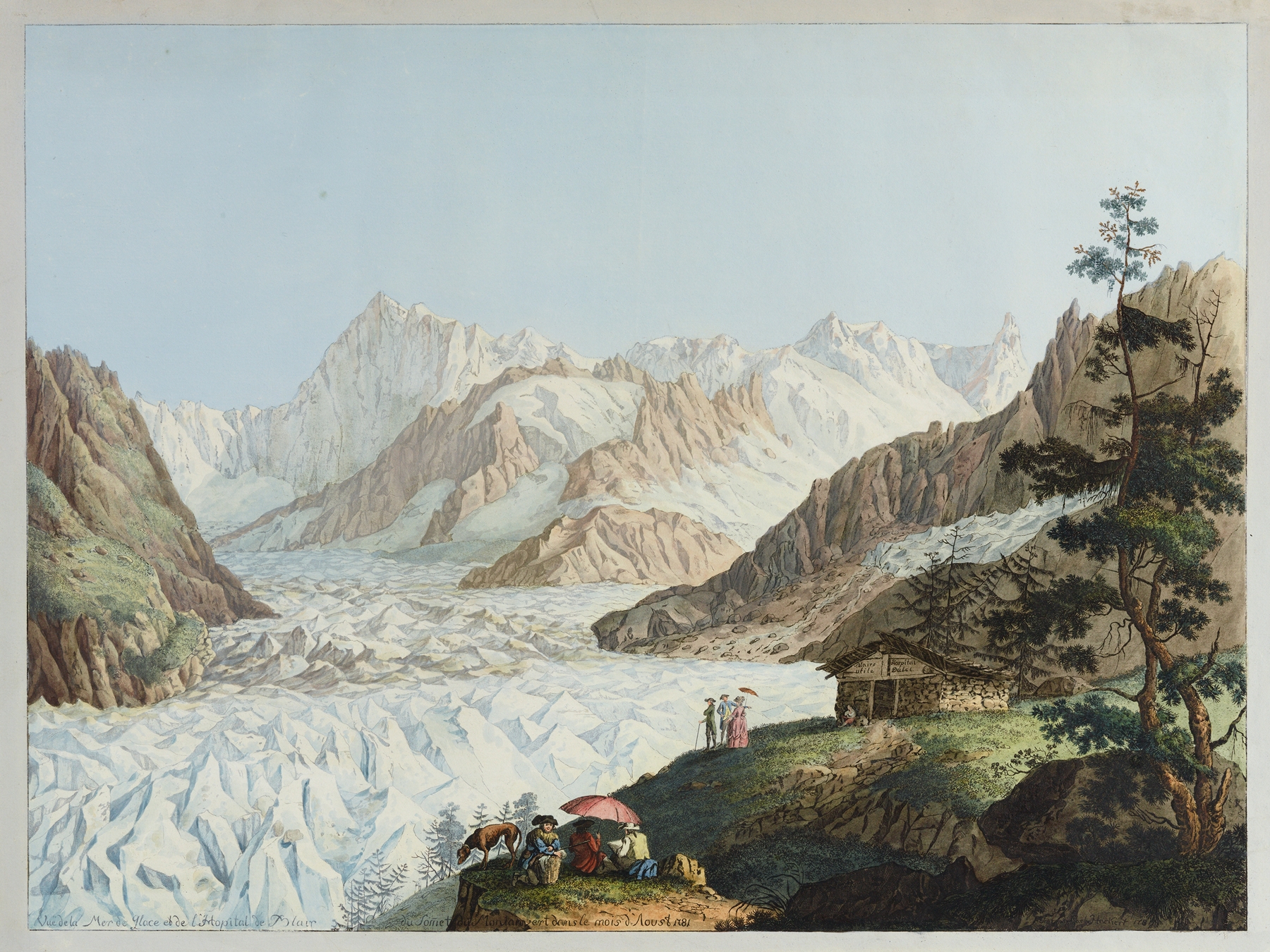
Who listens when art speaks of silence? In the hushed embrace of nature, beauty often whispers profound truths that words cannot capture. Look to the center of the canvas, where a serene landscape unfolds, marked by lush greenery and gentle hills that roll toward a distant horizon. The soft, dappled sunlight filters through the foliage, casting a warm glow over the scene. Notice how the palette harmonizes—deep greens merge with soft yellows and sky blues, creating a tranquil atmosphere that invites prolonged contemplation. The meticulous brushwork reveals not just the beauty of nature, but a carefully orchestrated composition that draws the eye along winding paths and towards hidden corners. The painting teems with underlying meanings that resonate deeply. The stillness of the landscape suggests a yearning for peace, a sanctuary amidst the chaos of human existence. The absence of figures invites viewers to project their own stories, igniting personal reflections about solitude and connection to nature. This tension between absence and presence strikes a delicate balance, where the beauty of the world can feel both inviting and isolating. Created during the late 18th century, this piece emerged as the artist navigated the shifting tides of the Enlightenment in Europe. Hackert, drawing inspiration from the picturesque beauty of the Savoie region, depicted landscapes that celebrated nature and evoked an emotional response. During this time, the art world was increasingly valuing the sublime and the natural, marking a significant departure from the grand historical themes that had dominated earlier periods.