à Lanci — History & Analysis
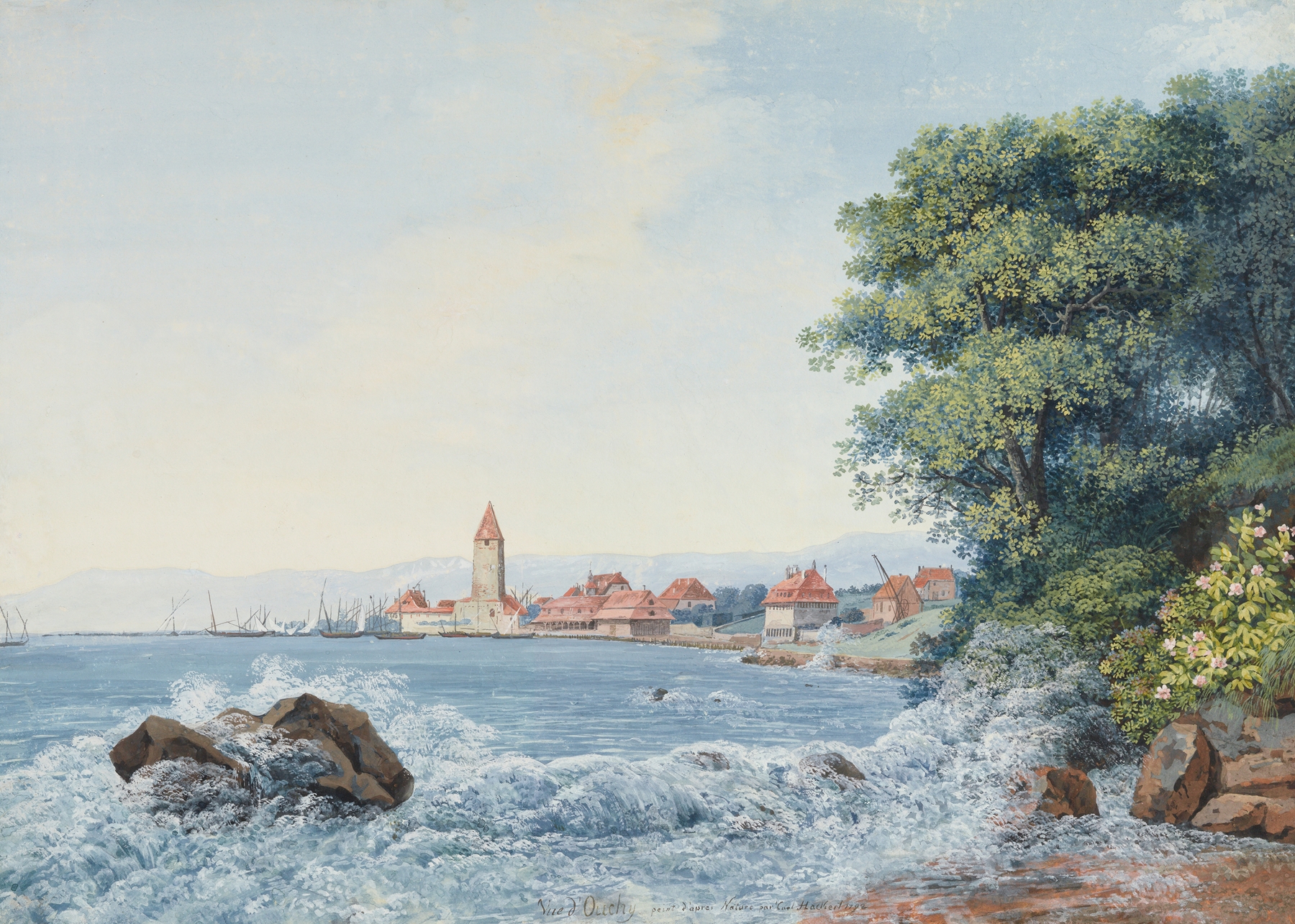
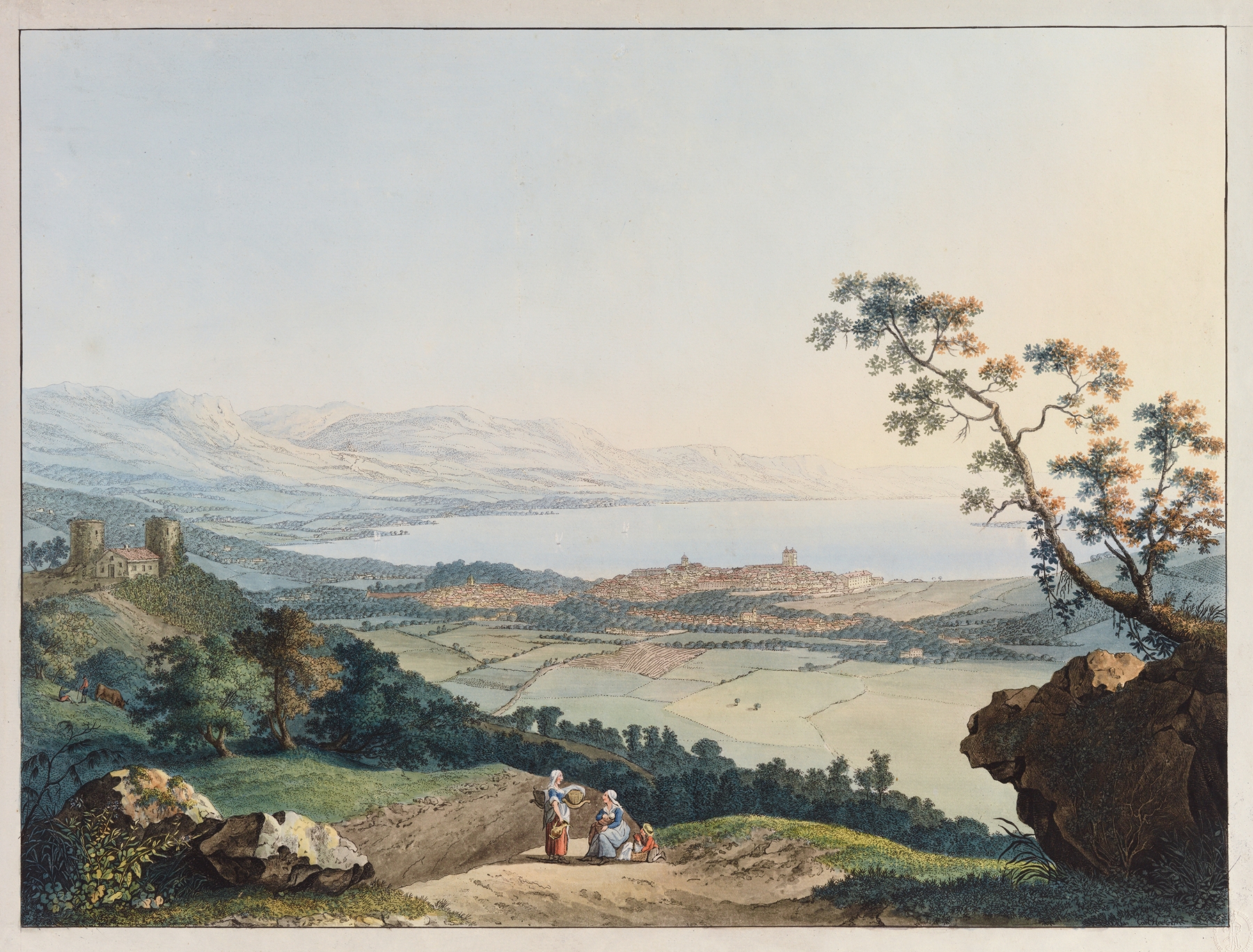
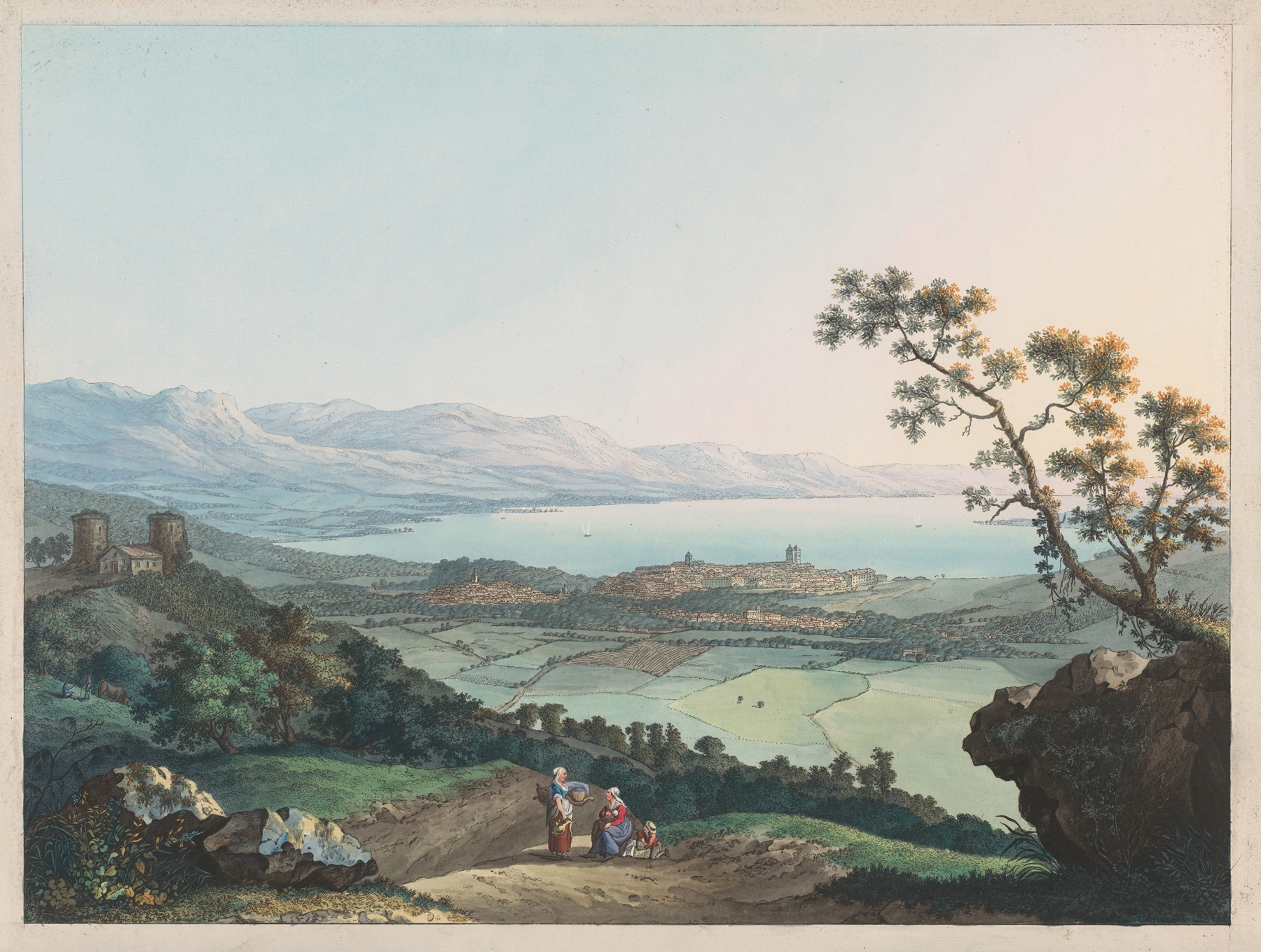
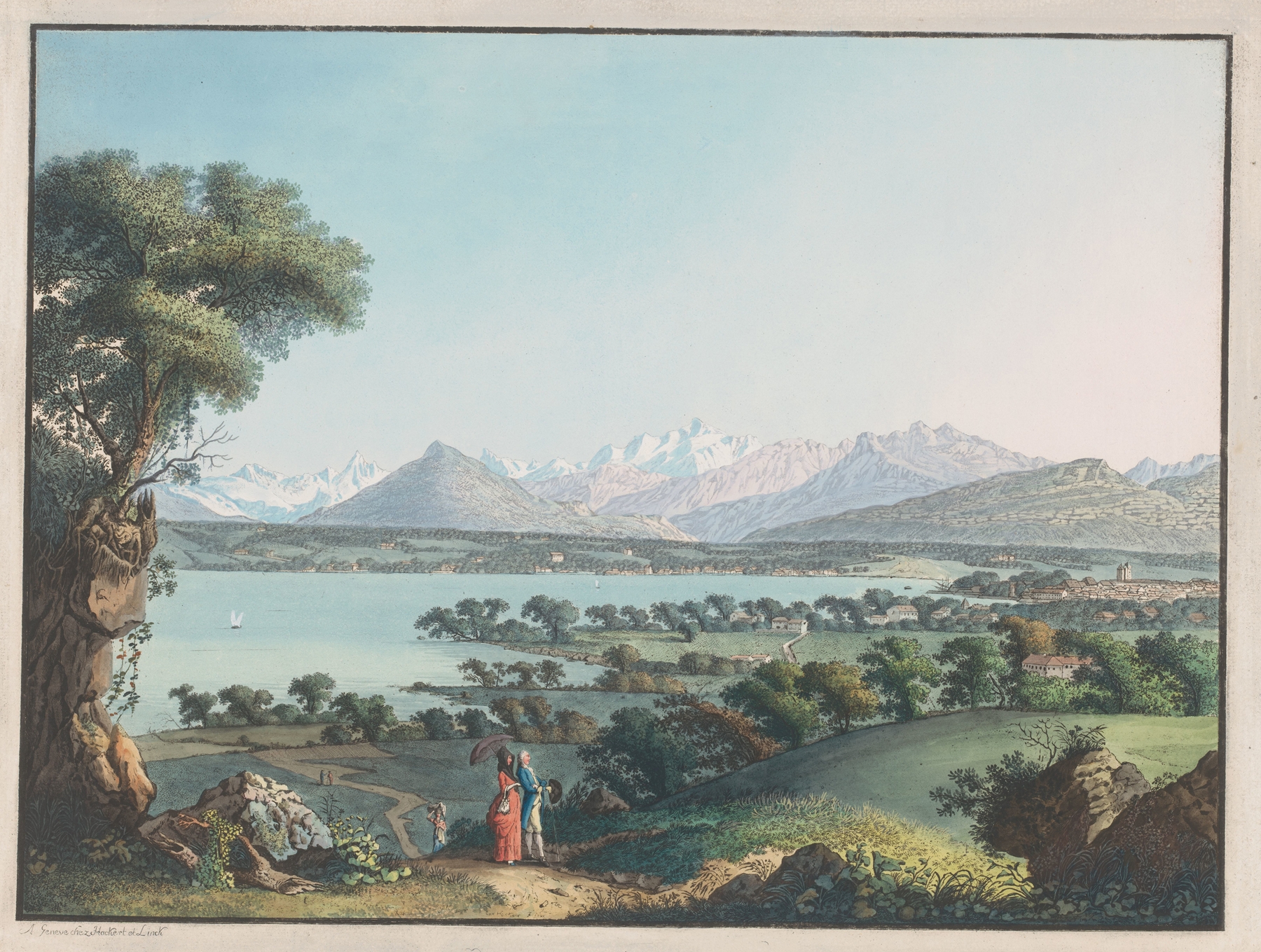
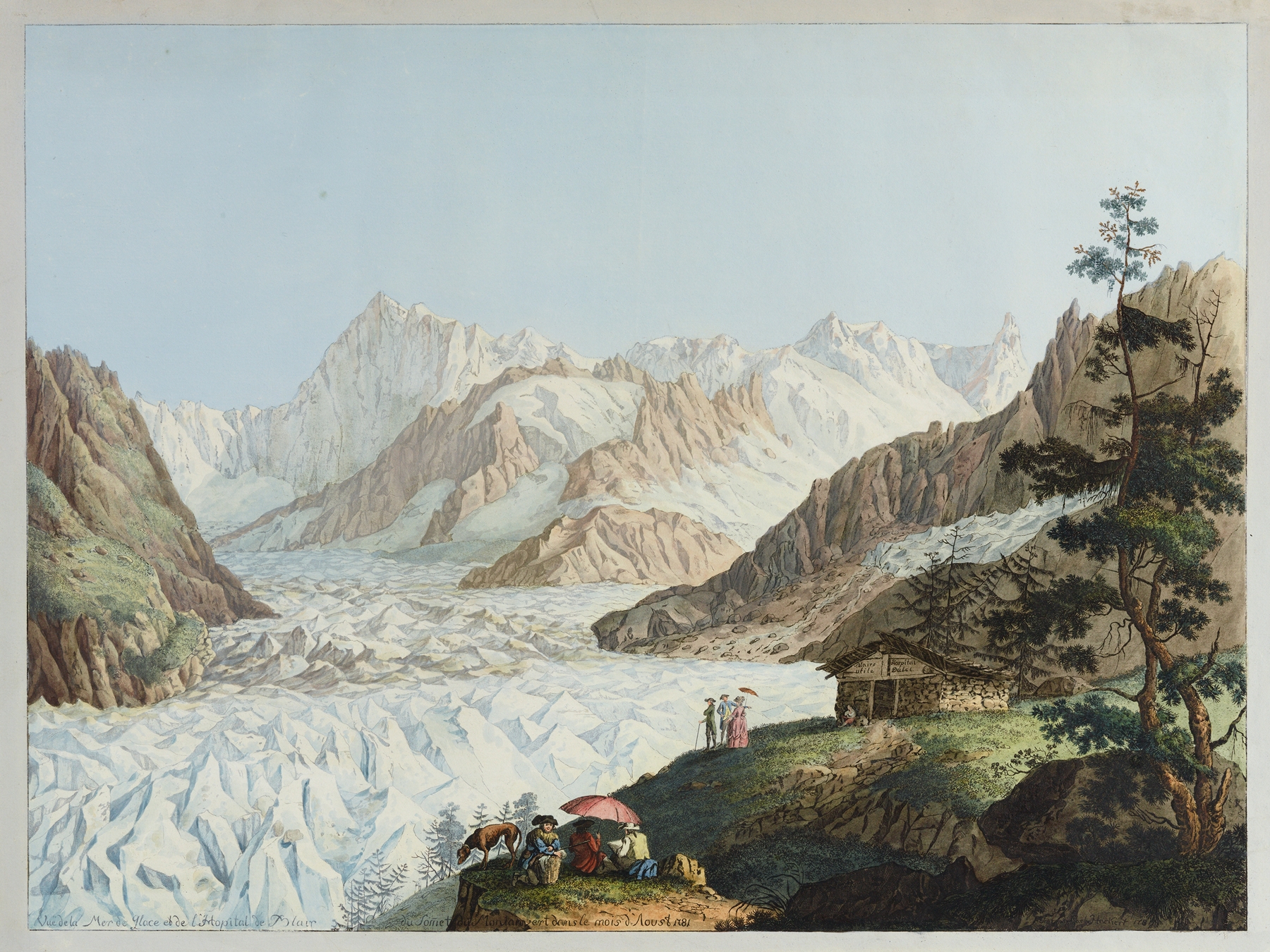
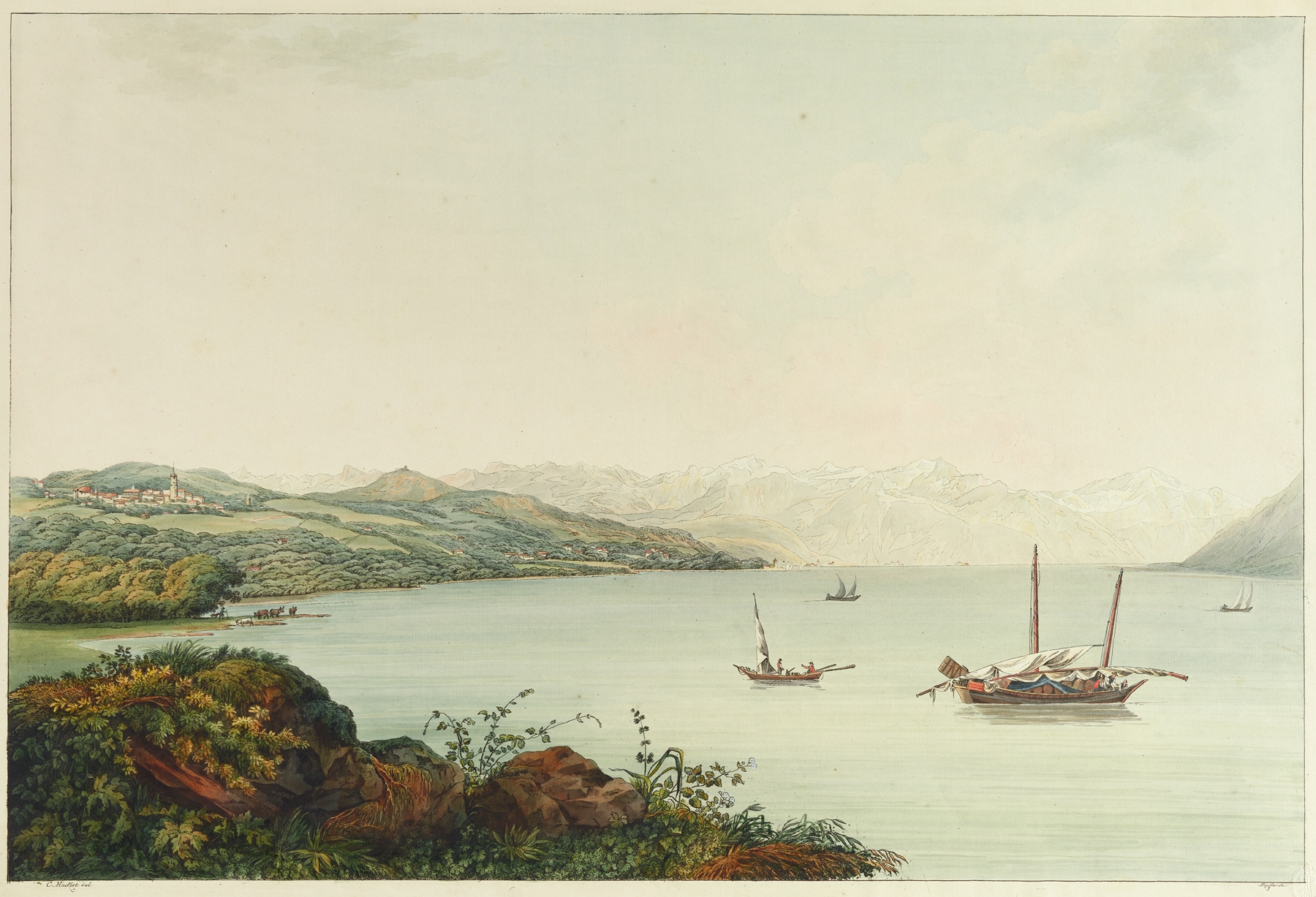
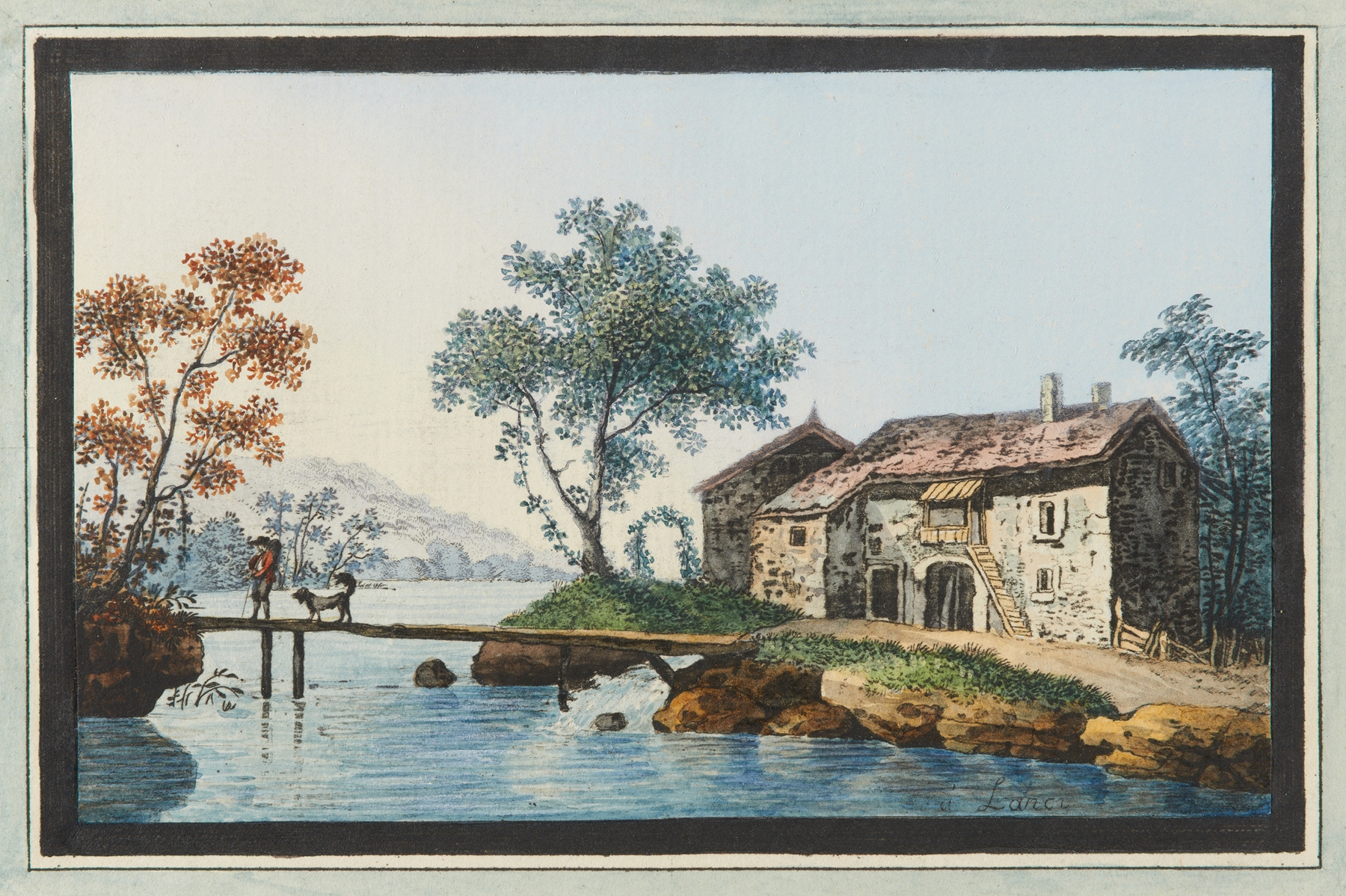
“Sometimes beauty is just pain, disguised in gold.” The ephemeral nature of reflection invites us to explore the depth hidden beneath surfaces—an idea profoundly embodied in the artwork before us. Look closely at the shimmering surface of the water, where the play of light dances upon the waves. The ripples catch the golden hues of the setting sun, creating a mesmerizing tapestry that draws the viewer’s gaze. Observe the delicate brushwork that brings forth the fluidity of the water while grounding the scene in a rich variety of earthy tones.
The composition elegantly balances both tranquility and movement, inviting contemplation on what lies beneath the surface. Beneath this beauty, tensions simmer quietly. The juxtaposition of serenity in nature and the looming uncertainty of the human experience evokes a sense of fragility. The reflections may symbolize elusive memories or unspoken desires, hinting at both hope and longing.
Each detail, from the gentle hues to the subtle textures, encapsulates the complexity of these emotions, serving as a reminder that the most stunning visuals often harbor unseen stories. Carl Ludwig Hackert crafted this piece during the mid-18th century, a period characterized by artistic exploration and the rise of Romanticism. While living in Italy, he engaged with the vibrant landscapes and light that defined the era, reflecting the transition from the Rococo to a more introspective style. Amidst the changing tides of art and personal experiences, his work began to resonate with a deeper emotional cadence, one that speaks to the viewer long after the eye has wandered away.