Vue d’Ouchy — History & Analysis
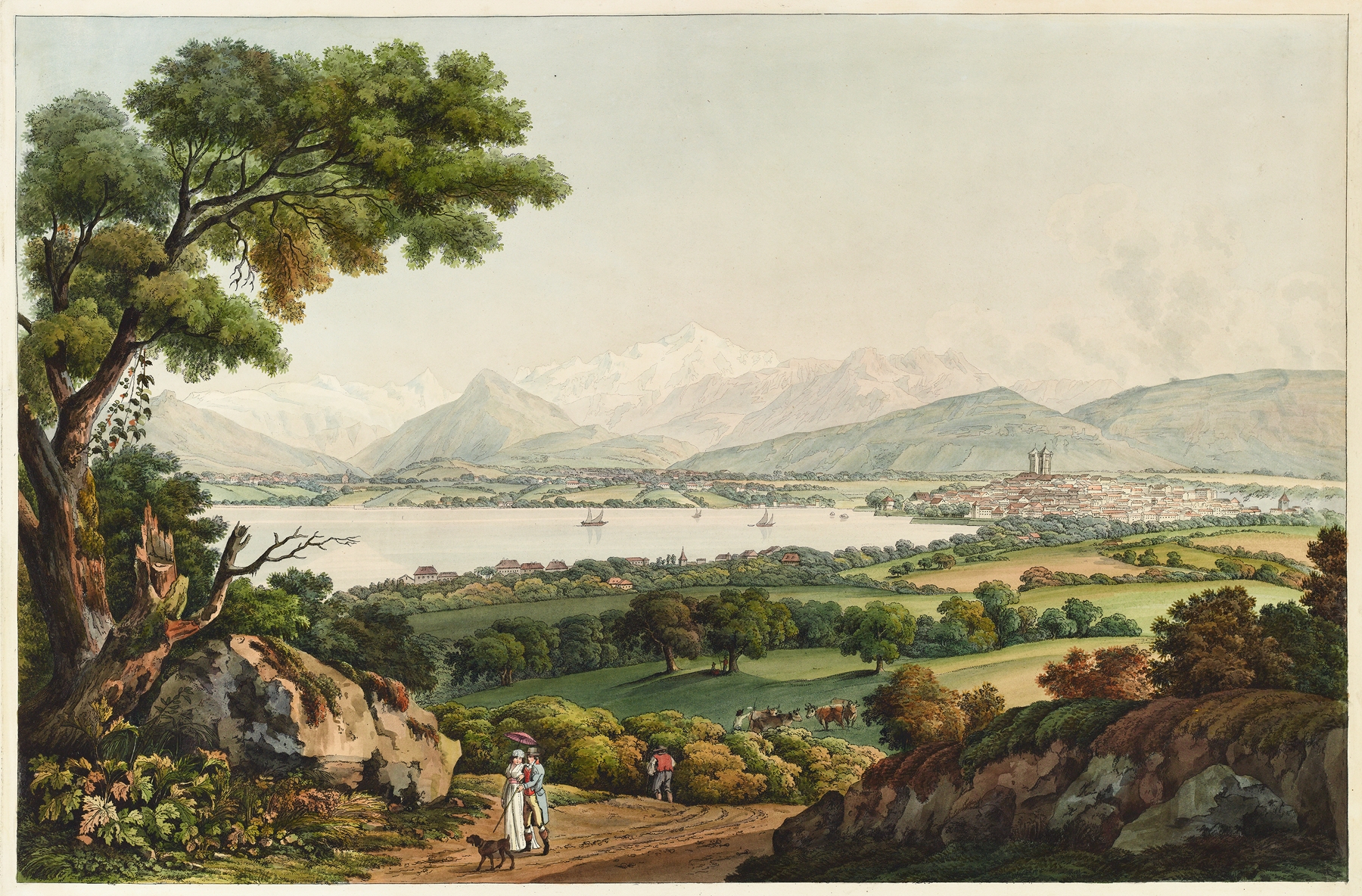
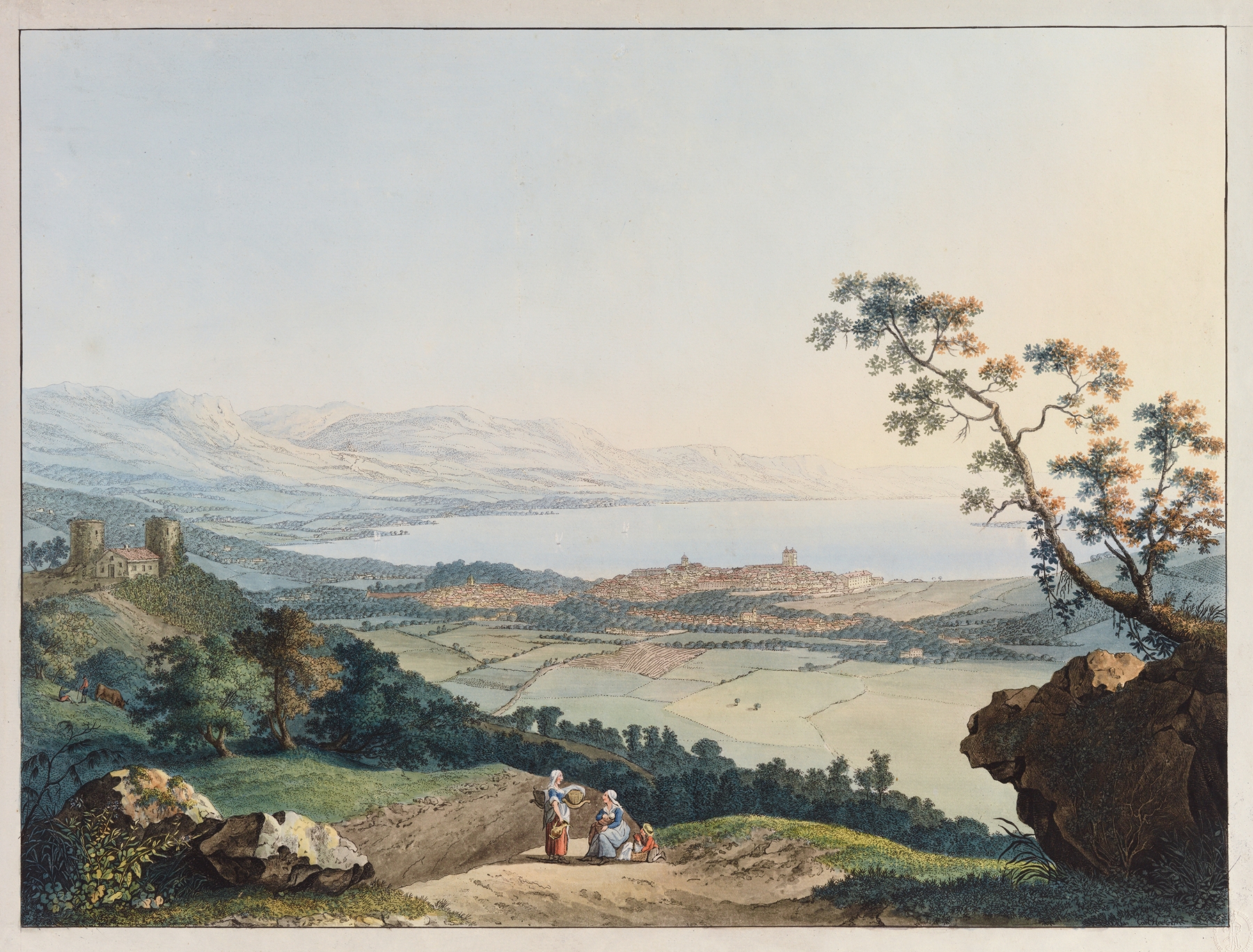
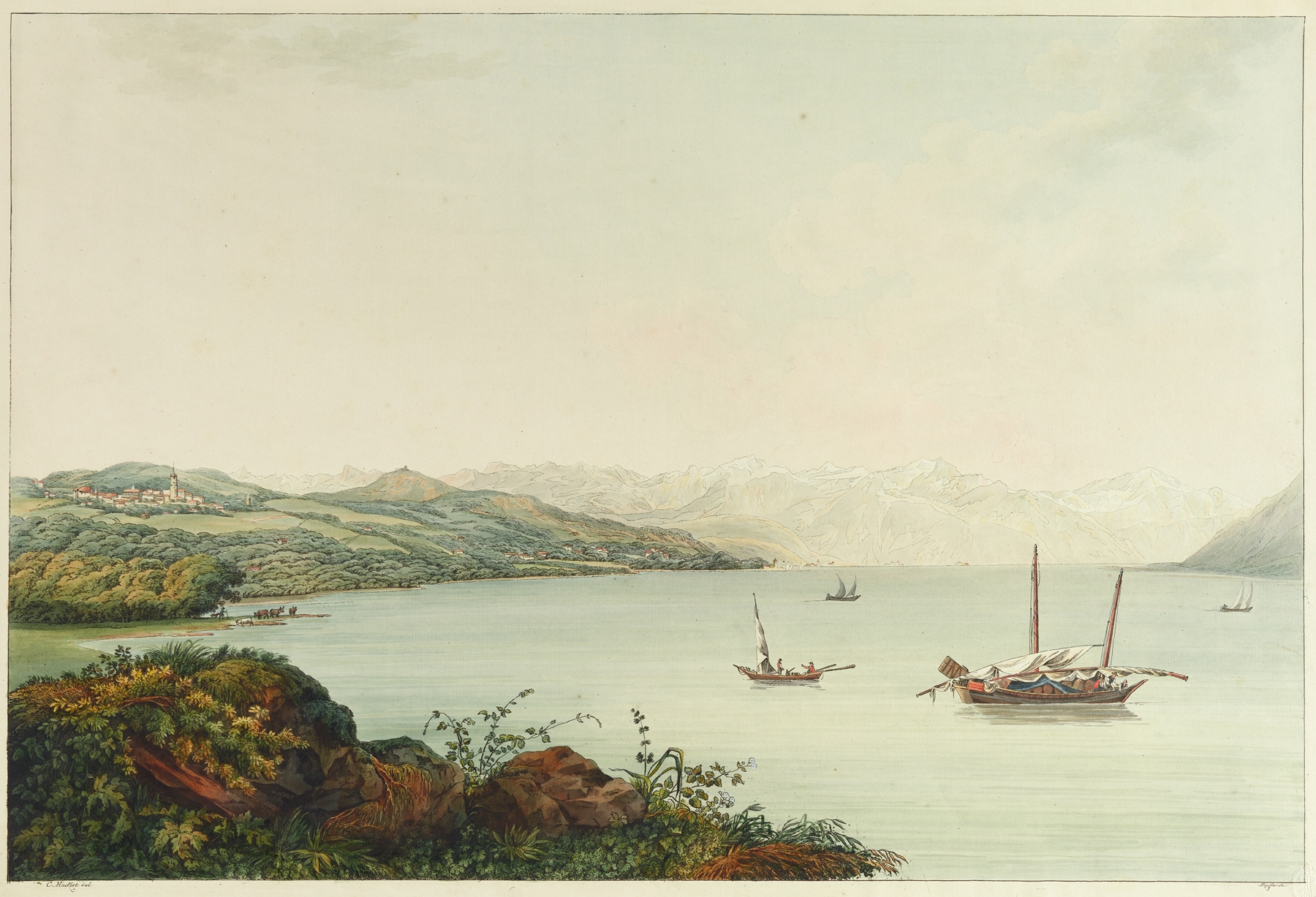
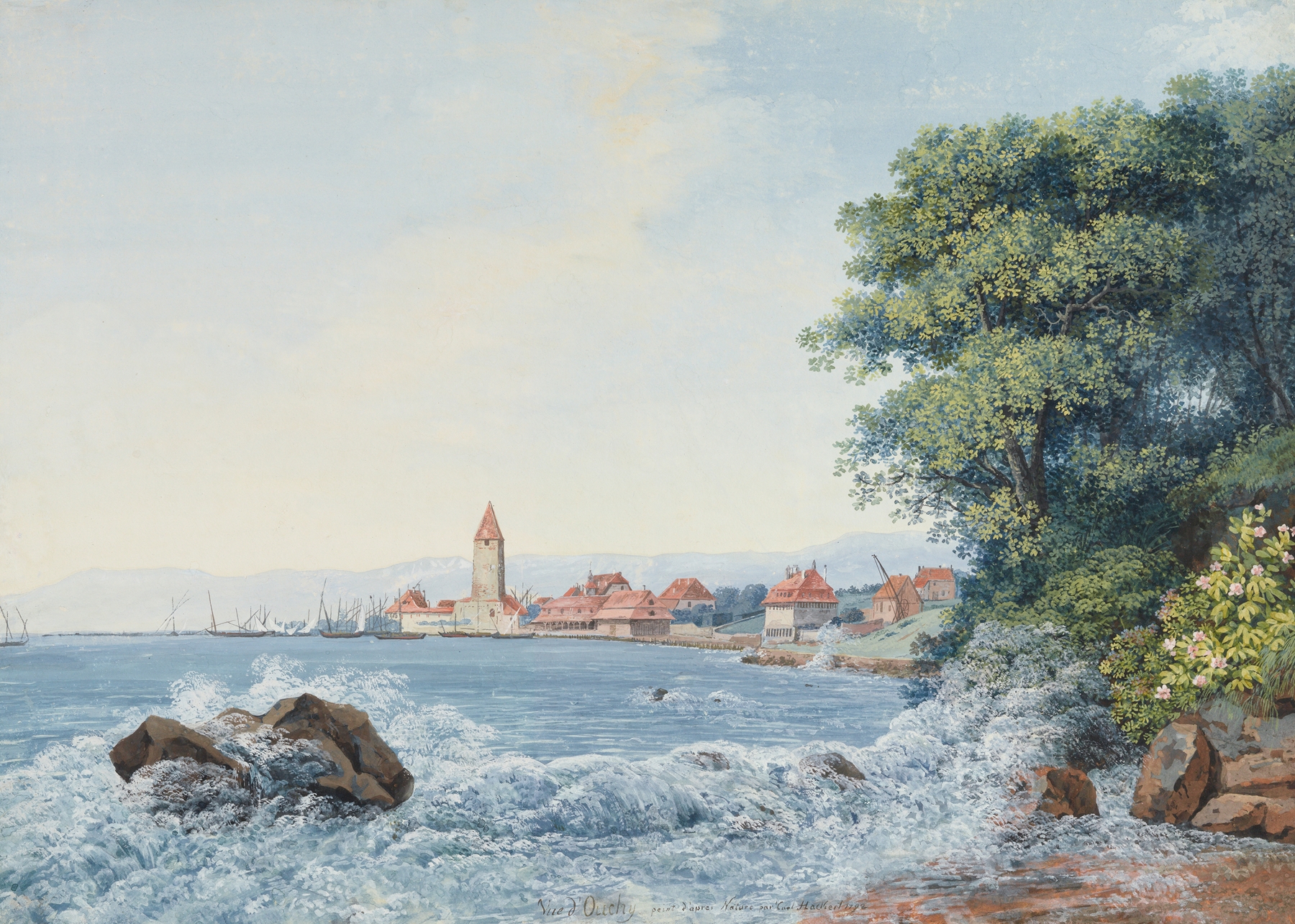
When did color learn to lie? The delicate hues of Vue d’Ouchy whisper of both beauty and deceit, drawing us into a moment suspended between reality and illusion. Look to the tranquil waters, where a soft gradient of blues and greens reflects the serene sky. The eye is immediately captivated by the shimmering surface, which seems to pulse with life yet hints at an underlying fragility.
Notice how Hackert employs light to delineate the gentle contours of the landscape, transforming every brushstroke into a dance between shadow and illumination. The soft pastels envelop the scene, imbuing it with a warmth that contrasts sharply with the coolness of the water beneath. The composition reveals deeper emotional tensions, with the idyllic portrayal of nature standing in quiet juxtaposition to the ephemeral quality of existence. The boats, gliding effortlessly upon the water, symbolize the transient nature of life, while the distant mountains loom as steadfast monuments to time’s passage.
This juxtaposition between the fleeting and the permanent invites reflections on the fragility of beauty, urging viewers to contemplate what is preserved and what inevitably fades away. Created during the late 18th century, Hackert's work emerged amidst a burgeoning interest in picturesque landscapes and natural beauty. As Europe grappled with the Enlightenment’s ideals and shifts in artistic expression, he found his voice in the sublime landscapes of Switzerland. In this period, he was deeply influenced by his travels and experiences, capturing not just the physical world, but also the emotional resonance of vulnerability within the vibrancy of life.