Vue de Genève et du Mont-Blanc — History & Analysis
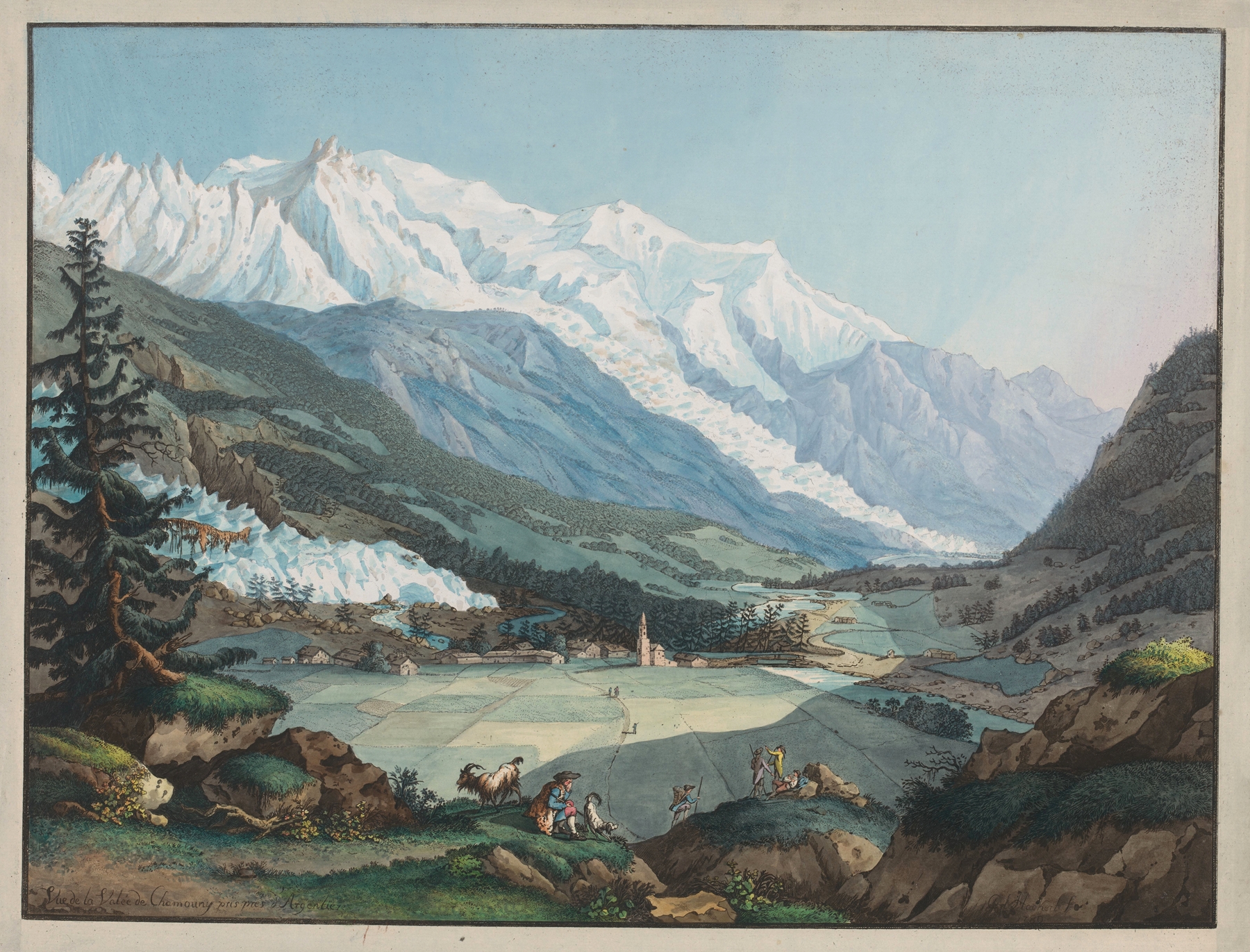
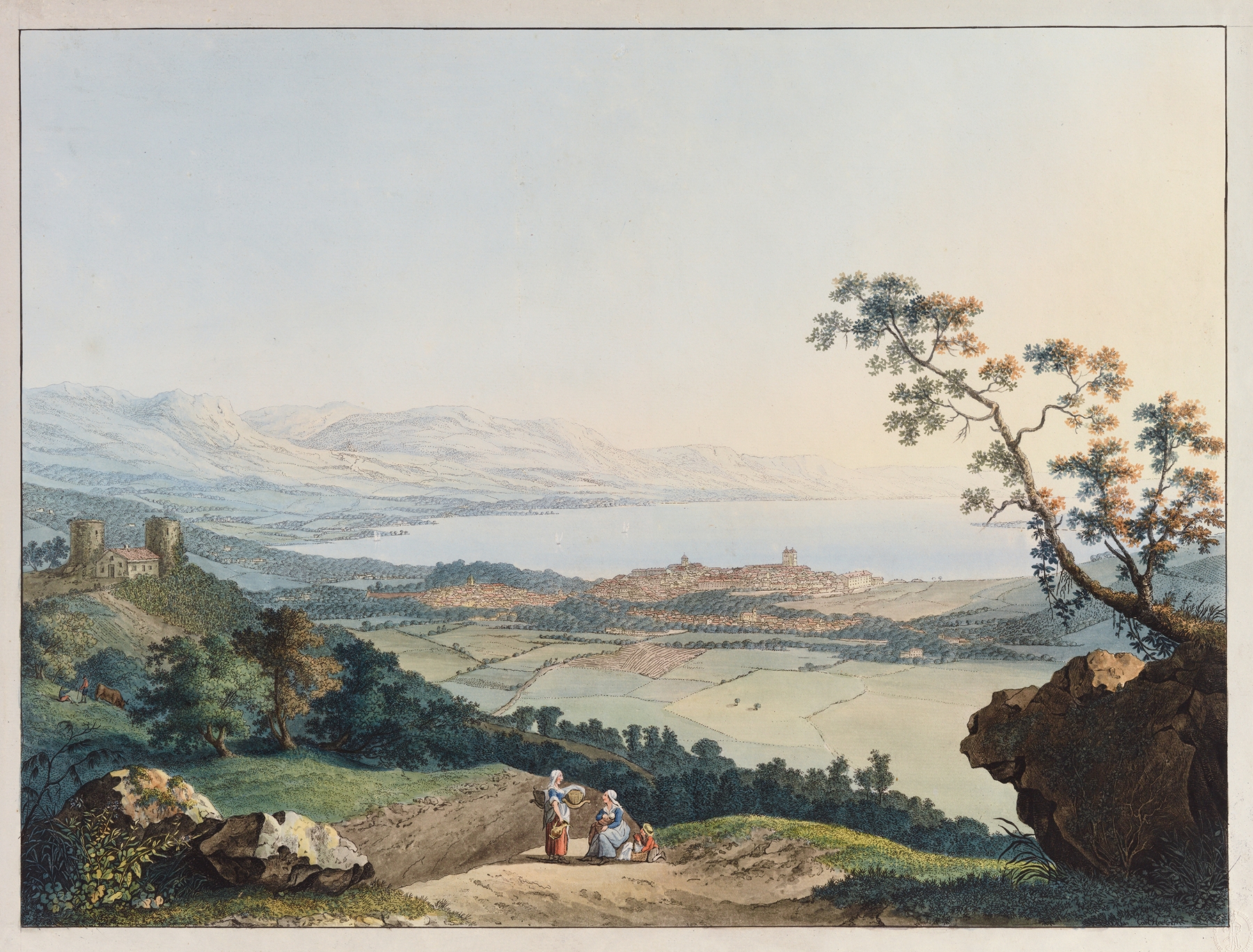
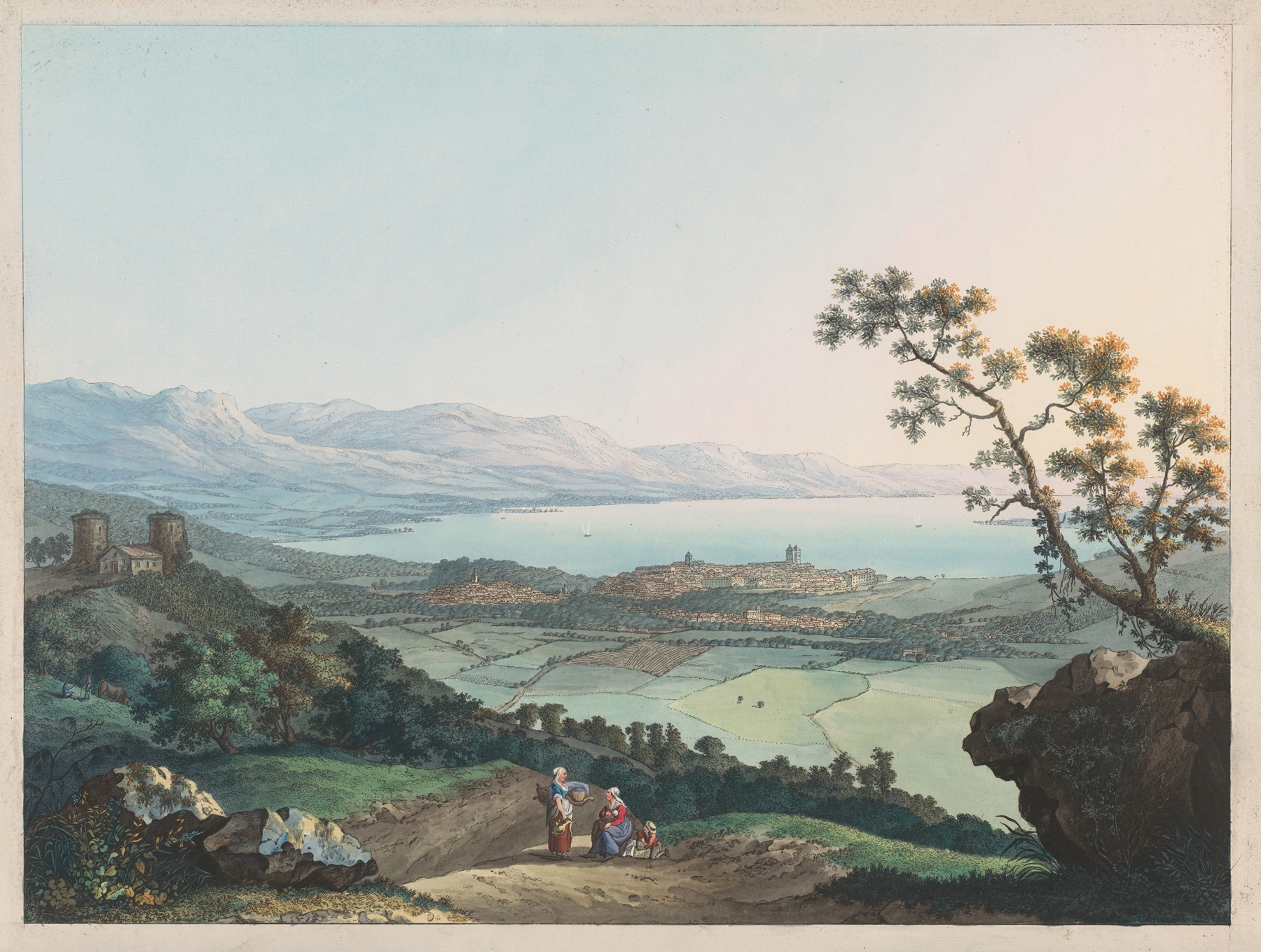
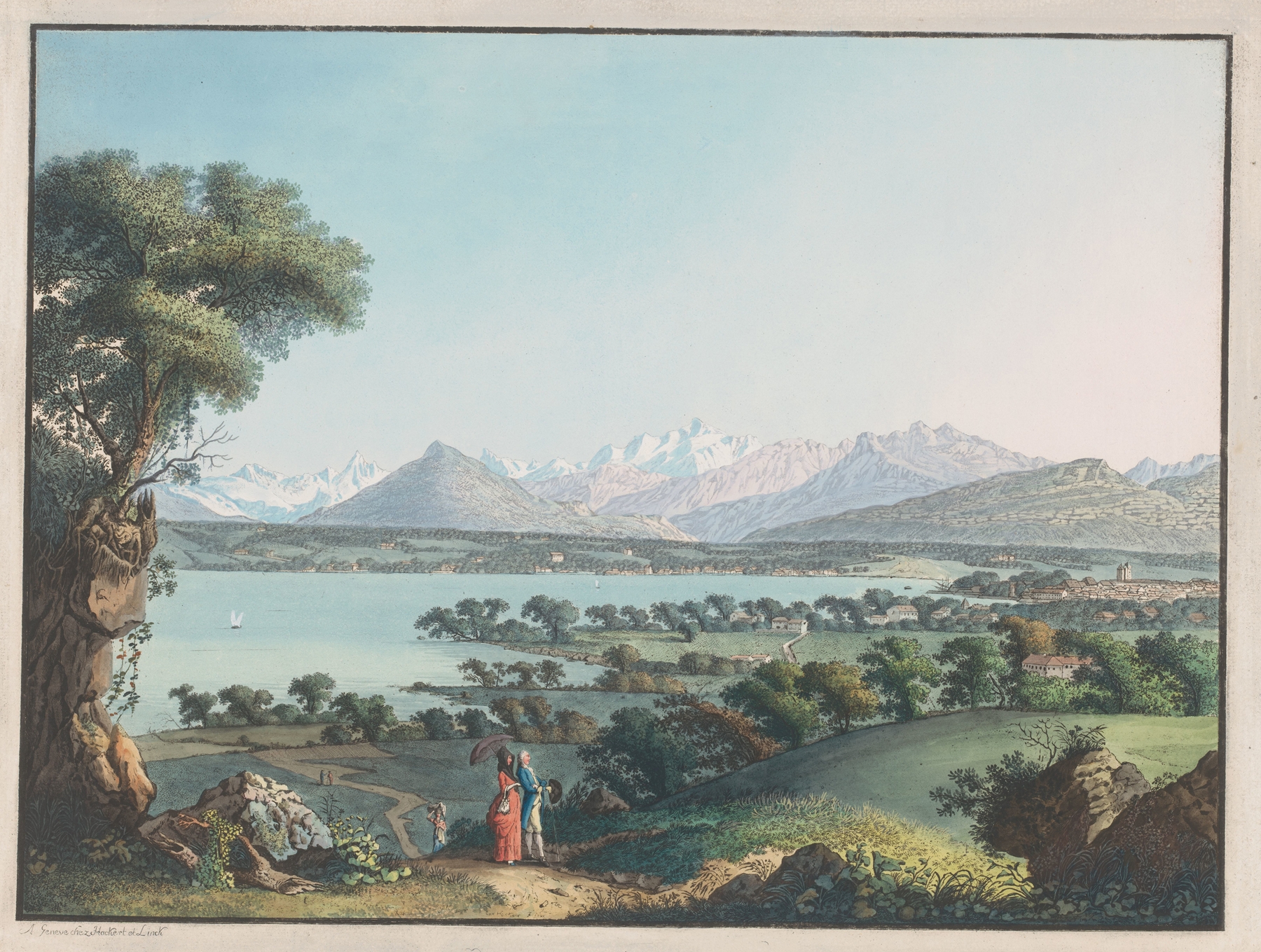
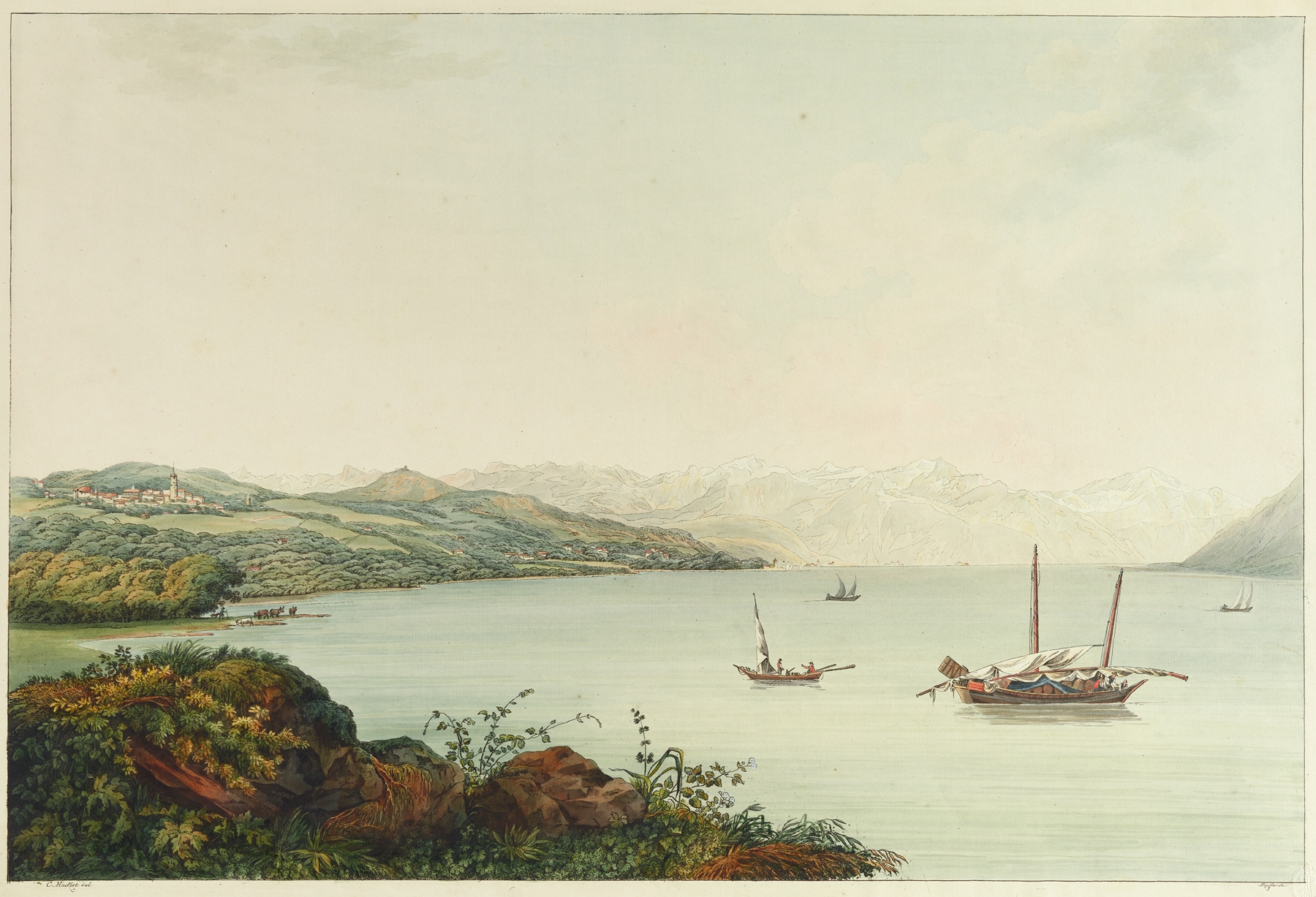
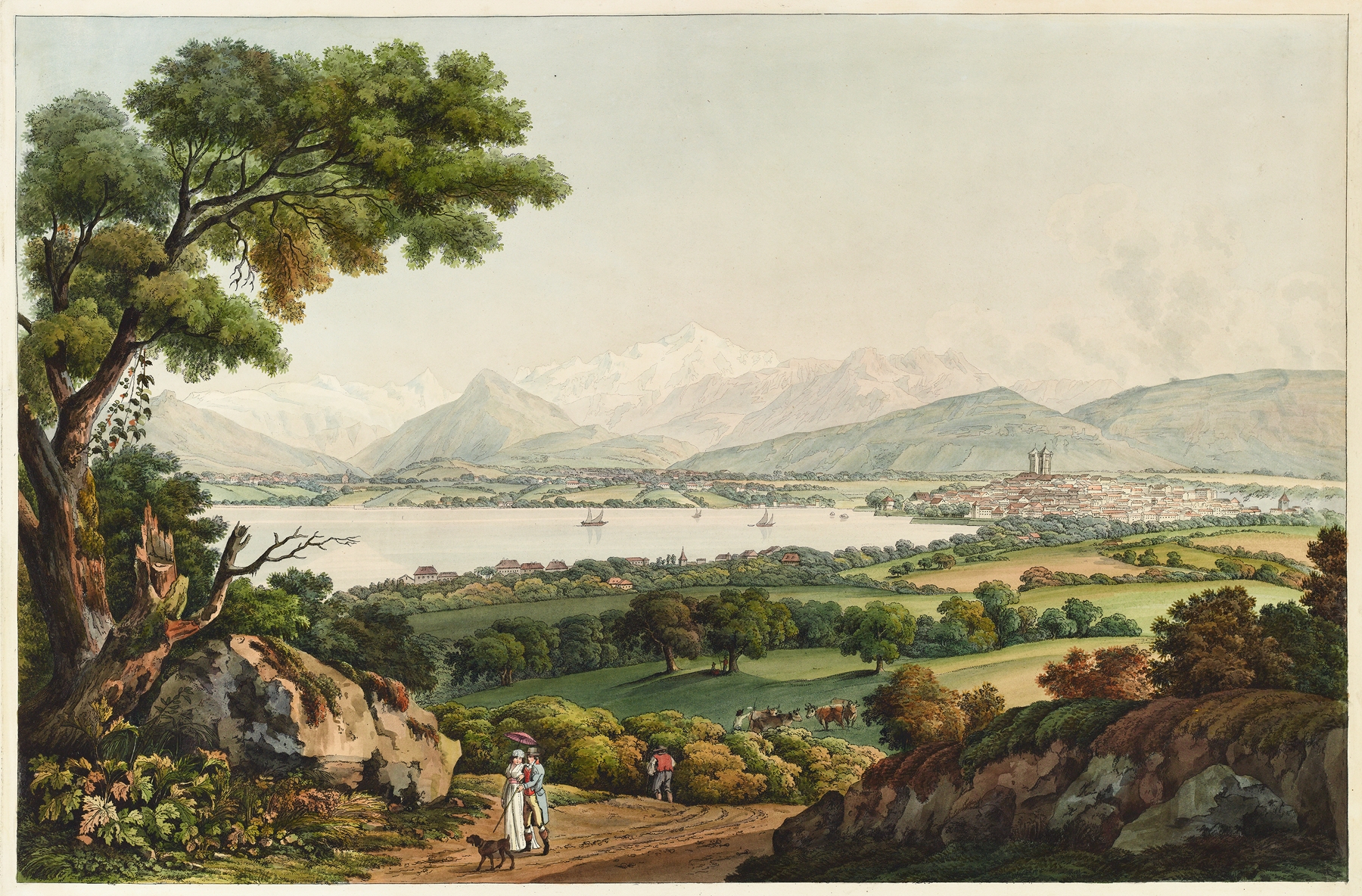
Can beauty exist without sorrow? The fleeting nature of light across the landscape suggests a world caught between brilliance and melancholy, inviting contemplation of what lies beneath the surface. Look to the left at the gentle curve of the lake, where shimmering waters reflect the clouds above, creating a natural mirror that captures the ethereal beauty of the scene. Focus on the majestic Mont Blanc, its snow-capped peaks contrasting with the soft greens and blues of the foreground.
The meticulous brushwork and rich color palette reveal a harmonious interplay of light and shadow, drawing the viewer's eye across the canvas and inviting them into this serene Swiss vista. As you delve deeper, notice the delicate balance between tranquility and the hint of unease—a solitary sailboat glides silently through the water, evoking feelings of solitude amidst the expansive beauty. The vibrant colors and lush landscapes are shadowed by the looming presence of the mountains, which symbolize both the majesty and the isolation of nature. This duality resonates with the idea of awakening; a moment of realization that beauty often coexists with deeper, unspoken emotions.
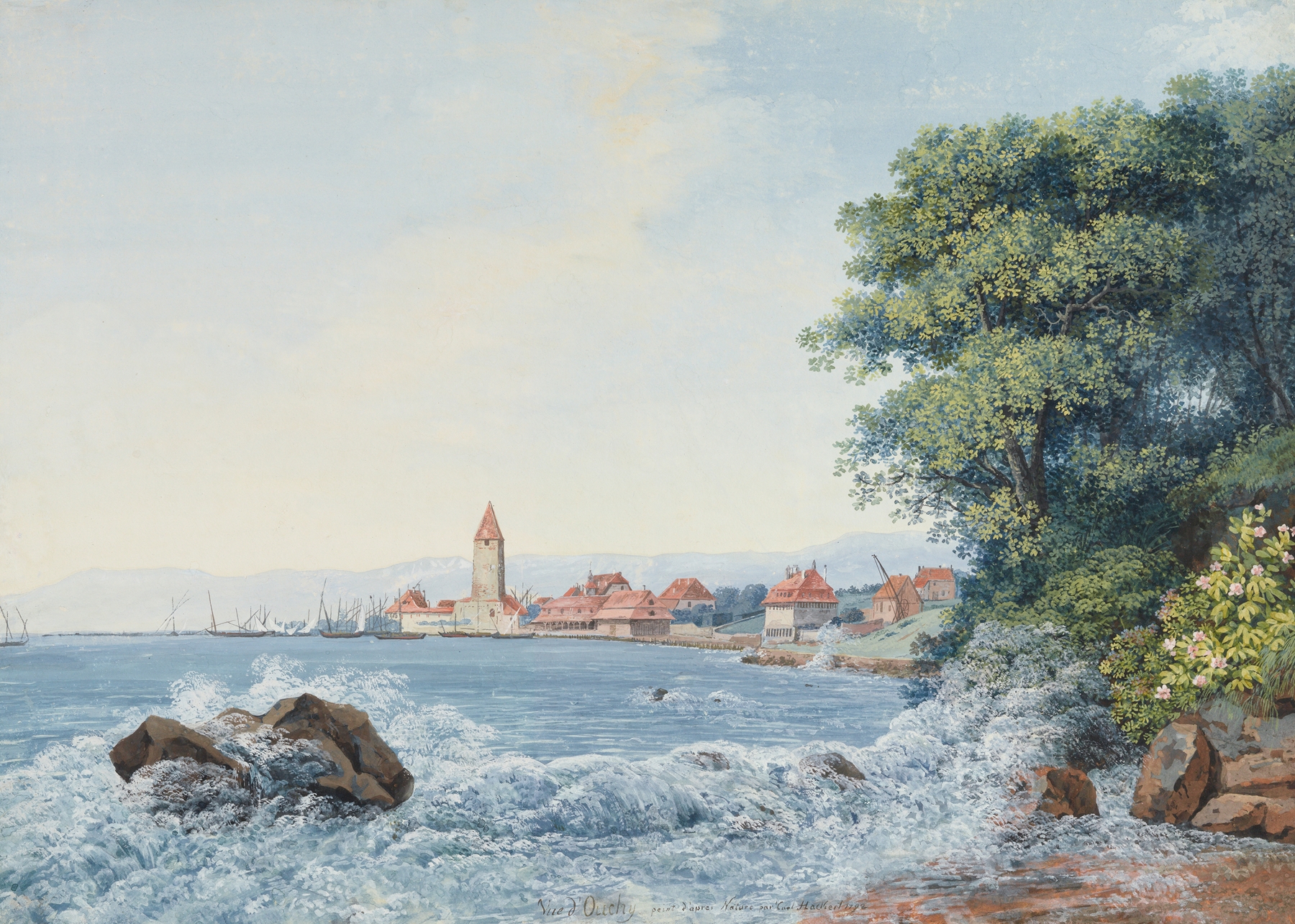
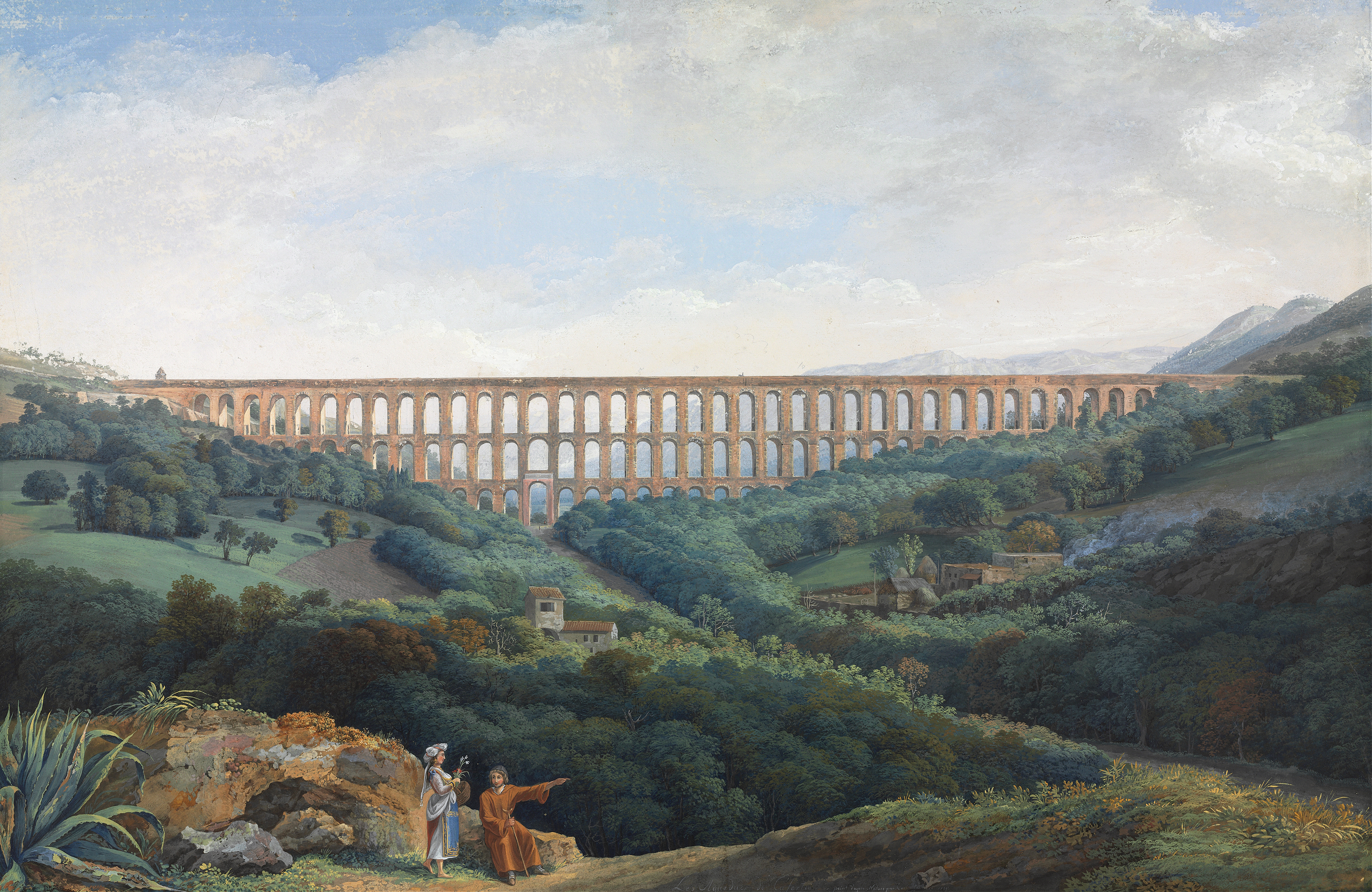
Carl Ludwig Hackert created Vue de Genève et du Mont-Blanc in the late 18th century, a period marked by the Enlightenment's celebration of nature and reason. Living in Italy for much of his life, he was deeply influenced by the breathtaking landscapes that surrounded him, capturing their essence in his work. During this time, Europe was experiencing significant artistic evolution, as artists sought to reconcile their experiences with the natural world, paving the way for future movements that would explore similar themes.