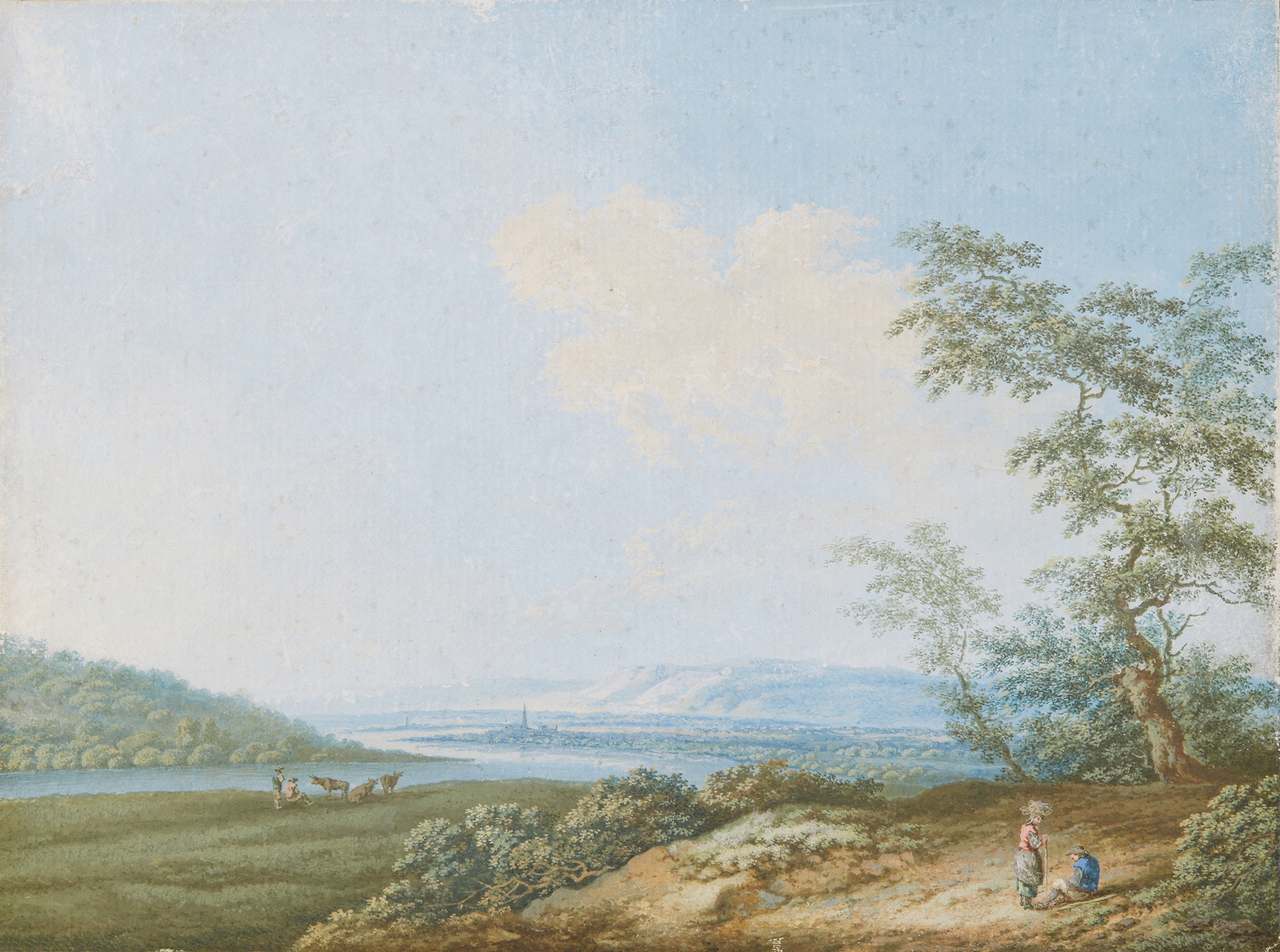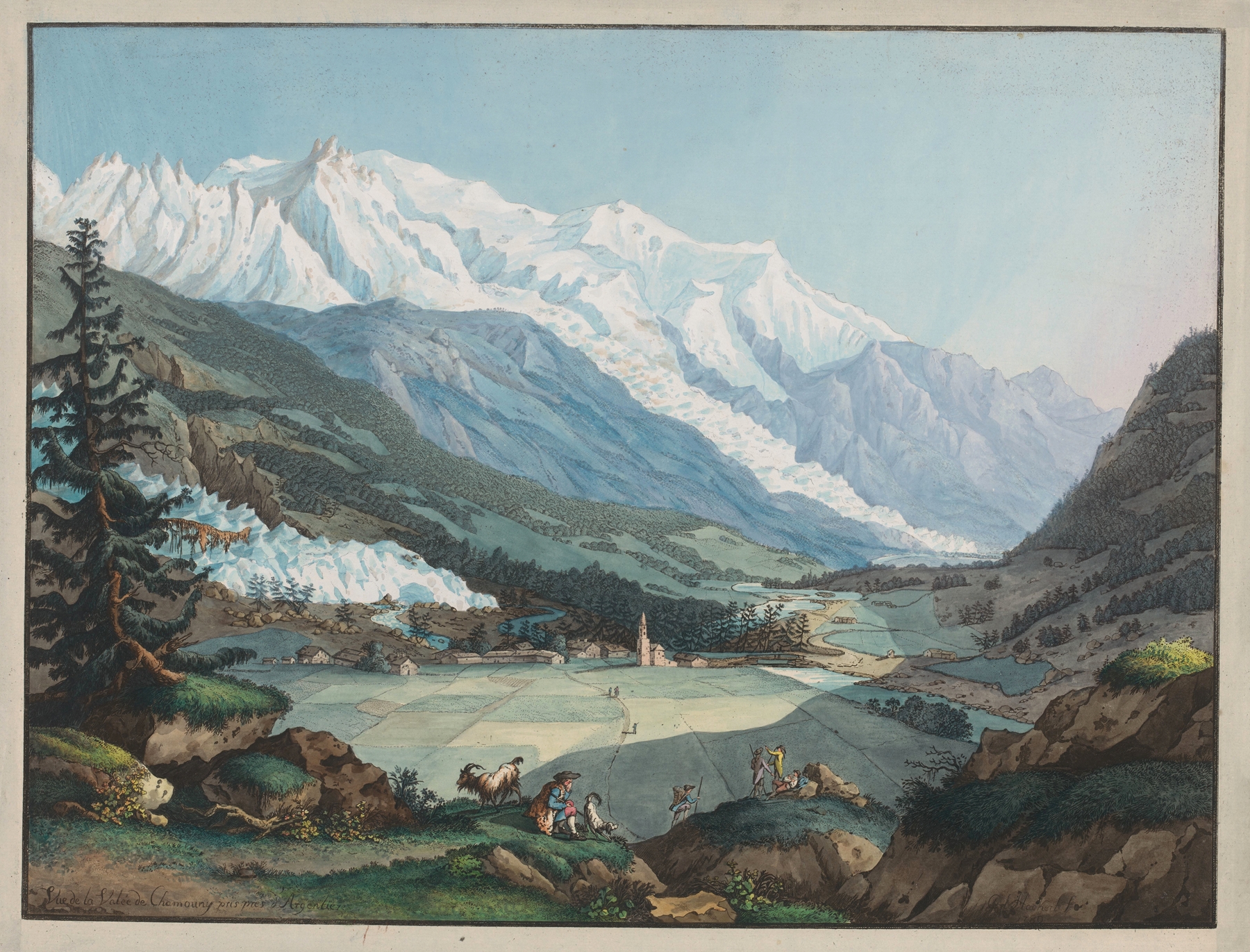
Vue de la Valée de Chamouny pris pres d’Argentière — History & Analysis
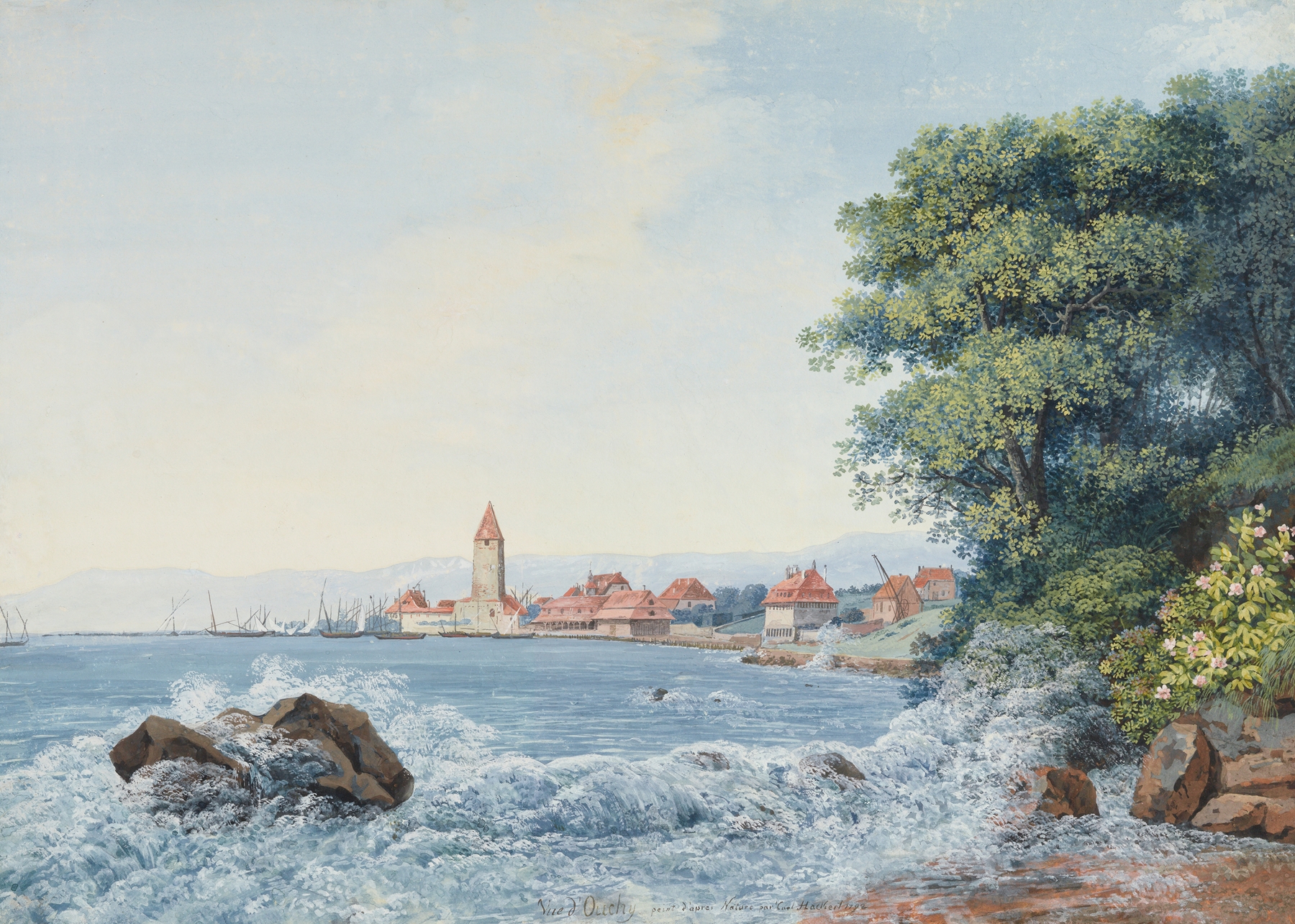
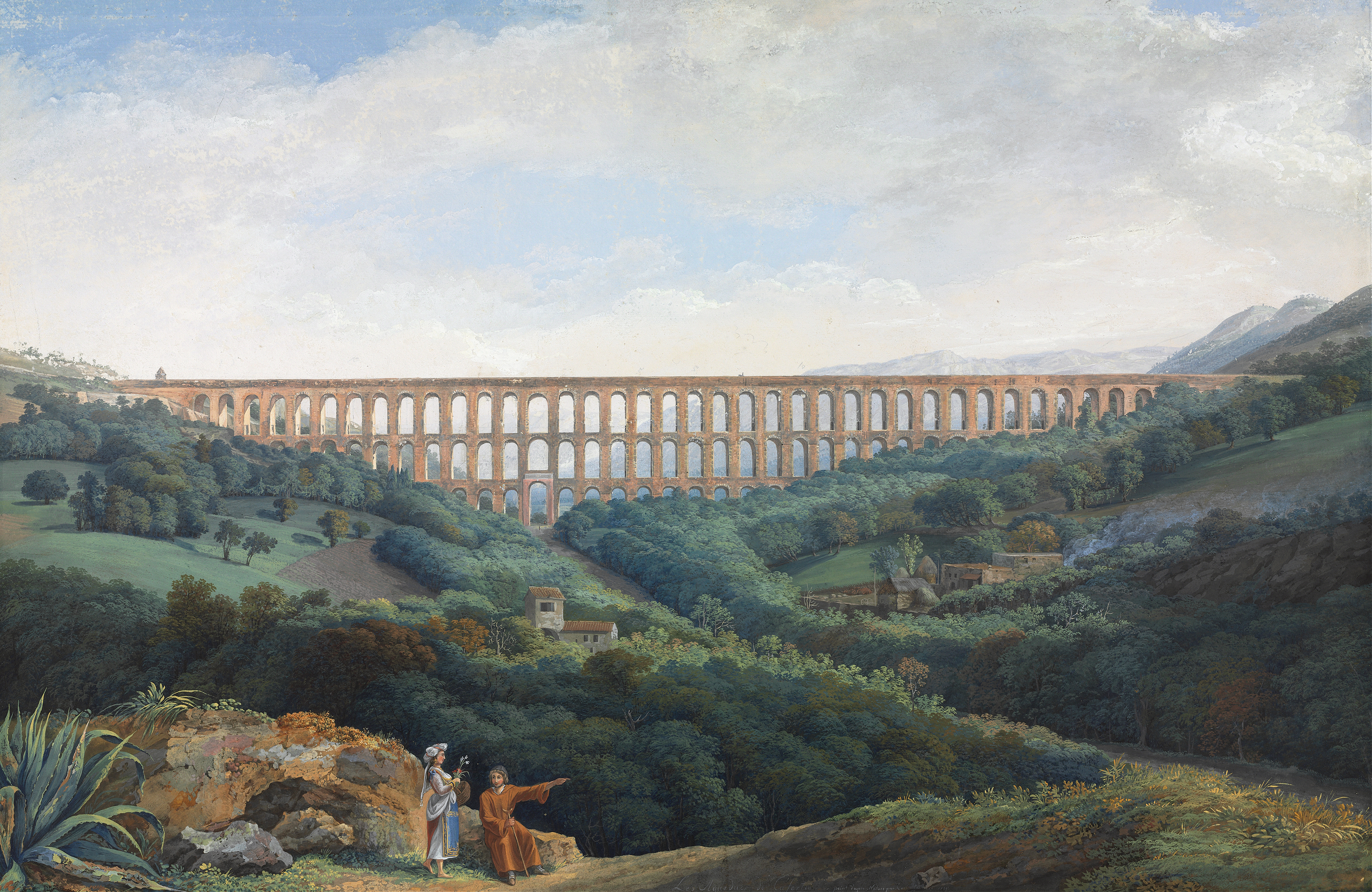
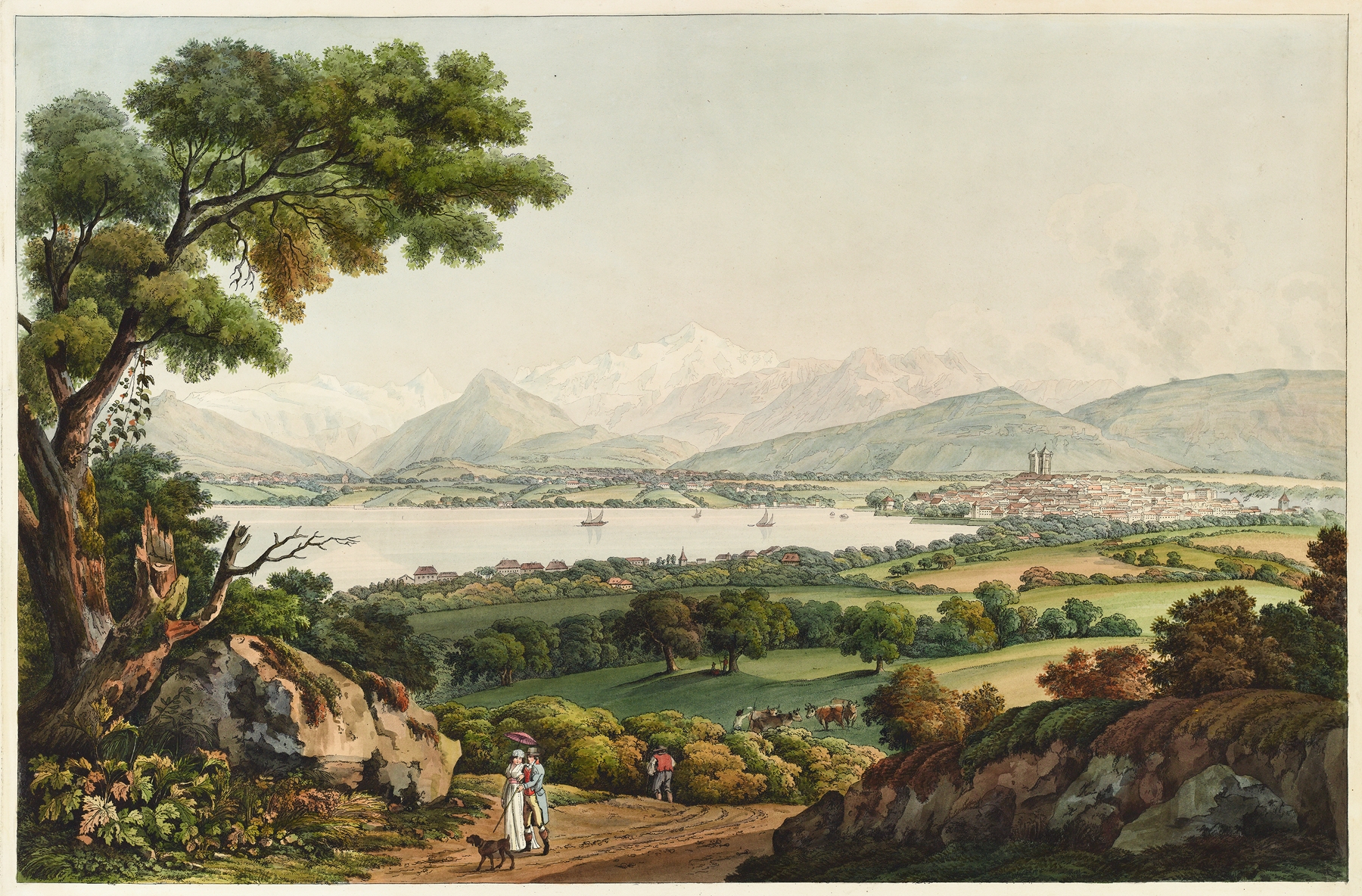
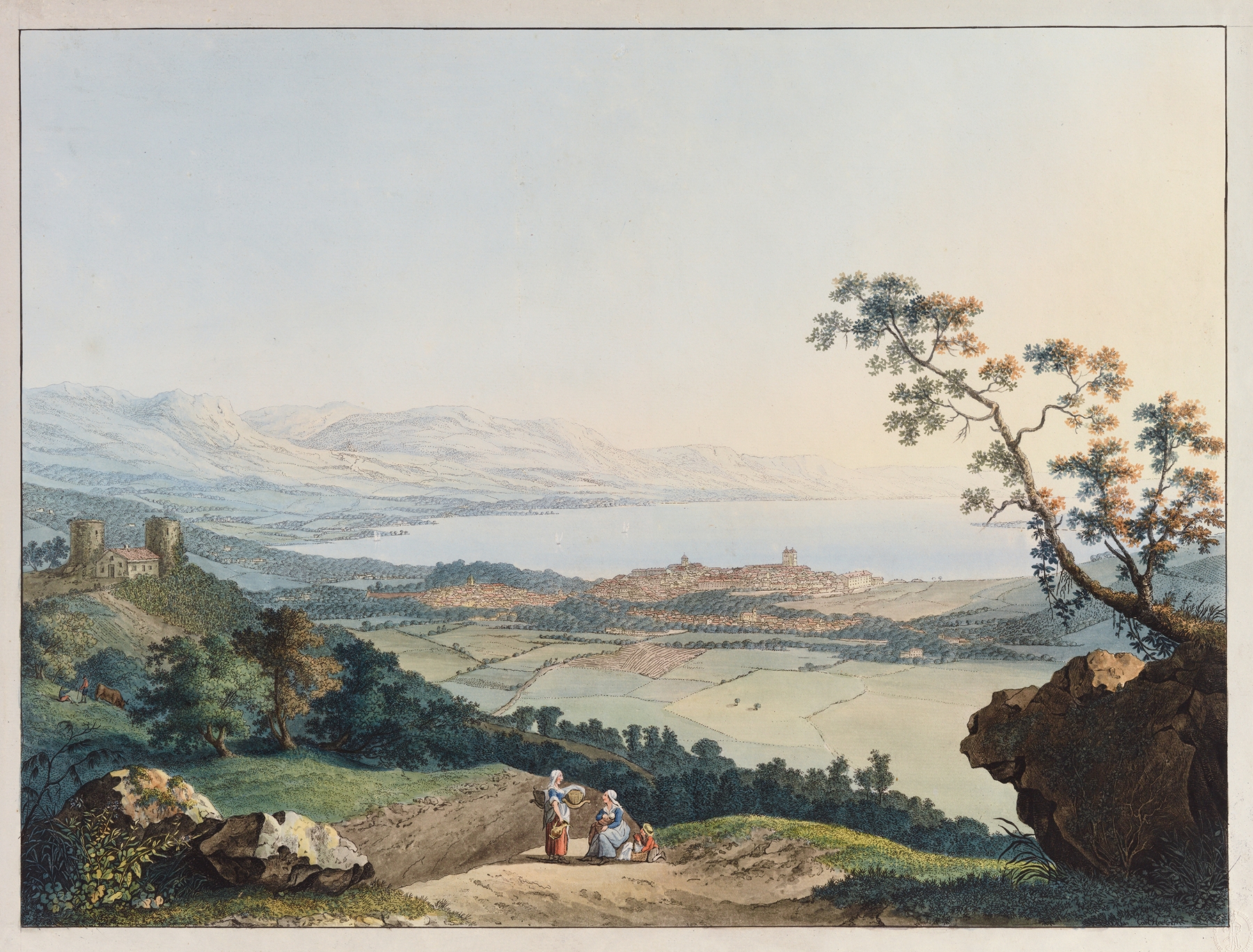
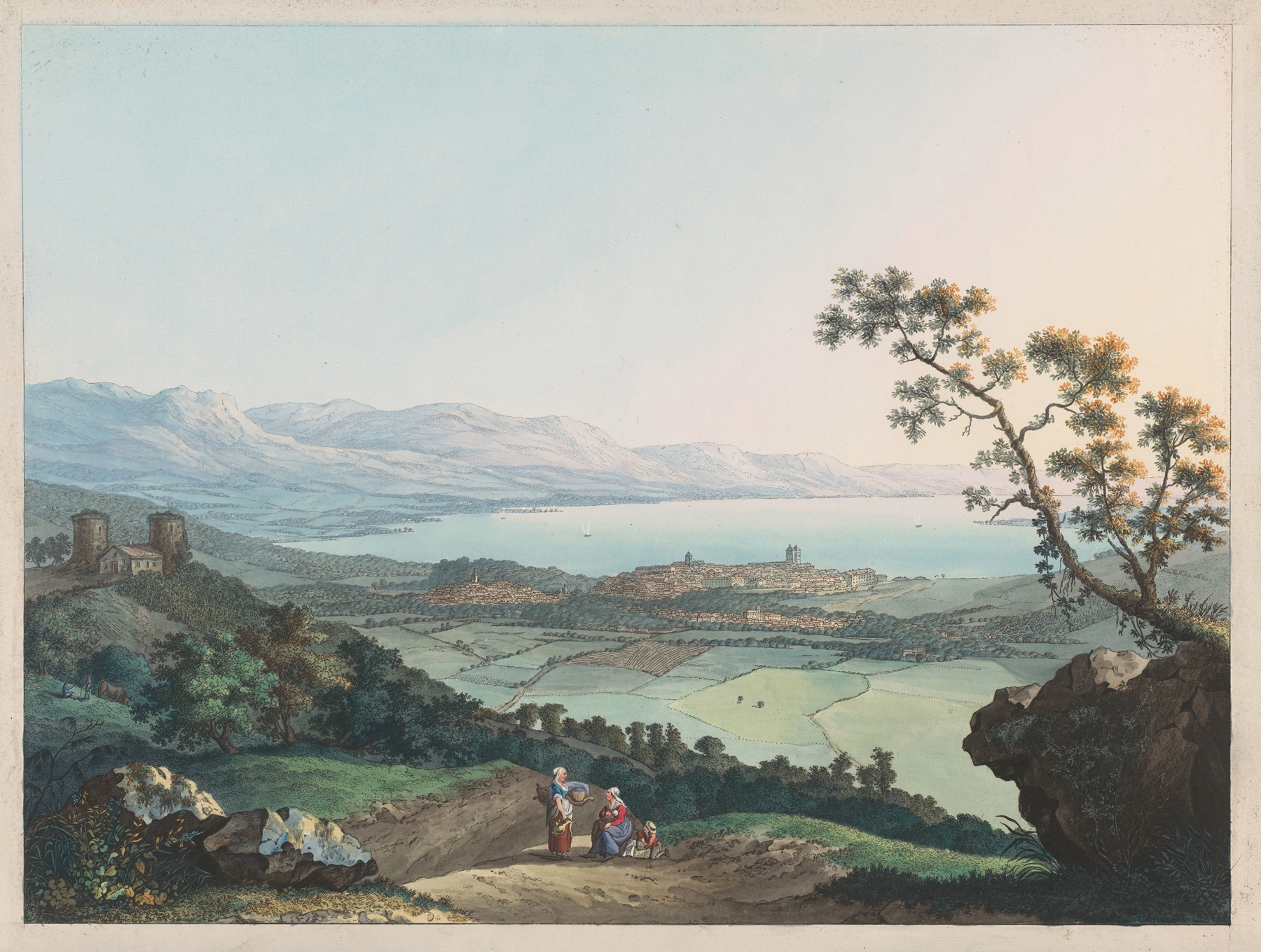
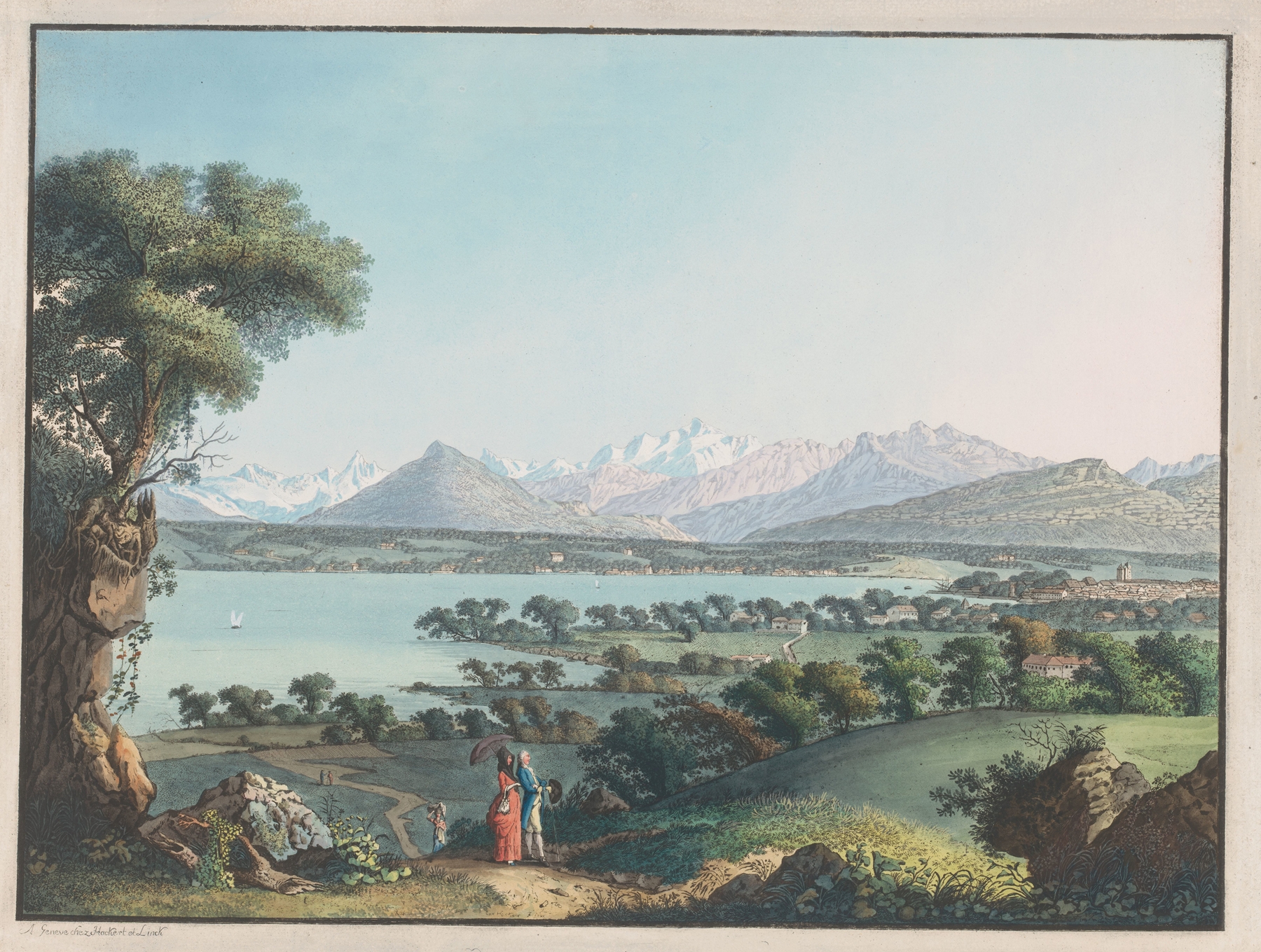
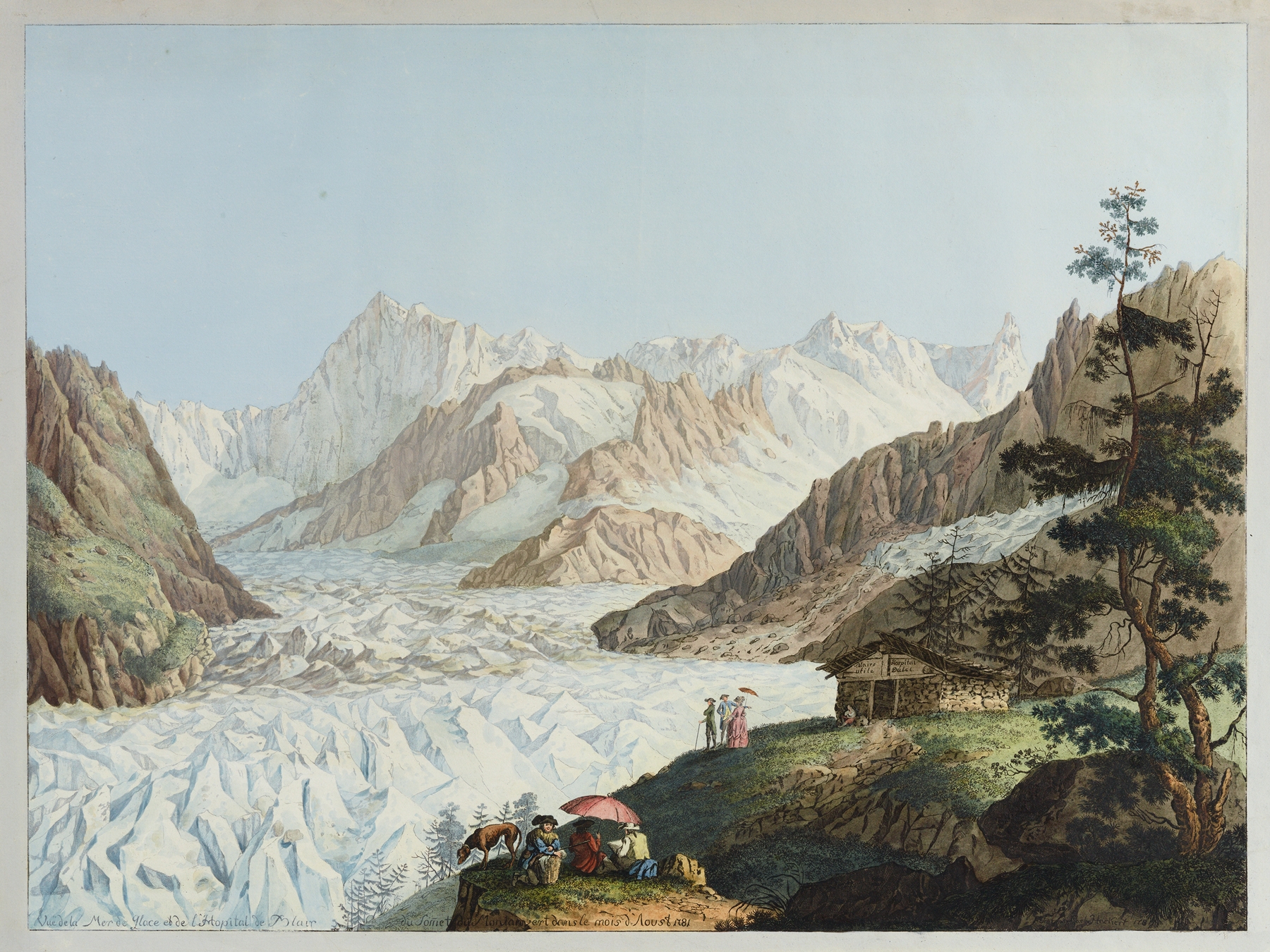
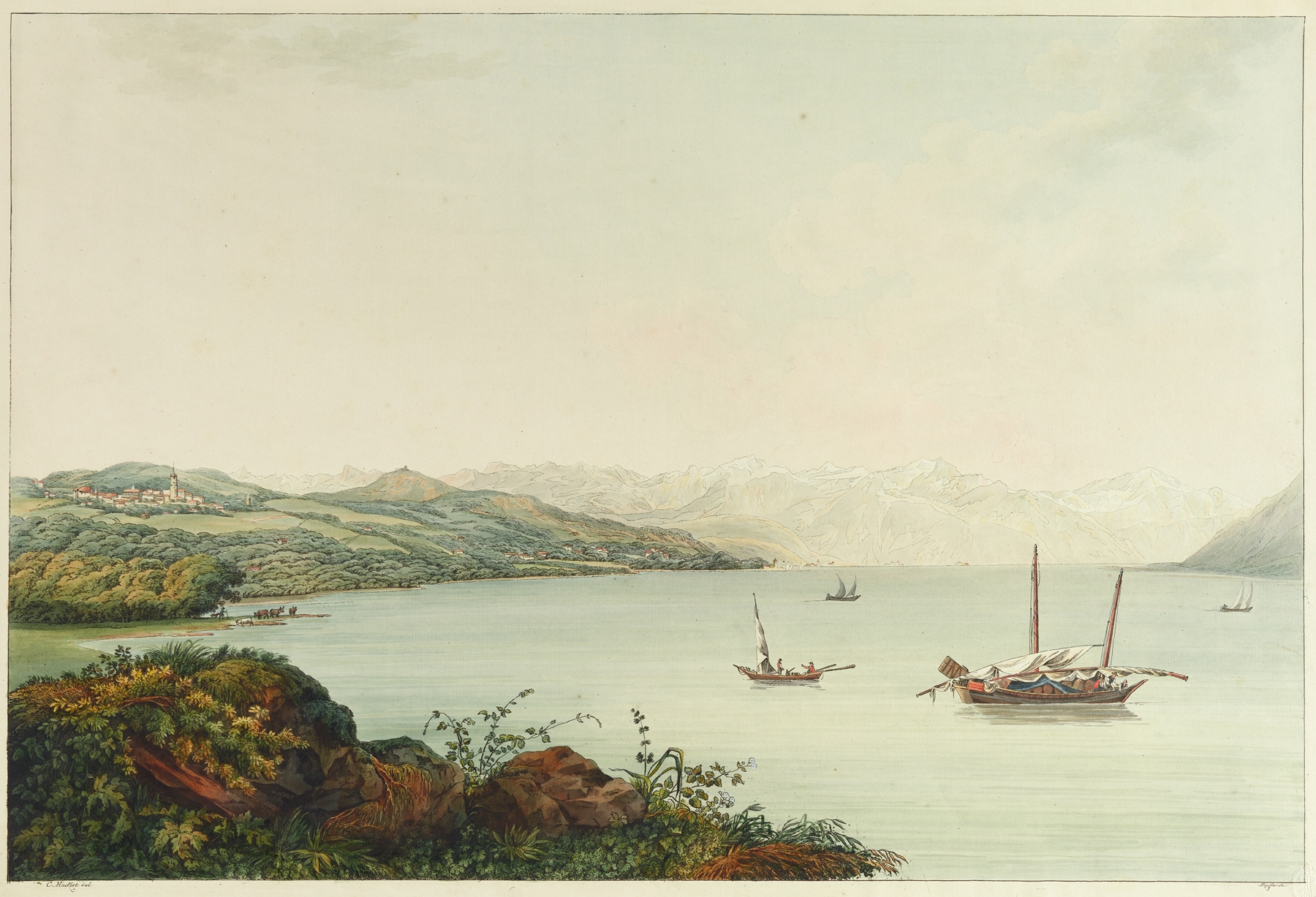
“Under the brush, chaos becomes grace.” Memory lingers in the valleys, where nature's wildness meets the tranquility of the human spirit. Each stroke of paint speaks of a moment when time stood still, forming a bridge between the artist and the viewer, echoing the past. Look to the upper left at the sweeping lines of the mountains, their peaks illuminated by a gentle sunlight. The cool blues and soft whites contrast with the verdant greens below, forming a harmonious balance that draws the eye across the canvas.
Notice how the light dances on the water, reflecting a shimmering path towards the distant horizon, where the sky meets the earth in a delicate embrace. The layered composition invites exploration of both foreground and background, marrying the ruggedness of nature with serene beauty. Amidst this picturesque vista lies a deeper commentary on memory and the passage of time. The serene atmosphere captures the essence of nostalgia, weaving a narrative of longing and contemplation.
The contrast between the solid, imposing mountains and the ephemeral nature of the clouds suggests an underlying tension between permanence and transience, awakening reflections on our fleeting experiences within the vastness of life. During the years between 1740 and 1796, Hackert created this piece amidst a flourishing interest in landscape painting in Europe, particularly as artists were increasingly drawn to the sublime beauty of nature. Living in Italy for much of his life, Hackert was influenced by the Romantic ideals emerging around him, capturing the majesty of untouched landscapes while establishing his own voice in the burgeoning art world.