The Aqueducts at Caserta — History & Analysis
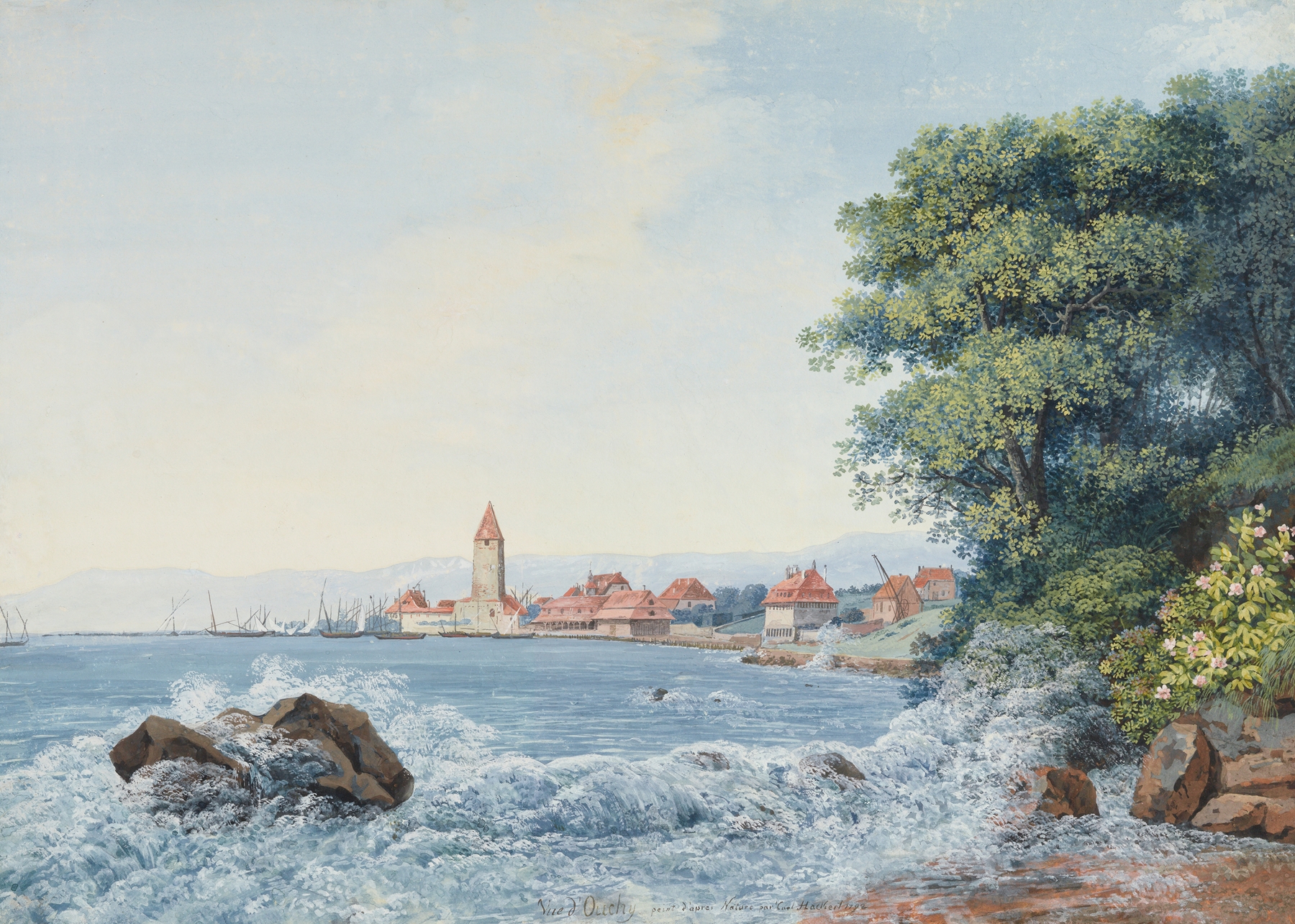
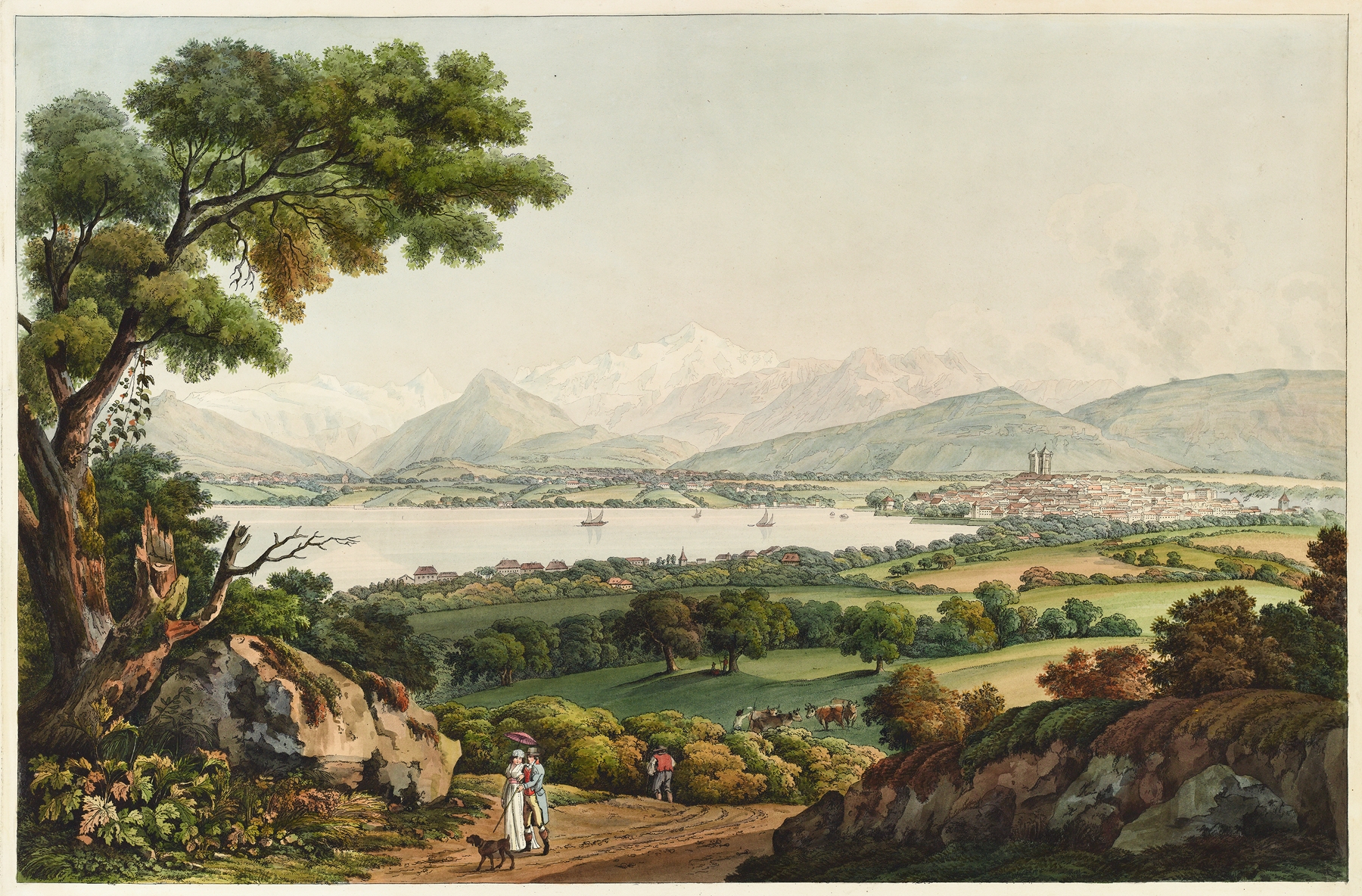
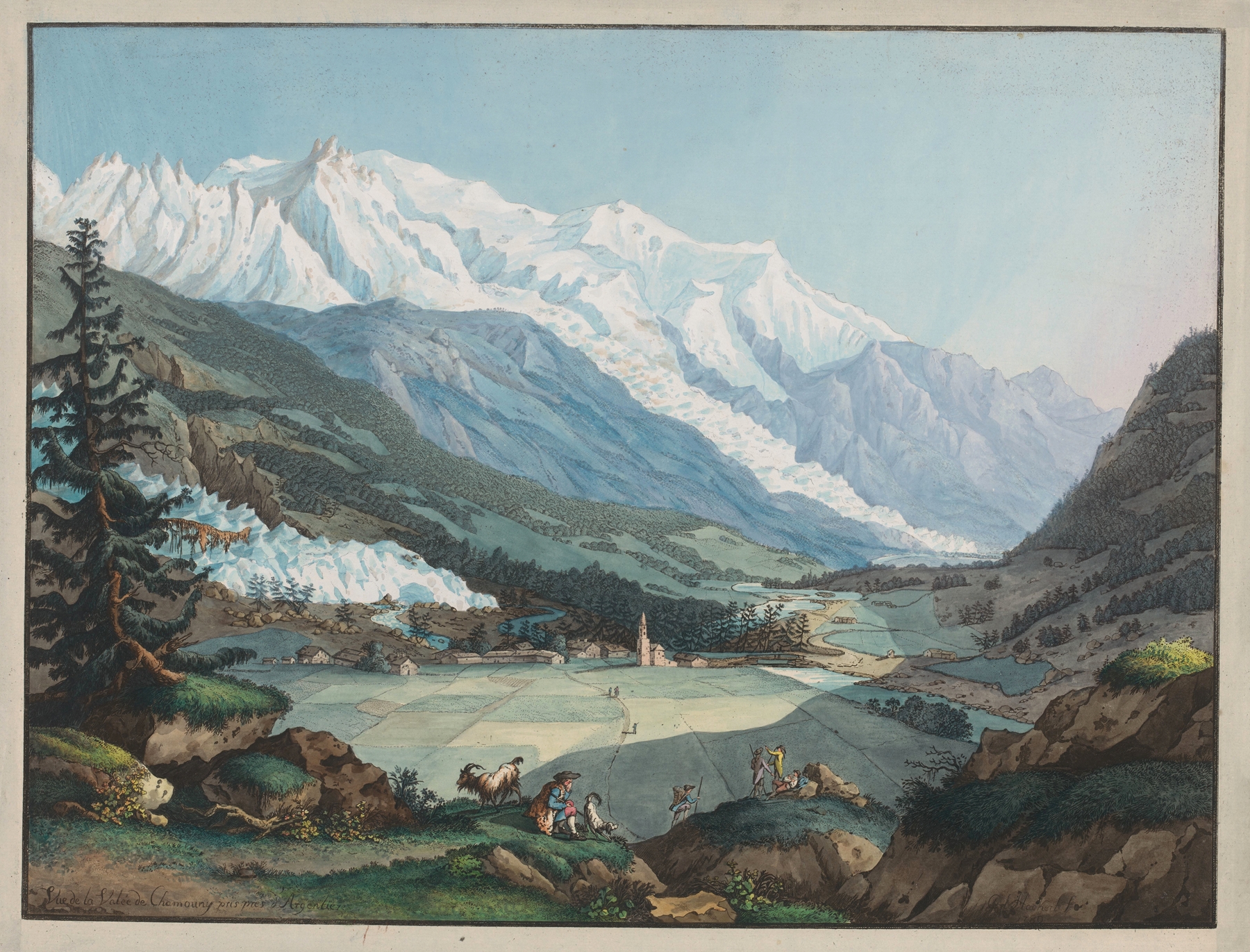
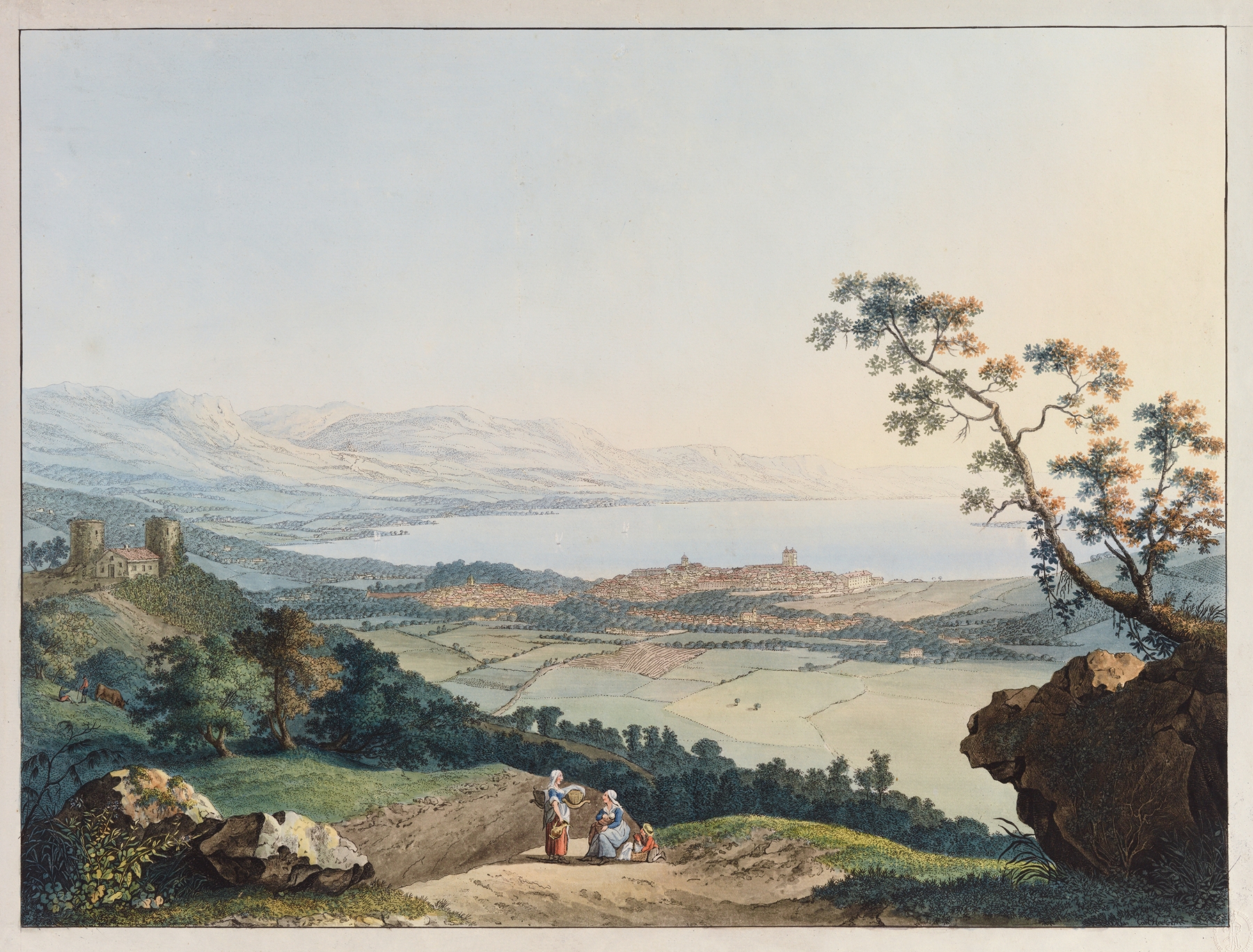
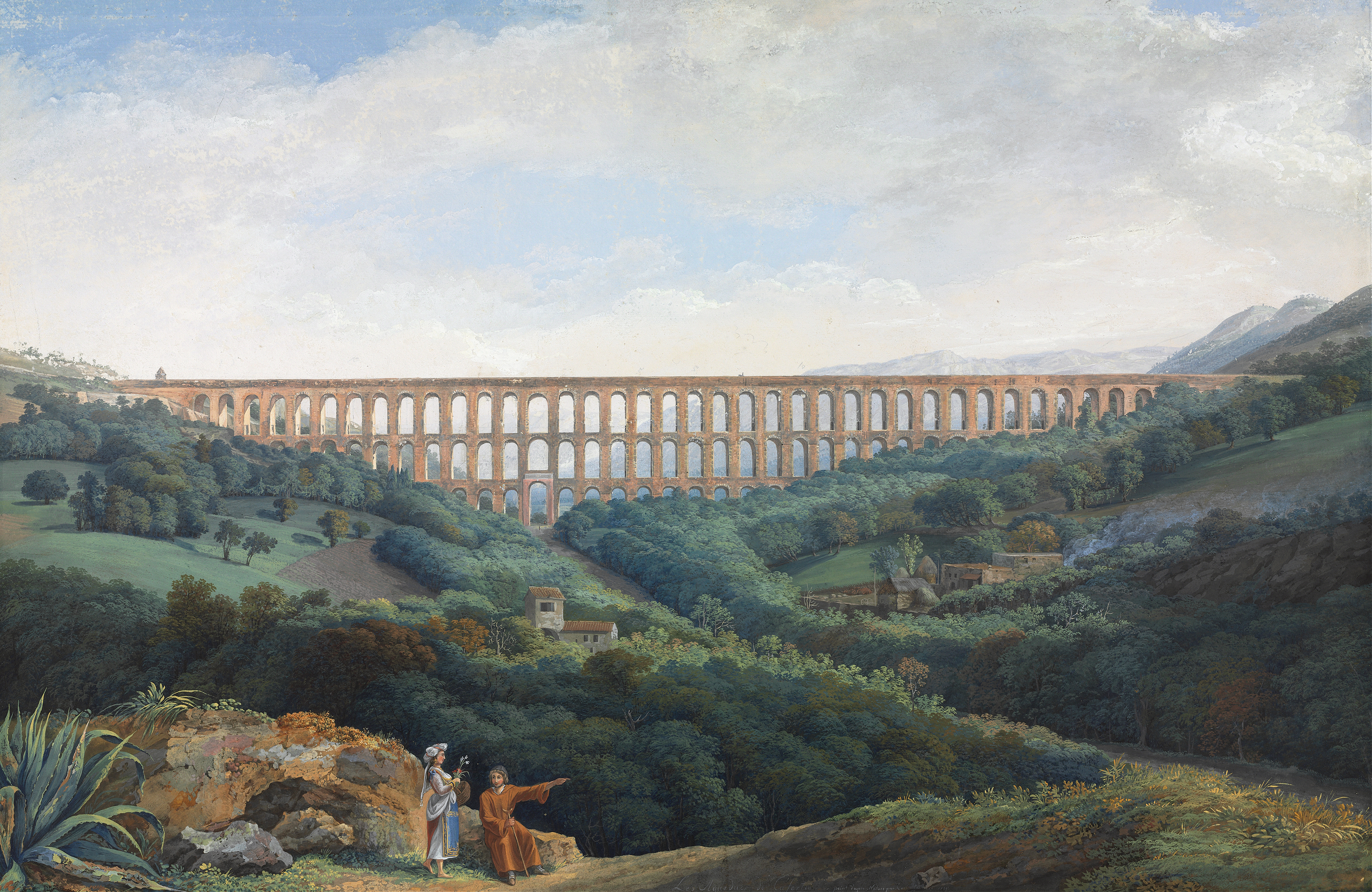
When did color learn to lie? The vibrant hues of blue and green seem to whisper secrets from the past, blending reality with the allure of nature’s canvas. Yet, beneath the enchanting surface, an intricate dialogue of truth unfolds, inviting deeper reflection on our perceptions. Focus on the grandeur of the aqueducts as they stretch majestically across the landscape, drawing your gaze to the elegant arches that create a rhythm against the azure sky.
Notice how the sunlight bathes the stone, casting intricate shadows that play along the structure's surface, enhancing the contrast between solidity and the surrounding scenery. The artist employs a delicate palette, where soft greens and earthy tones meld seamlessly, evoking a sense of harmony that invites the viewer to linger. As you explore the details, consider the tension between man-made perfection and nature’s wildness—notice the wildflowers that bloom defiantly at the aqueduct's base, suggesting resilience amidst human endeavor. The interplay of light and shadow not only highlights each arch but also evokes a sense of time’s passage, reminding us that nature will always reclaim its territory.
This duality embodies a profound commentary on civilization’s fleeting permanence against the backdrop of an ever-changing landscape. In 1789, while creating this piece, Hackert was in Italy, profoundly influenced by the Neoclassical movement and the burgeoning appreciation for the natural world. Amidst the backdrop of the Enlightenment, a period defined by reason and exploration, he captured a vision reflecting both the achievements of mankind and the enduring beauty of nature. This moment in European art signaled a transition towards a deeper understanding of place and identity within the landscape genre.