Vuë du Mont-Blanc et une partie de Genéve — History & Analysis
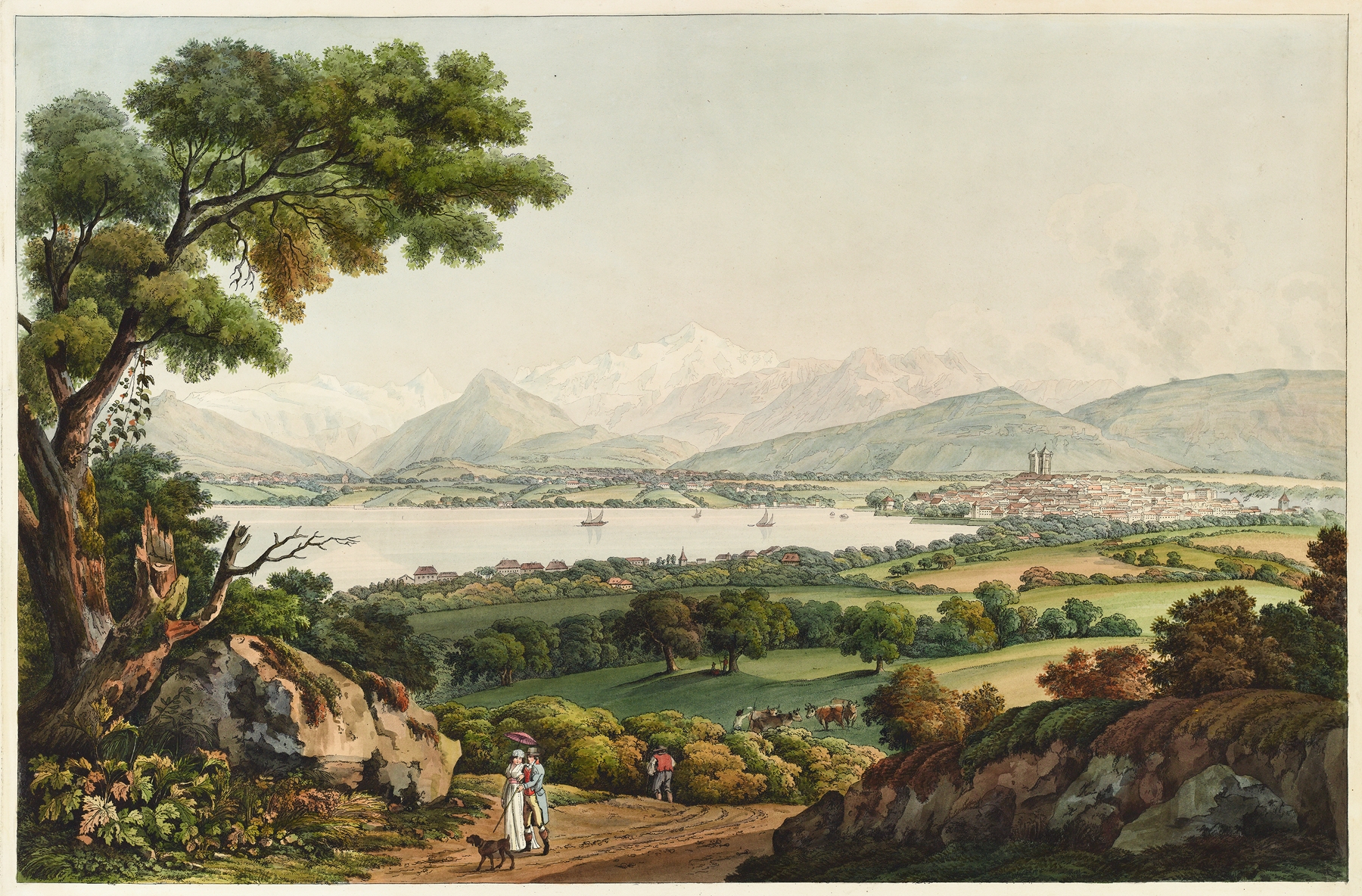
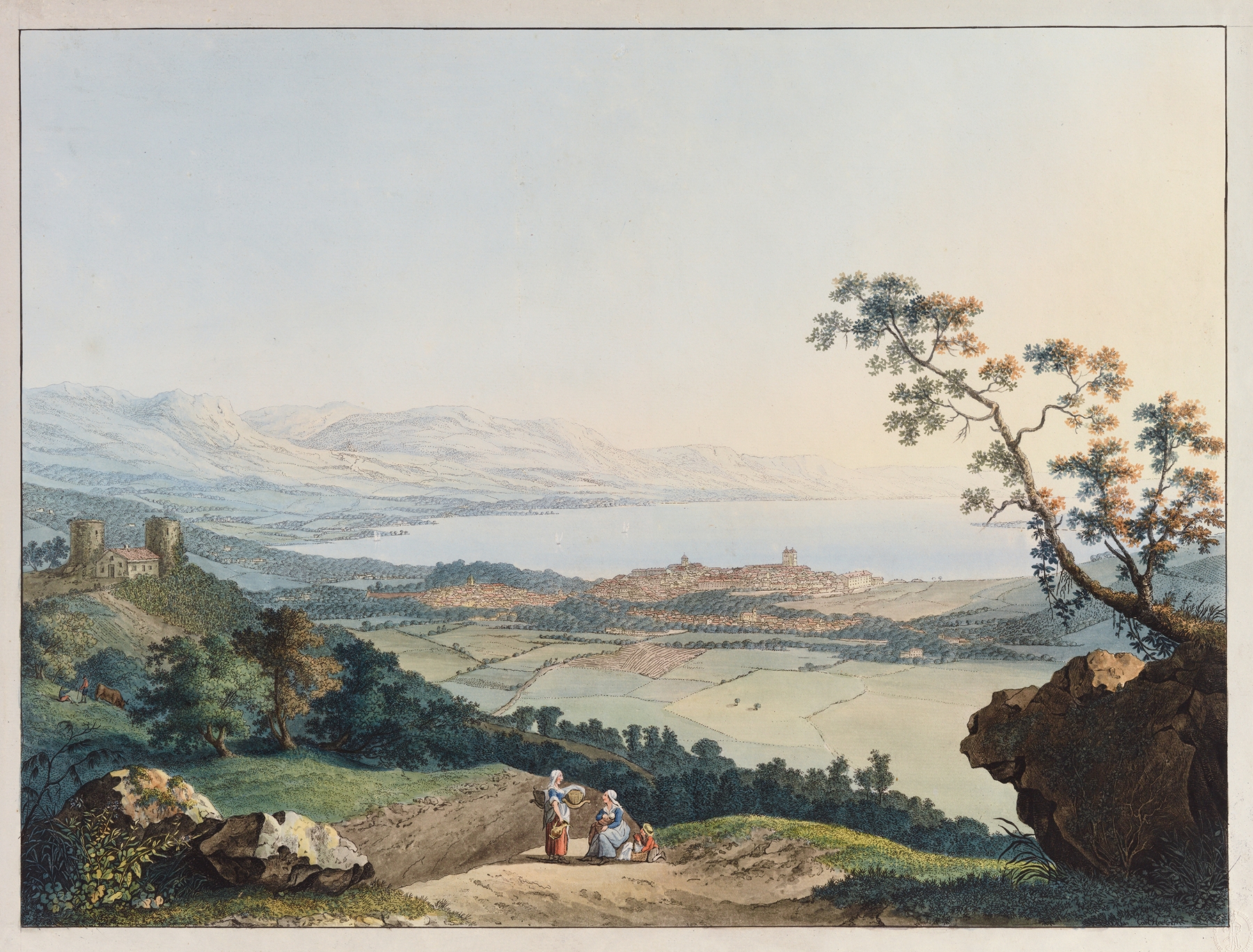
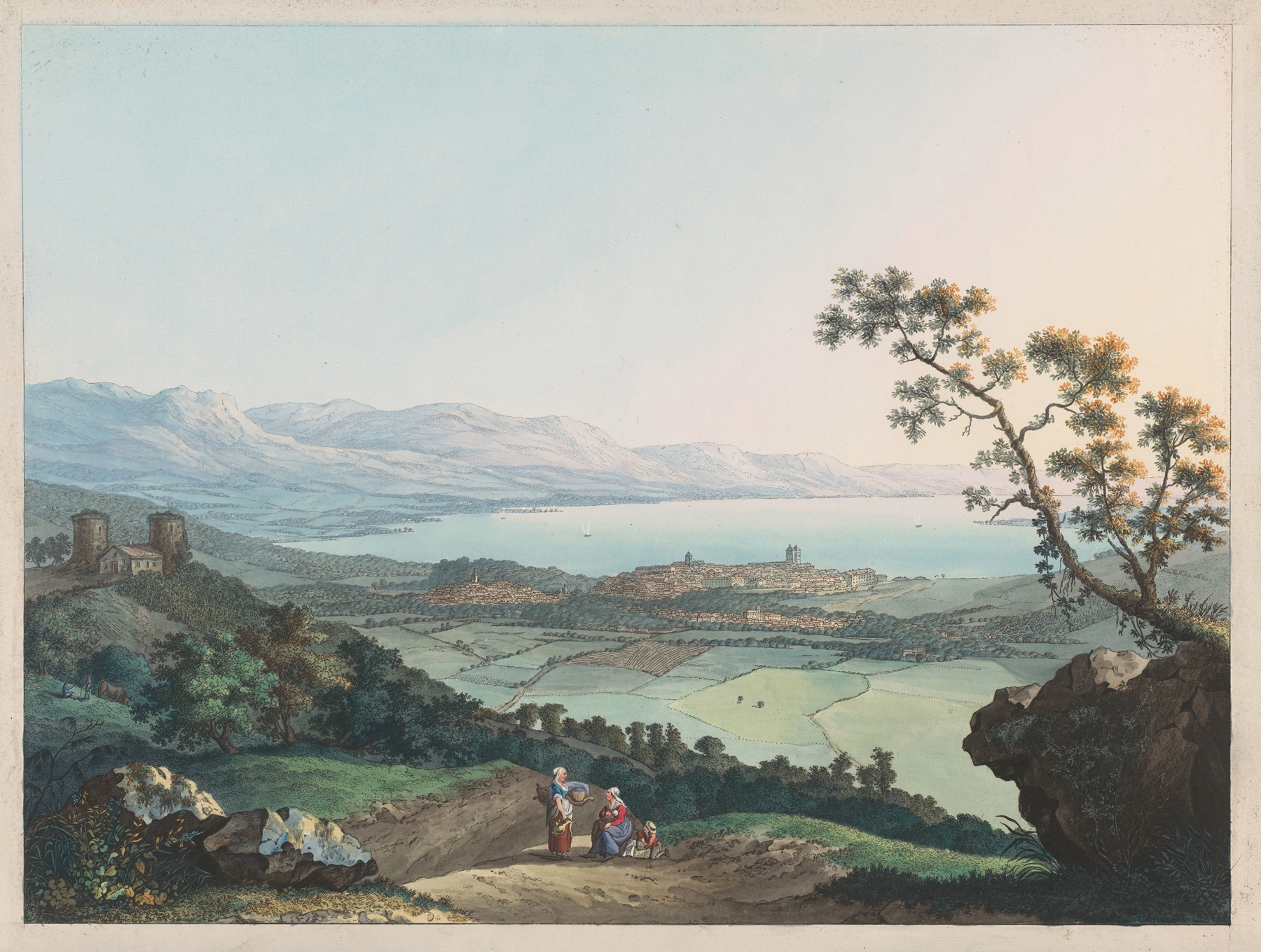
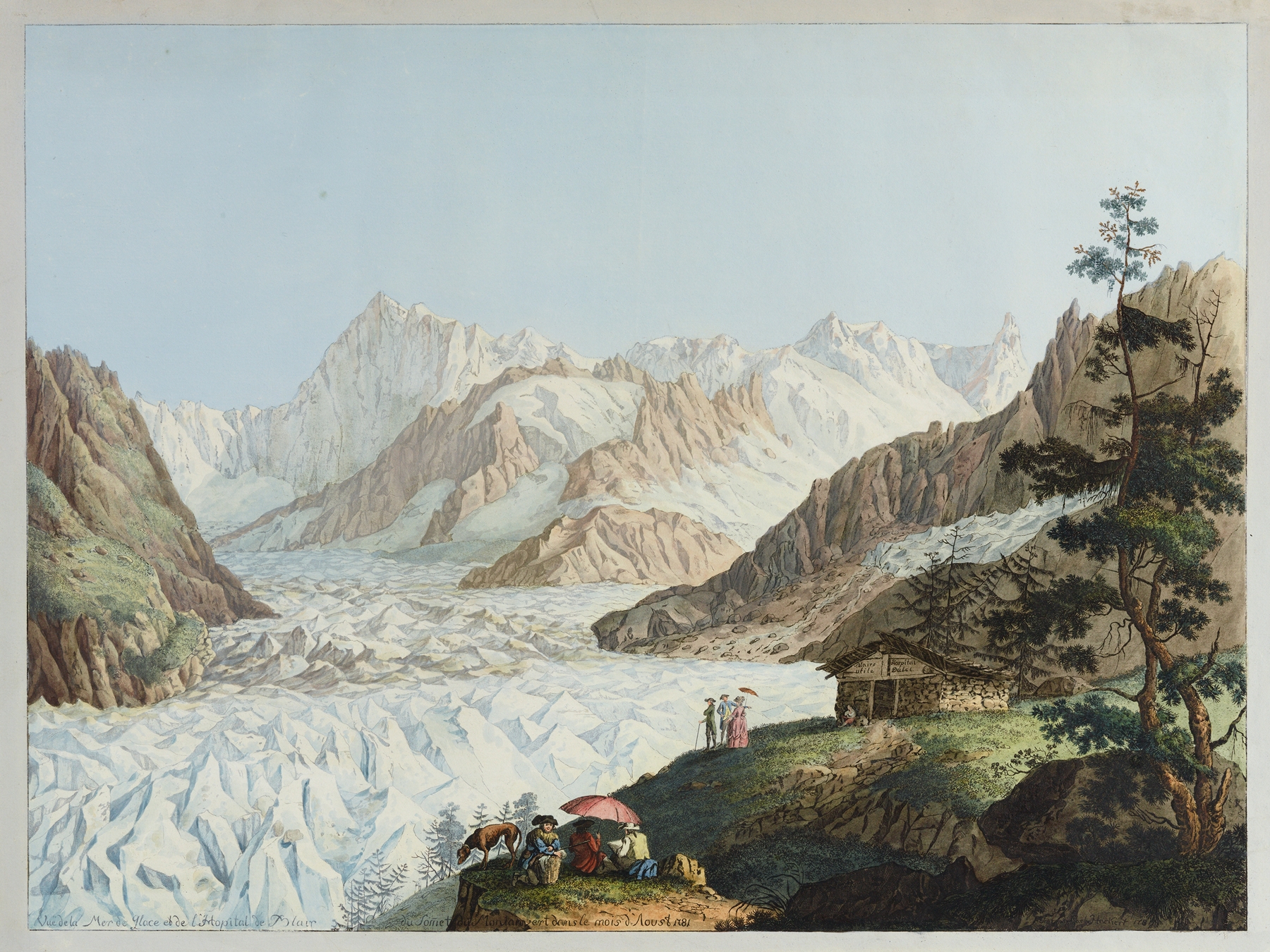
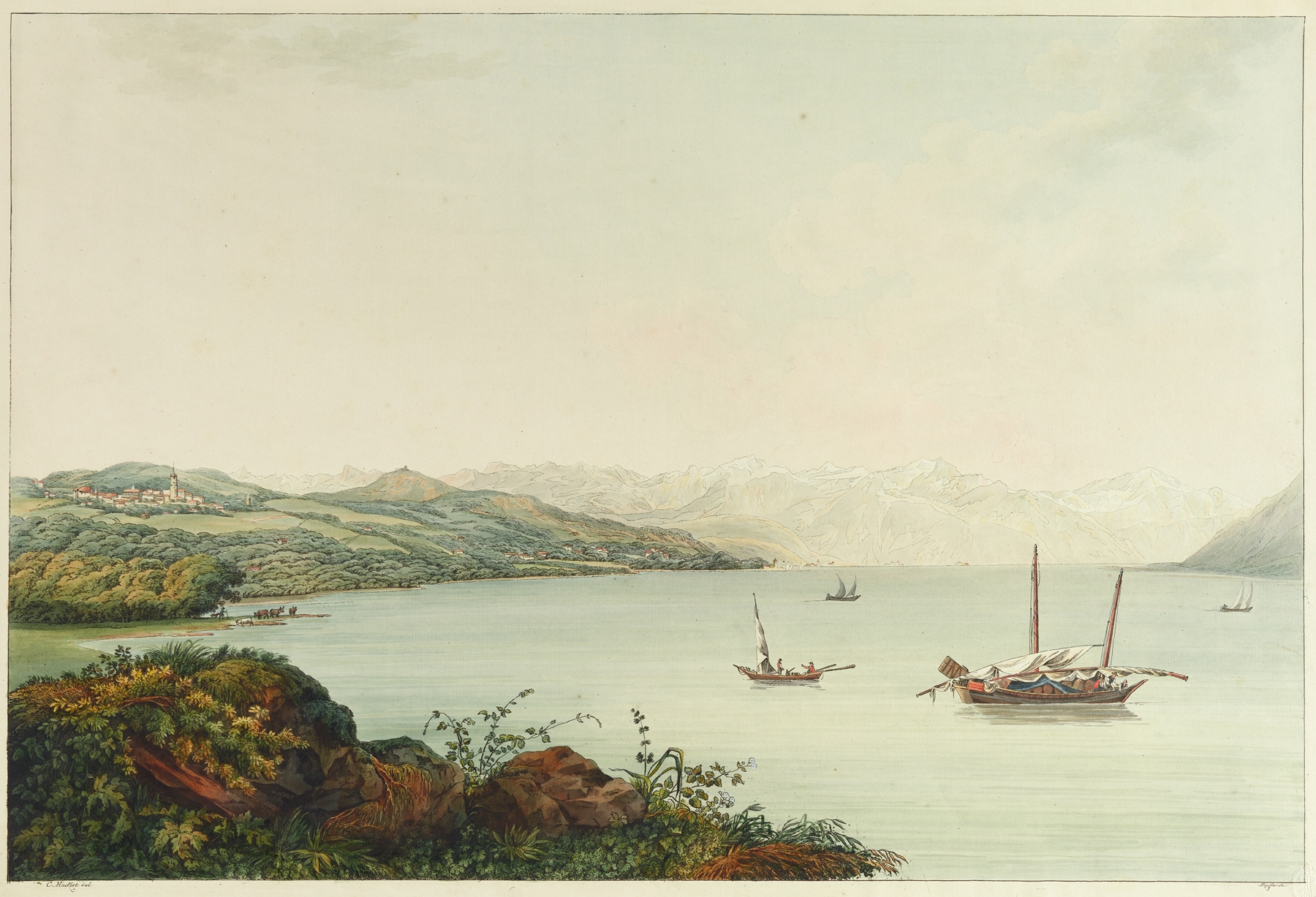
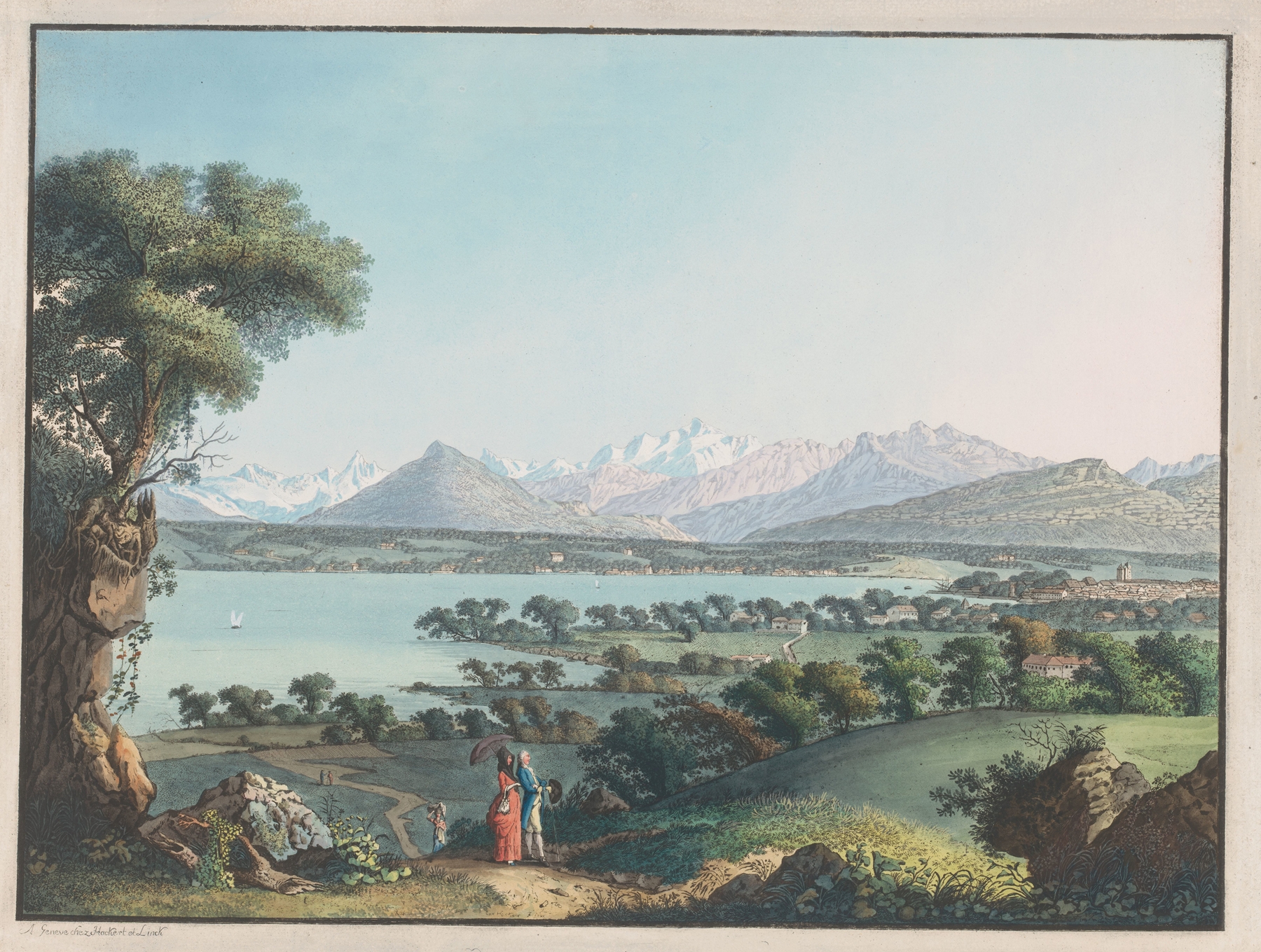
What if silence could speak through light? In Vuë du Mont-Blanc et une partie de Genève, the majestic peaks and serene landscape invite contemplation, urging the viewer to listen to the whispers of nature and faith that resonate within the scene. Look to the foreground, where a tranquil lake mirrors the towering Mont-Blanc, reflecting both its grandeur and the delicate hues of the sky. Notice how the soft blues and greens create a harmonious balance, drawing your gaze toward the distant mountains.
The brushstrokes blend seamlessly, echoing the calmness of the water, while dappled sunlight breaks through the clouds, illuminating the peaks with an ethereal glow. This interplay of light and shadow captures the essence of the sublime, inviting a sense of peace and introspection. As your eyes traverse the canvas, contemplate the contrasts presented: the serenity of the lake against the imposing majesty of the mountains, and the stillness of the scene juxtaposed with the vibrant life that surrounds it. Hackert subtly communicates the idea of faith in nature, suggesting that the divine can be found in the beauty of the world—where silence reigns yet speaks volumes.
Each brushstroke serves as a reminder of humanity’s connection to the sublime, urging us to find solace and inspiration in the quiet moments. Created between 1740 and 1796, during a period when the Romantic movement began to emerge, Hackert painted this work in Italy, where he engaged deeply with the landscapes that would define his career. Emerging from a time of shifting artistic ideologies, he sought to distill the magnificence of nature into his paintings, reflecting both his personal quest for meaning and the broader cultural appreciation for the natural world.