A Bridge, High Egypt — History & Analysis
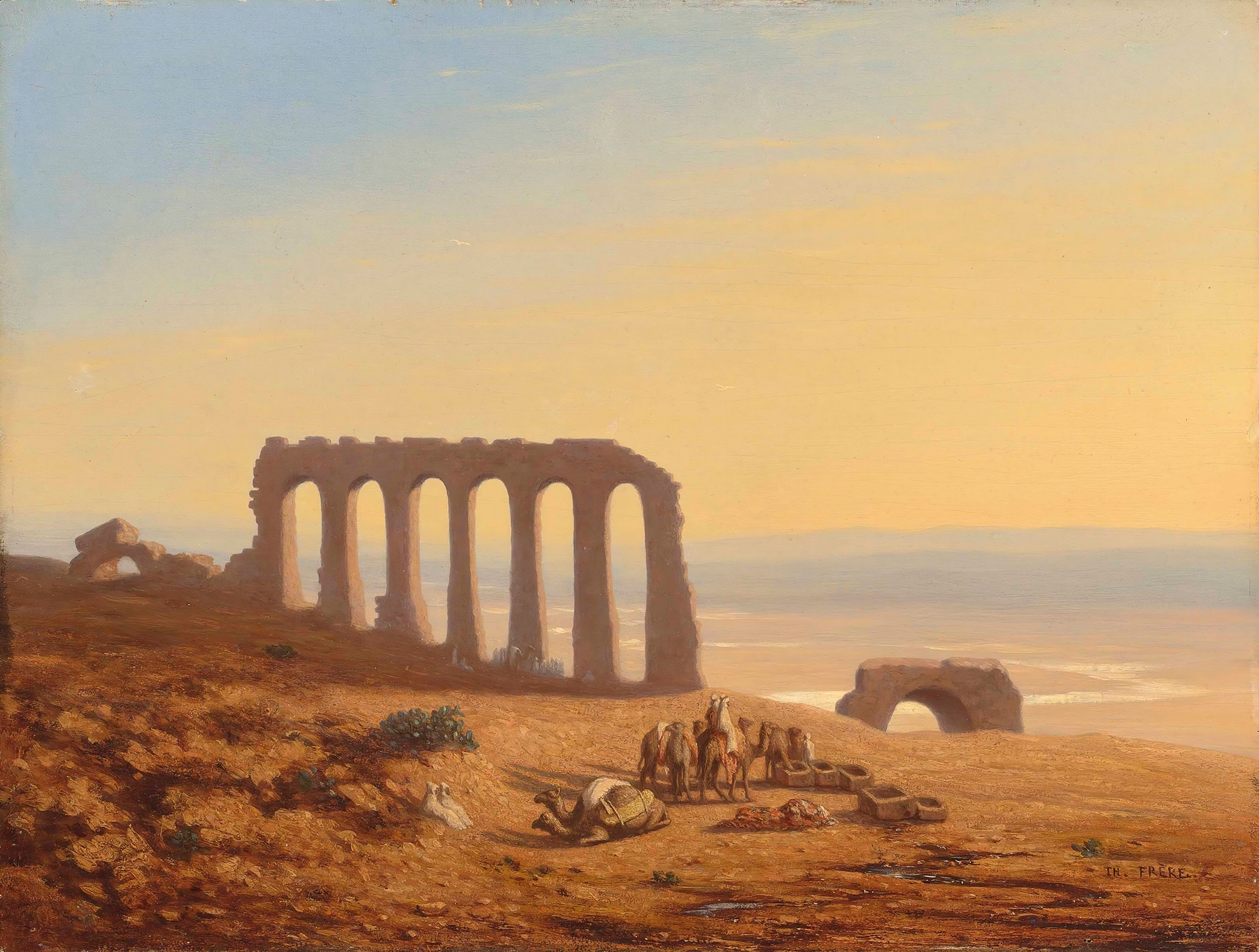
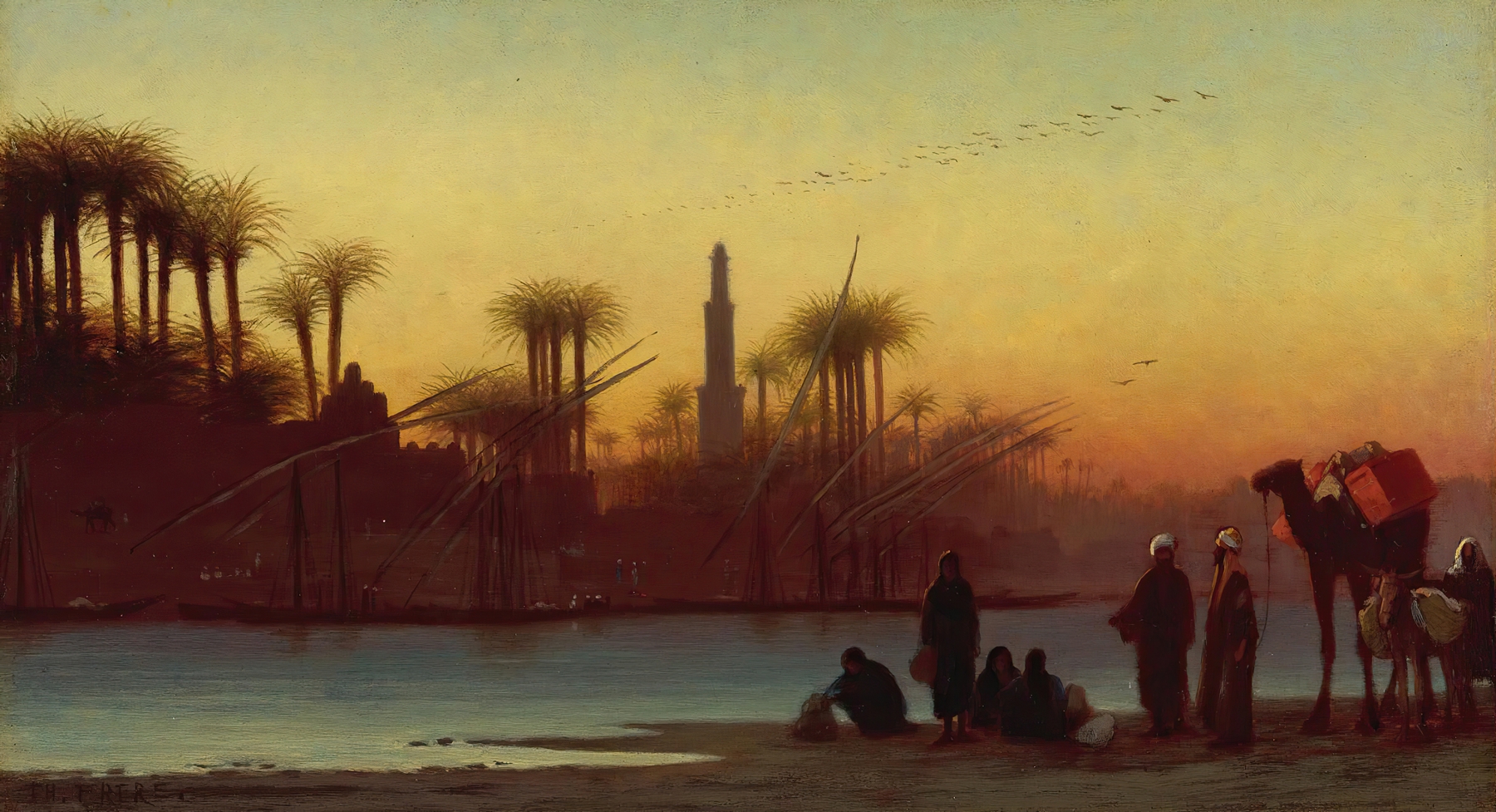
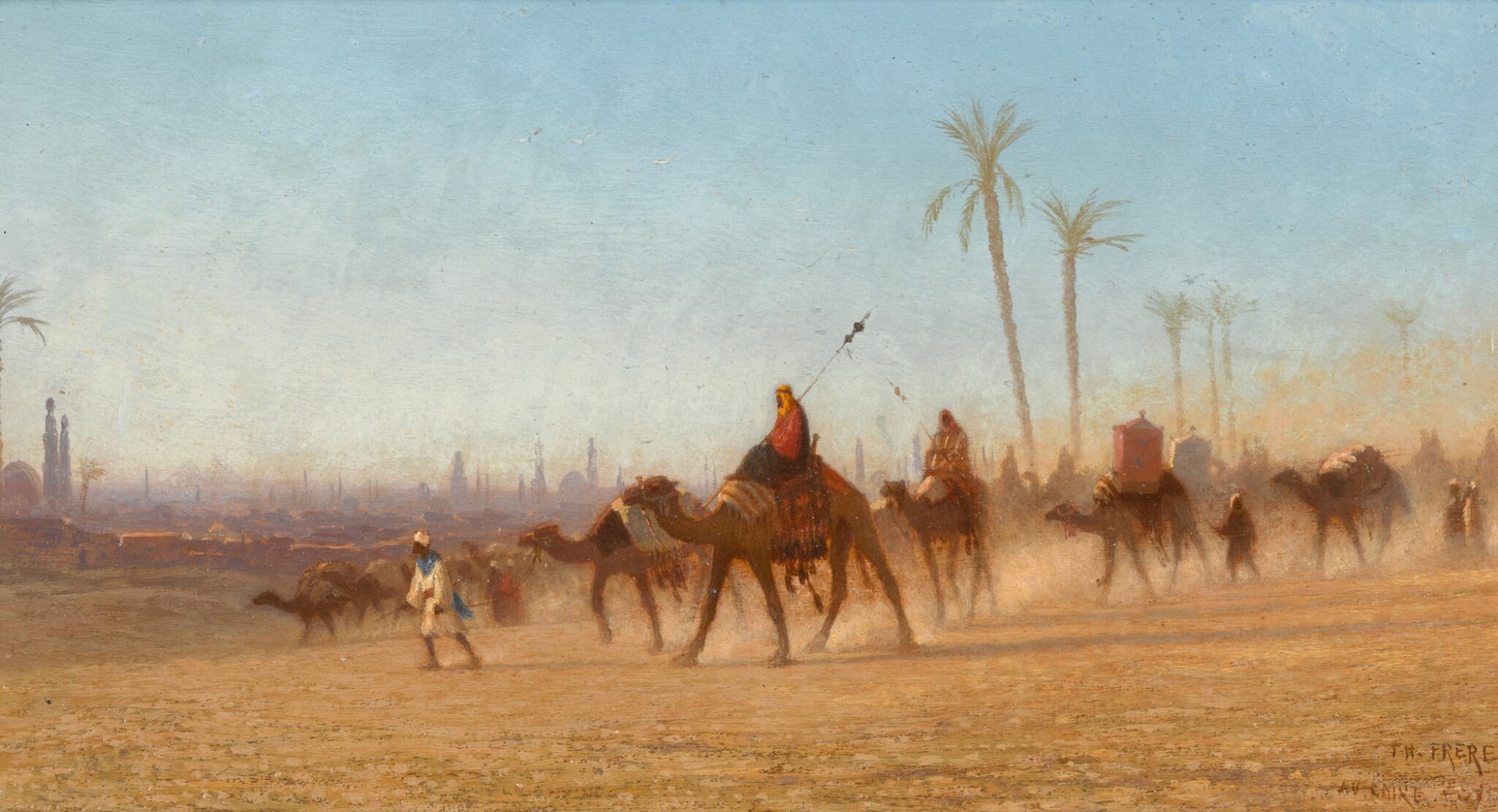
Can paint confess what words never could? In A Bridge, High Egypt, colors dance with the weight of mortality, inviting a reflection on the ephemeral nature of life. Look to the left at the intricate arch of the bridge, its stonework bathed in warm, golden hues that evoke a sense of timelessness. The subtle play of light filtering through the evening sky casts shadows that stretch like memories into the depths of the scene.
Notice how the figures, small yet purposeful, traverse the bridge, their silhouettes merging with the landscape, hinting at the transient connections we forge in our lives. As you gaze deeper, pay attention to the contrast between the solidity of the bridge and the fluidity of the water below, symbolizing the tension between permanence and transience. The horizon blurs where earth meets sky, suggesting an infinite journey. Each brushstroke tells a story of resilience, while the serene atmosphere belies an underlying urgency, a reminder of the inevitable passage of time that binds all beings.
Charles Théodore Frère painted this work around the mid-19th century, a period when he was deeply engaged in capturing the beauty of North Africa. Living in France during a time of artistic exploration and colonial expansion, he sought to portray the vibrant life and culture of the regions he visited. This painting encapsulates not only the physical landscape of Egypt but also the existential questions that arise from it, revealing the artist’s fascination with both place and the human experience within its confines.