Vue de L’Ile de Philae, Nubie — History & Analysis
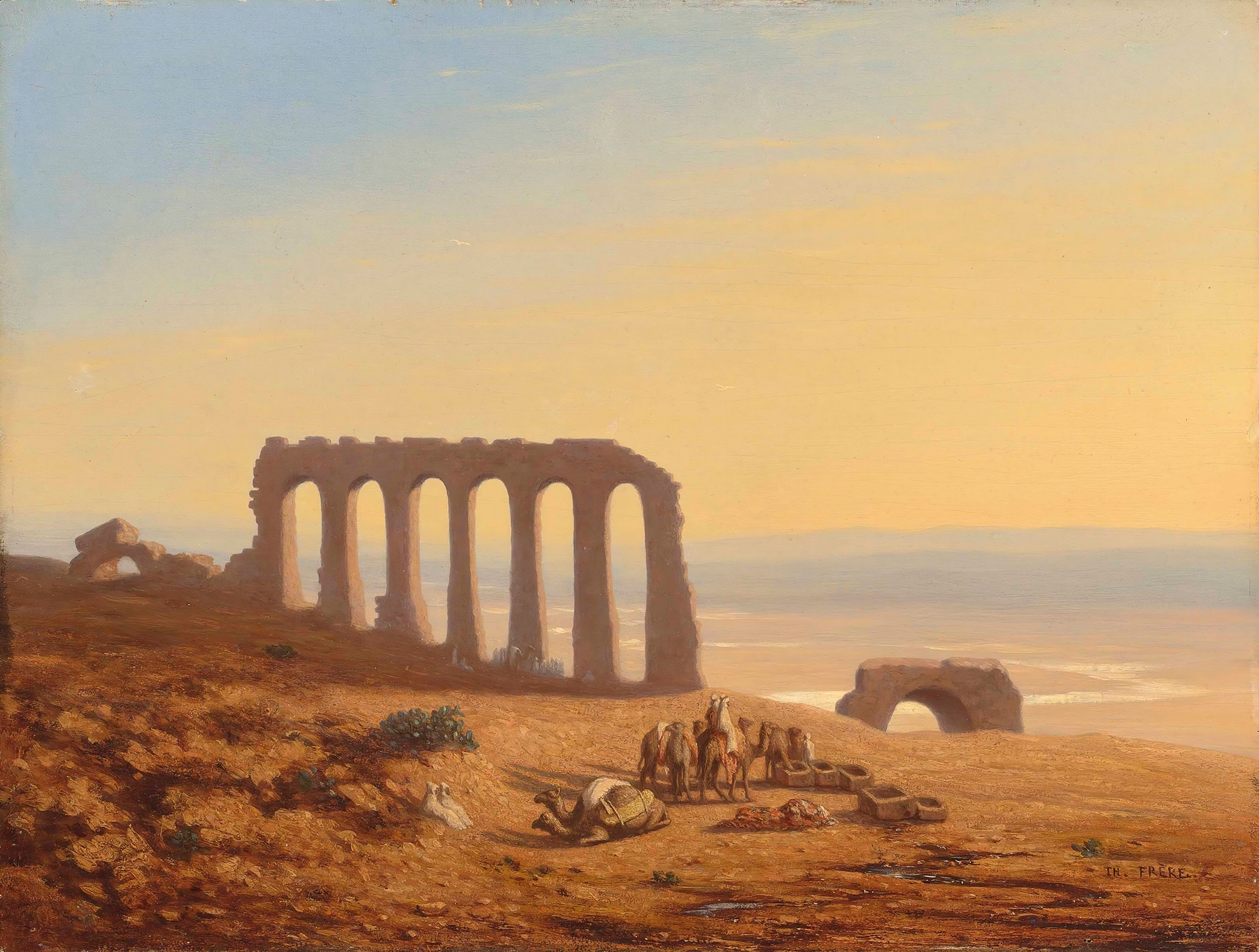
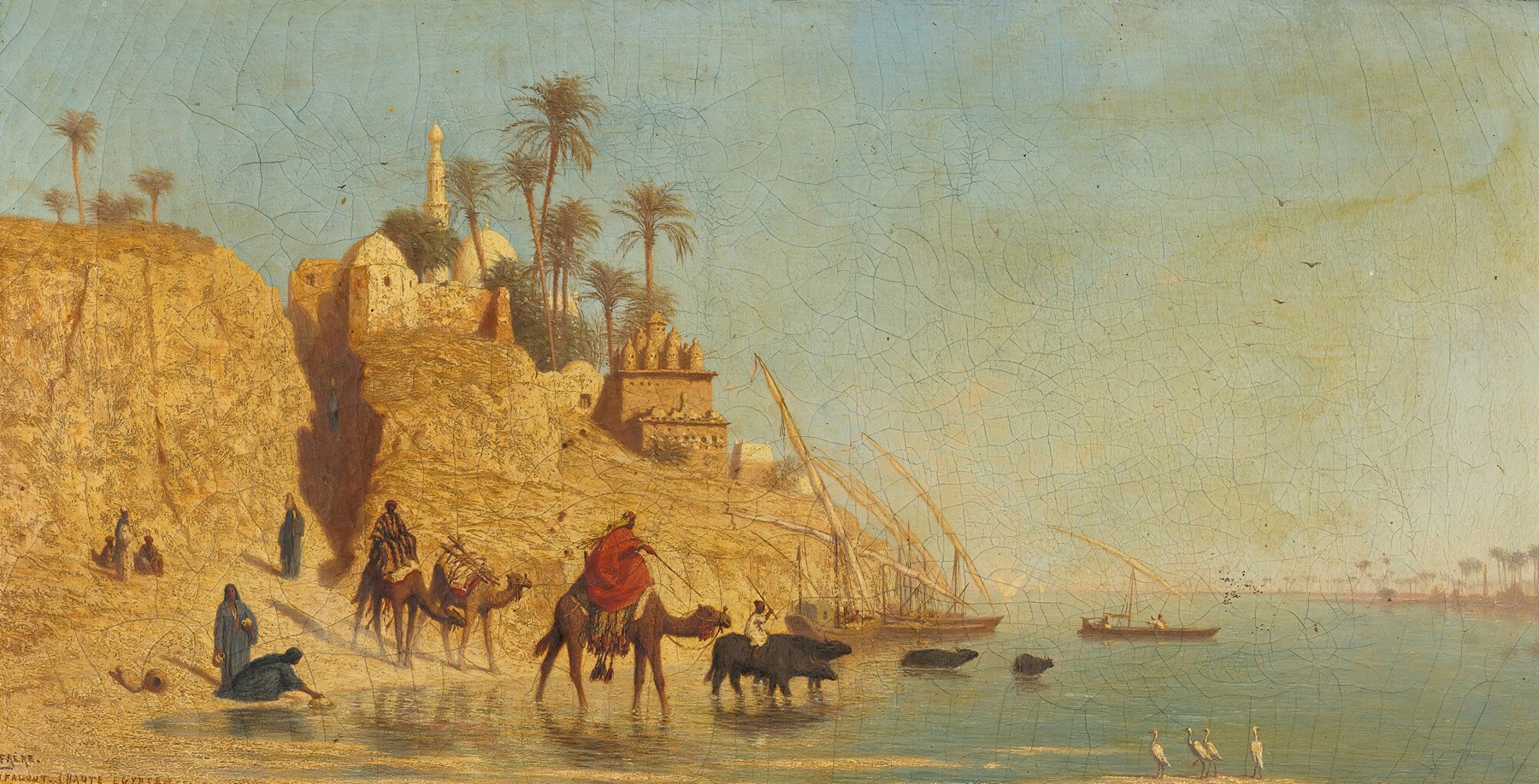
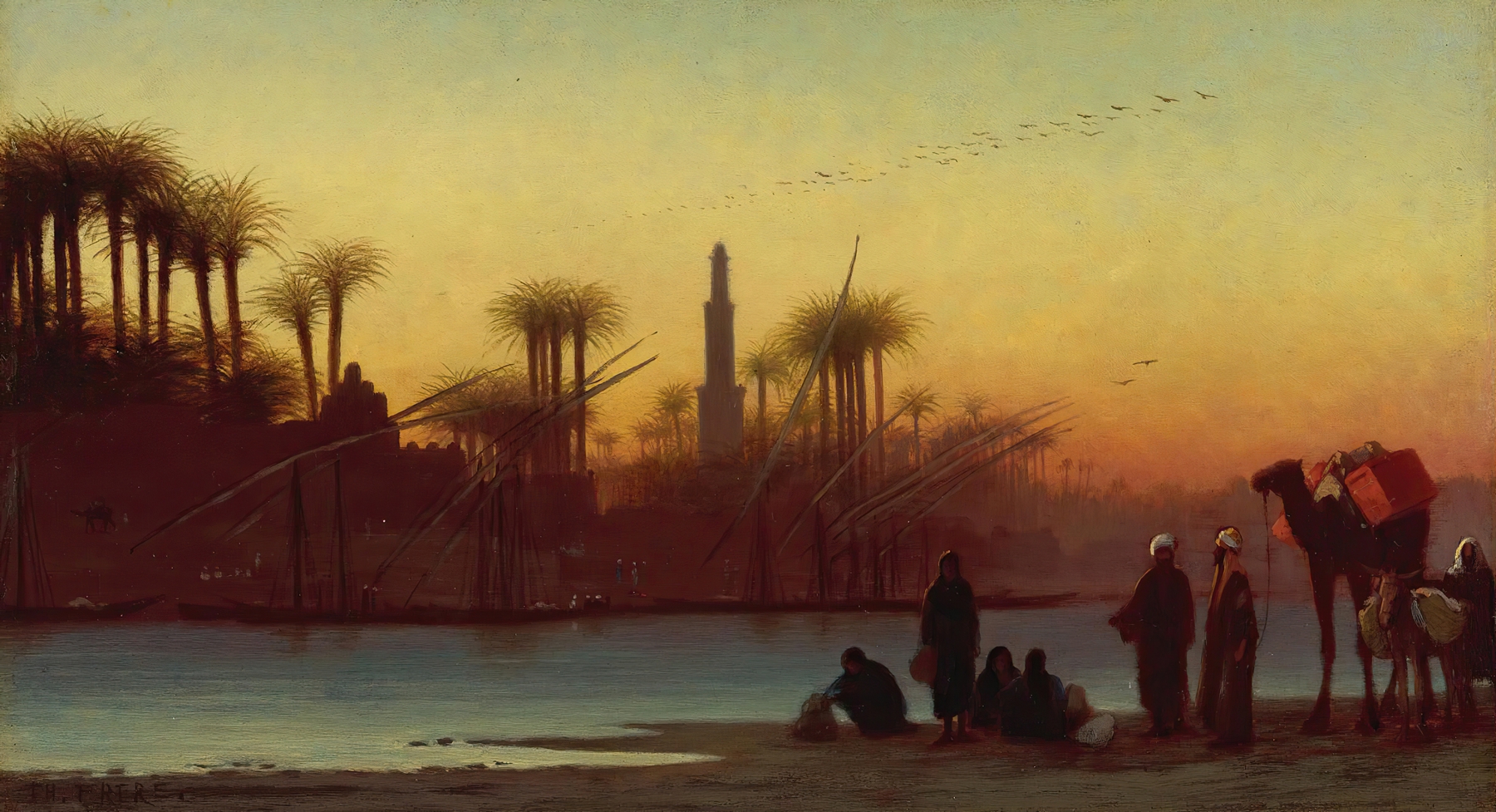
Could a single brushstroke hold eternity? In Vue de L’Ile de Philae, Nubie, the essence of solitude resonates through the serene, yet distant landscape, inviting contemplation and reflection. Look to the horizon, where ancient temples rise against a soft, golden glow. The delicate strokes blend ochre and azure, creating a harmonious balance between land and sky.
The foreground reveals a rocky terrain, meticulously detailed, leading the eye towards the ethereal glow of the sun setting on the Nile. Shadows dance upon the earth, enhancing the sense of time suspended, while the stillness of the water mirrors the quiet of the scene, suggesting both peace and isolation. Deeper meanings emerge in the juxtaposition of the temple ruins and the natural world that surrounds them. There is a palpable tension between human achievement and the relentless passage of time; the structures stand as silent witnesses to history, yet they evoke a profound loneliness, as if they long for the vibrancy that once animated them.
The serene waters, reflecting the fading light, whisper of memories lost and the impermanence of existence, drawing the viewer into an intimate dialogue with the past. Charles Théodore Frère painted this work during a period marked by fascination with Egypt, influenced by the burgeoning interest in Orientalism in the mid-19th century. While the exact date remains uncertain, it reflects his travels and studies in North Africa, a time when the art world was captivated by the allure of exotic landscapes and ancient civilizations. Frère’s brushstrokes not only capture a moment in time—a fleeting glimpse of Nubian beauty—but also serve as a testament to the solitude inherent in both nature and history.