La Mosquée Du Sultan Hassan, Caire — History & Analysis
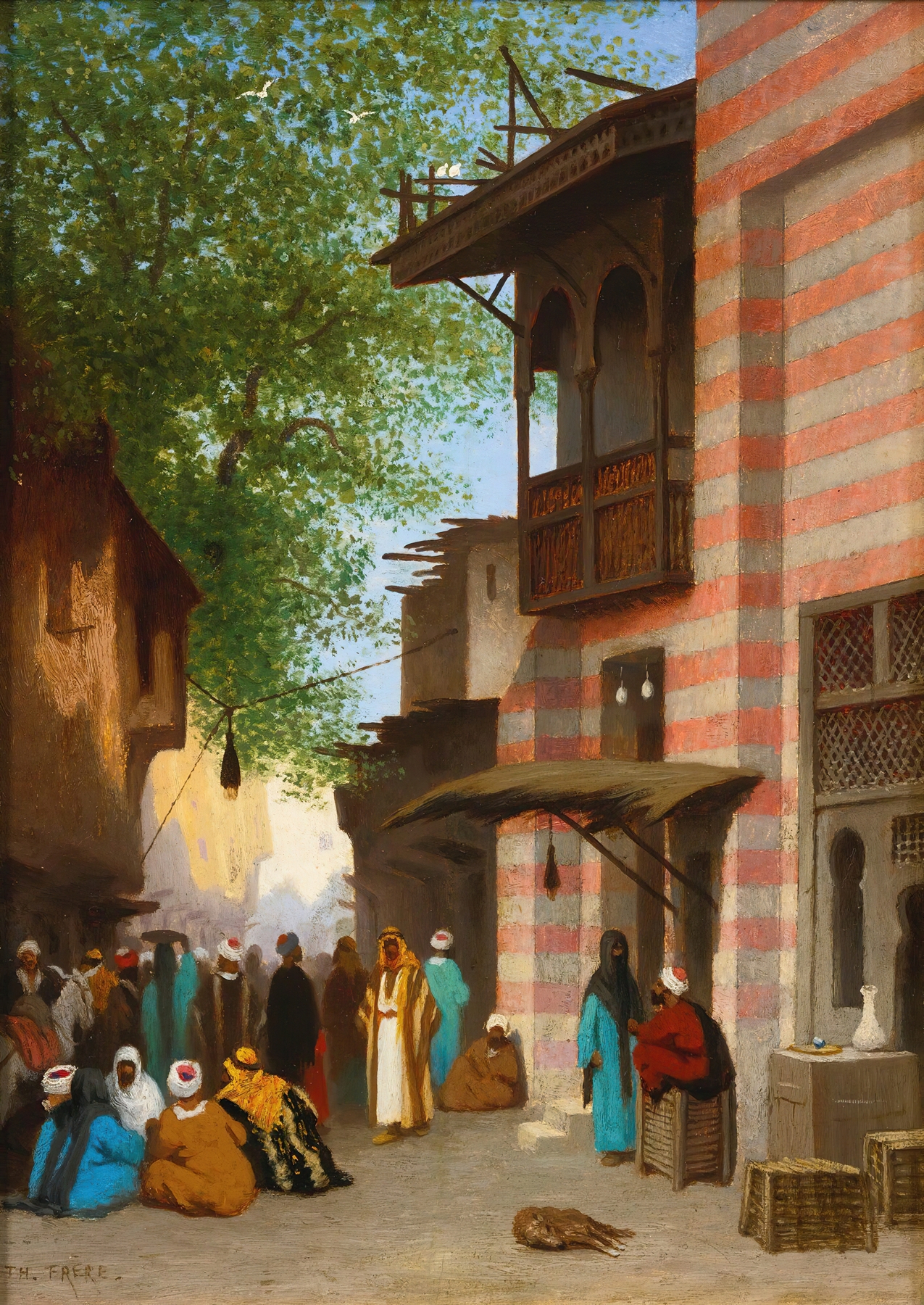
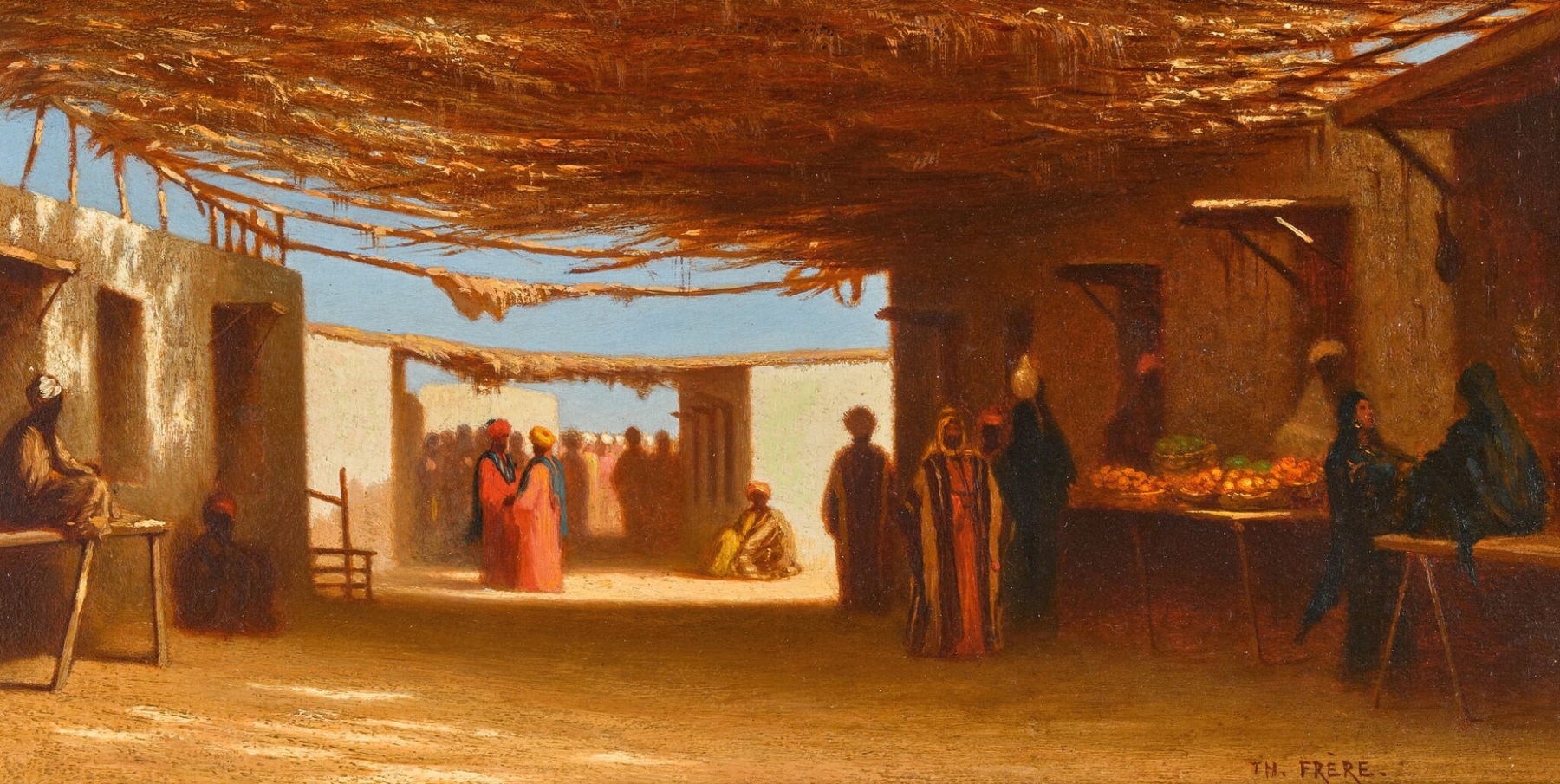
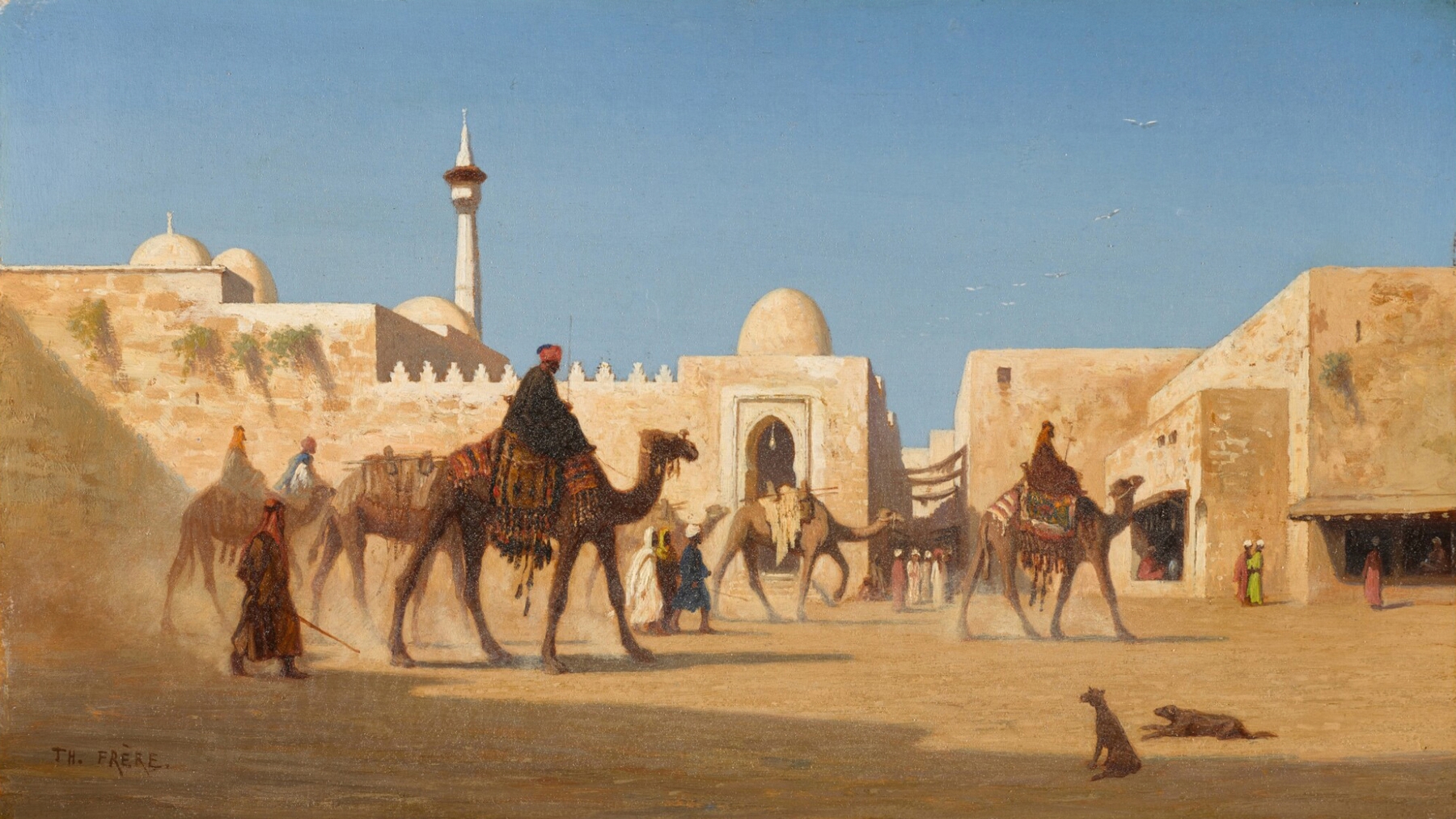
What if beauty was never meant to be finished? In the intricate dance of architecture and time, the heart of a city reveals its secrets in shadows and light. Look to the left at the crumbling stone façade, each weathered detail telling tales of devotion and decay. The warm tones of ochre and sienna blend, inviting the viewer to trace the delicate arabesques that weave across the surface, hinting at the grandeur once celebrated.
A soft halo of sunlight spills through the arches, illuminating the sacred spaces that echo with whispers of centuries past, while the deep shadows in recesses suggest the passage of life and betrayal hidden beneath the surface. Though the mosque stands as a monument of faith, the contrasts are palpable—the vibrant life outside versus the solemnity within. Notice the lone figure in the foreground, seemingly lost in thought, a representation of solitude amidst the communal spirit.
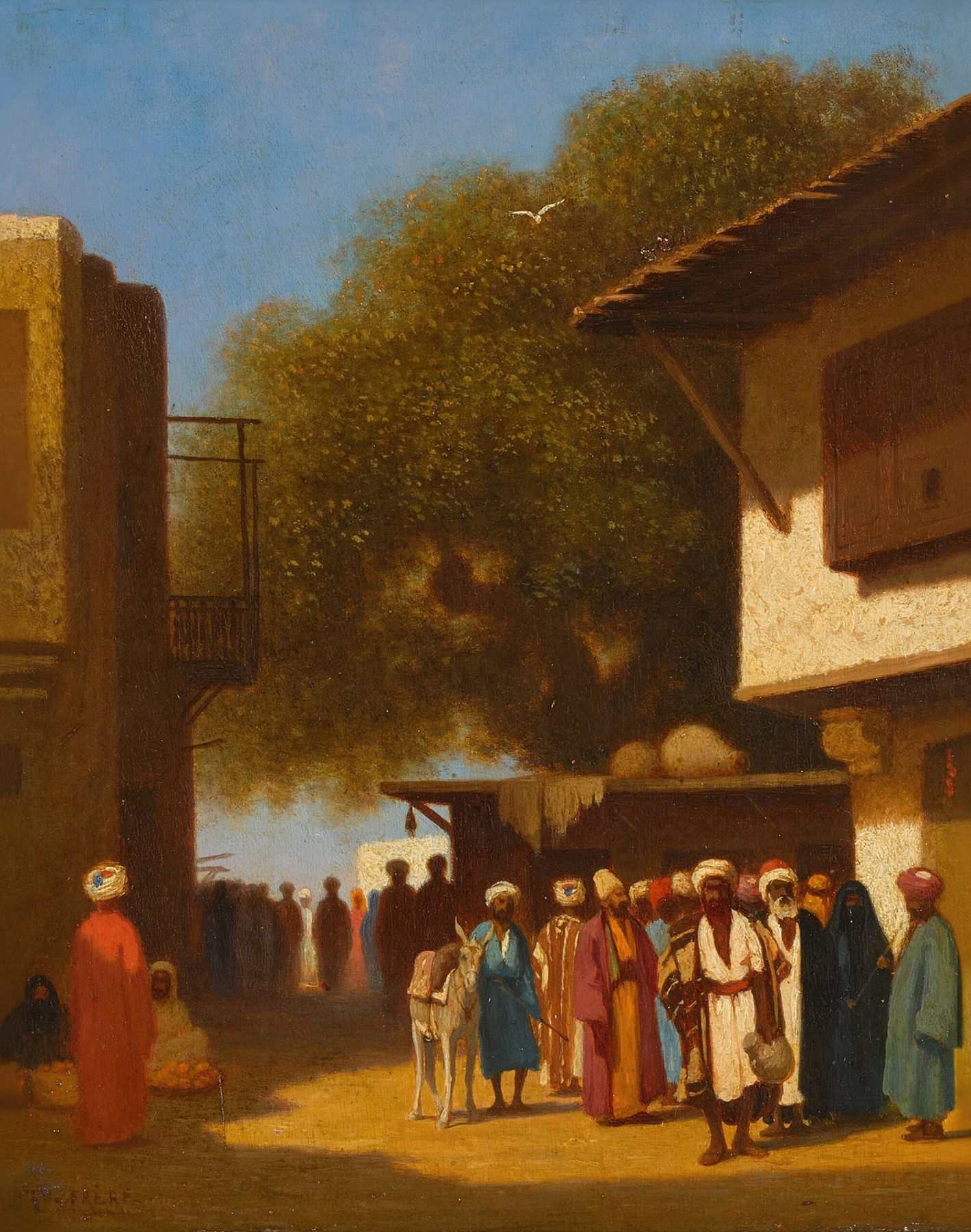
This tension between the sacred and the personal creates an emotional undercurrent, revealing that beauty often exists in its imperfections, forever caught between reverence and neglect. Charles Théodore Frère painted this piece during a time when he was captivated by North African landscapes and cultures, likely influenced by the growing fascination with Orientalism in the mid-19th century. His work reflects a duality—while celebrating the architectural splendor of the mosque, it simultaneously acknowledges the fragility of cultural heritage in an era of change and exploration.