Manfalout — History & Analysis
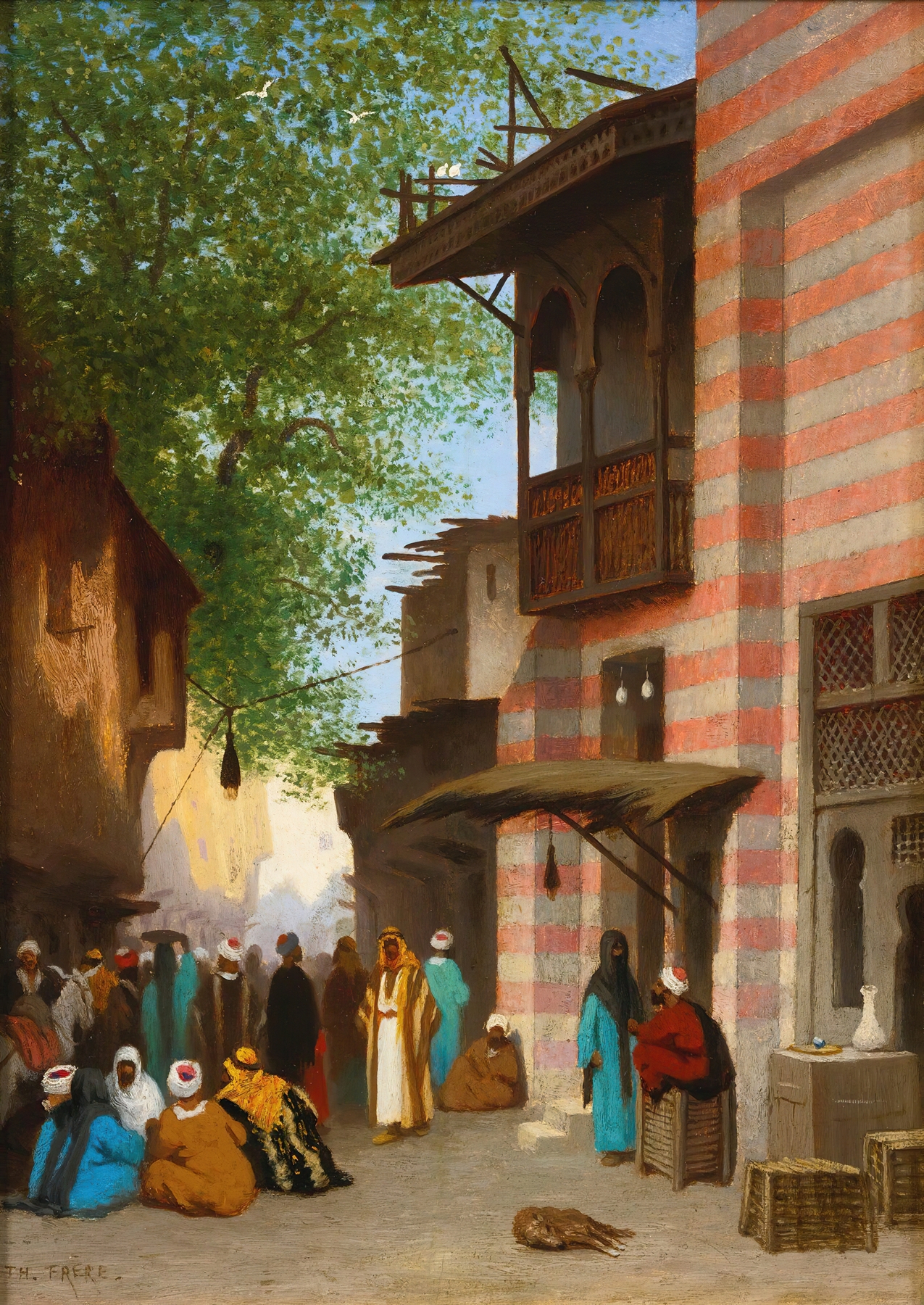
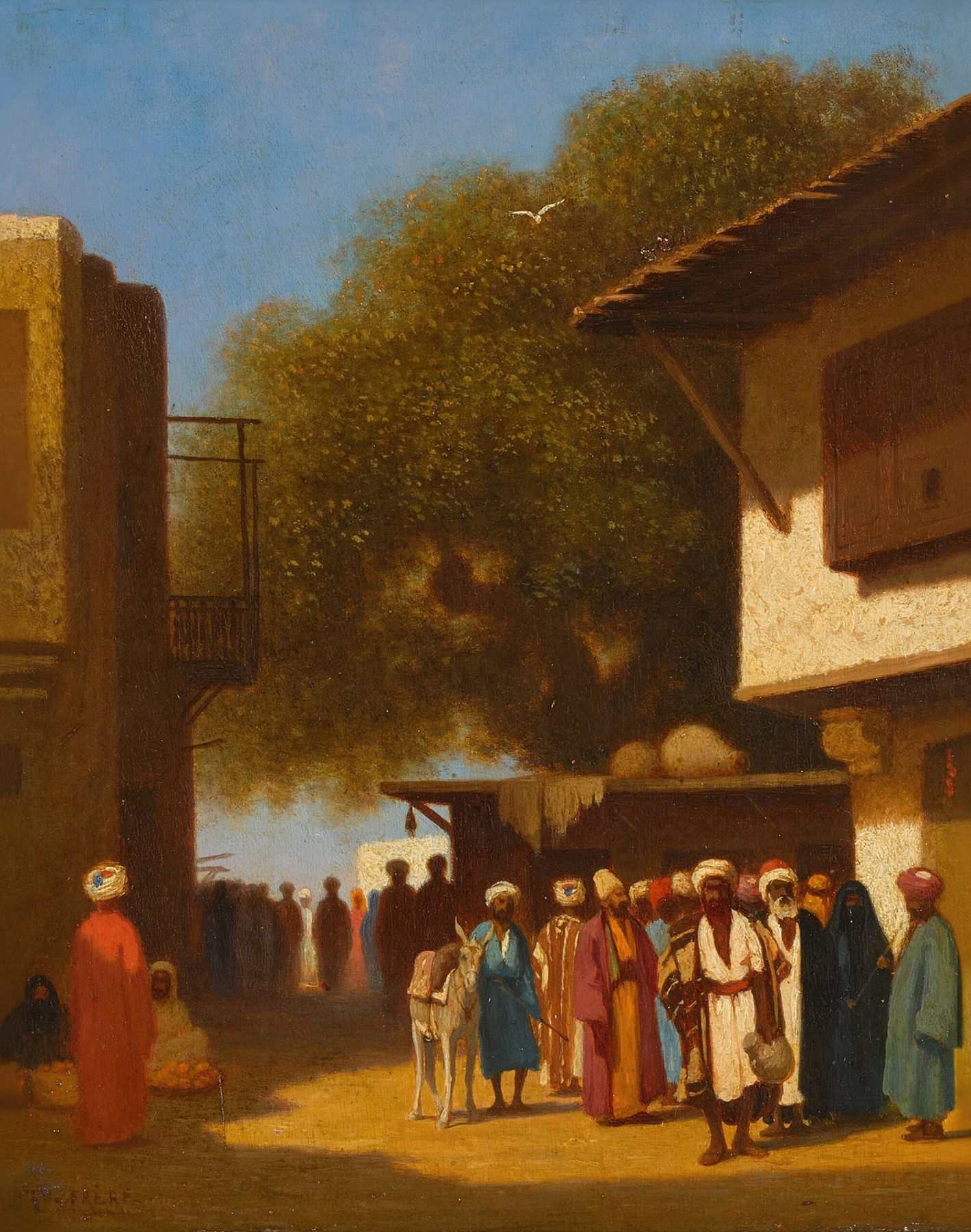
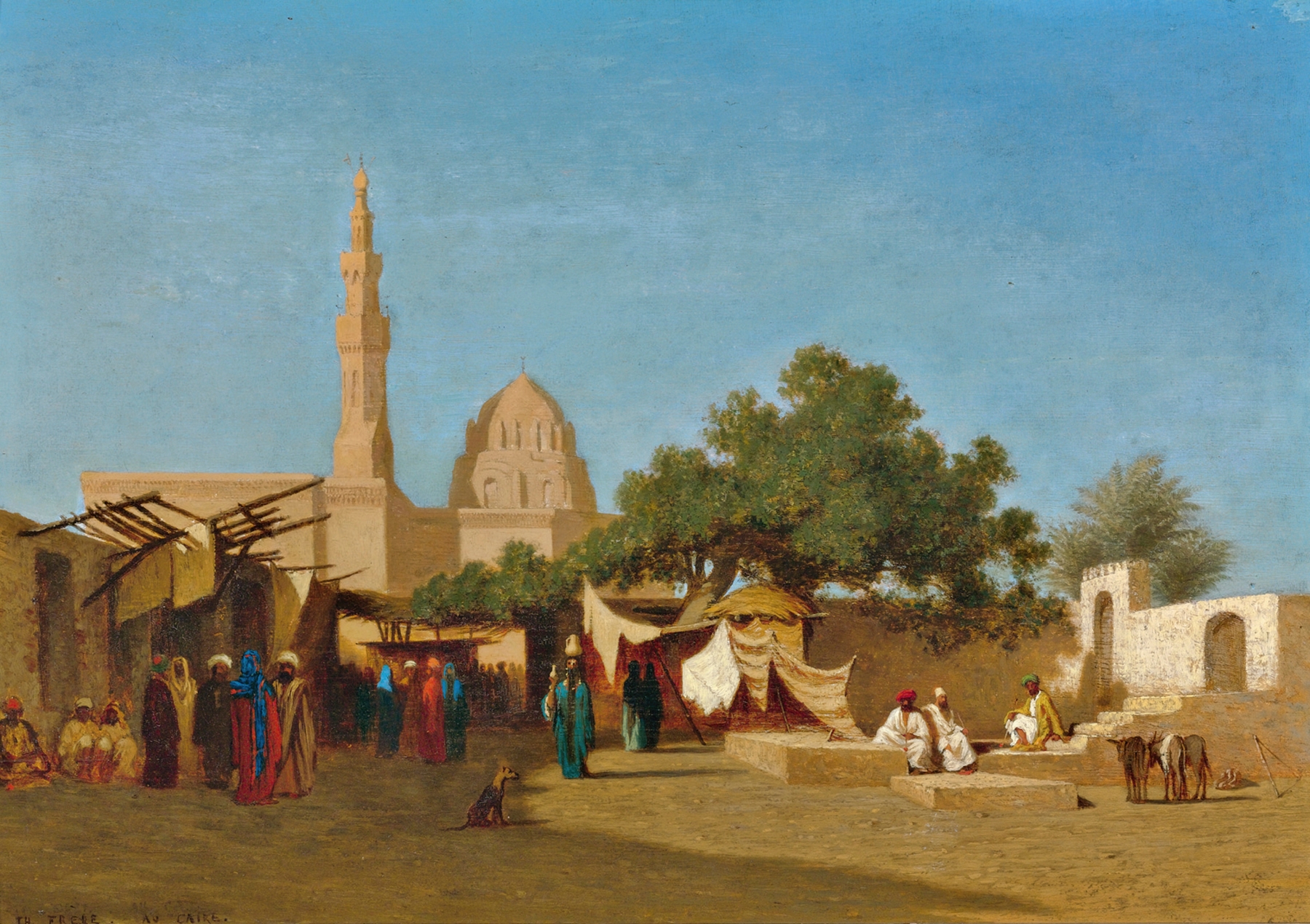
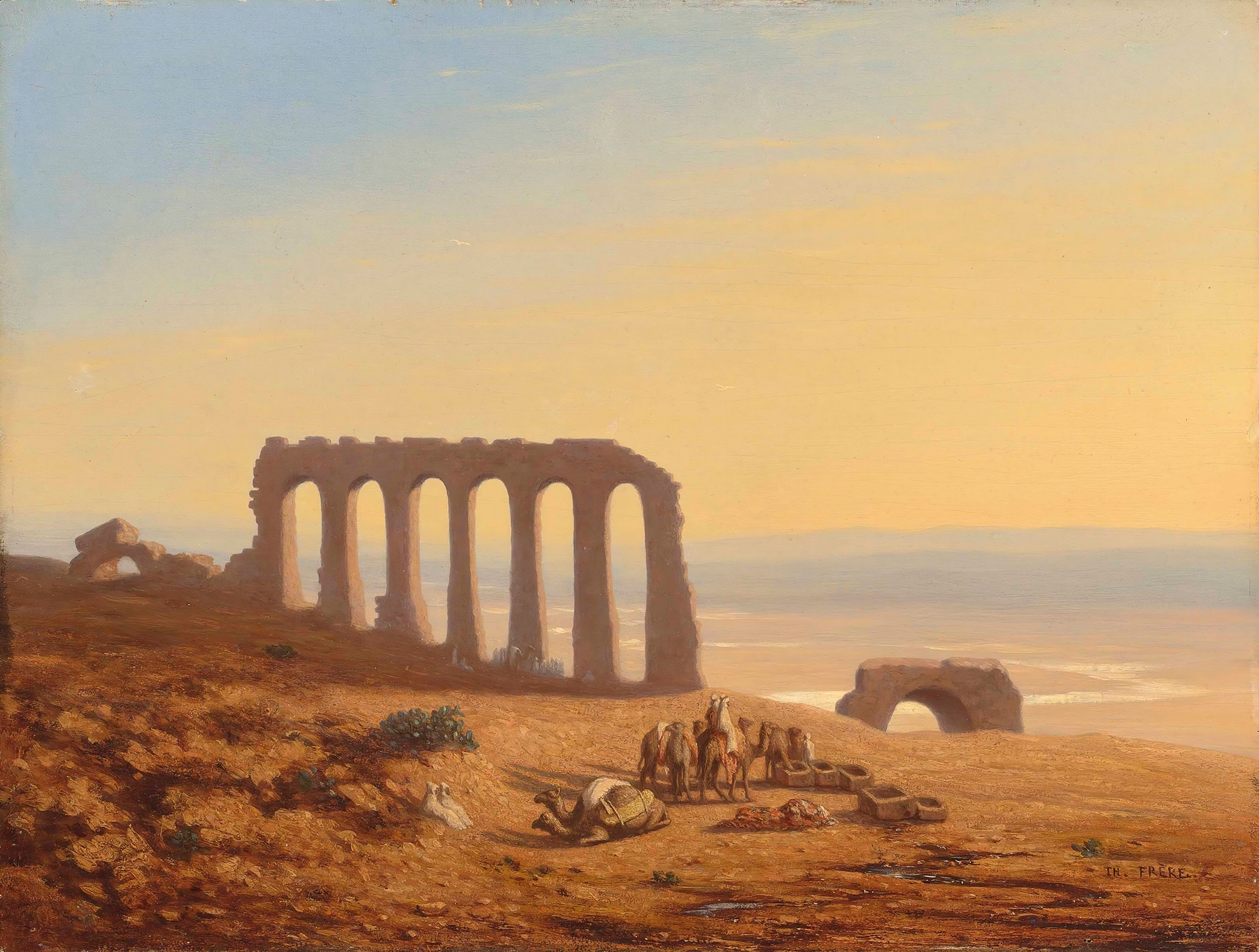
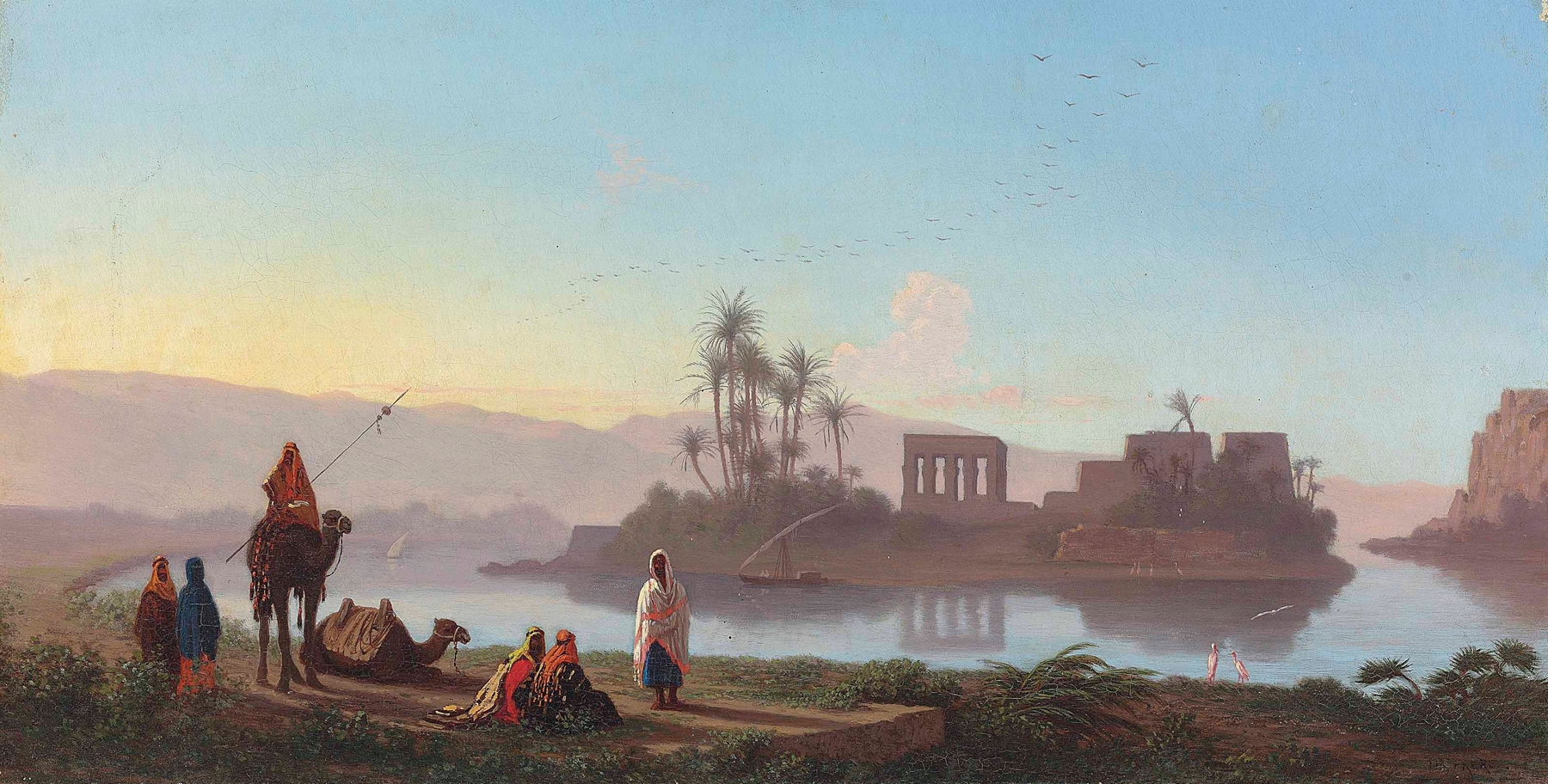
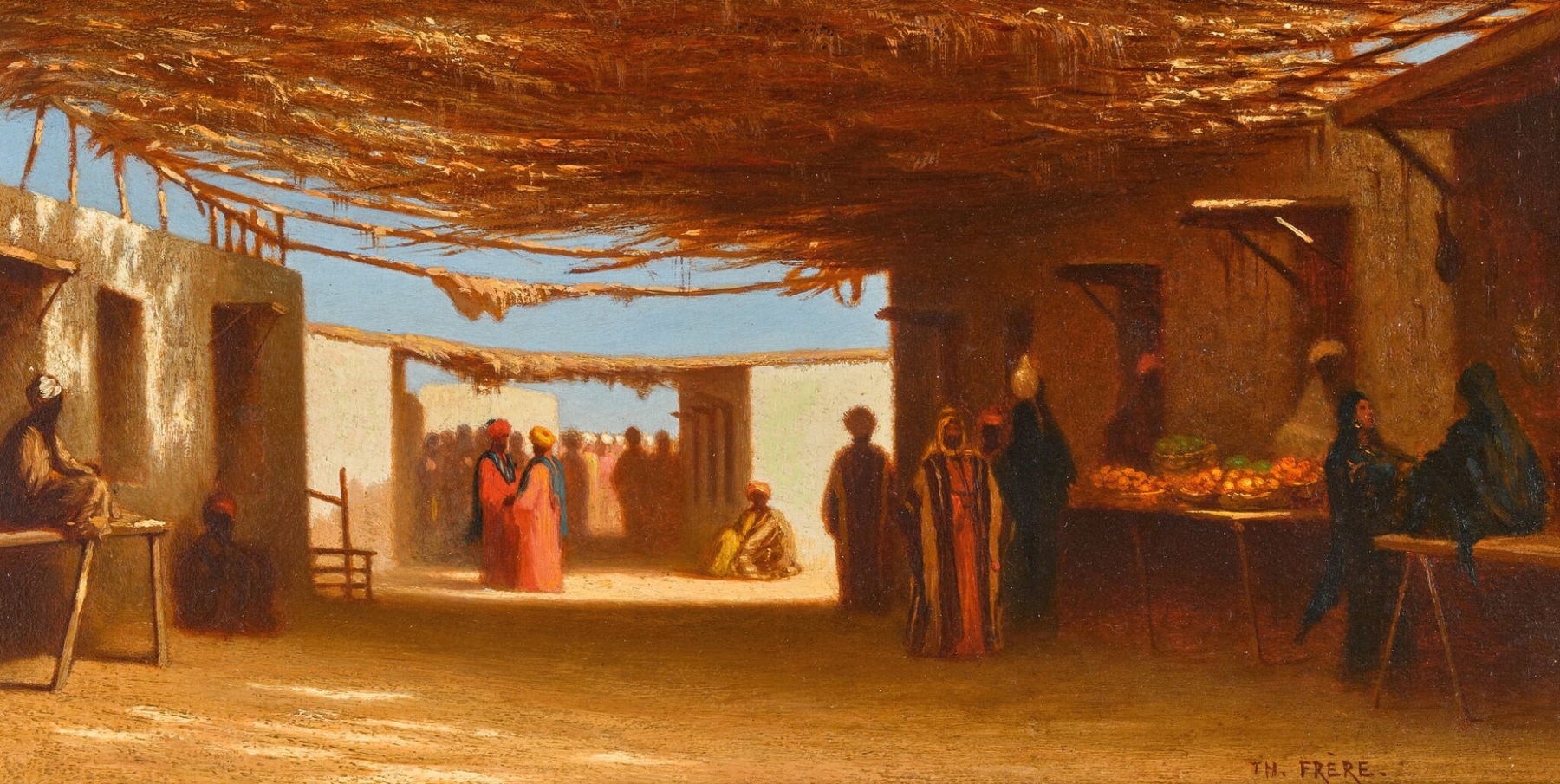
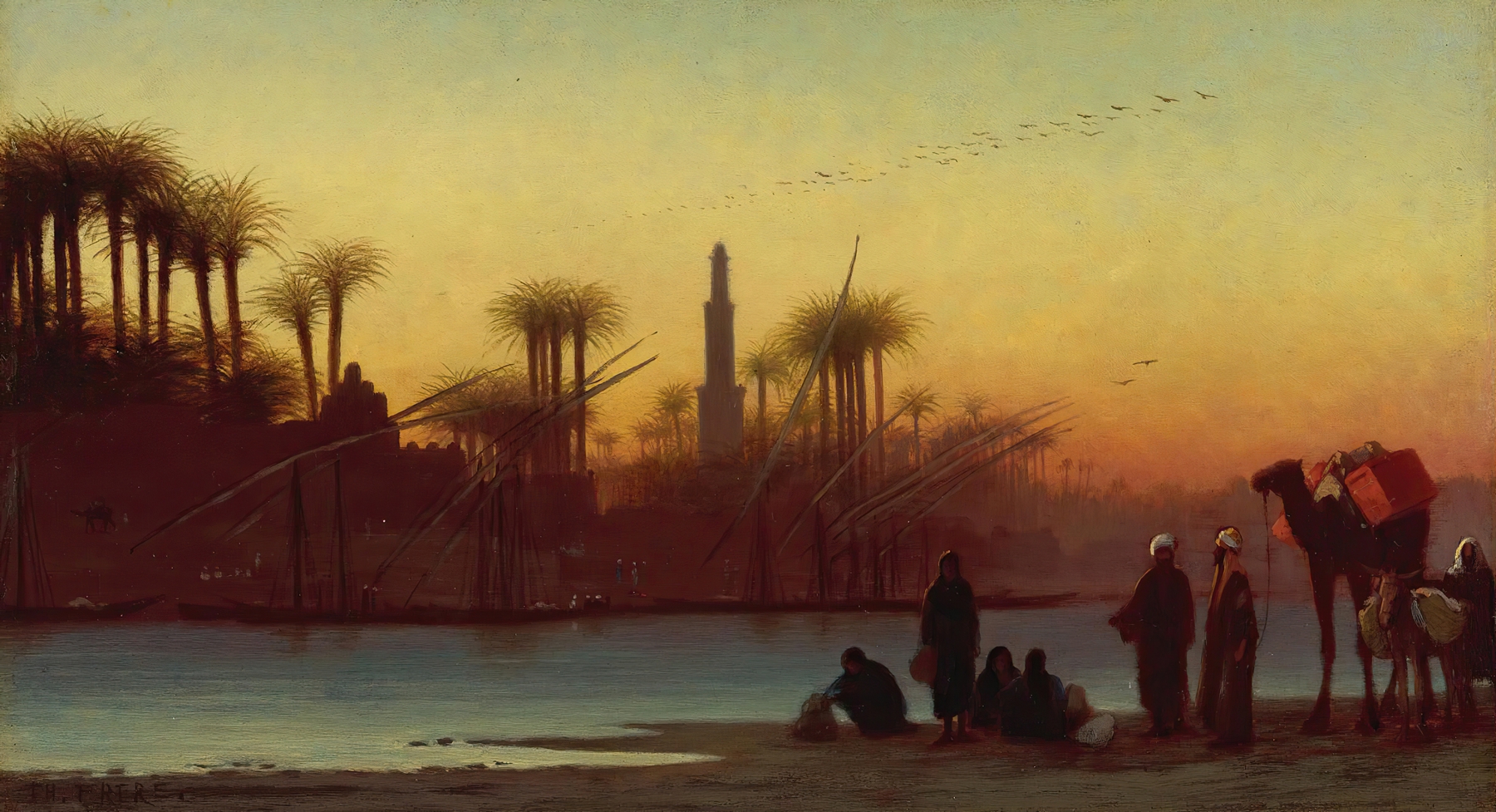
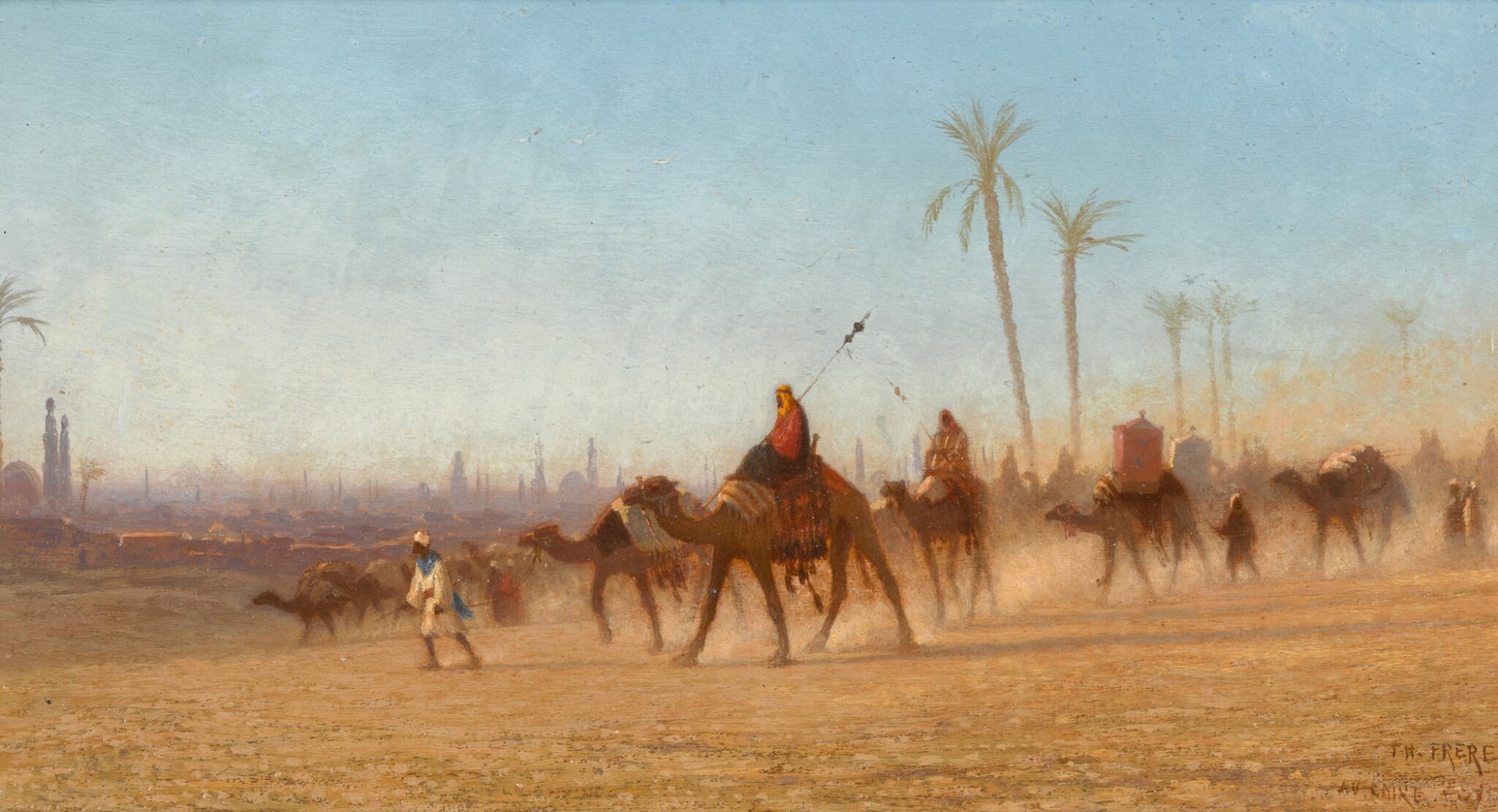
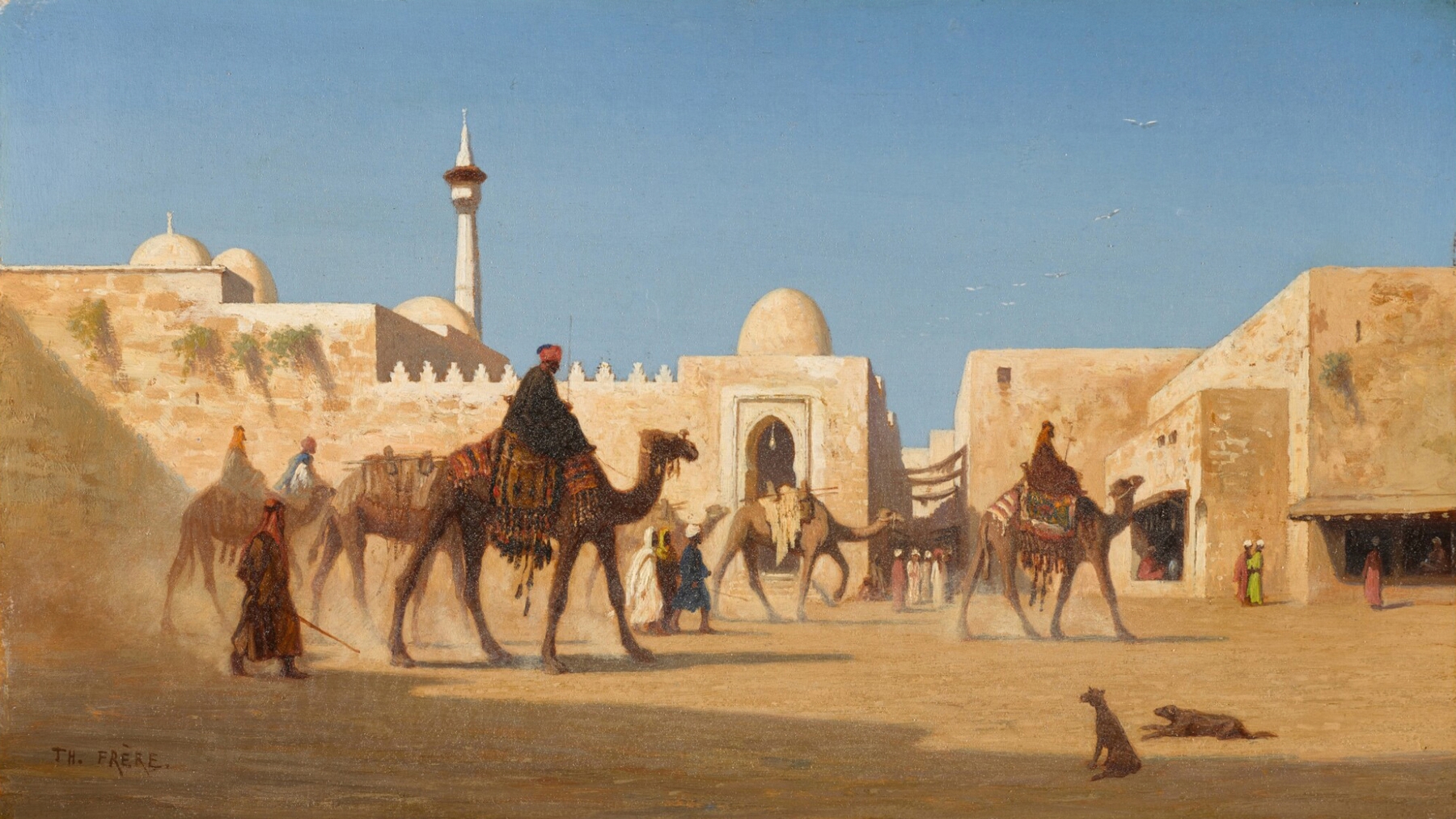
Did the painter know this moment would outlive them? A moment of quiet determination unfolds, as the canvas breathes life into a glimpse of resilience against the backdrop of a timeless landscape. Look to the center of the painting, where a group of figures huddles against the expansive desert. The sun casts an ethereal glow, illuminating their faces and revealing a tapestry of emotions—hope, weariness, and unwavering resolve.
Notice how the warm ochres and deep blues interplay, creating a vivid contrast that draws the eye toward the horizon, beckoning dreams yet to be fulfilled. Each brushstroke seems to pulsate with the rhythms of life and the weight of history woven into the very fabric of this scene. Beneath the surface, the artwork speaks to the tension between despair and aspiration. The figures, cloaked in traditional garments, symbolize a profound connection to their land, while the stark desert surrounding them represents both the challenges they face and the vast possibilities ahead.
The shimmering light reflects a sense of optimism, subtly hinting that, even in the harshest circumstances, hope can flicker and ignite. Charles Théodore Frère painted this work during the mid-19th century, a time when European fascination with the Orient was surging. Living in Paris, he was part of a movement that sought to capture the exotic allure of North Africa, often romanticizing its landscapes and peoples. This piece emerged from a period marked by both artistic exploration and shifting cultural perspectives, grounding it in a moment when individuals found beauty in the resilience of life amid adversity.