A Capriccio Of Classical Ruins With The Pyramid Of Cestius Beyond — History & Analysis
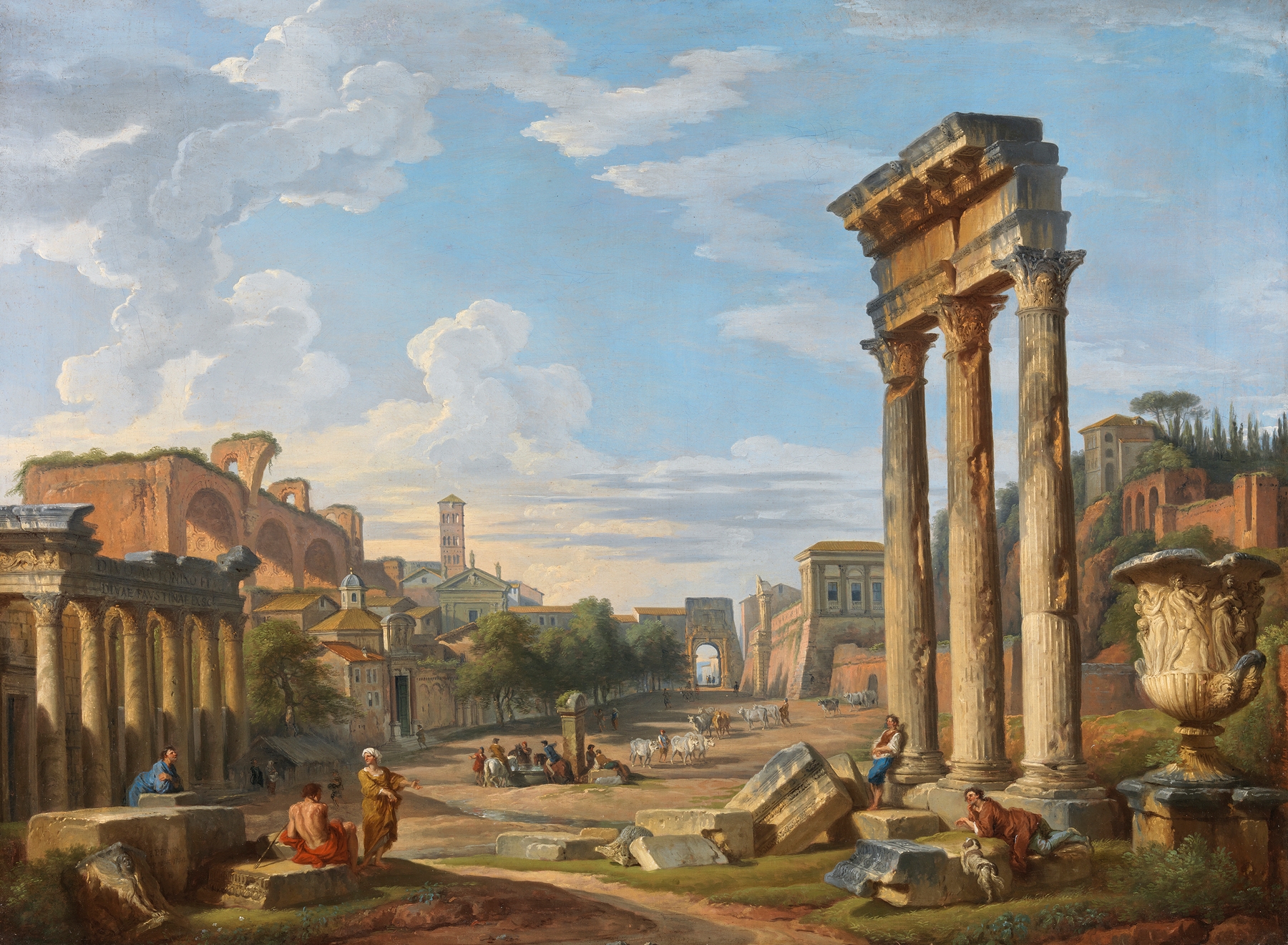
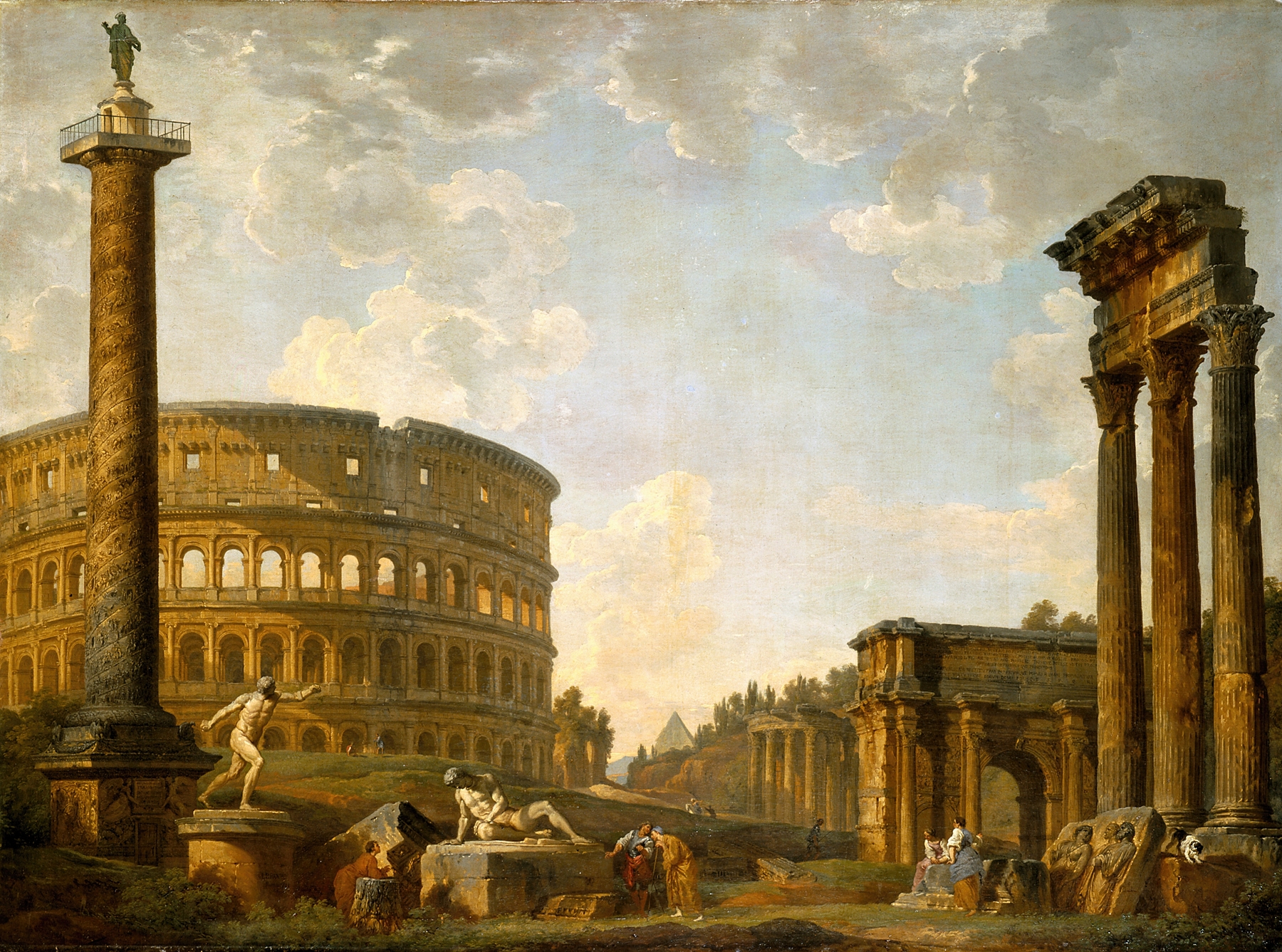
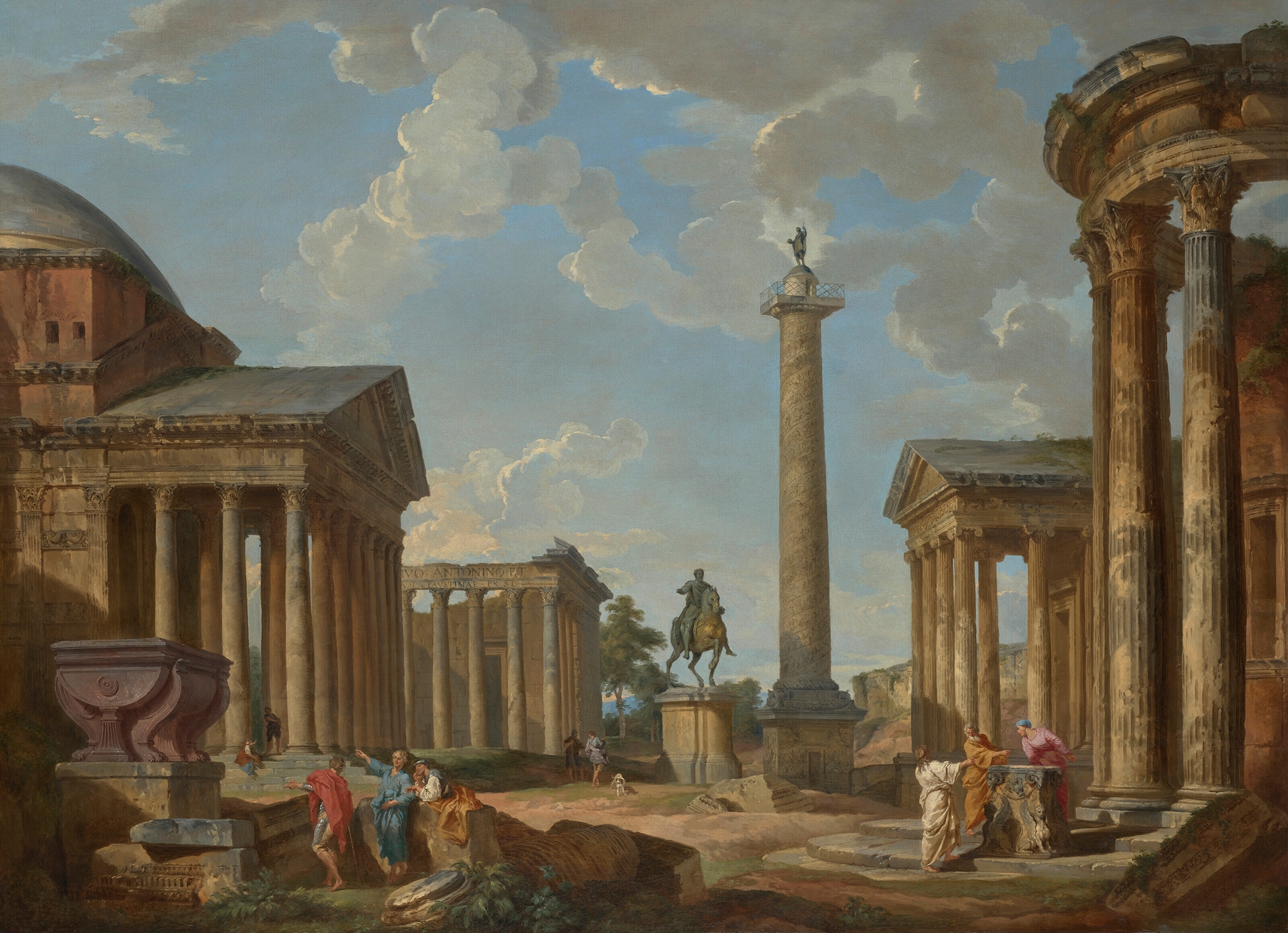
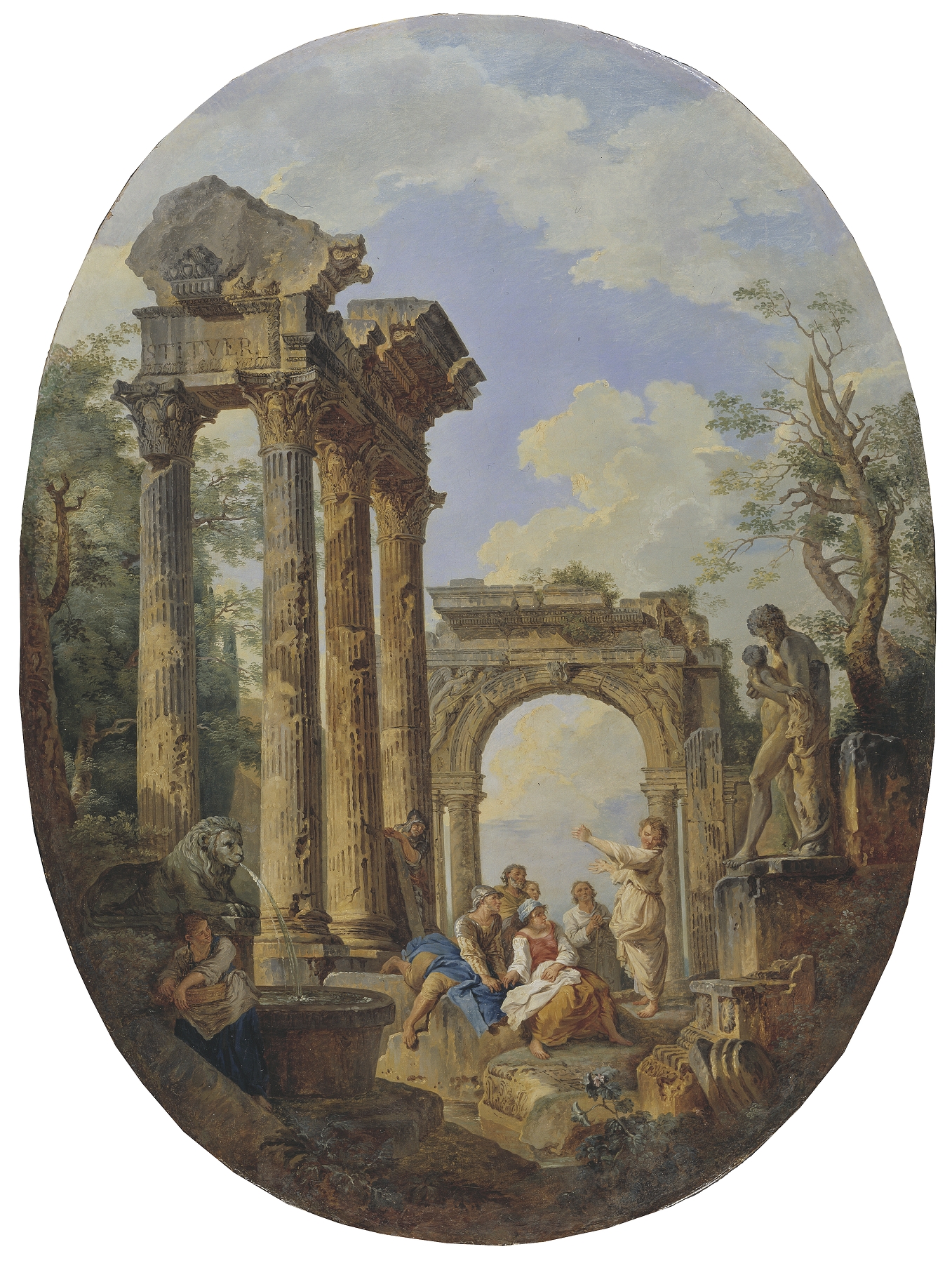
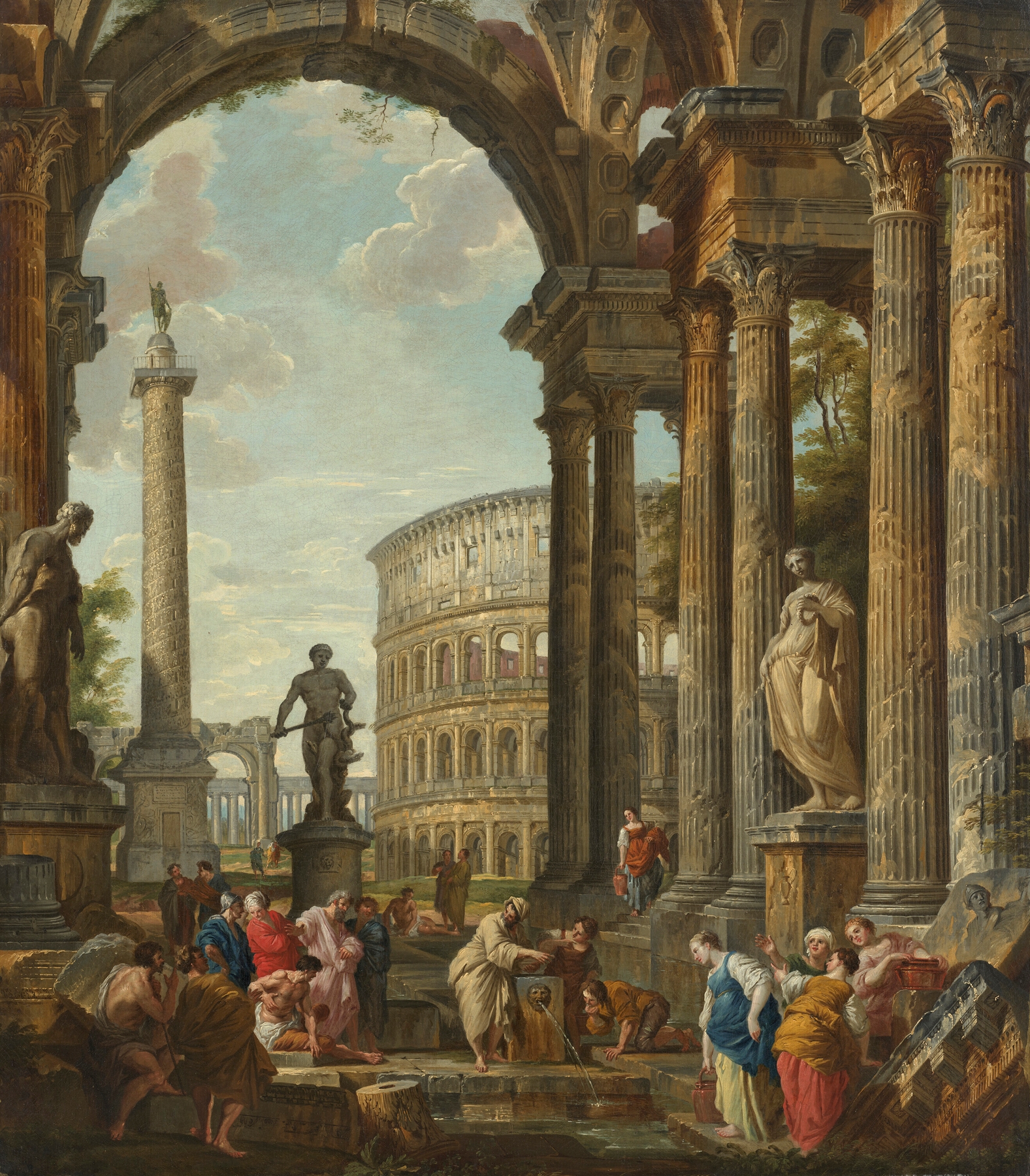
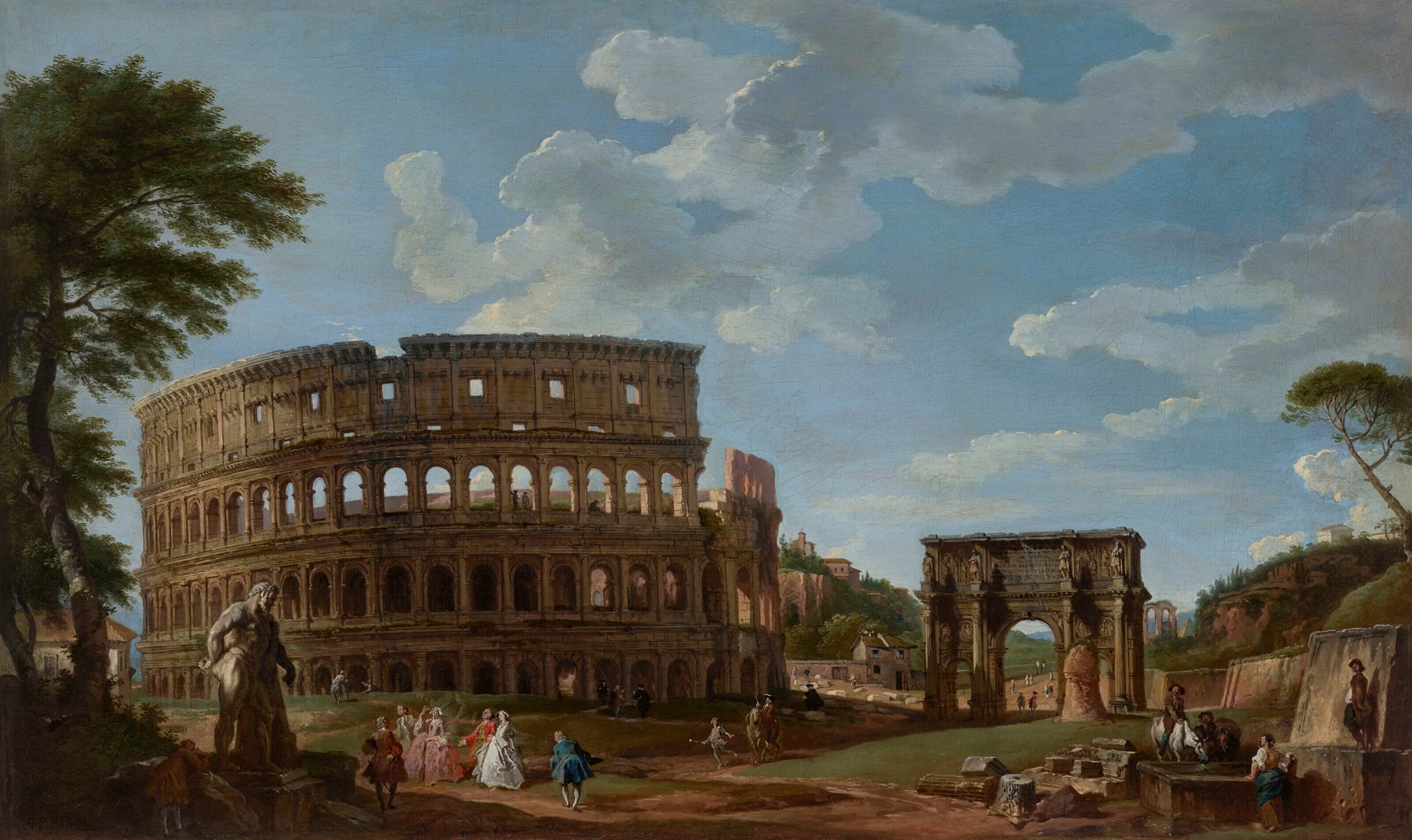
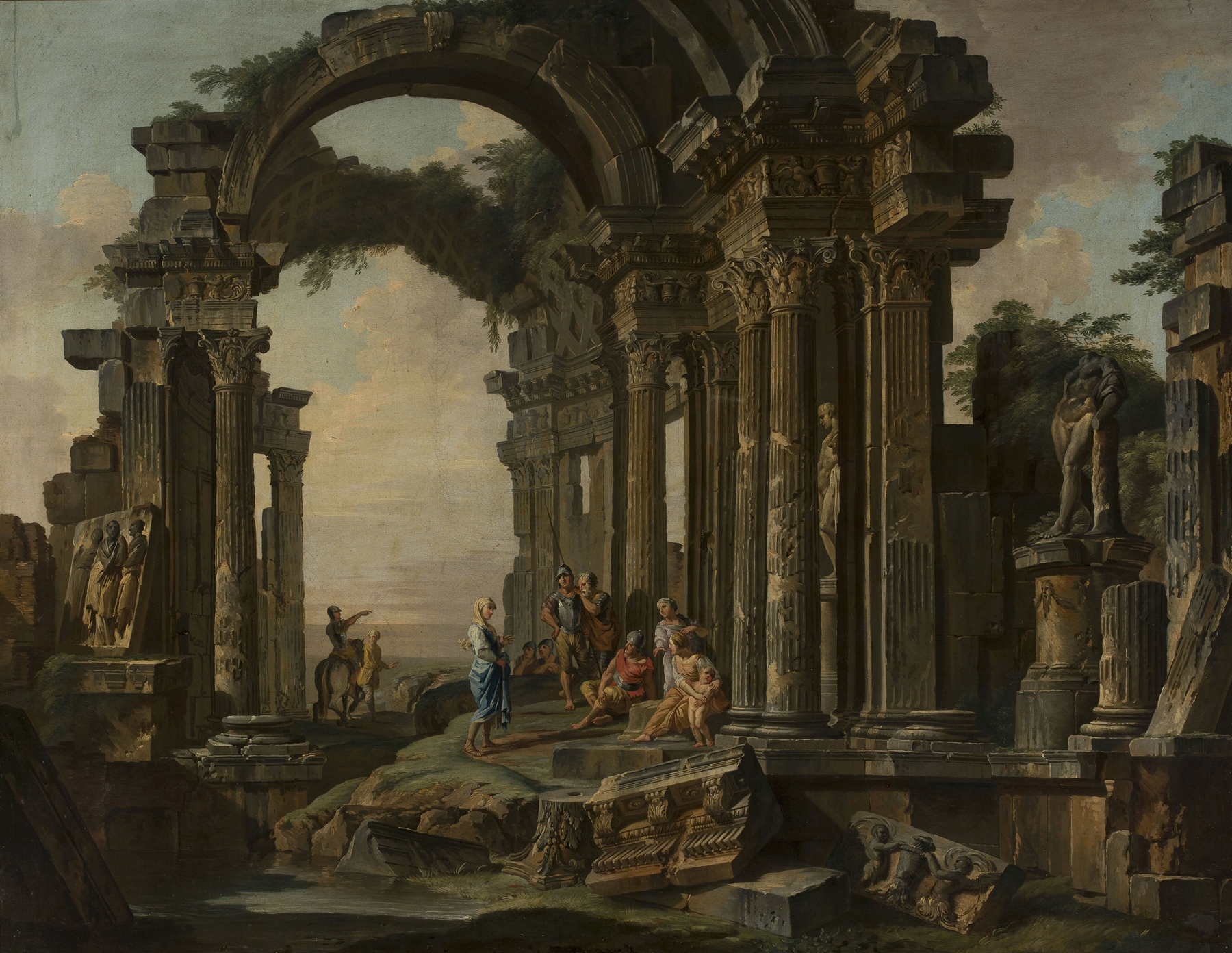
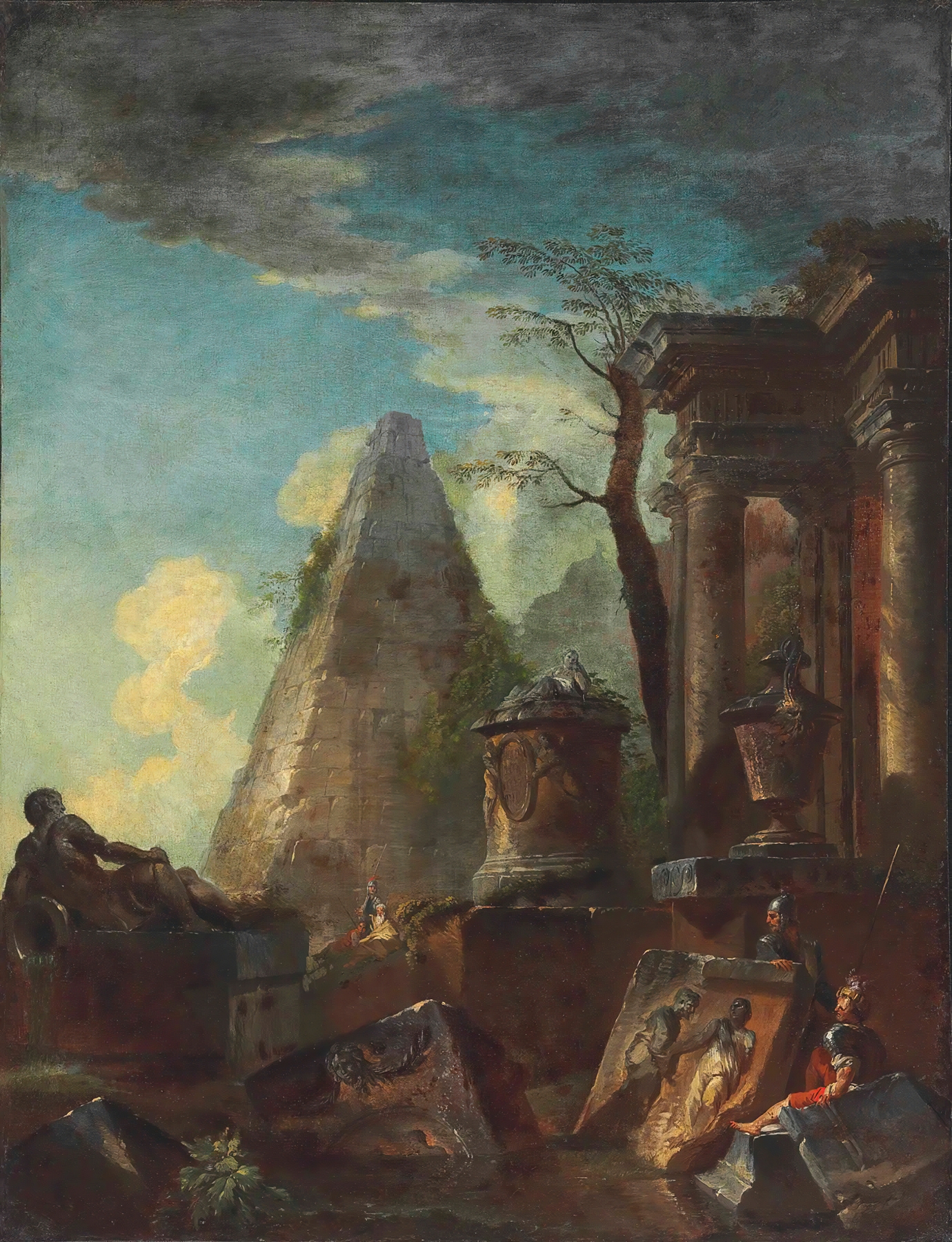
Art reveals the soul when the world turns away. In the realm of classical ruins, color becomes the language through which history speaks. Focus on the vibrant hues that envelop the canvas, drawing your eyes to the soft, warm tones of the ancient structures. Look to the left where the crumbling columns and archways stand in dignified repose, their weathered surfaces painted with strokes that echo time's passage. Notice how the Pyramid of Cestius looms in the background, its stark white contrasting against the lush greens and earthy browns of the foreground.
Each color choice seems intentional, weaving a narrative that transcends mere structure to convey a sense of nostalgia and permanence. As you delve deeper, consider the interplay between light and shadow. The bright sunlit areas highlight the ruins’ grandeur, while the darker recesses hint at the mysteries they hold. This contrast symbolizes the fleeting nature of human achievement against the relentless passage of time.
The figural groupings scattered throughout evoke a sense of life amid decay, suggesting that though these structures fade, their stories endure, captured in a moment of serene contemplation. Giovanni Paolo Panini painted this piece during the 18th century, a time when neoclassicism was taking root in Europe. Based in Rome, Panini was at the forefront of the artistic movement that celebrated classical architecture and ancient ideals. His work emerged during a period of heightened interest in antiquity, reflecting both the romanticism of the past and the burgeoning curiosity of the Enlightenment, making this painting a testament to his era's cultural reverence.