A Cottage in the Dutchy of Cornwall — History & Analysis
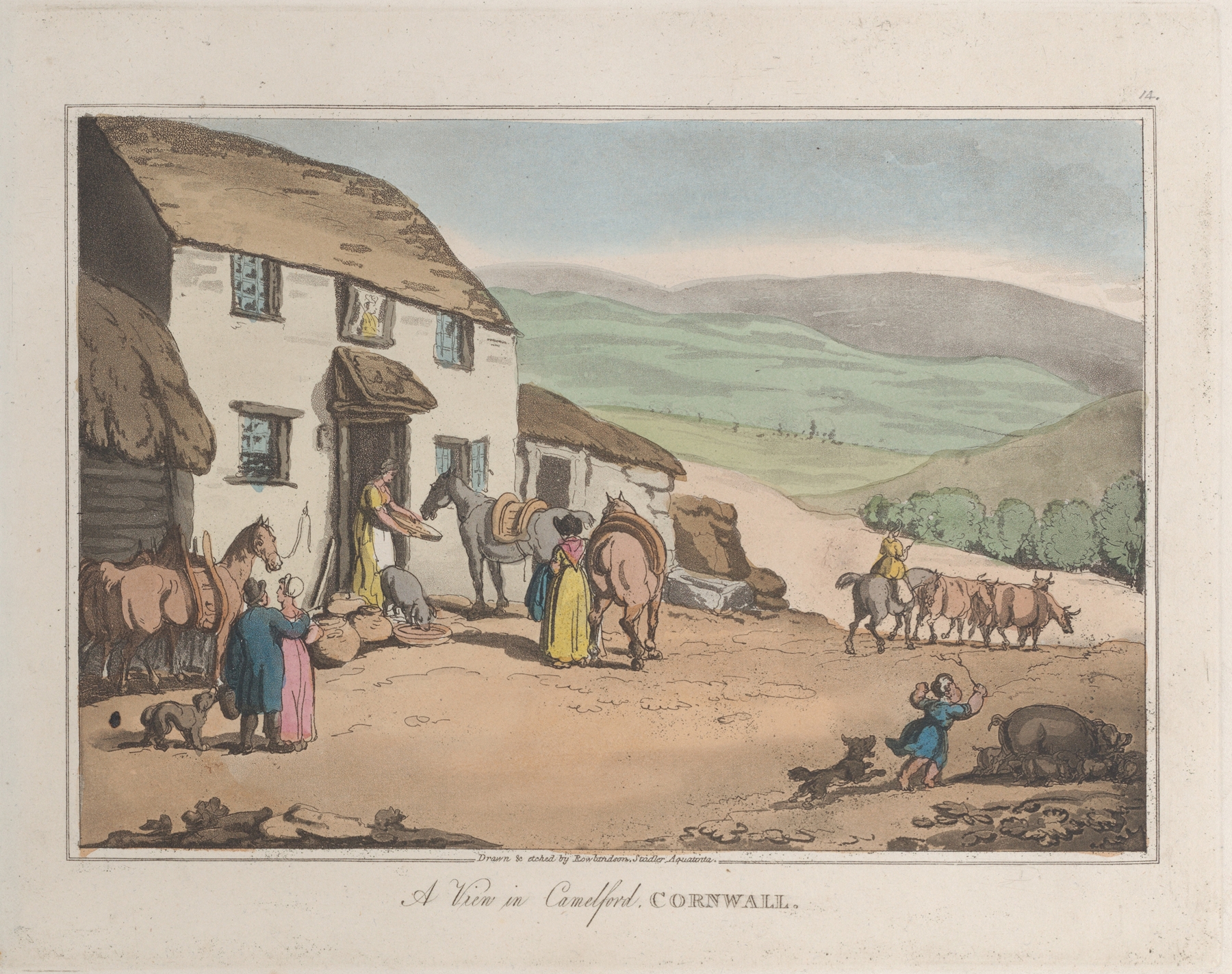
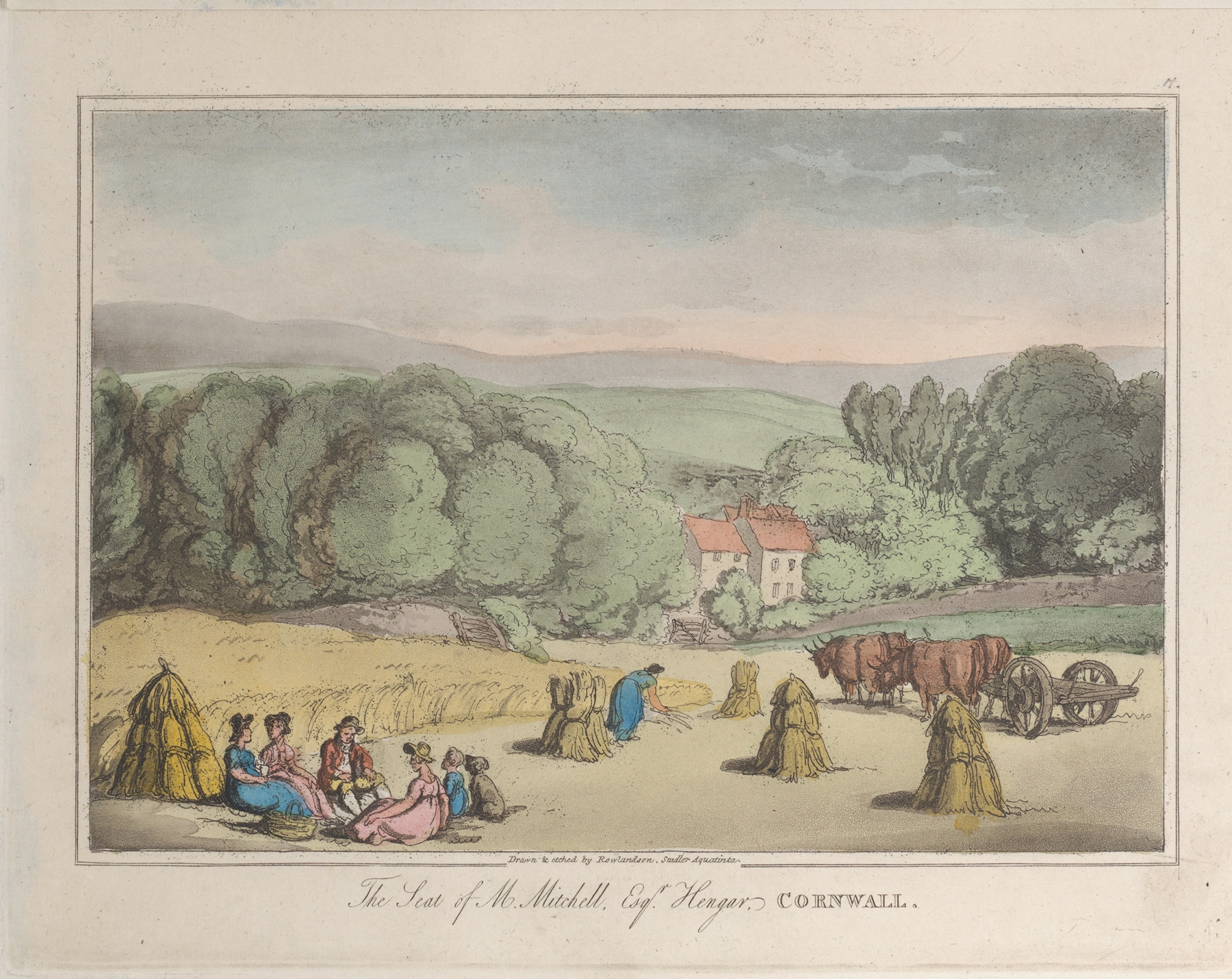
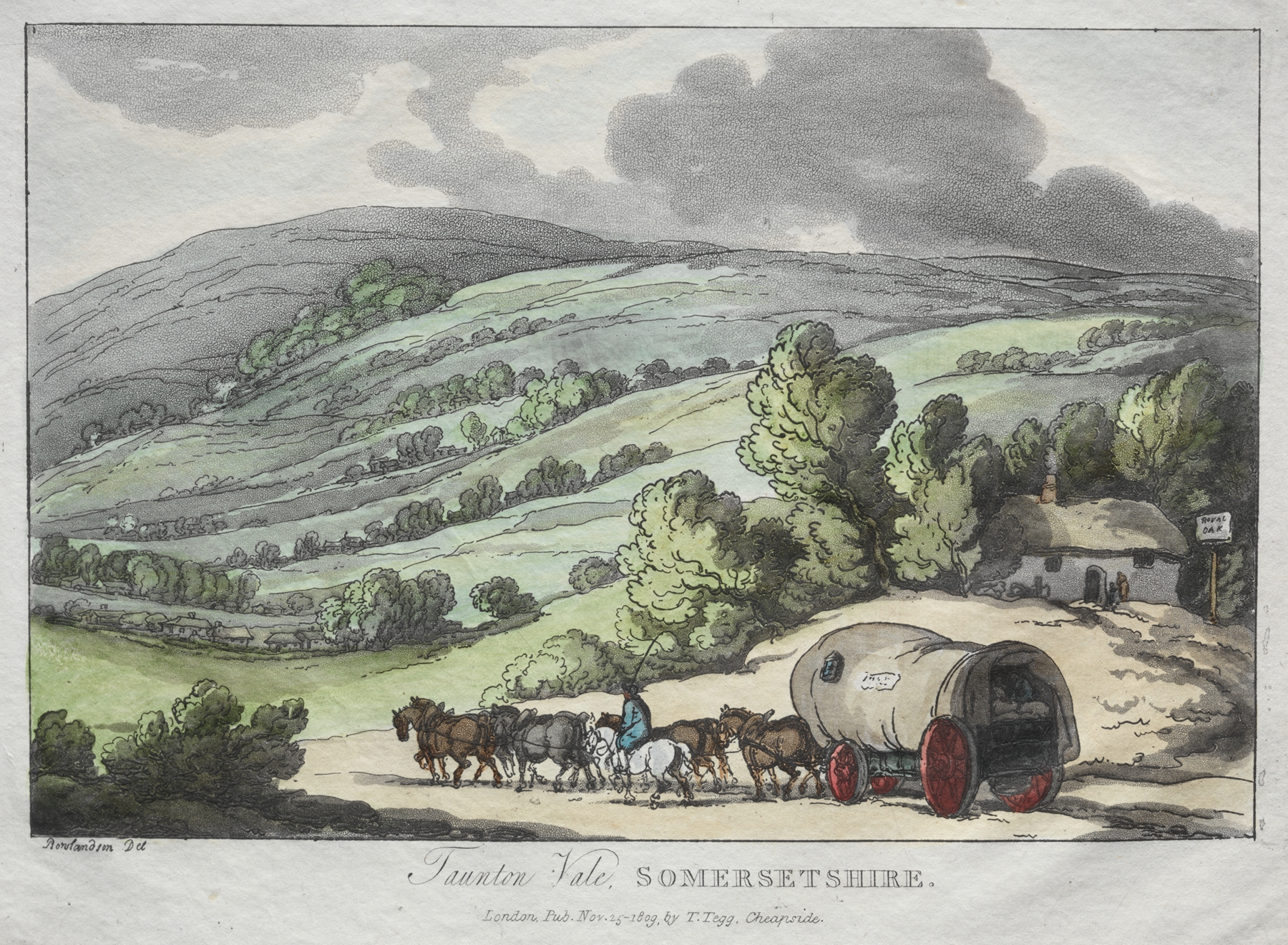
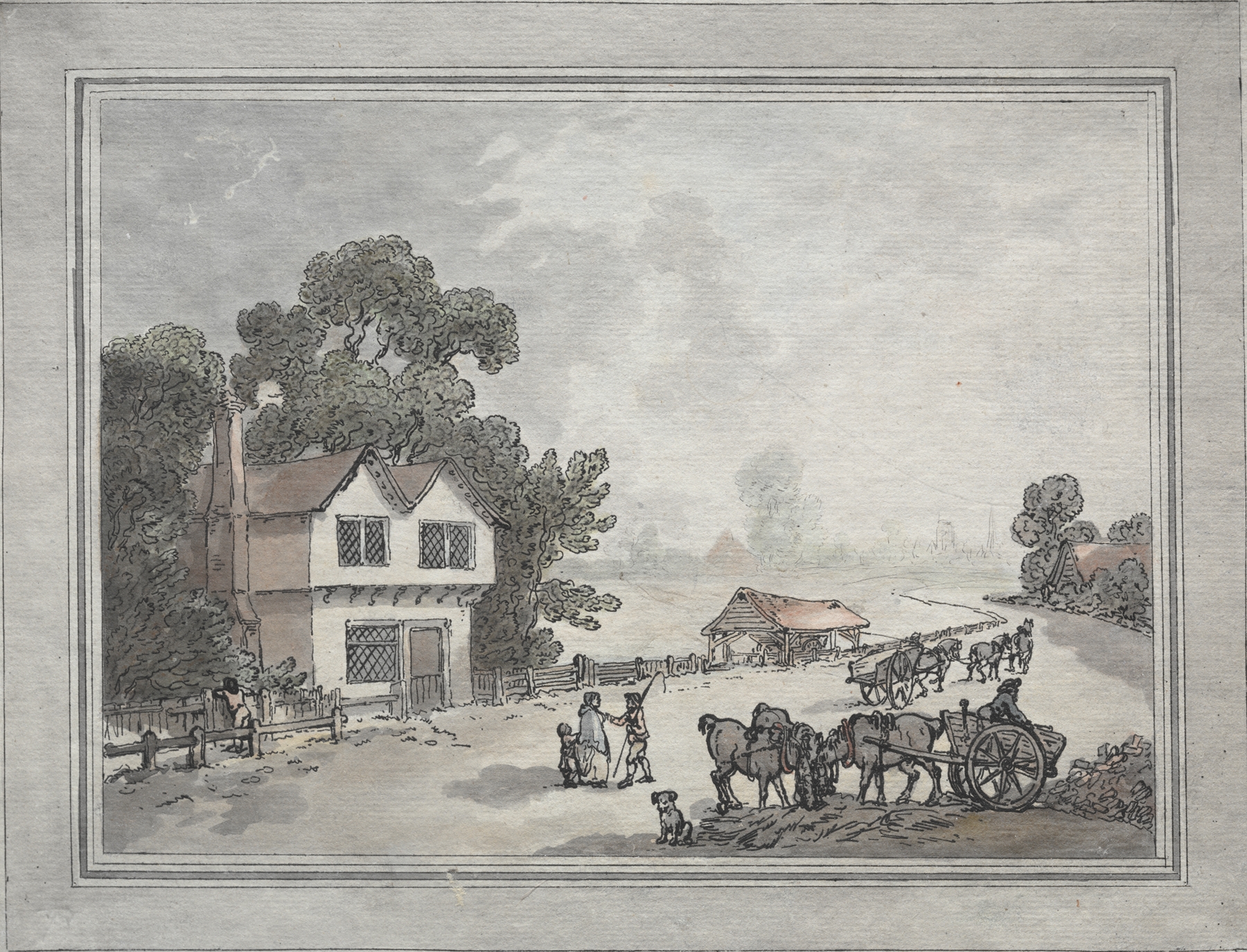
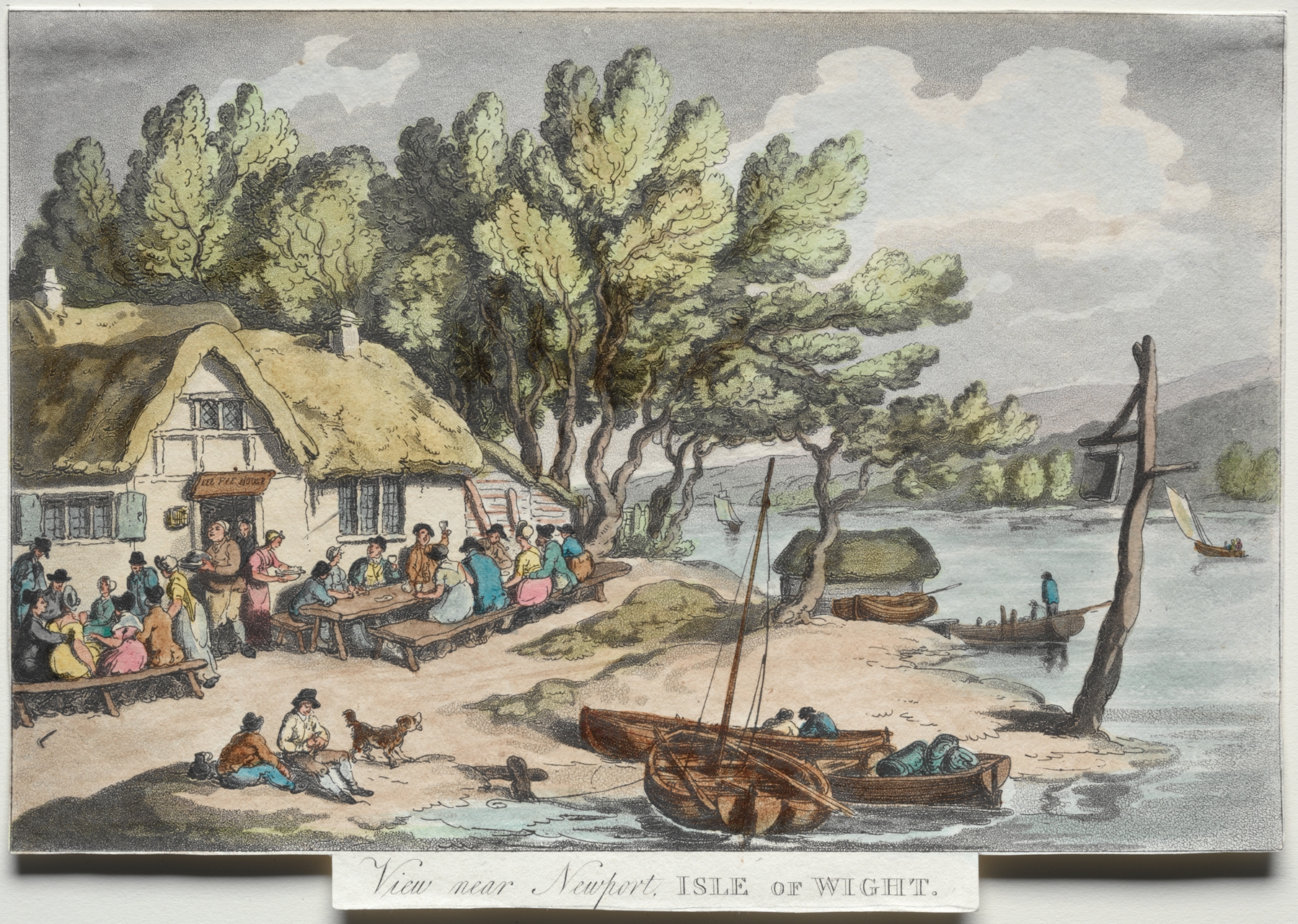
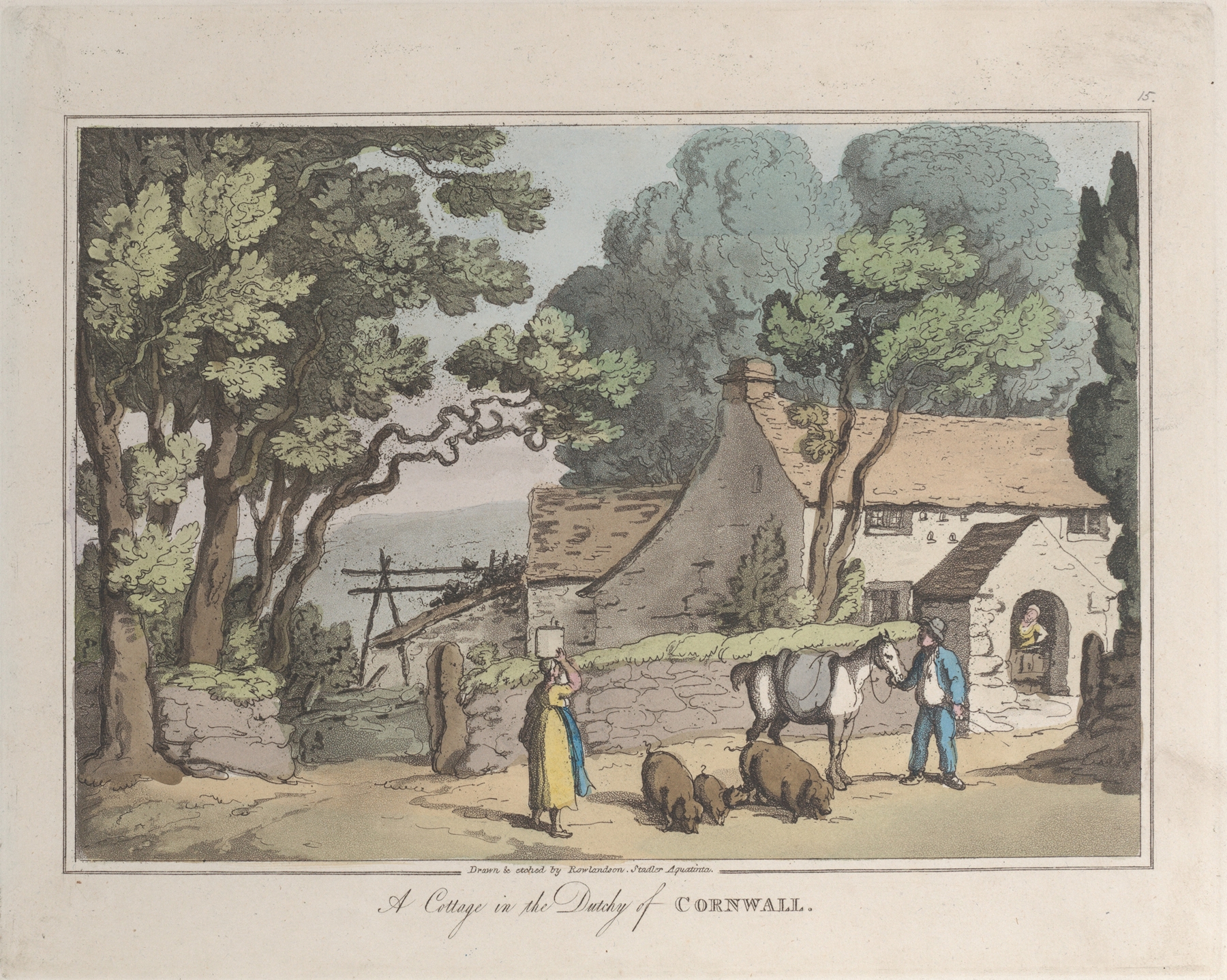
Where does light end, and longing begin? In the delicate strokes of Thomas Rowlandson's A Cottage in the Dutchy of Cornwall, the boundary blurs, inviting us to linger in a moment suspended between reality and reverie. Focus first on the gentle glow that emanates from the cottage nestled amidst lush greenery. The soft hues of ochre and green create a harmonious balance, drawing your eye to the windows, where warm light spills into the cool evening air. Notice the details: the thatched roof, its texture contrasting with the delicate trees bending slightly in the breeze.
Here, Rowlandson captures a slice of pastoral life, a fleeting glimpse that feels both idyllic and deeply personal. As you delve deeper, subtle emotions emerge from the composition. The serene landscape evokes a sense of nostalgia, suggesting a yearning for simpler, quieter times. The juxtaposition of the bright lights spilling from the cottage against the encroaching shadows of dusk signals an internal tension—perhaps the allure of home is both comforting and suffocating.
The scattered wildflowers and distant hills hint at untold stories, echoing an ache for connection and belonging that transcends the scene. In 1822, while residing in London, Rowlandson painted this charming scene during a time when romanticism had begun to shape artistic vision. The world was transforming, with industrialization casting its shadow over pastoral beauty. In contrast to the era’s growing complexity, his work reflects a longing for the serene and pastoral—an escape into the warmth of human experience and nature’s embrace.