Rowlandson’s Sketches from Nature; Taunton Vale, Somersetshire — History & Analysis
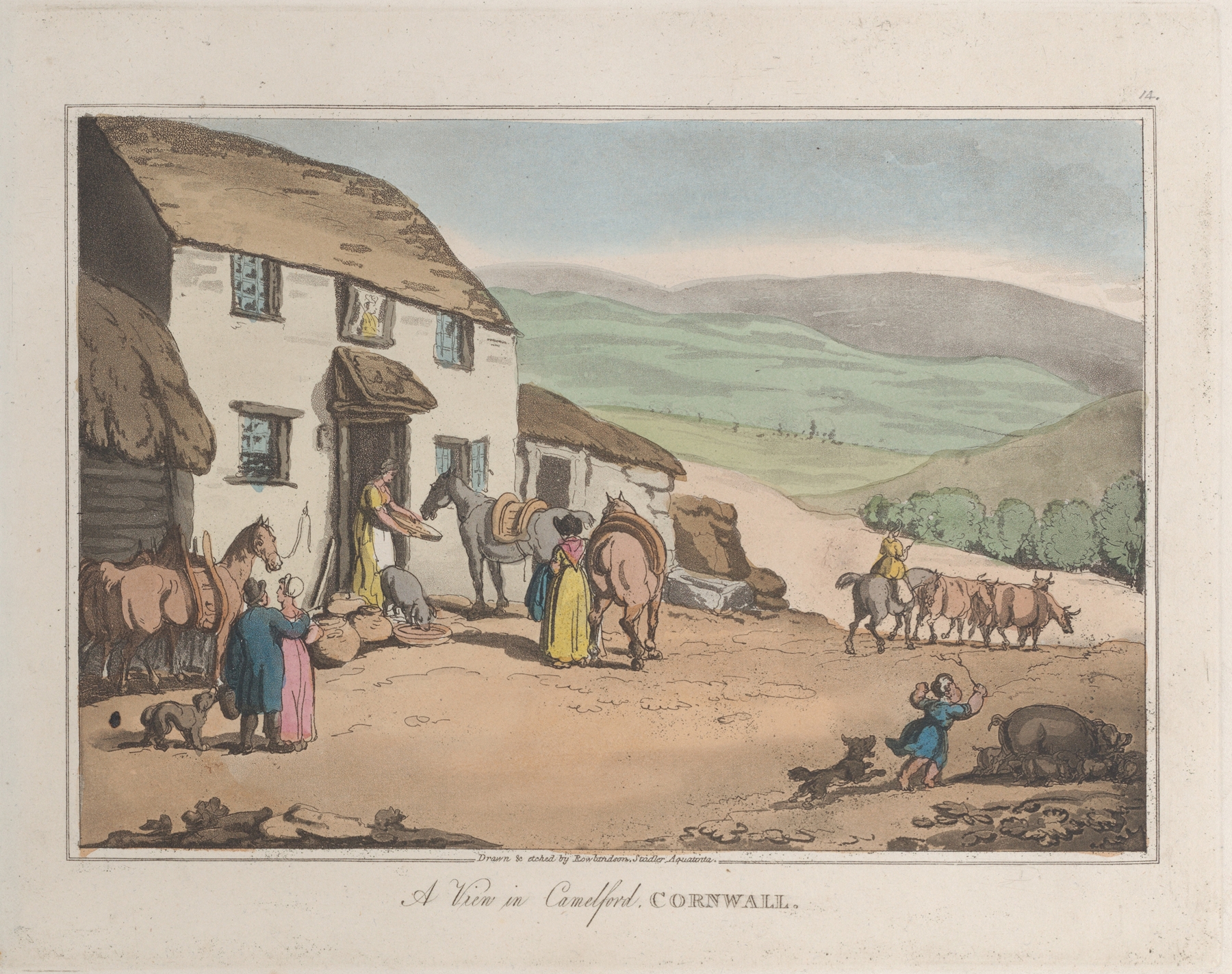
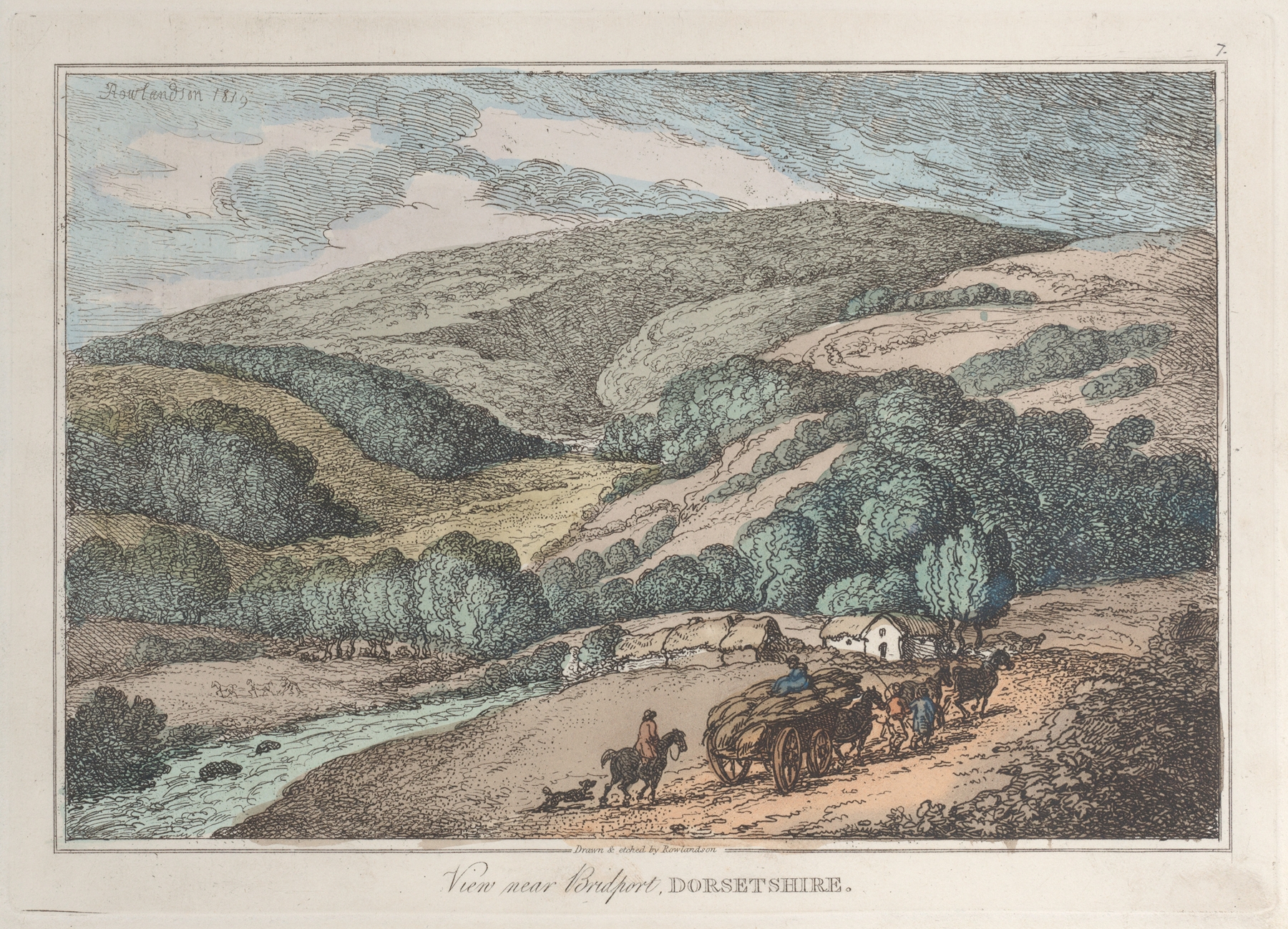
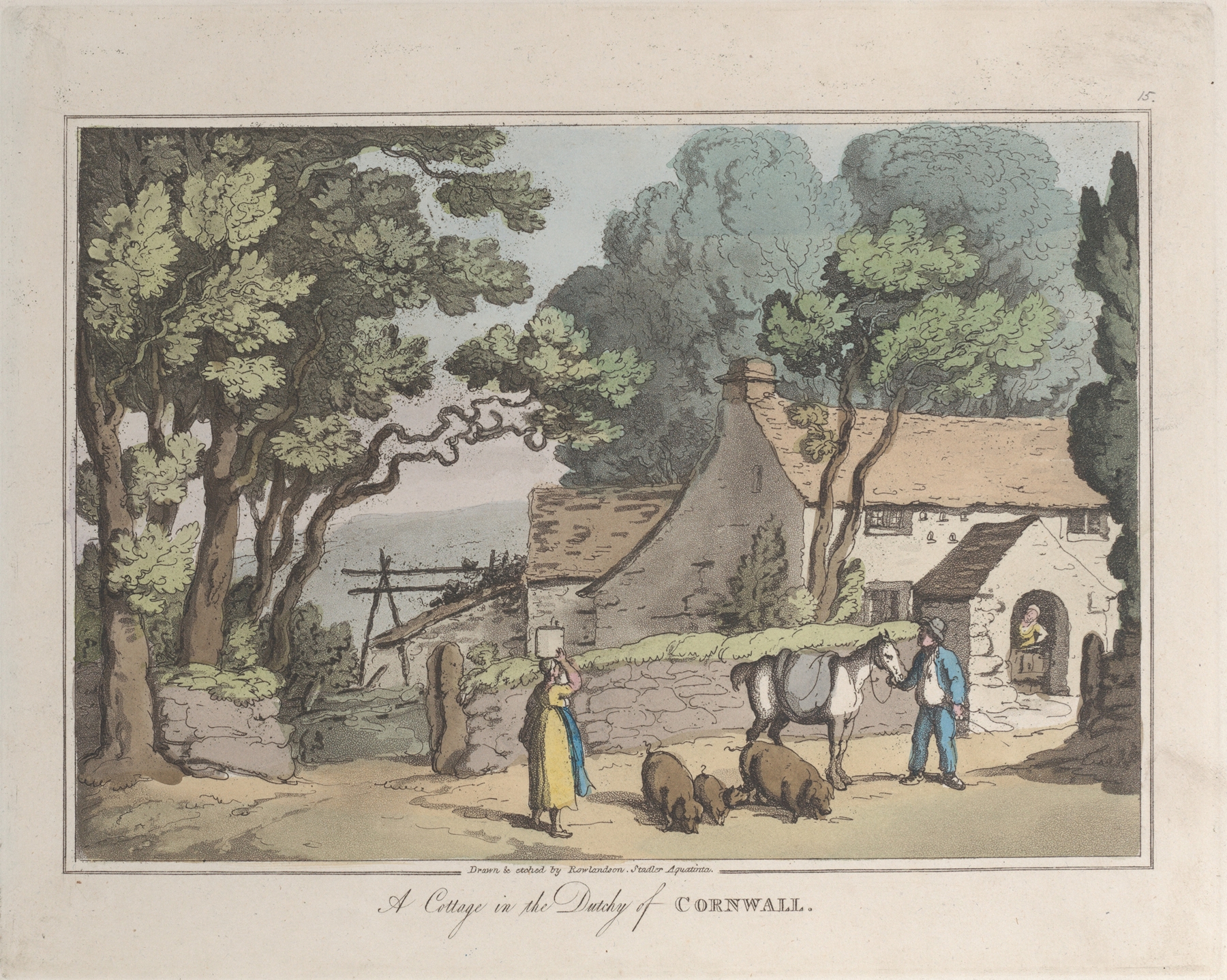
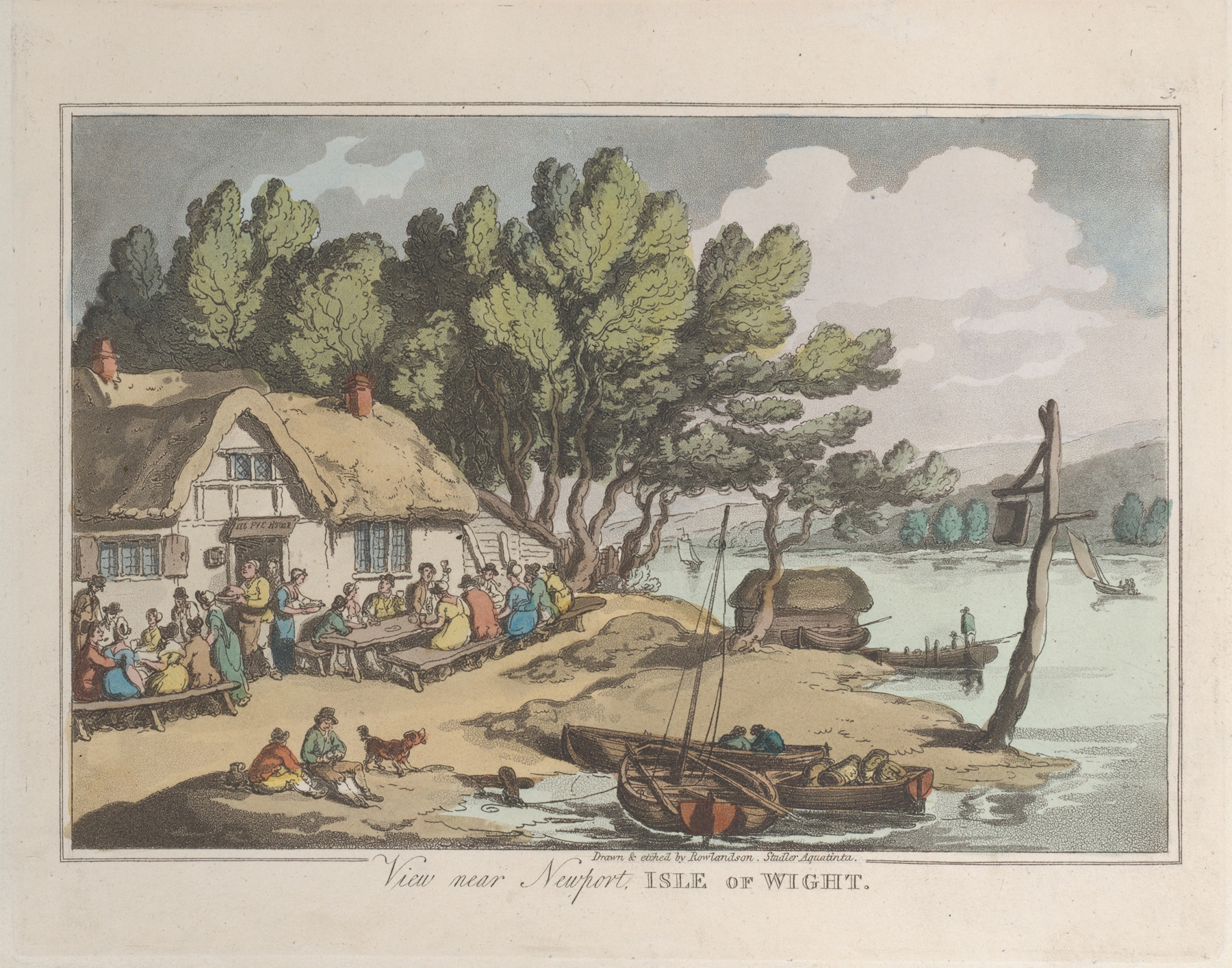
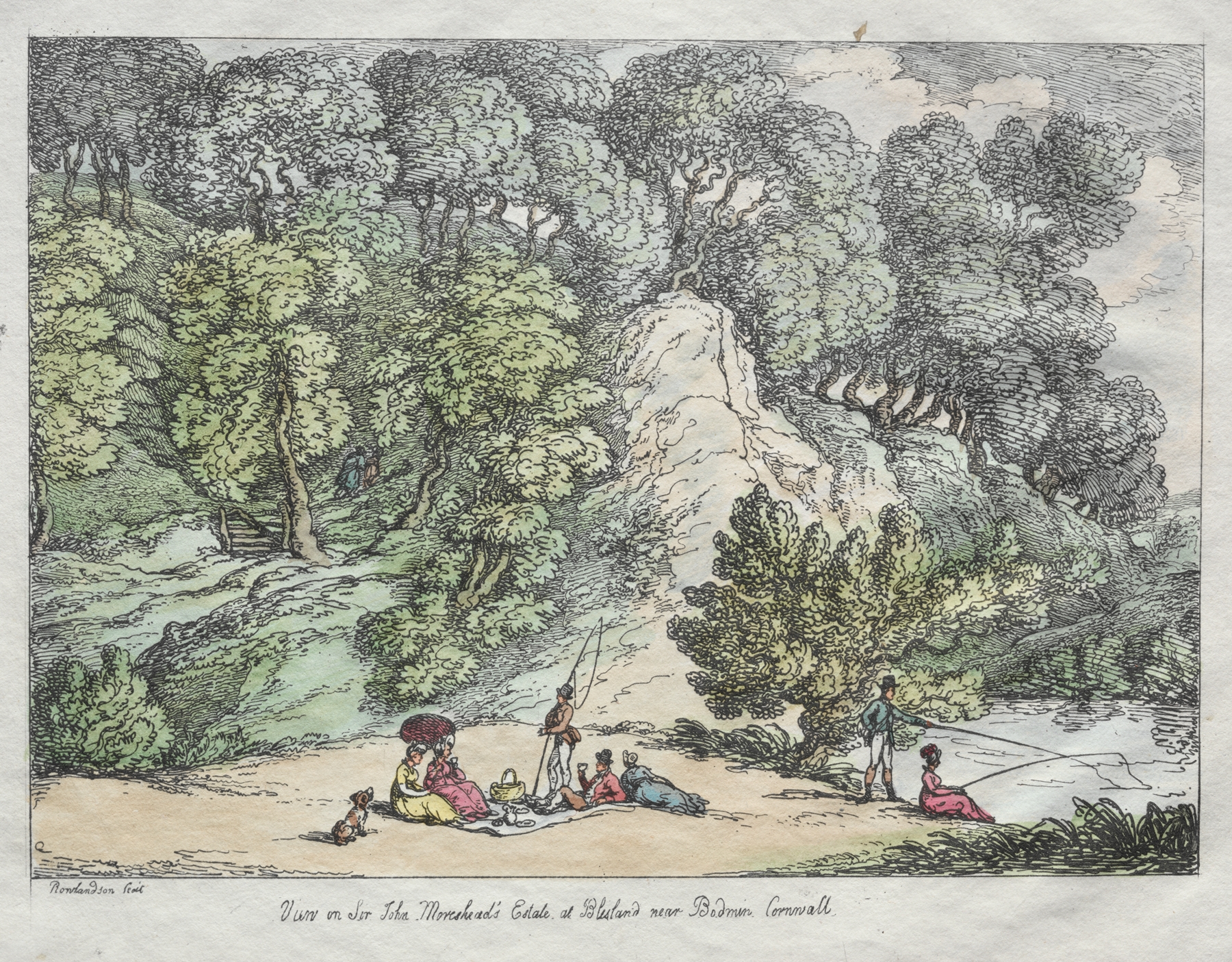
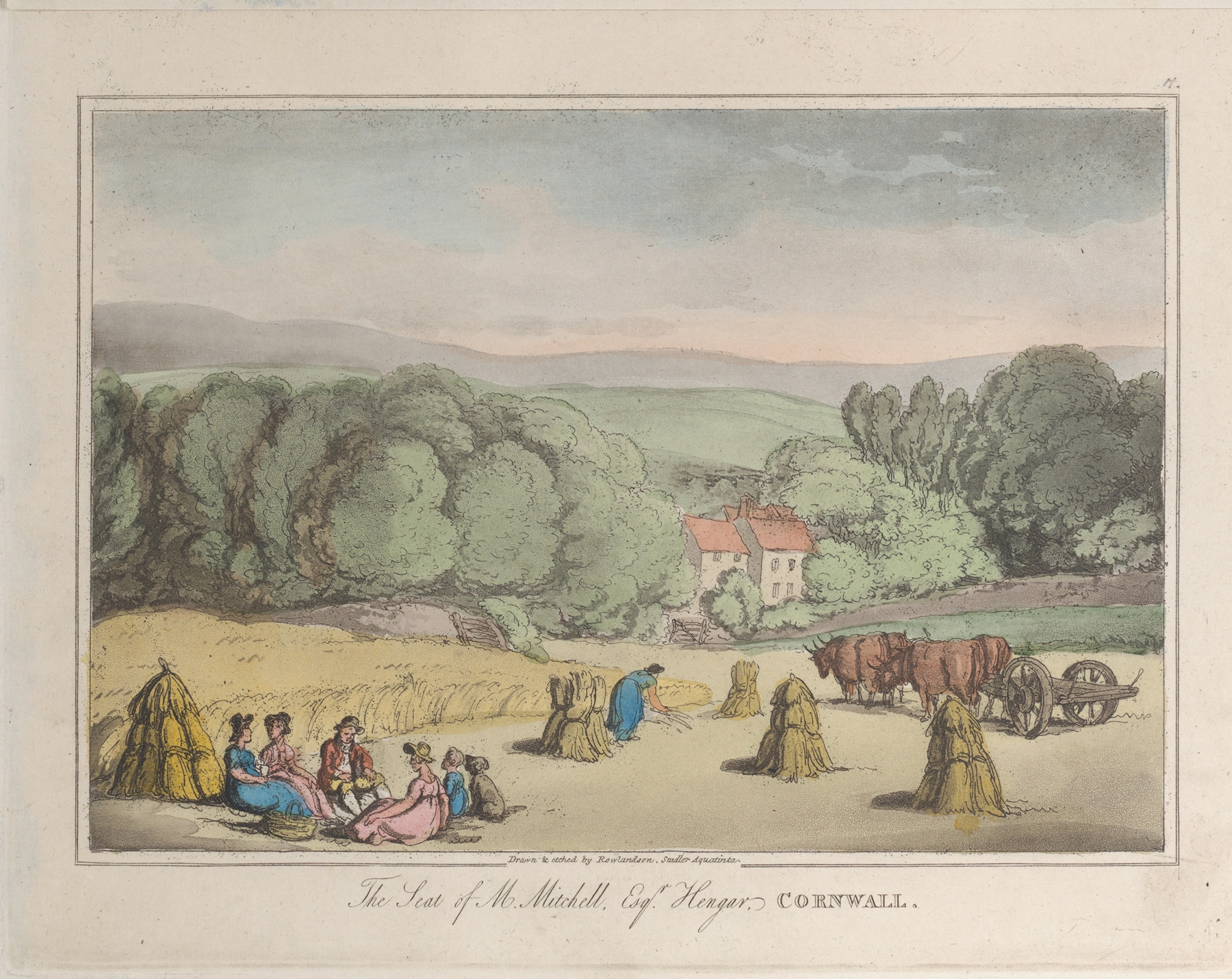
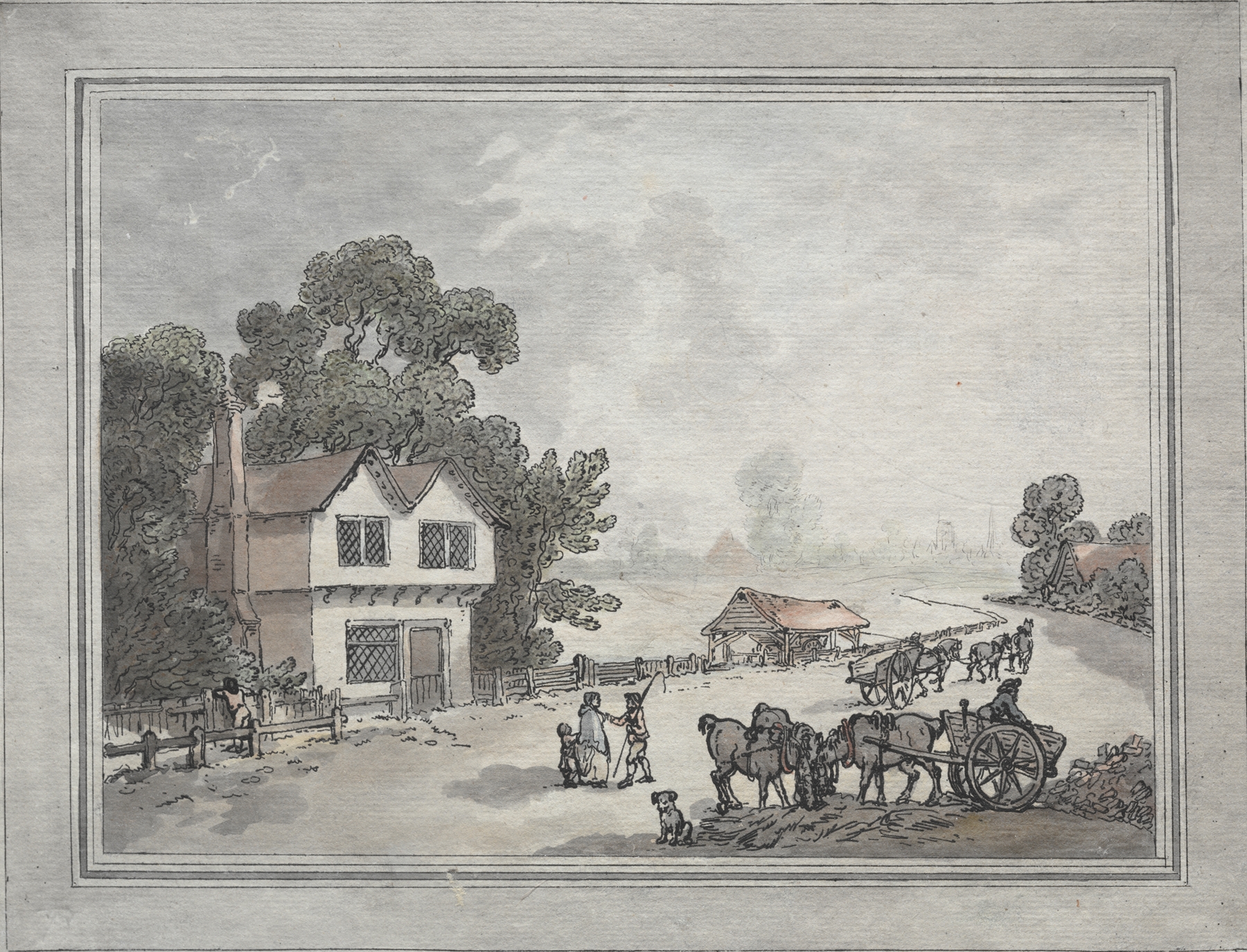
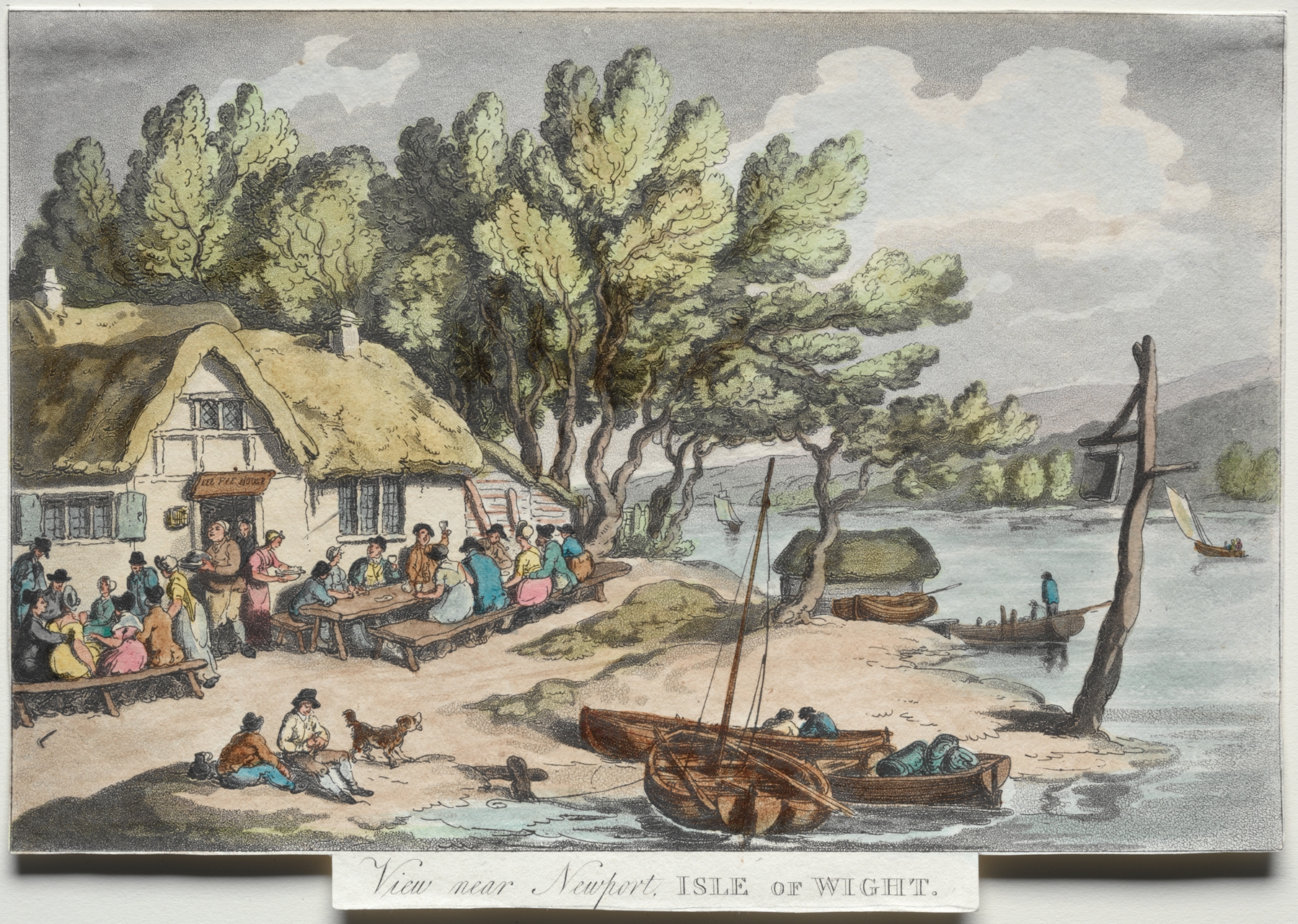
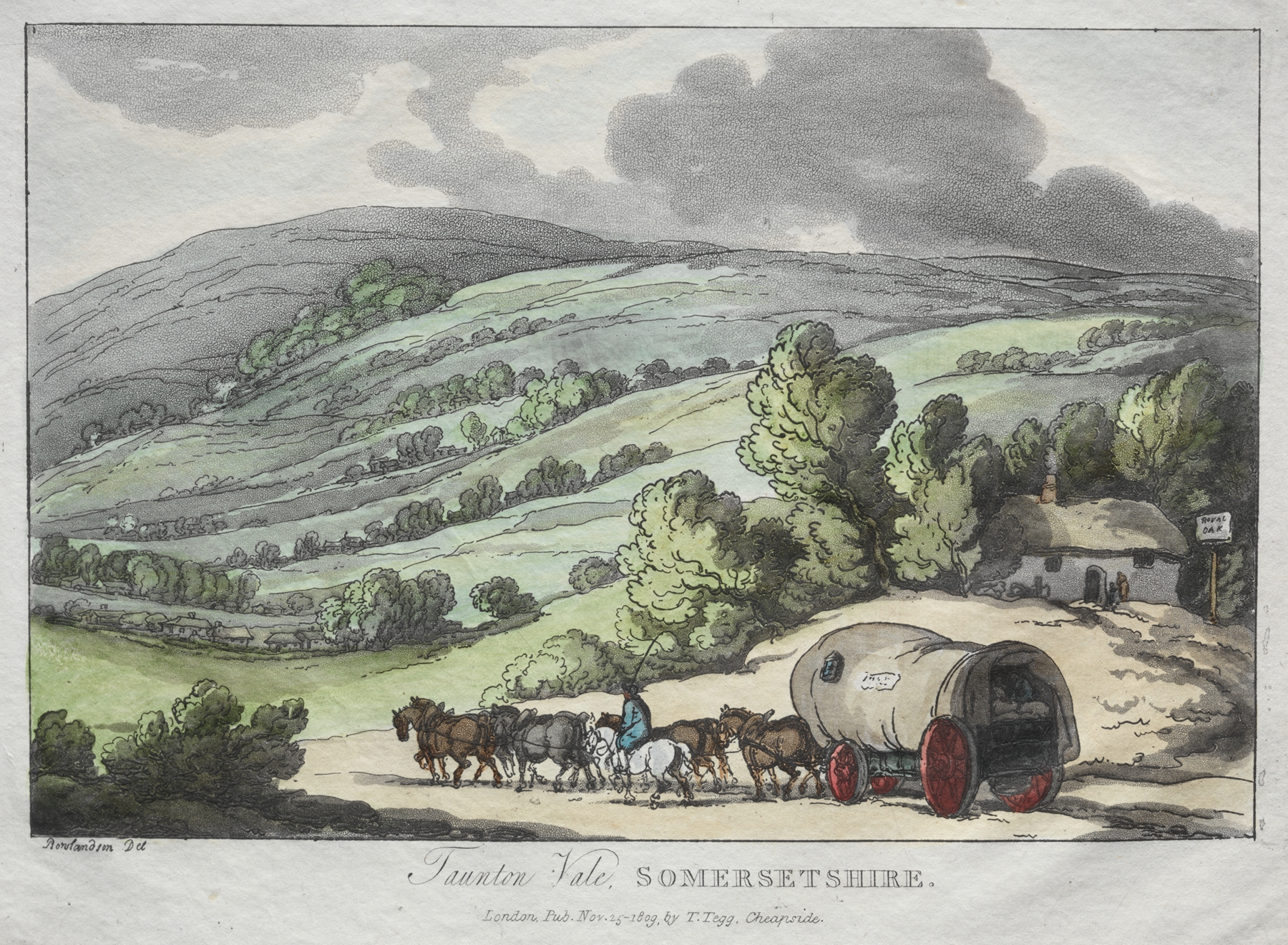
Where does light end, and longing begin? In the delicate interplay of pen and wash, Thomas Rowlandson captures a moment of exquisite truth that reveals more than mere scenery. Focus on the gentle meandering lines that sketch the contours of a tranquil Taunton Vale, inviting your eye to trace the lush greenery and serene skies. The subtle shifts in color—from soft greens to the muted blues of the horizon— evoke a feeling of peace, while the wispy strokes suggest the fleeting nature of the scene.
A faint sunlight dances across the landscape, breathing life into the paper, while shadows whisper of secrets hidden within the folds of the hills. Yet, beyond the calm facade lies a contrast between nature’s unyielding beauty and the inevitable passage of time. The distant figures, modest in scale, hint at the smallness of humanity against the vastness of the world, igniting a tension between presence and absence. The unassuming charm of rural life portrayed here reflects a yearning for simplicity, simultaneously celebrating and lamenting a vanishing pastoral existence.
In 1809, Rowlandson crafted this piece amidst a changing artistic landscape in England, where the Romantic movement began to flourish. It was a period marked by heightened appreciation for nature and personal expression, as artists sought to invoke emotion through their work. The emergence of watercolors as a popular medium allowed him to convey the ephemeral beauty of his surroundings, and these sketches became a heartfelt response to both the tranquility he observed and the societal shifts of his time.