The Seat of M. Mitchell Esq. Henger, Cornwall — History & Analysis
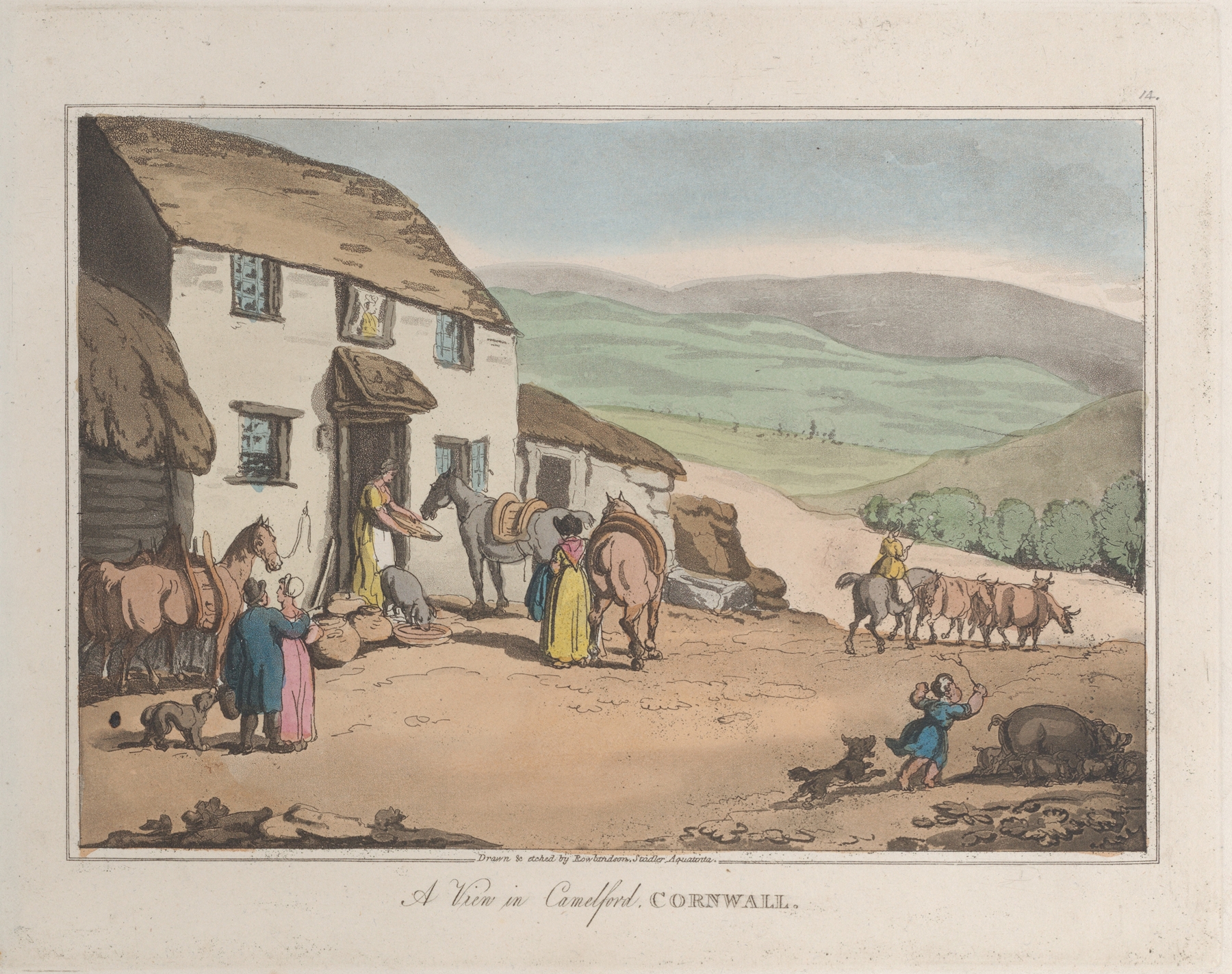
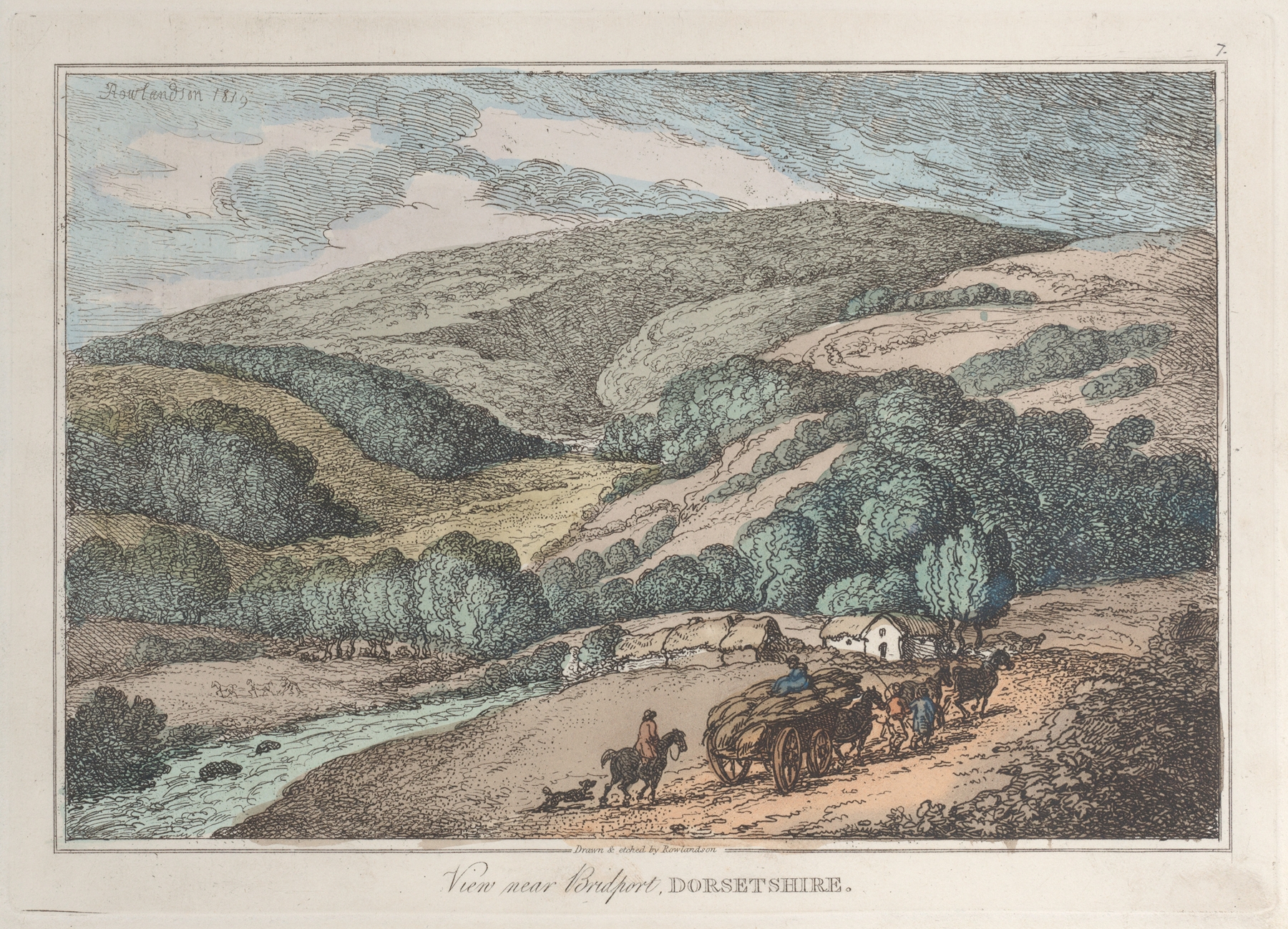
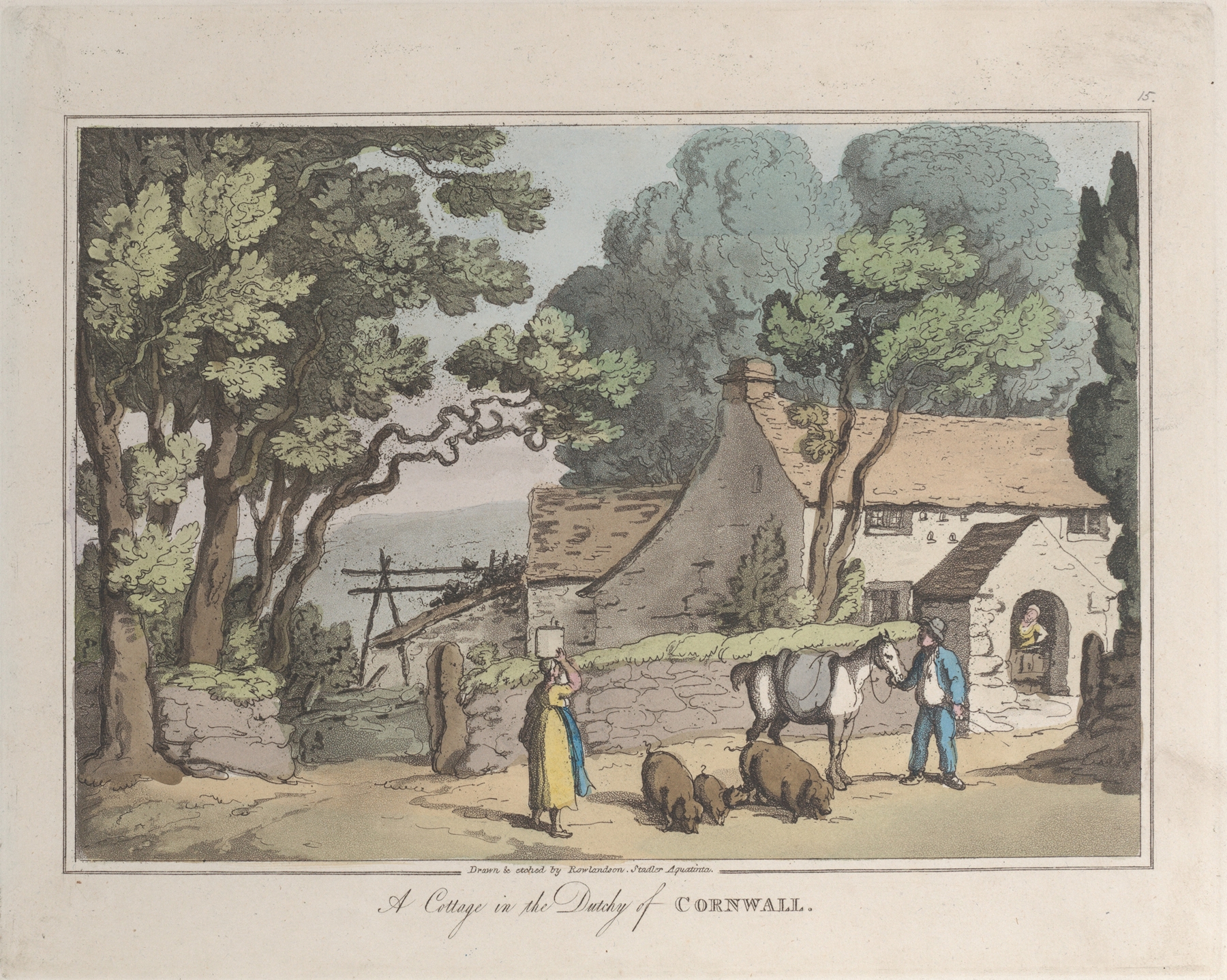
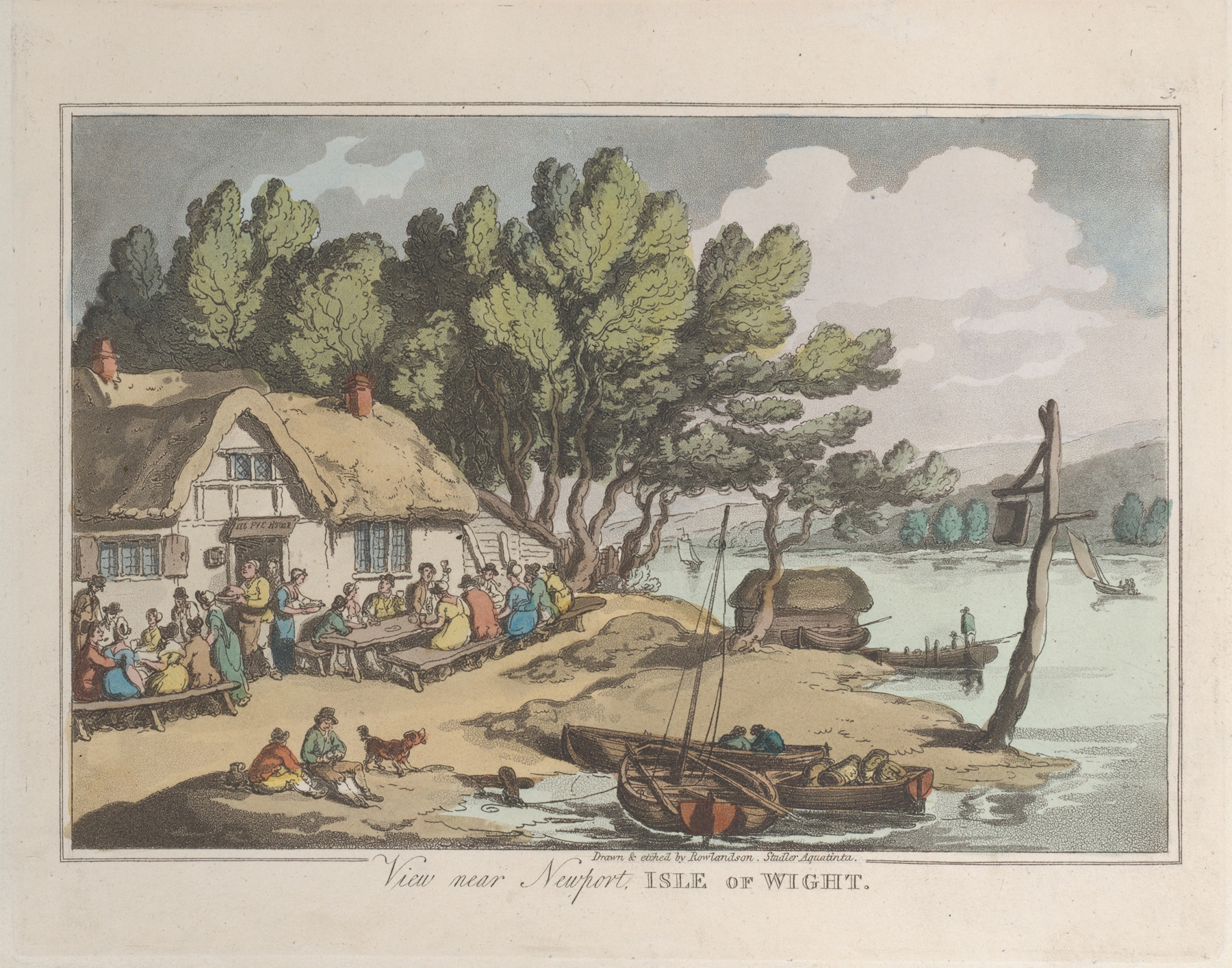
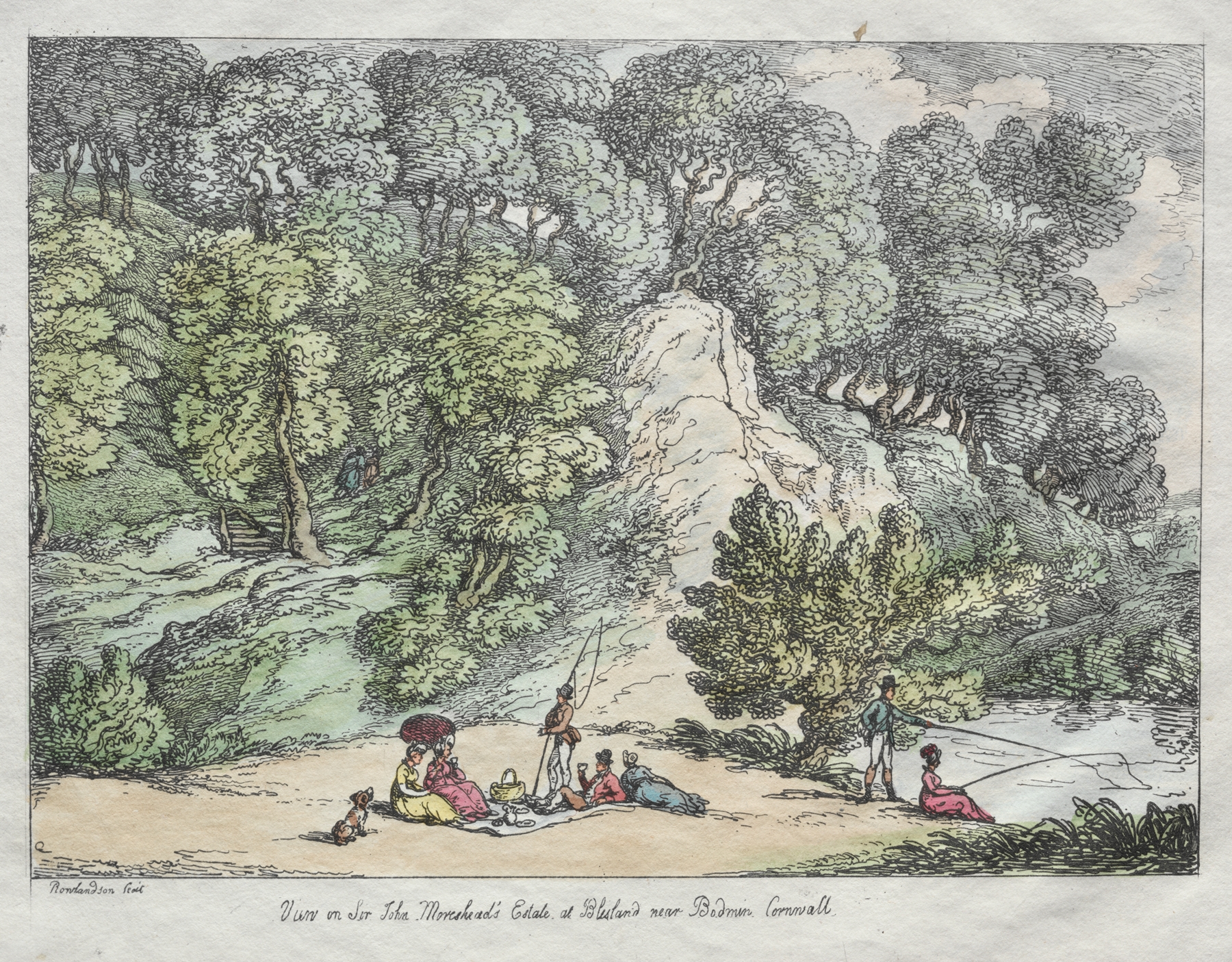
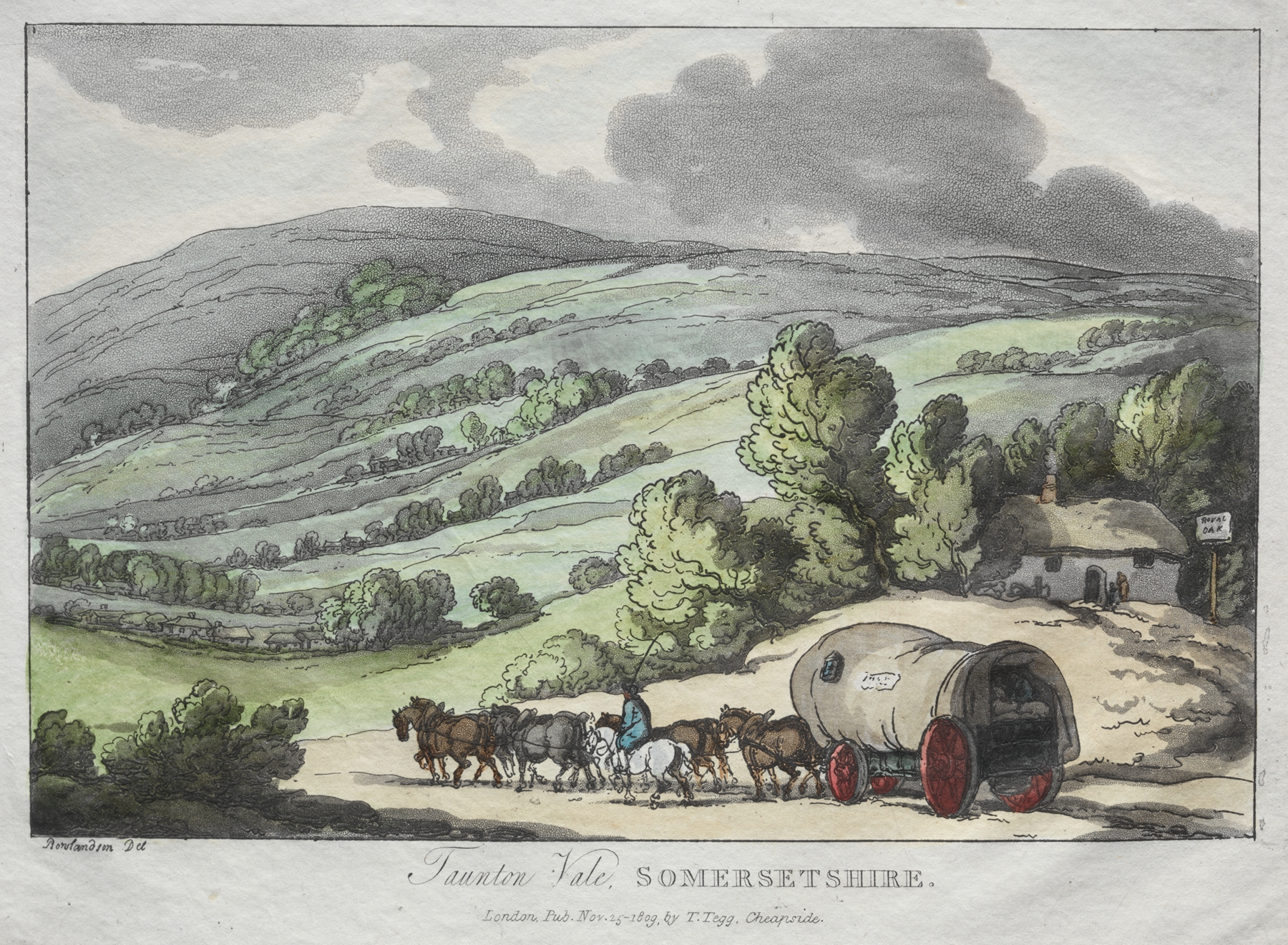
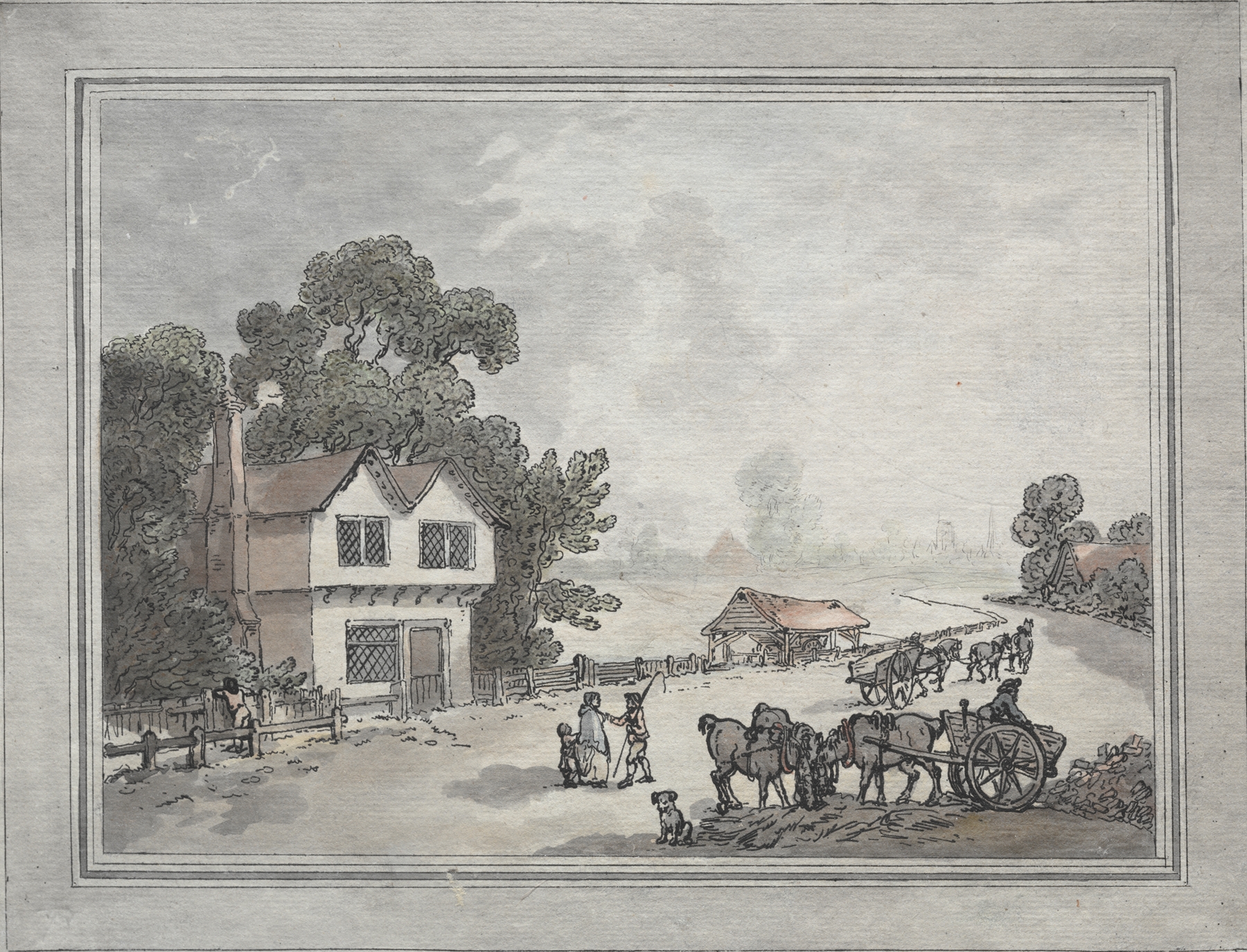
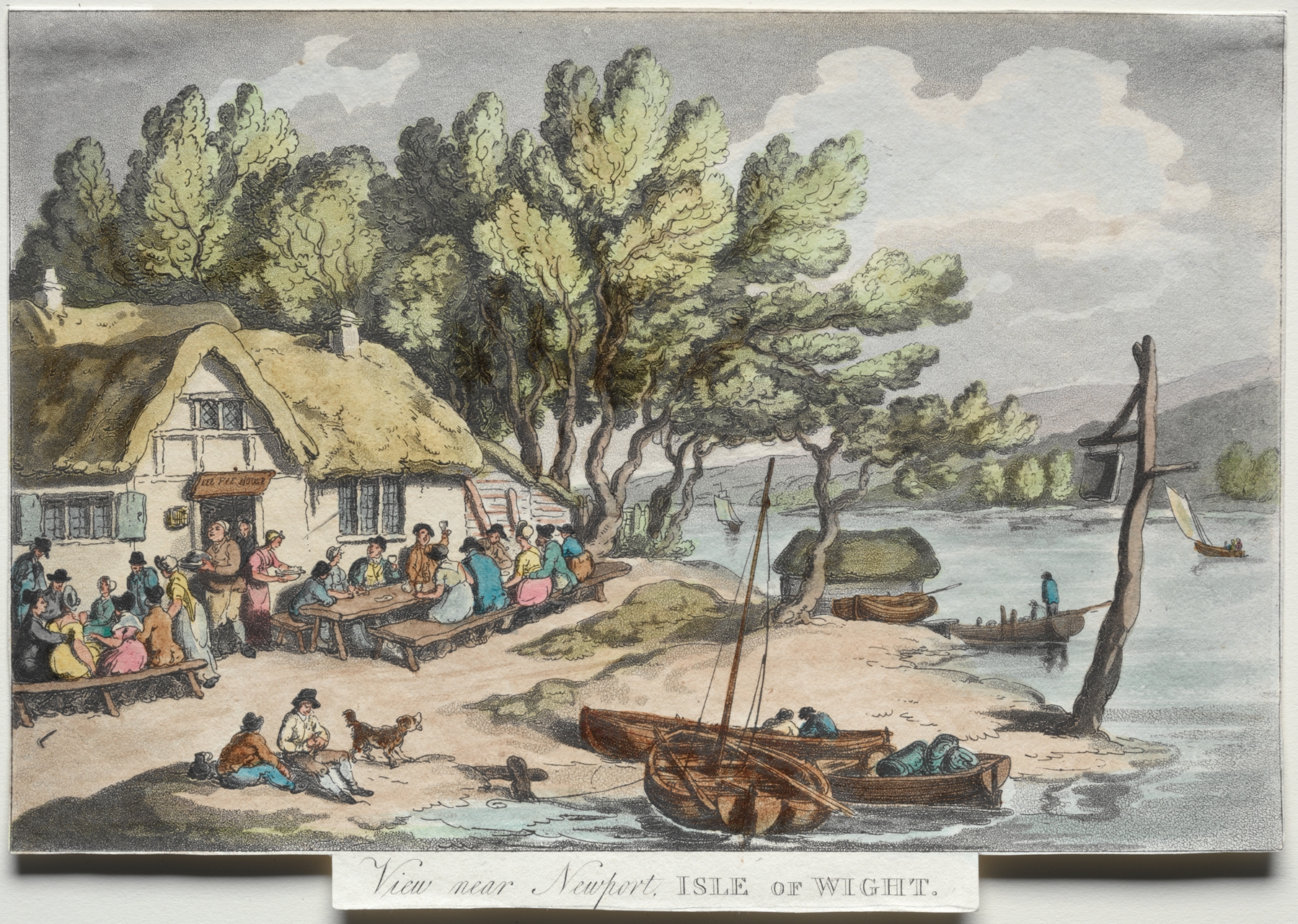
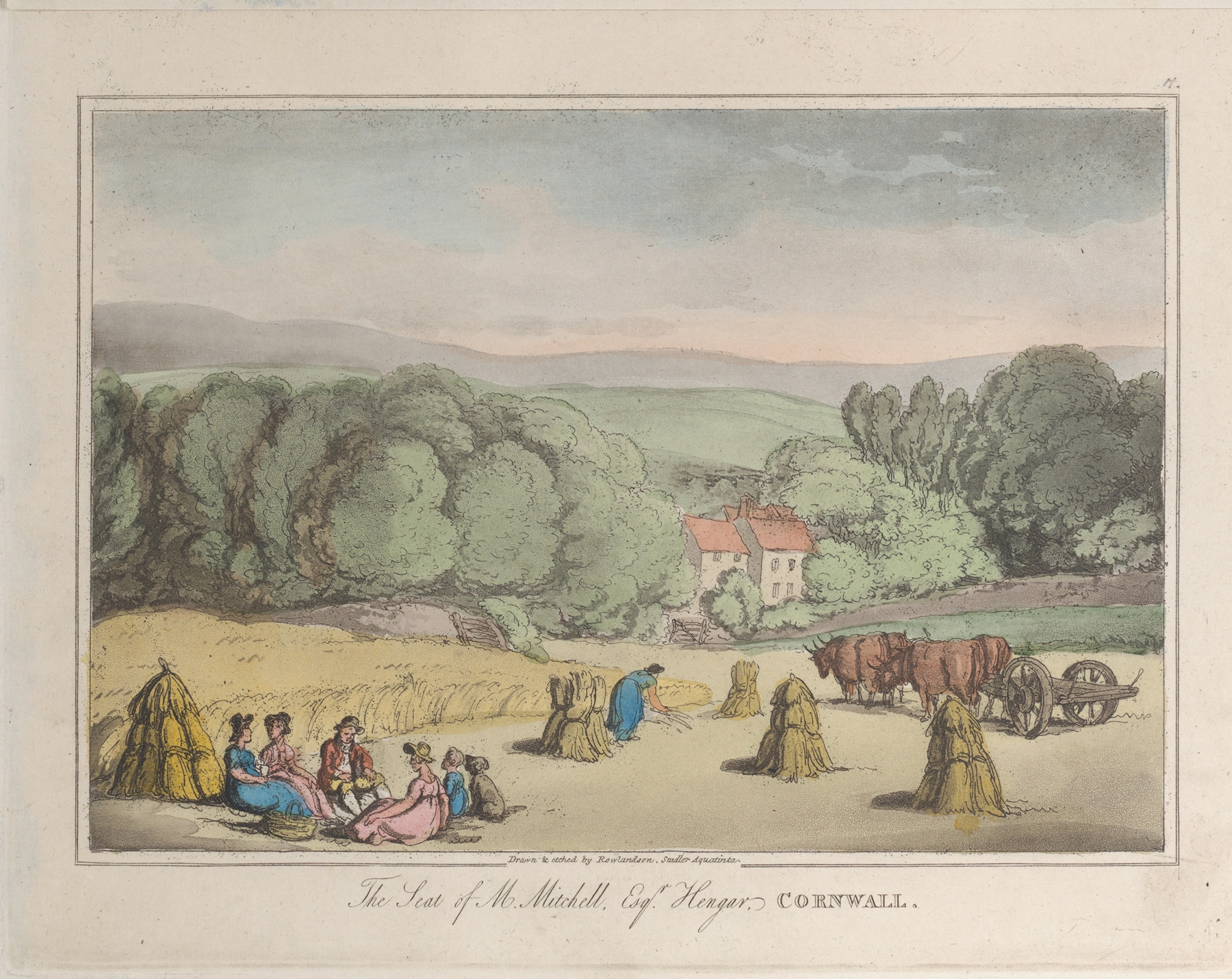
Can paint confess what words never could? In The Seat of M. Mitchell Esq., the essence of memory lingers vividly, capturing the viewer’s imagination with an intricate tapestry of life and nostalgia. Focus your gaze on the sweeping landscape, where verdant hills roll gently in the background, cradling the stately home at the center. Notice how the warm sunlight bathes the façade, illuminating the intricate details of the architecture while casting soft shadows that suggest the passage of time.
The vibrant hues, from the lush greens to the soft blues of the sky, invite you to wander through the scene, revealing the harmony between man-made elegance and nature's splendor. Yet beneath this idyllic representation lies a deeper emotional landscape. The lively figures populating the scene seem to dance in a world of their own, some lost in conversation, others absorbed in their leisure, hinting at stories untold. This vibrant activity juxtaposes the serene permanence of the estate, evoking a poignant tension between the fleeting nature of human experience and the enduring legacy of place.
Each character suggests a fragment of history, whispering the secrets of lives intertwined with the very ground they stand upon. In 1822, Thomas Rowlandson painted this piece while residing in England, a time when Romanticism was flourishing, and artists began to explore personal expression and the relationship between man and landscape. In the wake of the Napoleonic Wars, society was shifting, and the focus on heritage and identity began to take root in artistic circles. Rowlandson, known for his satirical illustrations, infused this work with a warmth and sense of belonging, reflecting both his personal experiences and the cultural zeitgeist of his time.