Horses and Carts on a Country Road — History & Analysis
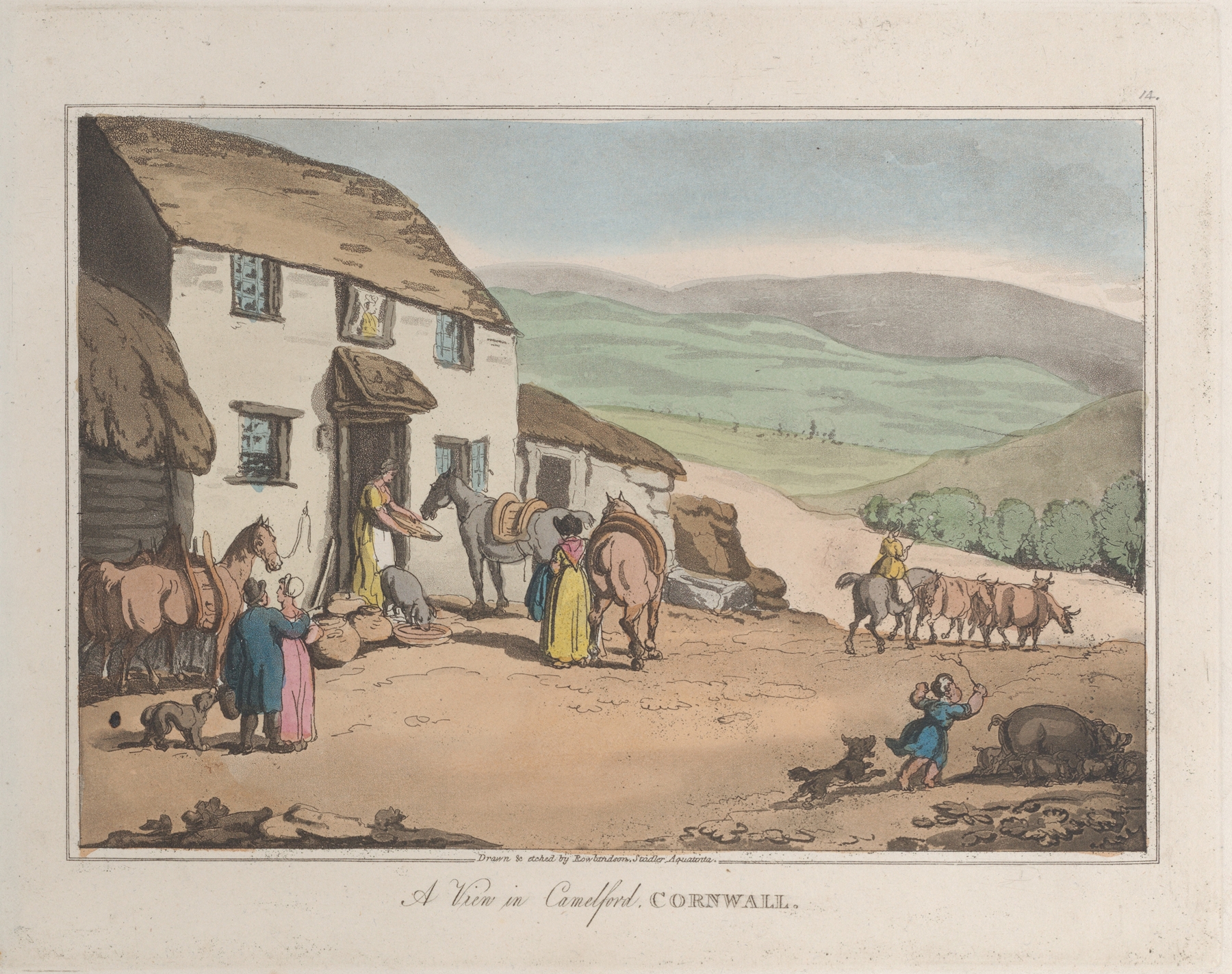
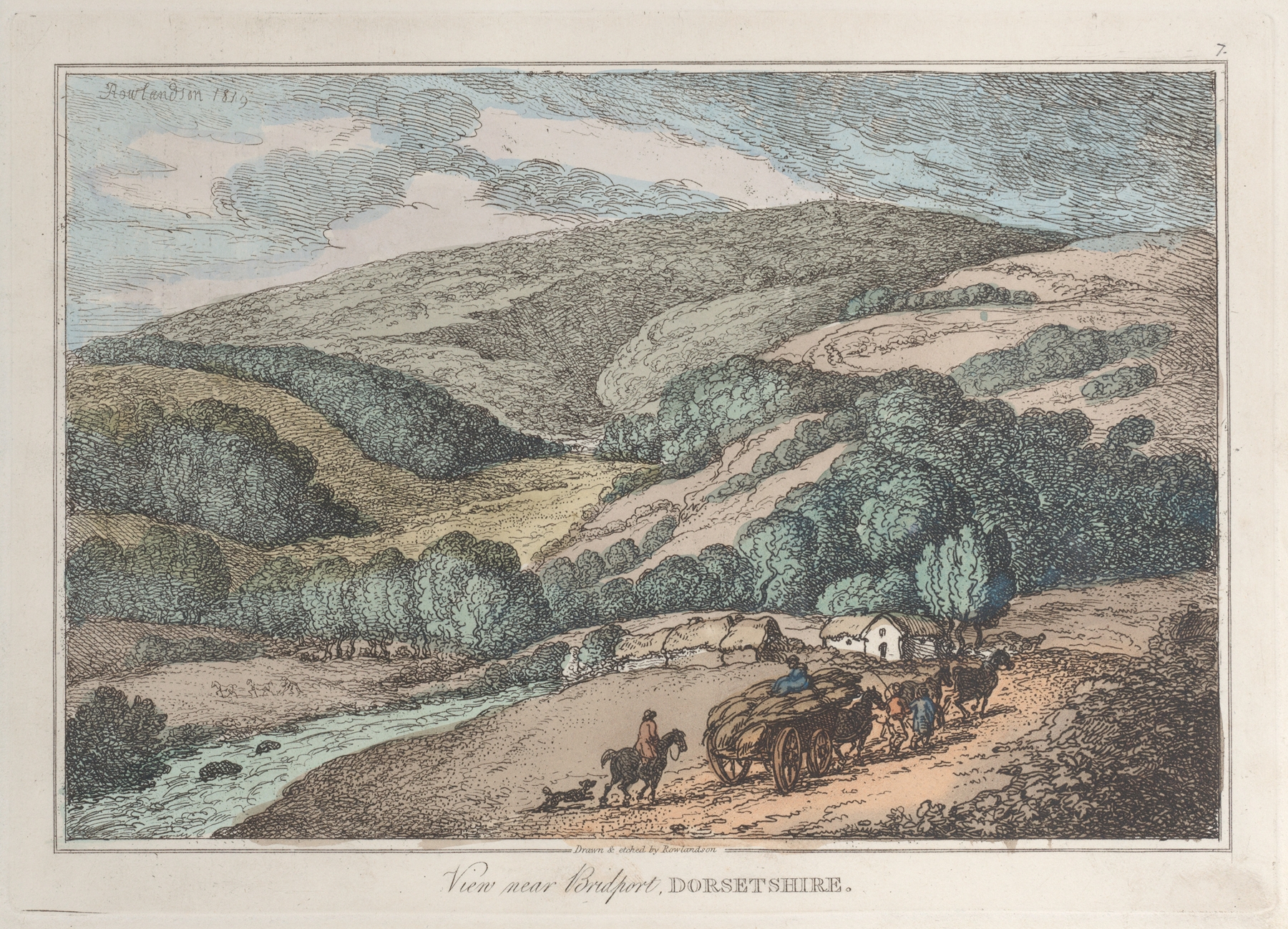
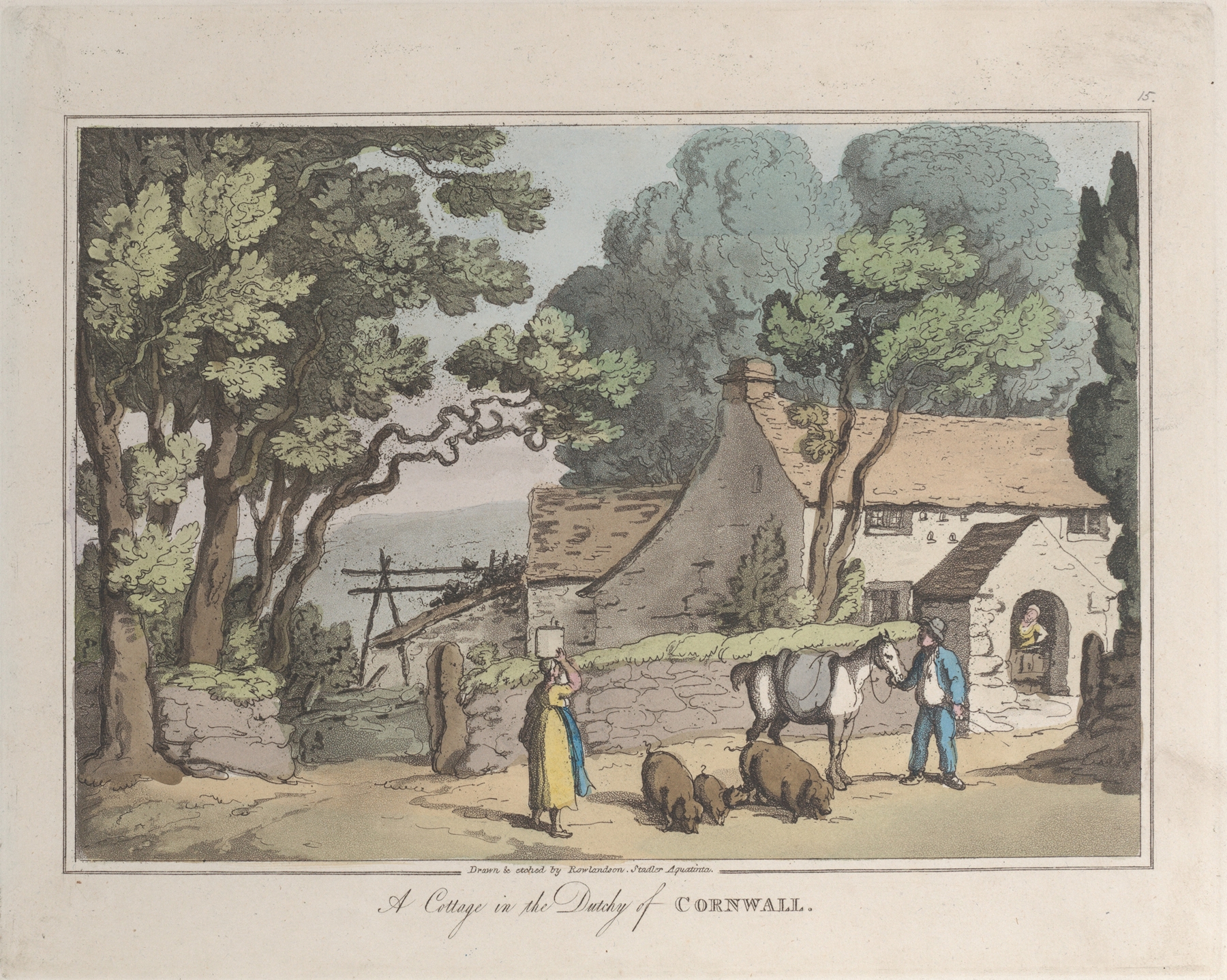
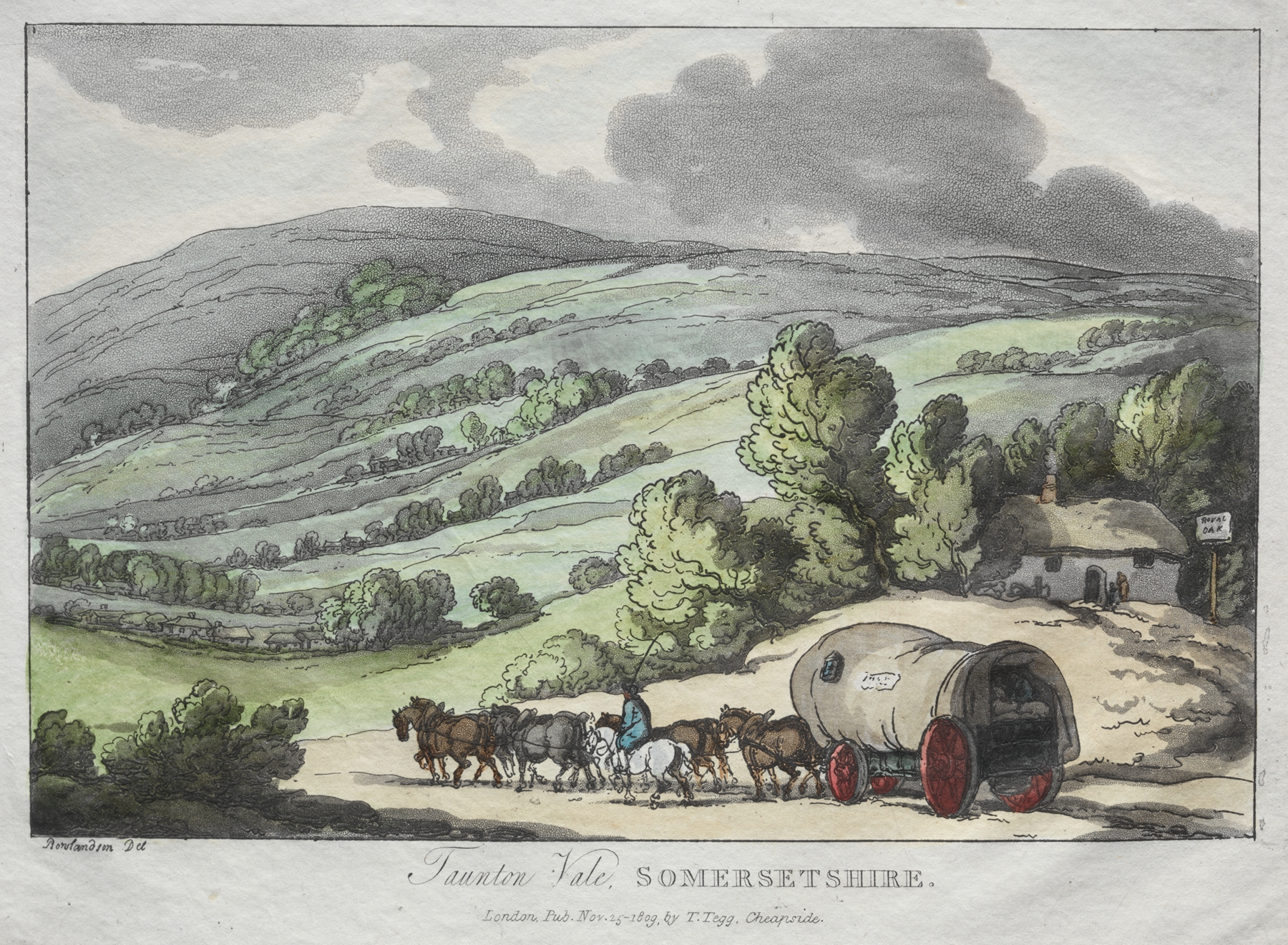
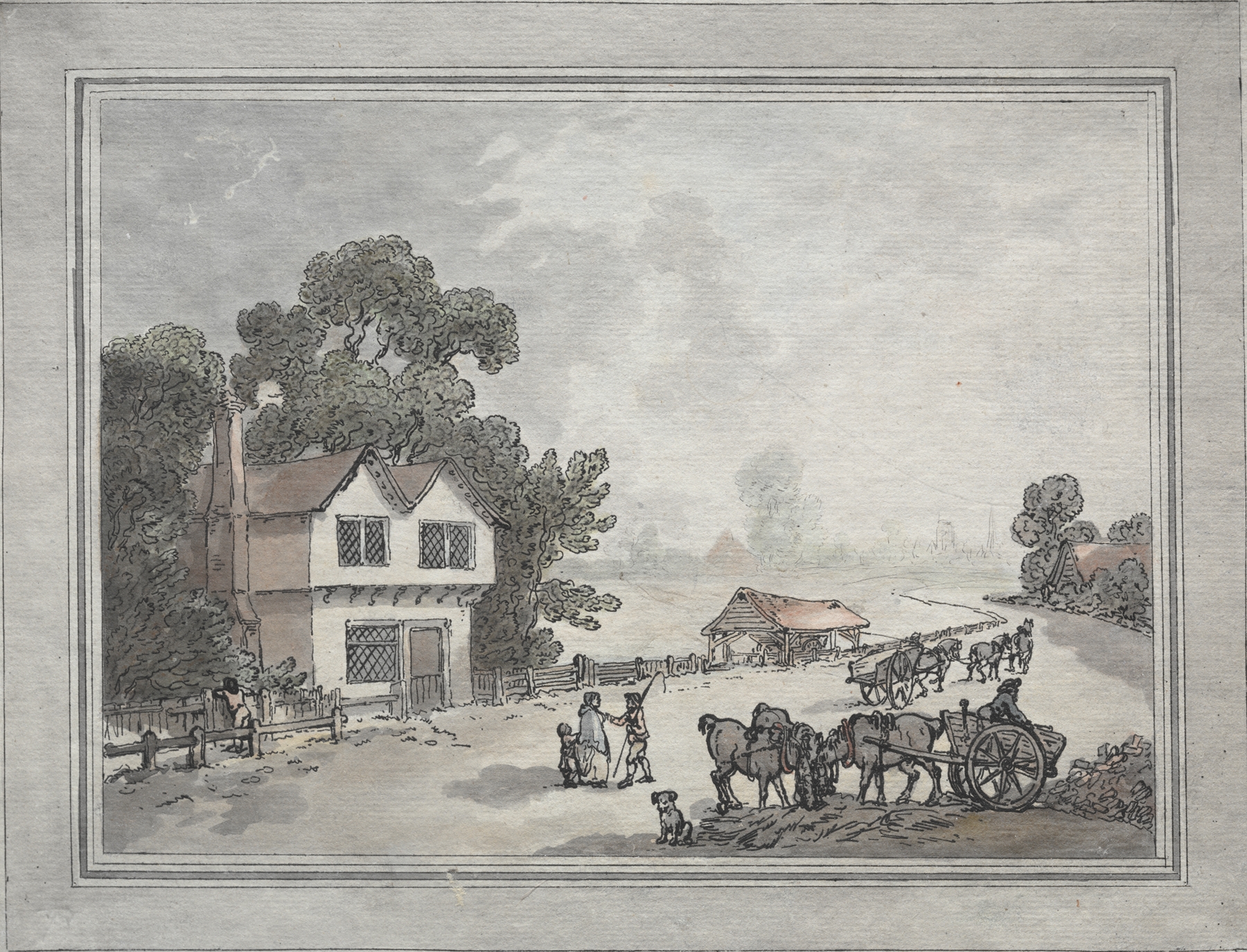
Did the painter know this moment would outlive them? A fleeting glimpse of life, where the simple passage of horses and carts along a sun-drenched country road encapsulates the fragility of human endeavors. Focus first on the gentle curve of the road as it winds through the landscape, beckoning the eye to follow its path. The muted tones of brown and green harmonize, evoking a sense of tranquility. Notice how the soft, dappled light filters through the trees, casting a mosaic of shadows on the ground and illuminating the figures in mid-journey.
The carts, laden with goods, hint at an industrious optimism, while the horses, strong yet weary, embody the resilience and toil of rural life. As you explore further, consider the contrast between the serenity of the scene and the underlying tension of transience. The steady march of the horses signifies progress, yet each hoofbeat also echoes the fragility of existence. The fleeting clouds overhead portend change, reminding us that the pastoral ideal is often but a moment held captive in paint.
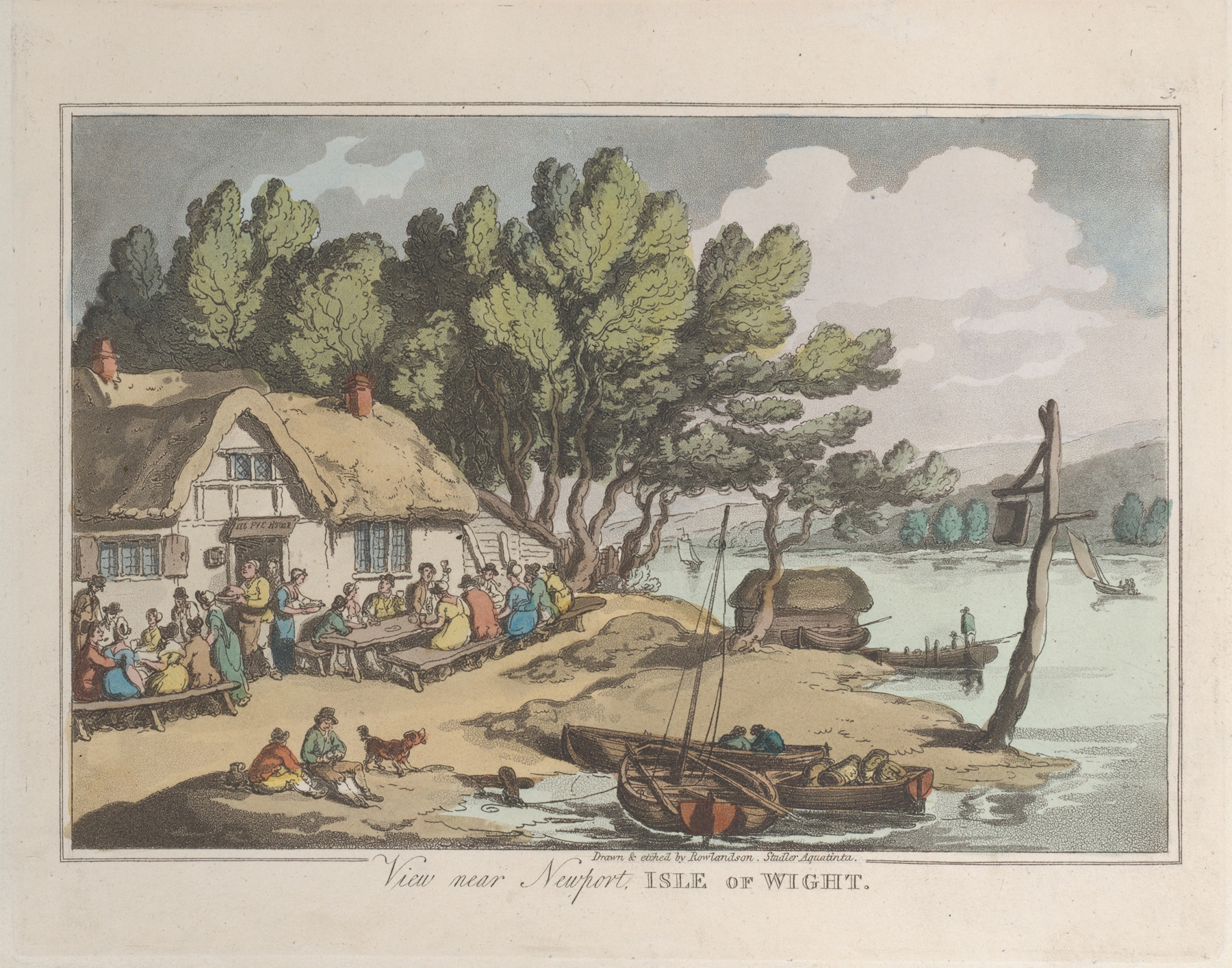
The figures within the carts, absorbed in their tasks, represent a connection to the land that feels both eternal and ephemeral. Created during a time of social and artistic upheaval in late 18th-century England, this work came from an artist who captured the everyday with keen observation. Rowlandson, working amidst the rise of the Romantic movement, sought to document the world around him with a sense of humor and humanity. This artwork reflects not only the artist's dedication to realism but also the cultural shifts that would soon redefine art and life itself.