Village of St. Udy, Cornwall — History & Analysis
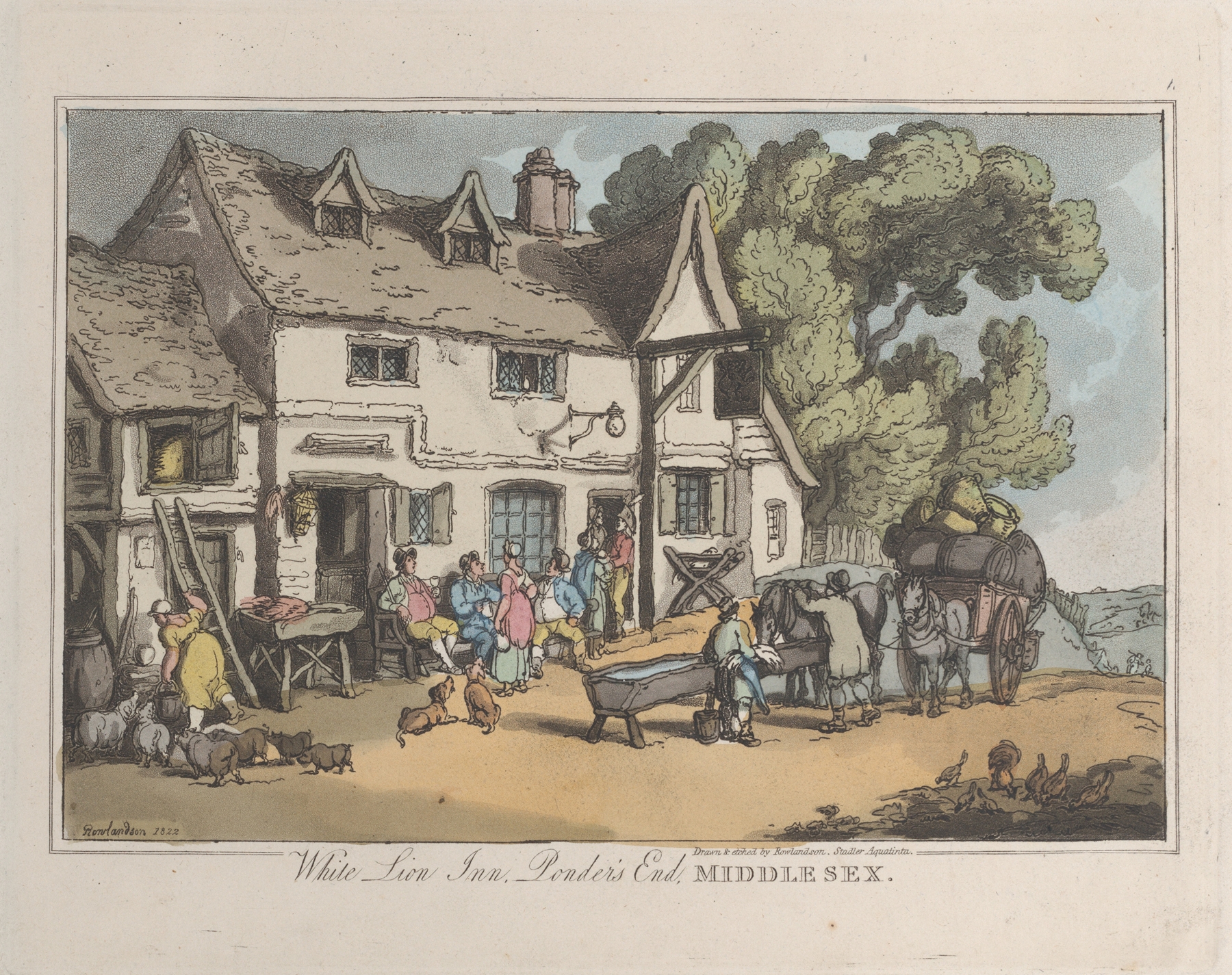
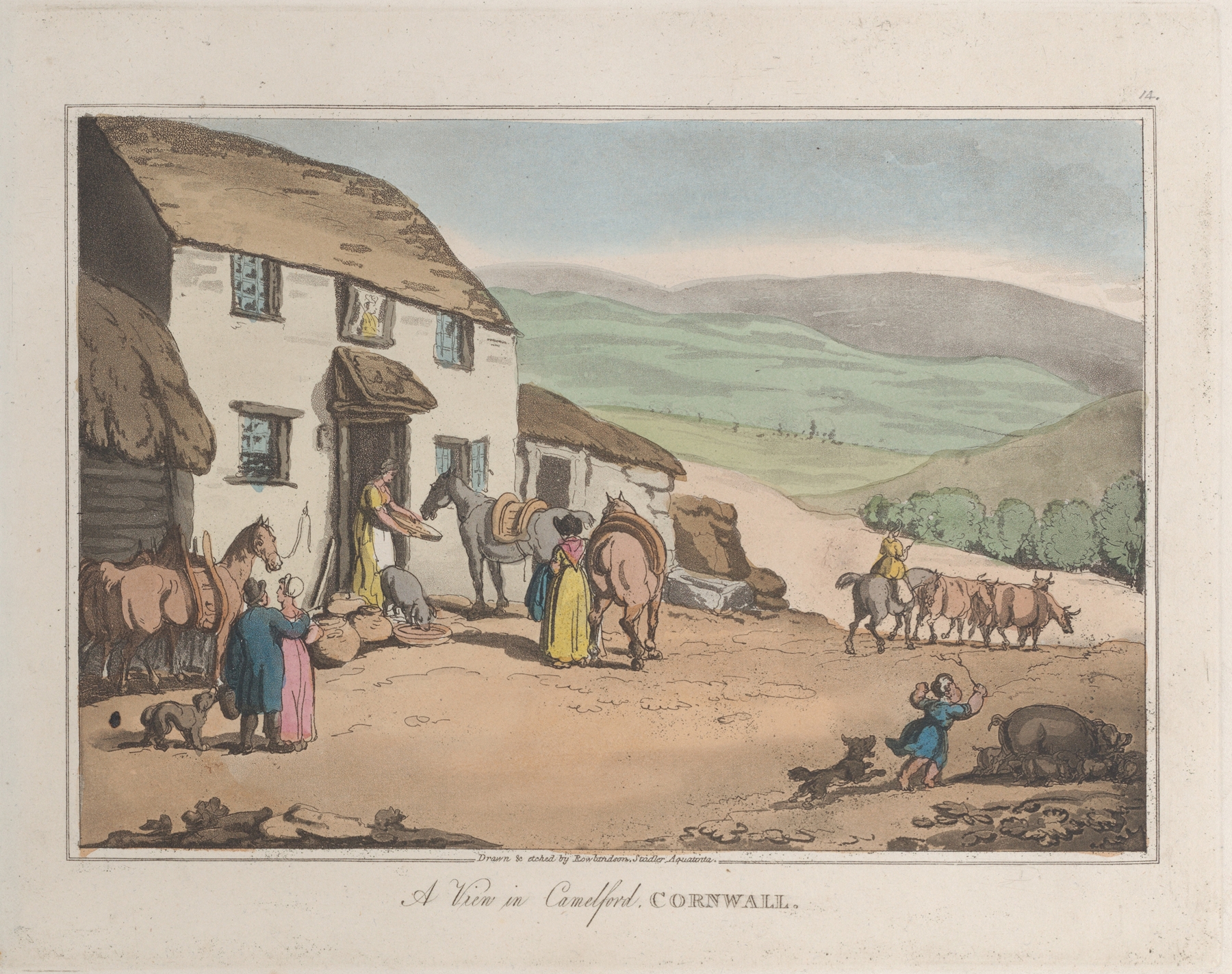
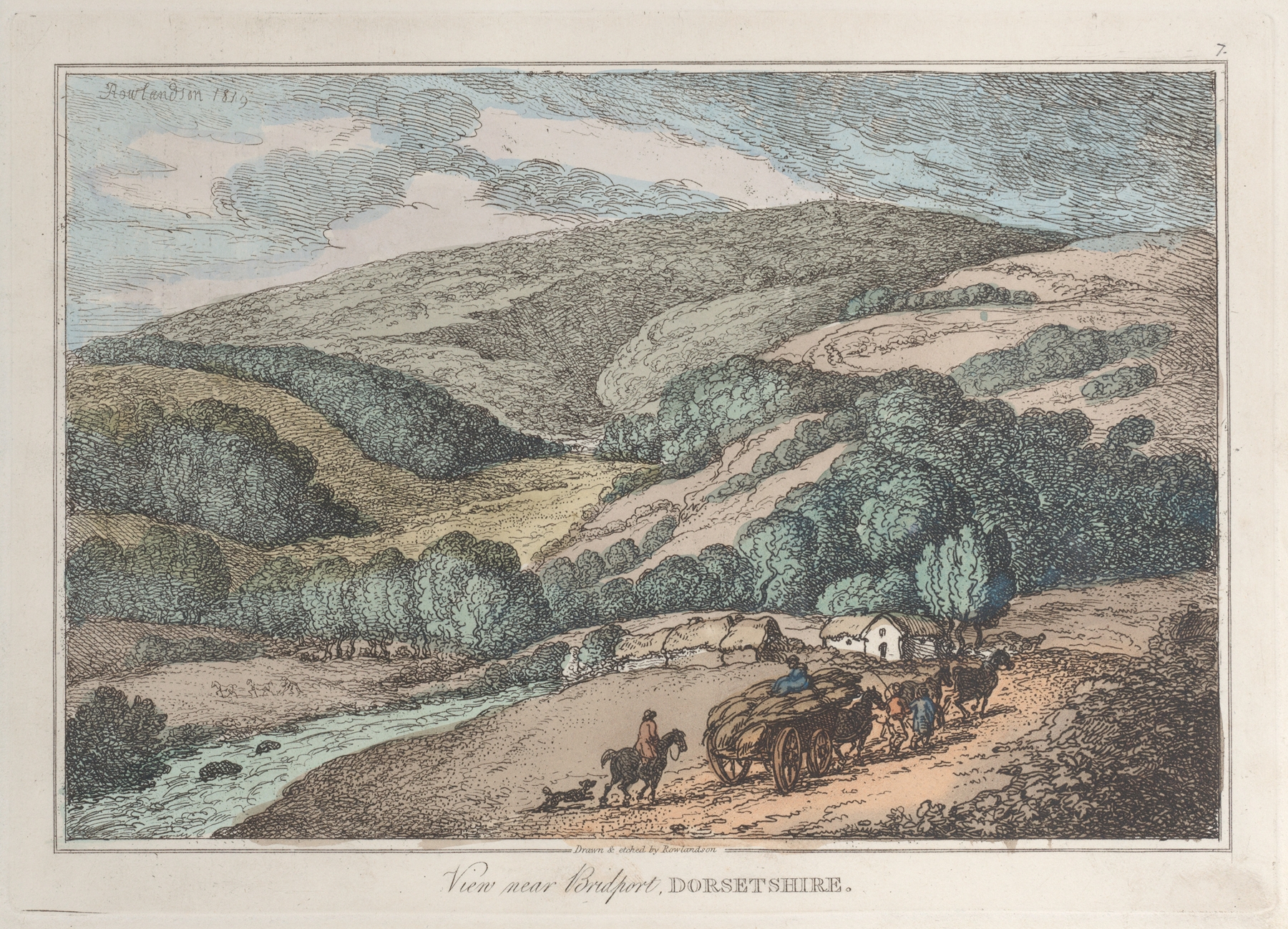
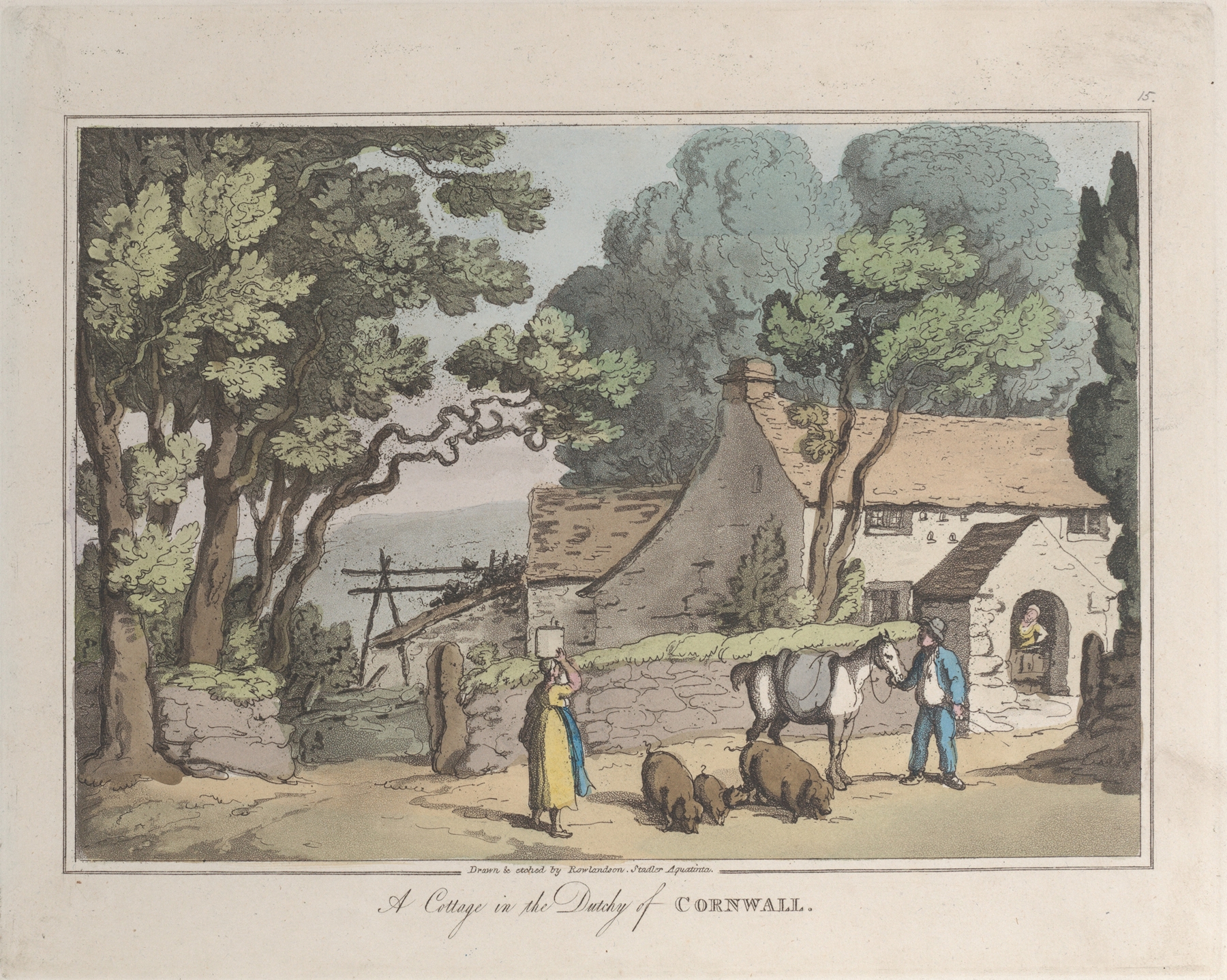
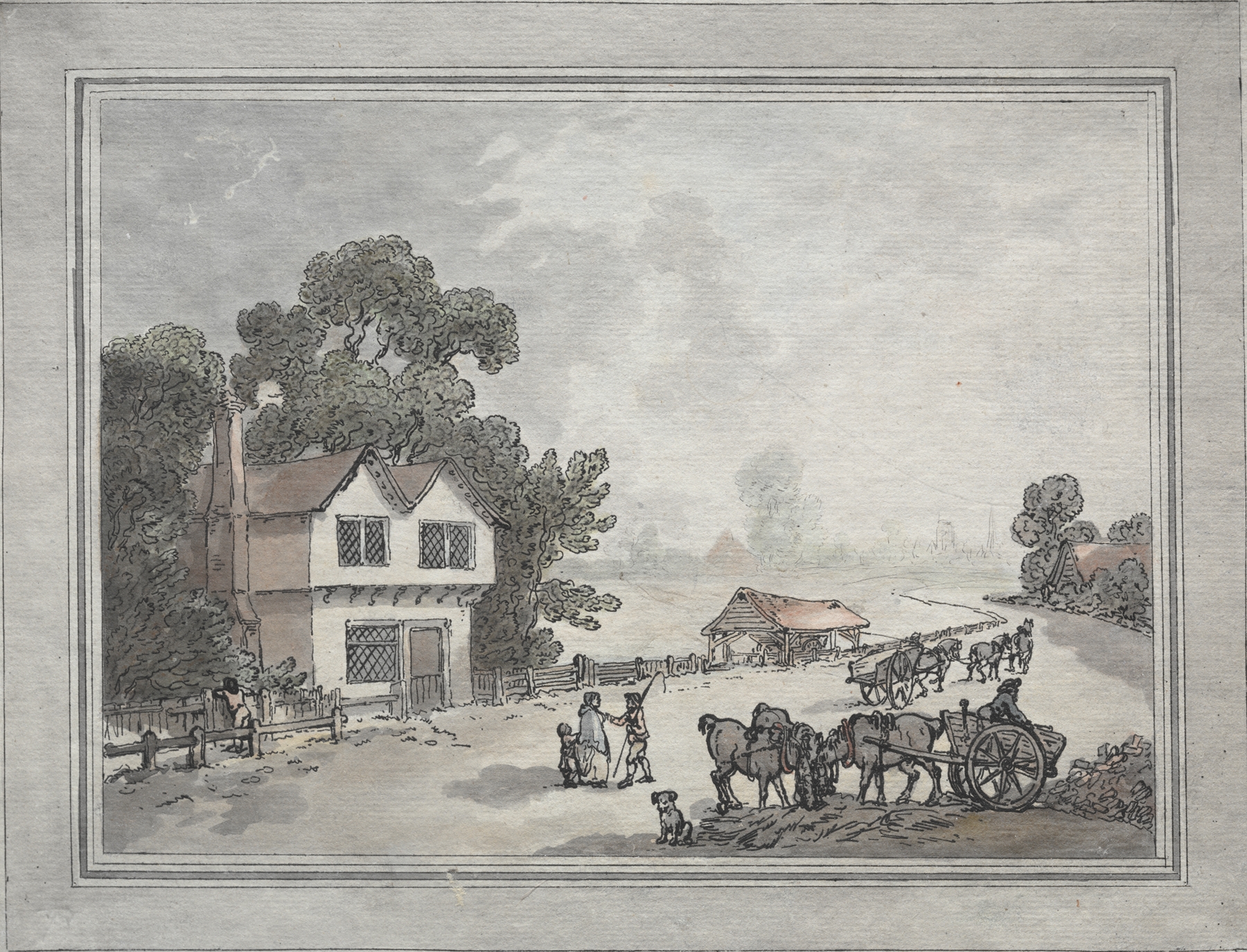
Where does light end, and longing begin? In the delicate landscape of a once-bustling village, the remnants of life linger like whispers in the air. Look to the foreground, where the gentle curves of the rolling hills cradle the village, softly painted in muted greens and browns. The quaint cottages, though charming, seem almost ghostly in their stillness, their façades weathered by time and fading sunlight. Notice how the light falls upon the rooflines, casting long shadows that stretch toward the viewer, evoking a sense of both warmth and solitude.
The sky above, a watercolor wash of pale blues and grays, suggests an impending dusk — a moment caught between day and night, life and memory. Yet within this serene beauty lies an undercurrent of emptiness. The absence of human figures highlights a profound loneliness, as if the echoes of laughter and conversation have been swept away by the gentle wind. The balance between the lush landscape and the quiet village hints at a nostalgia for what once was, fostering a tension between the vibrancy of nature and the desolation of abandonment.
Each structure stands as a testament to stories untold, evoking both melancholy and introspection. In 1822, Thomas Rowlandson was navigating the complexities of his artistic career during a time of social and political change in England. As a prominent caricaturist and watercolorist, he had begun to explore more serene landscapes, a shift reflective of his own desire for tranquility in an increasingly chaotic world. The creation of this work in Cornwall, a region known for its picturesque scenery, allowed him to capture a fleeting moment of beauty amid the echoes of his time.