A Different Sugaring Off — History & Analysis
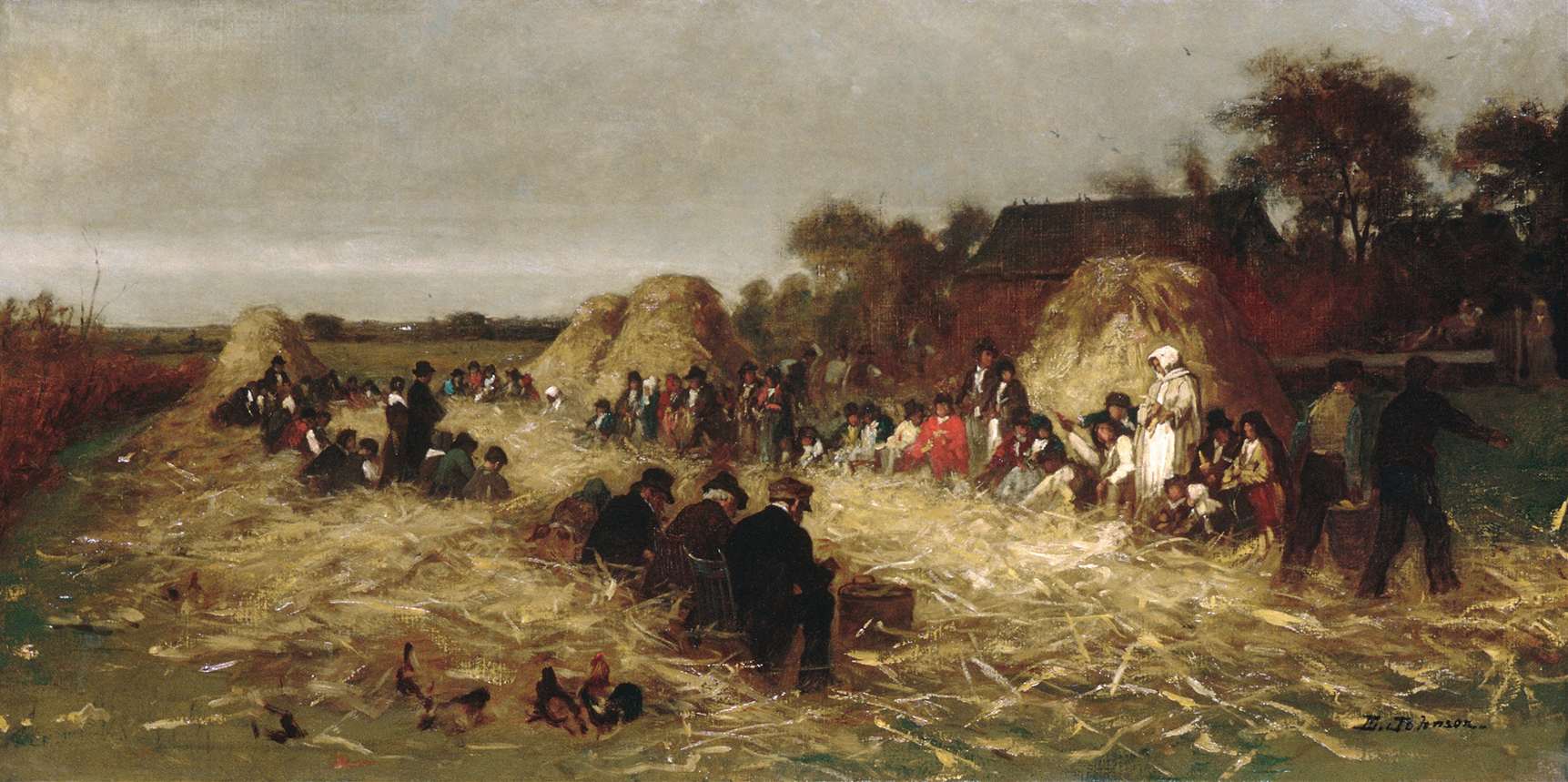
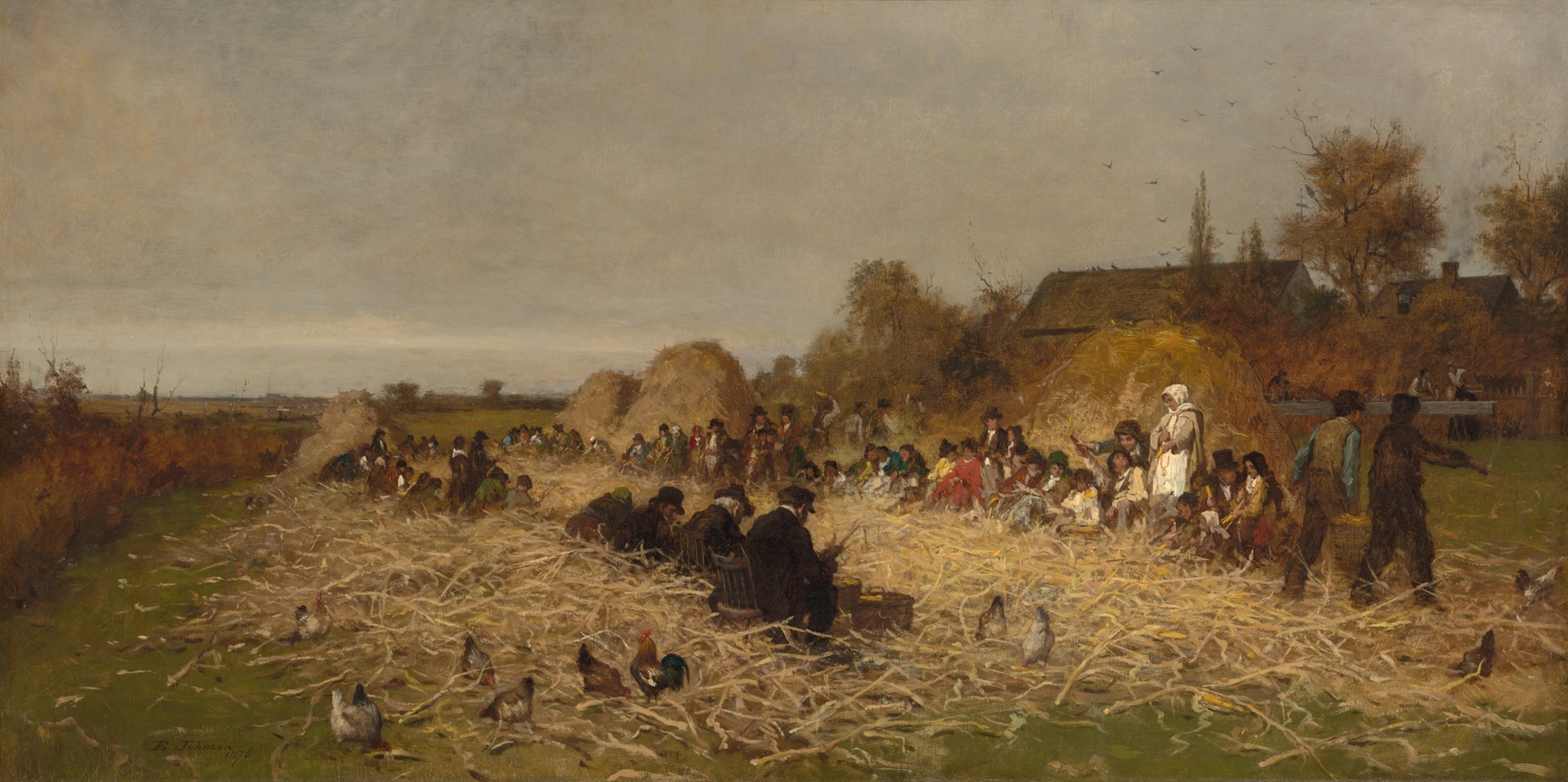
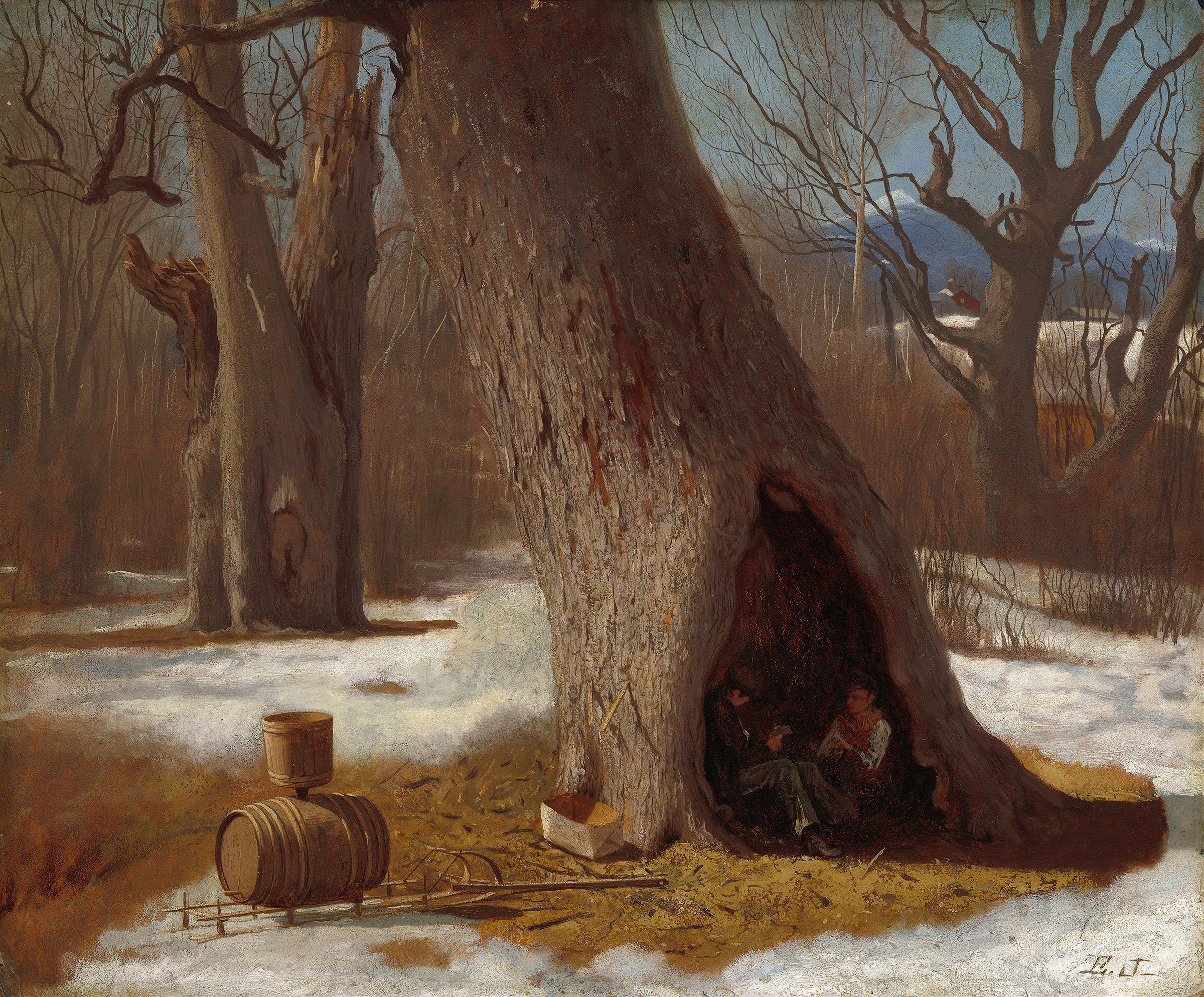
The canvas doesn’t lie — it simply waits. Within its surface, hope simmers like the sap being transformed, whispering stories of labor and sweetness beneath the chill of winter’s end. Look to the left at the figures working diligently to gather warm sap, their hands deftly navigating the tools of their trade. Notice the gentle play of light as it dances across the canvas, highlighting the earthy browns and soft whites, creating warmth in an otherwise cold landscape.
The dynamic diagonal lines draw your eye through the scene, inviting you to witness the intricate process that ties laborers to nature, each brushstroke imbued with intention. Hidden amidst the bucolic setting are contrasts that speak volumes: the labor of the present verses the promise of the future, depicted through the rich texture of the trees against the pale expanse of the snow. The choice of muted colors evokes a sense of nostalgia and resilience, echoing the cycle of seasons that heralds both struggle and renewal. The expressions on the workers’ faces, a mixture of concentration and satisfaction, reveal the deep emotional connection to their craft — a testament to the hope that springs forth from hard work.
Painted in the mid-19th century, A Different Sugaring Off reflects Eastman Johnson's commitment to American genre scenes during a time when the nation was navigating the complexities of social change. Residing in the Northeastern United States, Johnson captured the spirit of rural life while the art world began to shift towards realism, representing authenticity in everyday experiences. This painting stands as a bridge between artistic movements, symbolizing both personal and collective hope in an evolving society.