Self-Portrait — History & Analysis
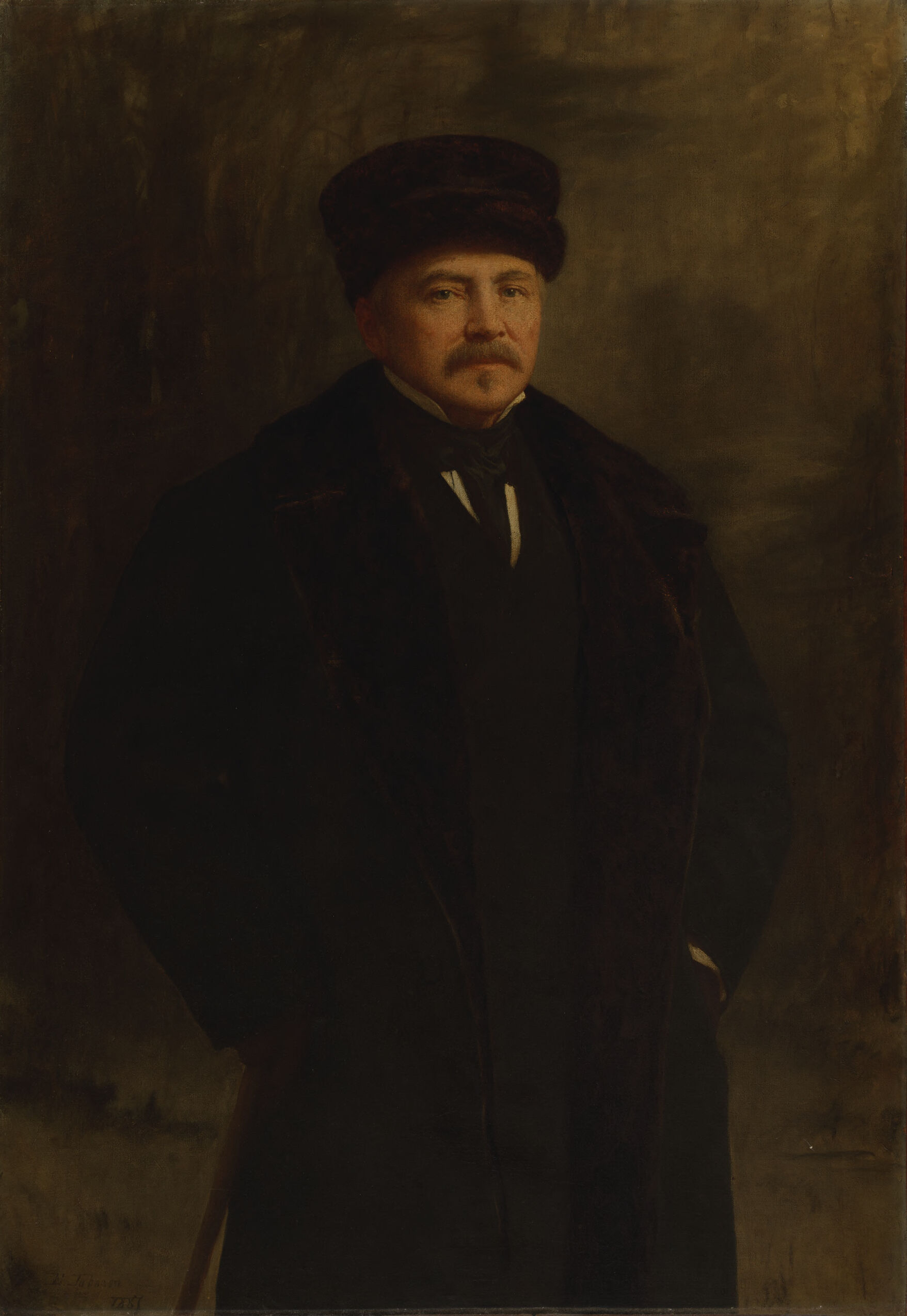
“Art reveals the soul when the world turns away.” In a time when life’s fragility loomed large, the act of self-examination became a profound journey into mortality and existence. Look closely at the subject's piercing gaze, which anchors the composition. The artist deftly uses light to illuminate the face against the shadowed background, creating a striking contrast that draws the eye. Notice how the brushstrokes convey texture in the skin, each stroke a testament to the passage of time.
The muted palette speaks volumes; warm browns and ochres evoke a sense of introspection, while the deep shadows hint at the unseen struggles within. The position of the hand resting gently on the chin suggests contemplation, as though the artist is weighing the burdens of identity and legacy. There is an unsettling harmony in the balance of light and dark, reflecting the duality of life: the beauty of self-discovery intertwined with the awareness of mortality. The somber atmosphere invites viewers to confront their own truths, to peer into the depths of their souls where thoughts of life’s impermanence reside.
In 1863, Eastman Johnson painted this self-portrait during a transformative period in America, marked by the Civil War's turmoil. Immersed in the burgeoning art movement that sought to define American identity, he used this moment to explore not just his external likeness but the essence of the self amid chaos. This work stands as a striking reflection of an artist grappling with both personal and collective existential questions.