Self-Portrait — History & Analysis
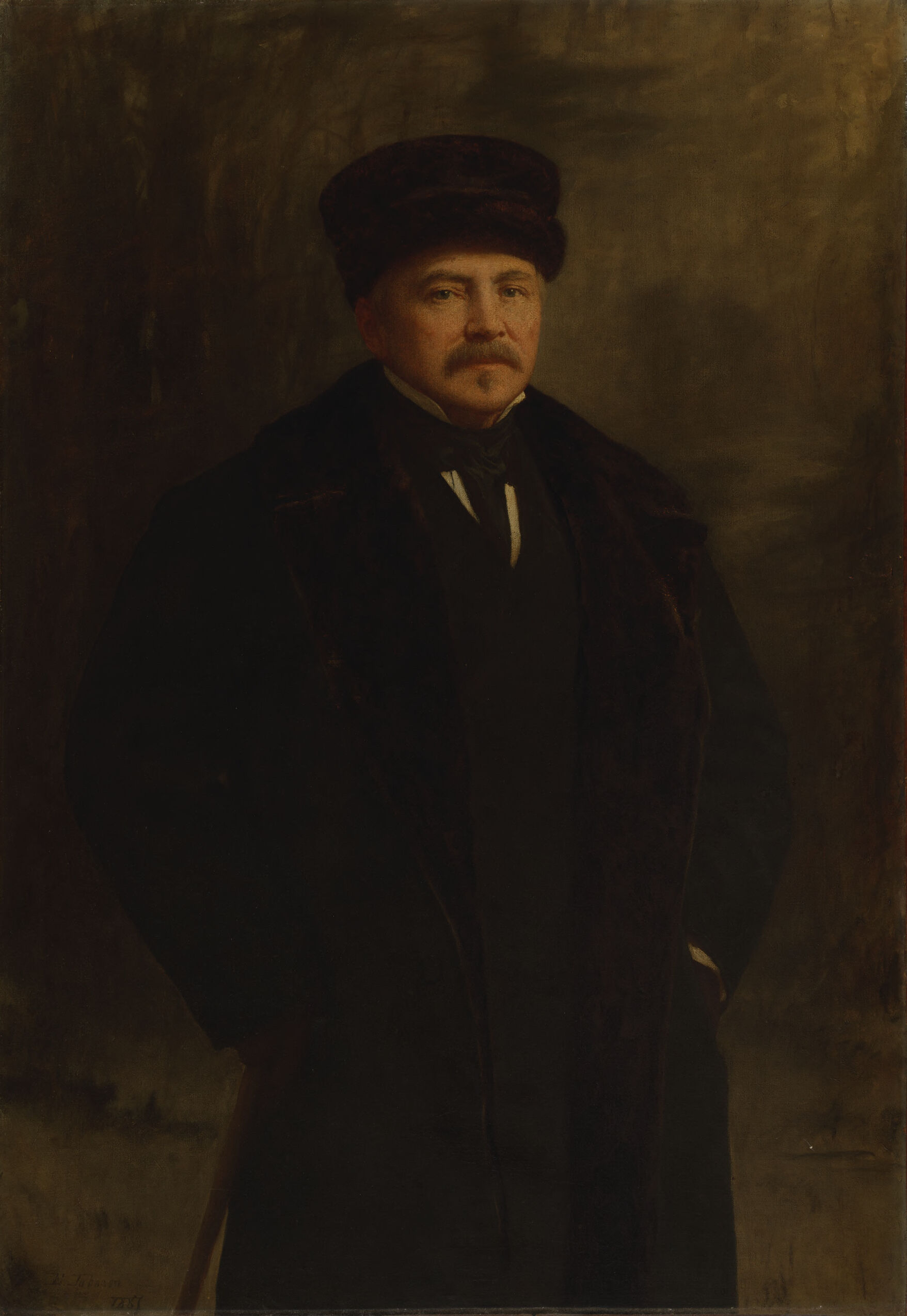
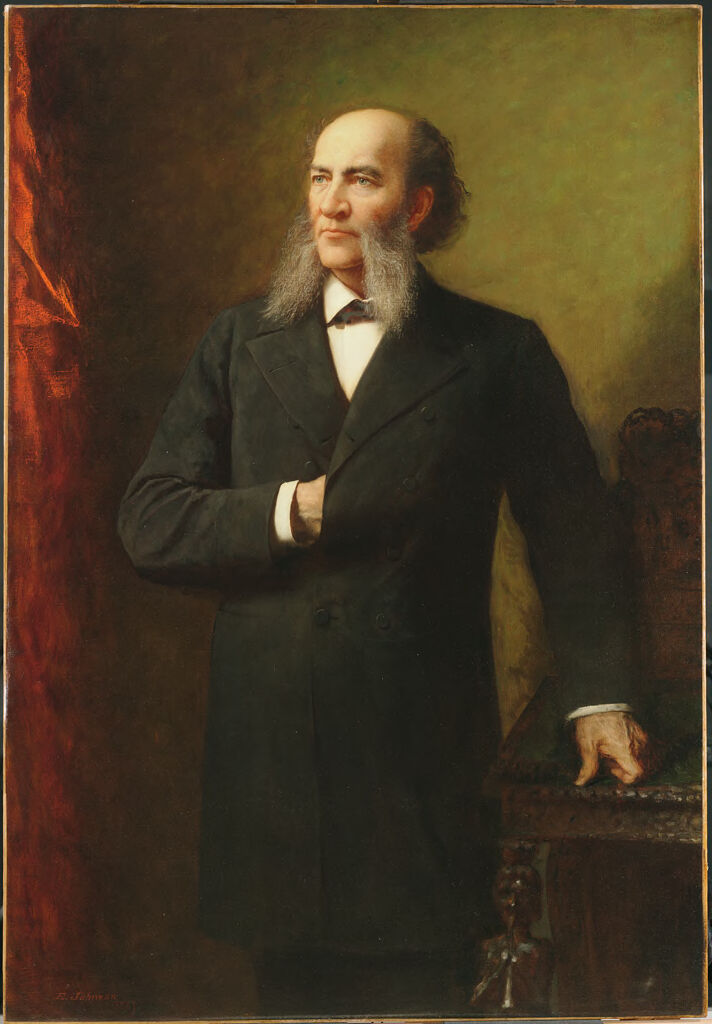
What secret hides in the quiet of the canvas? In Self-Portrait, the artist captures a moment of introspection, where the weight of the world and the revolution of thought converge in silence. Look to the left, at the careful brushstrokes that carve out the artist's face, illuminated by a soft, golden light. The deep shadows around his features suggest not merely the play of light but the complex emotions beneath, evoking a sense of vulnerability.
Notice how the texture of the canvas mimics the rawness of his expression, revealing both confidence and doubt in equal measure. The choice of a dark background allows the figure to emerge with an almost palpable presence, demanding your gaze. In this stillness lies a narrative of contrast—the tension between the artist's public persona and private musings. The subtle smirk on his lips hints at an unspoken understanding of self, while the intensity of his gaze suggests an inner dialogue weighing his artistic ambitions against societal expectations.
Every detail, from the loose threads of his clothing to the thoughtful placement of his hands, conveys a struggle for identity amidst the rapid changes of the era. Eastman Johnson created this piece in 1889, a period marked by significant shifts in American art and culture. At the time, he was firmly established in the art world, experimenting with realism and portraiture with a keen eye for psychological depth. This self-portrait not only reflects his personal journey but also encapsulates the broader artistic revolutions that were redefining the landscape of American art.