A Dutch River Landscape in the Evening Light — History & Analysis
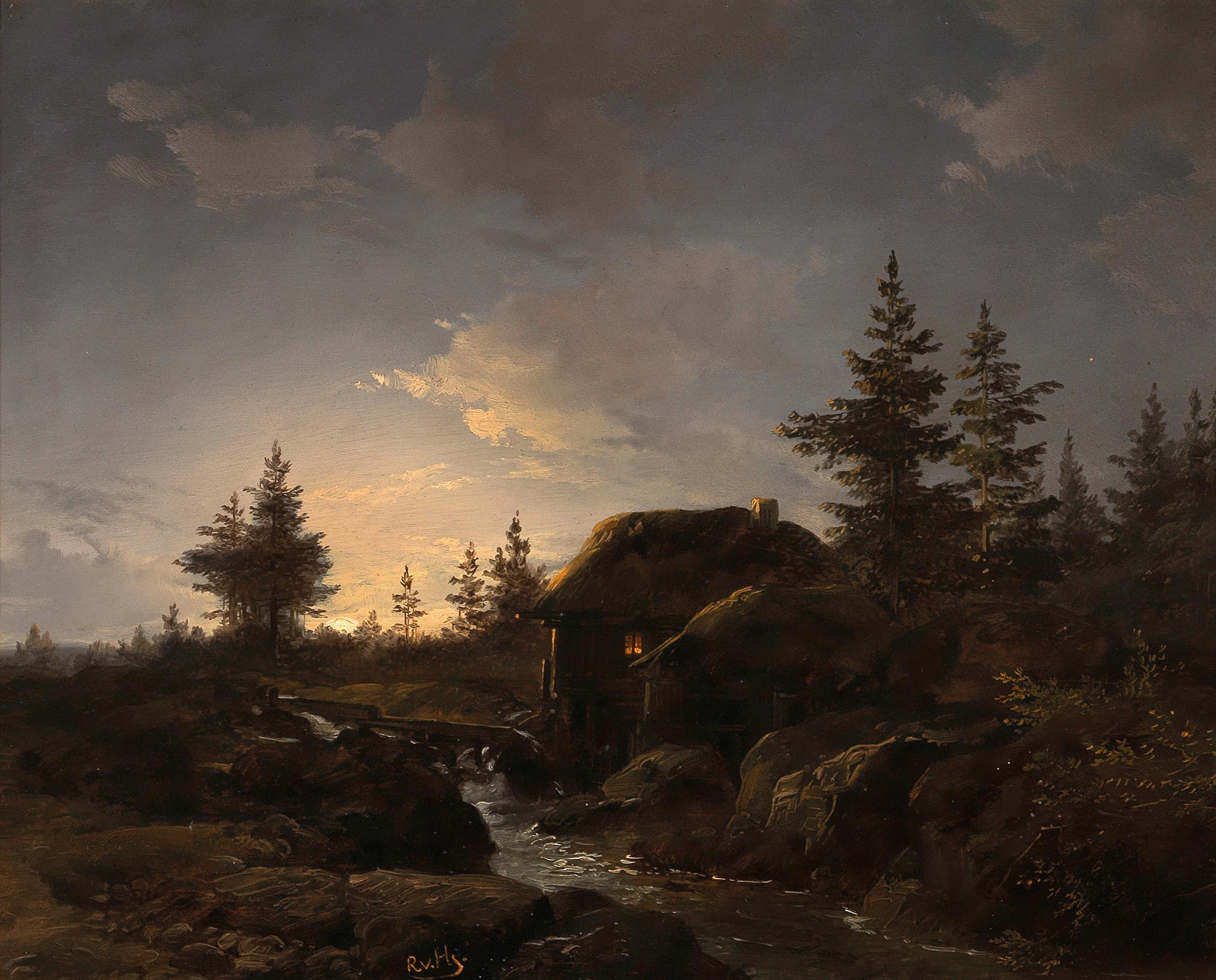
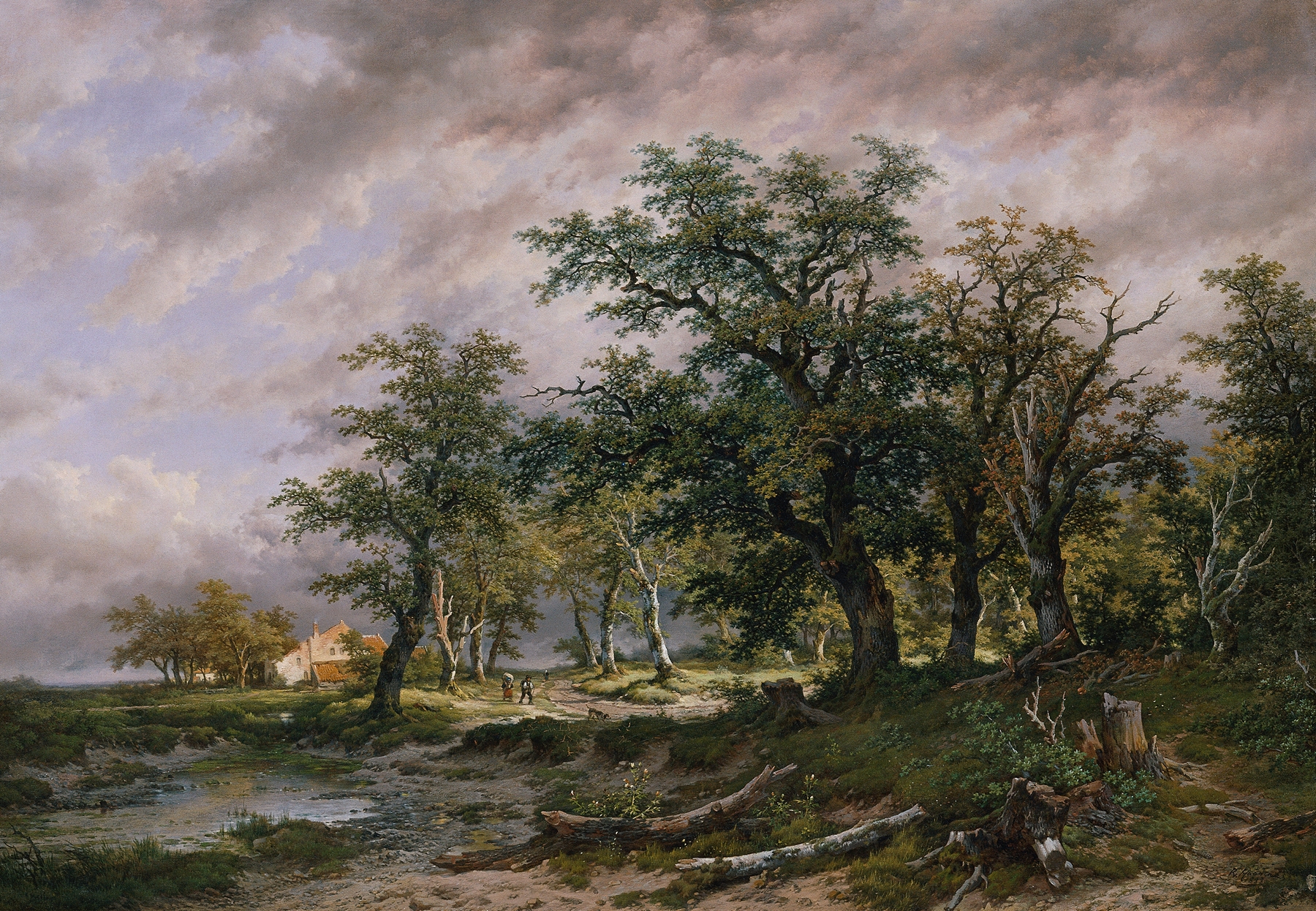
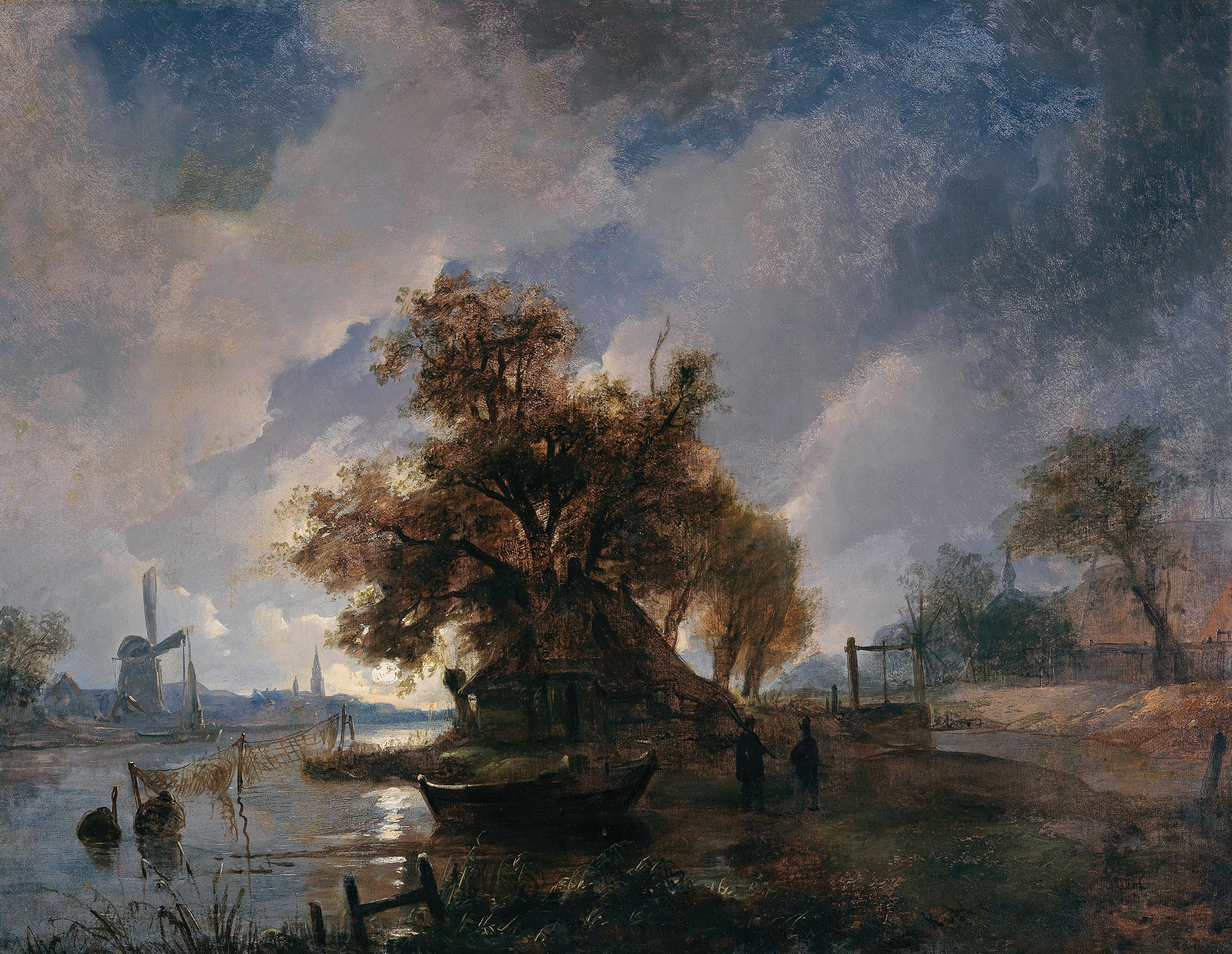
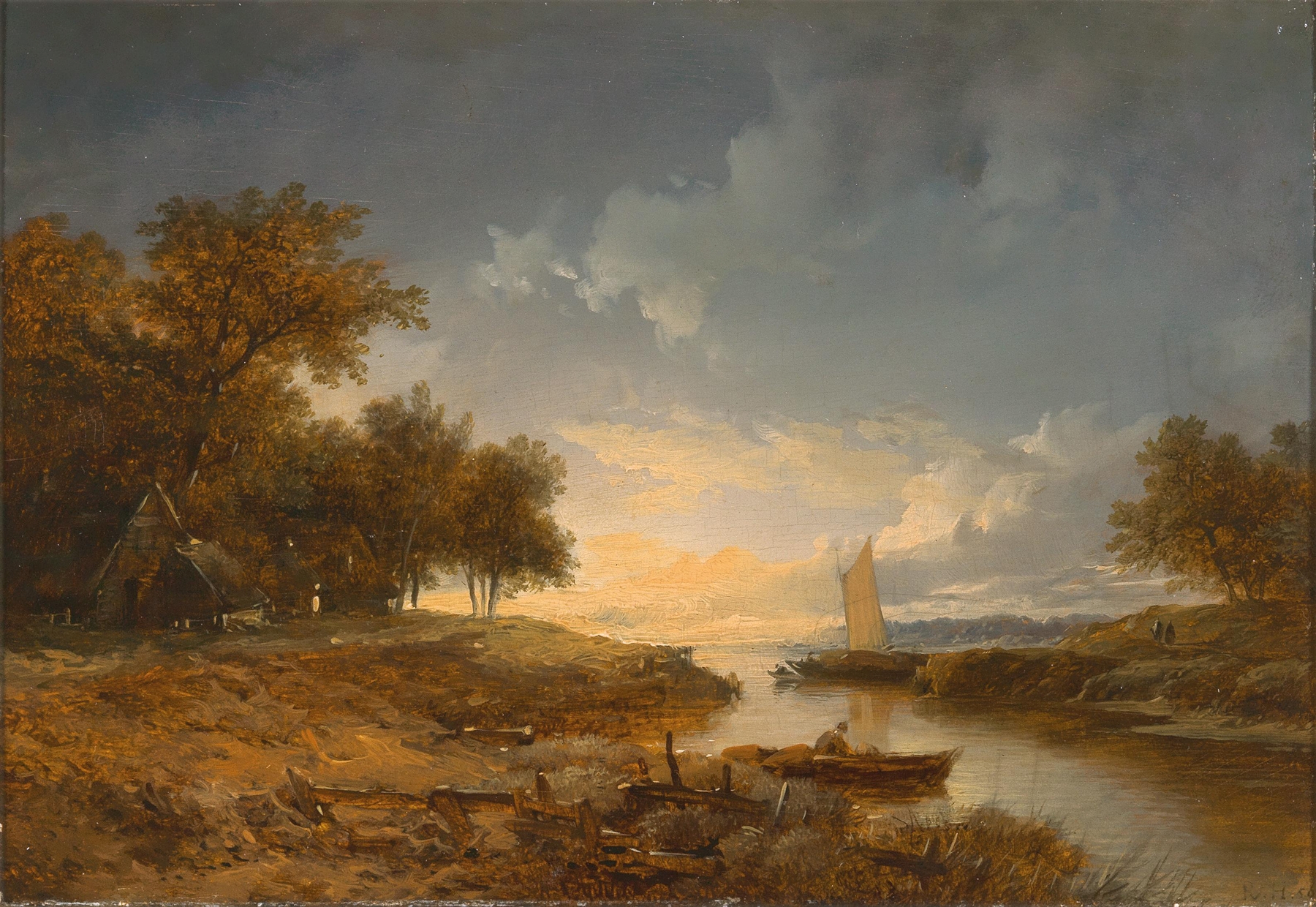
Can paint confess what words never could? In A Dutch River Landscape in the Evening Light, the canvas sings of beauty that transcends mere description, inviting viewers into a tranquil embrace of nature's splendor. Look to the center of the painting, where the winding river glimmers under a fading sun. Notice how the soft blues and warm oranges blend seamlessly, creating a horizon that feels both endless and intimate. The delicate brushstrokes carry the viewer’s gaze towards the distant trees, their silhouettes standing as guardians of the serene waters.
Each stroke captures the fleeting moments of twilight, evoking a sense of calm that resonates throughout the landscape. The juxtaposition of light and shadow creates an emotional tension that hints at the passage of time. The evening light casts long reflections on the water, symbolizing both the beauty of the present and the inevitability of dusk. The solitary boat, gently floating, speaks to solitude and introspection, inviting viewers to ponder their own place within this serene scene.
As evening descends, the landscape transforms; it is a moment of stillness that evokes the quiet reveries of life. Painted in 1856, this work emerged from van Haanen's studio in the Netherlands during a time when Romanticism was giving way to a burgeoning realism in art. The mid-19th century was marked by a fascination with capturing nature’s true essence, as artists sought to reflect the changing moods of the world around them. Van Haanen, influenced by the lush Dutch landscape and his contemporaries, embraced this challenge, creating a piece that resonates with a timeless beauty, inviting contemplation and solace.