A Moonlit Night — History & Analysis
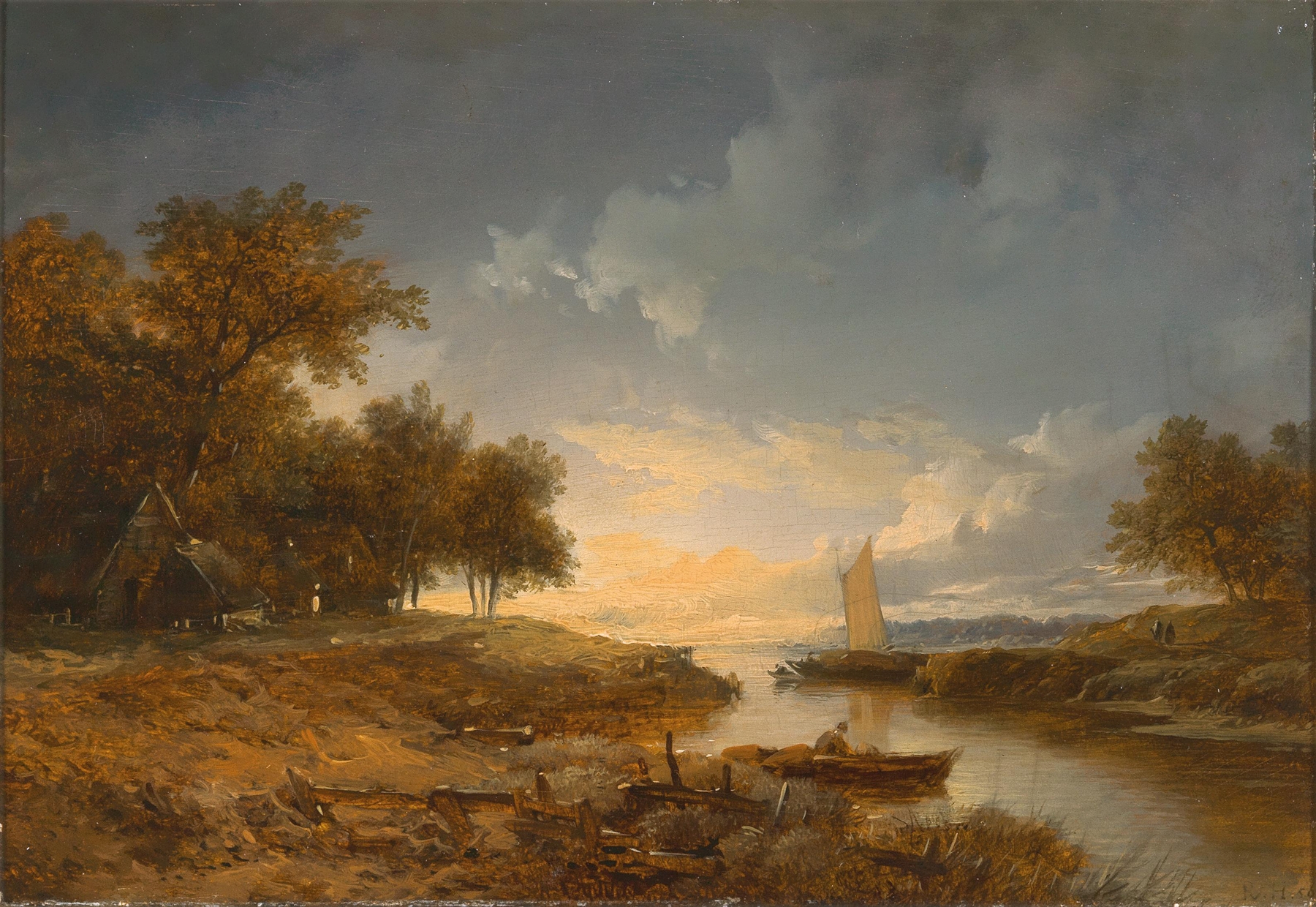
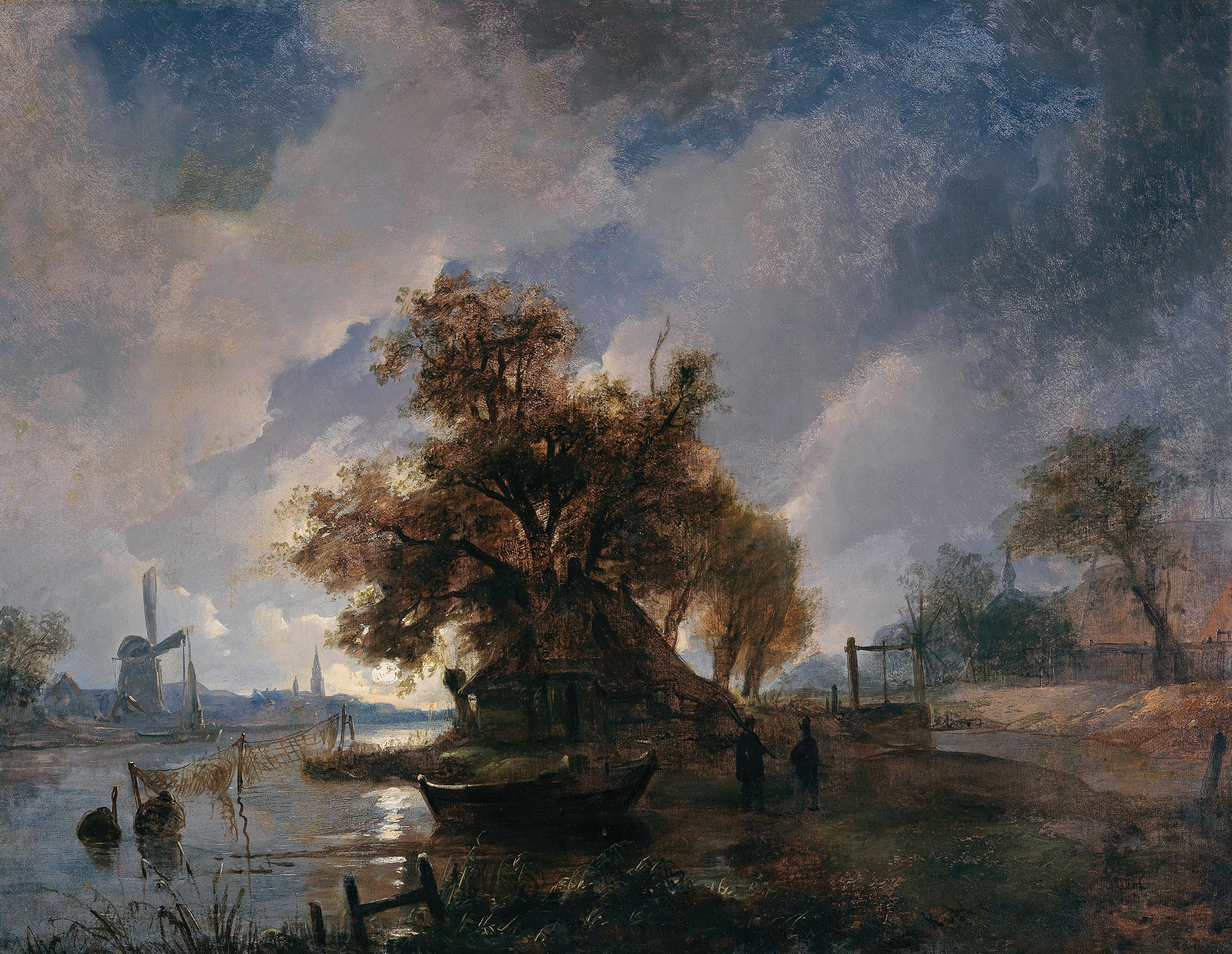
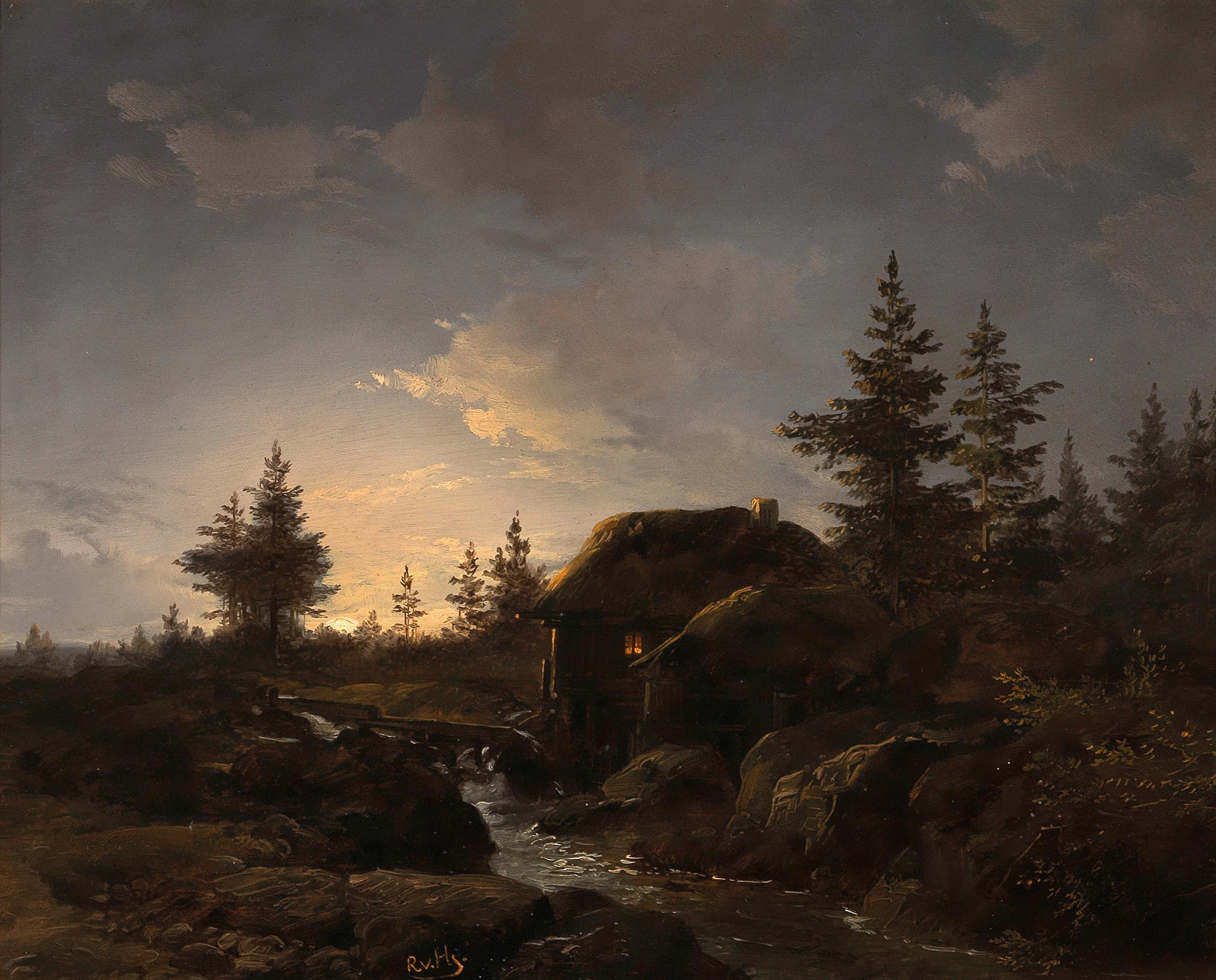
Who listens when art speaks of silence? In an expanse where shadows blend seamlessly into the night, emptiness takes on a voice that resonates deeply, inviting the soul to ponder its essence. Look to the foreground, where a lone figure stands illuminated by the soft glow of the moon. The cool, silvery light creates stark contrasts, accentuating the figure's solitude against a vast, darkened landscape. Notice how the gentle ripples of the water mirror the celestial orb above, blurring the line between the earthly and the ethereal.
The careful brushstrokes evoke texture, imbuing the scene with an almost tactile quality, while hues of deep blue and muted gray transport the viewer into the stillness of night. As you delve deeper, the emotional weight of isolation becomes palpable. The figure, dwarfed by the sweeping sky, embodies both a sense of wonder and desolation. The moon, a silent witness, casts an almost haunting glow, suggesting that emptiness can be both beautiful and disconcerting.
This contrast between light and dark mirrors the intricate layers of human experience: joy intertwined with sorrow, presence enfolded by absence. During the period in which this work was created, van Haanen was exploring themes of solitude and introspection, reflective of broader artistic movements. The late 19th century presented a burgeoning interest in capturing the ephemeral moments of nature, leading to a deeper examination of human emotion. This painting, although undated, fits within a context where artists sought to convey profound feelings through the interplay of light and shadow, revealing the complexities of existence in a rapidly changing world.