Waldinneres — History & Analysis
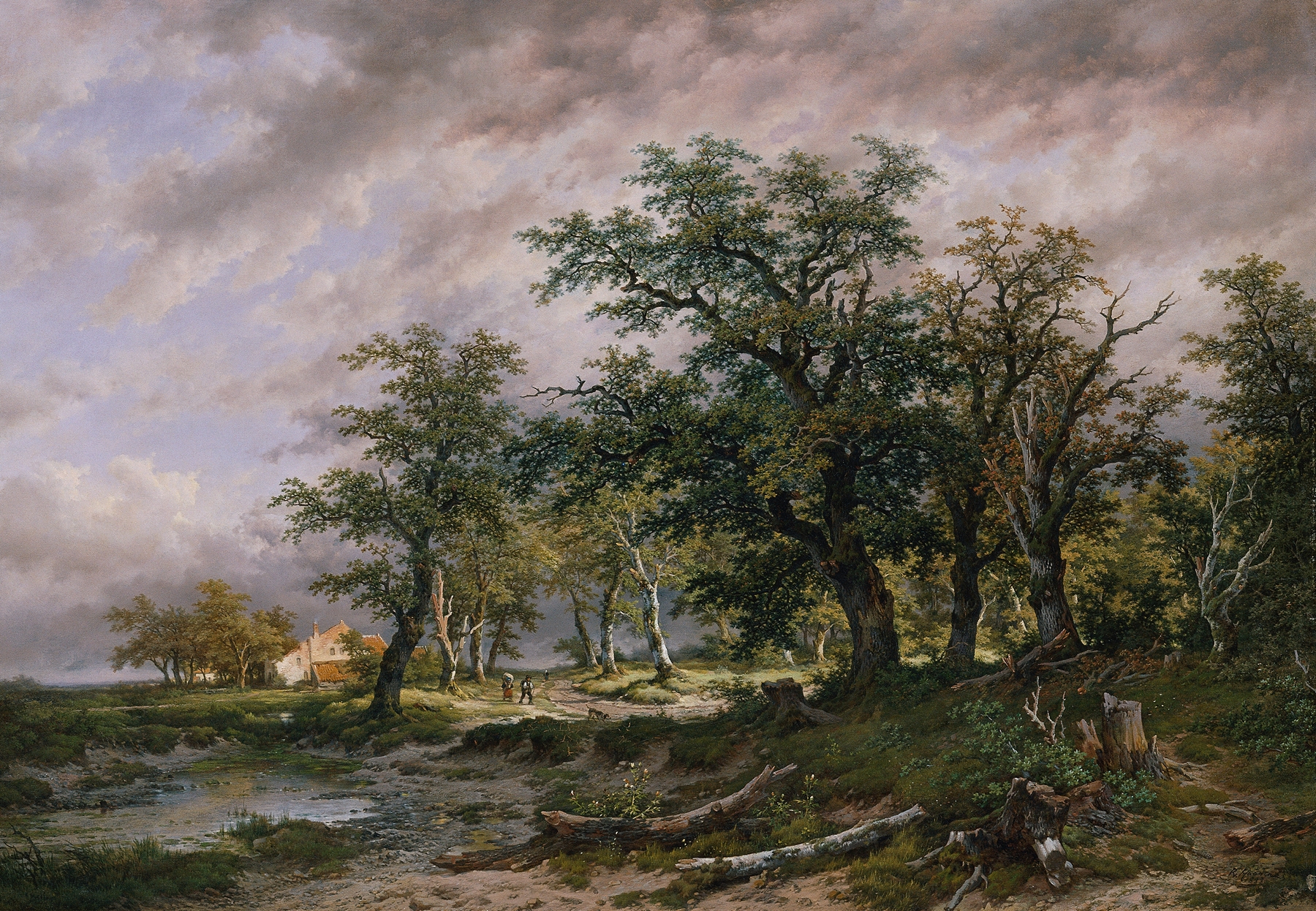
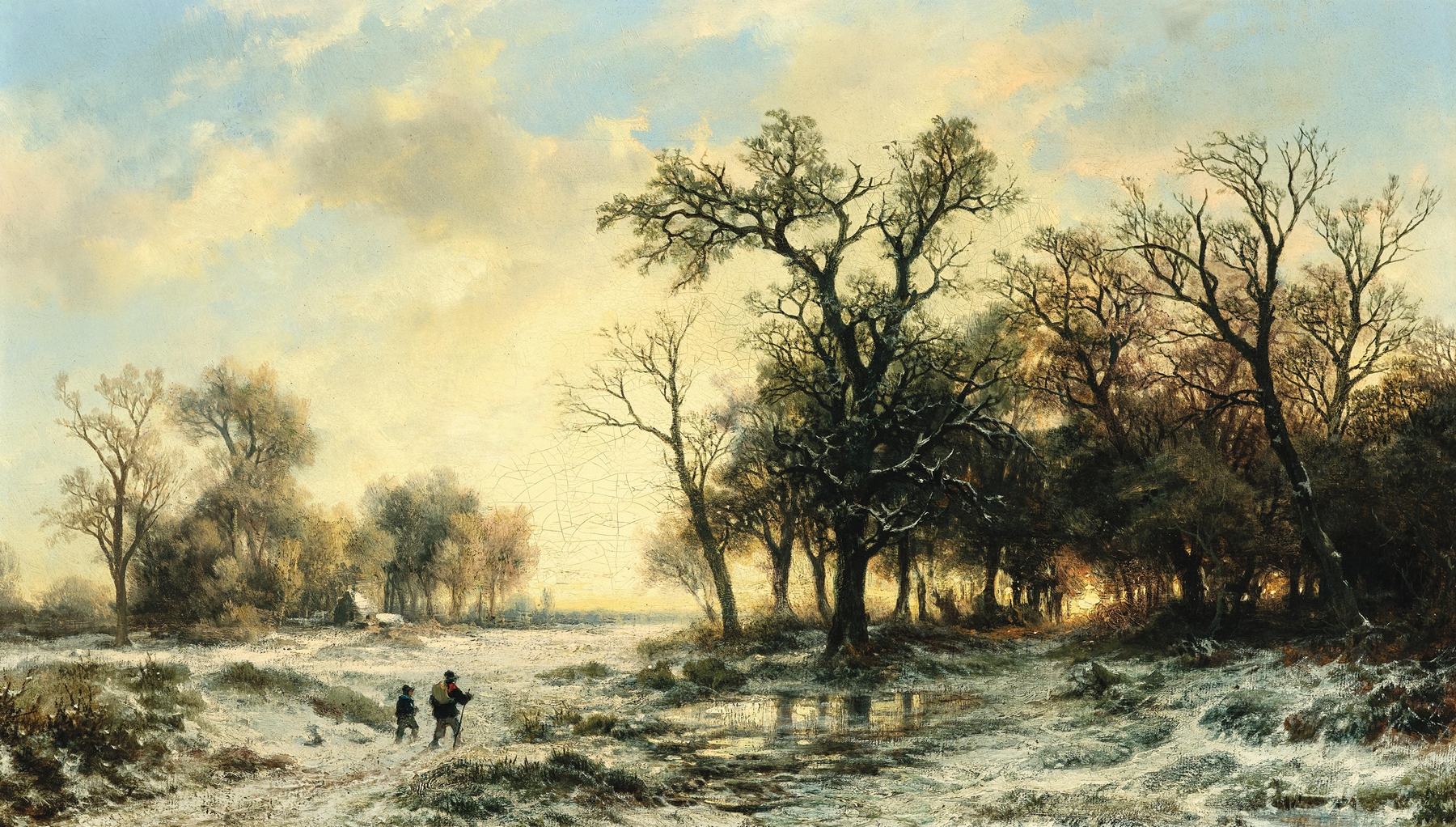
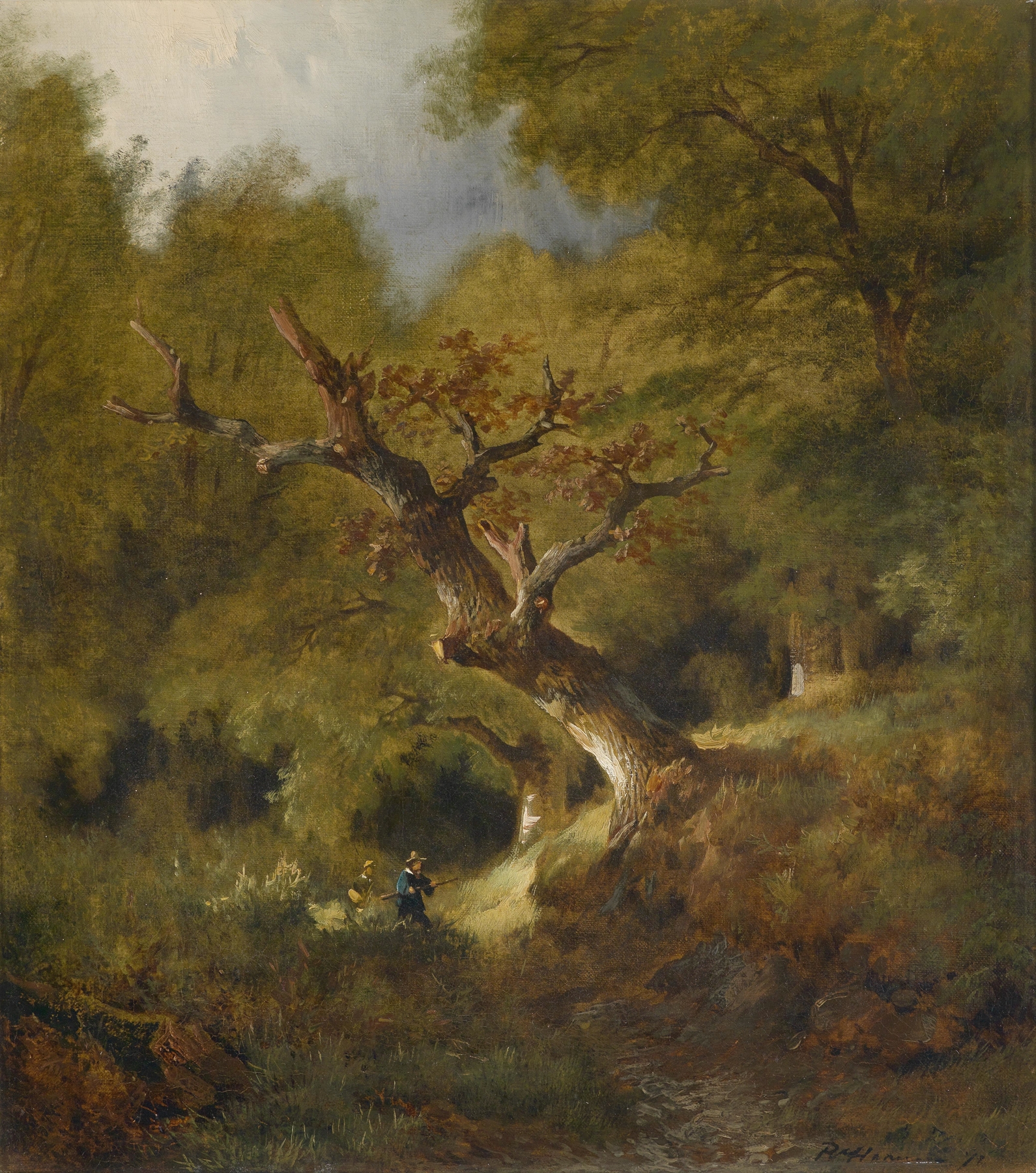
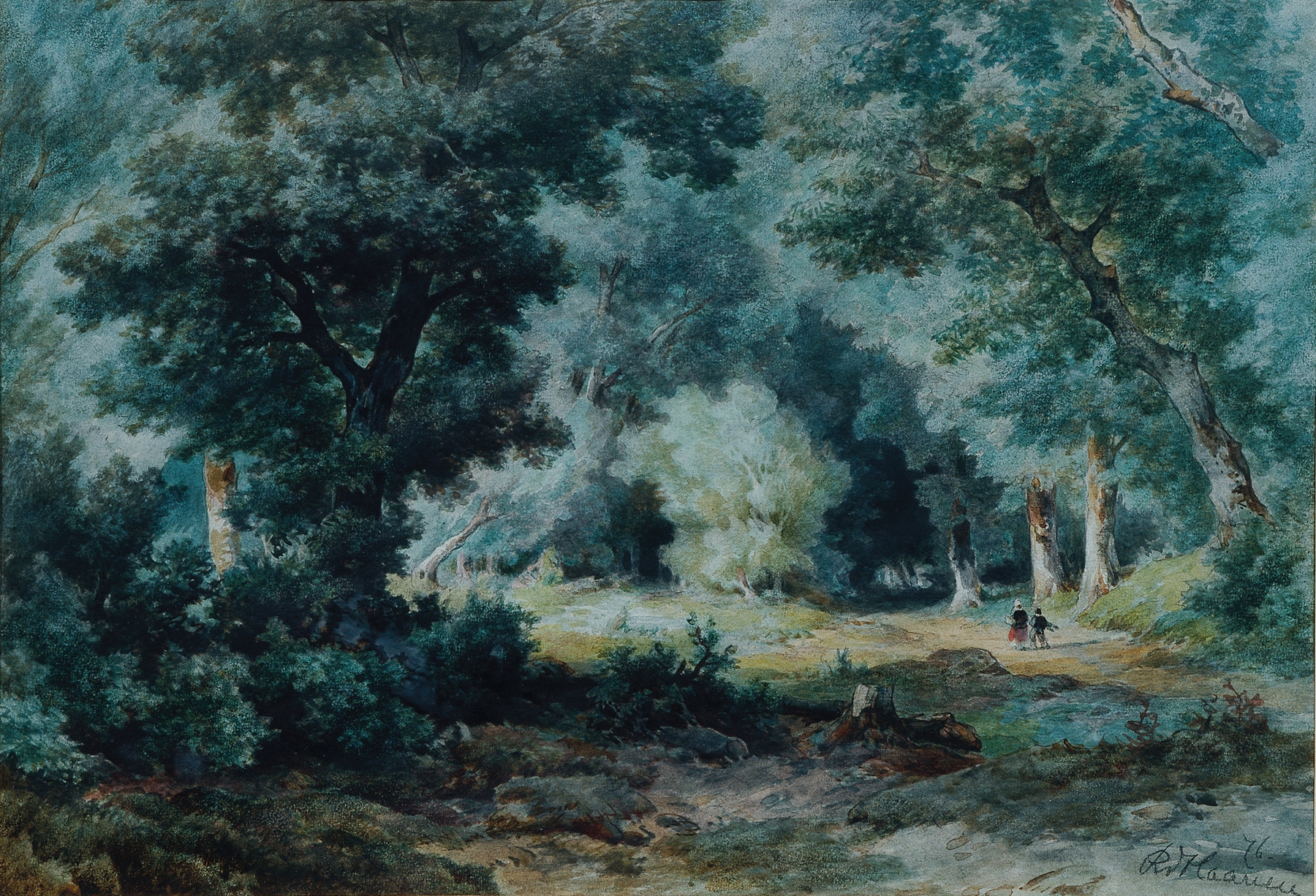
Can beauty exist without sorrow? In the stillness of Waldinneres, a quiet reverie unfolds, where nature's elegance vibrates with unspoken melancholy. Look to the center, where a gentle stream meanders through a lush forest. The painter masterfully employs a palette of deep greens and soft browns, inviting viewers to delve into the intricate layers of foliage.
Notice how light filters through the canopy, casting a dappled glow on the water's surface, creating a dance of reflections that seem to whisper secrets of the woodland. The delicate brushstrokes evoke a sense of tranquility, yet underneath lies a palpable tension, as if the serene scene is pregnant with untold stories. The juxtaposition of order and wildness emerges subtly; the meticulously depicted trees stand tall and proud, while the untamed undergrowth hints at nature’s chaotic beauty. This duality invites contemplation on the complex relationship between peace and turmoil, suggesting that stillness can often mask deeper emotional currents.
The silence of the woods captivates, yet evokes a longing that lingers, reminding us that beauty and sorrow are often intertwined. In 1876, Remigius Adrianus van Haanen painted this work during a period when Europe was experiencing profound changes in both society and art. Approaching the end of the Romantic era, he found himself amidst a growing appreciation for landscapes and a shift toward realism. Still, the essence of nature’s beauty remained central to his practice, reflecting a personal quest for solace in the tumult of the world around him.