Große holländische Landschaft — History & Analysis
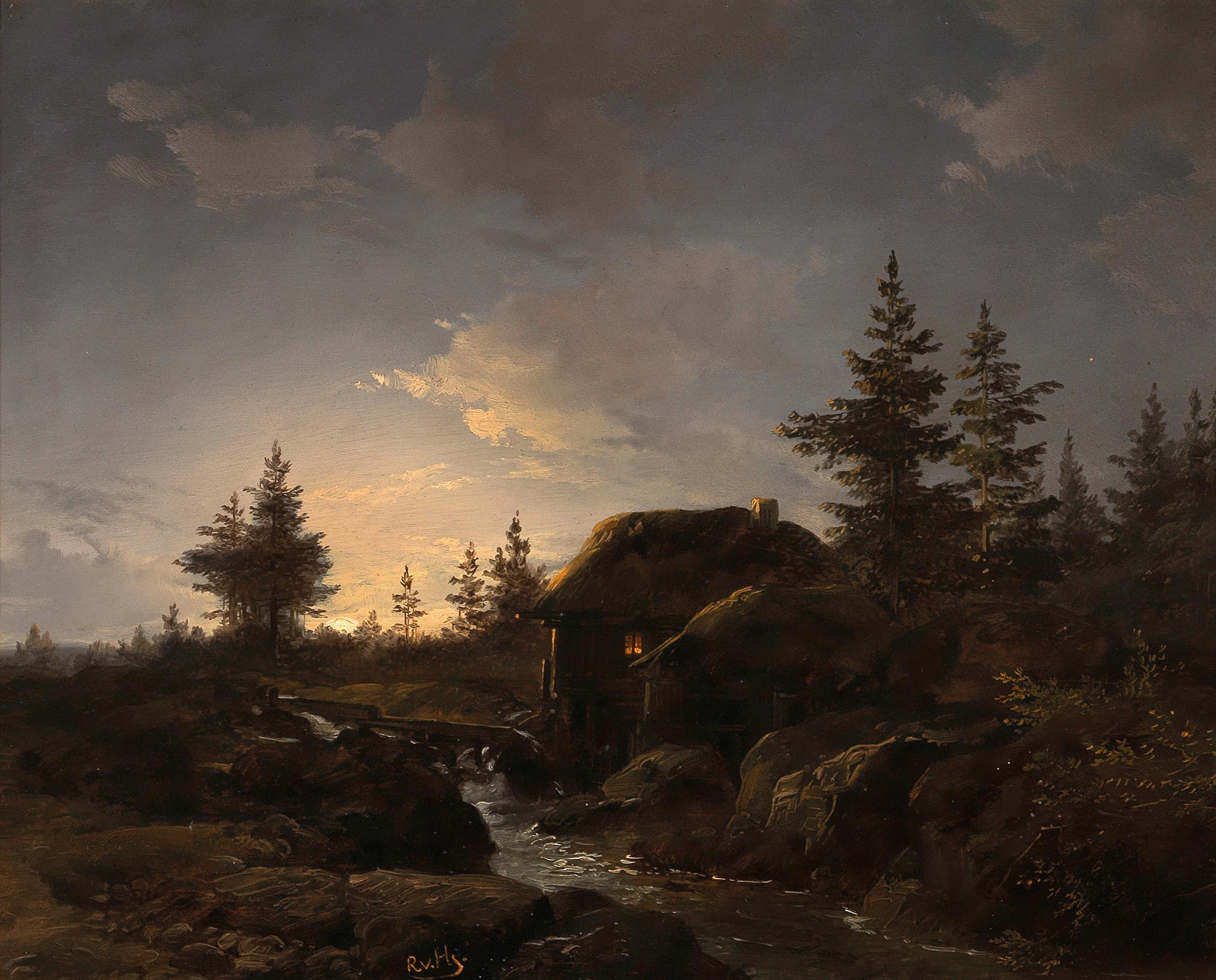
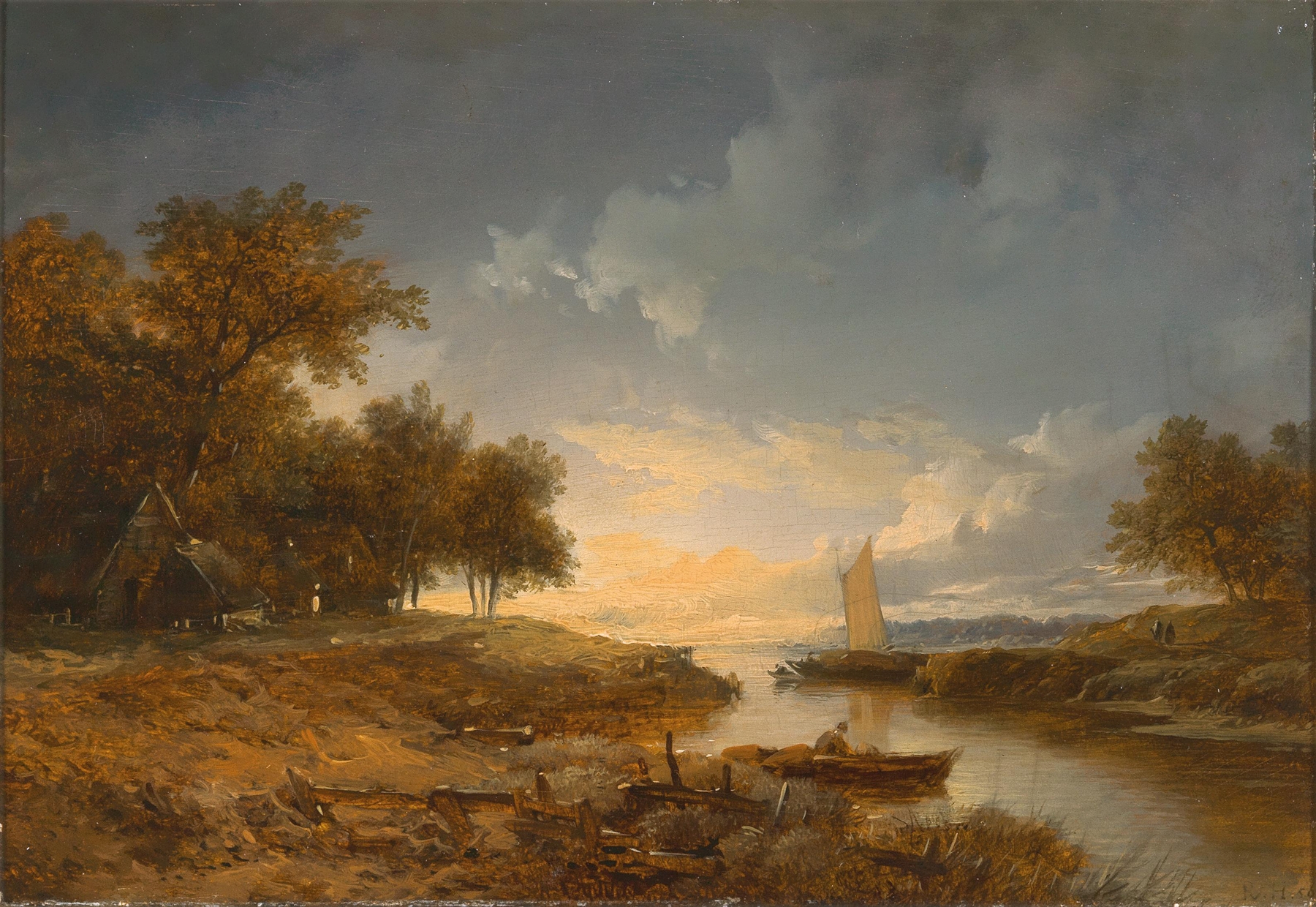
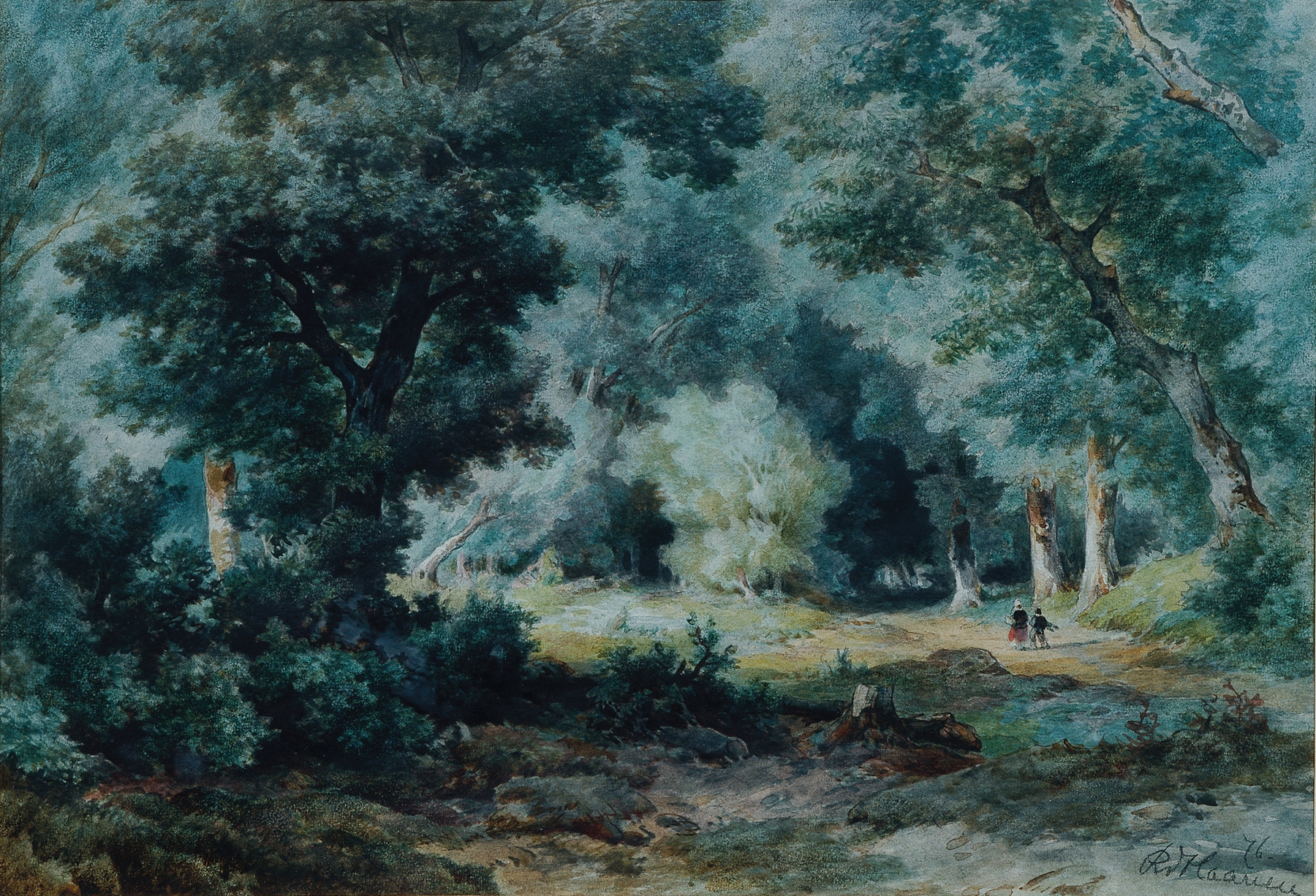
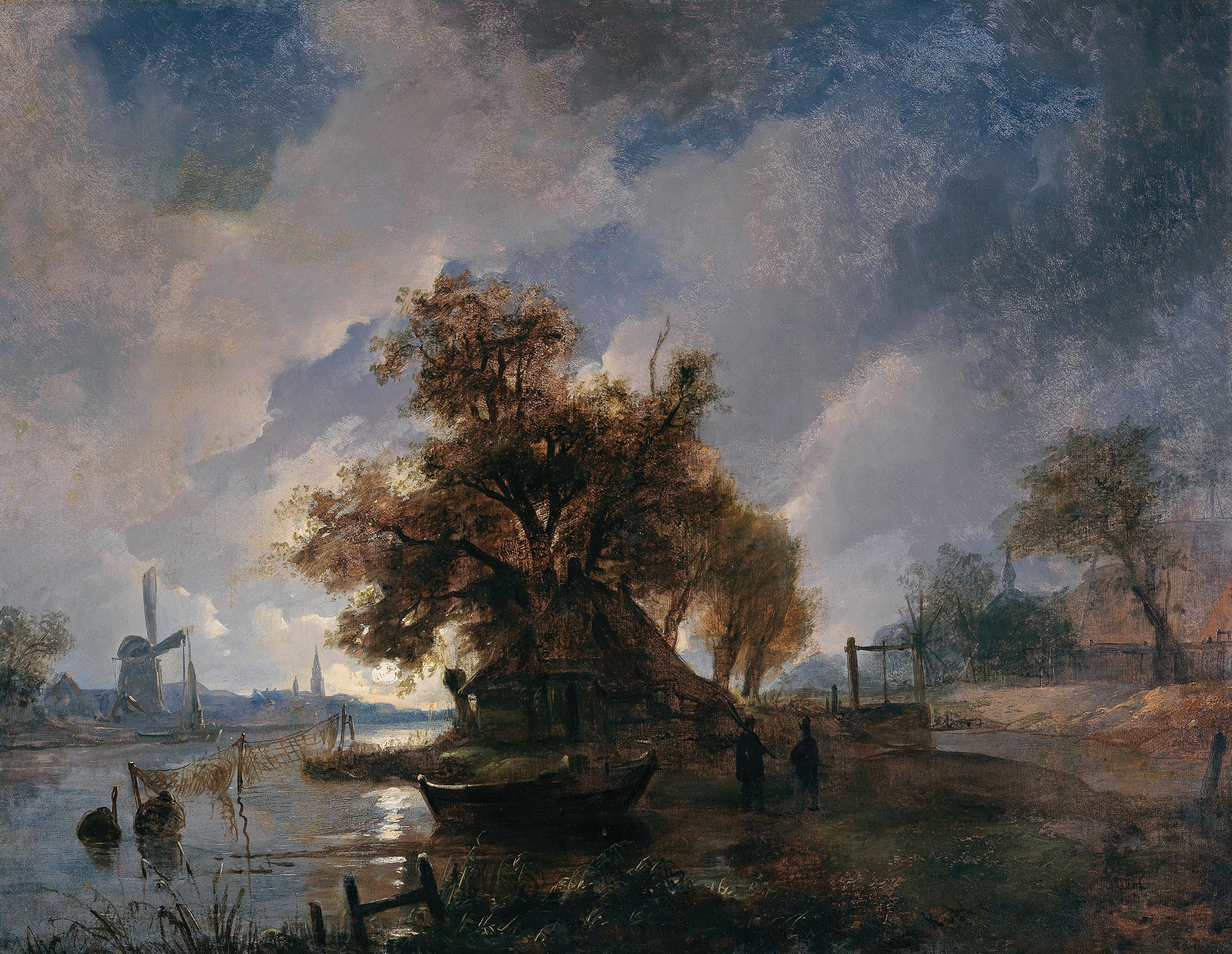
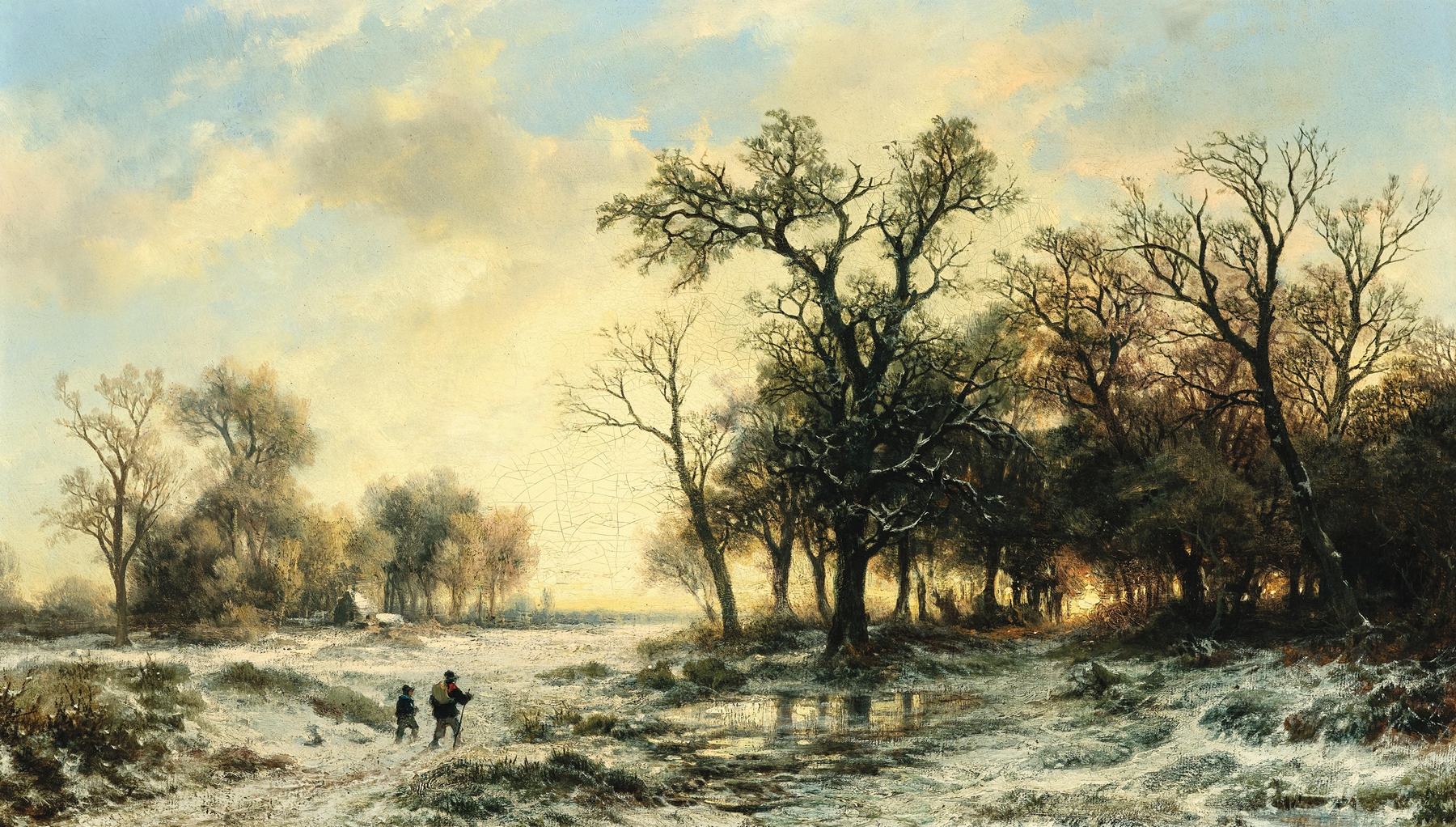
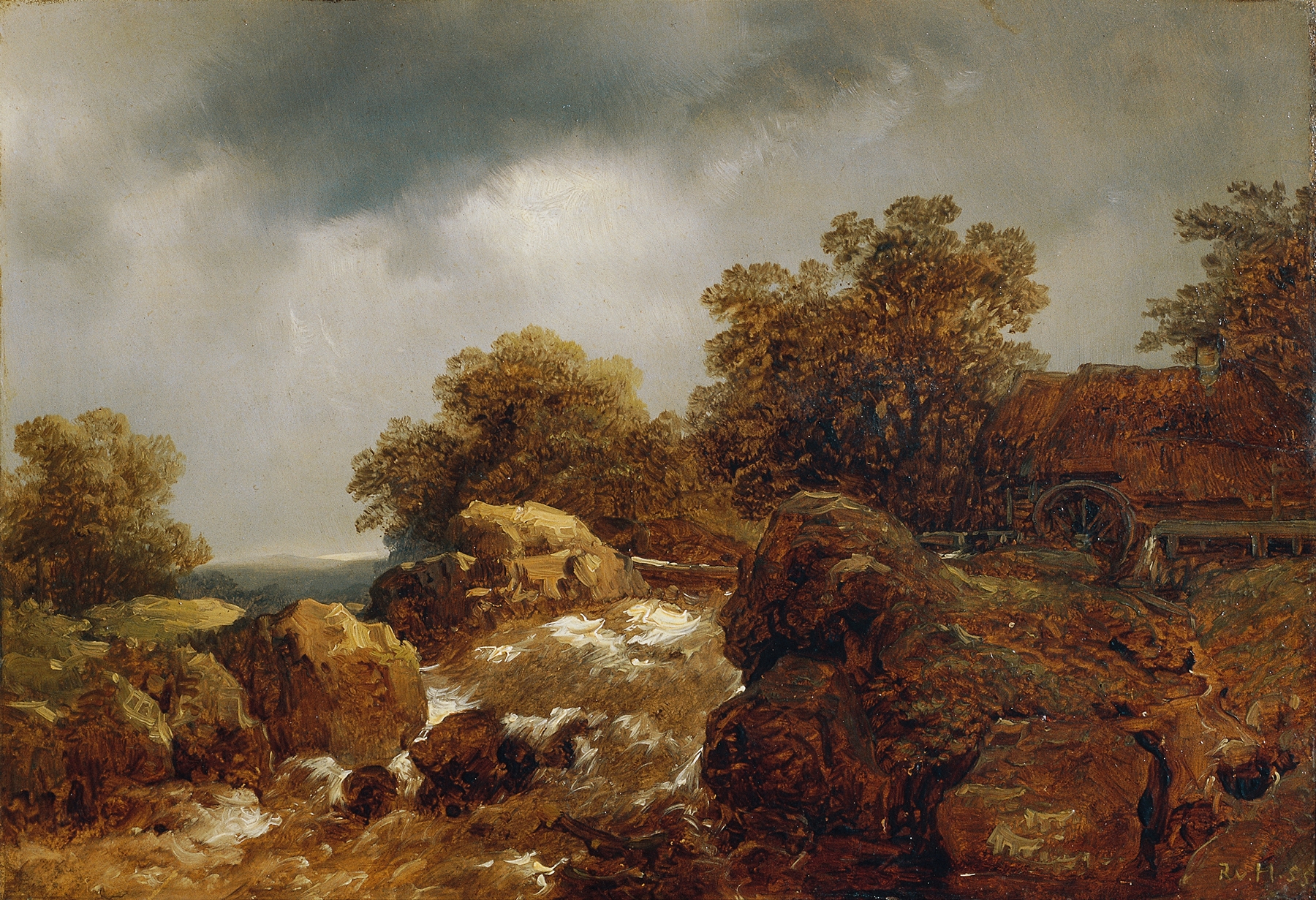
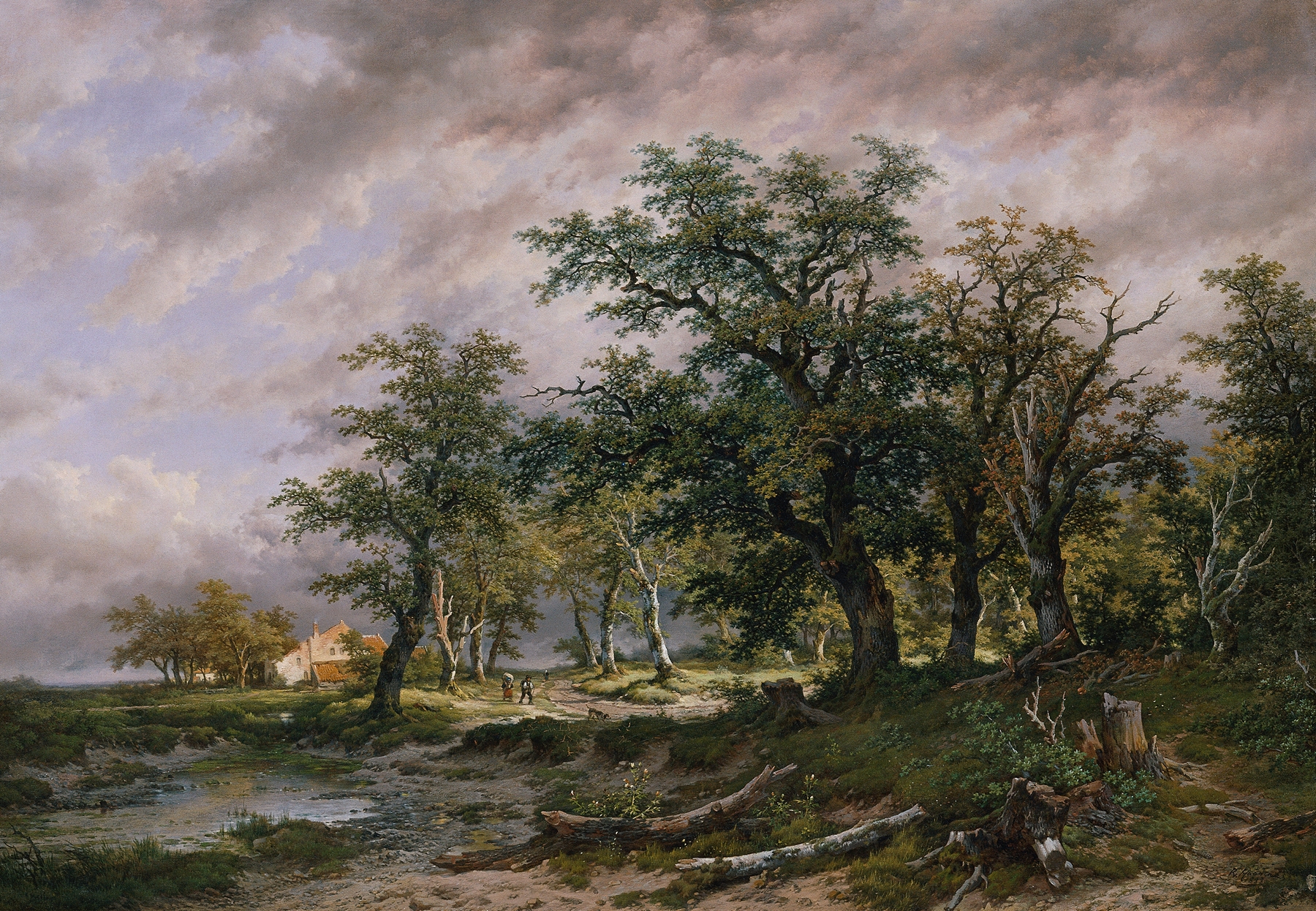
Could beauty survive in a century of chaos? In the midst of an era marked by rapid change and conflict, the canvas presents a serene landscape that feels like a breath of fresh air—an awakening in every sense. Look to the horizon where a delicate blend of cobalt and gold defines the sky, the colors reflecting a warm glow that touches the lush fields below. Notice the intricate play between light and shadow, where the sun breaks through heavy clouds, casting a shimmering brilliance over the tranquil waterway that meanders through the scene.
The dutiful brushwork captures not just the physical landscape, but an atmosphere of calm, inviting the viewer to step into a moment of stillness amidst a bustling world. As you delve deeper, consider the juxtaposition of life and solitude present in the painting. While the fields brim with vitality, the solitary figure in the foreground suggests a moment of introspection, perhaps a reflection on nature's enduring beauty despite the surrounding tumult.
This duality echoes a larger truth: the simple yet profound connection between humanity and the natural world, hinting at the fragility of both peace and existence. Remigius Adrianus van Haanen crafted Große holländische Landschaft in 1888, during a time when Europe was grappling with the aftermath of industrialization and societal upheaval. The artist, a Dutch painter based in the Netherlands, focused on landscapes that celebrated the serene beauty of his homeland, providing a counterpoint to the chaos of his time and encapsulating an enduring belief in the power of nature to inspire hope amidst struggle.