Waldlandschaft mit Jäger — History & Analysis
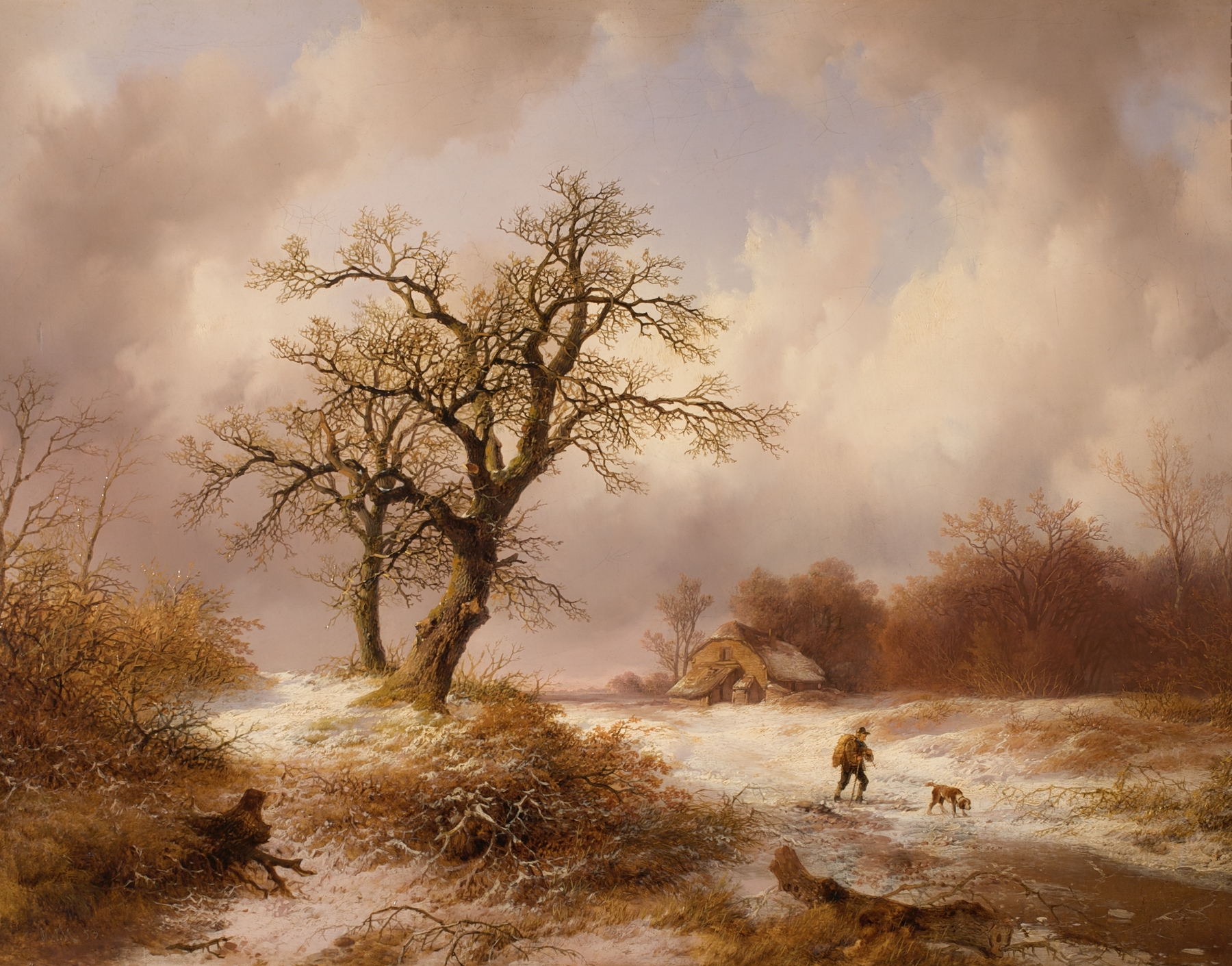
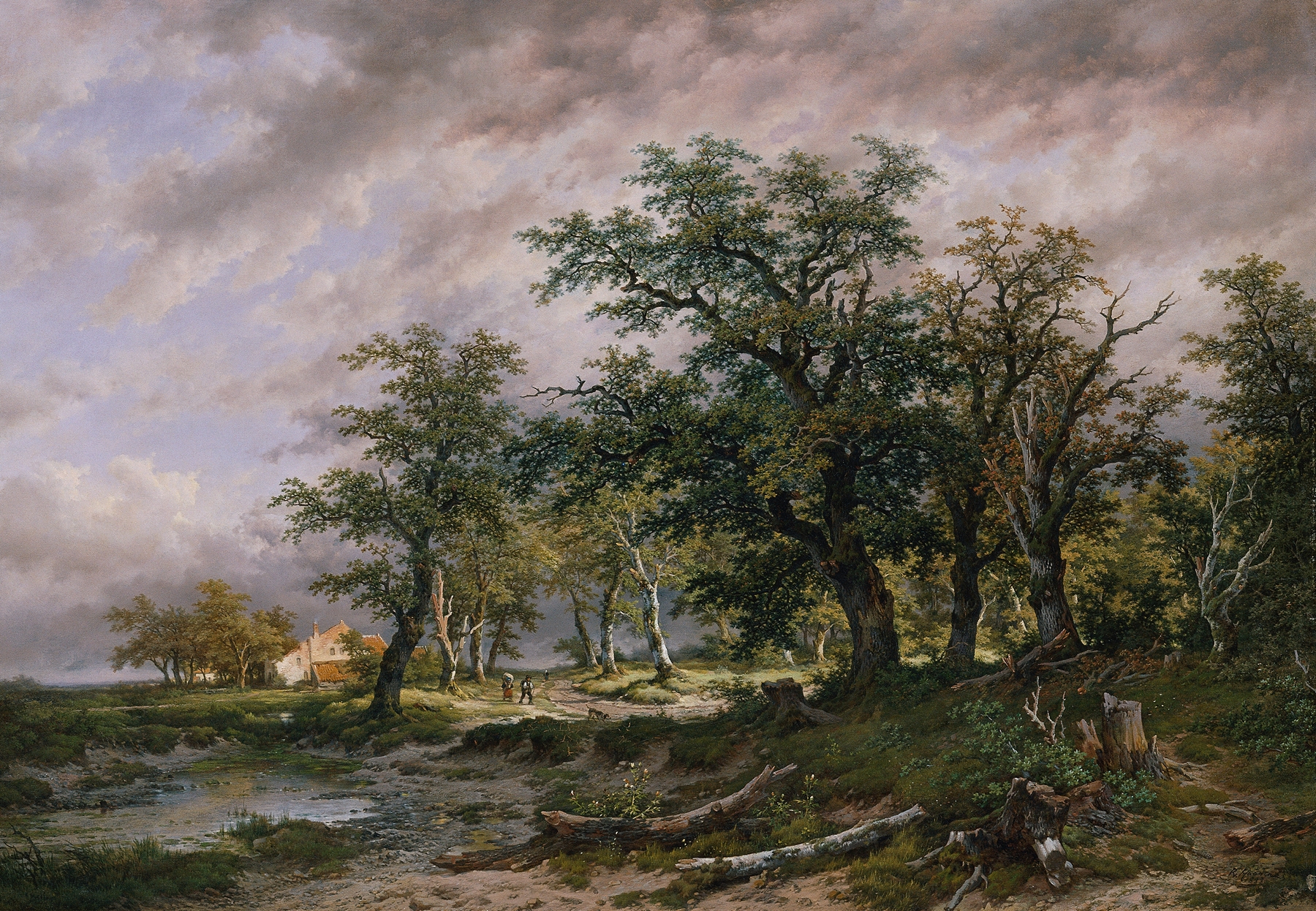
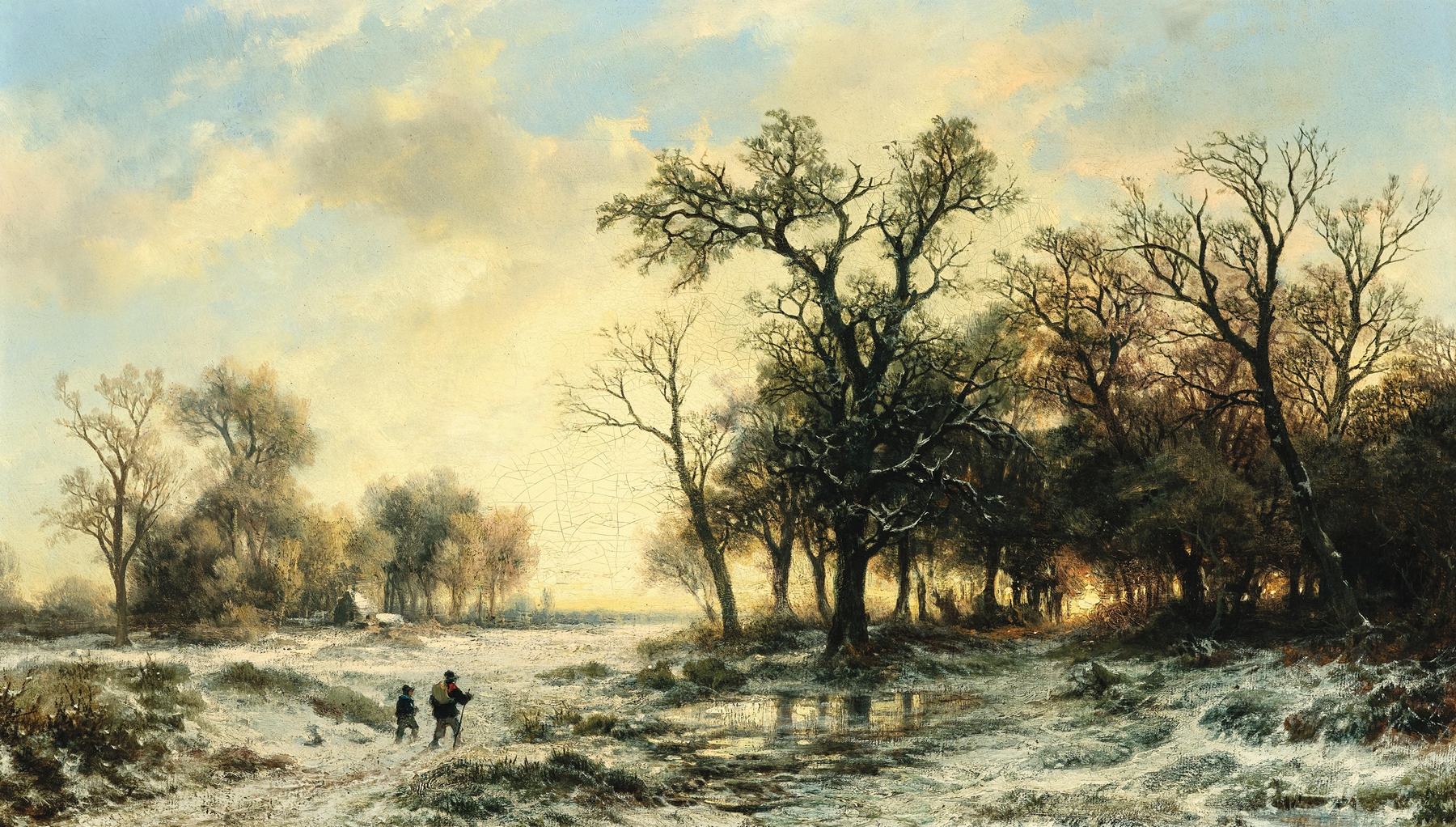
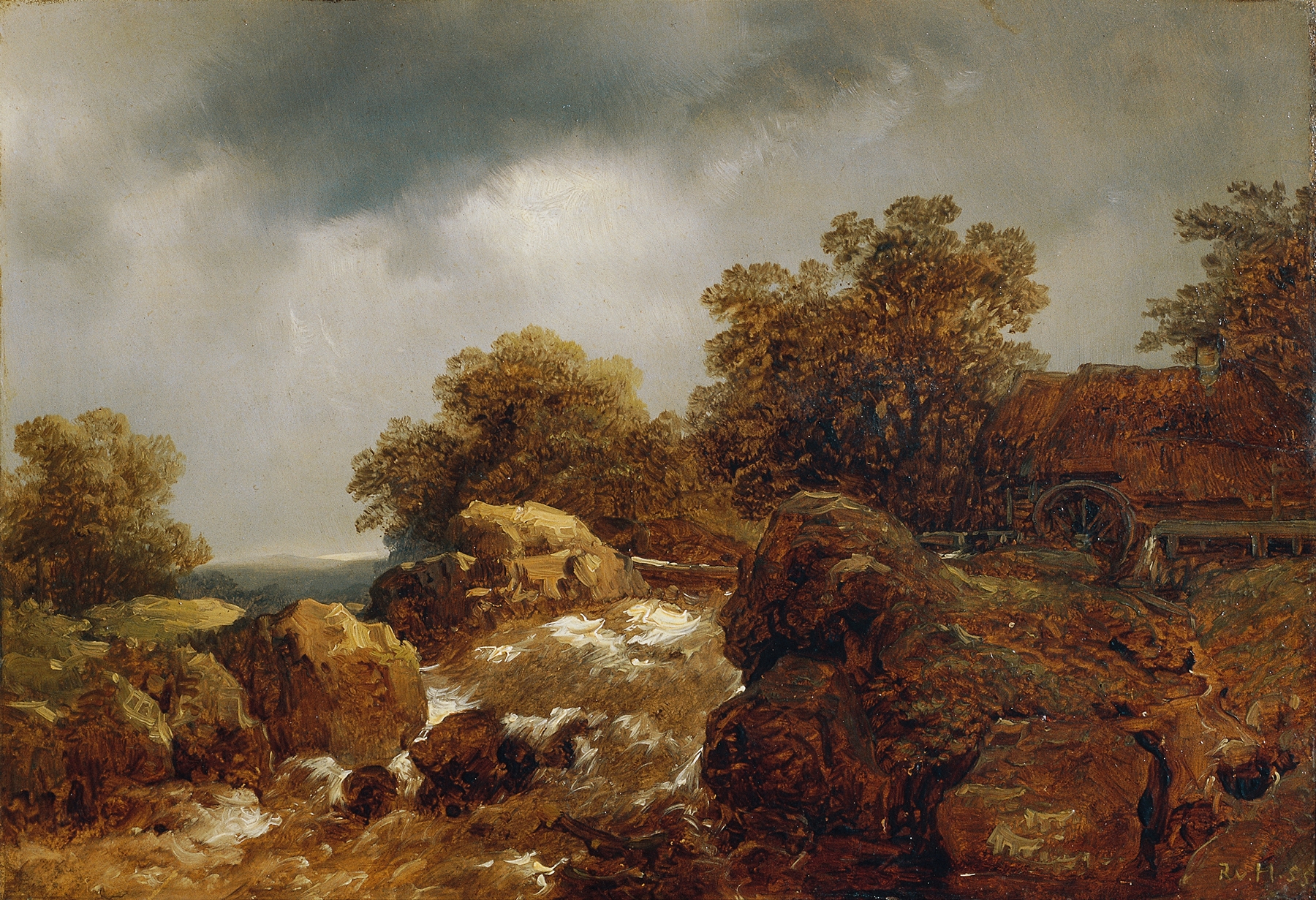
“Under the brush, chaos becomes grace.” In the realm of decay, life finds its way to manifest in haunting beauty, evoking whispers of fading memories. To appreciate this artwork fully, look closely at the foreground where gnarled trunks twist and intertwine in a symphony of dark greens and browns. The light dances delicately upon the foliage, casting an ethereal glow that contrasts sharply with the shadows lurking beneath the canopy. Notice how the painter skillfully layers the textures, allowing the rich undergrowth to evoke both vitality and a sense of loss, an echo of the passage of time.
The interplay of light and shadow reveals a story of transition — the silhouette of a hunter hardly disturbs the harmony of the landscape, suggesting that his presence does not dominate, but rather coexists. Each element interweaves, from the bright patches of sunlight filtering through the leaves to the subtle decay of branches, embodying a duality of life and mortality. This tension between beauty and decay invites contemplation, reminding us of nature’s relentless cycle of renewal.
Remigius Adrianus van Haanen painted this piece in 1871, a time marked by a growing appreciation for landscape art amidst a shift towards realism. Living and working in the Netherlands, he was influenced by both the Romantic movement and the emerging Impressionists, who inspired a focus on the ephemeral qualities of light and natural landscapes. This painting reflects his deep engagement with the natural world, capturing a moment that resonates with both the fragility and resilience inherent in life.