Returning Home at Dusk in Winter — History & Analysis
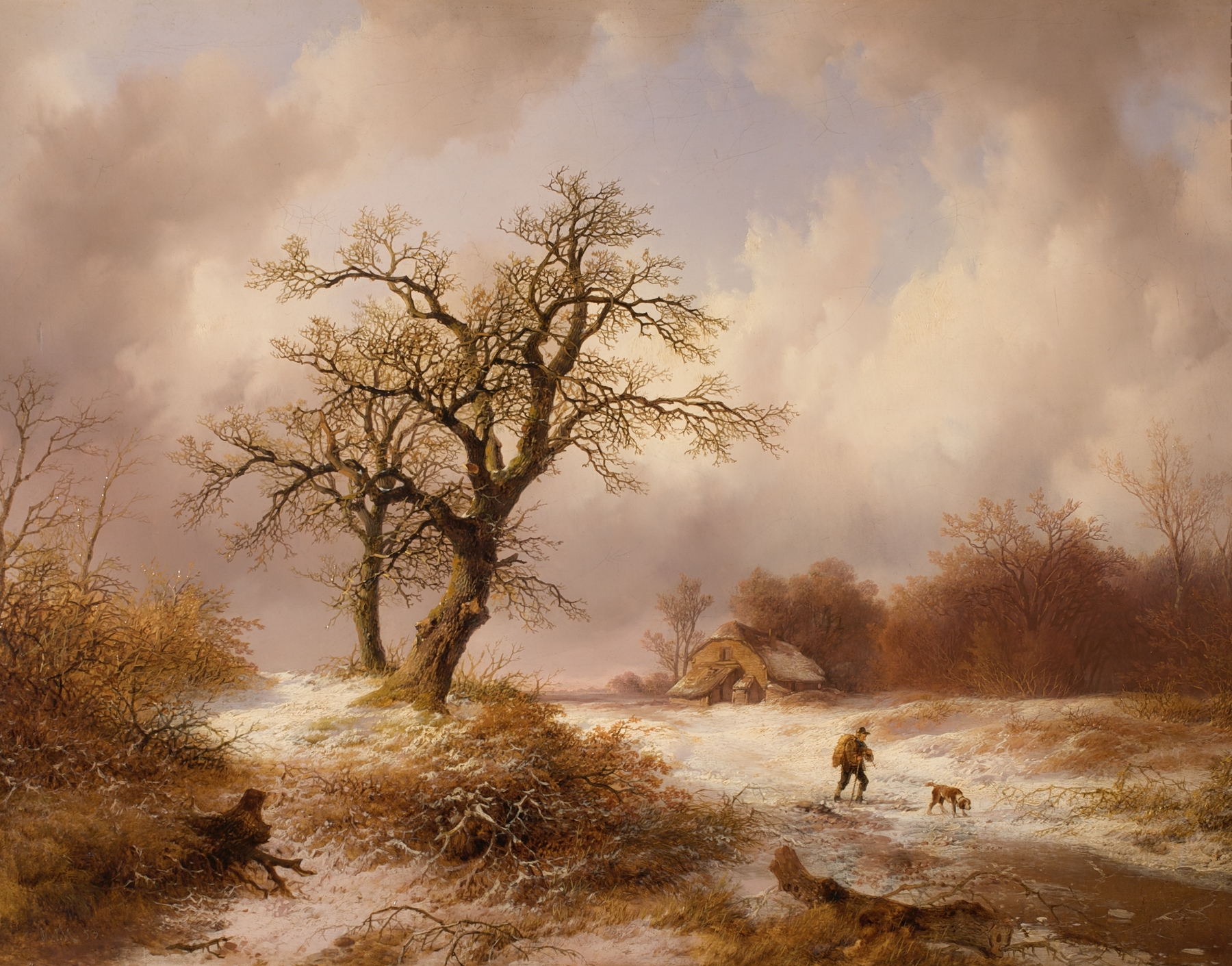
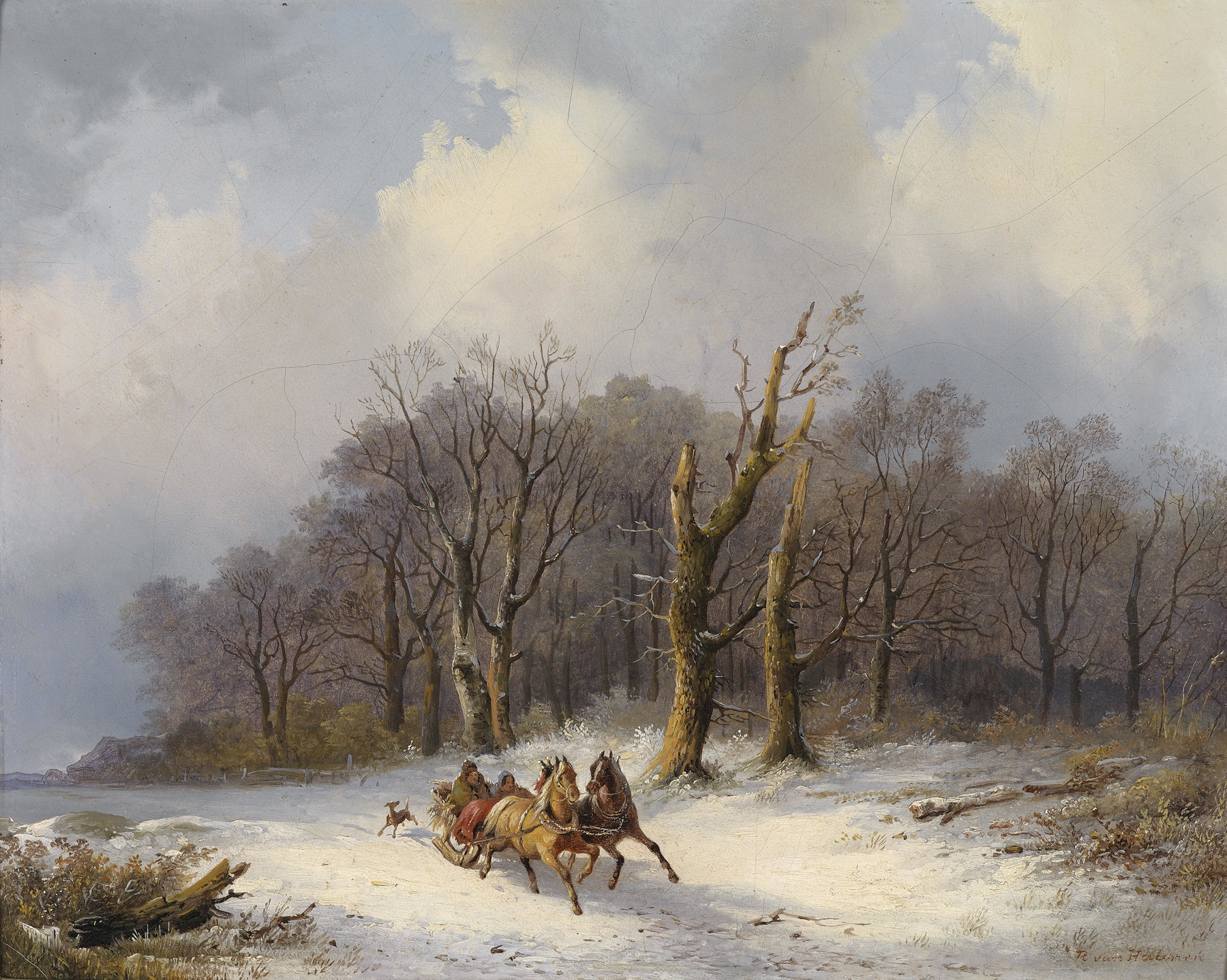
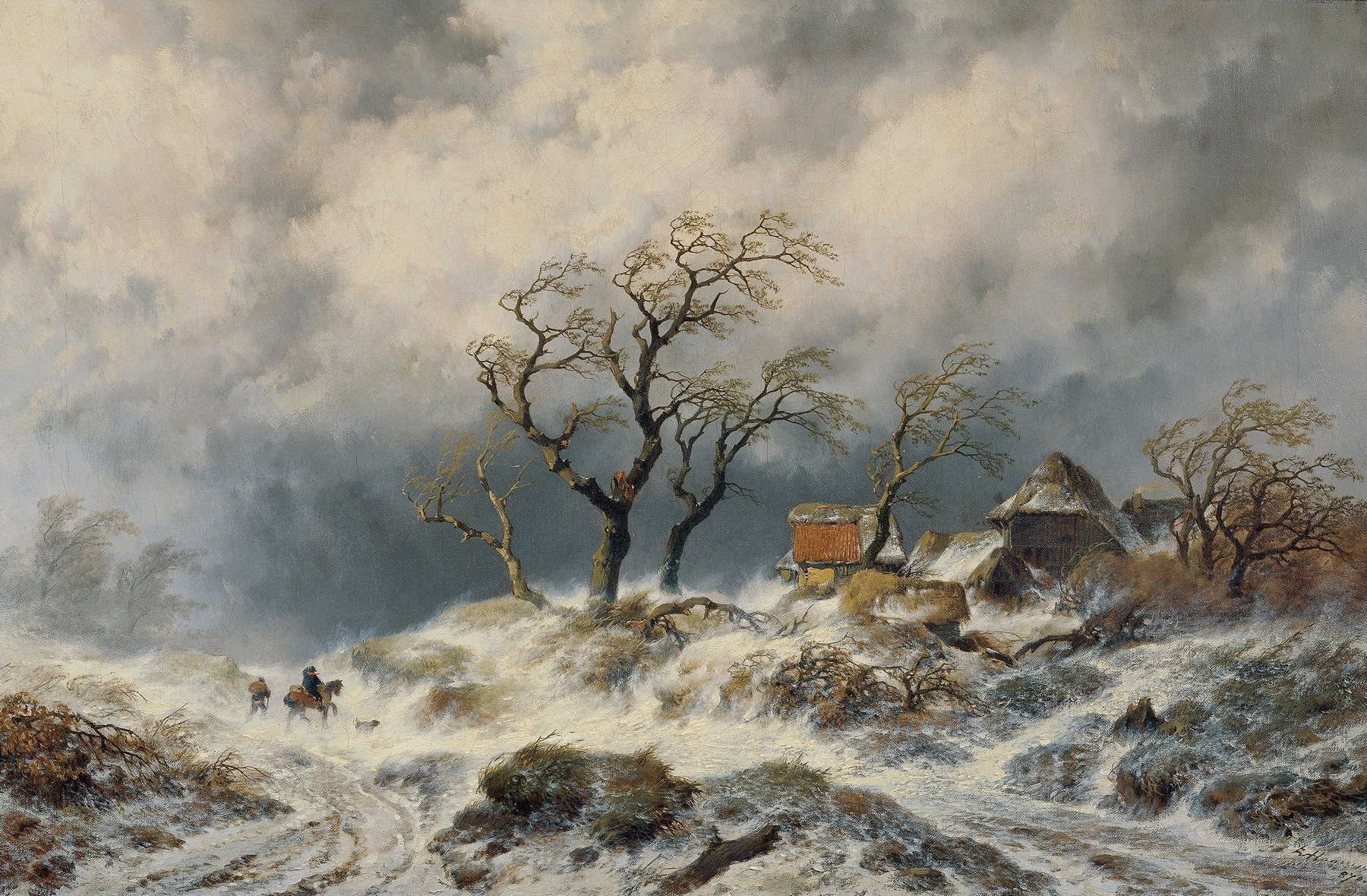
Is this a mirror — or a memory? In the stillness of twilight, where shadows meld with the colors of a fading day, the heartstrings of nostalgia echo through the chill air. Focus on the horizon, where muted purples and deep blues blend into one another, signifying the day’s last breath. The distant silhouettes of trees frame the canvas, their withered branches reaching out like ghostly fingers. Pay attention to the soft light that dances across the snow, revealing textures and depth, illuminating a path that seems to beckon the viewer into the scene.
Each brushstroke whispers a story of solitude, inviting reflection on the passage of time and the weight of unspoken farewells. As you delve deeper, a sense of longing emerges from the interplay of light and dark. The landscape does not merely depict a journey; it embodies the universal experience of returning to one’s roots while grappling with the bittersweet ache of remembrance. The gentle slope of the path hints at an emotional ascent, traversing both physical and metaphorical terrain.
Embedded in the serene beauty is an undercurrent of grief — the lingering presence of what has been lost but remains cherished in the heart. Remigius Adrianus van Haanen painted this work in a period marked by personal and artistic exploration. While the exact date remains unknown, his oeuvre often reflects themes of nostalgia and the passage of time, indicative of the Romantic movement's influence during the 19th century. This painting aligns with a wider cultural shift toward introspection and a deepening appreciation of nature, resonating with the complexities of human emotion during a transformative era in art.