A Dutch windmill by the stream — History & Analysis
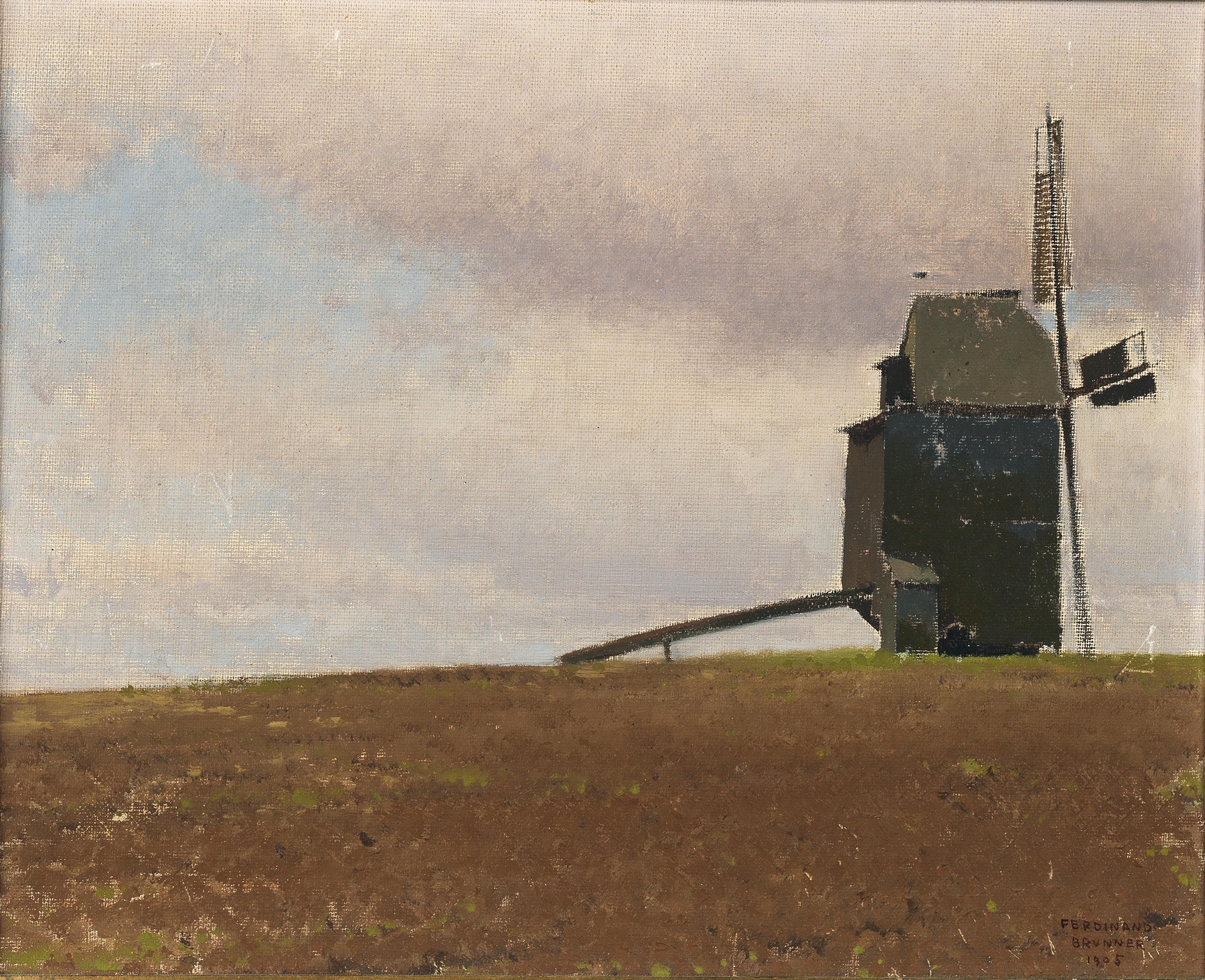
“Sometimes beauty is just pain, disguised in gold.” What if dreams are woven into the fabric of our waking lives, shimmering like the reflections on water? Look to the center of the canvas, where the windmill rises majestically against the backdrop of a tranquil stream. The swirling brushstrokes blend deep greens and warm yellows, creating a harmonious dance of nature. Notice how the sunlight kisses the blades of the windmill, illuminating their crests and casting playful shadows on the water below.
Each detail, from the lively foliage to the gentle ripples, invites you to lean closer and lose yourself in the idyllic scene. Yet beneath this serene façade lies a tension of longing, a subtle exploration of the relationship between industry and nature. The windmill, a symbol of human endeavor, stands juxtaposed against the quiet flow of the stream, hinting at the relentless march of progress. The soft waves, whispering secrets of the past, serve as a reminder of what might be lost in pursuit of dreams—of a balance between the mechanical and the organic, the crafted and the wild.
In 1925, Ferdinand Brunner painted this work during a period marked by artistic innovation yet clinging to pastoral reverie. Living in a world evolving with modernity, he sought refuge in the tranquil landscapes of his homeland, capturing the essence of a simpler time. Amidst the changing art scene, he crafted visions that resonated with the yearning for both beauty and remembrance.