Grauer Tag — History & Analysis
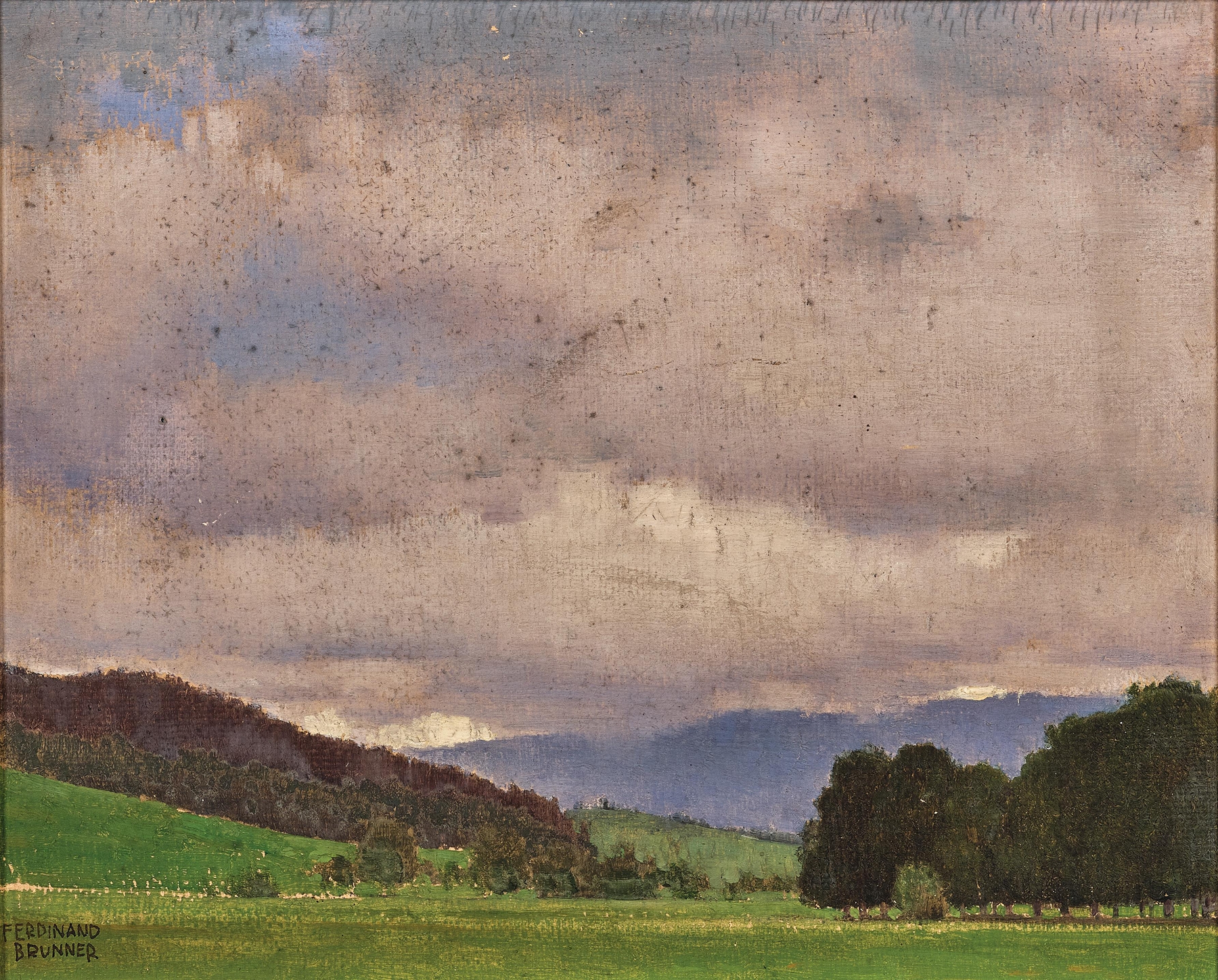
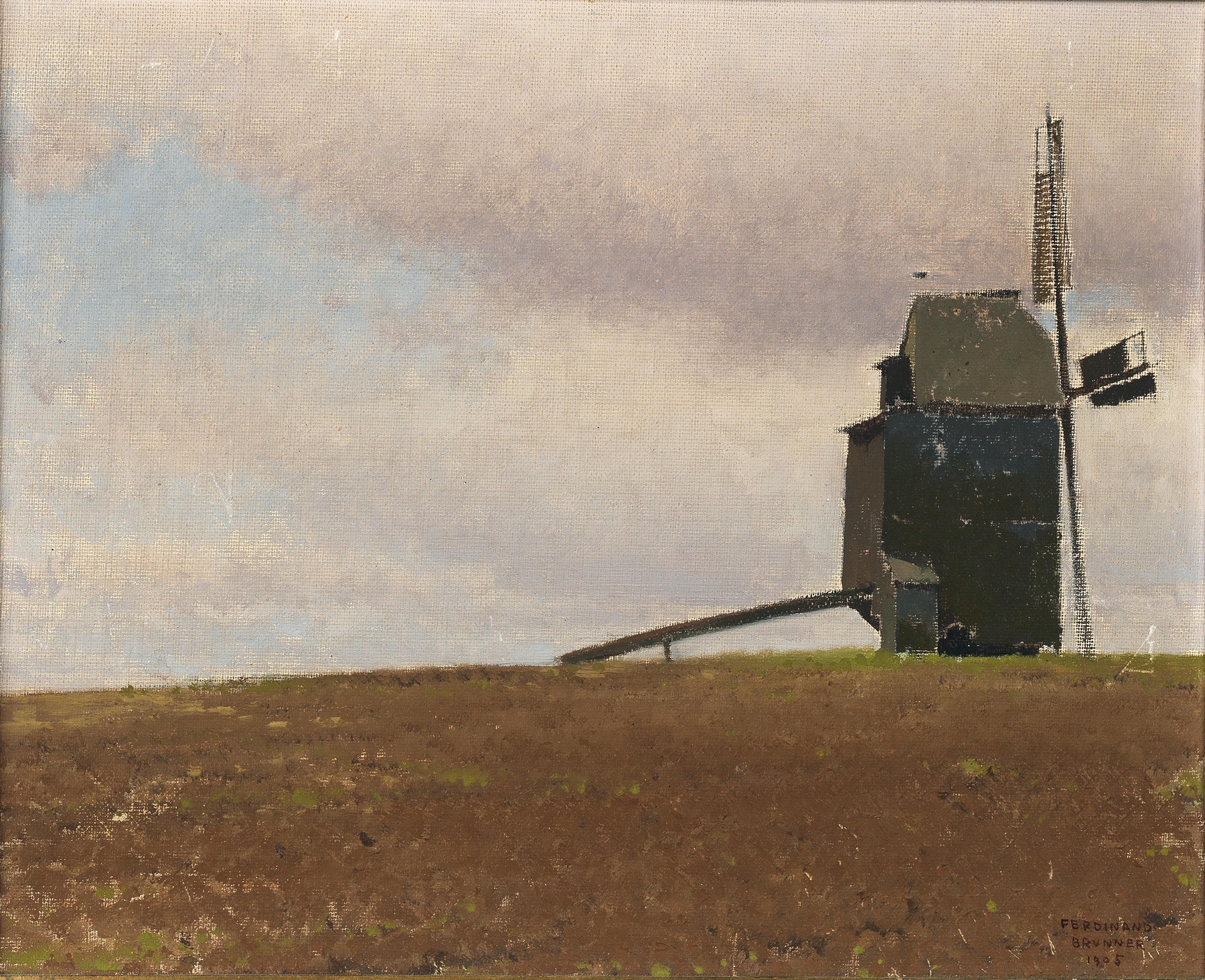
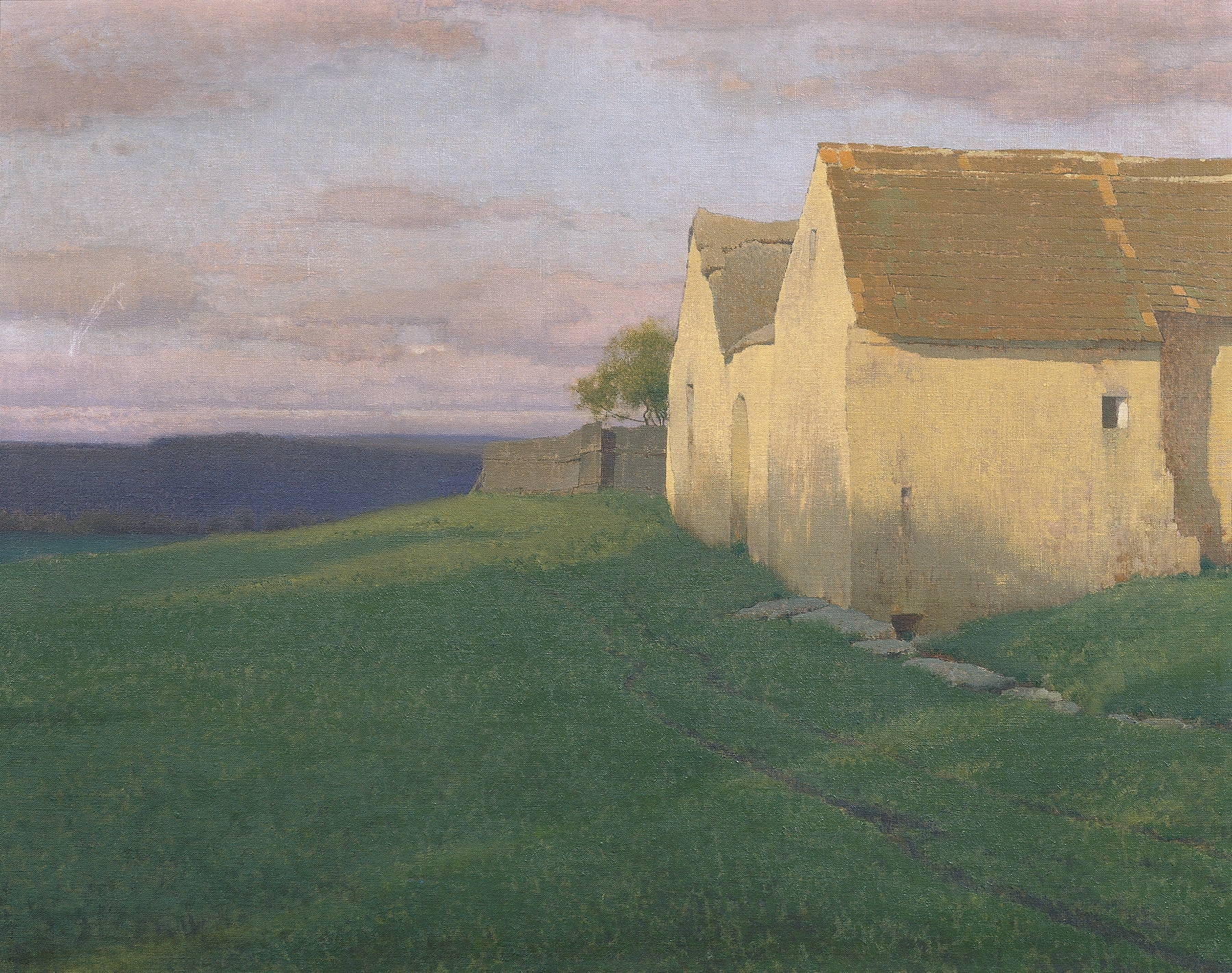
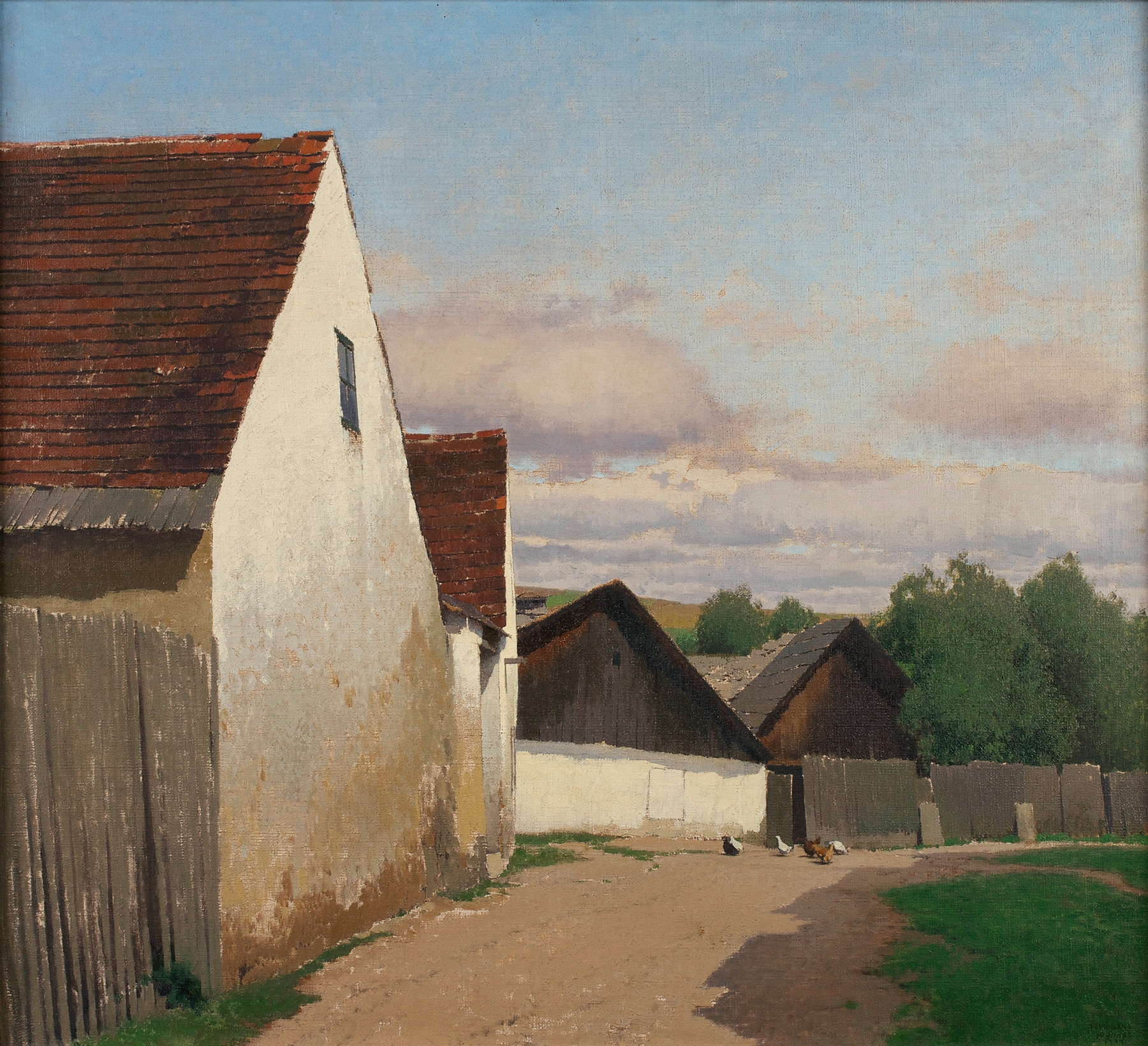
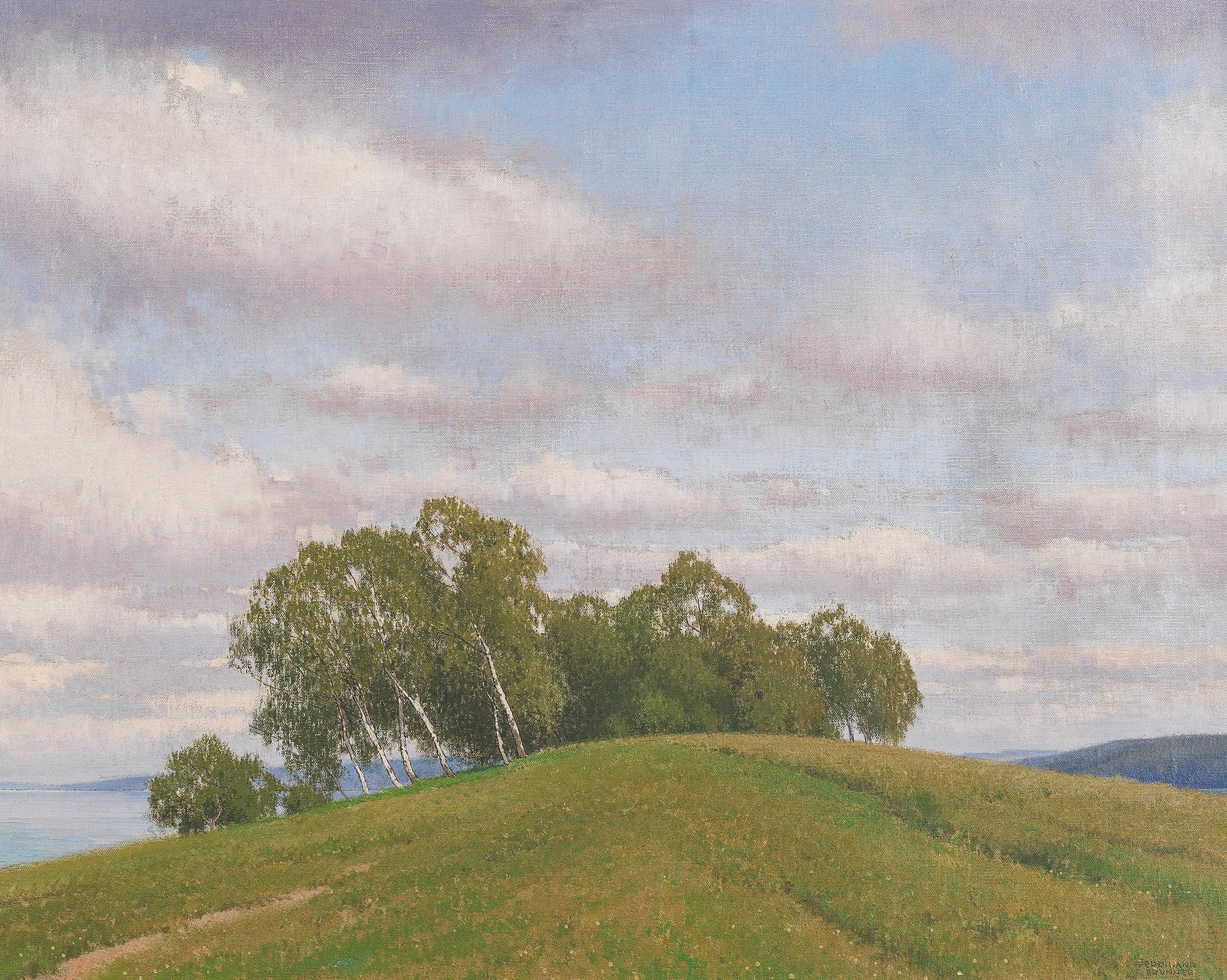
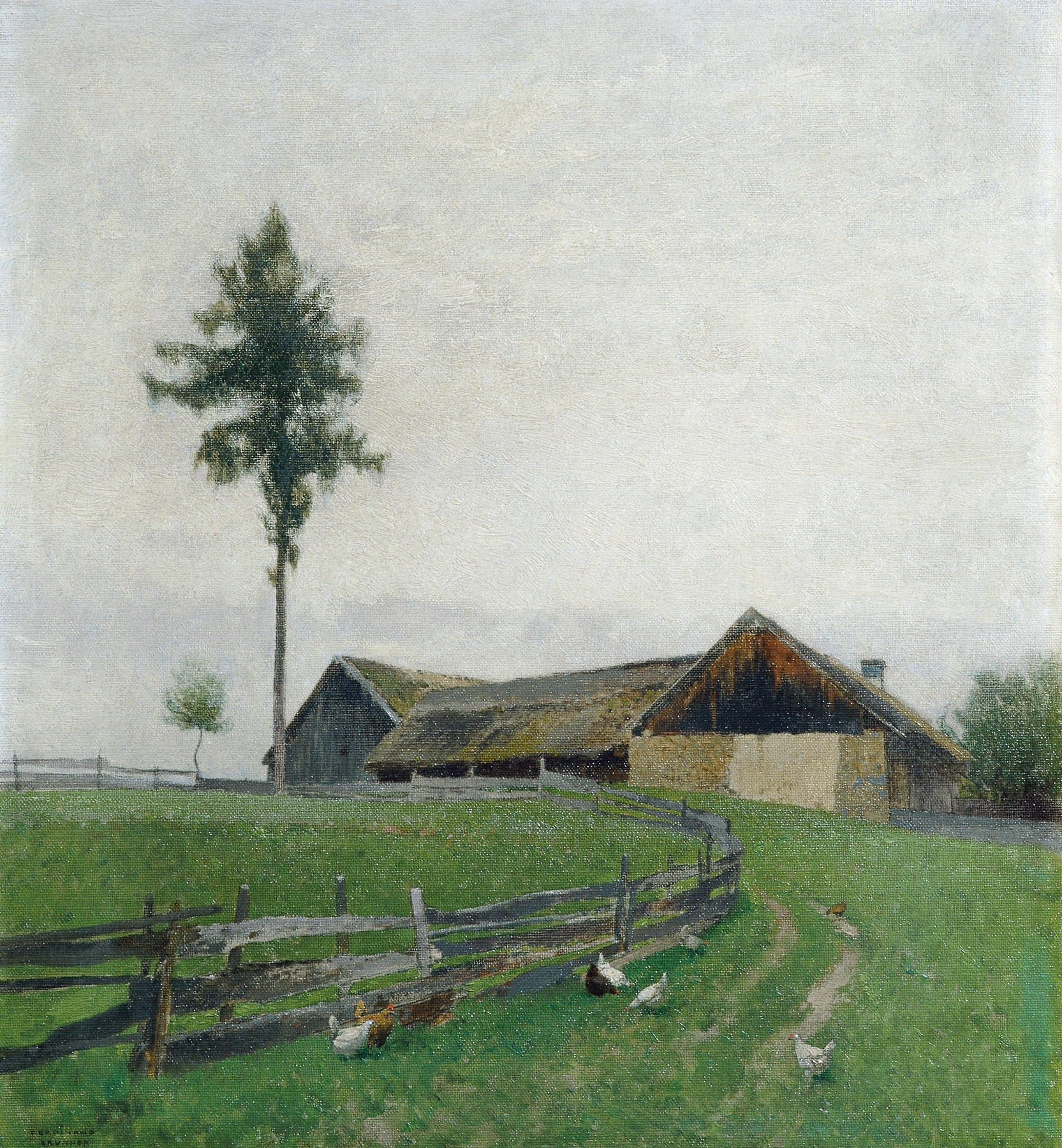
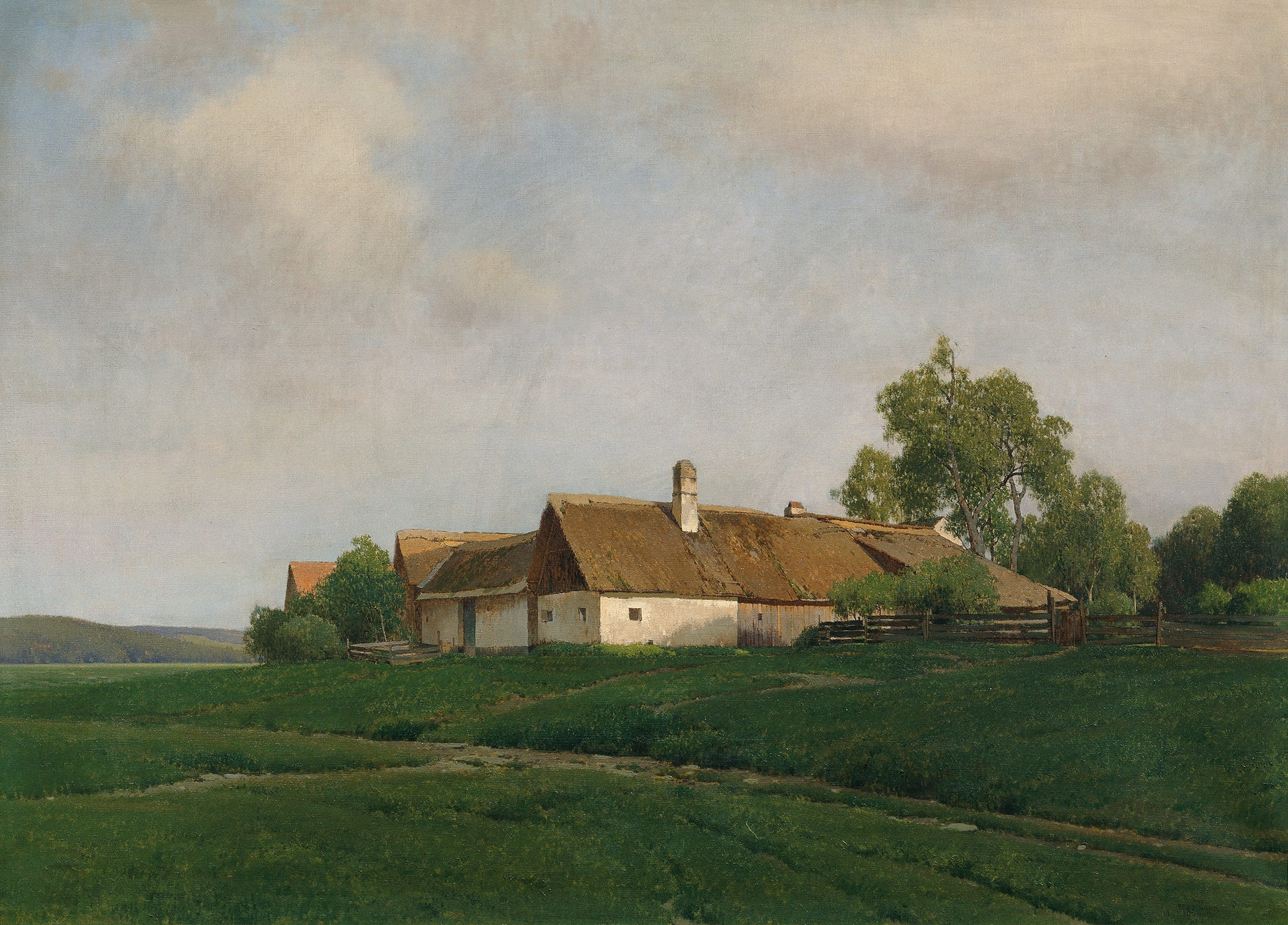
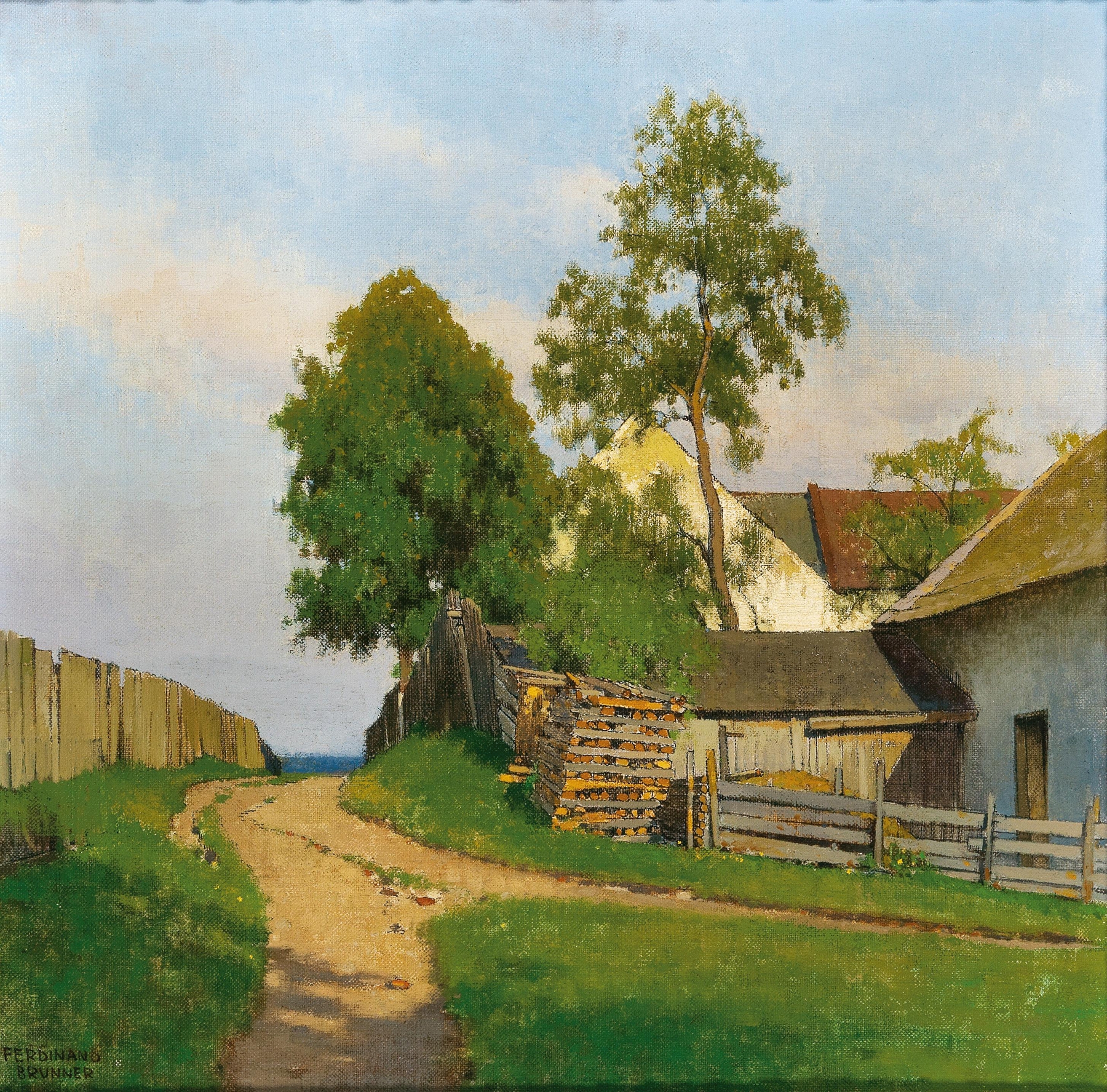
“Every brushstroke is a heartbeat remembered.” In Grauer Tag, the weight of mortality hangs palpably in the air, as if each hue whispers the fragility of existence. Focus on the somber gray palette that dominates the canvas, where muted tones intertwine, creating an atmosphere of introspection. The foreground melds into the background, inviting the viewer to traverse the translucent layers of paint. Notice how the light barely penetrates the scene, casting a gentle gloom that clings like a shroud, compelling the eye to linger on every subtle contour and texture.
Beneath the surface, a deep tension emerges between absence and presence—a haunting juxtaposition. The almost ghostly figures that populate the scene evoke a sense of longing, while their blurred outlines suggest a world just out of reach. Shadows stretch across the canvas, hinting at both the passage of time and the remnants of memory, forcing us to confront our own impermanence.
In 1917, Ferdinand Brunner created this poignant work during a period marked by turmoil and transformation in Europe, as World War I raged on. He found himself grappling with the complexities of life and death, a theme that resonated deeply in the art world of the time. This piece reflects his introspective journey, serving as a somber testament to the era's collective consciousness and the emotional landscape of a world at war.