Bauernhof bei Zwettl — History & Analysis
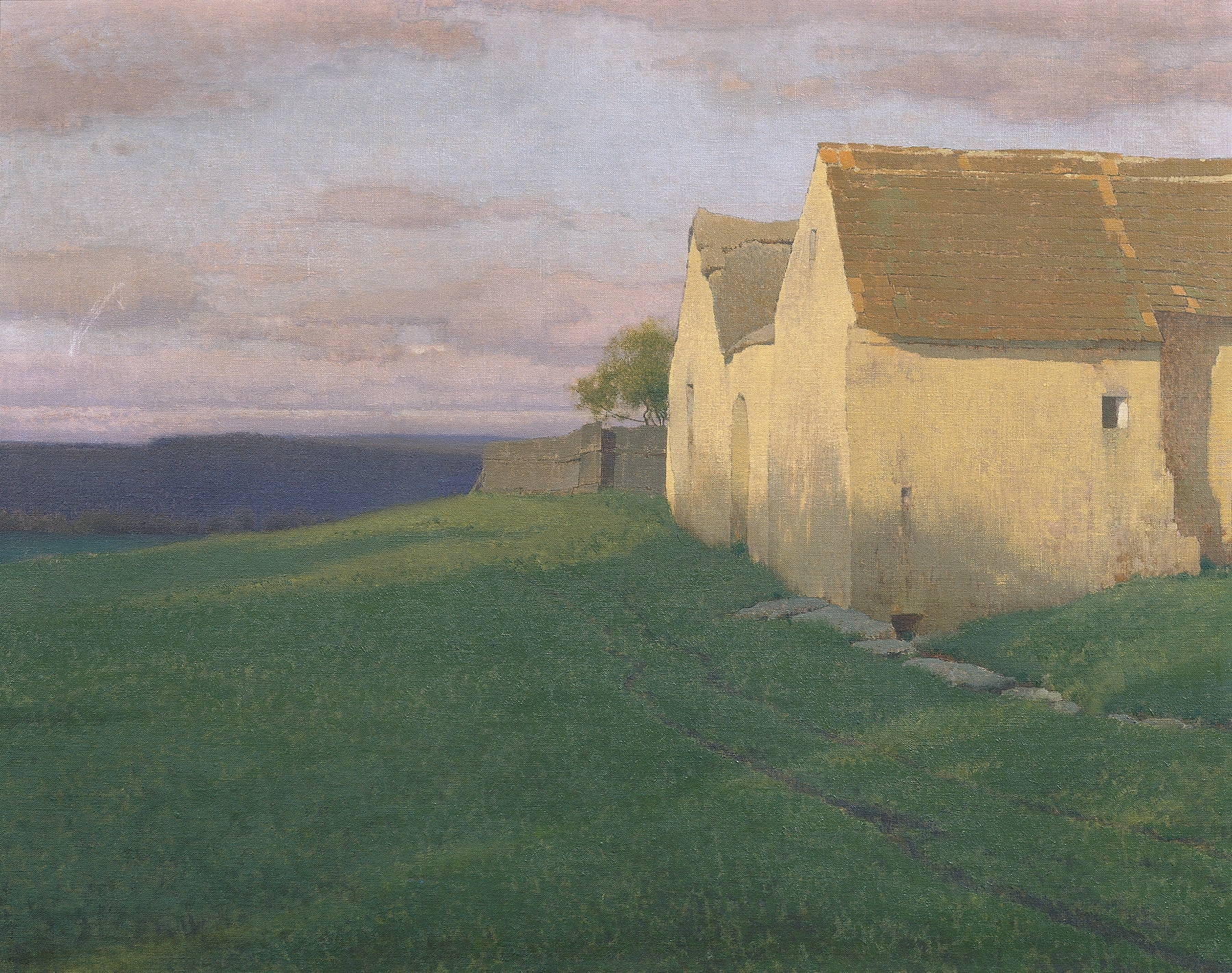
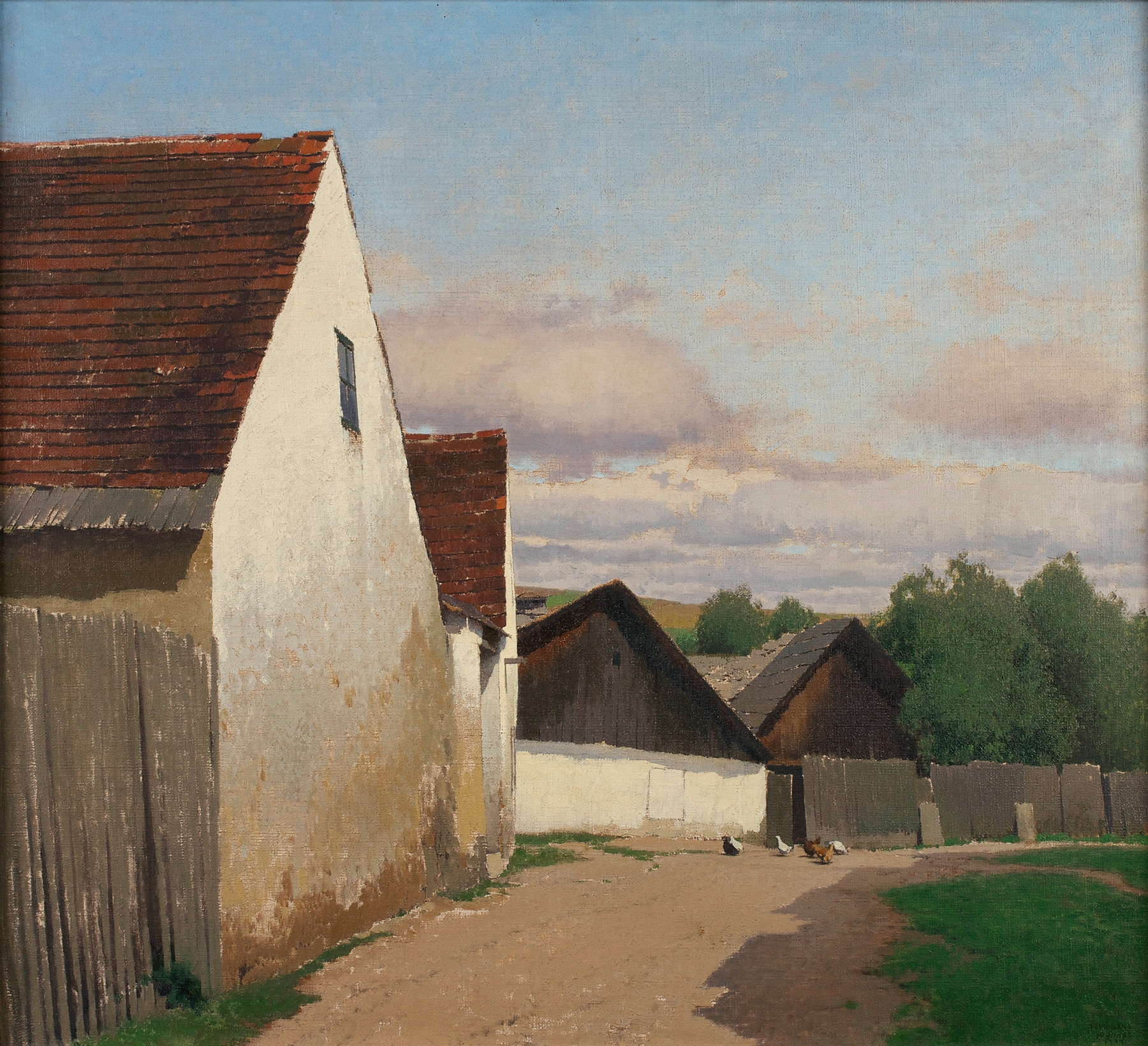
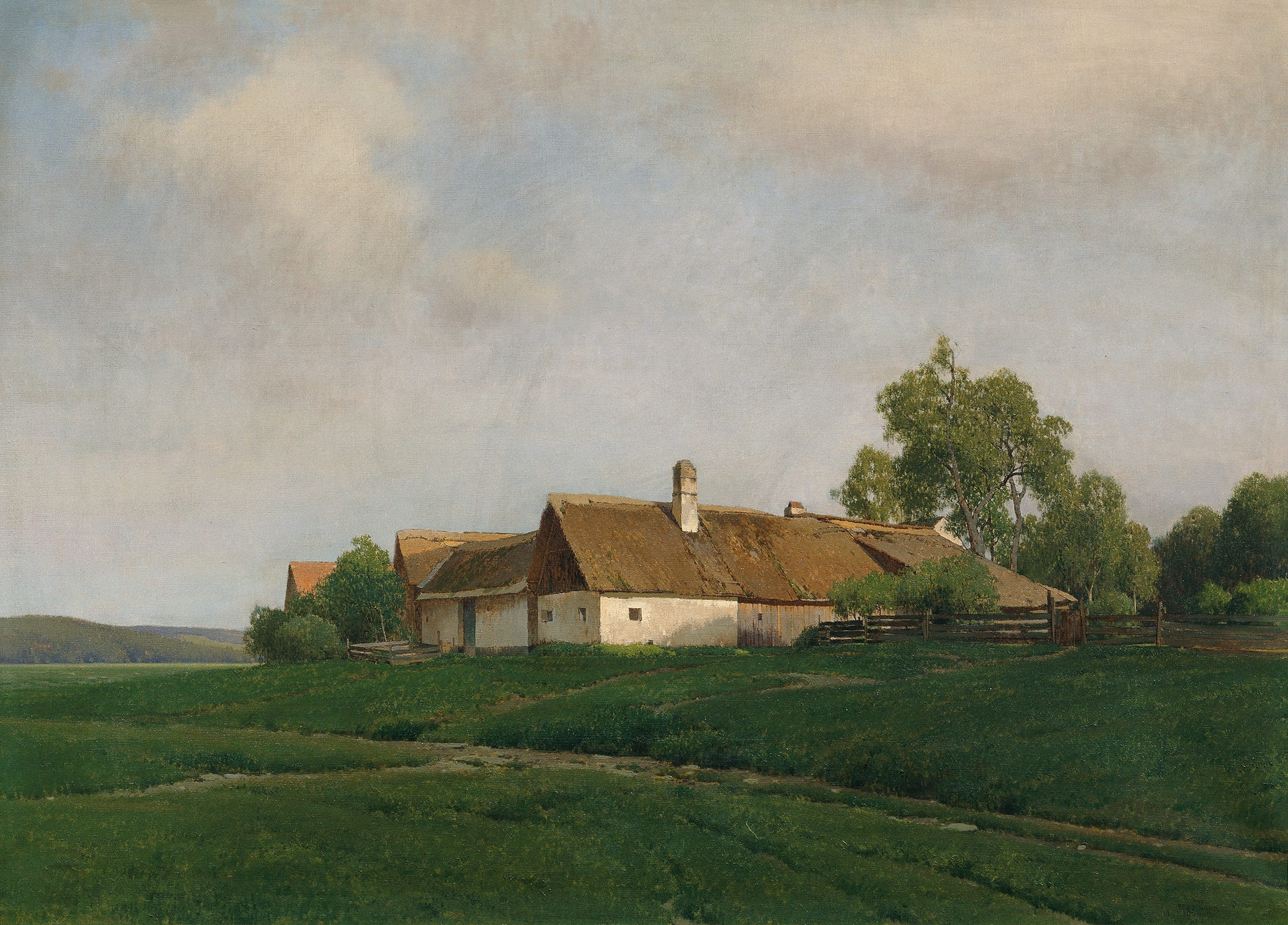
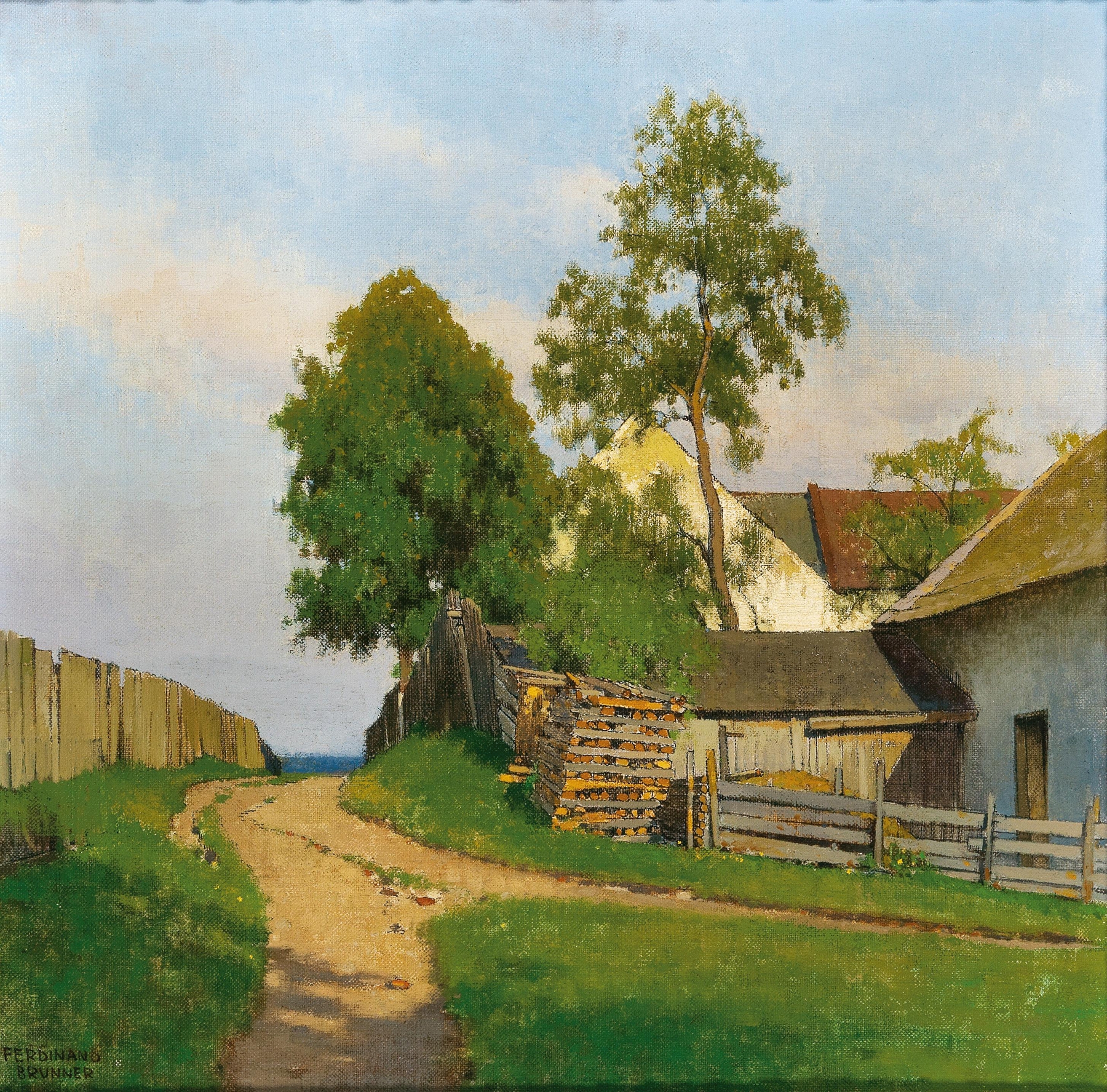
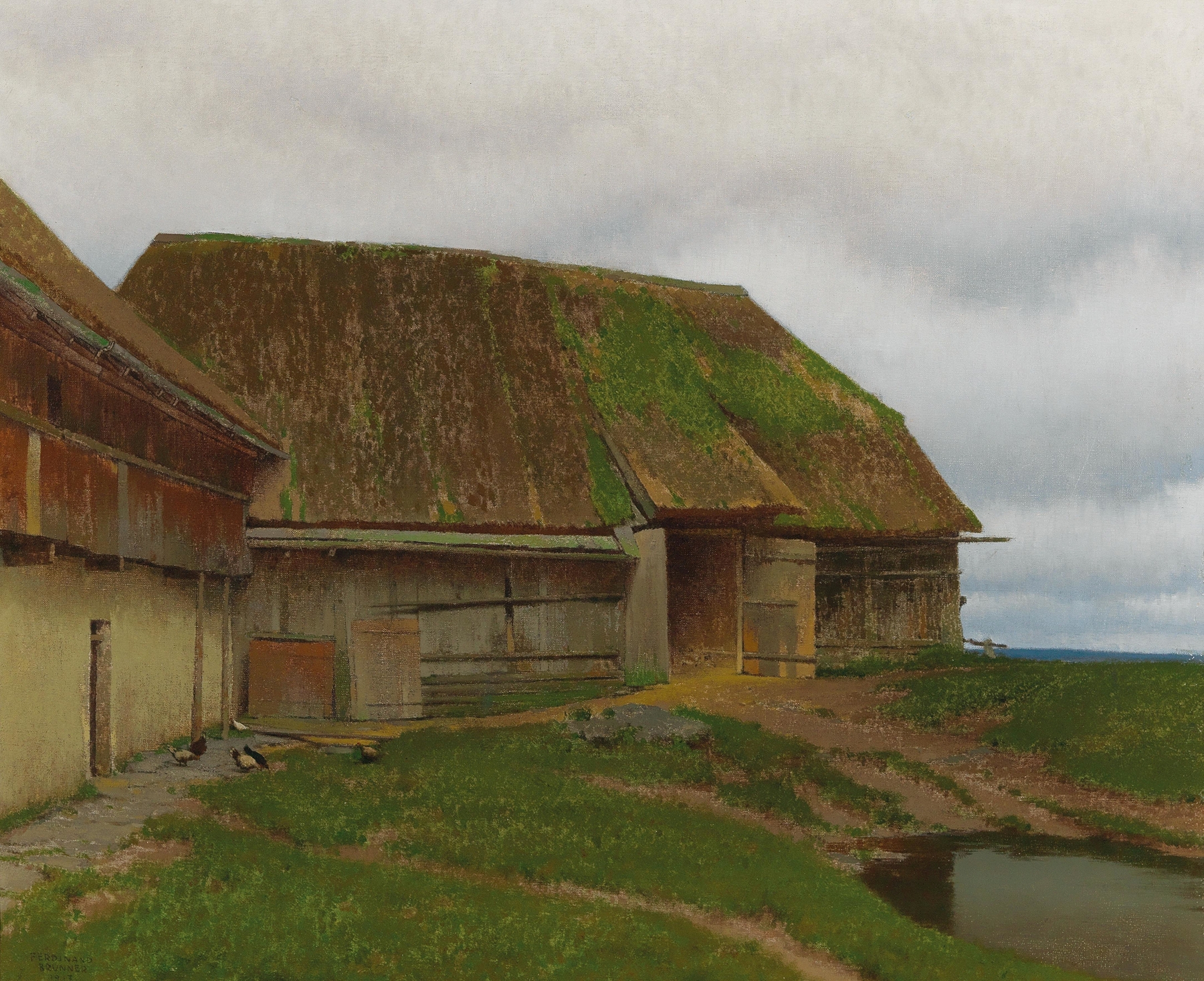
Could a single brushstroke hold eternity? In Bauernhof bei Zwettl, every stroke seems to whisper the longing of a bygone era nestled in the landscape of rural Austria. Focus on the vibrant fields that stretch across the canvas, where golden grains sway gently under the weight of a sun-drenched sky. Notice how the artist employs a harmonious palette of greens and yellows, capturing the warmth of late afternoon light that bathes the farmhouse, drawing your eyes to its rustic charm.
The composition invites you to explore the tranquil balance between nature and human habitation, where the sloping hills cradle the dwelling as if preserving a tender secret. As you delve deeper, observe the contrasts that emerge: the solid, sturdy structure of the farmhouse against the ephemeral dance of the grasses. Each brushstroke reflects a yearning for connection, both with the earth and the simple joys of pastoral life. The scene embodies a nostalgic serenity, yet hints at the inevitable passage of time that threatens to alter this idyllic existence.
Ferdinand Brunner painted this work in 1899 while living in Austria, a period marked by industrialization that began to encroach on traditional rural lifestyles. This tension between modernity and the pastoral ideal is palpable in his art. Brunner was influenced by the burgeoning movement of Impressionism, which encouraged a focus on light and atmosphere, shaping his unique interpretation of the landscapes he cherished.