Alte Windmühle — History & Analysis
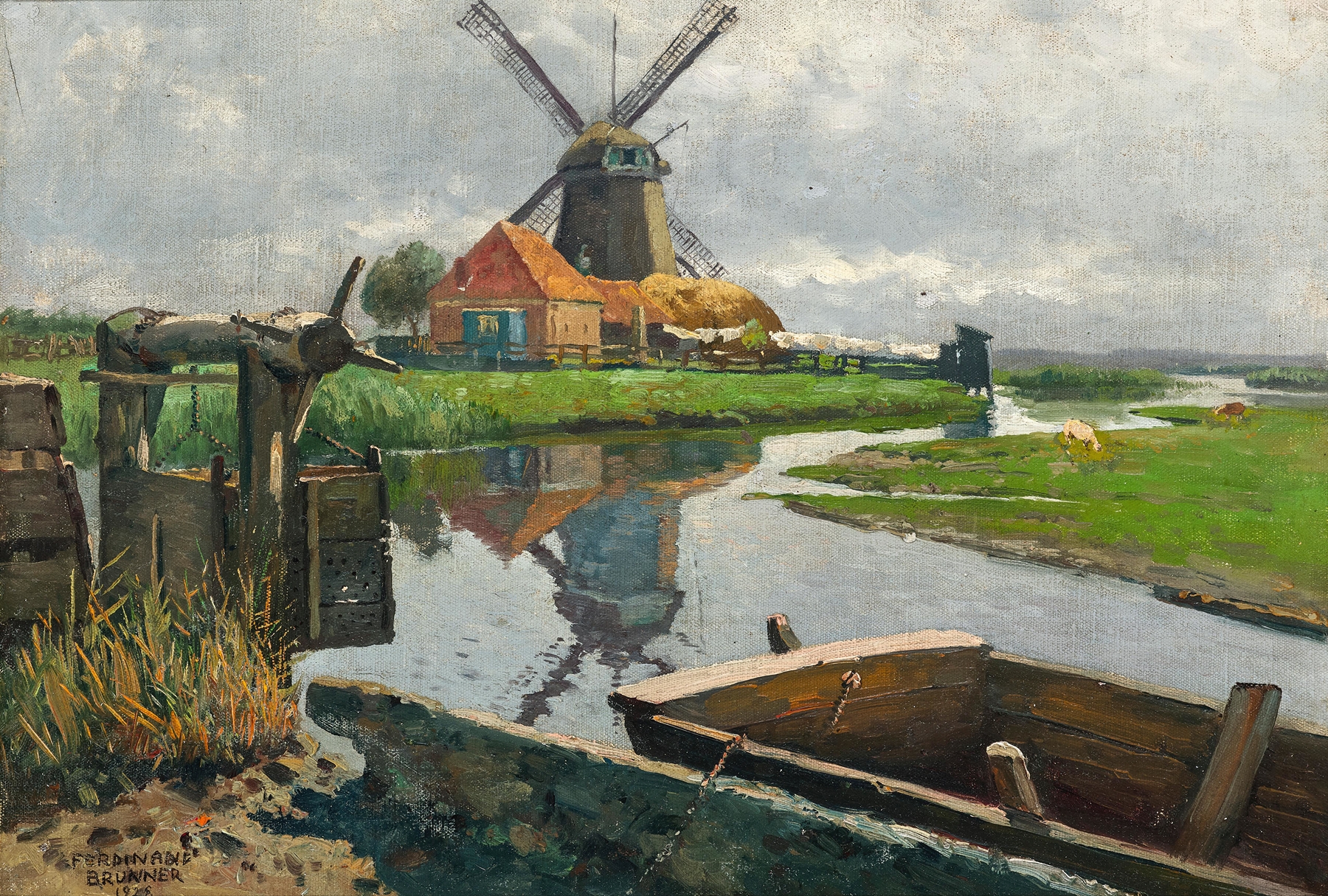
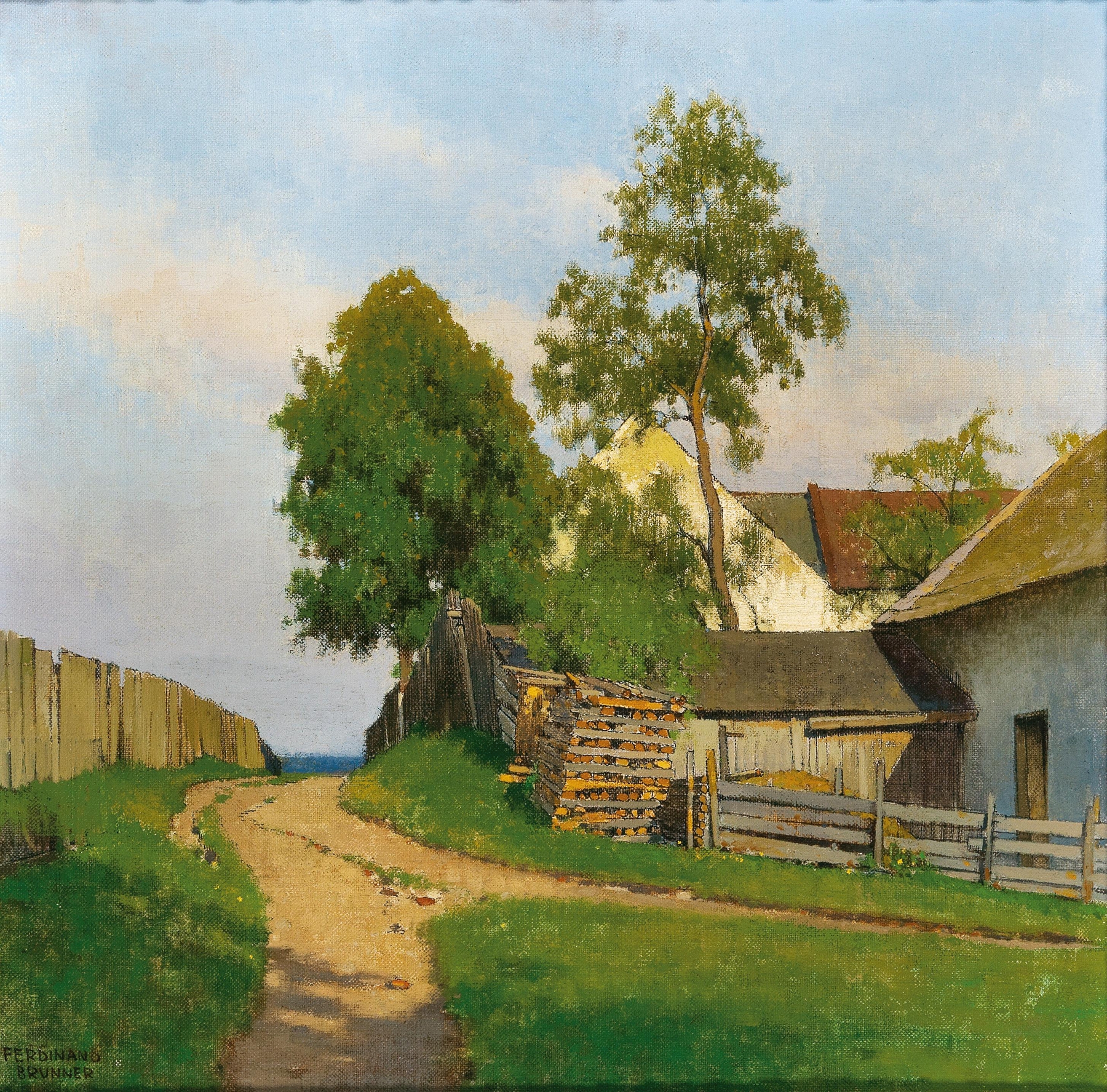
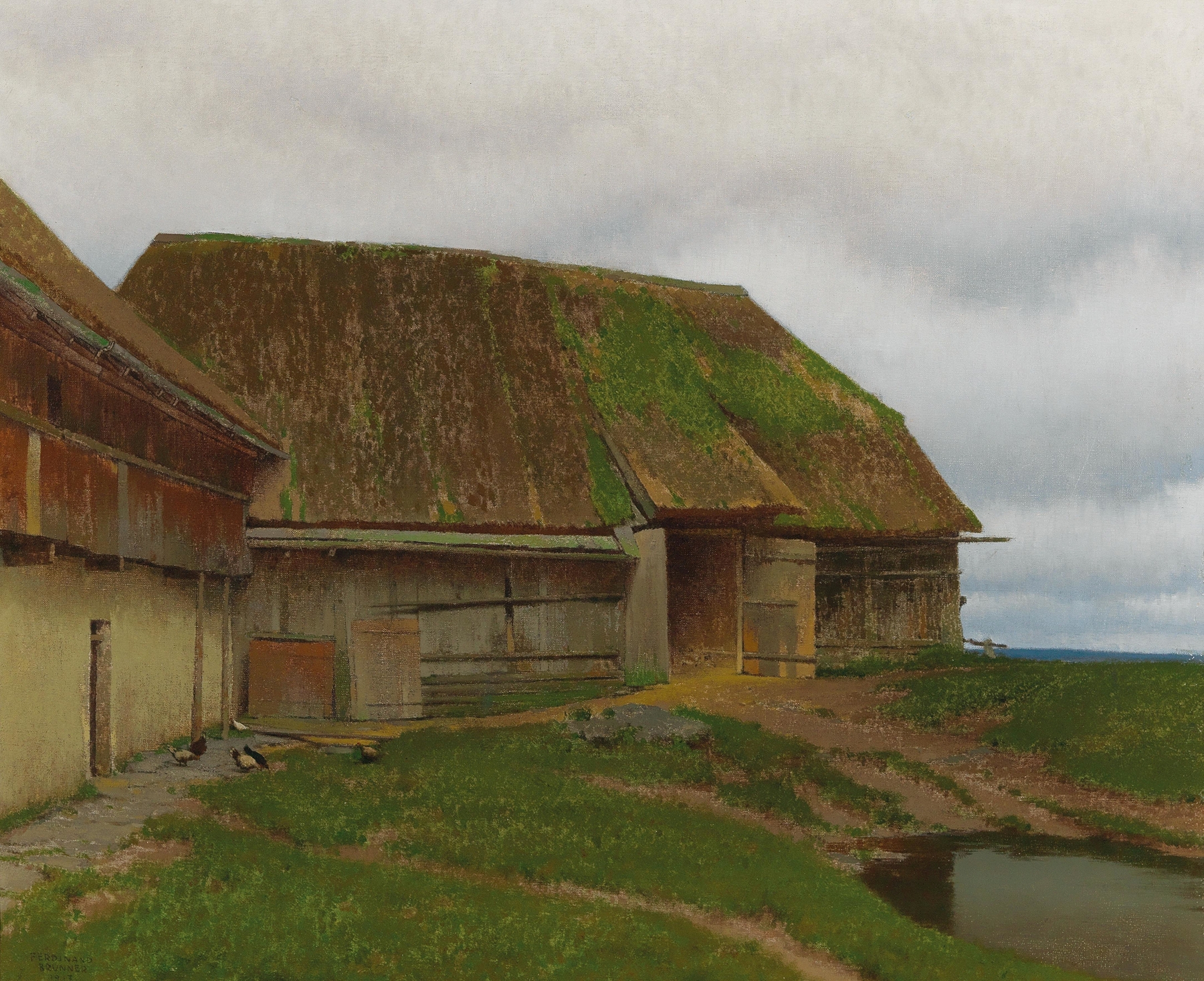
“Under the brush, chaos becomes grace.” This thought resonates deeply as one gazes at a painted windmill, where nature and human craftsmanship intertwine in quiet harmony. How do we capture the essence of a fleeting moment, transforming it into something timeless? Look to the center of the canvas, where the windmill stands tall against a backdrop of swirling skies. Notice how the gentle brushstrokes create a textured interplay of blues and whites, evoking a sense of movement in the air. The warm earth tones of the mill blend seamlessly with the verdant greens of the fields, grounding the scene while simultaneously lifting it into ethereal realms.
The artist expertly uses light to illuminate the structure, casting soft shadows that embrace its form and impart a sense of serenity. Delve deeper into the work, and the contrasts emerge. The sturdy windmill represents human resilience, yet its rustic, weathered appearance reveals a history of toil and endurance. The surrounding landscape, alive with vibrant foliage, symbolizes the ever-changing, uncontrollable forces of nature.
This tension between permanence and transience invites viewers to reflect on their own lives—how moments of stillness can coexist within the chaos of the world around us. In 1905, the artist was in a period of exploration, seeking to capture the beauty of Germany’s rural landscapes while grappling with the rise of modernity. Living in a time when traditional forms of art were being challenged, he embraced a more impressionistic style that revealed the subtleties of light and atmosphere. The painting becomes not only a representation of a place but also a testament to the artist’s personal journey through an evolving artistic landscape.