Alte Häuser in Gaudenzdorf — History & Analysis
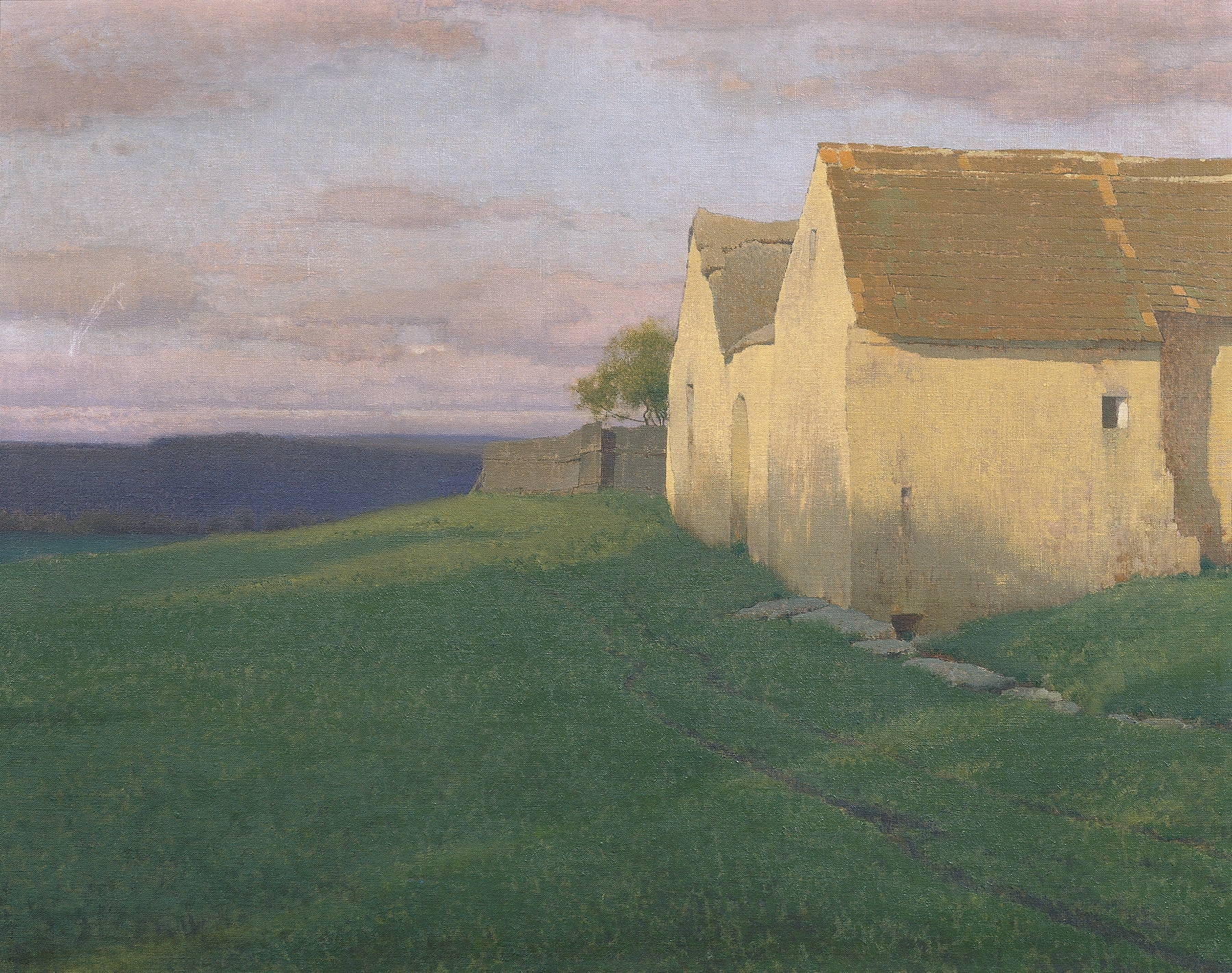
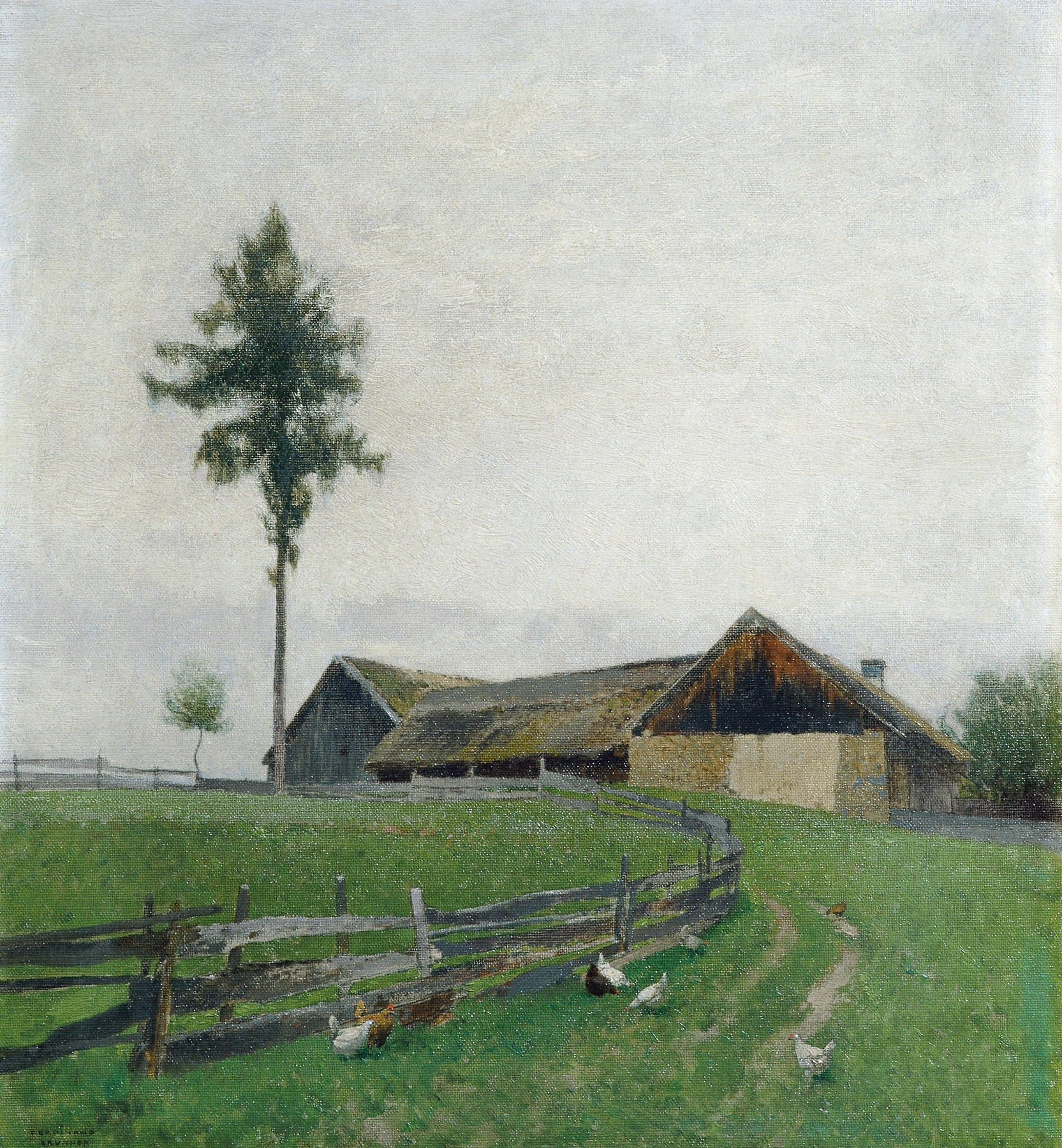
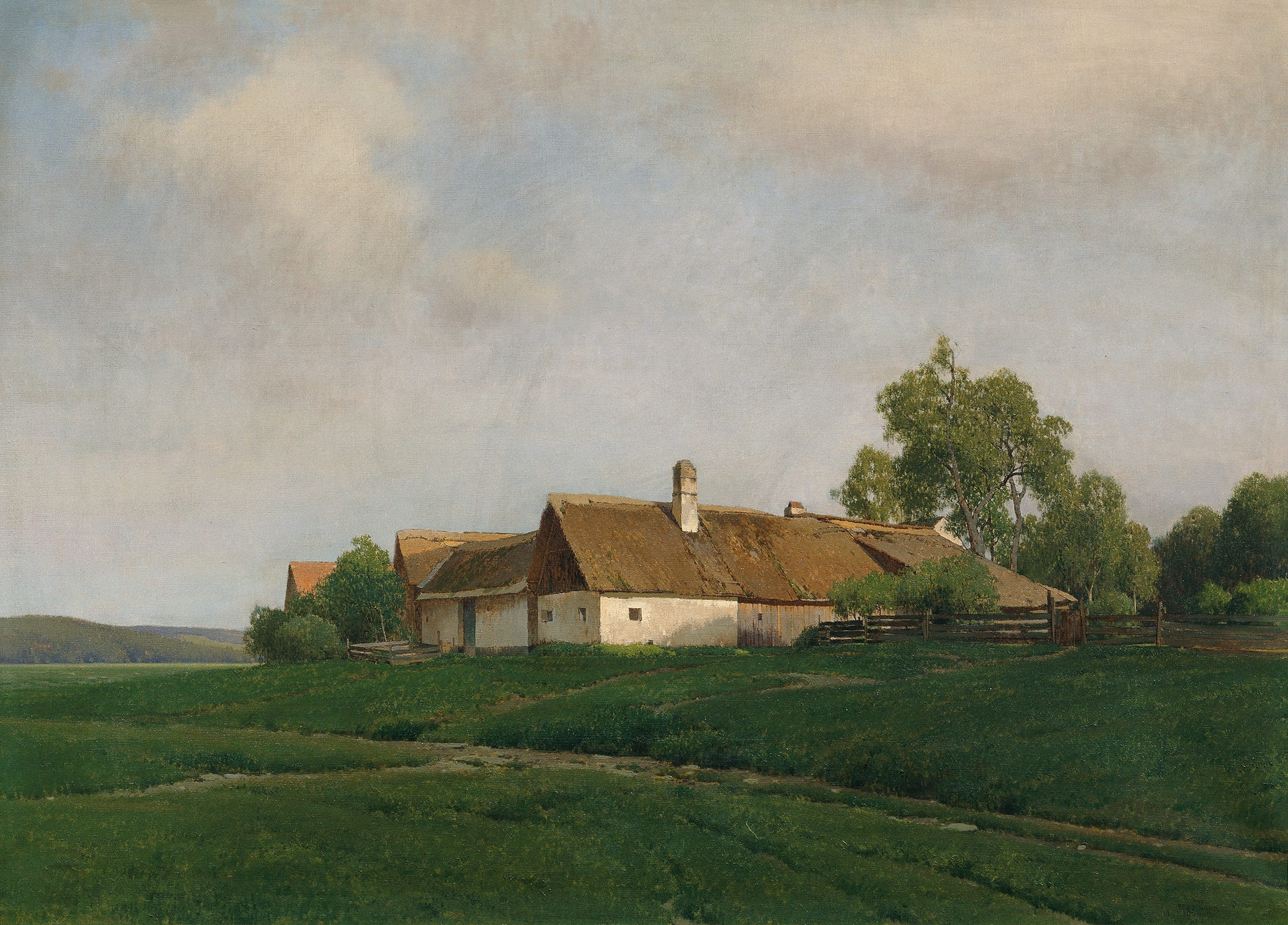
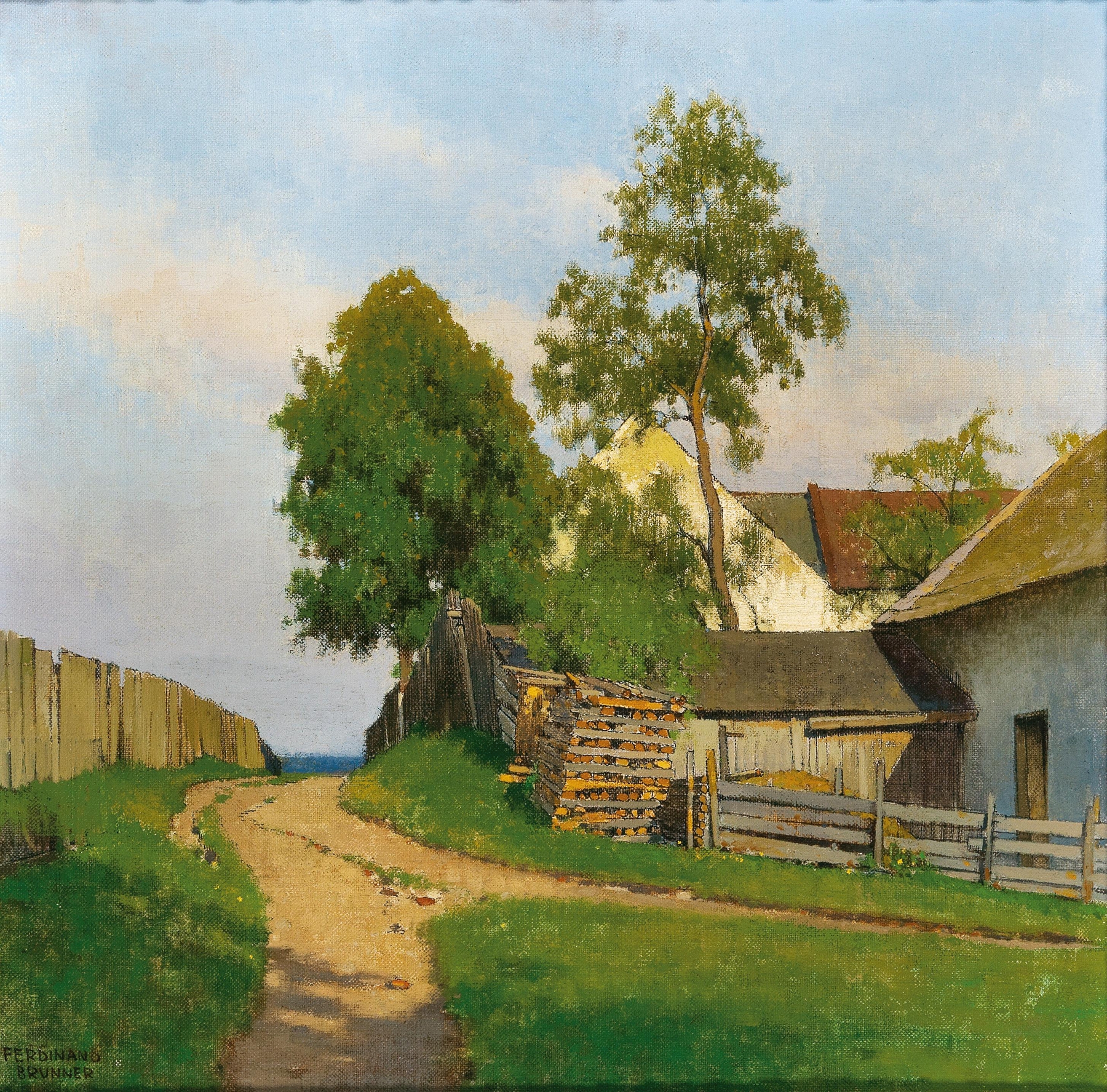
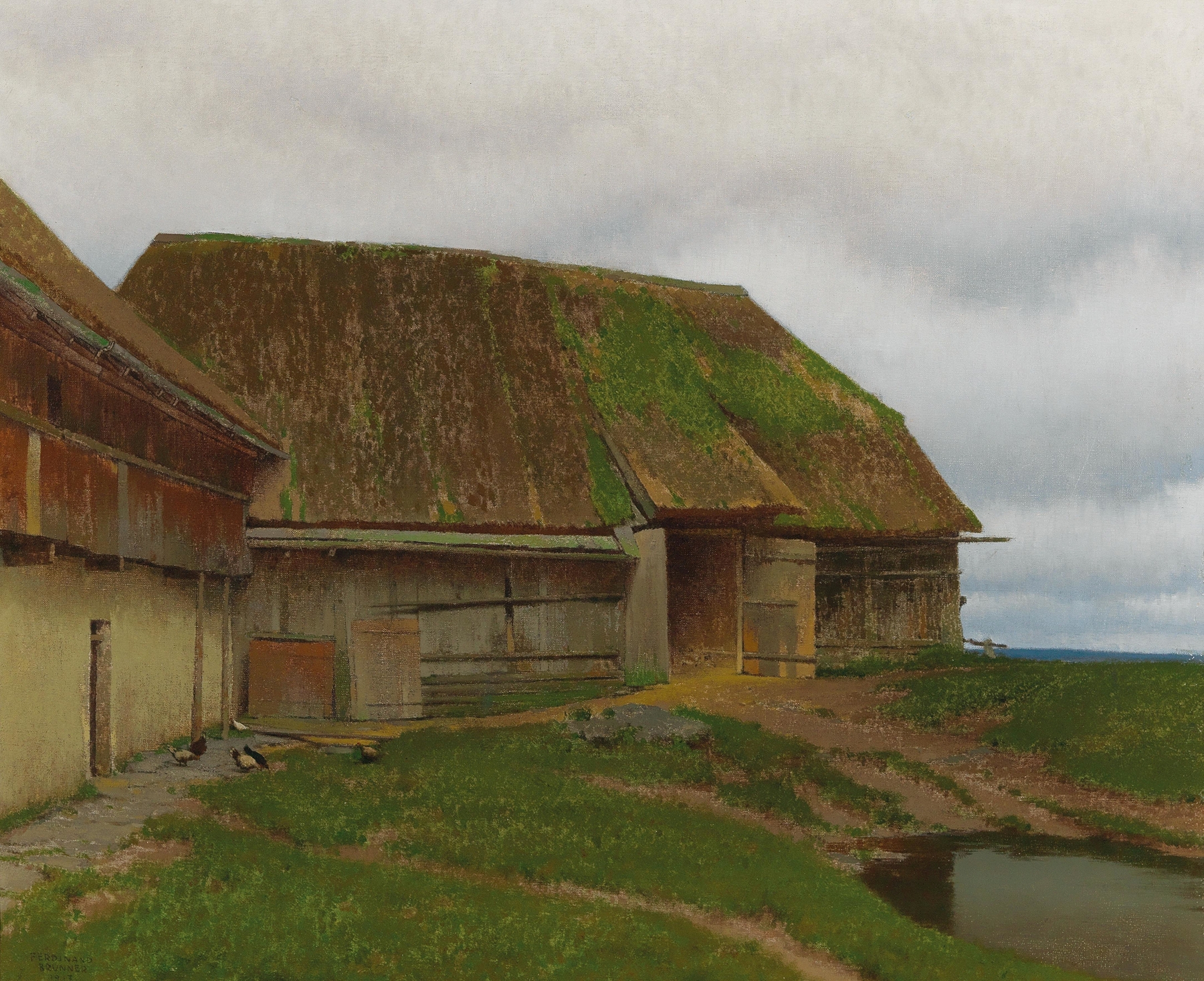
When did color learn to lie? The hues of life linger just beyond reach, whispering secrets of longing and nostalgia in a world that feels both familiar and distant. Look closely at the foreground, where the weathered facades of the houses emerge, bathed in a palette of soft ochres and muted greens. The brushwork invites the eye to explore the textures of crumbling plaster and the gentle play of light that dances along the roofs.
Notice how the artist captures the shadows, their depth and weight adding a sense of history and memory to each building, effectively telling stories of lives lived within those walls. Yet, there’s an unsettling contrast present—the vibrant greens of nature seem to encroach upon the sanctuary of the structures, suggesting a tension between the permanence of the home and the inevitability of time's passage. The sky above, swirling with hints of blue and gray, evokes a feeling of yearning, as if it cradles unfulfilled dreams. Each detail, from the chipped paint to the encroaching greenery, contributes to a poignant reflection on memory and the way places hold onto the echoes of their inhabitants.
Ferdinand Brunner created Alte Häuser in Gaudenzdorf in 1907, a time when he was deeply influenced by the burgeoning movement of expressionism in Vienna. This period marked his exploration of color and form, as he sought to convey emotion through his art. The socio-political climate of early 20th-century Europe, with its undercurrents of change and uncertainty, likely informed the artist’s reflections on the ephemeral nature of existence and the places that anchor our memories.