Kühler Sommertag — History & Analysis
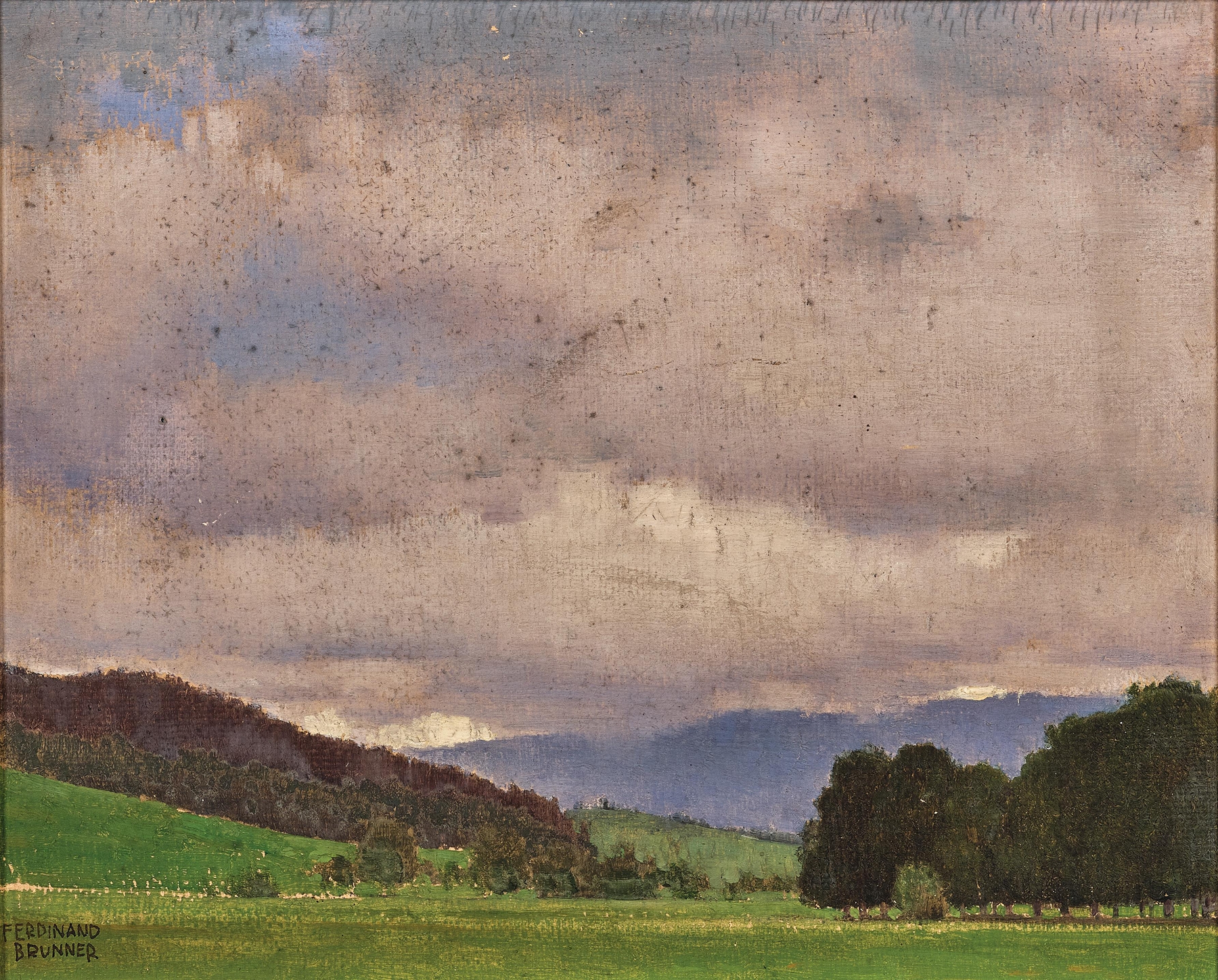
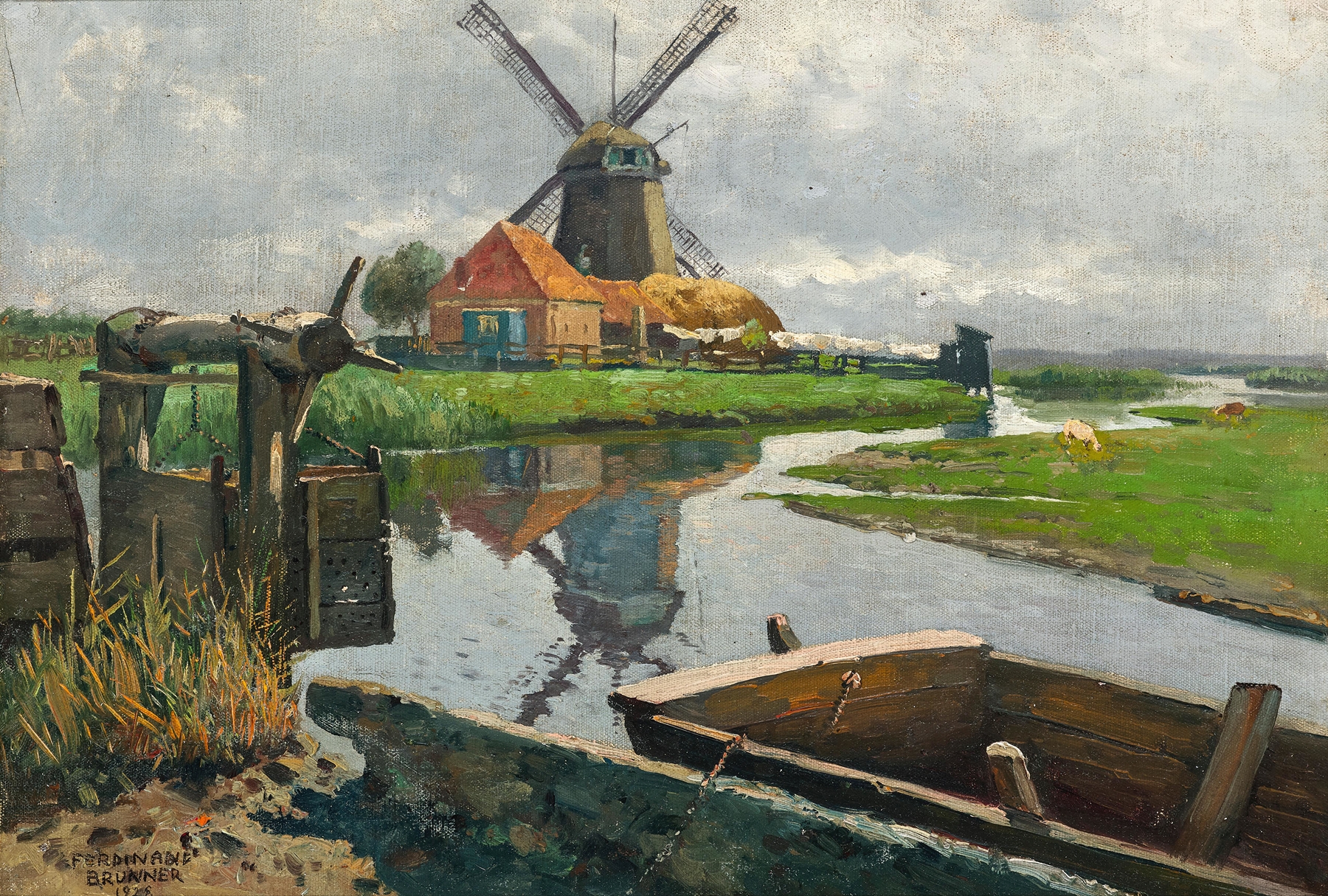
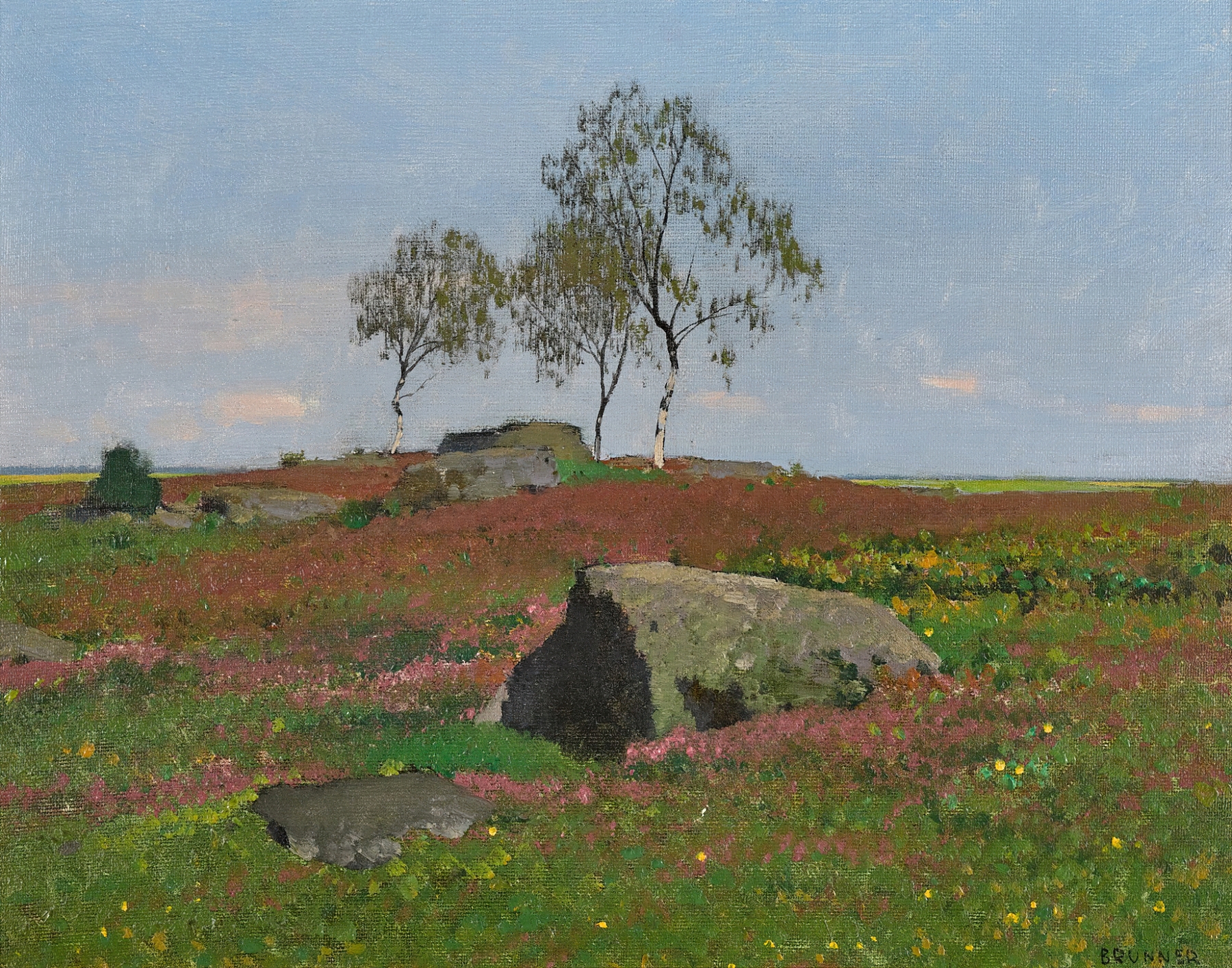
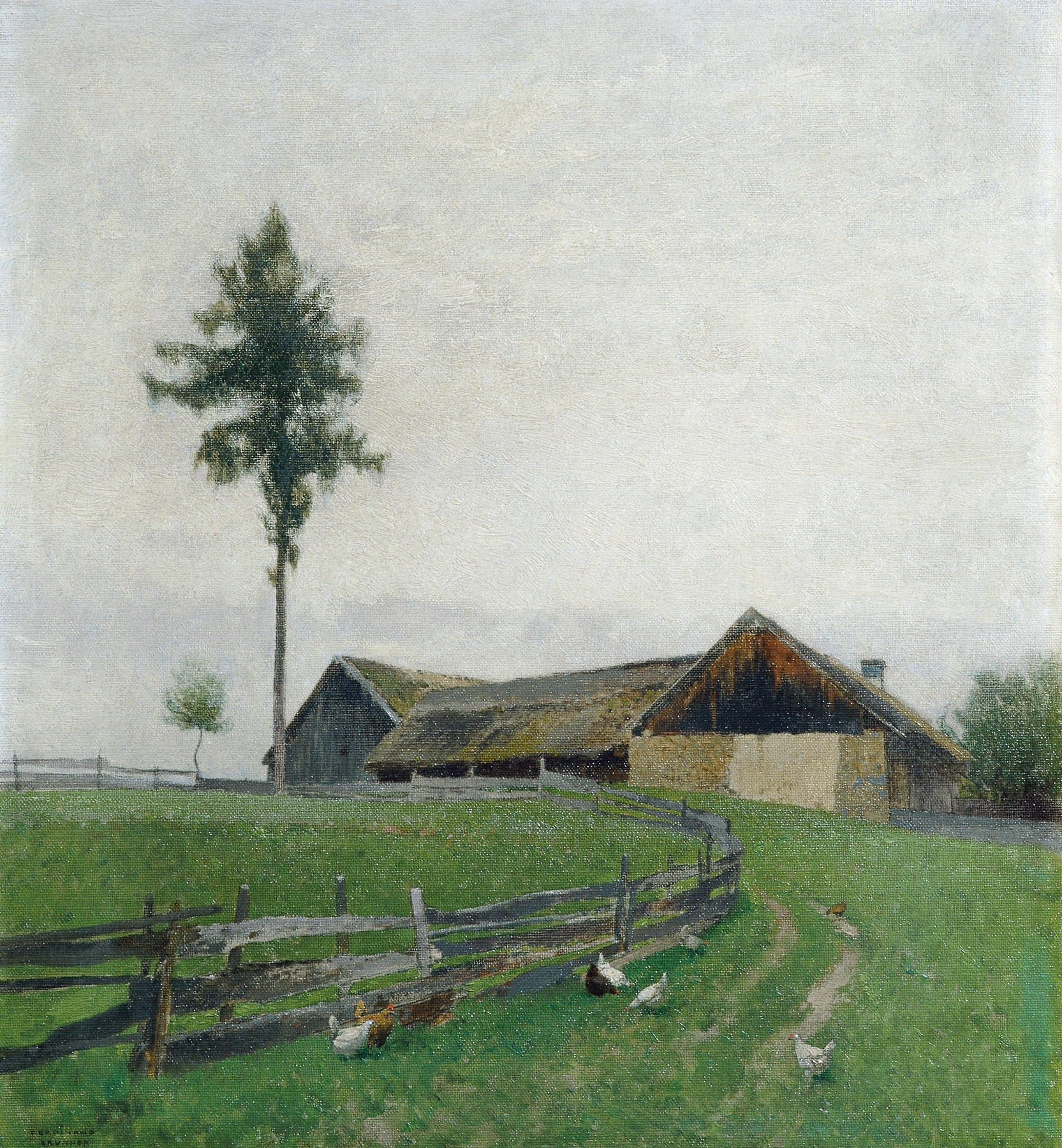
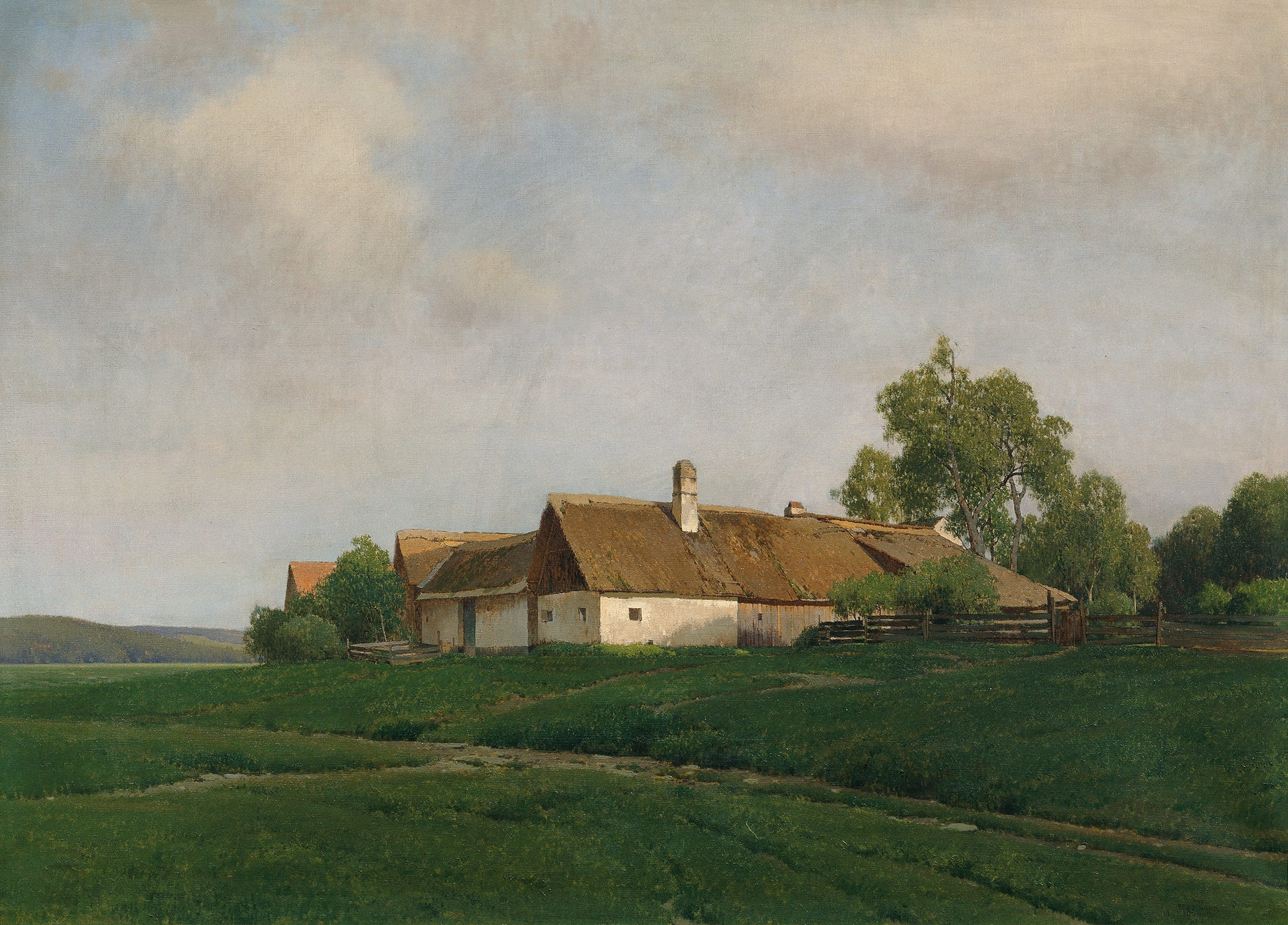
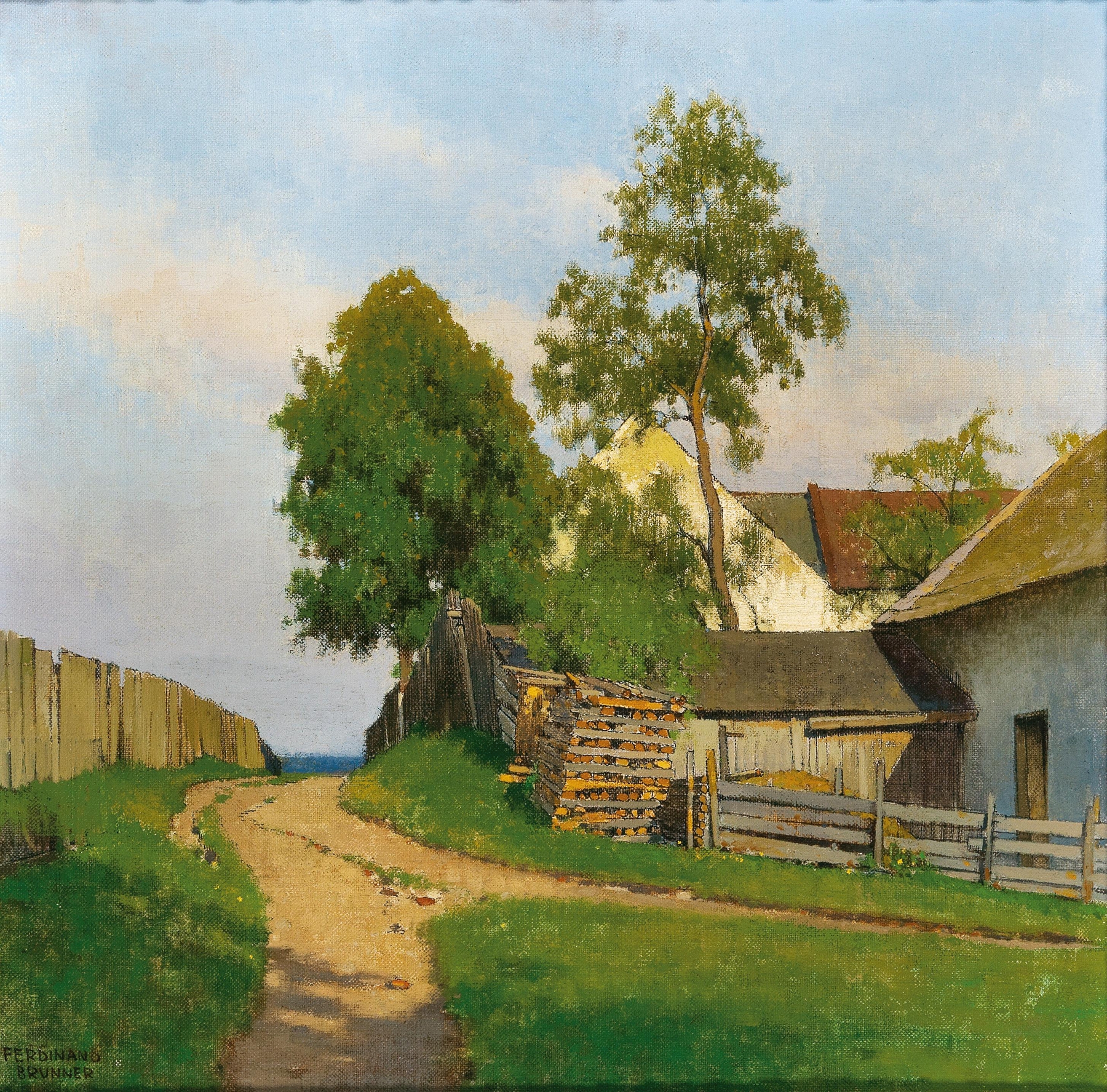
Could a single brushstroke hold eternity? In Kühler Sommertag, the interplay of colors suggests that balance is not merely a visual delight, but a profound harmony intrinsic to life itself. Look to the vibrant greens that dominate the canvas, inviting your gaze into a sun-drenched meadow. Notice how the artist balances the soft, cool hues with warm touches, creating a sense of tranquility.
The meticulous layering of paint results in a textured surface that captures the essence of a warm summer day, while the delicate play of light and shadow guides your eye across rolling fields and gentle slopes. Each element is intentionally placed, weaving together a composition that breathes with life. As you look closer, identify the subtle contrasts — the elegance of nature against fleeting shadows, serenity juxtaposed with the pulse of summer activity. The gentle undulations of the landscape suggest both stability and movement, capturing a moment of stillness that resonates deeply within.
It speaks to the transient nature of beauty, evoking feelings of nostalgia and longing for simpler days, where time seems to stand still in perfect balance. Ferdinand Brunner created Kühler Sommertag during a period when art was moving towards the Impressionist style, emphasizing light and color over detail. The exact date remains unknown, but he was active in the late 19th to early 20th century, where artists began exploring personal expression in nature. This shift mirrored the changing world around him, reflecting a society that sought to reconnect with the natural beauty of life amidst industrialization.