Hof im Waldviertel — History & Analysis
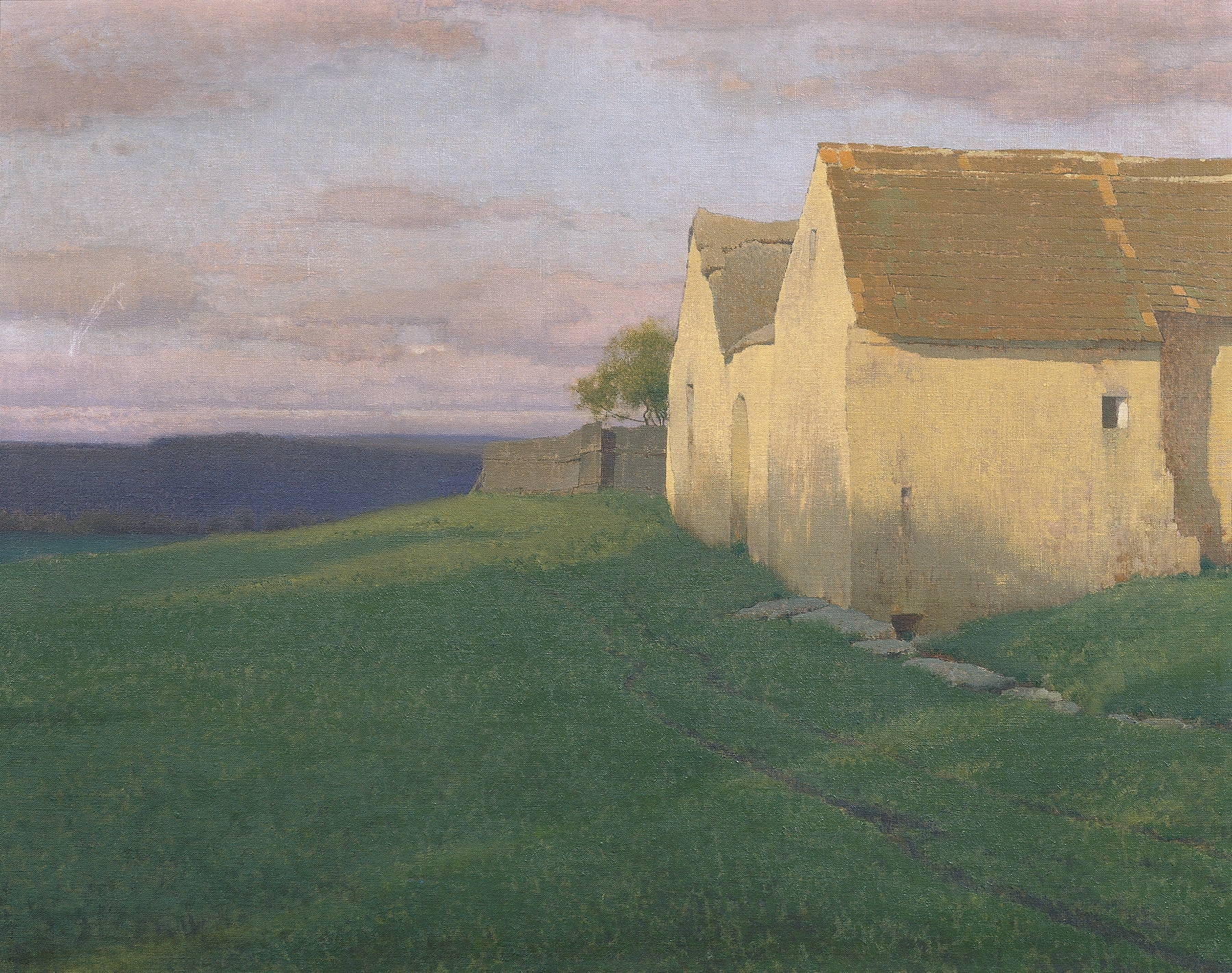
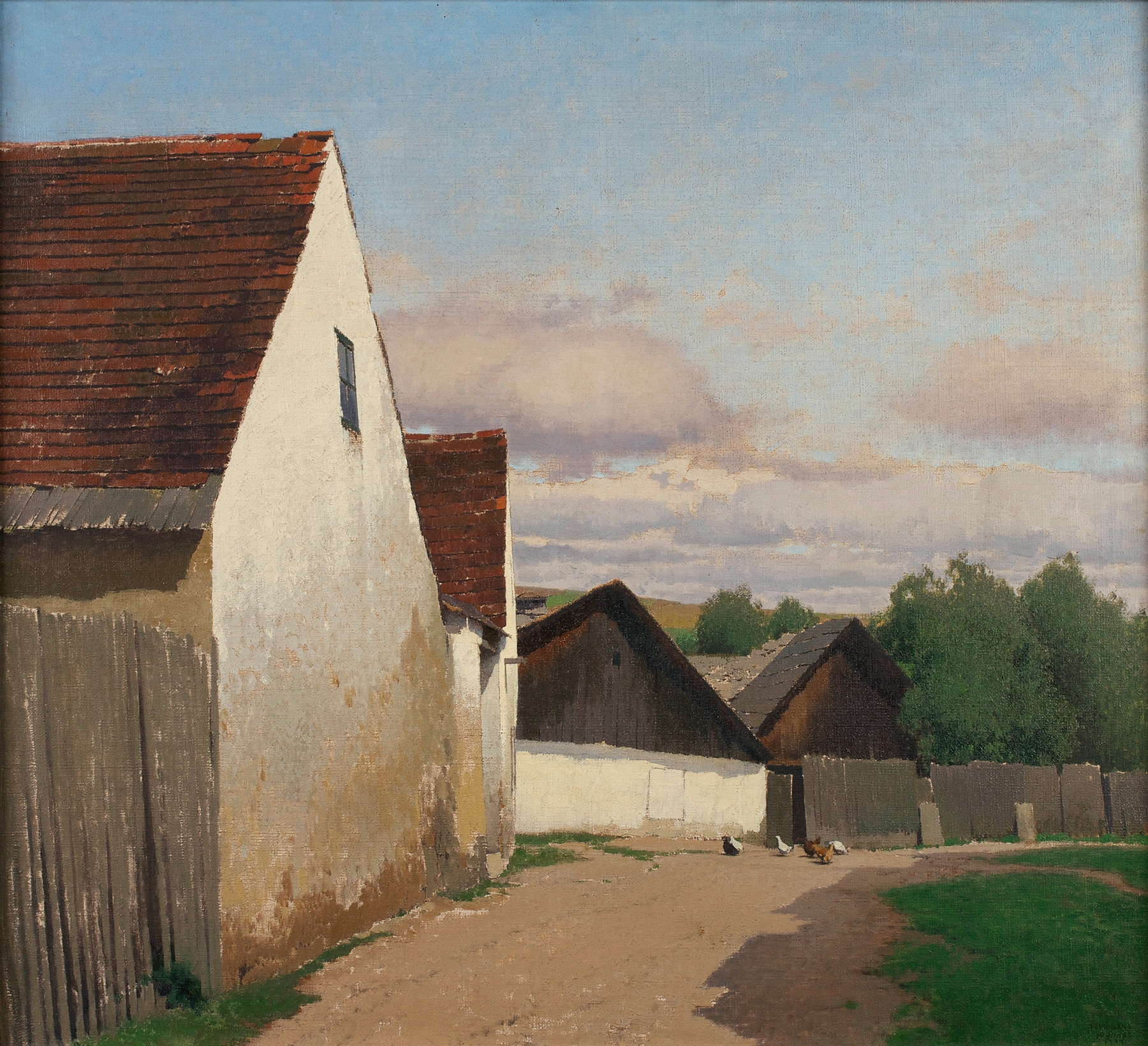
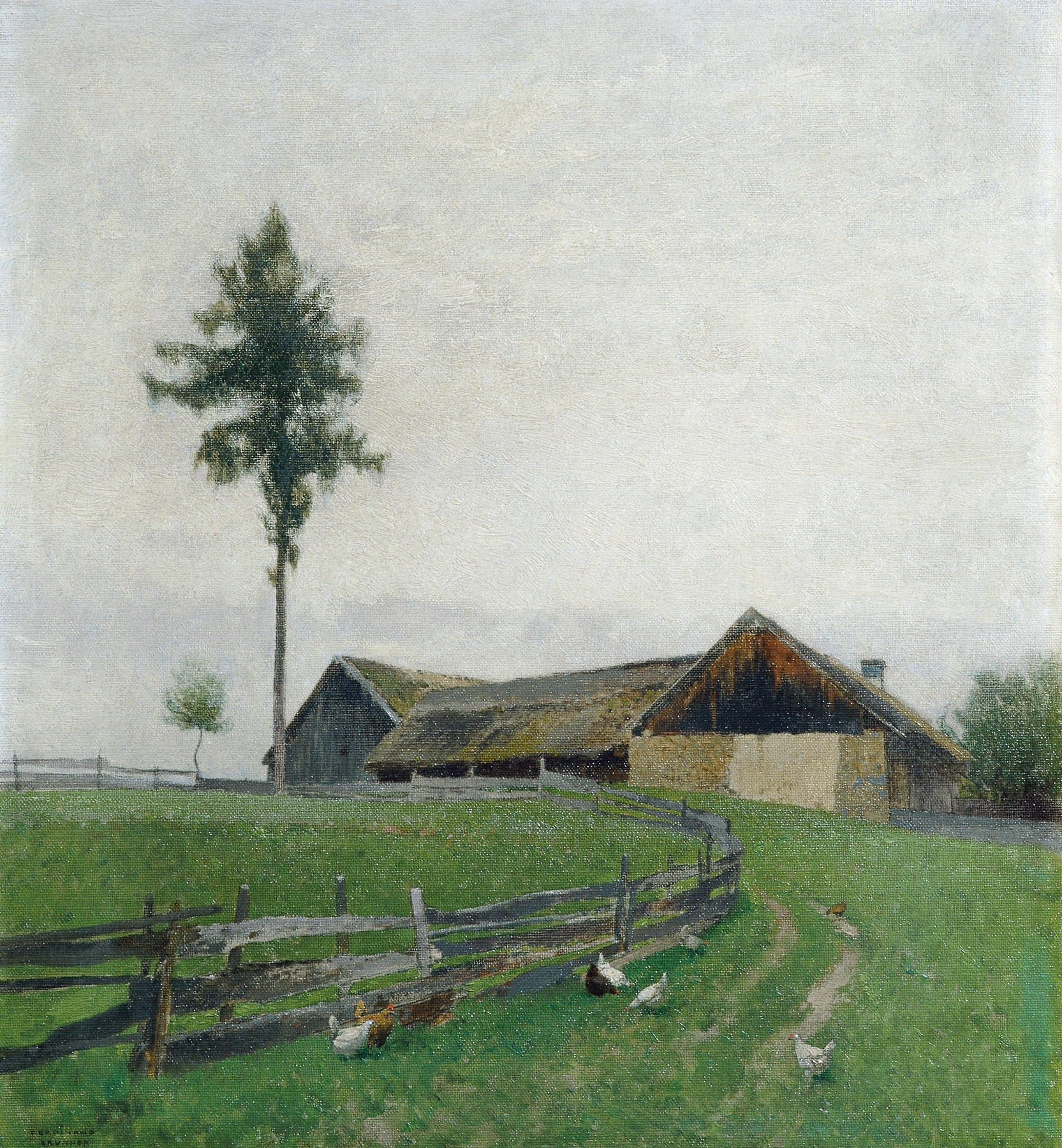
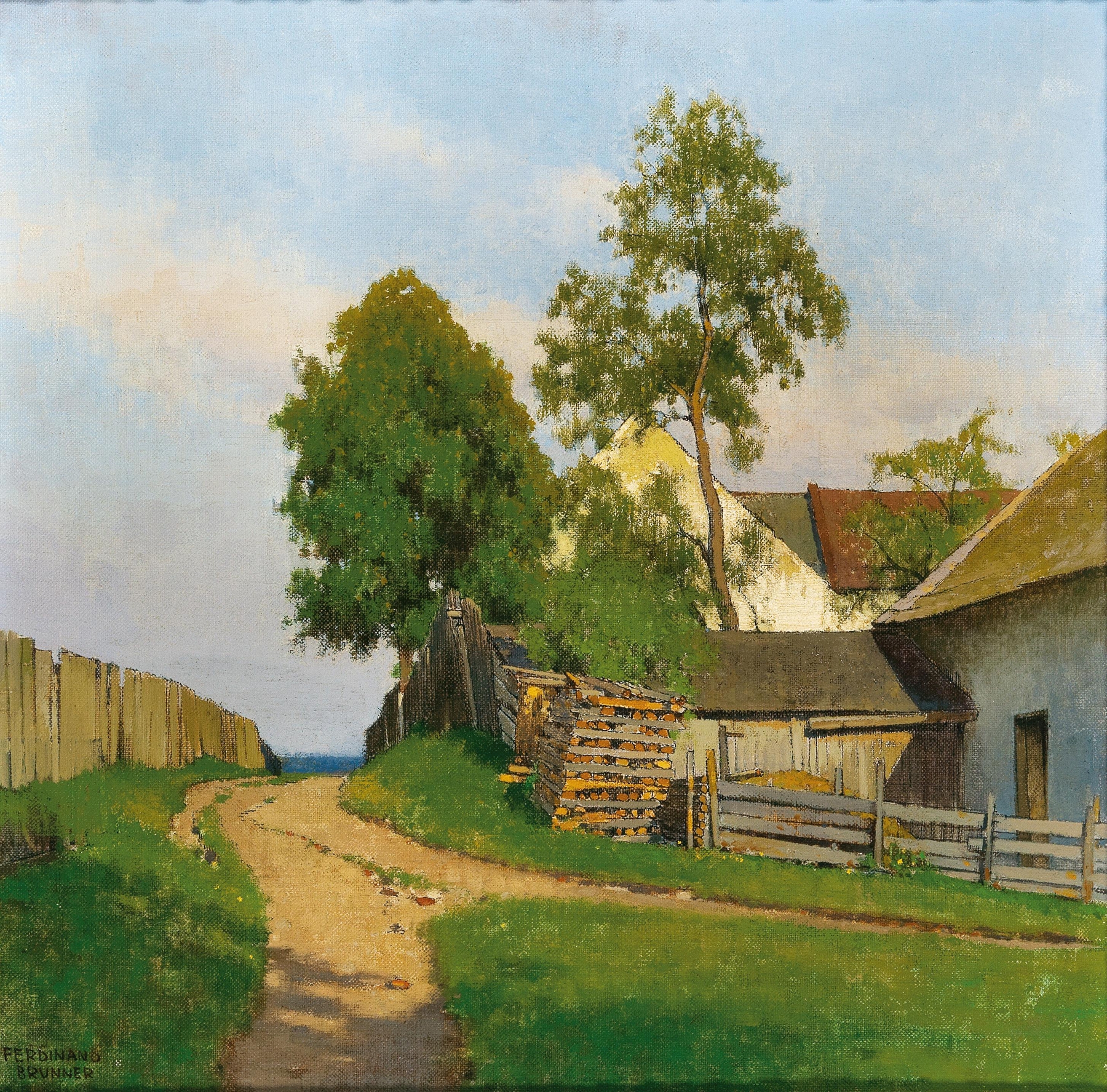
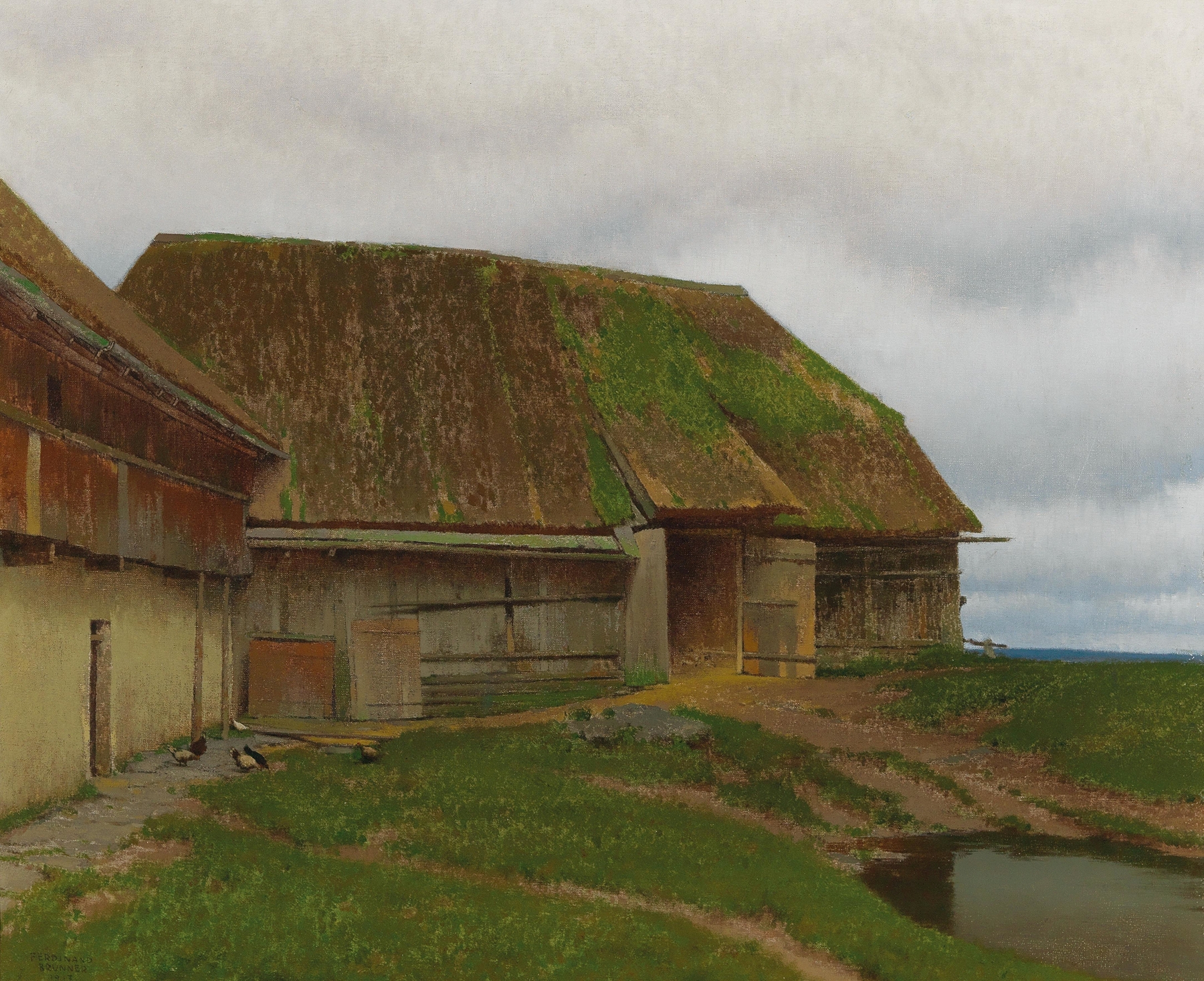
Could beauty survive in a century of chaos? The question lingers in the air like the gentle mist over the serene landscape depicted in Hof im Waldviertel. This artwork beckons us to explore a world where nature and tranquility coexist, inviting a moment of reflection amidst the tumult of time. Look to the left at the soft, rolling hills that cradle the modest farmhouse, its warm hues contrasting beautifully with the cool, shadowy trees surrounding it.
Notice how the artist employs a delicate balance of light and dark, with sunlight filtering through the leaves, casting intricate patterns on the ground. The palette is composed of earthy tones, evoking a sense of harmony and grounding, while the brushstrokes flow together in a symphony of nature’s stillness. Delve deeper into the subtle details; the rustic architecture symbolizes resilience against the passage of time, standing firm in its embrace of the natural world. The interplay between light and shadow invites contemplation on the transient nature of beauty and the enduring spirit of rural life.
One can sense a quiet tension here—a struggle between the ephemeral moments of beauty and the chaos that surrounds them, hinting at the broader existential questions of the era. Ferdinand Brunner painted this work in 1925, during a period marked by significant political and social upheaval in Europe. Living in Austria, he witnessed the aftermath of World War I and the shifting tides of modernism in art. His portrayal of this idyllic landscape serves as a poignant reminder of the search for solace and beauty in a world rife with uncertainty, capturing the essence of a turbulent time through a lens of serenity.