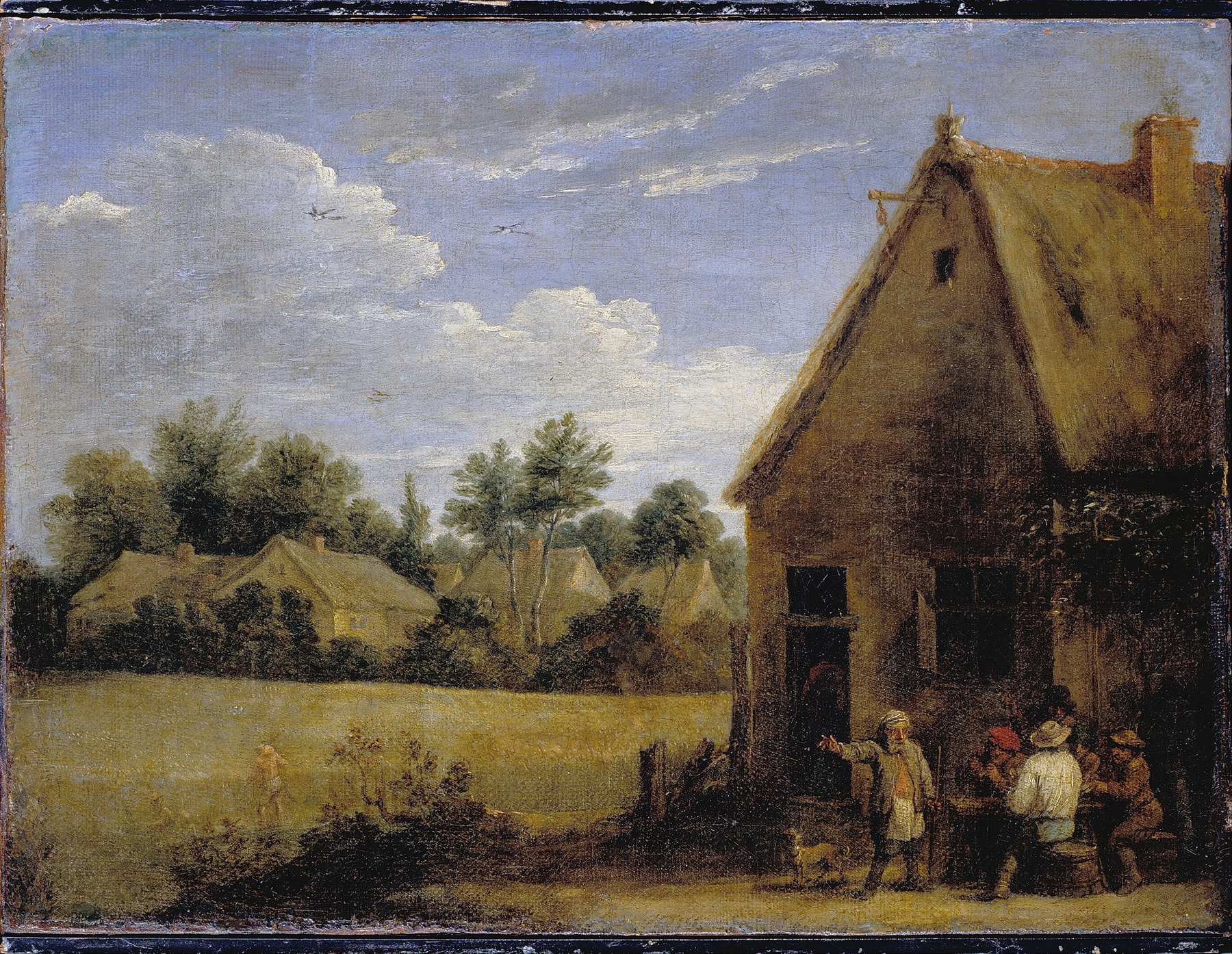
A grotto with figures, a stag and stork — History & Analysis
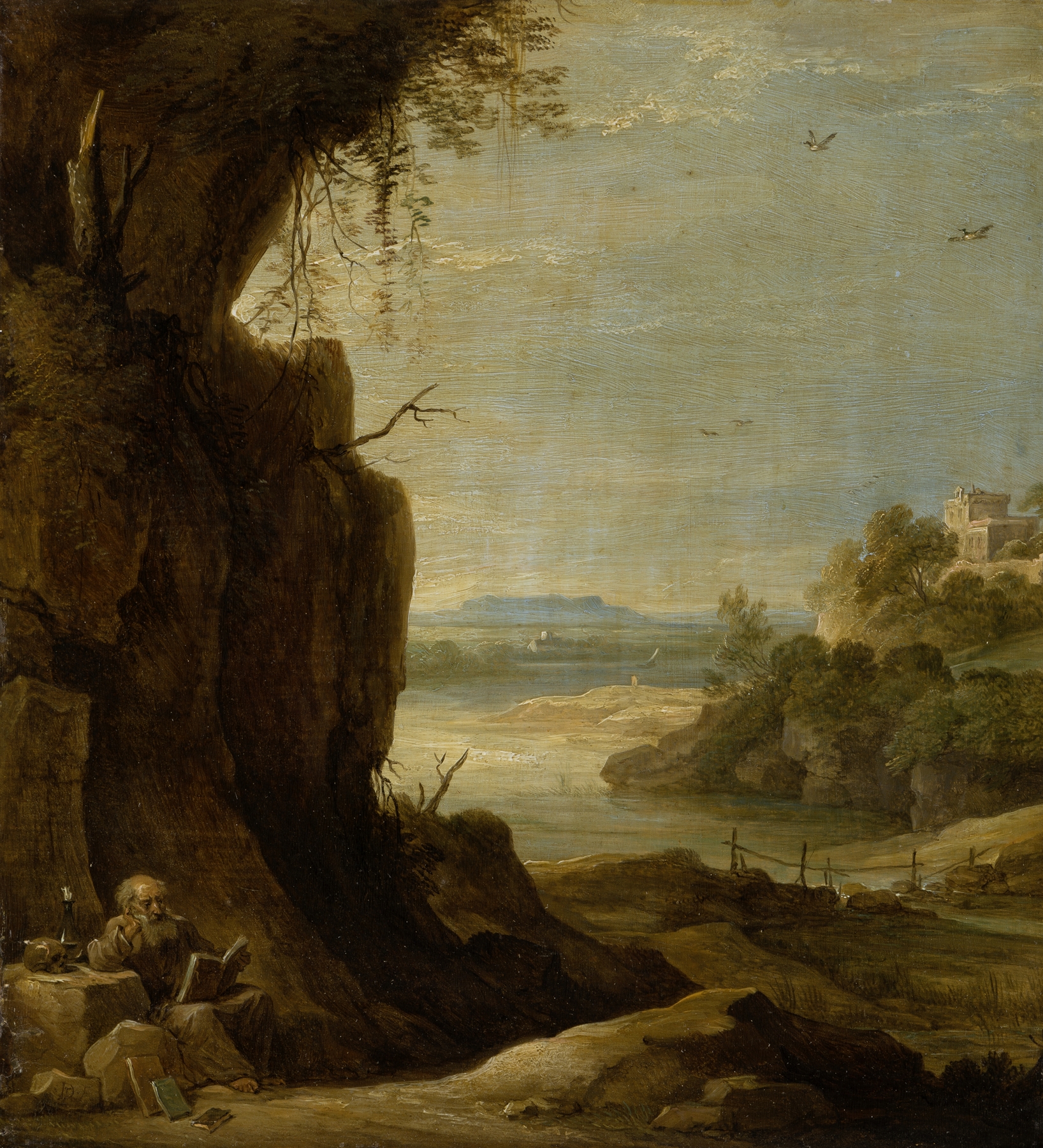
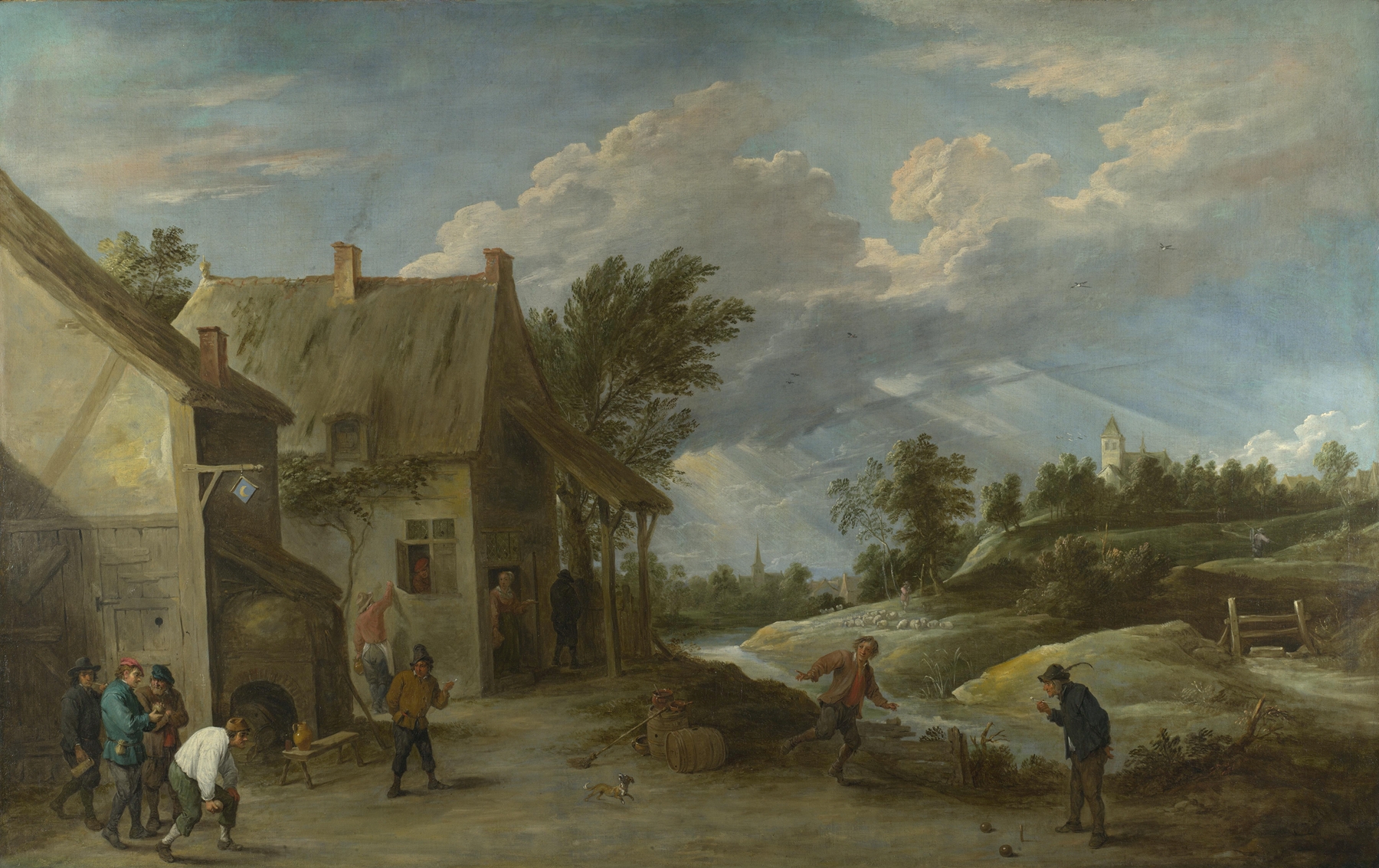
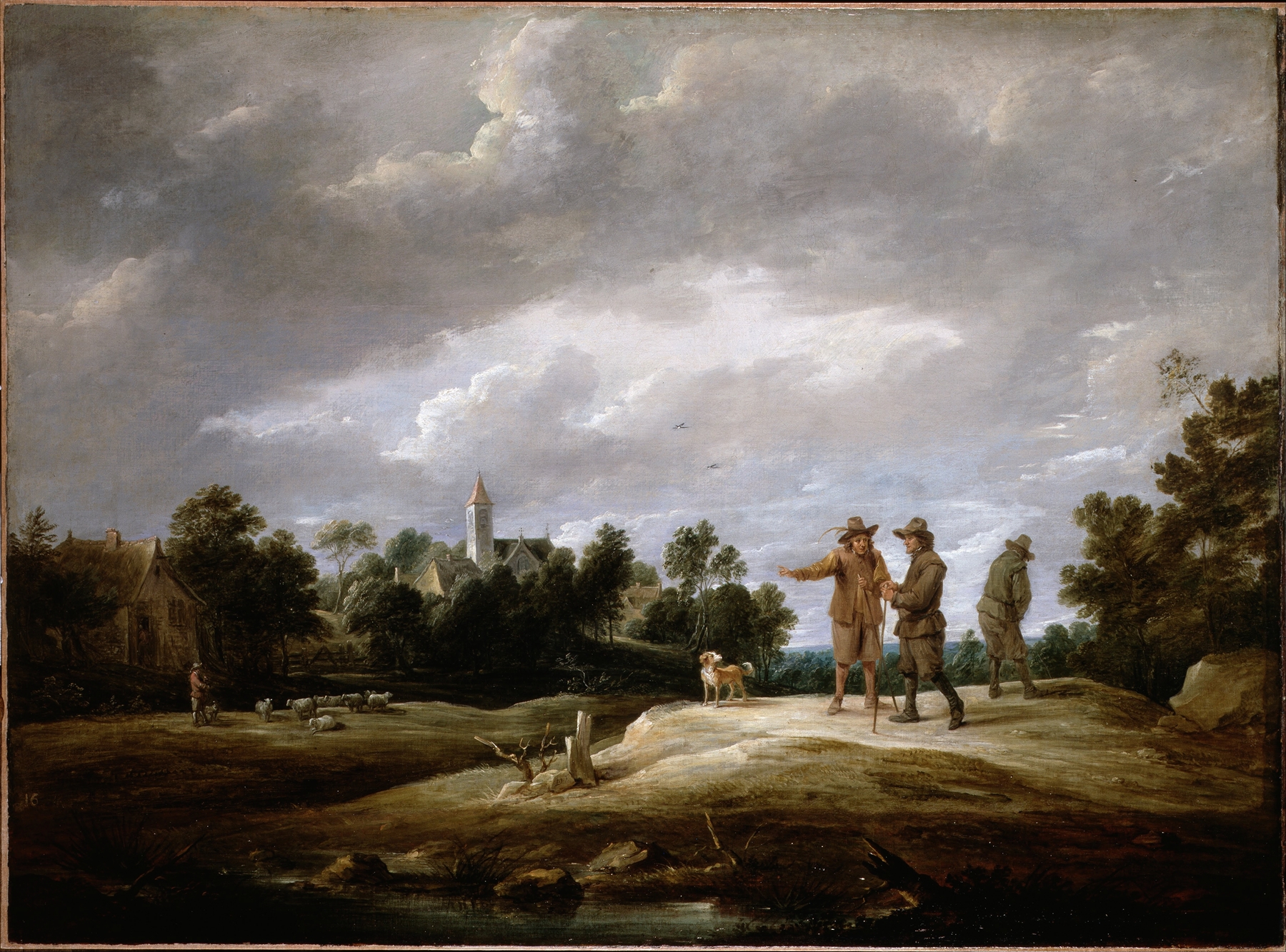
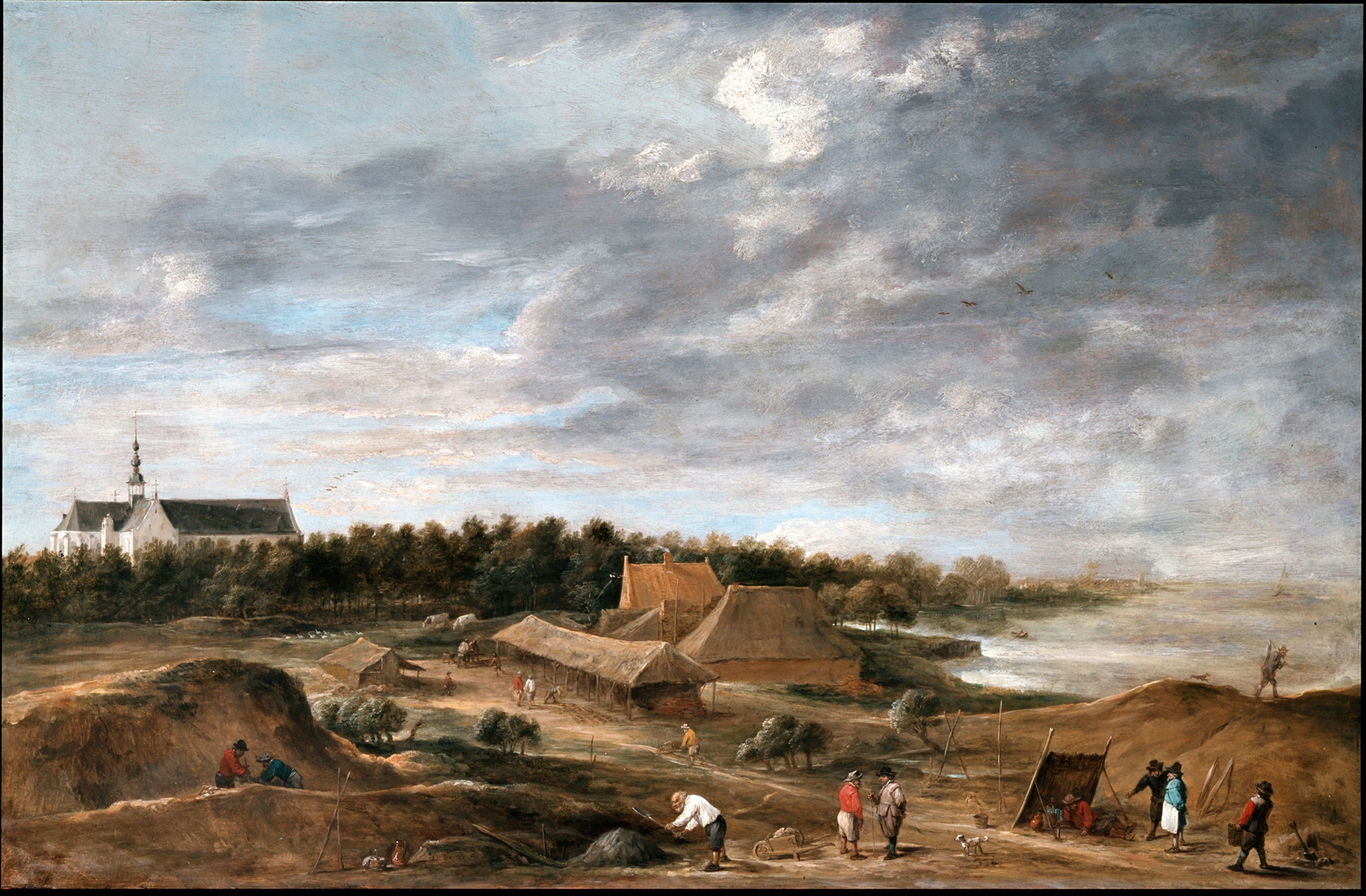
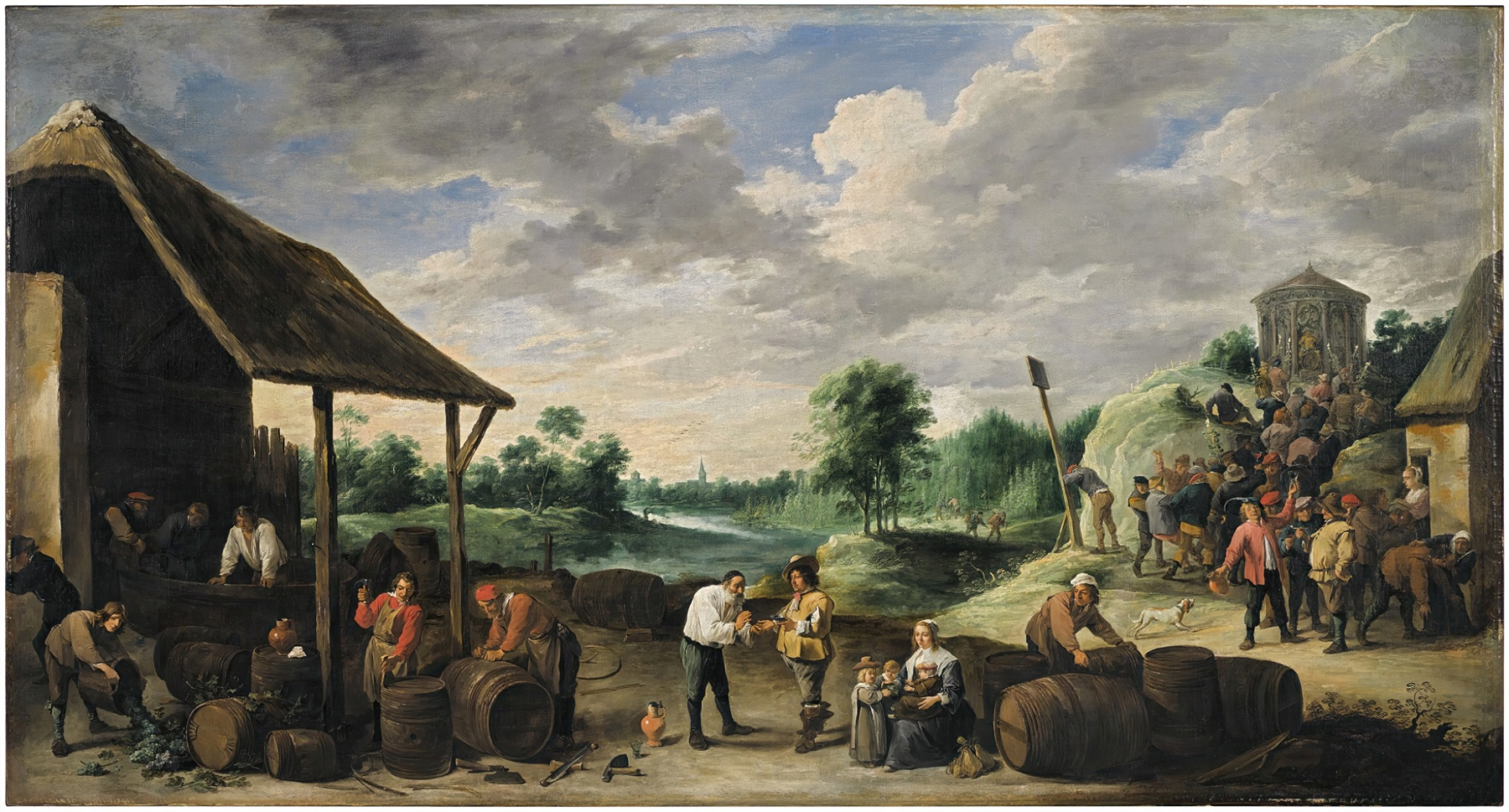
What if beauty was never meant to be finished? In the depths of a tranquil grotto, a moment suspended in time reveals a world where nature and humanity intertwine, reflecting the serene chaos of life itself. Look to the left at the lush greenery that frames the scene, capturing the viewer’s eye with its rich, verdant hues. The figures, intricately painted, engage with a stag and a stork, their gestures fluid and natural, amplifying the intimacy of the environment.
Notice how the dappled light filters through the overhead foliage, illuminating the characters while casting tender shadows that evoke a sense of mystery and peace. This delicate interplay of light and color showcases the artist's mastery of atmospheric depth, drawing the viewer deeper into the grotto’s embrace. Beneath the surface, there lies a tension between the tranquility of the figures and the wildness of the stag, symbolizing the delicate balance between humanity and nature. The juxtaposition of the calm stork and the alert deer hints at the fragility of peace in the natural world, inviting contemplation on the inevitability of change.
Each element in the painting serves as a reminder that beauty is often transient, a fleeting moment captured in the ever-flowing stream of existence. During this period, the artist created this work at a time when the Baroque style was flourishing in Europe, with a particular emphasis on nature and allegory. Teniers, active in the mid-17th century, was influenced by the shifting dynamics of art and society; he thrived in a vibrant cultural milieu characterized by an appreciation for landscapes and natural scenes. This piece reflects his engagement with these themes, showcasing both his technical prowess and his introspective approach to the interplay between life and art.