The City Valenciennes — History & Analysis
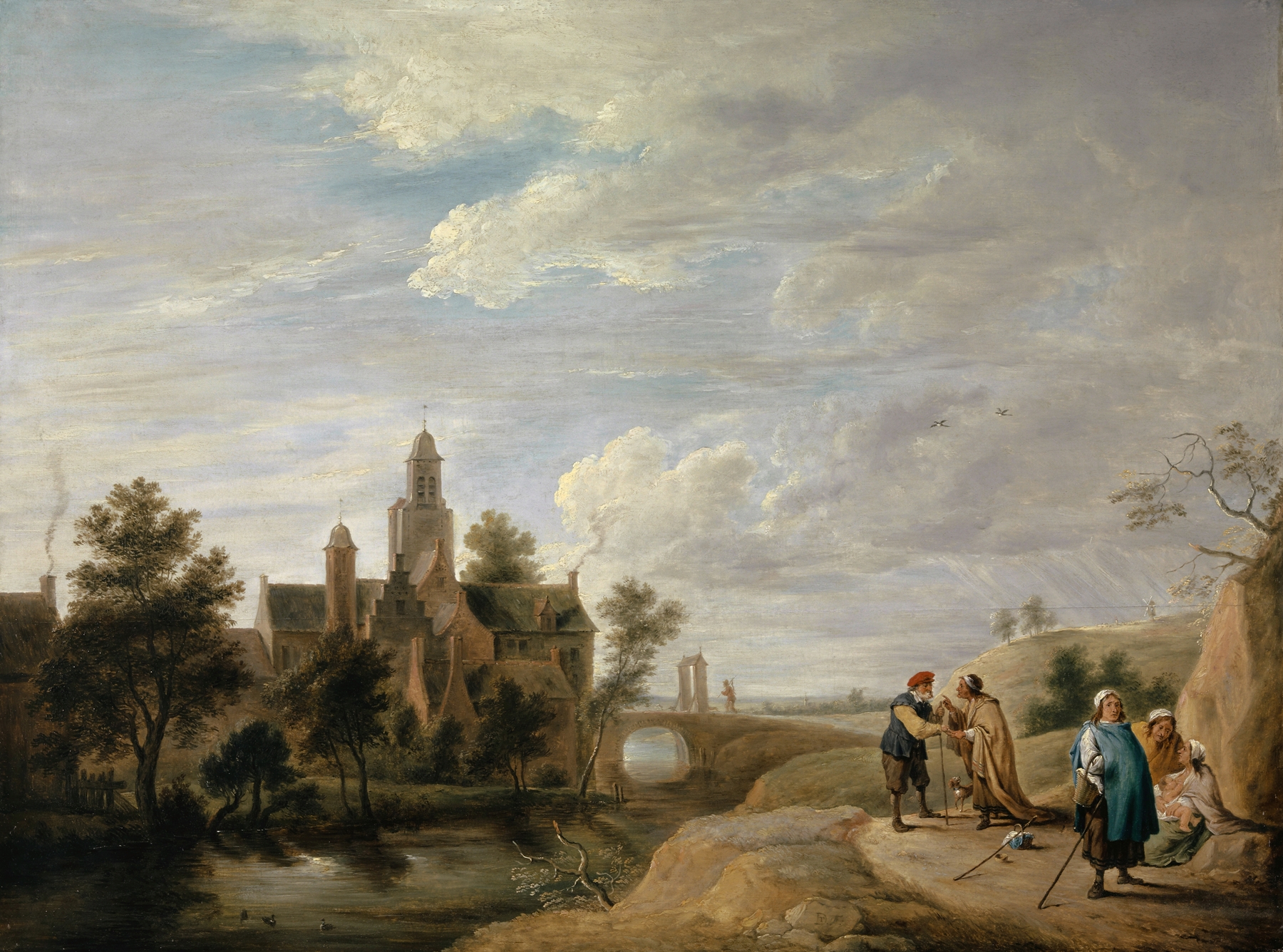
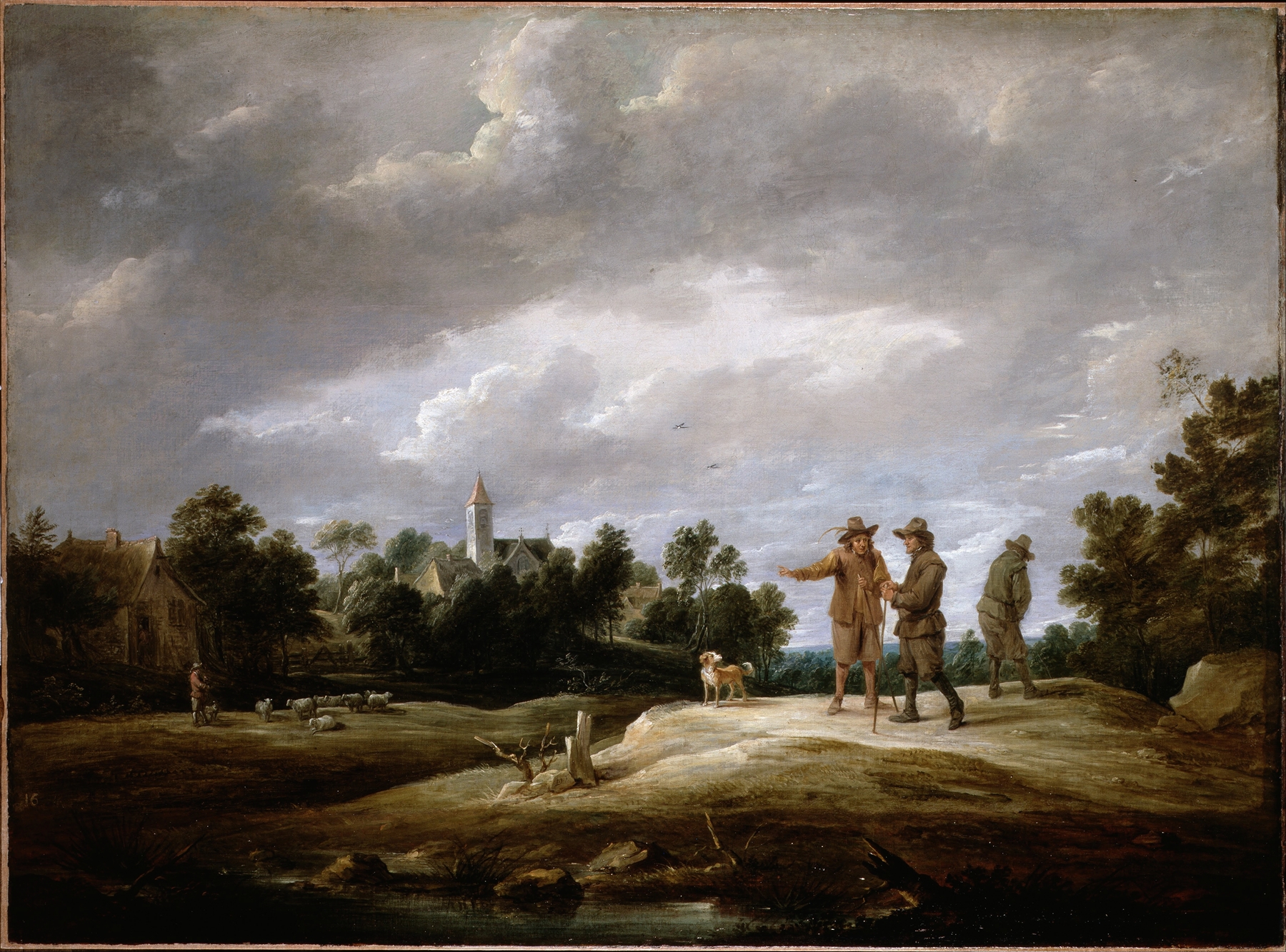
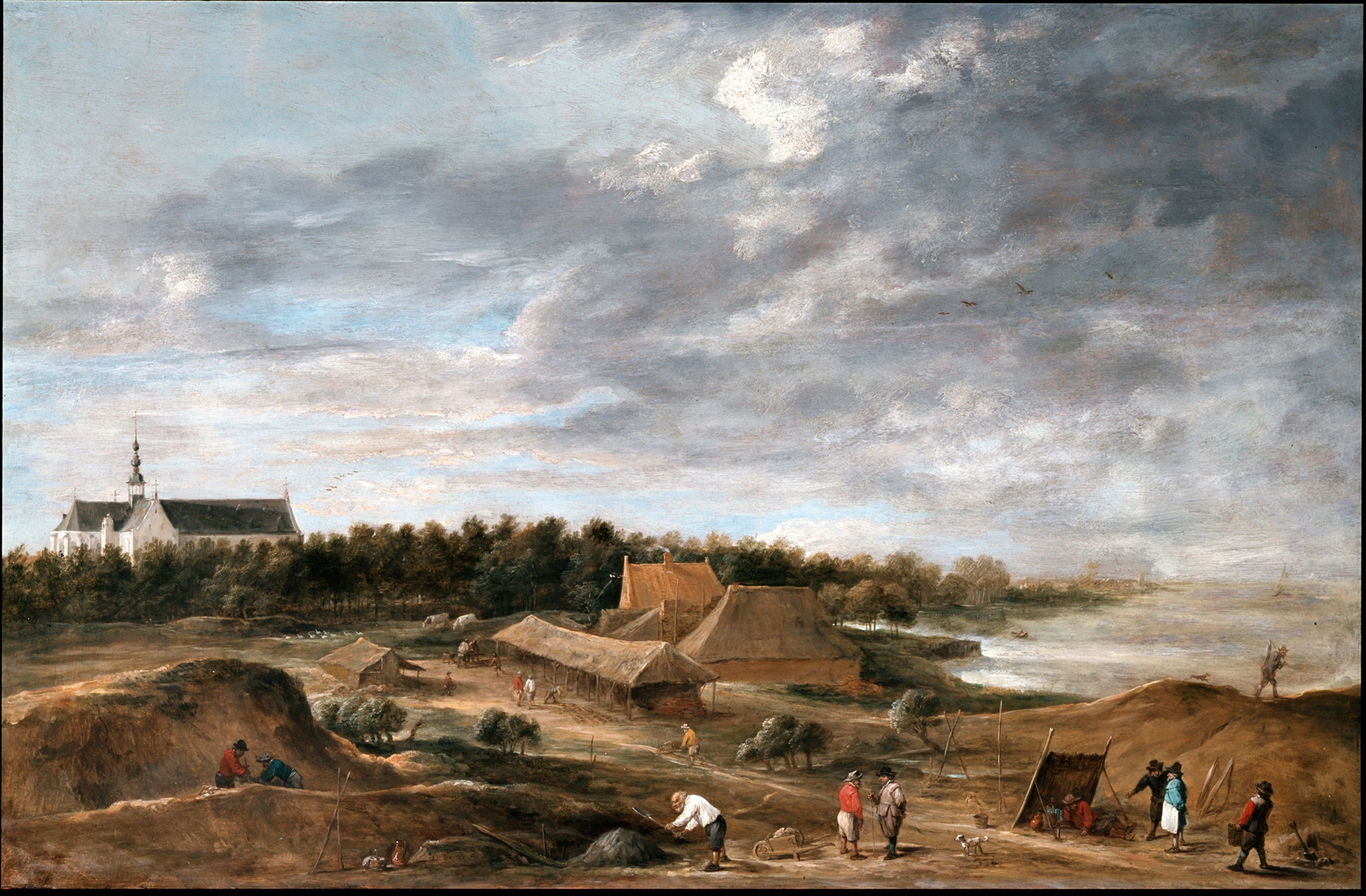
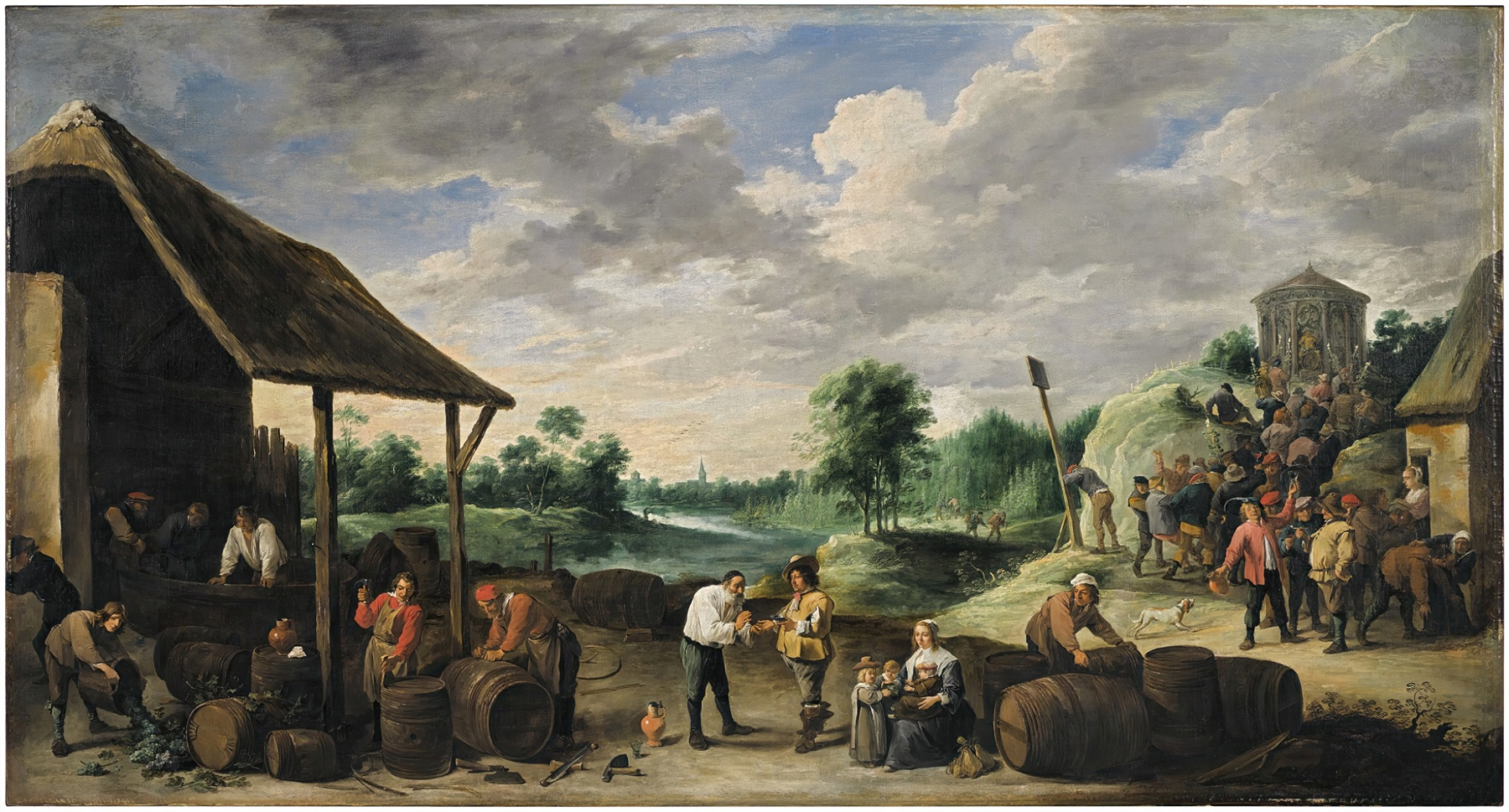
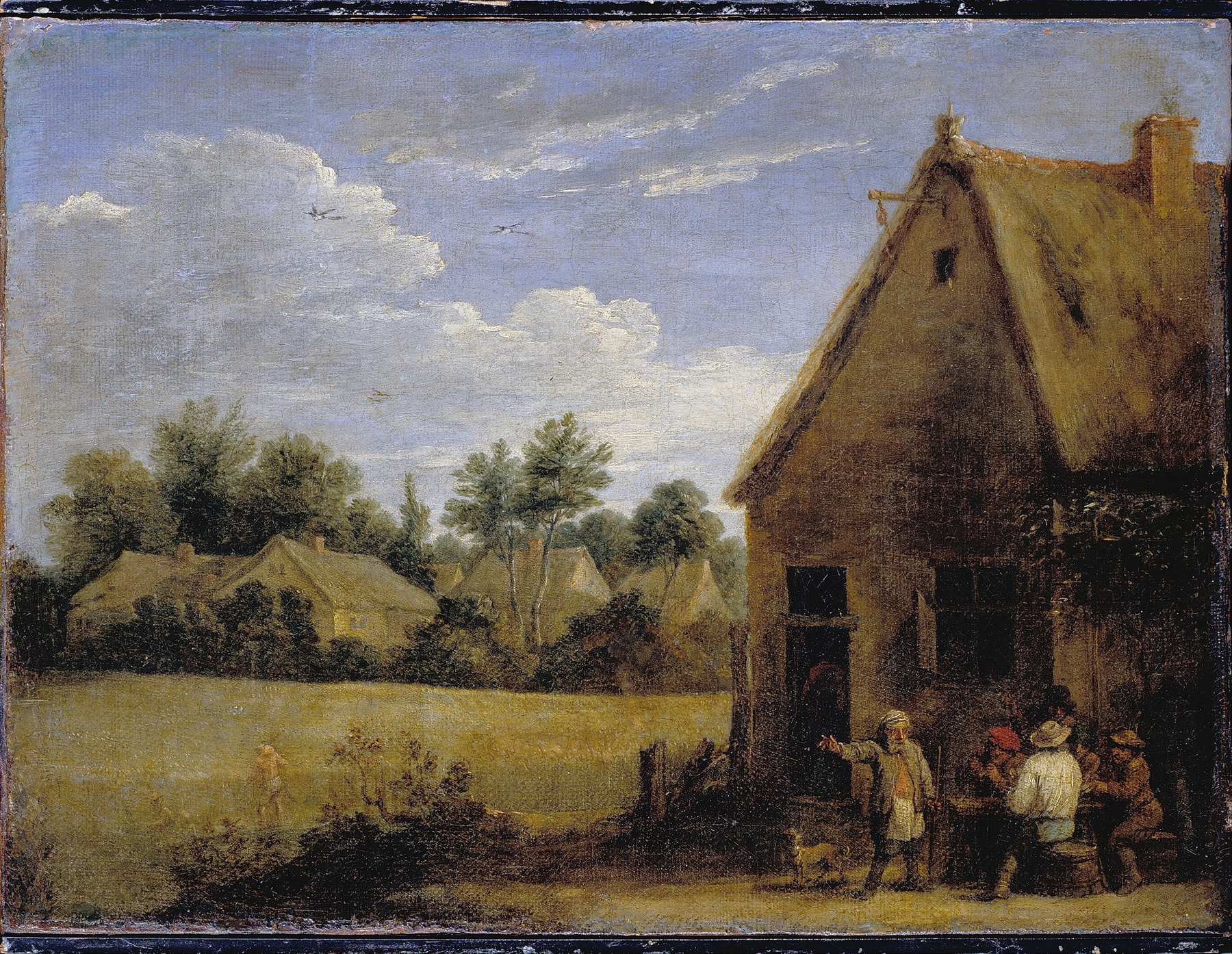
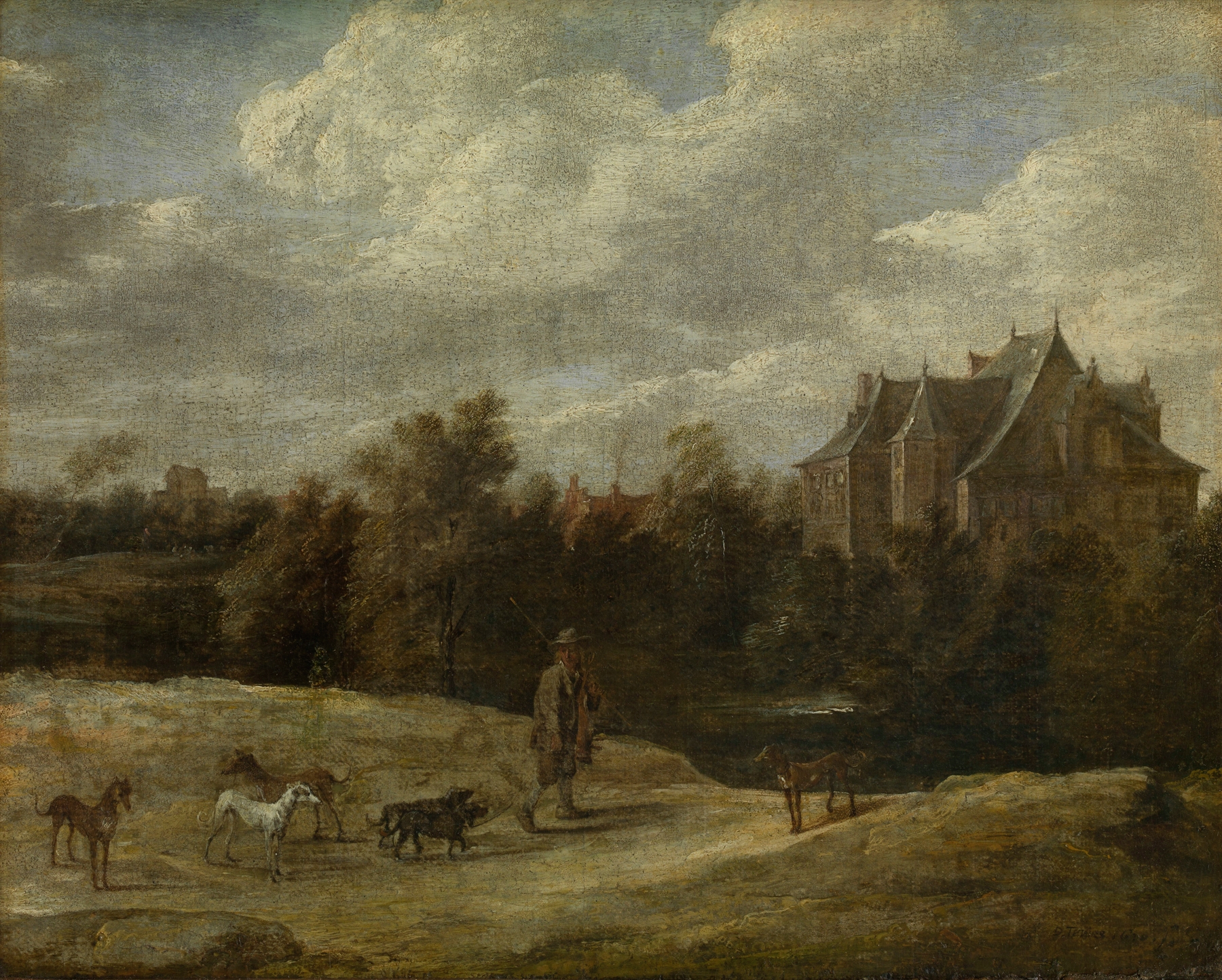
Can beauty exist without sorrow? In The City Valenciennes, the artist captures an intricate blend of desire and melancholy, whispering the secrets of a vibrant yet complex existence. Focus on the bustling marketplace that sprawls at the foreground, where merchants and townsfolk animate the scene with vivid gestures. The warm hues of ochre and earthy greens dominate the canvas, highlighting the lively exchanges and the timeless charm of the city. Look closely at the figures—some are engaged in lively trade, while others appear introspective, suggesting a deeper narrative beneath the surface of daily life.
The light filters in softly, casting gentle shadows that dance upon the cobblestones, enhancing the sense of both liveliness and longing. As you delve deeper, notice the contrast between the joyful commerce and the distant, slightly blurred architecture of the city. This distance hints at a world beyond the immediate, a sense of yearning for something unreachable. The varied expressions on the faces — some jubilant, others contemplative — reveal layers of emotion, suggesting that amid the prosperity of market life, there lingers an undercurrent of unfulfilled dreams and desires.
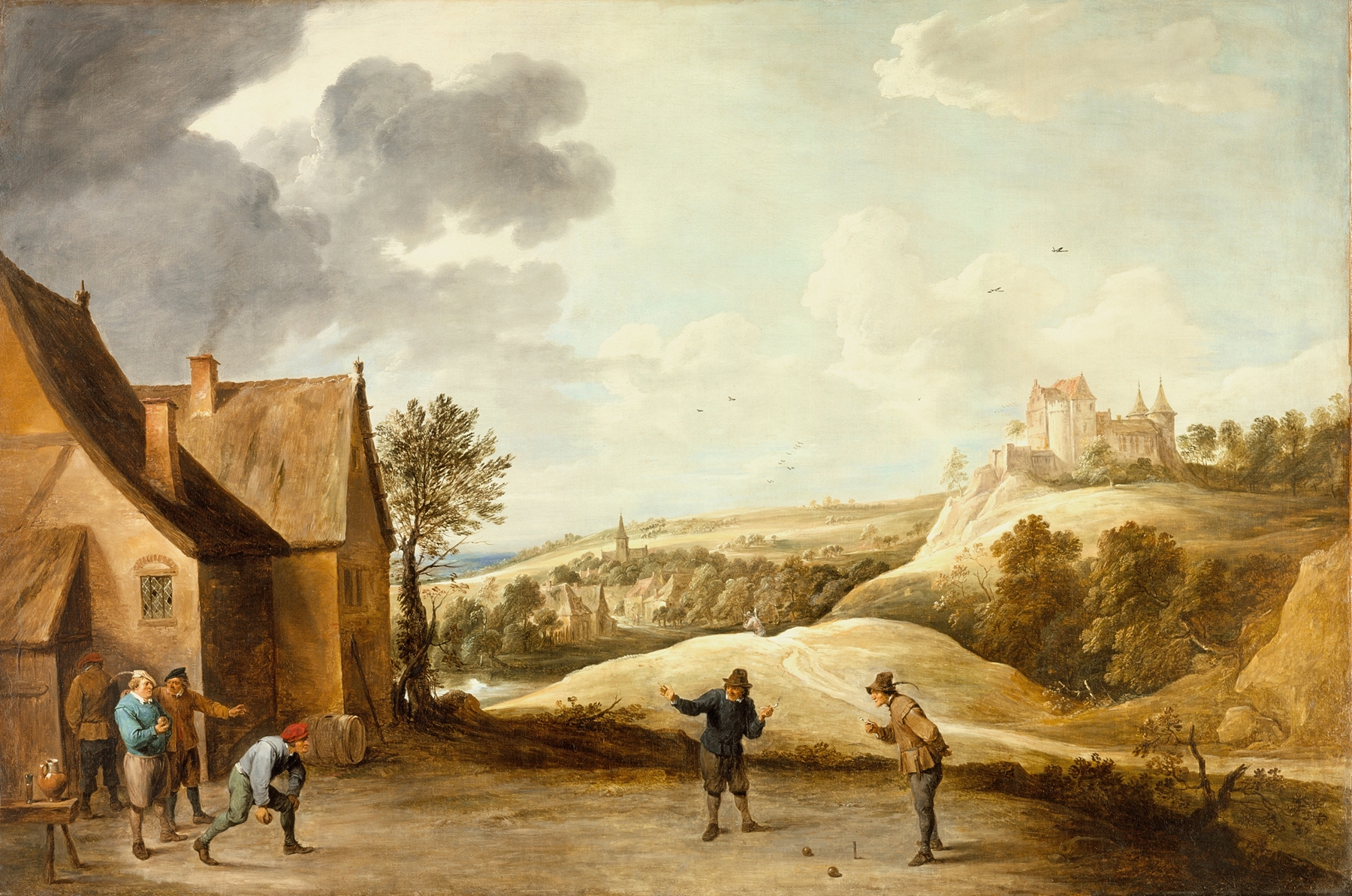
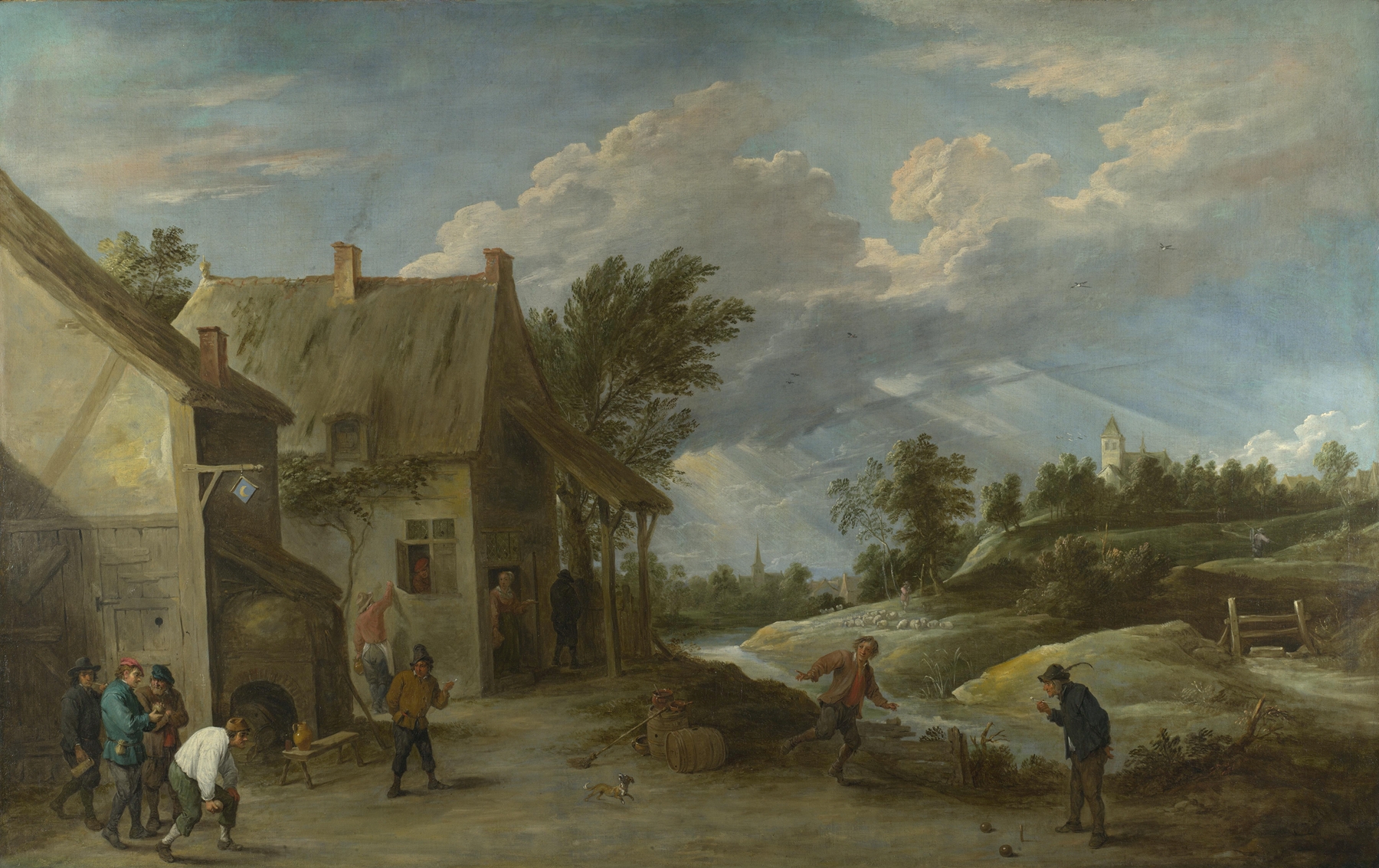
Each brushstroke conveys the tension between the beauty of the present moment and the sadness of what lies unclaimed. David Teniers the Younger painted this piece in 1656, during a time when the Dutch and Flemish art scene was thriving with a focus on genre scenes and everyday life. Residing in Antwerp, Teniers was influenced by the vibrant artistic community around him, reflecting societal changes in post-war Europe. His works often blended realism with an idealized view of peasant life, mirroring the complexities of human experience, where moments of joy are invariably tinged with longing.