The Guardhouse — History & Analysis
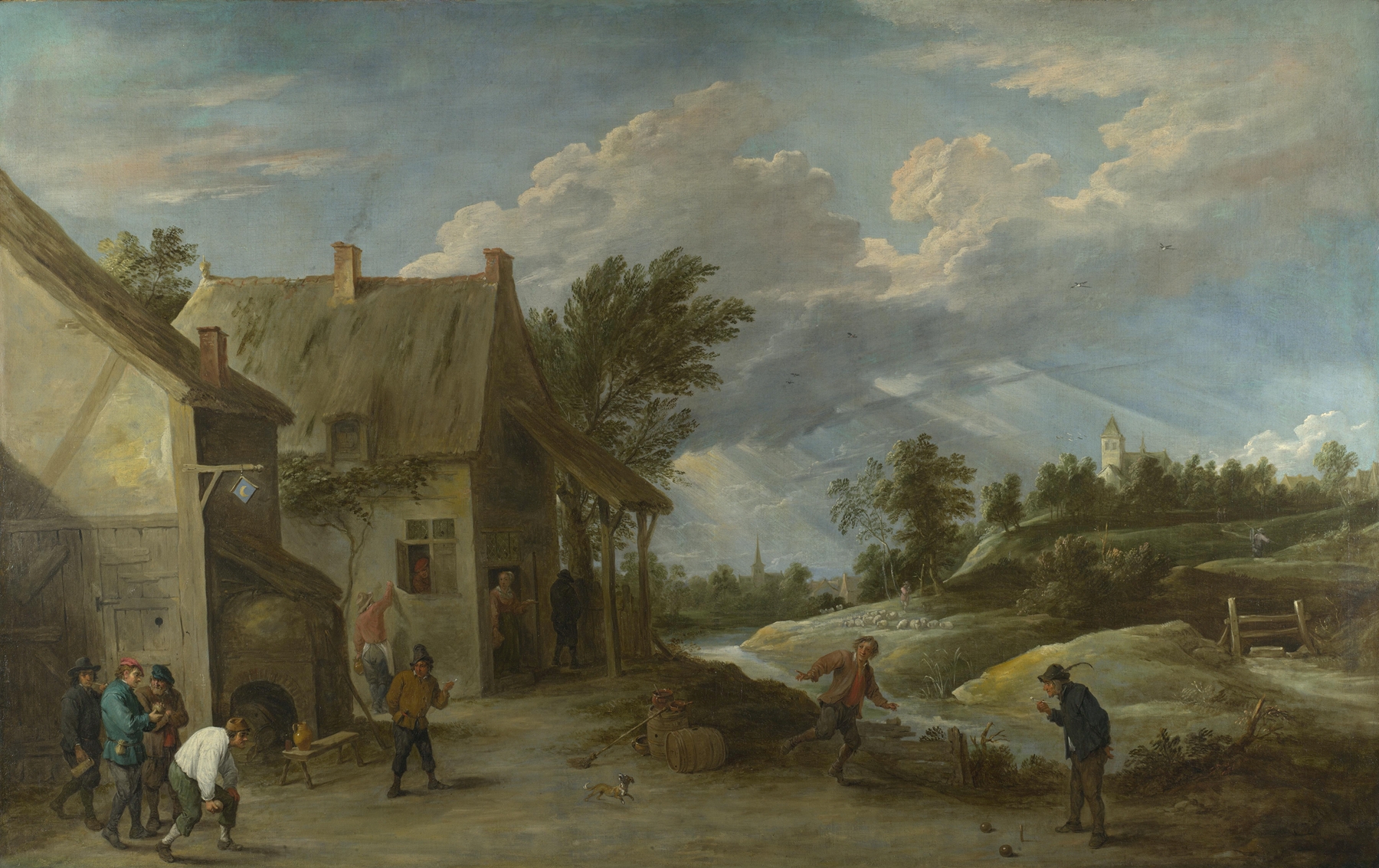
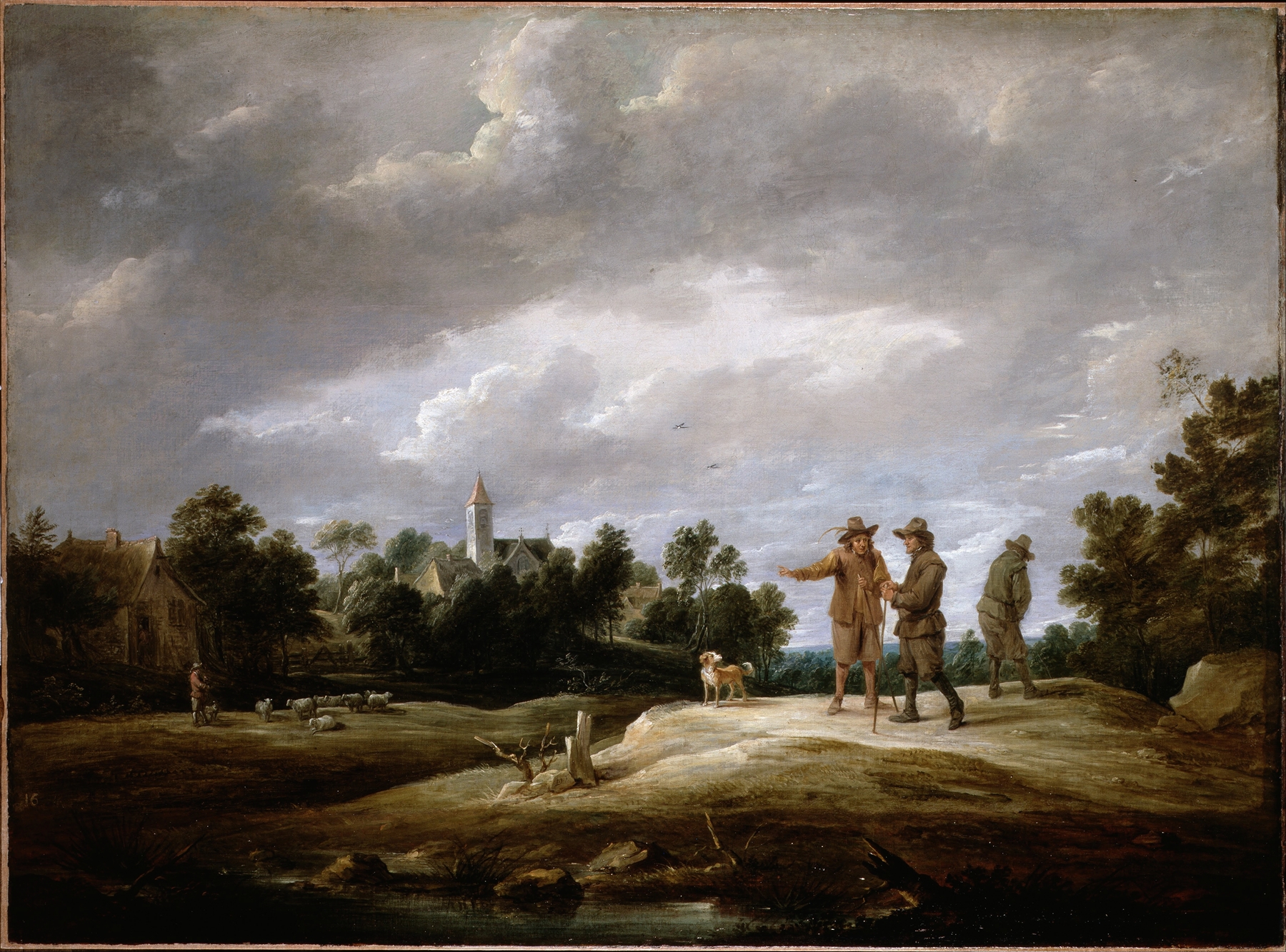
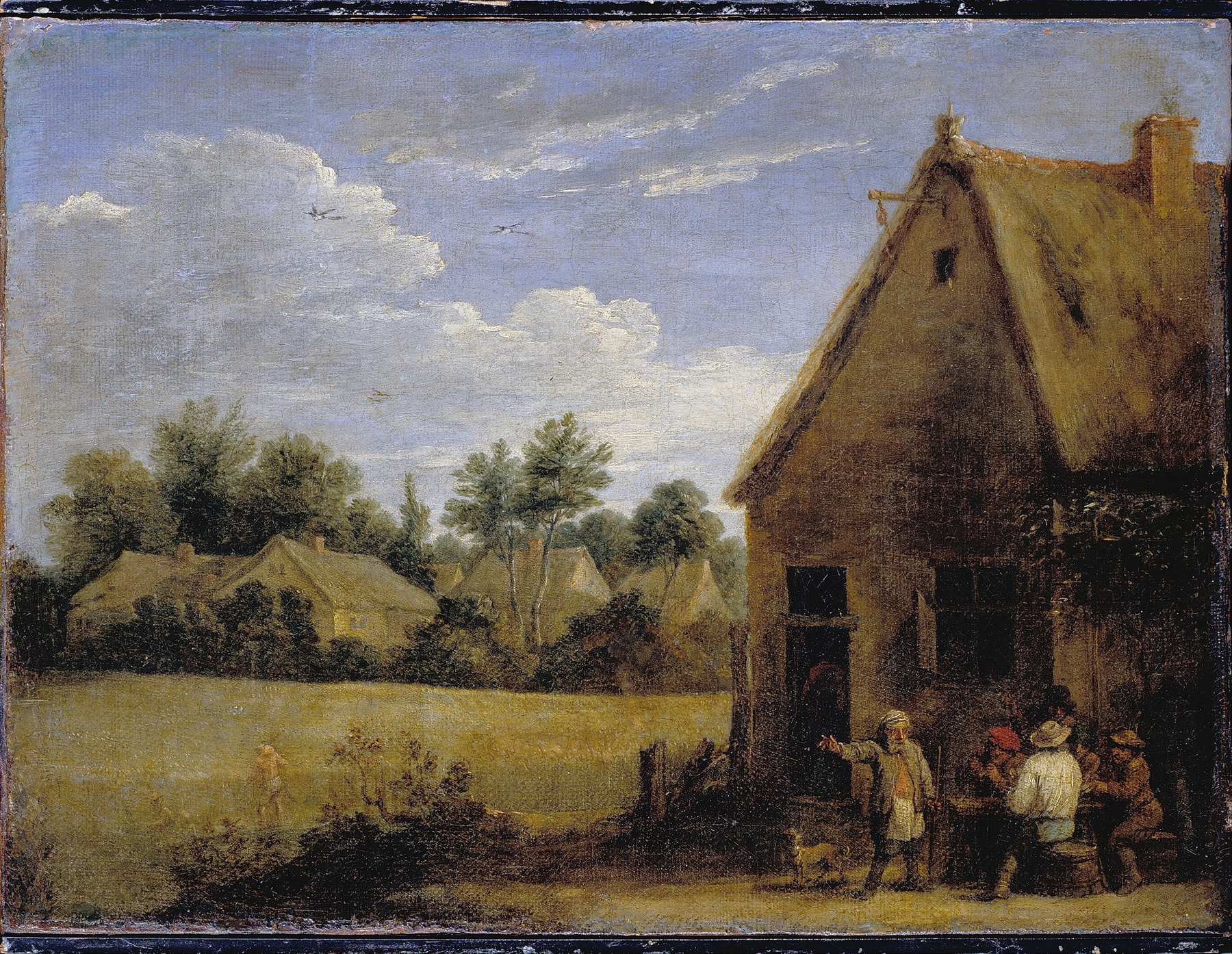
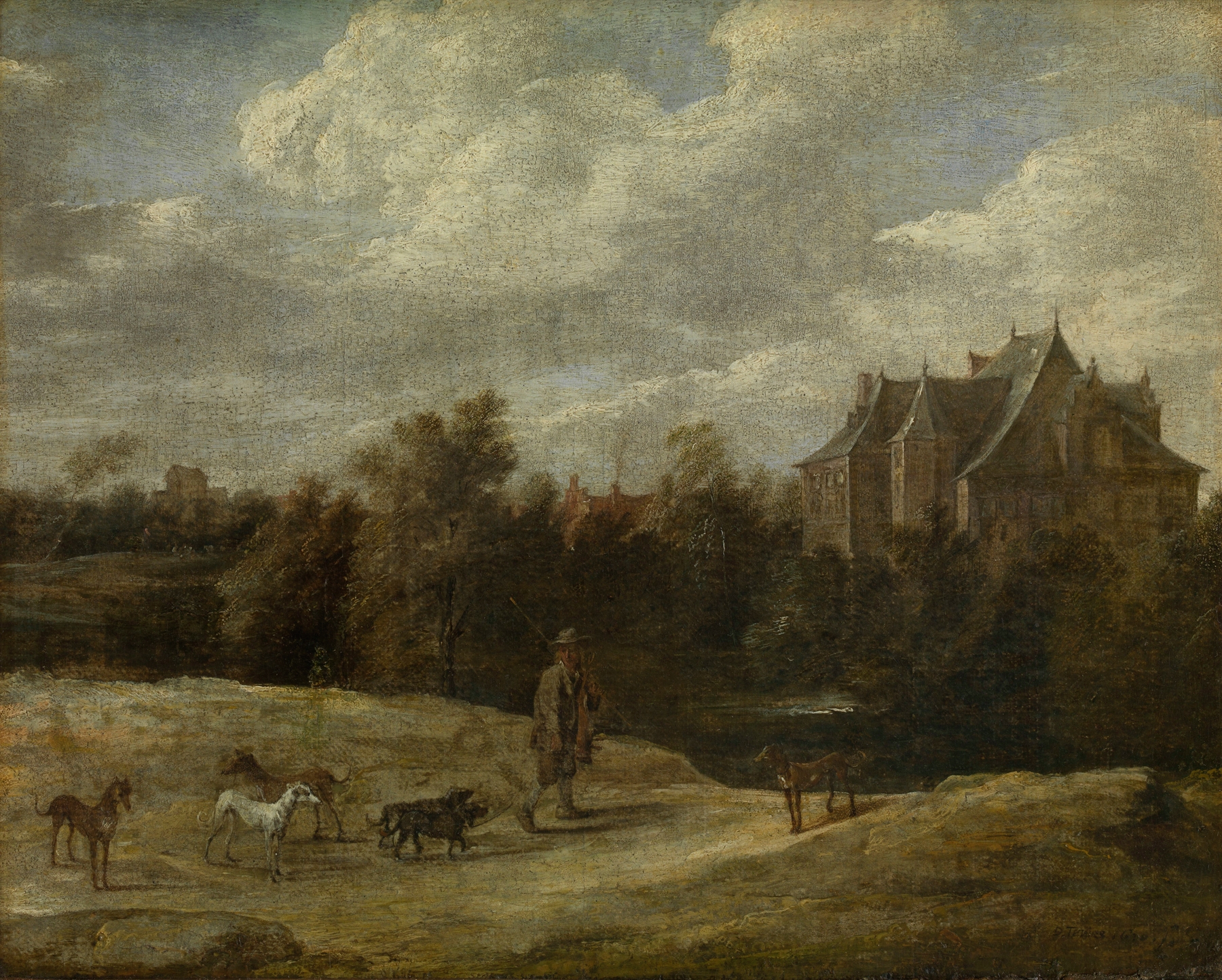
Who listens when art speaks of silence? Within the canvas of The Guardhouse, the weight of absence and forgotten moments hovers like an unspoken truth. Focus on the figures gathered within the rustic confines—a guard and a weary soldier lean against the walls, their postures echoing a sense of weariness. Notice how the light filters through the sparse openings, casting elongated shadows that stretch across the uneven floor, illuminating the dust motes that dance in the stillness.
The muted palette of earthy tones and ochres creates an atmosphere heavy with introspection, inviting the viewer to explore the emotional landscape of these solitary souls. Delve deeper into the expressions of the figures; the soldier's distant gaze hints at a story of loss, perhaps of comrades fallen or dreams unfulfilled. The juxtaposition of the vibrant interior against the oppressive silence outside signifies a world teetering on the edge of tumult—where outside chaos contrasts with the stillness within. The meticulously rendered details, from the worn textures of the wooden beams to the frayed edges of the soldier's uniform, suggest the passage of time and the inevitability of decay, reinforcing the theme of what is left behind.
Painted around 1645, this work emerged during a time when David Teniers the Younger was establishing his reputation in Antwerp as a master of genre scenes. The art scene was thriving, yet the backdrop of conflict in the Thirty Years' War greatly influenced his exploration of human emotion and everyday life. Teniers captured not just a moment but a poignant reflection of reality, weaving an intricate narrative of silence amid the chaos of his era.